


The postcard image most people picture
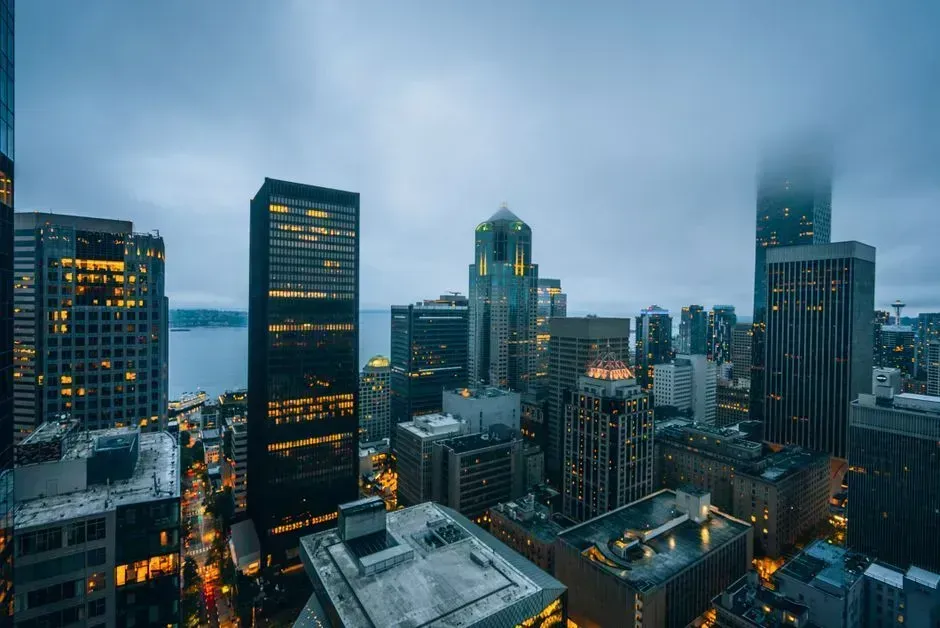
When outsiders think of Washington and Oregon, they usually picture Seattle’s skyline wrapped in mist or Portland’s bridges under a soft drizzle. That reputation is earned. Both cities average well over a hundred rainy days a year, and their coastal-influenced climate keeps summer temperatures relatively mild compared to much of the country.
But the Pacific Northwest is a big, geographically varied region, and coastal cities only tell part of the story. Once you cross the Cascade Range or drop into certain inland valleys, the weather changes completely. That shift in landscape is exactly why the region’s actual heat champion catches so many people off guard.
Medford, Oregon: the city that actually wins
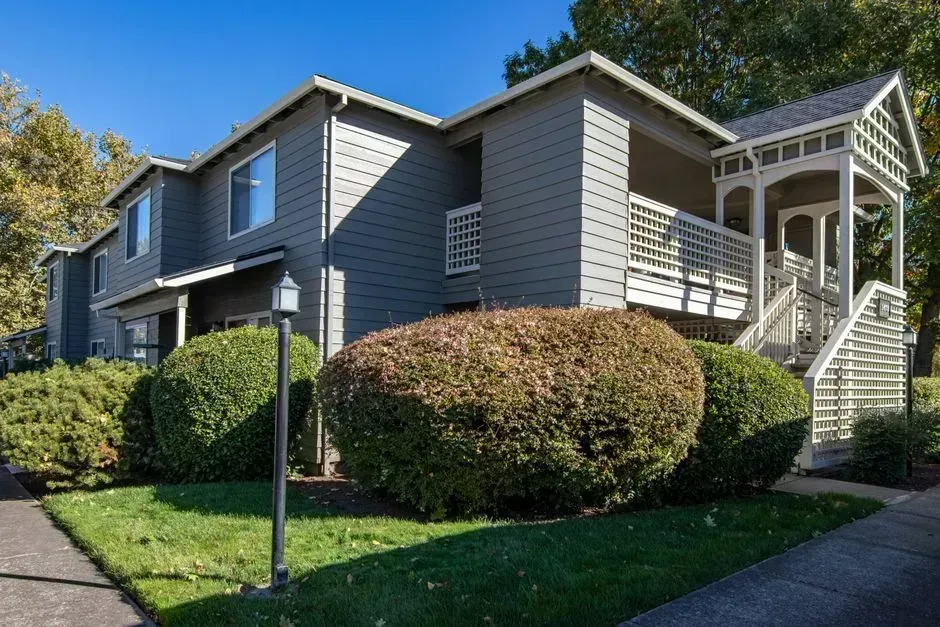
The title of hottest city in the Pacific Northwest belongs to Medford, Oregon, a city of roughly 90,000 people tucked into the Rogue Valley in the southern part of the state. It’s not a place most travelers associate with extreme heat, since it sits closer to the California border than to the misty coastline people usually imagine. Yet by nearly every meaningful measure, average summer highs, the number of scorching days per year, and the intensity of its heat waves, Medford consistently outheats the region’s bigger, more famous cities.
At Rogue Valley International Medford Airport, the summers are short, hot, dry, and mostly clear, with temperatures typically varying from 33°F to 93°F over the course of the year. That’s a dramatically different profile than the damp, temperate summers Seattle and Portland are known for. Local climate data backs it up further, with the warmest month in the Medford area being July, with an average high temperature of 92.0°F.
A valley built to trap the heat
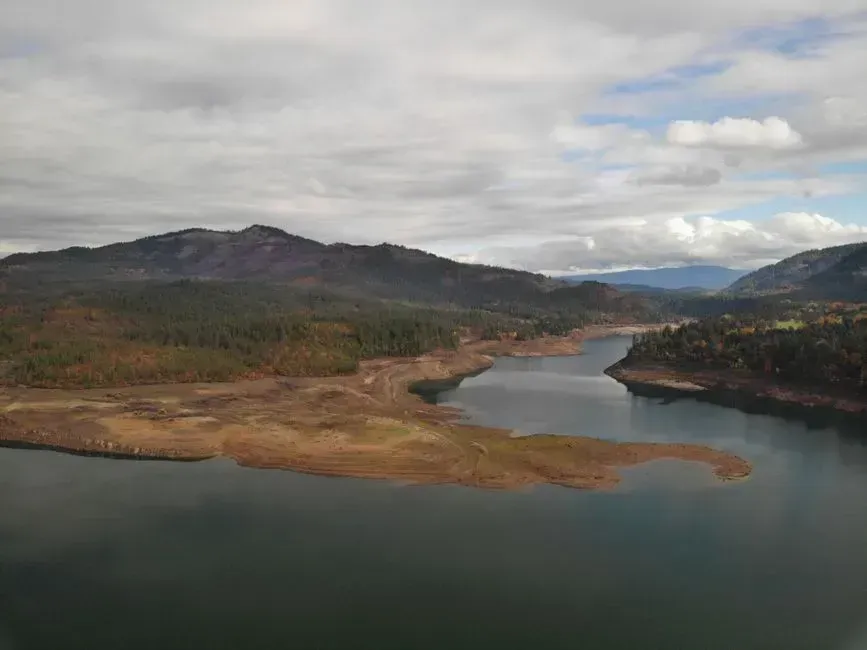
Medford’s heat isn’t random. It comes down to geography. The Rogue Valley experiences a rain shadow effect, where the nearby Cascade and Siskiyou mountain ranges block much of the incoming moisture, making the valley much drier than the coast or Portland. That same barrier of mountains that keeps rain out also traps summer heat in.
The Rogue Valley is somewhat isolated from surrounding areas, lying west of the Cascade Range and north of the Siskiyou Mountains, with the high parts of the Southern Oregon Coast Range further separating it from the coast. Surrounded on nearly every side by high terrain, the valley floor behaves like a bowl that collects warm air and holds onto it through the summer months. It’s a textbook example of how local topography, not just latitude, decides how hot a place actually feels.
The numbers behind Medford’s heat
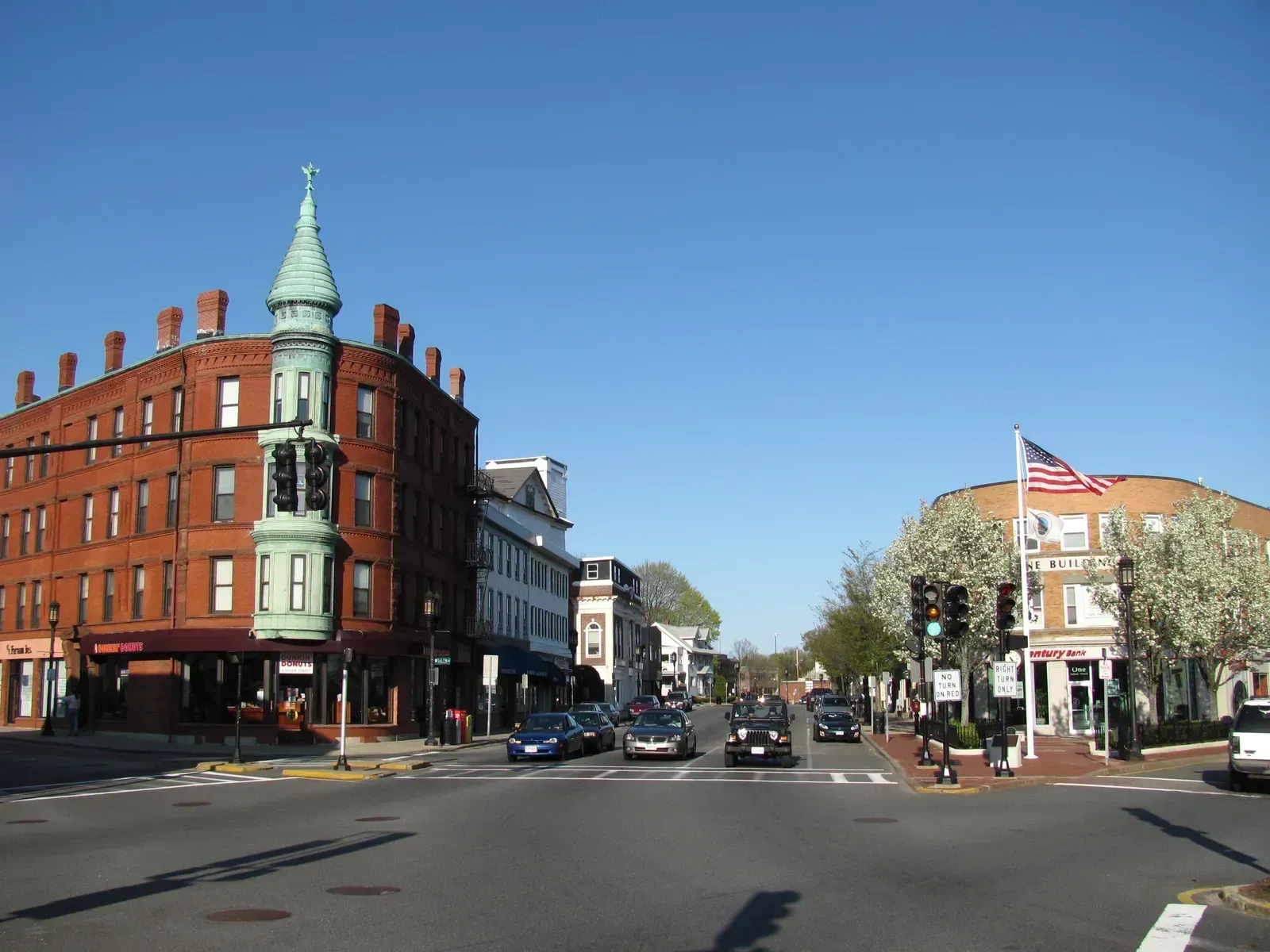
Climate data for the Medford area paints a consistent picture of a place that runs noticeably hotter than its Pacific Northwest neighbors. The region has an annual mean temperature of 66°F, and winter temperatures below freezing along with summer temperatures above 90°F are both common, with more than 97 and 40 days respectively each year. Forty or more days above 90 degrees is a substantial stretch of genuinely hot weather for a region better known for rain jackets than sunscreen.
Sunshine numbers tell a similar story. Medford receives around 2,520 hours of sunshine annually, compared to 2,341 in Portland. More sun exposure combined with dry valley air is a reliable recipe for higher daytime highs, and it’s part of why Medford edges out its wetter, cloudier northern neighbors almost every summer.
Heat records that tell the real story
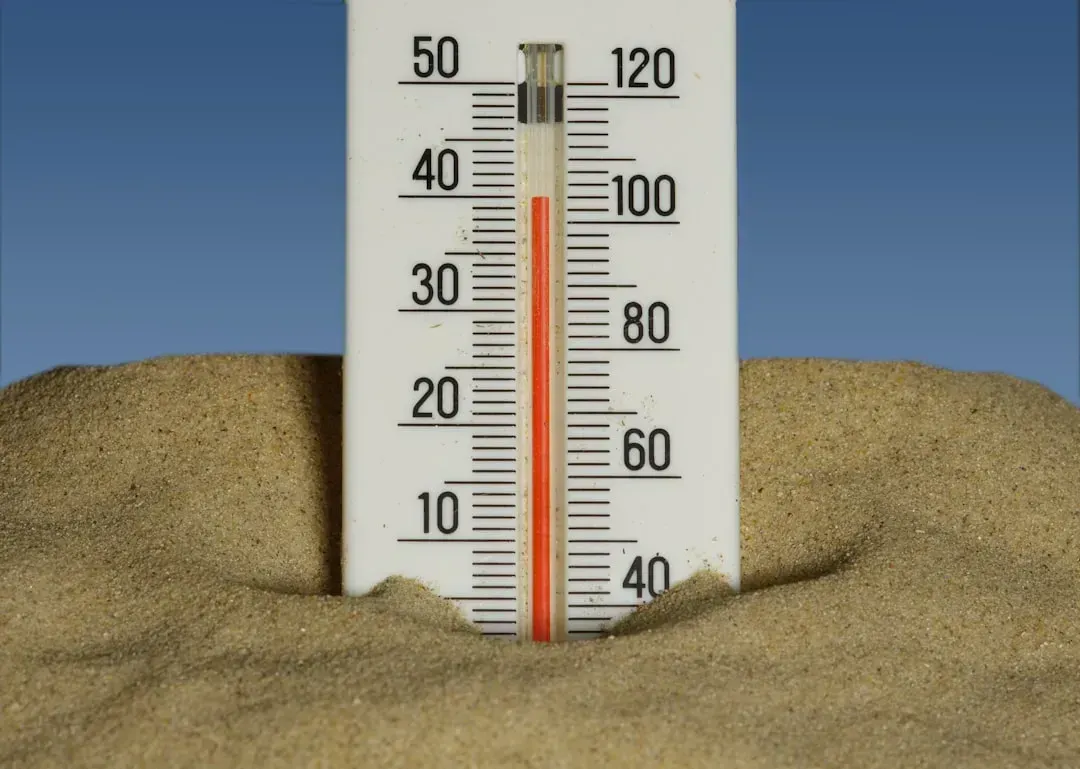
Medford’s temperature extremes back up its reputation. The highest temperature ever recorded in Medford was 115°F, which occurred on June 28, 2021. That reading came during the historic 2021 heat dome that scorched much of the Pacific Northwest, and according to detailed record-keeping, Medford has hit 115°F on two separate occasions, once on June 28, 2021 and once back on July 20, 1946.
The heat hasn’t stayed in the past, either. During a searing stretch in the summer of 2024, Medford hit a record of 112°F in July, according to Jefferson Public Radio. Ahead of that heat wave, Medford was forecast to reach above 110 degrees, potentially creating a historic event for that time of year, according to Oregon’s state climatologist.
How Medford stacks up against Seattle and Portland
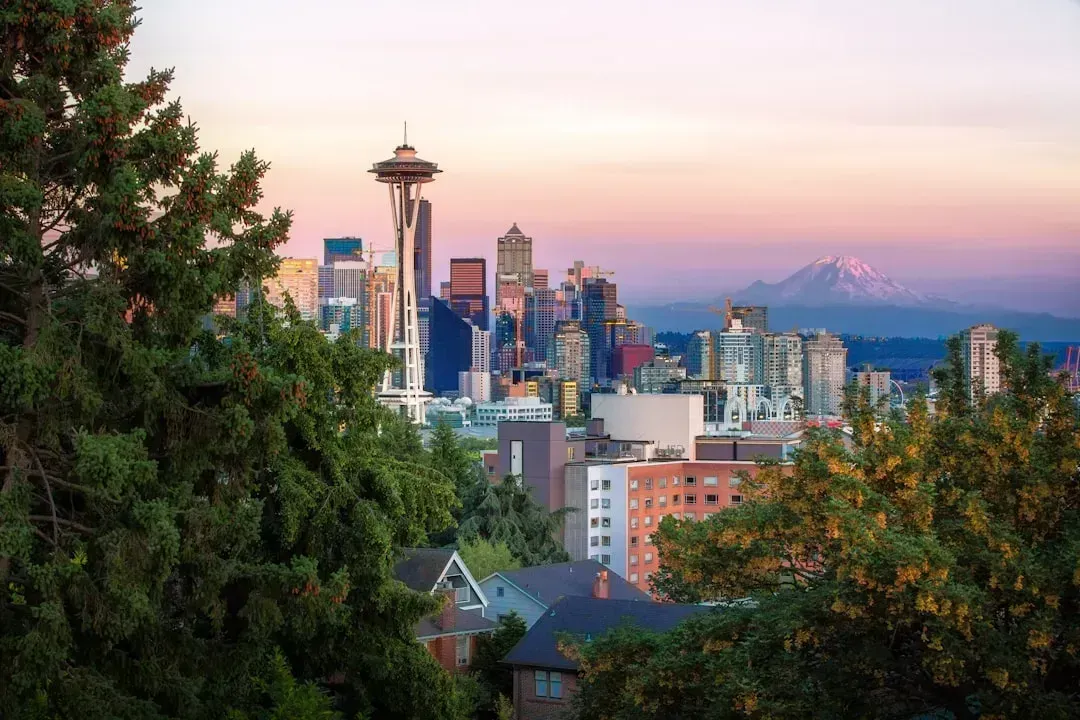
Comparing Medford directly to the region’s largest cities makes the gap clear. During the same 2021 heat dome that pushed Medford to 115°F, temperatures in Portland and Seattle soared to 116 and 106 degrees, respectively. Portland’s single-day spike edged out Medford that particular week, but spikes tell only part of the story since Portland’s heat extremes are rarer events layered on top of a generally milder baseline climate.
Medford’s advantage is consistency rather than a single dramatic peak. Since the late 1930s, places like Eugene and Portland have reached triple-digit temperatures roughly a hundred days total, an average of about once per year, though that milestone has been happening far more often in the last several years, with Eugene logging fourteen days above 100 degrees and Portland sixteen since 2020. Medford, sitting further south in a naturally hotter valley, tends to blow past those numbers in a typical summer without needing an unusual heat dome to do it.
The eastern Washington contenders
Medford isn’t entirely without competition. Cross the Cascades into eastern Washington and you’ll find a cluster of cities that also run hot and dry all summer long. Cities including the Tri-Cities, Yakima, Walla Walla, and Spokane are all known for scorching summer heat in what’s otherwise considered a cool, wet region.
The Tri-Cities area, made up of Richland, Kennewick, and Pasco, has a legitimate claim to regional heat supremacy in one specific way. During a heatwave in 2021, Richland tied the state’s all-time high temperature, with a maximum that reached 118 degrees. Yakima also holds its own, as it enjoys mild winters and hot summers that often exceed 100 degrees. Meanwhile Walla Walla, closer to the Oregon border, experiences hot summers with temperatures reaching into the high 90s.
Why Medford still edges out the desert rivals
The Tri-Cities region technically owns the single hottest reading ever recorded in Washington state, but a one-time spike isn’t the same as a consistently hot climate. The Tri-Cities region is known for sizzling summers with an average high temperature of 88 degrees Fahrenheit in July, the hottest month of the year. Medford’s July average high sits several degrees above that, at 92°F, giving it the edge when comparing typical summer conditions rather than isolated record days.
Yakima’s numbers land in a similar range to the Tri-Cities. Yakima’s summer heat arrives with an average high of 76.5°F, characterized by abundant sunshine and long daylight hours. That’s a comfortable, pleasant kind of warm compared to Medford’s noticeably more intense July stretch, which explains why climate writers repeatedly single out the Rogue Valley rather than eastern Washington’s desert towns when identifying the region’s true heat leader.
Life inside Oregon’s hot pocket
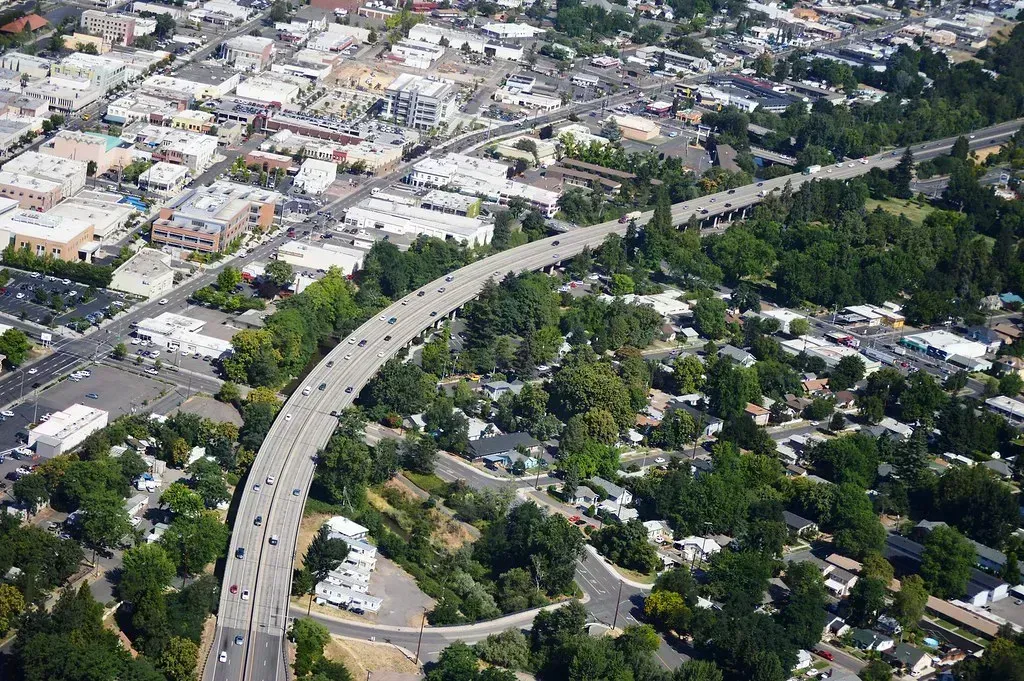
Living with Medford’s climate has shaped the local economy and culture in specific ways. The Rogue Valley’s warm, dry summers paired with reliable irrigation from nearby rivers have made it fertile ground for agriculture. Medford is the most populated city in the valley and a center for manufacturing, and in recent years the region has also become known for growing wine grapes.
The heat does come with real tradeoffs for residents. Most people in the Pacific Northwest are not yet fully prepared for high temperatures, and heat waves reaching more than 100 degrees for several days in a row can make heat-related illnesses like heat exhaustion or heat stroke more impactful. That’s a meaningful concern in a part of Oregon where central air conditioning has historically been less common than in hotter, drier states further south.
A warming trend that shows no sign of slowing

Medford’s heat isn’t just a quirk of geography anymore. It’s part of a broader warming pattern across Oregon. Oregon summers have warmed by around 3 degrees Fahrenheit, according to the state’s climatologist. That kind of shift compounds quickly in a valley that was already prone to intense summer heat before the trend accelerated.
Forecasters expect the pattern to continue rather than reverse. The Pacific Northwest has the best chance among all U.S. regions of having a hotter-than-average summer, with the odds better than 60 percent that temperatures will run above normal. For a city already sitting at the top of the region’s heat rankings, that forecast suggests Medford’s grip on the title isn’t loosening anytime soon.
