

Why the “climate change” headline misses the real math
Climate change is a real and measurable driver of rising premiums, but actuaries tend to treat it as one input among several rather than the whole explanation. A recent GAO review found that nationally, average premiums rose 3% during 2019–2024 but rose 25% or more in southern coastal areas, a gap far too large to be explained by weather trends alone. The same report noted that wind risk affected premiums more than wildfire risk, which is a detail that rarely makes it into general climate coverage.
What actuaries actually price is loss potential, and loss potential on a coastline behaves differently than loss potential spread across a state. A single hurricane doesn’t damage one house at a time, it damages thousands of houses in the same afternoon. That clustering effect, not the storm count itself, is where the deeper story starts.
The actuarial concept hiding behind rising premiums: correlated risk
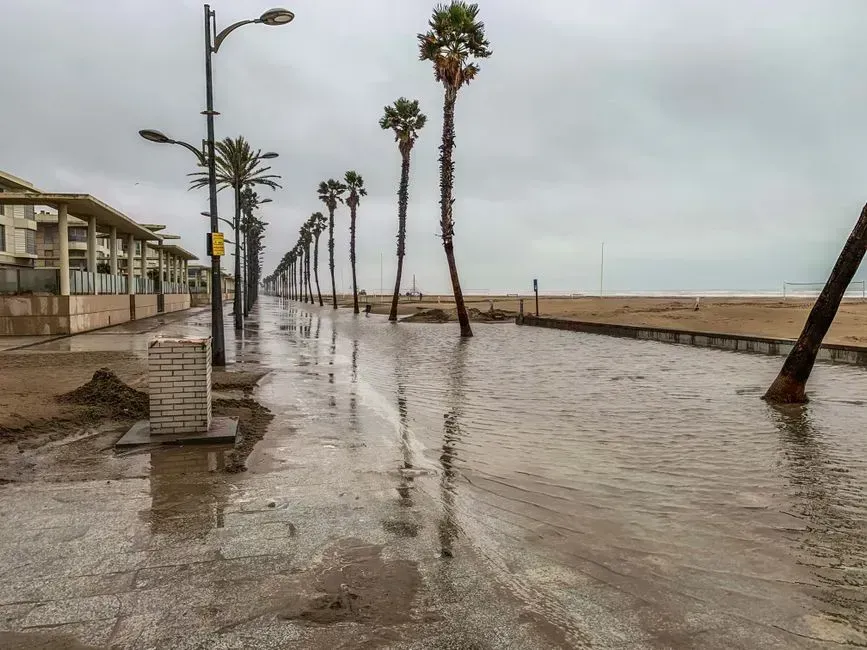
Insurance works best when losses are independent of each other, like house fires or burst pipes that happen randomly and rarely all at once. Coastal catastrophe losses are the opposite. When a hurricane makes landfall, it can trigger claims across an entire county within hours, which actuaries call correlated risk, and correlated risk is expensive to insure no matter how well built the homes are.
Because so many policies can fail simultaneously, insurers can’t rely on the usual math of spreading risk across a large, uncorrelated pool. They have to hold extra capital or buy extra reinsurance specifically to survive the scenario where every coastal policyholder files a claim in the same week. That reserve requirement gets baked into the premium long before a single storm ever forms.
Reinsurance: the quiet cost that flows straight into your bill

Reinsurance is essentially insurance that insurance companies buy for themselves, and it’s priced separately for each type of disaster. Because reinsurance is priced separately for each peril, the hurricane, wildfire, and severe-storm markets are now moving in different directions. In 2026, hurricane-exposed markets have actually started easing as some hurricane-exposed coastal markets, by contrast, are stabilizing as hurricane reinsurance costs fall from their 2023–2024 peak, while other perils remain stubborn.
That divergence matters because it shows reinsurance pricing, not raw weather data, is one of the more direct levers on your premium. When reinsurance costs spike, as they did after major storm years, insurers pass that cost through almost immediately. When reinsurance eases, relief trickles down slower, and only in the specific regions where reinsurers see the correlated risk shrinking.
Rebuilding costs are inflating losses faster than home values

Every actuarial model has to account for how much it costs to rebuild a home after a total loss, and that number has moved sharply in recent years. Materials, skilled labor, and permitting delays all cost more than they did before the pandemic, which means even a storm of identical intensity now generates a larger claim than it would have five years ago. Inflation has made all the materials used to build and repair houses more expensive, and the more it costs to rebuild a home, the higher claim costs become, and insurance companies respond by increasing premiums to offset the additional expenses.
This is a slower, quieter driver than a single hurricane, but it compounds over time. A coastal home that would have cost 300,000 dollars to rebuild a decade ago might cost far more today, and insurers have to price for that higher replacement value on top of the correlated storm risk already baked into the model.
More homes, more value, more exposure packed onto the coastline
Actuaries also track something called exposure growth, which simply means how much insured value sits in a risky area, independent of whether the weather itself is getting worse. Coastal population growth has been dramatic. Between 1975 and 2022, the number of people setting up shop in Ian’s path – Fort Myers, Cape Coral, and Punta Gorda FL – grew more than sixfold, which means a hurricane hitting that same stretch of coast today has vastly more property to damage than an identical storm would have decades ago.
Swiss Re’s modeling illustrates how sharply this changes the math. Researchers found that if Hurricane Andrew arrived today it would cause three times the insured losses it did in 1992 because so many more people now live in its path. That’s not a climate trend, it’s a development trend, and actuaries have to price for it just the same.
The shift from zip code averages to street-level risk scores
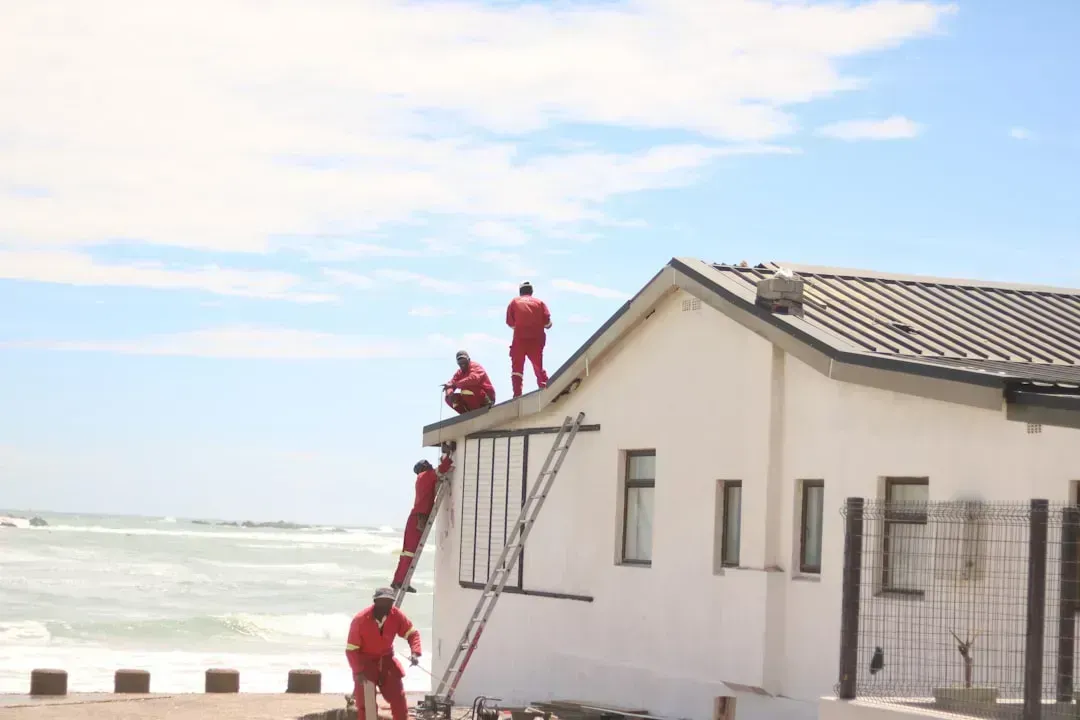
For a long time, insurers priced homes using broad zip code averages, which smoothed out the difference between a house on a barrier island and one a few miles inland in the same zip code. That approach is fading fast. For decades, premiums leaned heavily on ZIP code averages. That’s changing fast. Insurance providers are increasingly assessing specific property-level factors instead.
New technology is driving this shift. Insurers are now using AI-driven inspections, satellite imagery, and drone assessments to evaluate individual homes rather than relying on neighborhood-wide assumptions. The practical effect for coastal homeowners is that two houses on the same street can now receive noticeably different quotes based on elevation, roof condition, and distance from open water, details that used to get averaged away.
State-backed insurers are quietly becoming the market of last resort
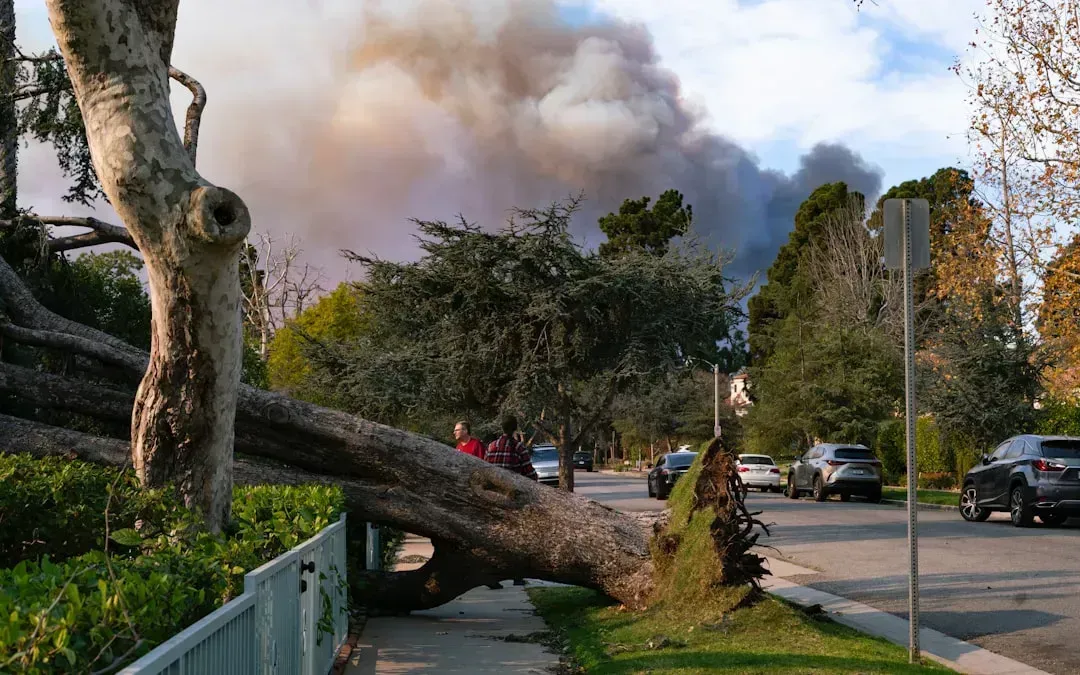
When private insurers decide correlated coastal risk isn’t worth the price regulators will allow them to charge, they often stop writing policies in that area altogether. Homeowners left behind frequently end up with state-backed plans that were never designed to be permanent. Where the strain continues, it tends to play out one of two ways: the insurer stays and raises the premium sharply, or it stops writing in the area, pushing homeowners onto a state-backed plan. These plans were built as a temporary safety net, not a permanent fixture. They’re now stretched thin.
California’s experience shows how quickly this can escalate after a bad year. The California FAIR Plan, which insures more homes than nearly any private insurance company in the state, approved a 29% rate increase for some policyholders after the 2025 Los Angeles wildfires drained its reserves. That single event pushed thousands of policyholders into a plan that had to raise rates just to stay solvent, a pattern actuaries expect to repeat wherever private capital retreats from correlated coastal risk.
Florida’s numbers make the abstract math concrete
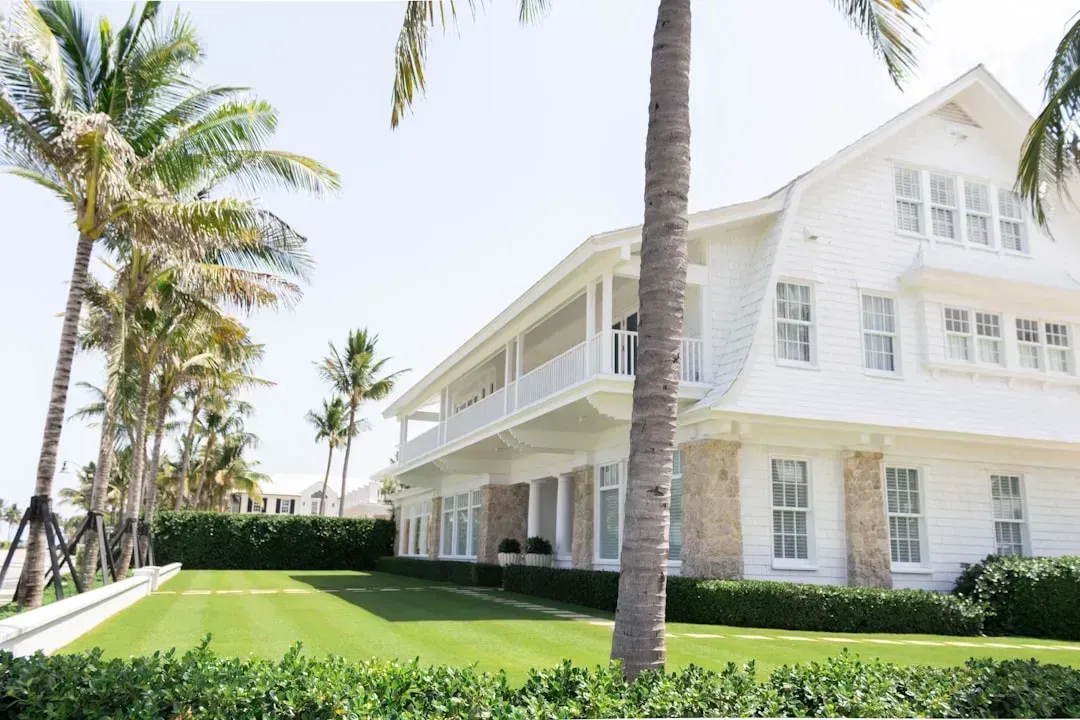
Florida is the clearest real-world example of correlated coastal risk turning into a dollar figure. Across the Sunshine State, homeowners’ insurance has surged an estimated 30% since 2021, averaging residents around $10,000 each year. Zoom into specific coastal zip codes and the gap widens further, since high insurance costs are “strongly localized” to coastal communities: in 11 percent of Florida ZIP codes, yearly premiums are over $10K a year; in about 4 percent of ZIP codes, premiums are more than $15K. Those expensive places are coastal ZIP codes.
There’s a modest bright spot worth noting. A calmer 2025 hurricane season helped stabilize the state’s insurers, since Citizens has been shrinking as private carriers take policies back, and a 2025 hurricane season with no US landfall made for a strong year for the state’s property insurers, though Florida is still one of the most expensive states to insure a home. One quiet season doesn’t undo years of correlated-risk pricing, but it does show how directly that math responds to a single active or inactive year.
California shows the same pattern, different peril
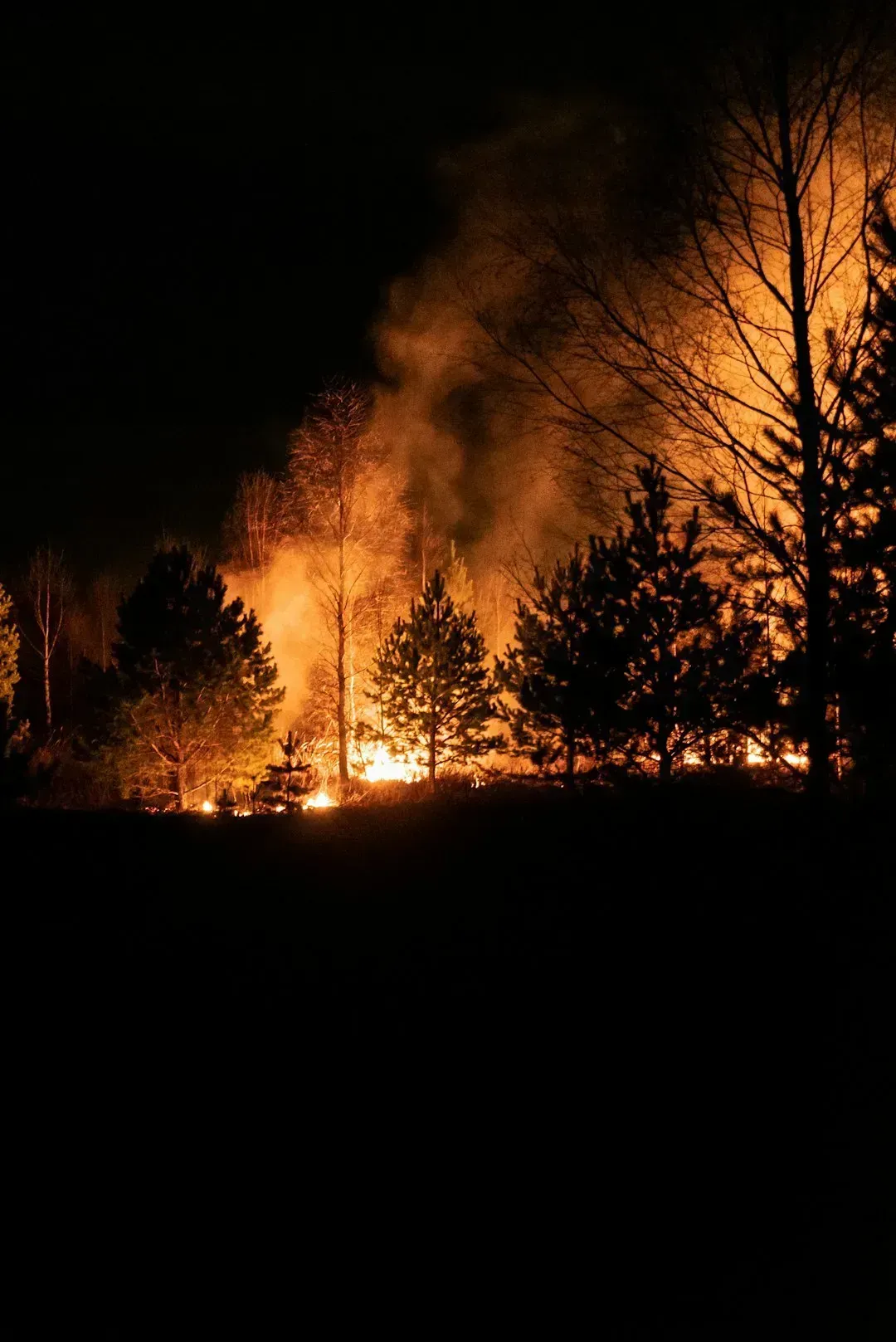
California’s coastal and near-coastal wildfire zones follow a similar actuarial logic, even though the peril is fire rather than wind and water. Millions of homes now sit at the edge of wildland, and insurers argue that state pricing rules keep them from charging rates that match the true correlated risk of a fast-moving fire jumping through a dense subdivision. Insurers argue they cannot charge rates that match the risk under current state pricing rules, and 19 providers, including major insurers such as State Farm and Allstate, have restricted coverage offerings or withdrawn completely from the market.
The financial pressure shows up clearly in recent filings. Large carriers have requested significant rate increases in California, sometimes totaling around 30% or more when multiple filings are combined, citing extreme wildfire losses and capital strain. As with Florida’s hurricanes, the underlying issue isn’t just that fires happen, it’s that a single bad fire season can hit thousands of correlated policies in one geographic cluster almost simultaneously.
Final thoughts

The coastal insurance squeeze isn’t really a story about worse weather alone. It’s a story about math that treats clustered, simultaneous losses very differently from scattered, independent ones, and about capital, reinsurance, and rebuilding costs all moving in the same direction at once. For homeowners on the coast, that math isn’t going away soon, even in years when the storms themselves stay quiet.
