


- The Compostable Cup Left Intact for Years – 5 Backyard Composting Failures - November 15, 2026
- Fast-Fashion “Conscious” Lines Under Scrutiny – 5 Red Flags in Eco-Clothing - November 15, 2026
- Space Engineers Explain 5 Quiet Changes Making Rocket Launches Safer Than Ever - November 15, 2026
Most of us track climate change through daytime highs. Those are the numbers that make headlines during a heatwave. Thermometers keep running after sunset, though, and the overnight readings show a different story.
For decades, scientists have noticed that the coolest part of the day hasn’t been cooling as much as it used to. The reasons are layered, and the picture has gotten more nuanced in recent years.
What Scientists Mean by Asymmetric Warming

The term describes a simple mismatch. Daytime and nighttime temperatures don’t rise by the same amount, even though both are shaped by the same warming planet. This pattern, with variations between day and night, is called asymmetric warming and could stem from both human activities and natural phenomena.
A University of Exeter study of the years 1983 to 2017 put numbers on it. It found a difference of more than a quarter of a degree Celsius between daytime and nighttime warming over more than half of the global land surface. Days warmed faster in some places and nights in others, though the area where nights warmed more was over twice as large.
Clouds Act Like a Lid and a Parasol
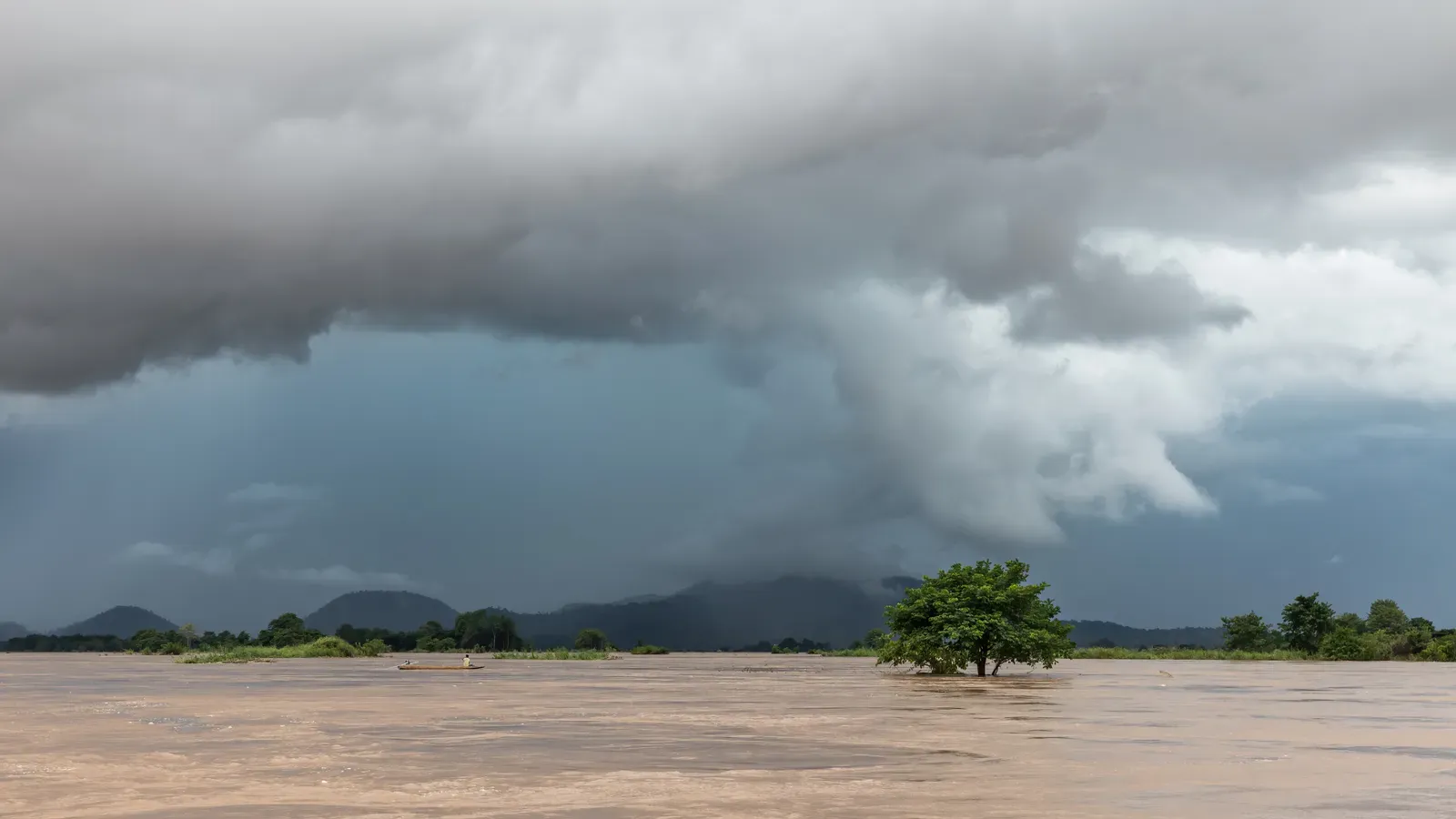
Cloud cover is one of the biggest drivers in that Exeter research. The study found the asymmetry was driven primarily by changing levels of cloud cover. Clouds do two jobs at once, and which one wins depends on the hour.
By day they shade the ground. Increased cloud cover cools the surface during the day and retains warmth at night, leading to greater nighttime warming. Decreasing cloud cover does the reverse, letting more warmth reach the surface by day while that heat escapes after dark.
Greenhouse Gases Slow the Overnight Cooldown

After sunset the ground radiates the day’s heat back toward space. Greenhouse gases intercept part of that outgoing energy and send some of it back down. Because the sun isn’t adding heat at night, this trapping makes up a larger share of the nighttime energy balance.
Researchers have long linked rising greenhouse gases to uneven changes between day and night. Earlier analyses found that rising greenhouse gases don’t affect temperatures evenly from day to night. The effect is real, though it isn’t identical everywhere.
Wetter Air Holds Heat Longer
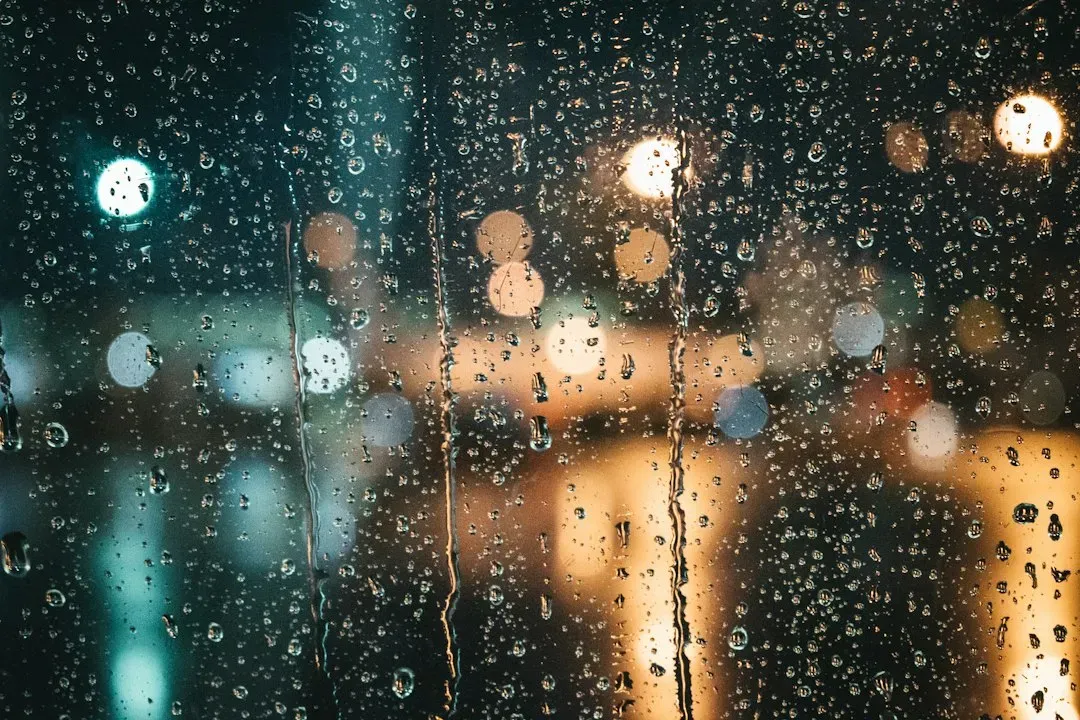
Moisture matters as much as clouds. Water vapor is a greenhouse gas, and humid air tends to cool more slowly after dark than dry air does. That’s why a desert can swing sharply from scorching afternoons to chilly nights.
The Exeter team saw this link in their data. They found that greater nighttime warming goes with a wetter climate. Where daytime temperatures are climbing faster, there tends to be reduced cloud cover and increasingly dry climates.
Cities Hold On to the Day’s Heat
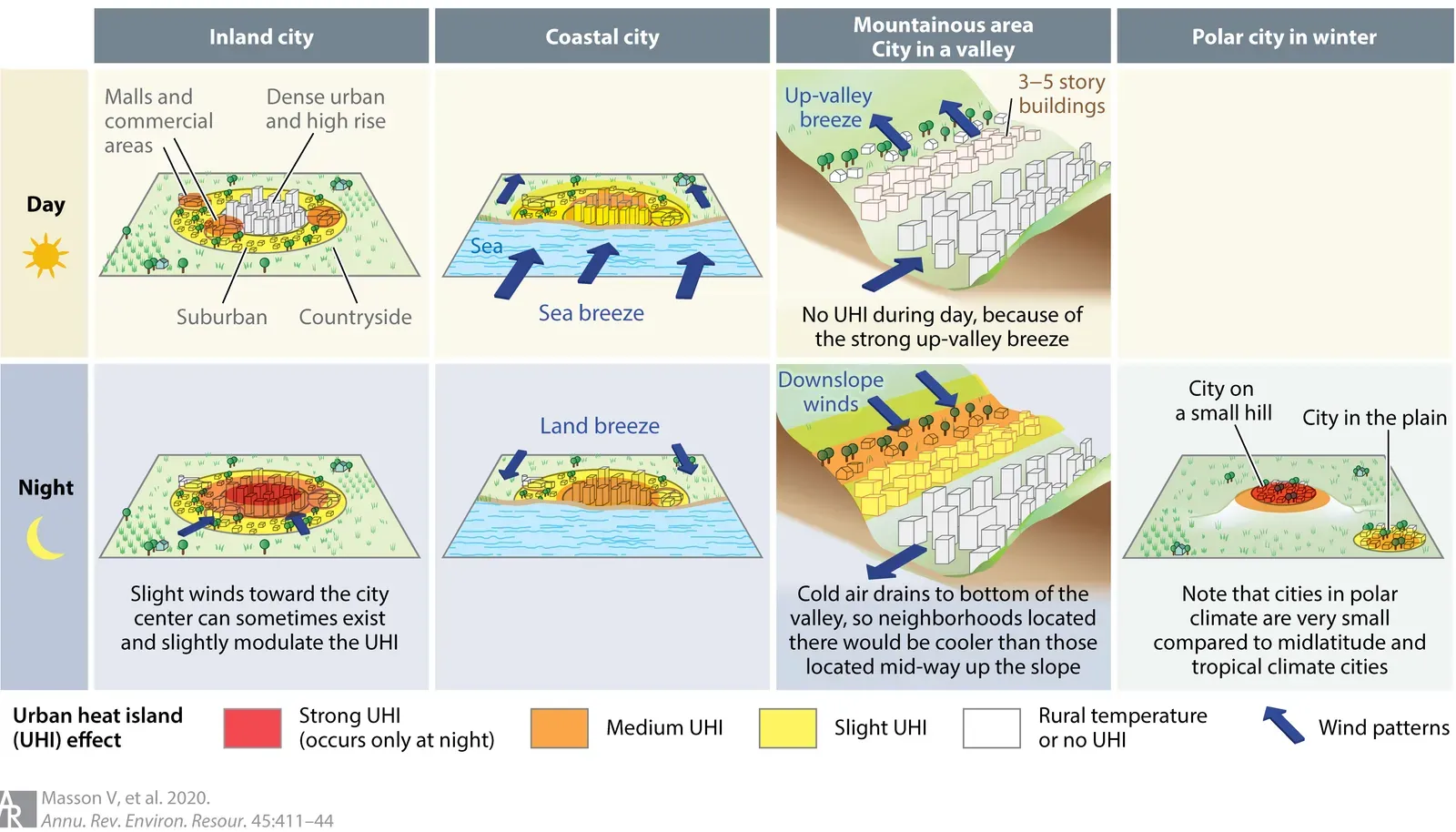
Urban areas give nighttime warming an extra push. Concrete and asphalt absorb daytime heat and release it more slowly overnight than outlying rural areas do, which pushes nighttime temperatures higher for city dwellers. This is called the urban heat island effect.
Heatwaves make it more noticeable. Even a brief hot spell lets warm nights linger after daytime temperatures return closer to normal, particularly in cities. That’s one reason a hot night can feel more punishing than the afternoon that preceded it.
The Disappearing Coldest Nights
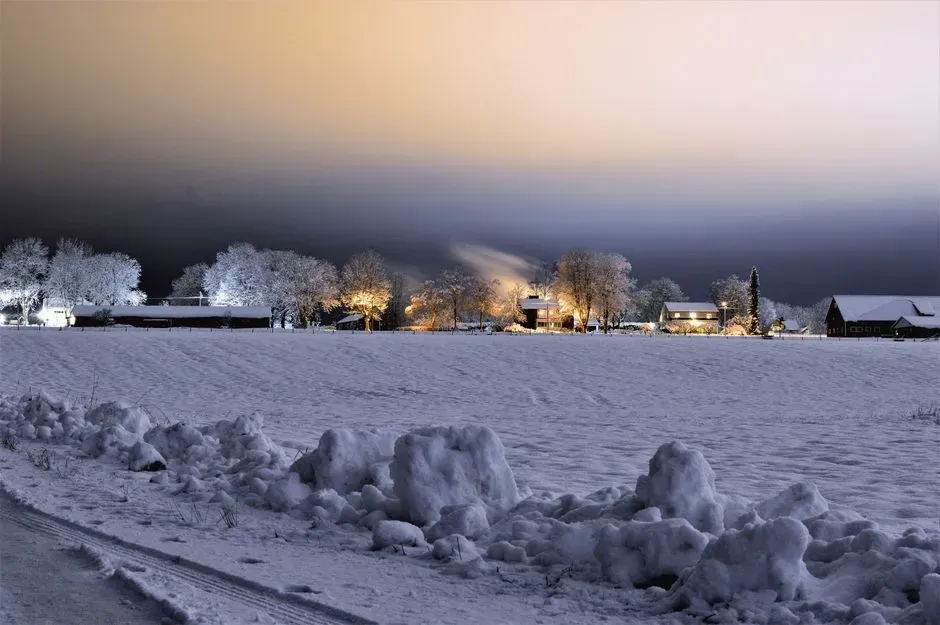
Part of the shift comes from what’s missing. Winters in some regions now have fewer extremely cold nights. In the UK, the coldest nights tend to be colder relative to the norm than the coldest winter days.
So losing them has an outsized effect on averages. Their loss has pushed the average nighttime minimum up disproportionately faster than the average daytime maximum. Weather station records stretching back more than a century in places helped scientists see this.
A Twist: Daytime Warming Has Been Catching Up
Not every recent study agrees the gap is still growing. A 2024 paper in Nature Communications reexamined the pattern. It found that between 1961 and 2020, global daytime warming accelerated while the nighttime warming rate stayed relatively constant.
The authors point to a likely cause. They suggest a phenomenon called global brightening, observed since the late 1980s. The takeaway is that nights warmed faster for much of the late twentieth century, yet the trend has shifted in the decades since, and regional results still vary.
Regions Where the Gap Is Widest
The effect isn’t spread evenly across the map. The Tibetan Plateau and parts of West and East Africa show marked asymmetry between day and night warming. Local cloud and moisture patterns largely decide the direction.
The United States offers another example. The Fifth National Climate Assessment notes that the number of nights never falling below 70°F is rising everywhere in the US except the Northern Great Plains. Hot nights are becoming a routine part of summer in many places.
Why Warm Nights Matter for Human Health

Nights are when the body normally recovers from heat. During a heat dome over the US in July 2026, reports noted that warm nighttime temperatures raised the risk of heat exhaustion and heat stroke, especially for people without air conditioning. Sleep suffers too. One study found that people in warmer climates lose more sleep for each degree of temperature increase.
Researchers are also tying hot nights to specific outcomes. A German study of Augsburg examined 11,037 clinical stroke cases diagnosed in the warmer months between 2006 and 2020 to test how nighttime heat relates to stroke risk. A separate analysis projected that heat related deaths could rise sixfold by the end of the century because of warmer nights, unless emissions are significantly curbed.
Ecosystems Feel the Difference Too
Plants and animals don’t all live on the same schedule. The study’s lead author said species active only at night or only during the day could be particularly affected. Uneven warming can reshape who gets the advantage.
Small experiments show how that might work. A 2017 study found that increased daytime warming led spiders to seek cover earlier, letting grasshoppers eat plants without fear. Nighttime ecology is also understudied, so much remains to be learned.
The Takeaway
Nights have warmed faster than days across much of the world’s land, mainly because of clouds, moisture, greenhouse gases and urban surfaces. Newer research from 2024 suggests daytime warming has accelerated in recent decades, so the gap isn’t a fixed rule. What holds steadily is that warm nights are getting more common, and they carry real consequences for health and ecosystems.
