

The sky looks simple enough from the ground. Open, clear, readable. Once you’re up there, though, the rules change in ways that training alone can’t fully prepare you for. The human visual system was built to navigate at ground level, not at 10,000 feet in a cockpit, and it makes assumptions that can go badly wrong in flight.
Human senses are not naturally geared for the in-flight environment, and pilots may experience disorientation and loss of perspective, creating illusions that range from false horizons to sensory conflict with instrument readings or the misjudging of altitude over water. These aren’t amateur mistakes. Even seasoned, experienced pilots have been caught off-guard by them. Here are eight of the most deceptive optical illusions in the sky.
1. The False Horizon

A false horizon occurs when the only or most distinct visual reference is a cloud formation that gets confused with the horizon or the ground. A sloping cloud deck extending into a pilot’s peripheral vision will appear to be horizontal, and a cloud bank below the aircraft that is not horizontal to the ground may appear to be horizontal. The brain simply picks the most convincing line it can find and calls it the ground.
Sloping cloud formations, an obscured horizon, a dark scene spread with ground lights and stars, and specific geometric patterns of ground light can all create the illusion of not being aligned with the actual horizon. Geometric patterns of ground light can create illusions that the light is not aligned correctly, and a disoriented pilot will align with an incorrect horizon and enter a dangerous attitude. The 1979 Air New Zealand Mount Erebus disaster is one of the most documented cases where featureless terrain became indistinguishable from the sky itself.
2. The Black Hole Effect
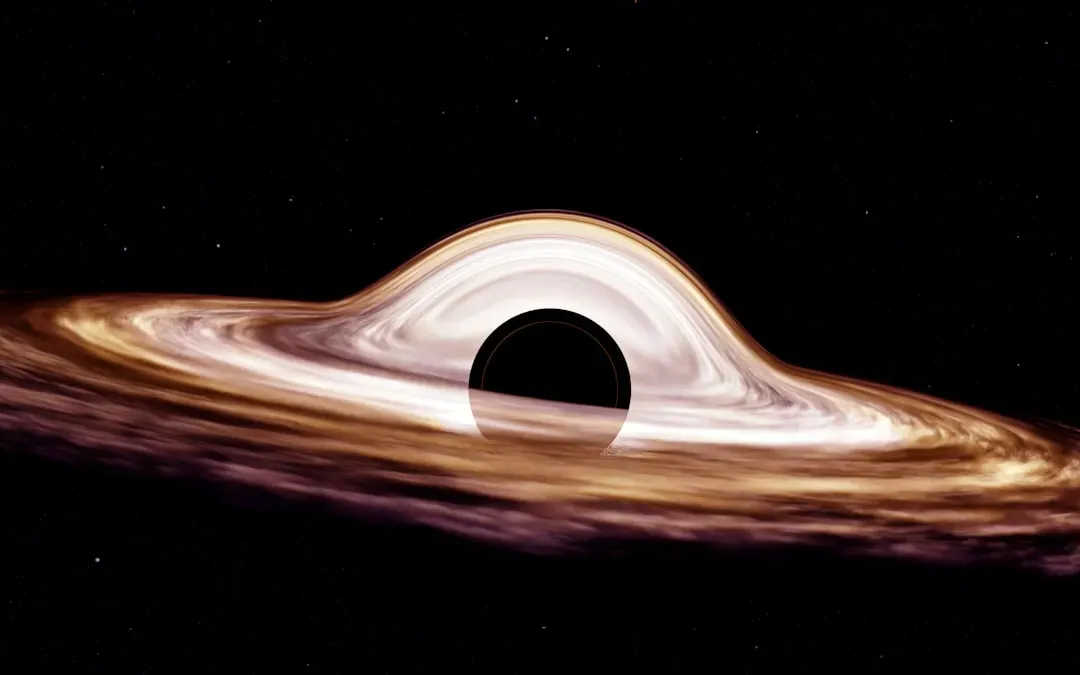
The featureless terrain illusion is often referred to as the “black hole effect,” and it is most prevalent over open water, at night, or in low visibility. When there is an absence of any ground features, the illusion causes the pilot to think they are too high, and when this happens on approach, the pilot may fly too low and collide with obstacles or terrain. It’s a quiet, creeping illusion rather than an obvious one.
The darkness between the aircraft and the runway, coupled with an inability to establish the visual reference point of the horizon, creates a potentially dangerous set of circumstances for a pilot – known as a black hole approach. The black hole illusion can also occur when taking off from a brightly-lit airport into a pitch-black, featureless sky, and with no visual cues to reference, pilots can experience vertigo and disorientation.
3. The Autokinetic Illusion

The autokinetic illusion occurs at night or in conditions with poor visual cues and gives the pilot the impression that a stationary light source is on a collision course with the aircraft. It is caused by very small movements of the eyes in conjunction with staring at a fixed single point of light in a totally dark or featureless background, and these otherwise harmless eye movements are interpreted by the brain as movement of the object being viewed due to the lack of reference points.
Planets or stars in the night sky often cause this illusion, having been mistaken for landing lights of oncoming aircraft, satellites, or even UFOs. One star that commonly triggers it is Sirius, the brightest star in the night sky, which in winter appears over the entire continental United States at one to three fist-widths above the horizon. A disoriented pilot can lose control of the aircraft attempting to align it with the light, and the best prevention is to focus the eyes on objects at varying distances while avoiding fixating on a single target.
4. The Atmospheric Haze Illusion
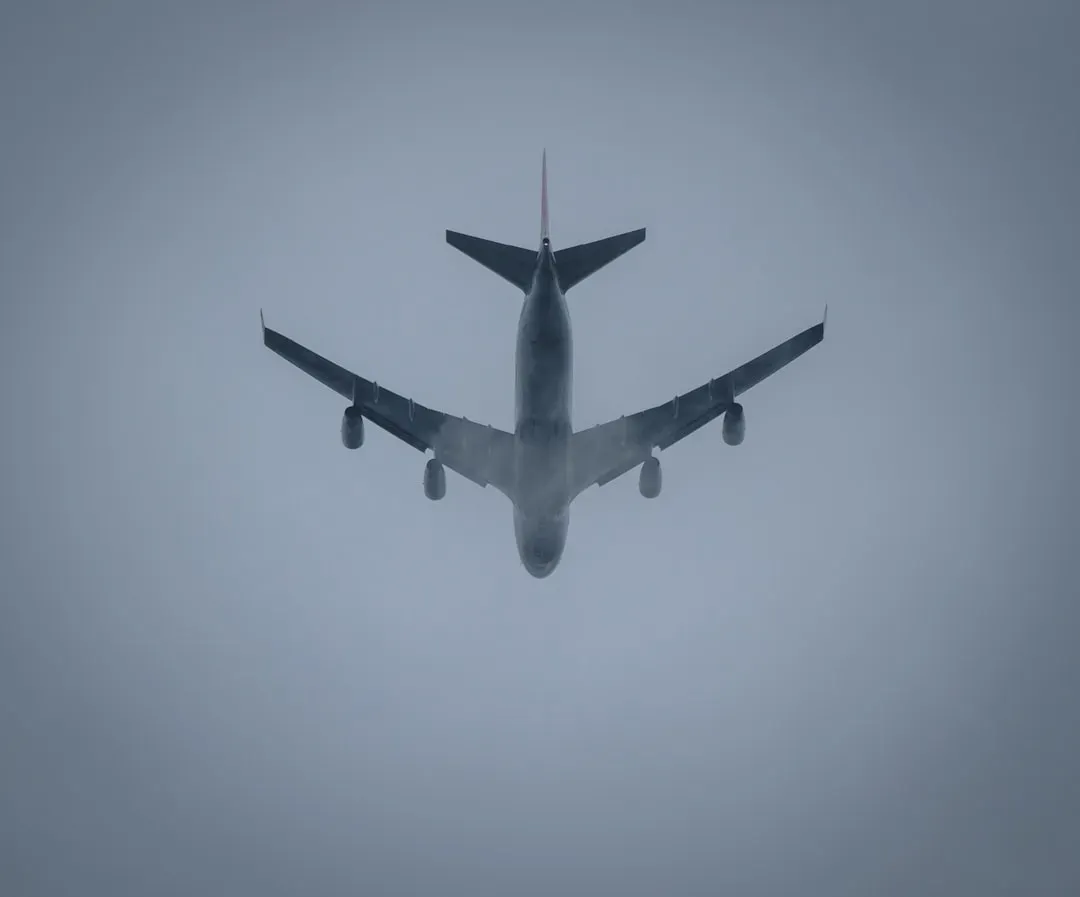
According to the FAA, atmospheric haze can create an illusion of being at a greater distance and height from the runway, and as a result, the pilot will have a tendency to fly too low on the approach. The haziness softens visual contrast and makes everything feel farther away than it actually is, which throws off the pilot’s mental depth model.
Conversely, extremely clear air, such as the bright conditions at a high-altitude airport, can give the pilot the illusion of being closer than they actually are, resulting in a high approach that may end in an overshoot or a go-around. Surface references or the natural horizon may at times become obscured by smoke, fog, smog, haze, dust, or ice particles, and this is especially true at airports located adjacent to large bodies of water or sparsely populated areas where few surface references are available.
5. Rain on the Windscreen

Rain on the windscreen can create an illusion of being at a higher altitude because the horizon appears lower than it is, and pilots experiencing this water refraction-induced illusion may fly a lower approach than desired. It seems minor at first glance, but the distortion is consistent enough to shift a pilot’s whole sense of where the ground sits.
The diffusion of light due to water particles on the windshield can adversely affect depth perception, and the lights and terrain features normally used to judge height above the runway during landing become less effective. The expansive film of water droplets can trick pilots into believing the horizon is lower than it really is, which can lead to faulty action that proves detrimental to normal flight operations.
6. The Runway Width Illusion

A narrower-than-usual runway can create an illusion that the aircraft is higher than it actually is, leading the pilot to fly a lower approach, while a wider-than-usual runway can create the illusion that the aircraft is lower than it actually is, leading to a higher approach. Pilots transitioning between airports with very different runway dimensions are particularly vulnerable to this one.
If a narrow-runway illusion is not corrected, it can lead to hitting objects on the ground due to landing short. A wider-than-usual runway causes the pilot to believe they are too low, therefore flying too high an approach, which risks overshooting the runway, landing too long, or a hard landing due to leveling out at the wrong height. Width is something pilots calibrate to their home airport almost unconsciously, which is exactly what makes this trap so easy to walk into.
7. The Runway Slope Illusion
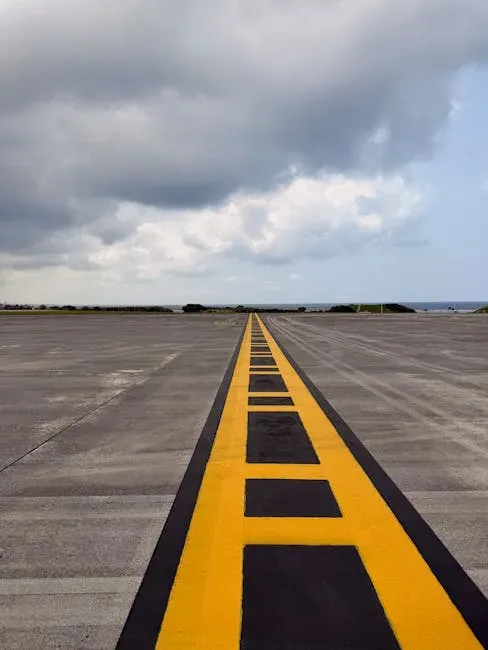
The runway slope illusion occurs when the runway itself or the surrounding terrain slopes upward or downward. If the runway has an upward slope, it creates an illusion that the aircraft is too high, causing the pilot to fly too low an approach, while a downward-sloping runway may cause the pilot to fly too high an approach because of the illusion that they are too low.
At night, an upward-sloping runway or upward-sloping terrain can create the illusion that the aircraft is higher than it actually is, leading the pilot to fly a dangerously low approach that could result in controlled flight into terrain. A down-sloping runway or terrain can have the opposite effect, resulting in the pilot flying a higher-than-normal approach. The illusion can affect both day and night operations, though it tends to be most dangerous after dark when other visual cues are also stripped away.
8. Confusing Ground Lights with Stars
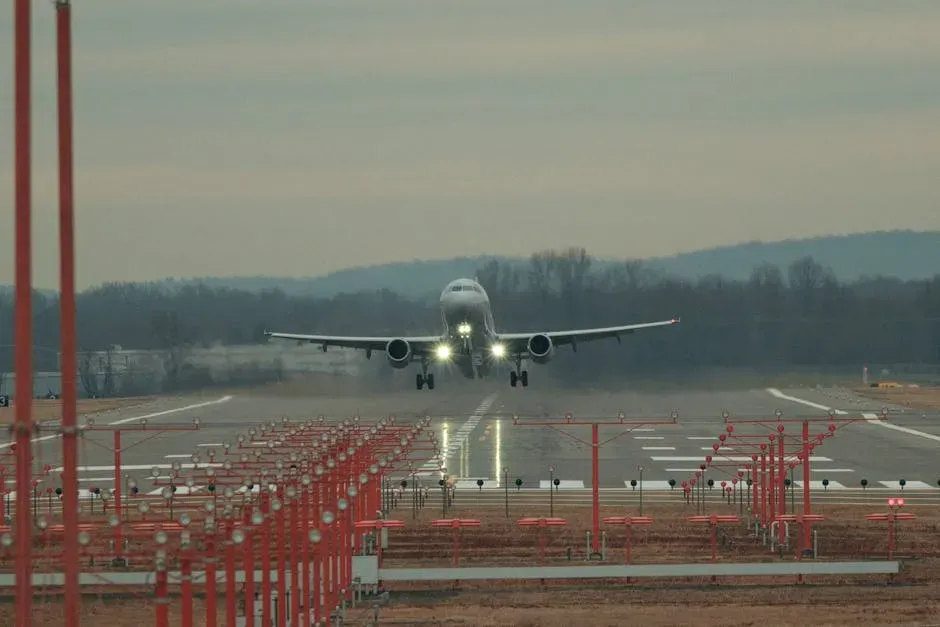
At night, ground lights can be mistaken for stars, which can lead pilots to maneuver the aircraft into an unusual attitude in an effort to put the ground lights “above” them. In areas with sparse ground lighting, isolated lights can also be mistaken for stars, making the aircraft appear to be in a nose-high attitude or to have one wing low. When overcast conditions block any view of stars, unlighted areas of terrain can actually appear to be part of the sky.
Ground lighting, such as lights along a straight road, can look like approach or runway lighting and cause the pilot to line up on the wrong approach path. Bright, high-intensity approach and runway lights can create the visual illusion that the runway is too close, while dimly lit runway lights may make the runway seem farther away, leading to a lower-than-normal approach. When the sky and the ground trade places visually, even the most disciplined pilot has to pause, look at the instruments, and trust what the numbers say over what the eyes see.
What makes these illusions genuinely unsettling isn’t that they fool beginners. It’s that they exploit the way human perception works at a fundamental level, in the cockpit of any aircraft, on any flight. The solution, every aviation authority agrees, is the same: trust your instruments. The sky is a beautiful place to fly, but it’s not a reliable place to navigate by feel alone.

- 8 Optical Illusions in the Sky That Confuse Even Pilots - May 11, 2026
- Meteorologists Say These 9 Weather Signs Are Quietly Warning of Trouble - May 9, 2026
- 6 Things Schools Got Wrong About the Water Cycle - May 9, 2026
