


- 7 States Where Water Conservation Is Becoming Part of Daily Life - August 20, 2026
- Economists Ranked Every State by Climate-Driven Cost of Living – This One Came in Dead Last - August 20, 2026
- I Asked ChatGPT Which Regions Will See the Worst Wildfire Smoke This Year – Here’s What It Predicted - August 20, 2026
Something significant is happening in the American housing market, and it’s not showing up in real estate listings or mortgage headlines. It’s happening inside the risk models of insurance companies, where actuaries are quietly redrawing the map of what’s insurable and at what price. Across the country, extreme weather events are causing insurance companies to hike premiums or withdraw coverage altogether. The numbers behind this shift are hard to ignore.
Insured losses in the United States reached nearly $113 billion in 2024, a roughly one-third increase over the prior year. As the likelihood of extreme, correlated losses grows, insurers are reducing coverage, raising premiums, and retreating from risky markets. What follows is a look at eight American cities where that retreat is becoming especially visible, and what it means for the people who live there.
Miami, Florida: Sea Level, Storm Surge, and Soaring Premiums
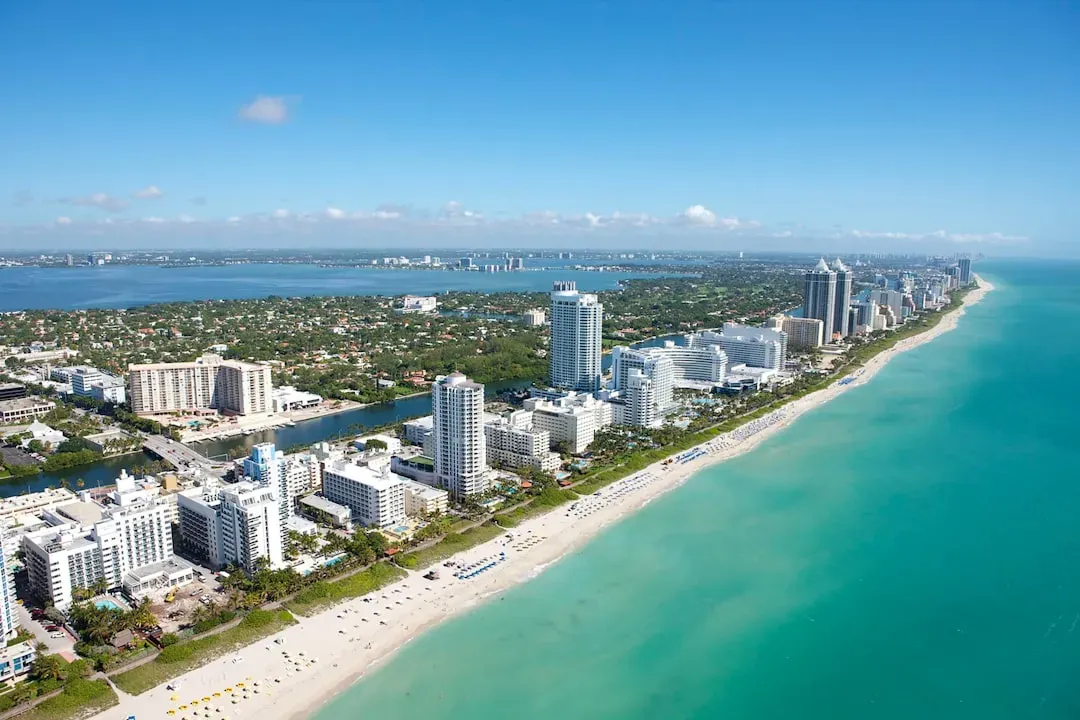
Miami sits at the center of nearly every climate risk conversation. Despite Miami being ranked by the OECD as one of the top 10 cities globally most vulnerable to flooding from sea level rise, construction in the Miami metropolitan area has grown in inflation-adjusted terms from roughly $15.8 billion in 2014 to $27.4 billion in 2023, and the region’s population grew by more than 660,000 between 2010 and 2020. The growth hasn’t slowed, but the insurance math has changed.
A report from First Street, a climate risk financial modeling company, identified Miami as one of the five largest metro areas likely to see the biggest spikes in insurance premiums alongside Jacksonville, Tampa, New Orleans, and Sacramento. In 2024, the average homeowners insurance premium in Florida reached $14,140, making it the most expensive state in the nation by a wide margin.
Tampa, Florida: Half the City Below the Flood Line
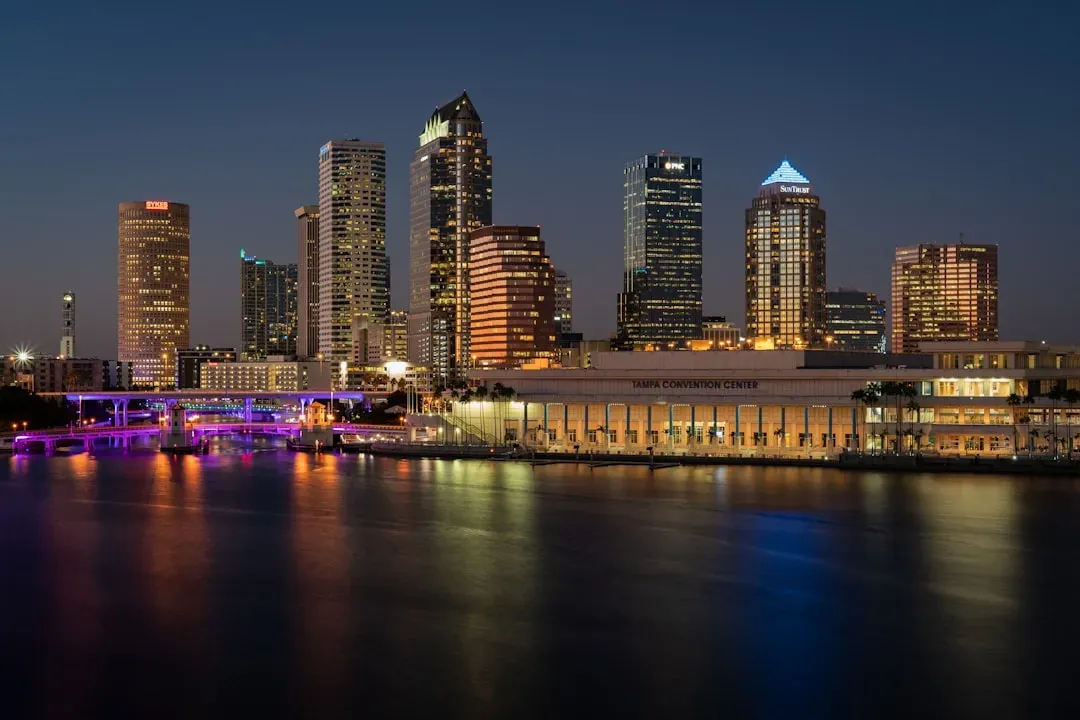
Tampa has a geography problem that no amount of new construction can fix. From 2010 to 2017, the population of Tampa grew by roughly twelve percent, and roughly half of the Tampa population lived in housing less than ten feet above sea level as of 2015. That combination of population density and low elevation puts enormous pressure on the local insurance market whenever hurricane season arrives.
Increased building and development in high-risk areas, combined with increasing frequency and intensity of natural disasters, are driving up insured losses. Wind and hail, water damage and freezing, and fire and lightning have long been leading causes of property damage, which helps explain why Florida is perennially among the highest-price states for homeowners insurance. For Tampa homeowners, that abstract risk calculus translates directly into monthly bills that continue to climb.
New Orleans, Louisiana: Where Insurance Costs Eat Into Every Housing Payment
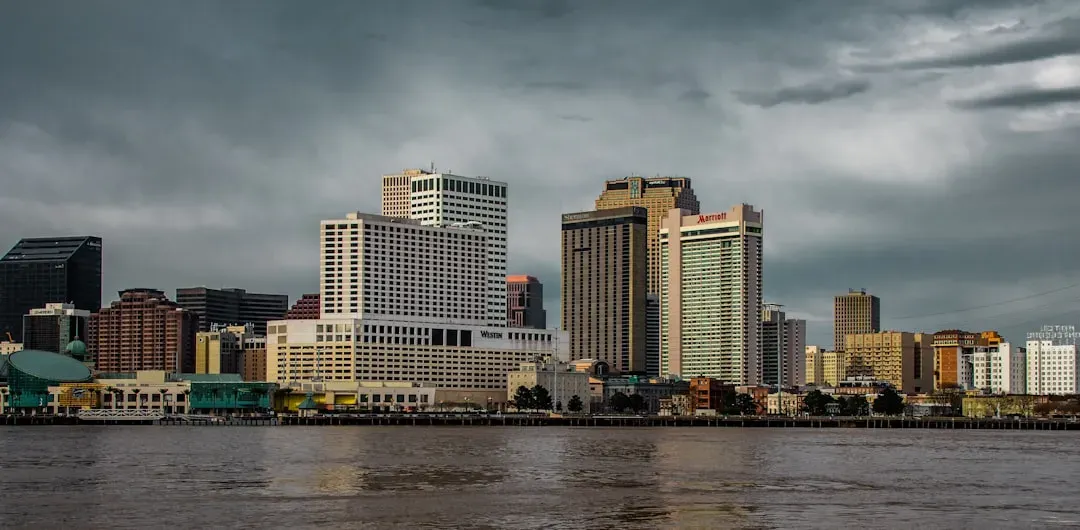
New Orleans has lived with catastrophic flood risk for generations, but the insurance burden there has reached a new level of financial strain. In Louisiana’s Orleans Parish, insurance now accounts for almost thirty percent of the average homeowner’s total housing payments. That figure alone explains why so many mortgage transactions are collapsing before they close.
The problem is particularly acute in Louisiana, where thirty to forty percent of mortgage loans fail because of high home insurance costs. At least a dozen home insurers left Louisiana following four major hurricanes the state endured in 2020 and 2021. The private market has been thinning for years, and the consequences for ordinary homeowners have been severe.
Los Angeles, California: The Wildfire Reckoning
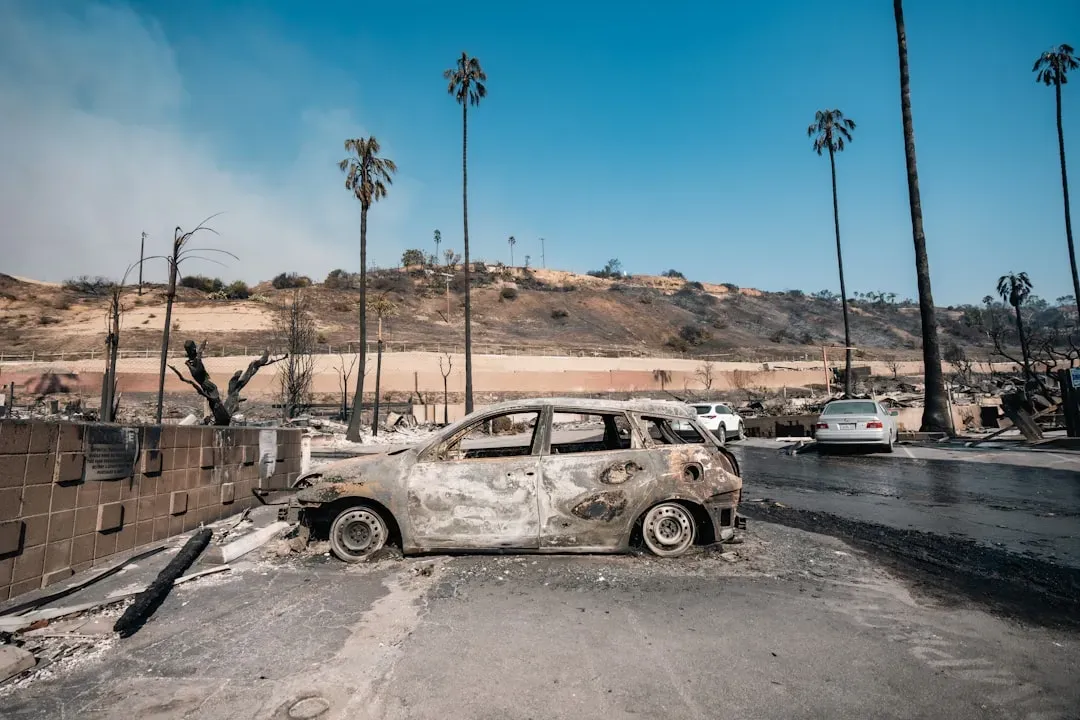
The January 2025 wildfires in and around Los Angeles forced the insurance industry to confront a risk it had badly underestimated. The Palisades and Eaton wildfires resulted in almost $40 billion in insured losses, described as “by far the largest global insured wildfire loss events to date.” Several major insurers had already begun pulling back from the California market before the fires began, but the 2025 season accelerated everything.
Several high-profile insurers exited California and others limited coverage, prompting a surge of new policyholders to the state’s FAIR plan in recent years. The FAIR plan’s exposure from the Los Angeles wildfires alone sat at nearly $5 billion, and the plan received nearly 4,800 claims. As of June 2025, the California FAIR Plan reported $650 billion in total exposure, up forty-two percent since September 2024 and nearly three hundred percent since 2021.
Jacksonville, Florida: Growing Fast Into High-Risk Territory
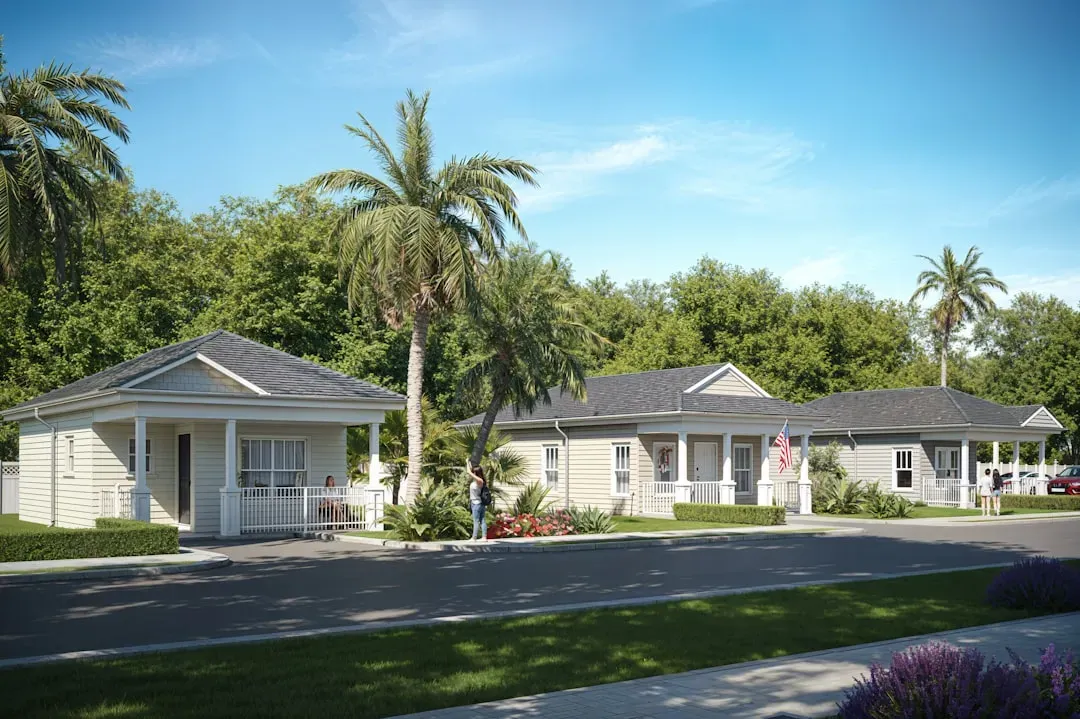
Jacksonville often gets overlooked in climate risk discussions because it doesn’t have the same profile as Miami or Tampa, but the numbers tell a different story. First Street’s climate risk financial modeling identified Jacksonville as one of the five largest metro areas facing the biggest spikes in insurance premiums in the coming years. The city has expanded rapidly, with significant development pushing into flood-prone coastal and riverine areas.
Rising premiums and limited availability of insurance can have significant ripple effects across housing markets, reducing demand and housing values for homes in high-risk areas. Jacksonville’s rapid growth has made it one of the most exposed Sun Belt metros precisely because so much new housing has been added in areas that actuarial models now flag as increasingly untenable. The underlying risk has been priced into the market slowly, but that process is now visibly accelerating.
Sacramento, California: Wildfire Risk That Keeps Spreading
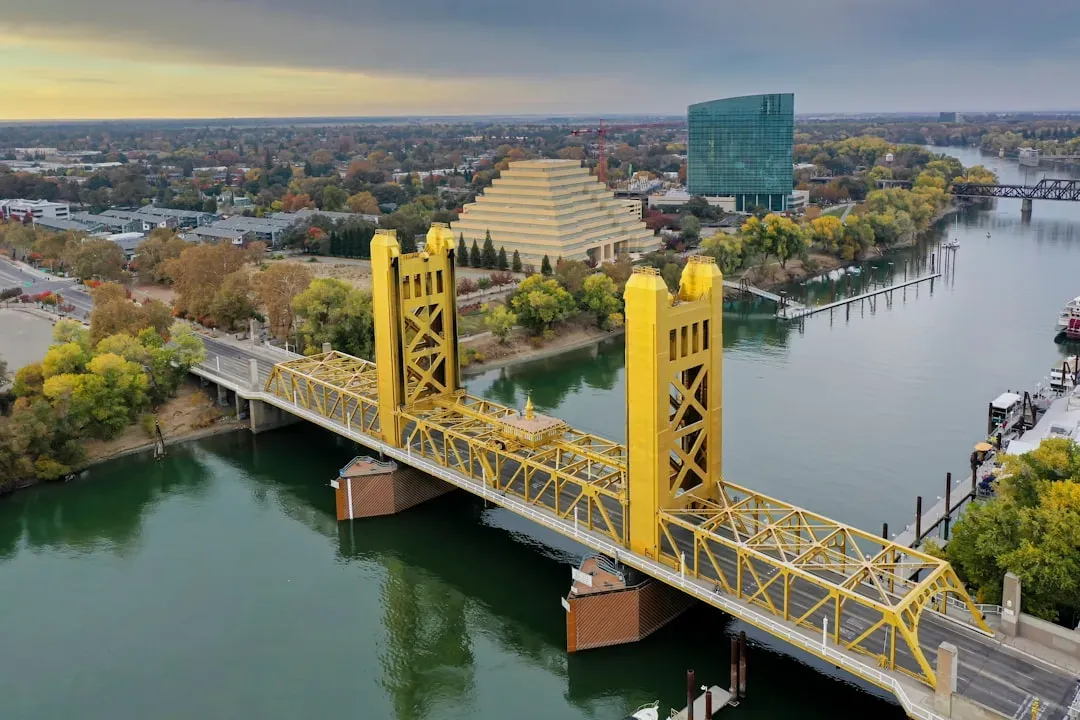
Sacramento sits at the edge of some of California’s most fire-prone landscapes, and the wildfire perimeter keeps expanding. Between 1990 and 2010, forty-three percent of all new homes nationally were built in wildfire-prone areas, accounting for twenty-five million residents. The Sacramento region has followed a similar pattern, with suburban growth pushing into areas that burn regularly.
In May 2023, State Farm announced it was halting all new home insurance policy sales in California due to increased wildfire risk and rising inflation, while Allstate announced it would also halt all new home insurance policy sales in California due to increased wildfire risk the following month. In California broadly, one in five homes in the most extreme fire risk areas has lost coverage since 2019, and there are now over 150,000 uninsured households in those areas in California alone. Sacramento-area homeowners near the urban-wildland interface are experiencing that directly.
Houston, Texas: Flooding That Repeats, Again and Again
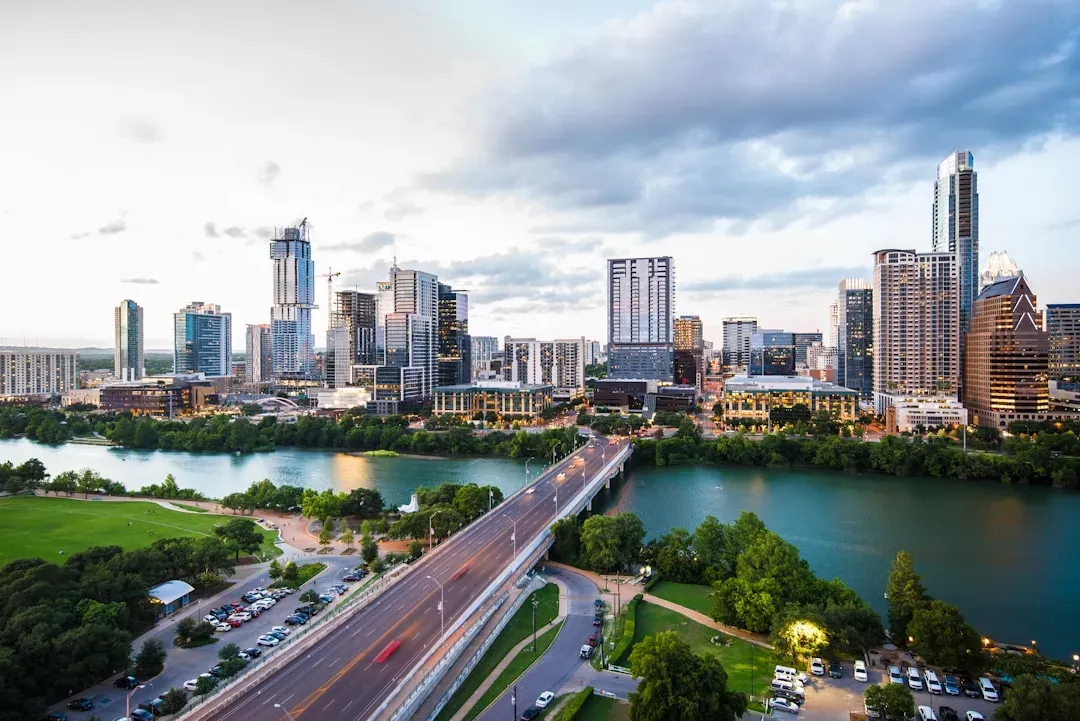
Houston has flooded so many times in recent decades that the city’s vulnerability is almost treated as accepted fact. Yet the insurance market is starting to treat it as something more urgent: an unacceptable actuarial bet. Deadly flash floods struck Texas in the summer of 2025, even as over forty states found themselves in at least moderate drought conditions. Flooding in Houston tends to be severe, widespread, and expensive to recover from.
In 2025, approximately six percent of homes in the United States faced severe or extreme risk of flood damage, valued at nearly $3.4 trillion. Roughly two million homes valued at nearly $1 trillion could face significant flood risk without homeowners being aware, because they are not located in FEMA Special Flood Hazard Areas. Houston has a large share of exactly these hidden-risk properties, which makes the city’s insurance exposure harder to quantify and harder for the market to price accurately.
Charleston, South Carolina: A Historic City Facing a Rising Tide
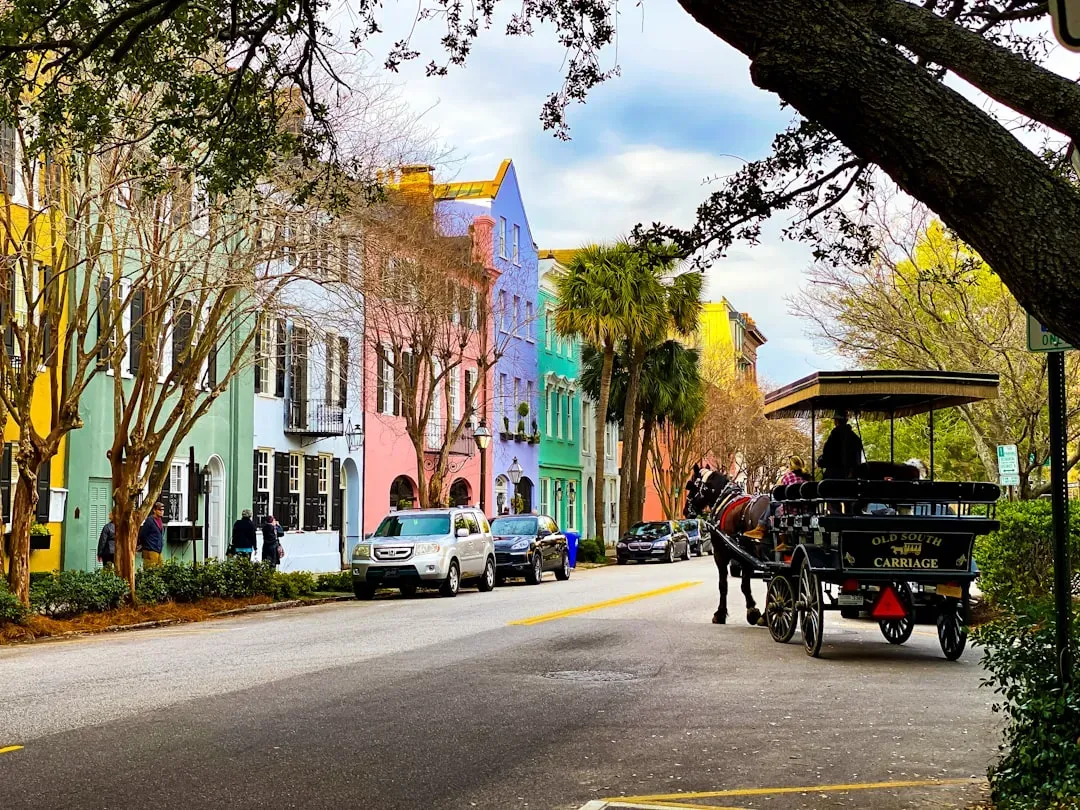
Charleston’s insurance situation is an almost textbook case of climate risk colliding with a growing, desirable real estate market. Sea levels along the South Carolina coast are rising faster than the national average, and “sunny day flooding” from tidal surges has become a routine inconvenience that’s increasingly becoming a financial one. Climate change is also expanding losses from perils that were not historically major sources of losses, and the effects are not limited to states like California, Louisiana, and Florida. Climate change has increased the frequency and severity of weather-related events throughout the United States.
From 2018 to 2022, consumers living in the twenty percent of ZIP codes with the highest expected annual losses from climate-related perils paid premiums roughly eighty-two percent higher on average than those in the lowest climate-risk ZIP codes. Policy nonrenewal rates were also higher in areas with the highest expected losses, with average nonrenewal rates about eighty percent higher than those in the lowest-risk ZIP codes. In Charleston, those patterns are already visible, and real estate professionals are starting to factor them into conversations that once centered only on square footage and neighborhood charm.
What the Reassessment Means for Homeowners Everywhere
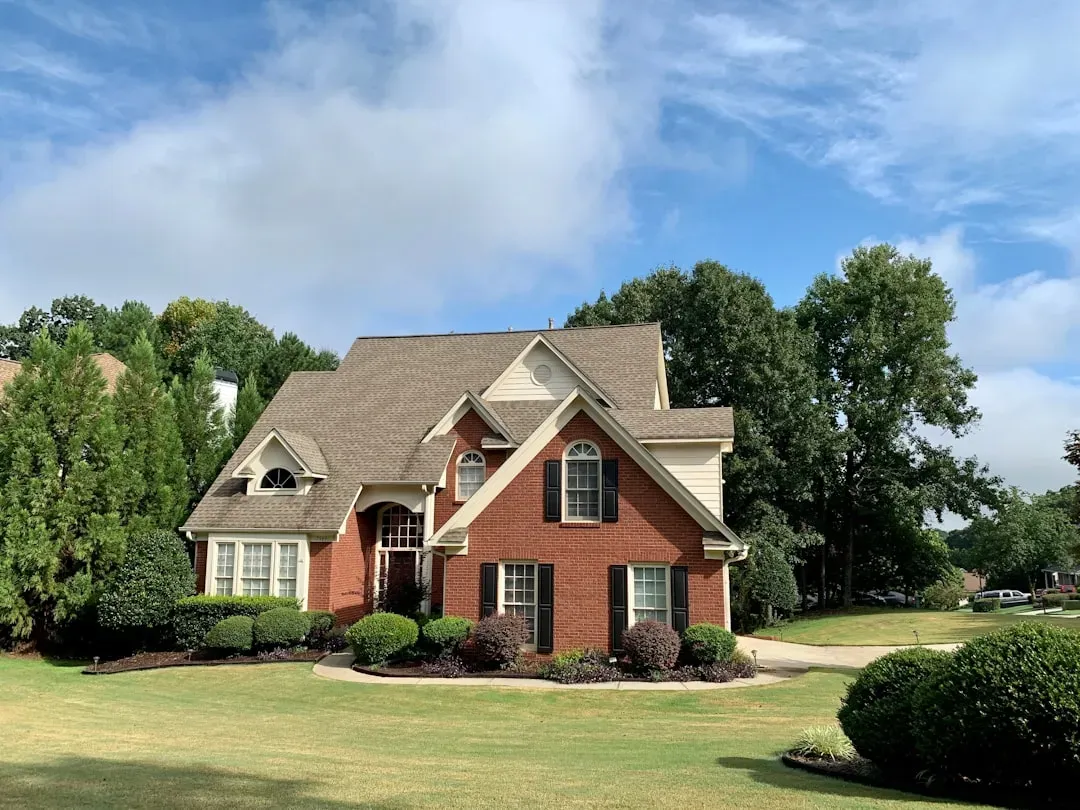
While insurance prices rose roughly seventy-four percent from 2008 to 2024, home prices increased forty percent during the same period, according to the Joint Center for Housing Studies at Harvard University, making it harder to realize the dream of homeownership. The squeeze is felt most acutely in the cities listed here, but it reflects a national trajectory. Home insurance premiums surged by nearly thirteen percent in 2023 and over ten percent in 2024, a rate of growth that far outpaced general consumer price inflation.
As home insurance becomes more expensive and less available, a growing number of individuals and families are unable to purchase a home at all, since mortgage lenders require coverage. A recent survey of home buyers and sellers found that nearly half of respondents encountered issues with home insurance, while roughly one in five reported that a transaction fell through entirely. Climate change and urban development in hazard-prone areas are undermining this critical institution, forcing private insurers to retreat from high-risk regions and leaving homeowners in the lurch precisely when they are most in need of coverage. The quiet reassessment happening inside insurance companies is becoming very loud for the people living in these cities.
