

Something has shifted in how fire scientists talk about wildfire seasons. The word “season” itself has become a bit awkward. Researchers and fire agencies are increasingly dropping it in favor of a more unsettling phrase: fire year. That’s not a rhetorical flourish. It reflects an observable change in when fires ignite, how long they burn, and where they appear on the map.
The conditions heading into the second half of 2026 have put a number of key indicators in the red simultaneously. Drought, depleted snowpack, accumulated fuel loads, and a stretched firefighting workforce are all converging in ways that researchers have been modeling and warning about for years. This year, the model and the reality are starting to look uncomfortably similar.
A Fire Season That Is No Longer a Season
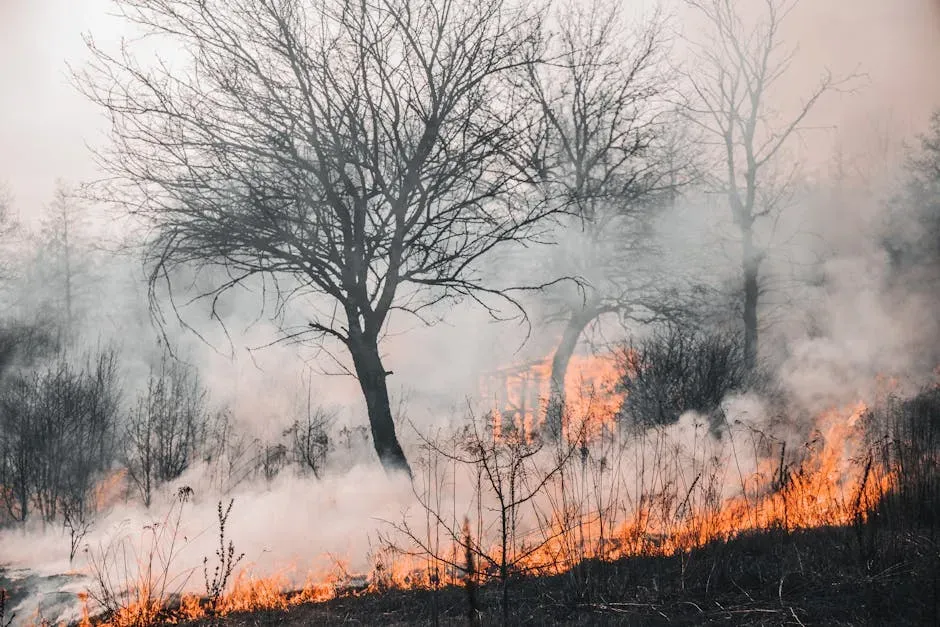
While most wildfires in the United States traditionally occur between May and November, with peak activity in August, wildfires outside of what was once considered the fire season are becoming more common due to climate change and changing weather patterns. That extension is not trivial. It means suppression resources that used to recover during the off-season now face near-continuous demand.
A destructive wintertime wildfire in Colorado in 2021 illustrated the growing trend of fire activity extending well beyond summer. U.S. Forest Service scientists, looking back at 35 years of weather data, found that fire seasons are starting earlier in the spring and extending later into autumn, with parts of the Western United States, Mexico, Brazil, and East Africa now having fire seasons more than a month longer than they were three and a half decades ago.
The 2026 Numbers Are Already Alarming
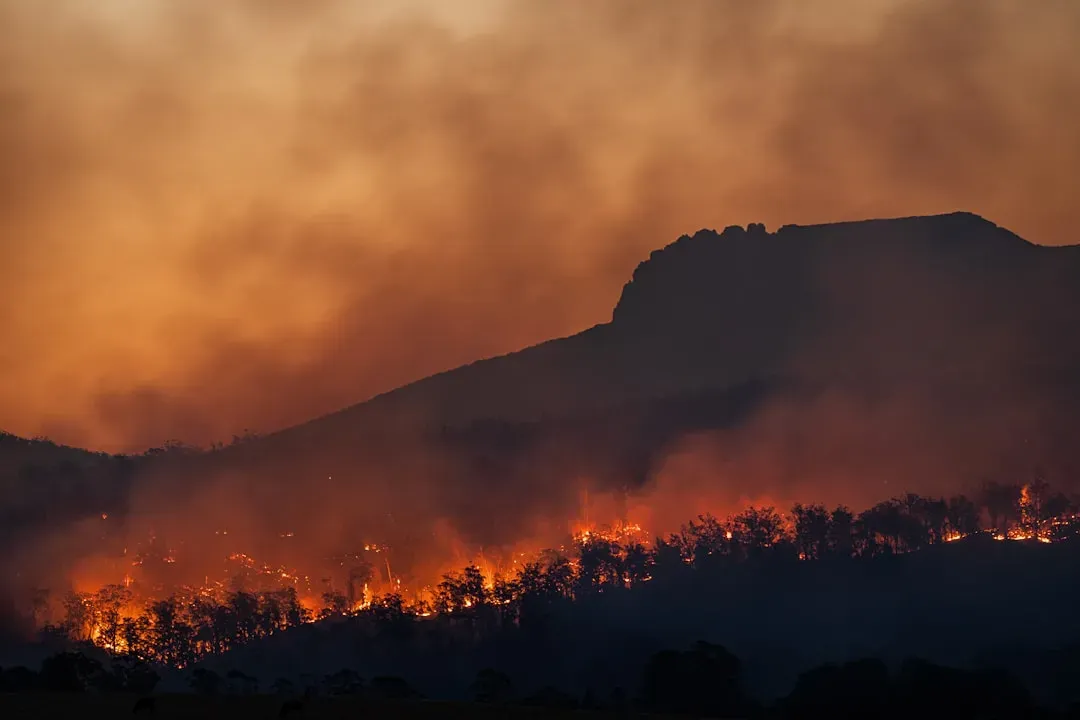
By the early part of 2026, more than 29,000 wildfires had burned over 2.3 million acres nationwide. That is roughly double the ten-year average for the same point in the year, and the number of fires recorded is also running about 150 percent above the ten-year average. Those are not incremental deviations from the norm. They represent a structural departure.
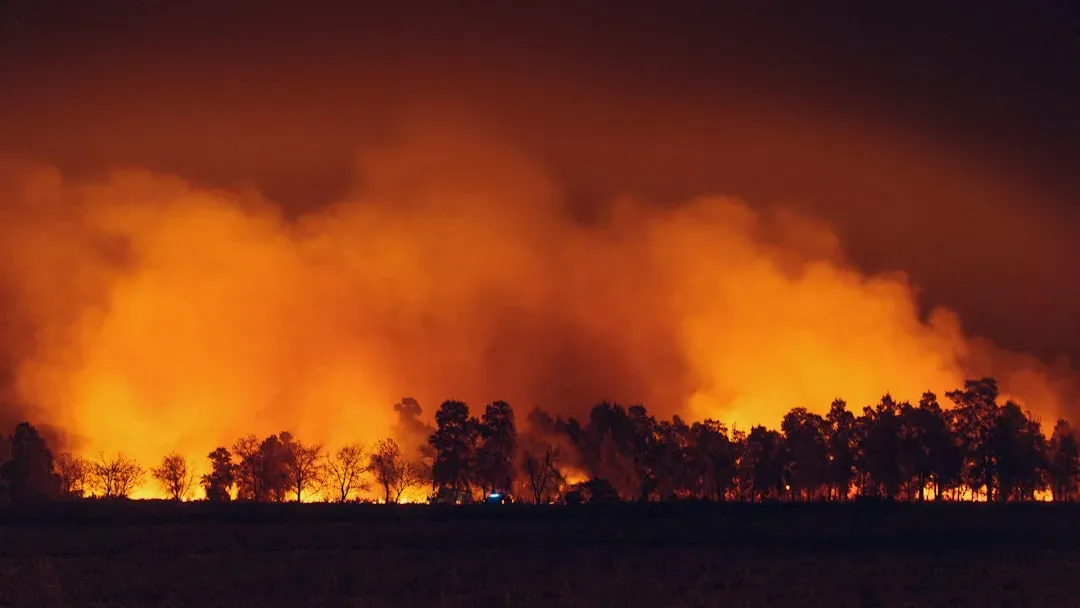
Experts are warning that 2026 may bring a record wildfire season to the United States, so severe that many researchers and fire agencies are no longer calling it a fire season at all. The activity so far has led experts to refer to it as a fire year. Key environmental indicators suggest the nation is a tinderbox, gripped by widespread drought and a light snowpack in the mountains that will offer little relief as its remnants melt away.
Drought as the Deepest Fuel of All
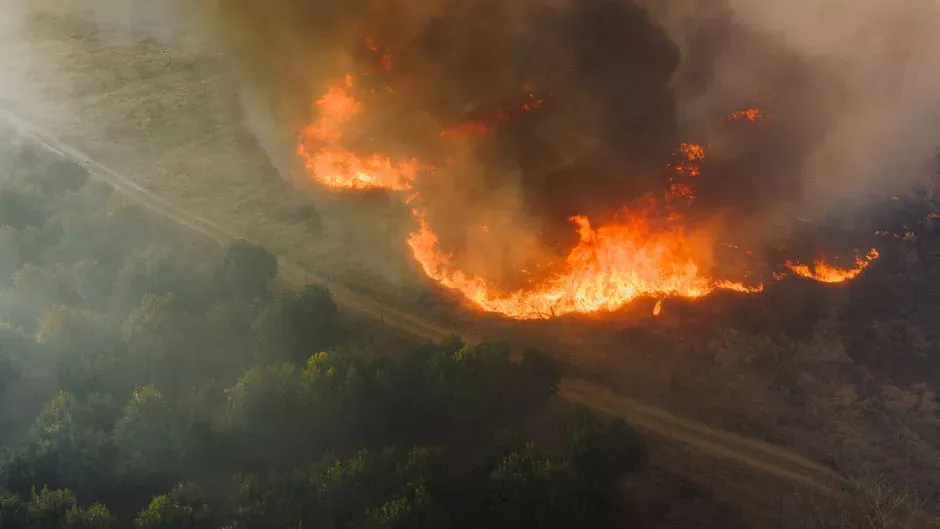
Scientists point to several major factors contributing to the conditions, including widespread drought, reduced snowpack in the West, and excess vegetation acting as fuel. Currently, more than three-fifths of the continental United States is under drought conditions, making it one of the primary contributors to elevated wildfire risk.
The latest fuel and fire behavior advisories show that above-normal rainfall in 2025 led to significant vegetation growth, which has since turned exceptionally dry with the rainfall deficit and drought conditions of early 2026. Those exceptional grass loads are now volatile tinder heading into the peak fire months. It’s a counterintuitive wrinkle: a wet year can set the stage for a devastating one to follow.
The Overnight Fire Problem Scientists Are Tracking
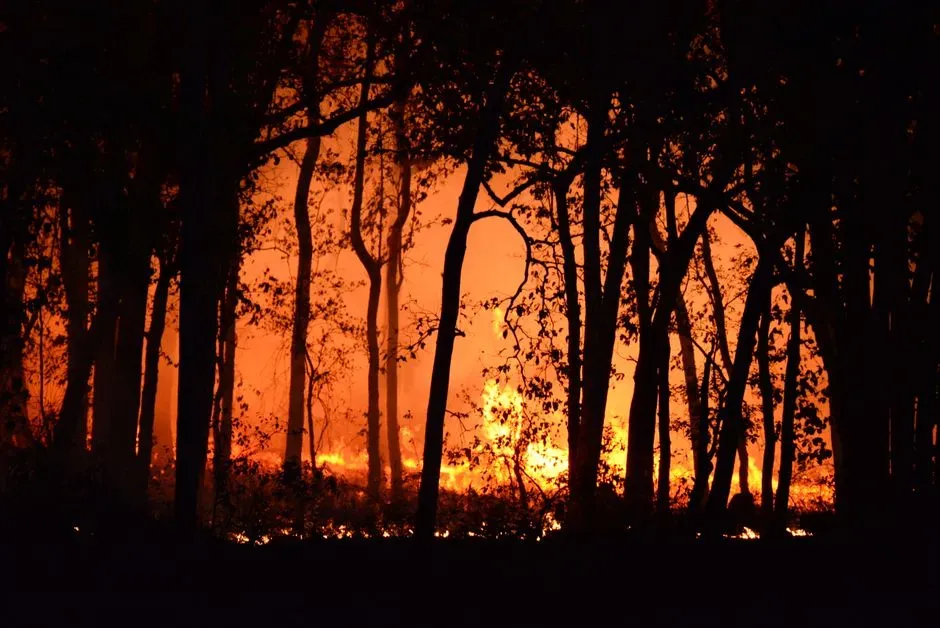
Scientists studying satellite data over a 21-year span found that extreme wildfires have become more frequent, more intense, and larger. The largest increase in extreme fire behavior was in the temperate conifer forests of the Western U.S. and the boreal forests of northern North America and Russia. Warmer nighttime temperatures are a major contributing factor, allowing fire activity to persist overnight.
That last point matters enormously for firefighting strategy. Crews historically relied on cooler nights to reduce fire behavior and make progress. When nighttime temperatures stay elevated, that window closes. AccuWeather’s long-range experts note that the current forecast reflects a pattern where fewer ignitions can still lead to a destructive fire season when conditions favor rapid growth and spread.
Canada’s Boreal Forests and a Feedback Loop Scientists Fear
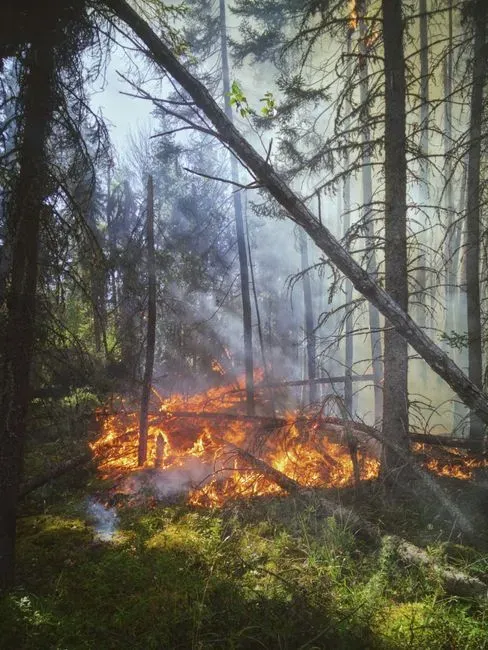
In Canada’s boreal forests, 2025 was the third successive year of extreme wildfire, with the total carbon dioxide emissions during 2023 through 2025 exceeding the combined emissions of the preceding 15 years, highlighting the growing long-term effect of extreme burning in carbon-rich ecosystems. That is not a headline meant to shock. It is a measurement with deep implications for global climate targets.
Researchers have found that fires in boreal forests can burn deep into peat soils, releasing ancient carbon stored for hundreds or even thousands of years. The expansive carbon reservoirs of the boreal region are becoming some of the most rapidly growing sources of greenhouse gases under a positive feedback between intensifying fire activity and climate change. The more the climate warms, the more the boreal burns, and the more it burns, the warmer the climate gets.
A Shift in Where Fires Are Appearing on the Map
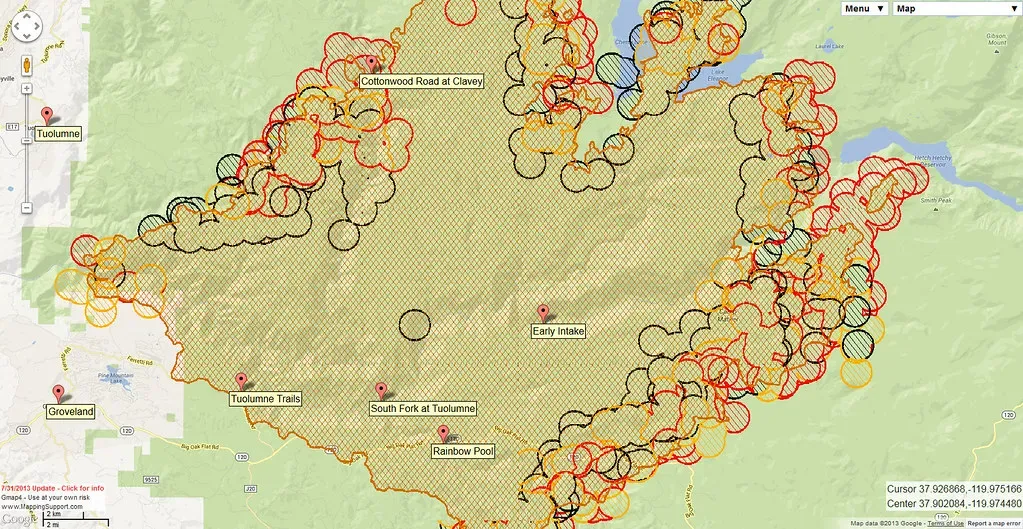
The distribution of wildfires on Earth is changing as climate, land use, and vegetation all shift. Research using global empirical models of burned area and fire intensity finds that even under roughly 1.5 degrees Celsius of warming, wildfire patterns will change by the end of this century, with larger and more intense wildfires in extra-tropical regions driven by changes in climate and atmospheric carbon dioxide.
Under a moderate emissions scenario, researchers found that by 2100, the extent of burned areas globally could increase by more than nine percent, and that nearly 84 percent of fire-threatened species will be exposed to higher wildfire risk. Regions such as South America and Oceania are expected to face especially elevated risks, while fires in high-latitude areas of the Northern Hemisphere are also projected to increase rapidly, despite being historically rare there.
The Research Gap Opening at the Worst Possible Moment
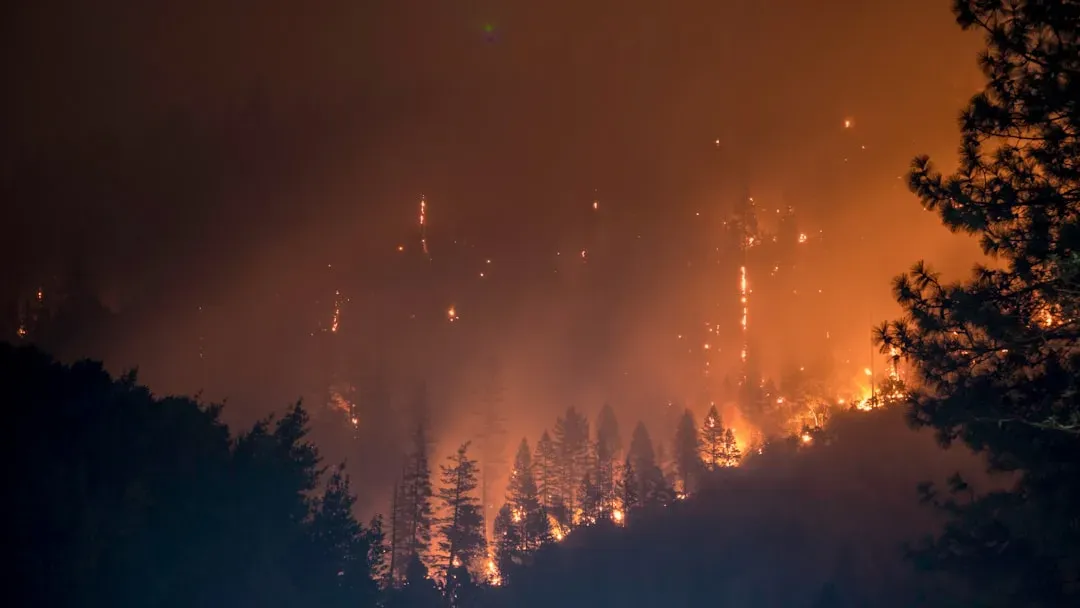
The U.S. Forest Service recently underwent a restructuring that included closing 57 of its 77 research stations across 31 states. Many of those stations directly studied fire behavior and wildfire science. The timing, heading into one of the most closely watched fire years on record, has drawn serious concern from scientists and conservation advocates alike.
The Pacific Wildland Fire Sciences Laboratory, for instance, plays a crucial role in issuing wildfire smoke forecasts relied on throughout the Northwest. After a hot, dry winter, that work is especially critical as a dangerous wildfire season approaches. The Forest Service also reduced vegetation management on almost 1.5 million fewer acres in 2025 compared to 2024, a significant drop from the more than four million acres of hazardous vegetation work completed in the final year of the previous administration.
What Prescribed Burns Actually Accomplish
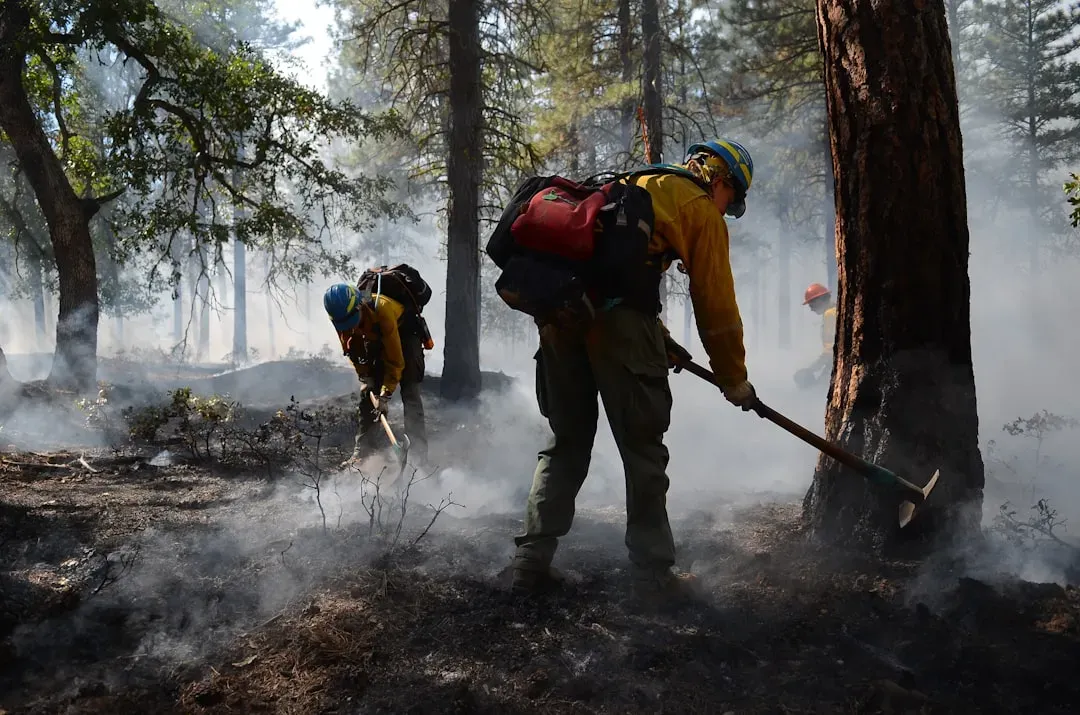
A large scientific review led by Forest Service researcher Kim Davis examined 40 studies spanning 30 years to understand how thinning and prescribed fire affect wildfire severity. The results showed clear patterns: forests that were thinned and then burned saw wildfire severity reduced by an average of 72 percent, while forests that were only thinned saw severity reduced by 27 percent.
Work to reduce excess flammable vegetation in forests warded off the release of 2.7 million tons of carbon dioxide, averted nearly 60 premature deaths, and avoided an estimated $2.8 billion in damages in the Western U.S., according to a study from the University of California, Davis. Forest fuel treatments, including prescribed burns and mechanical thinning operations, also prevented more than 25,000 tons of fine particle pollution from entering the air over a six-year span.
Vegetation Models That Missed a Critical Variable
A study from NYU Tandon School of Engineering fills a significant gap by modeling both climate and vegetation changes together. Published in the International Journal of Wildland Fire, the research projects how forests will evolve through 2060 and reveals that ignoring vegetation dynamics produces fundamentally incomplete fire risk projections. Most previous models treated the landscape as essentially static, which turns out to matter more than researchers initially expected.
Warming temperatures dry fuels more quickly, extend fire seasons, and altered precipitation patterns increase fire risk. As one lead researcher on a major review noted, we are moving rapidly into a warmer world with no historical analog, and the relationships between climate and fire that scientists have relied on may not remain stable. That uncertainty itself is something researchers are now actively trying to measure.
The Insurance Signal No One Saw Coming
Data show that the number of policies in force under California’s FAIR plan, the state’s insurer of last resort, rose by 146 percent between 2022 and the end of 2025. The FAIR plan is now seeking a rate hike of nearly 36 percent, and were California to experience another costly fire season, conditions for homeowners could become even more dire.
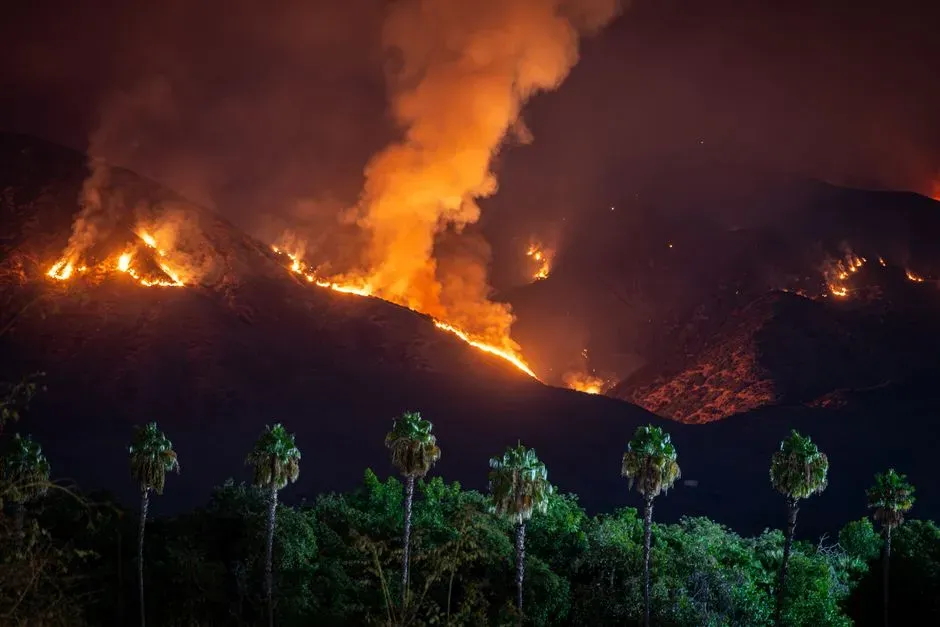
The January 2025 wildfires in Los Angeles killed 31 people, destroyed almost 12,000 homes, and forced over 150,000 evacuations, ranking among the top five costliest natural disasters in world history with an estimated $140 billion in losses. Insurance markets absorb these shocks in the near term, but the financial architecture under which millions of homeowners rely for protection is under genuine strain. The numbers from 2025 made that plain in ways that data projections alone never quite managed to.

