

Something has shifted in how Americans talk about where they live. For decades, decisions about home came down to job markets, schools, and the price of a house. Weather was a backdrop, not a dealbreaker. That calculus is changing faster than most people realize.
Flood-prone America lost far more residents than it gained in 2025, with high-flood-risk counties shedding more than 63,000 more residents than they gained – nearly double the net outflow from the year before. Recent studies show that climate change is now driving roughly three in ten Americans to consider relocating. For the eight cities below, the weather isn’t just a nuisance anymore. It’s a reason people are packing up and leaving.
Miami, Florida – Rising Seas, Rising Premiums, Rising Panic
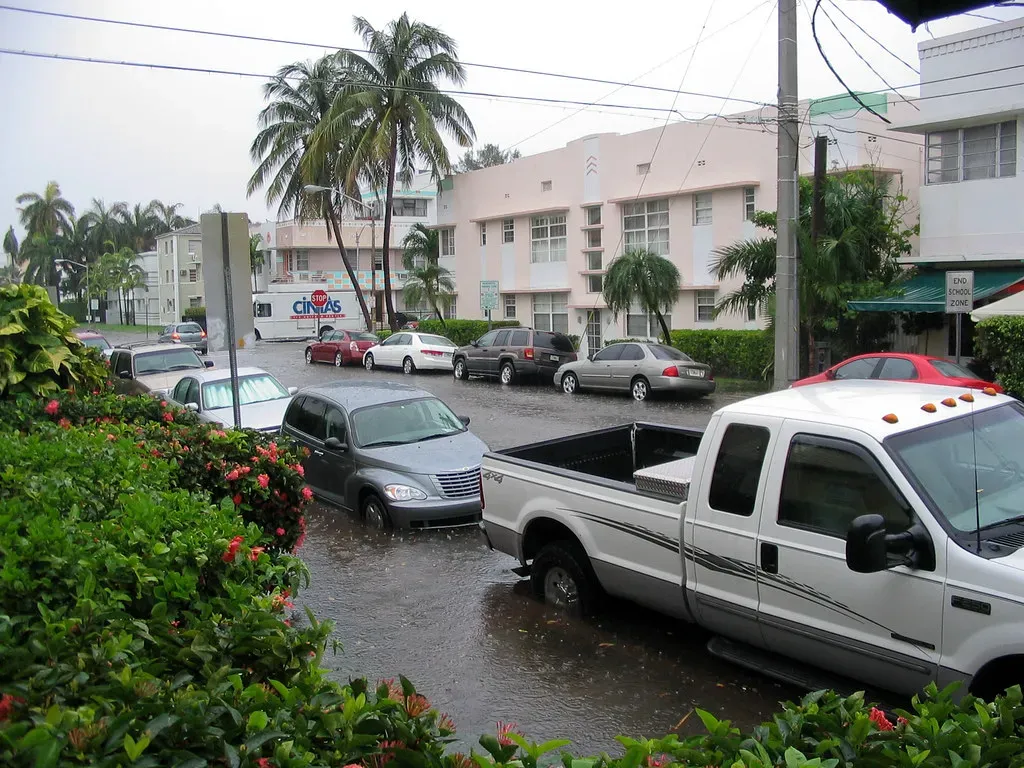
Recent studies show that Miami’s sea levels are rising even faster than projected, and the city’s heat index topped 100 degrees Fahrenheit for a record 37 consecutive days, and 106 degrees for a record 13 days. These aren’t anomalies anymore – they’re becoming the baseline. The city sits just inches above sea level across much of its footprint, which turns every storm into a potential flood event.
Miami-Dade County alone, where over one third of homes face high flood risk, saw more than 67,000 more people move out than in during 2024. The average cost of homeowners insurance in Miami has reached roughly $16,800 per year for a standard policy – far above both the Florida state average and the national average of around $2,400. For many long-time residents, that financial pressure on top of worsening storms has become the final straw.
Phoenix, Arizona – The City That Broke Its Own Heat Records
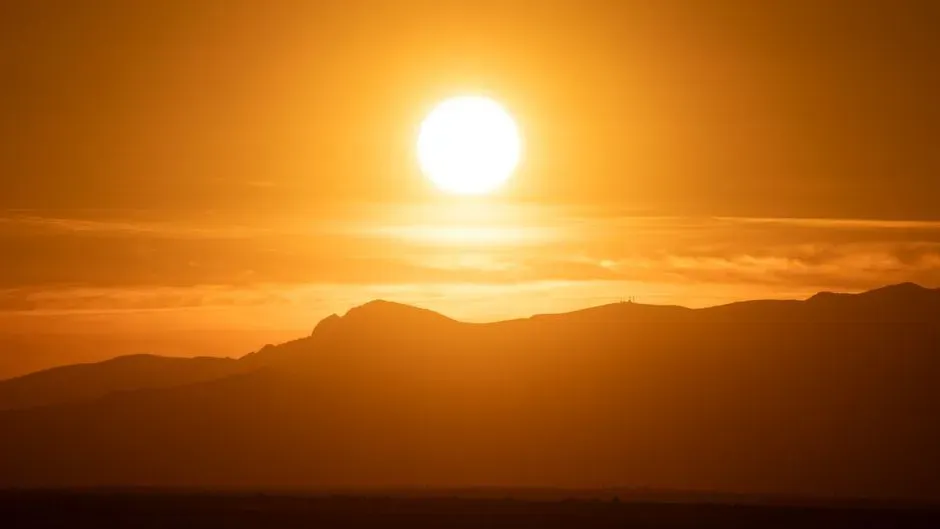
Phoenix is known for heat, but it’s never been this hot in the valley before. The National Weather Service confirms 2024 was Phoenix’s hottest year on record. The 2024 season set new all-time highs for the number of days reaching 110 degrees Fahrenheit – 70 in total – and the number of nights that failed to drop below 90 degrees, with a record 113 consecutive days at or above 100 degrees.
While 2024 saw a slight decline from the record-breaking 2023 heat death toll, Maricopa County recorded 645 heat-related deaths in 2023 alone – making up more than half of all such deaths reported nationally that year. Global temperatures have risen roughly 2 degrees Fahrenheit since 1880, but in Phoenix you can add another 5 degrees on top of that due to the urban heat island effect. The city is investing heavily in shade and cooling infrastructure, but the heat keeps outpacing the solutions.
New Orleans, Louisiana – Flooded by History, Drowning in Risk
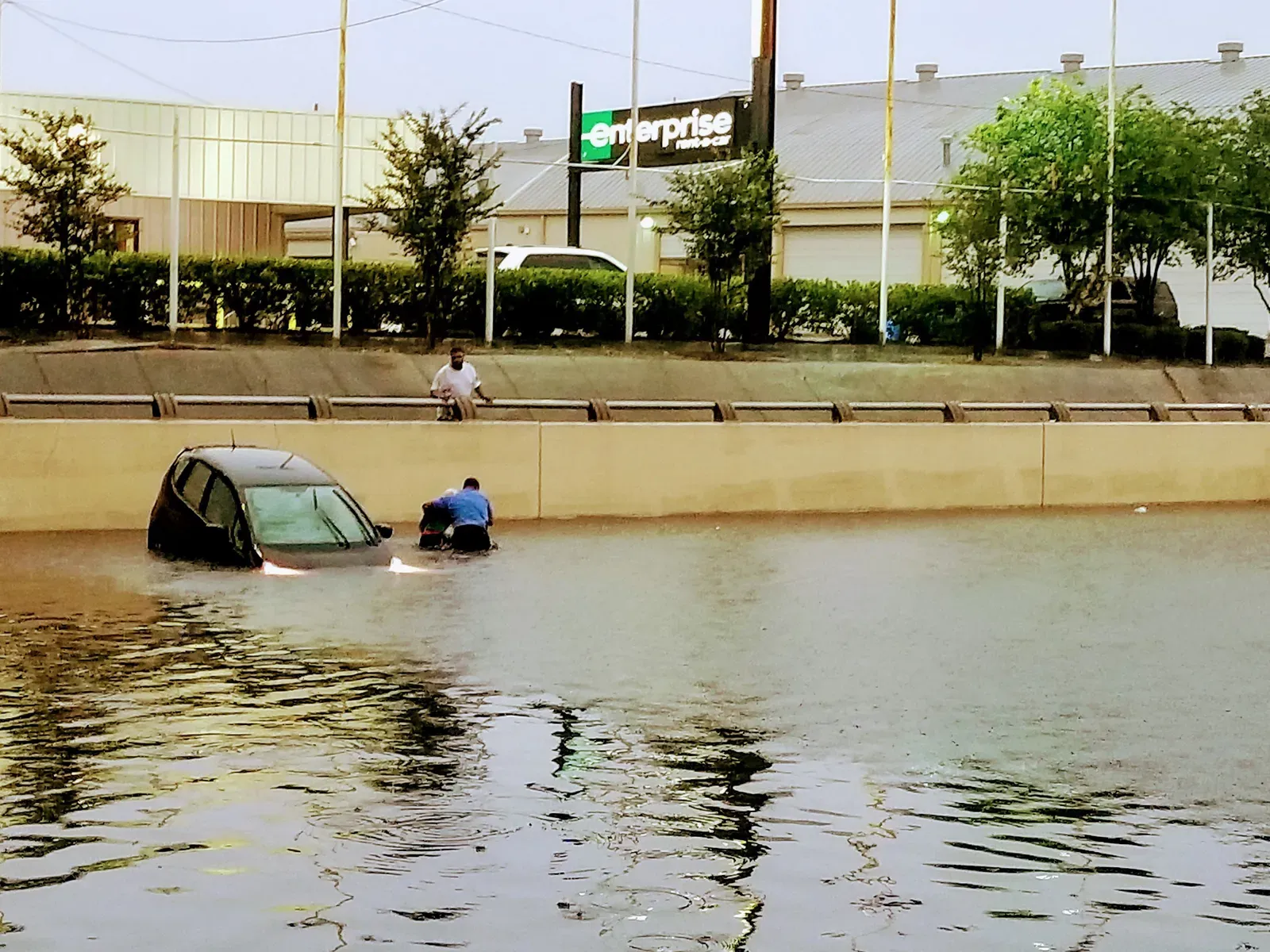
Louisiana has logged ten billion-dollar flood events since 1980, the highest count of any state, on top of repeated Category 3 and 4 hurricane landfalls. Hurricane Katrina in 2005 caused roughly $201 billion in damage in 2024 dollars – the costliest U.S. hurricane on record – and was responsible for 1,833 deaths. New Orleans sits at the center of that painful history, and the geography hasn’t gotten any kinder.
Orleans Parish and Jefferson Parish, which together make up the greater New Orleans area, both landed on the top ten list of flood-prone places losing the most residents in 2025. In both counties, roughly 99 percent of homes face high flood risk – the highest shares in the entire nation. Hurricanes from the Gulf of Mexico pose a constant threat, bringing storm surge, flooding, and destructive winds, while heavy rainfall frequently overwhelms drainage systems and high humidity can make summer heat feel genuinely unbearable.
Houston, Texas – Heat, Floods, and a Weather Variety Pack
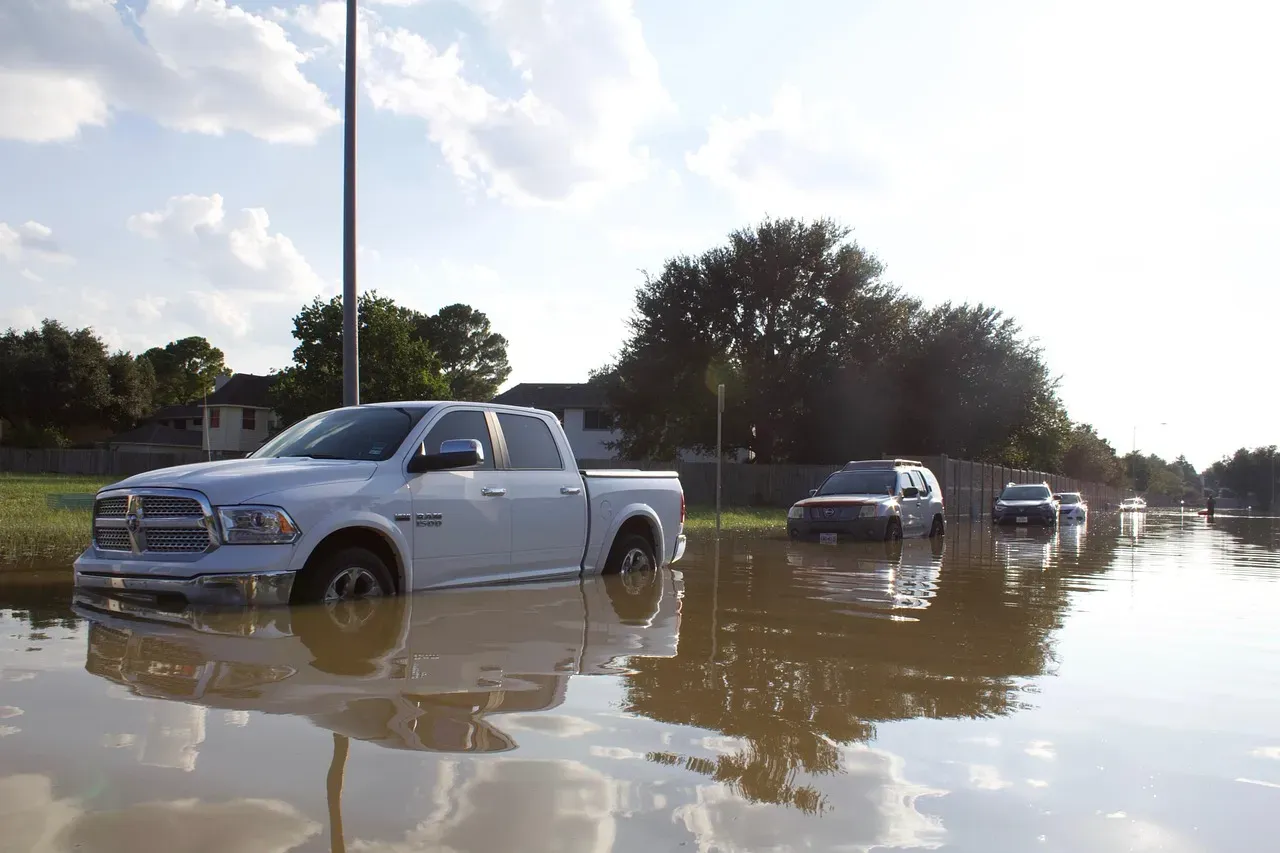
On average, Houston experiences around 100 days each year where the temperature exceeds 90 degrees Fahrenheit, often paired with extremely high humidity. The city is also prone to severe flooding thanks to its position near the Gulf of Mexico. When a strong storm system rolls in, the combination of flat terrain and heavy rainfall can turn neighborhoods into lakes within hours.
Harris County, which is home to Houston, had the second-biggest outflow of residents among flood-prone places in 2025, losing more than 43,000 more residents than it gained. Texas is by far one of the worst states for weather variety, leading the nation in tornadoes, hail, flash floods, and multi-billion-dollar disasters, while also enduring landfall hurricanes, historic heat, extreme drought, wildfires, and occasional crippling winter storms. Houston absorbs the full brunt of most of those threats every single year.
Tampa, Florida – Hurricane Alley’s Most Exposed City
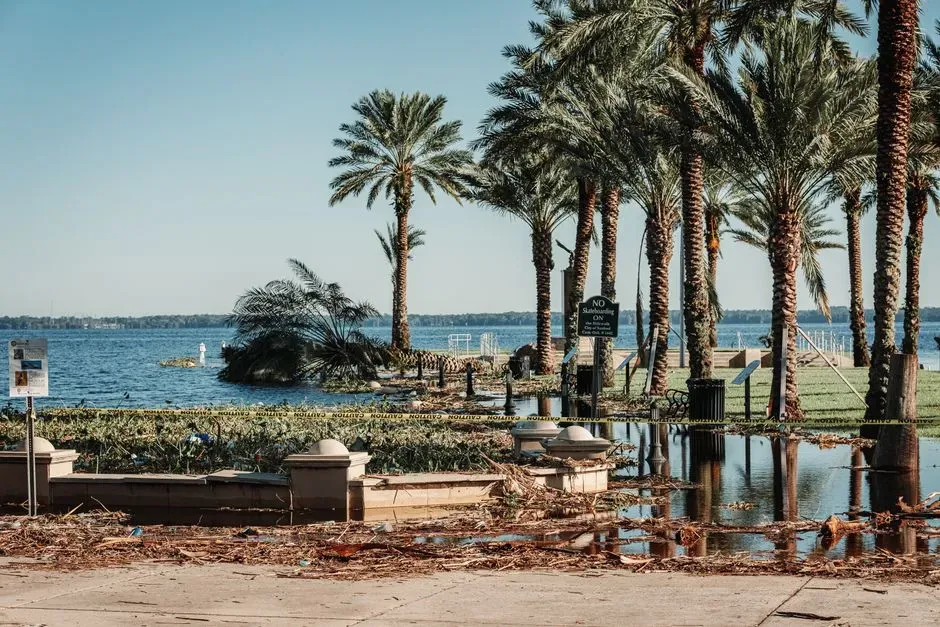
Florida holds the national record for hurricane landfalls, with more than 120 documented since 1851, and has racked up roughly 80 billion-dollar weather disasters since 1980 – 36 of them hurricanes or tropical cyclones. Tampa sits in a particularly vulnerable position on the Gulf Coast, where a direct major hurricane strike could push a catastrophic storm surge directly into the bay.
In 2025, roughly 18 percent of all U.S. homes face severe or extreme hurricane wind risk. In fourteen major metros across Louisiana, Florida, South Carolina, and Texas – including Tampa – every single home is exposed to that level of danger. Hurricane Milton devastated properties across much of coastal Florida in 2024, prompting significant numbers of residents to relocate. For Tampa, that storm was a sobering preview of what a direct hit could look like.
Oklahoma City, Oklahoma – Where Tornado Alley Lives Up to Its Name
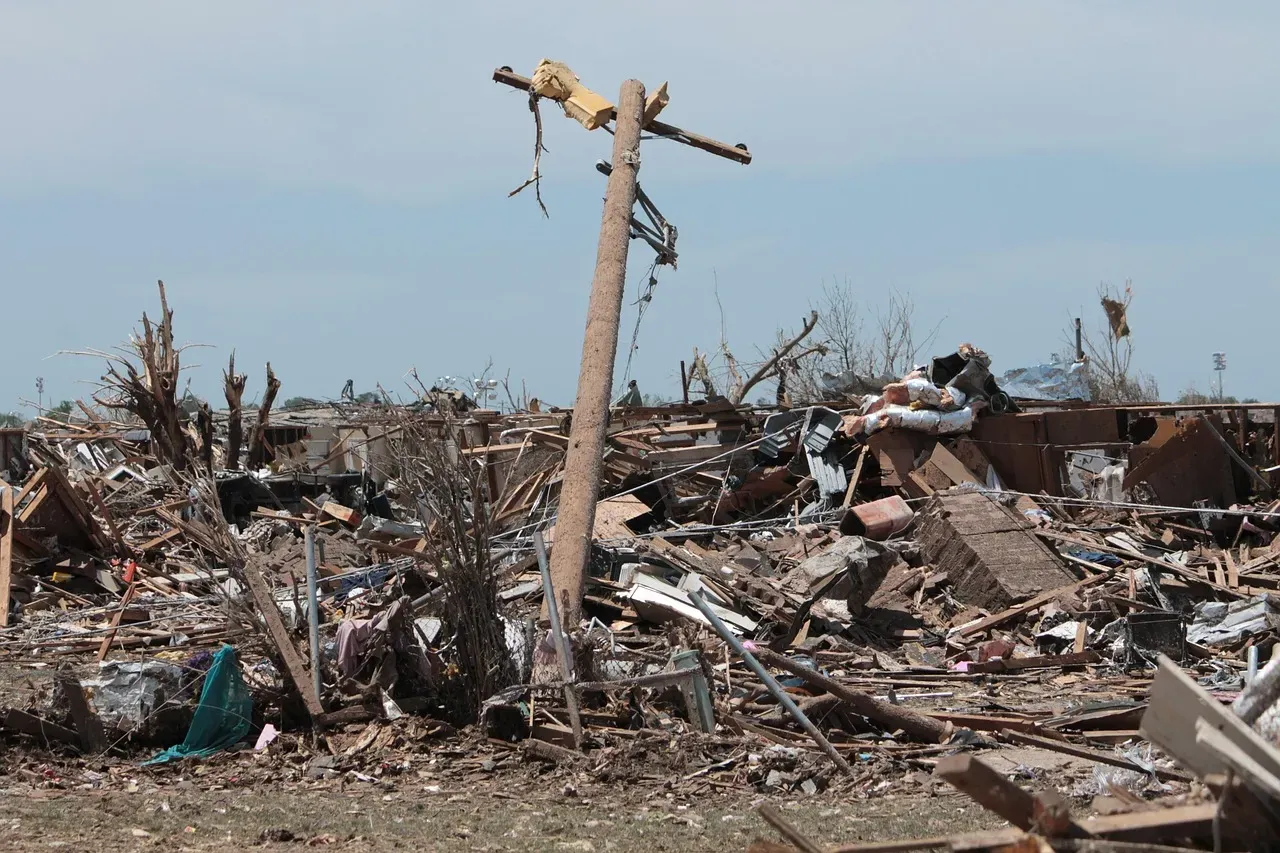
Oklahoma City stands out not just for temperature extremes, but for sheer meteorological unpredictability. It sits squarely in the middle of Tornado Alley and is hit by an average of roughly two tornadoes every year. Spring storm season here isn’t a distant threat – it’s a fixture of the calendar, and residents plan their lives around it.
The May 2013 Moore tornado was a long-lived multivortex storm that took 23 lives and demolished an elementary school. Oklahoma has logged 120 billion-dollar disasters since 1980 and faces large hail, derecho winds, and severe heat with regularity. The state also sees more felt earthquakes now than it did in 2000, owing to wastewater injection from oil and gas operations. It’s a stacking of hazards that wears on even the most resilient residents over time.
Los Angeles, California – Wildfires, Drought, and Shrinking Insurance Options
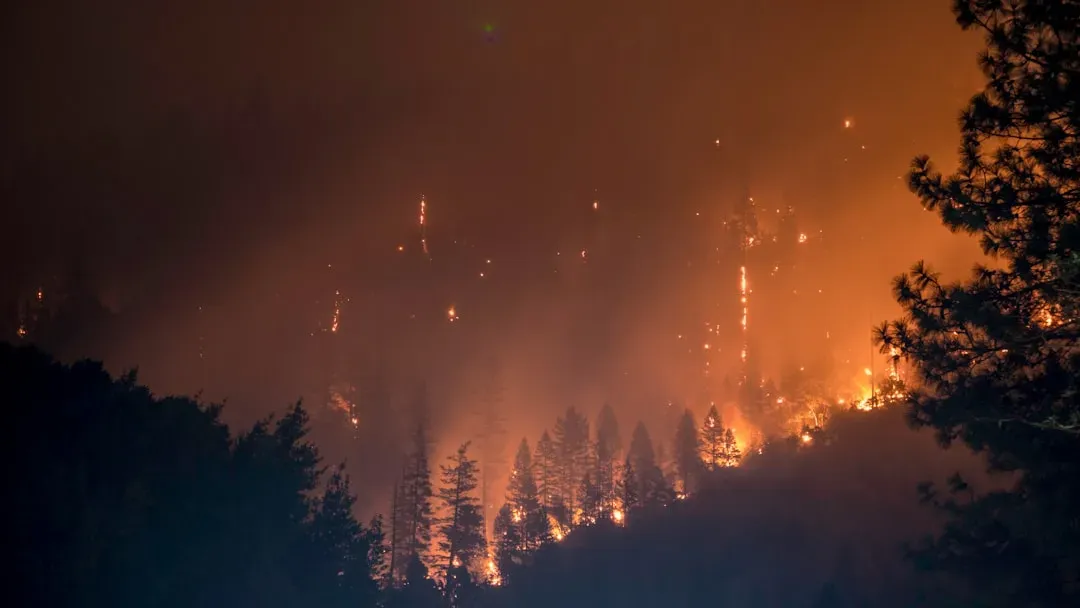
In 2025, about 5.6 percent of U.S. homes face severe or extreme wildfire risk. California alone accounts for nearly 40 percent of that exposure – roughly $1.8 trillion in property value – with Los Angeles among the most vulnerable metros. The wildfire seasons that once felt like exceptions have blurred into a near-permanent season of their own.
California’s FAIR Plan, a last-resort insurance option for high-risk properties, now covers $650 billion in exposure – an increase of nearly 290 percent since 2021. California is home to over 38 million people and is prone to extreme wildfire seasons driven by warm and dry conditions, as well as profound droughts that strain water resources – especially in the Los Angeles area. The combination of uninsurable properties and intensifying fires has pushed a meaningful number of longtime Angelenos to reconsider their options.
Buffalo, New York – Lake-Effect Snow on a Scale That Defies Logic
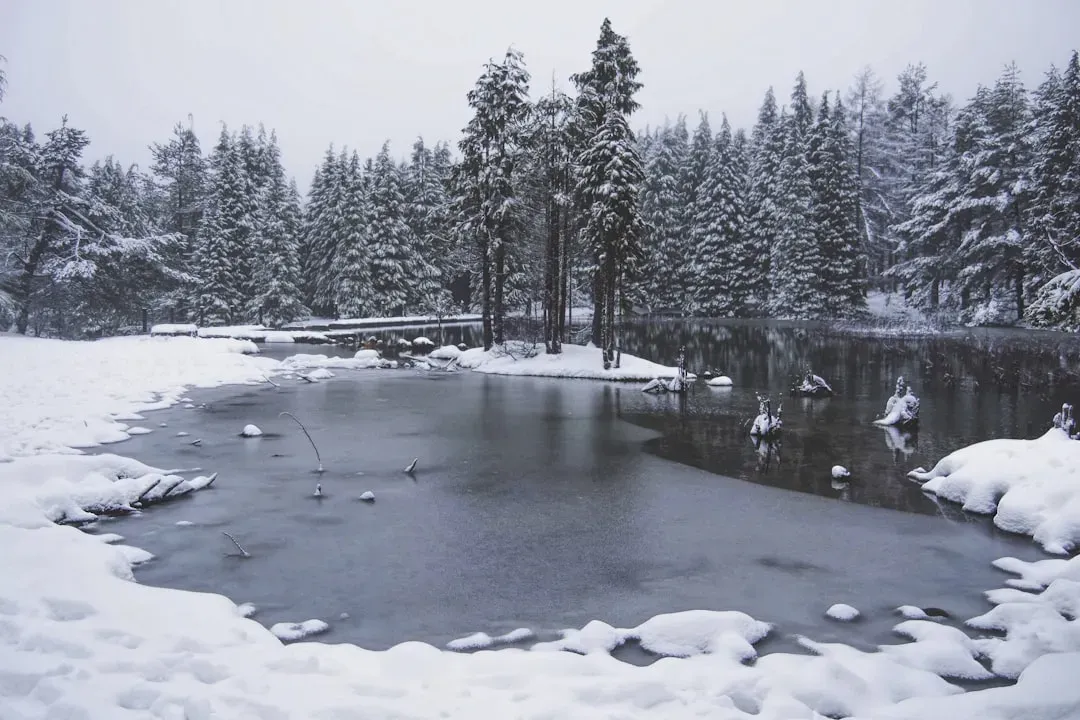
Buffalo excels at enduring massive snowstorms. The city normally has four days each winter when fresh snowfall totals five inches or more, and one of those days on average amounts to at least ten inches. That’s not the exceptional year – that’s the average. The lake-effect machine that Lake Erie fires at western New York operates with a kind of relentless consistency that is hard to fully appreciate until you’ve lived through it.
When cold, dry air travels over the surface of a large lake, it picks up moisture that then condenses into precipitation when it rises – a meteorological phenomenon especially common in the Great Lakes region that leads to some of the heaviest snowfall in the U.S. Extreme heat is statistically the deadliest form of extreme weather in most years, but extreme cold and relentless winter storms carry their own toll on infrastructure, health, and daily life. Buffalo’s winters have grown more erratic, with sudden deep freezes and warm spells that make the snowpack unpredictable and, in some cases, more dangerous than a steady cold would be.

