

WASP-76b: the world where it rains iron
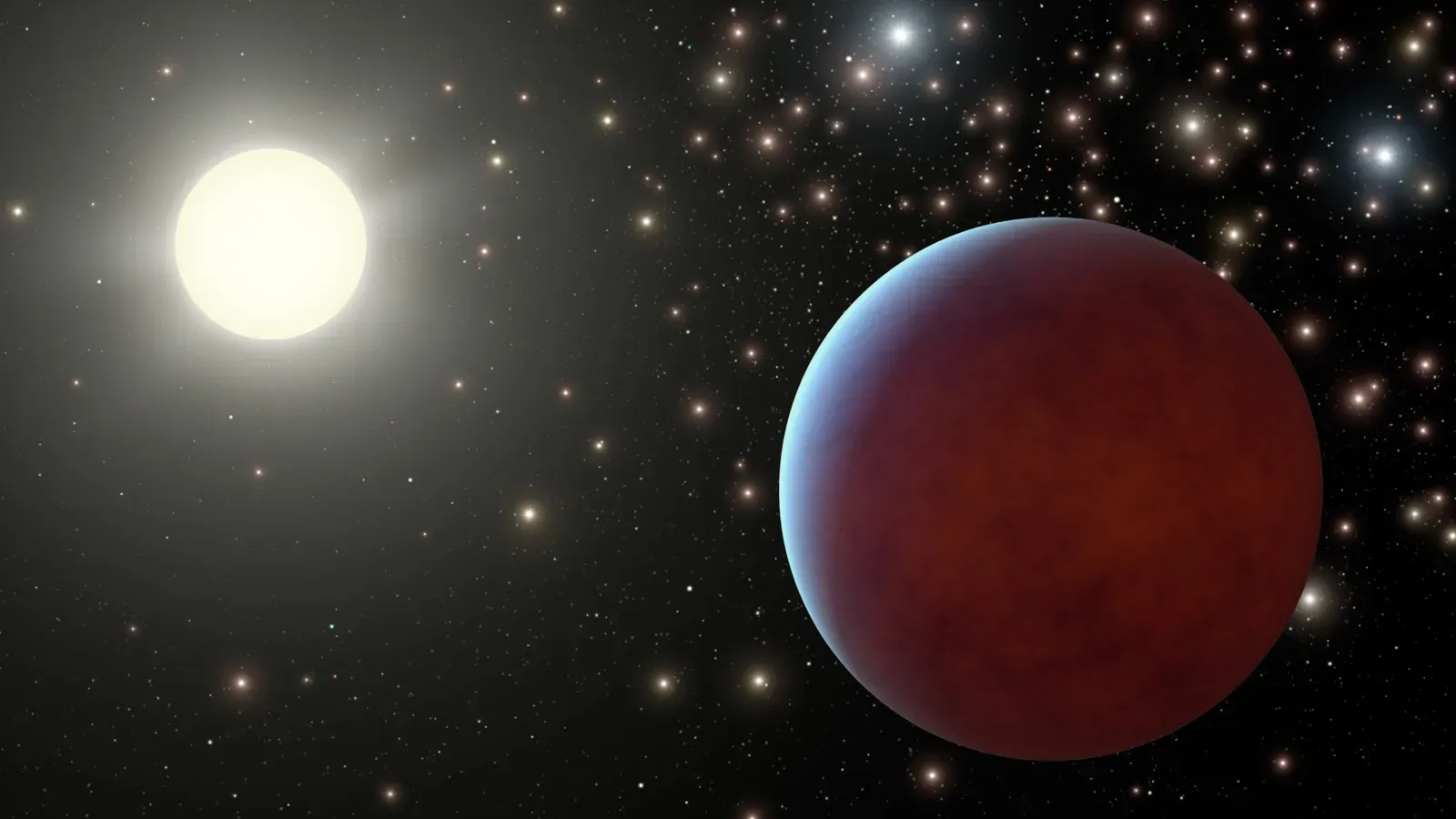
WASP-76b sits roughly 640 light years away in the constellation Pisces, and it orbits its star so closely that it was discovered back in 2013 and has an orbit that is very close to its host star, completing one orbit in just 1.8 Earth days. That kind of proximity does strange things to a planet’s temperature. It’s the proximity to the star that has led to the extreme daytime temperatures of over 2,000 degrees, and the intense heat is thought to vaporise iron which then condenses into liquid on the cooler night-time side and fall as iron rain.
Researchers using the ESPRESSO spectrograph on the Very Large Telescope in Chile confirmed the chemistry gradient between the planet’s day and night sides. Because WASP-76b is a gas giant with no true surface, drops of iron sink into the planet until they reach a higher temperature and vaporize again, meaning the metal never actually piles up anywhere. Follow up studies have since detected additional heavy elements like ionized calcium in its atmosphere, suggesting the planet’s upper layers are even more turbulent than first thought.
55 Cancri e: a lava ocean that might sparkle with gems
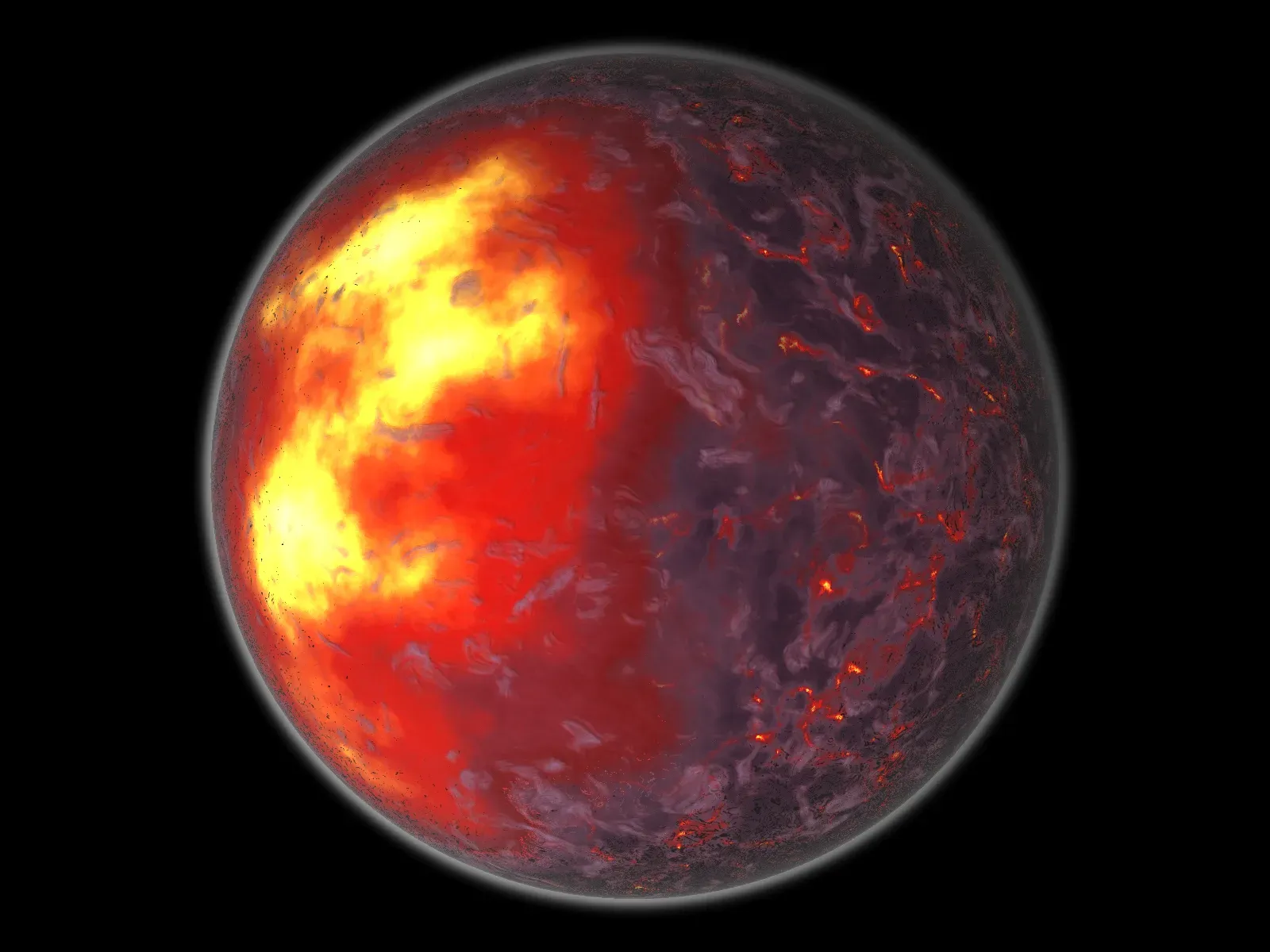
Located about 41 light years from Earth, 55 Cancri e has spent two decades earning nicknames like the diamond planet and, more recently, the lava world. Roughly twice Earth’s diameter and about eight times its mass, the planet races around its parent star in less than 18 hours, which places it close enough to its sun that rock itself begins to melt.
Early theories leaned heavily on the idea of a carbon rich interior packed with diamond, but newer JWST observations have complicated that story. Early theories suggested the planet might contain enormous reserves of carbon compressed into diamonds, while newer research points towards a crust rich in other precious minerals, including sapphire-like formations. Scientists have also found evidence that the planet’s atmosphere isn’t primordial at all. Using the James Webb Space Telescope, astronomers discovered that the scorching hot lava planet grew a second atmosphere after its star destroyed its first one, a detail that makes 55 Cancri e one of the more dynamically interesting rocky worlds ever studied.
PSR J1719-1438 b: the planet made almost entirely of diamond
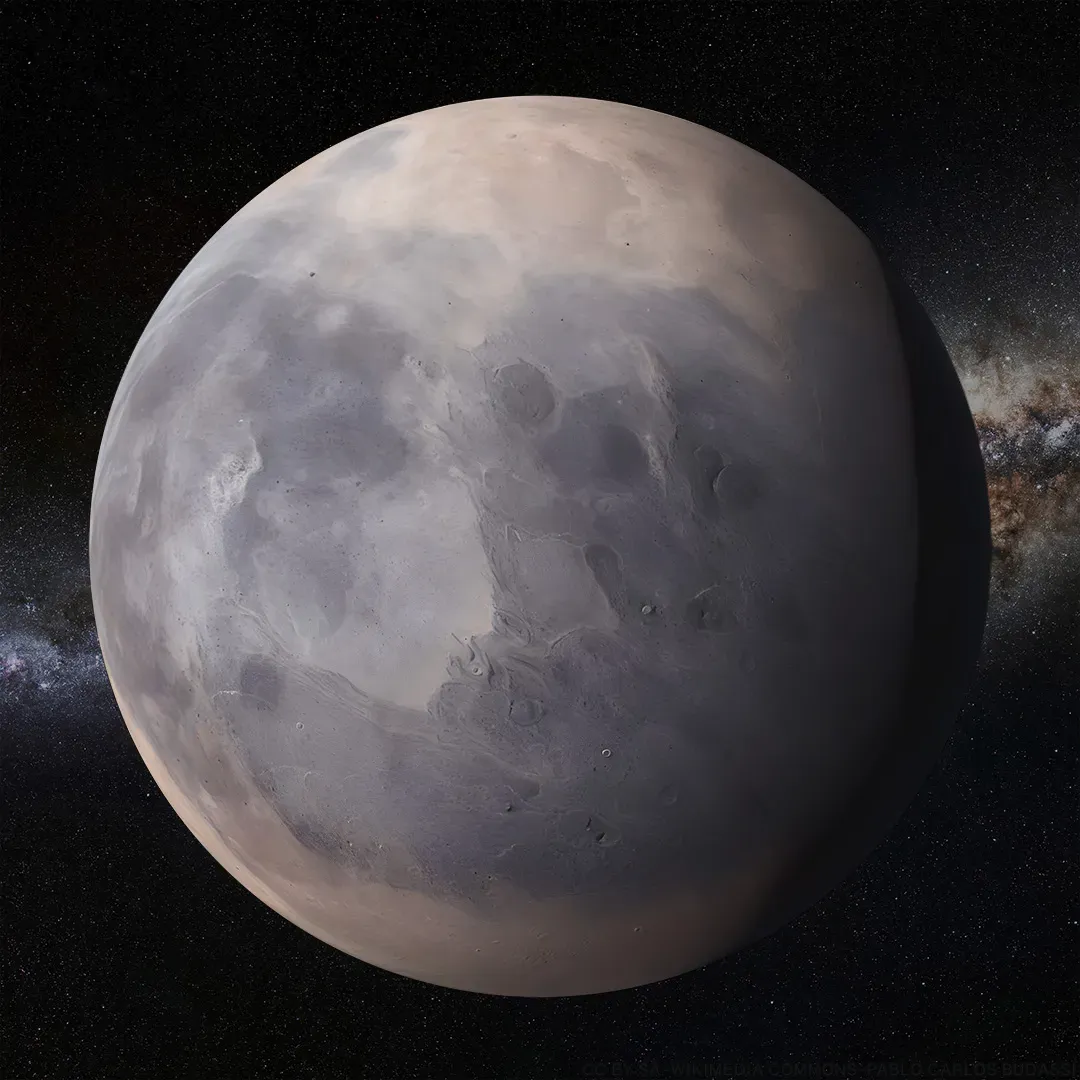
Some planets are strange because of what they experience. This one is strange because of what it apparently is. PSR J1719-1438 b orbits a rapidly spinning pulsar and is believed to be the crystallized remnant of a former star, stripped down over time until almost nothing but dense carbon remained.
Astronomers estimate the planet is roughly the mass of Jupiter but compressed into a body only slightly larger than Earth, giving it an almost unimaginable density. If the carbon inside is crystallized under that kind of pressure, it would technically qualify as diamond, not in the decorative sense but in raw atomic structure. It remains one of the few planets discovered where the working hypothesis is that we’re looking at a dead star’s skeleton rather than a planet in any traditional sense.
HD 189733 b: a blue world with glass rain
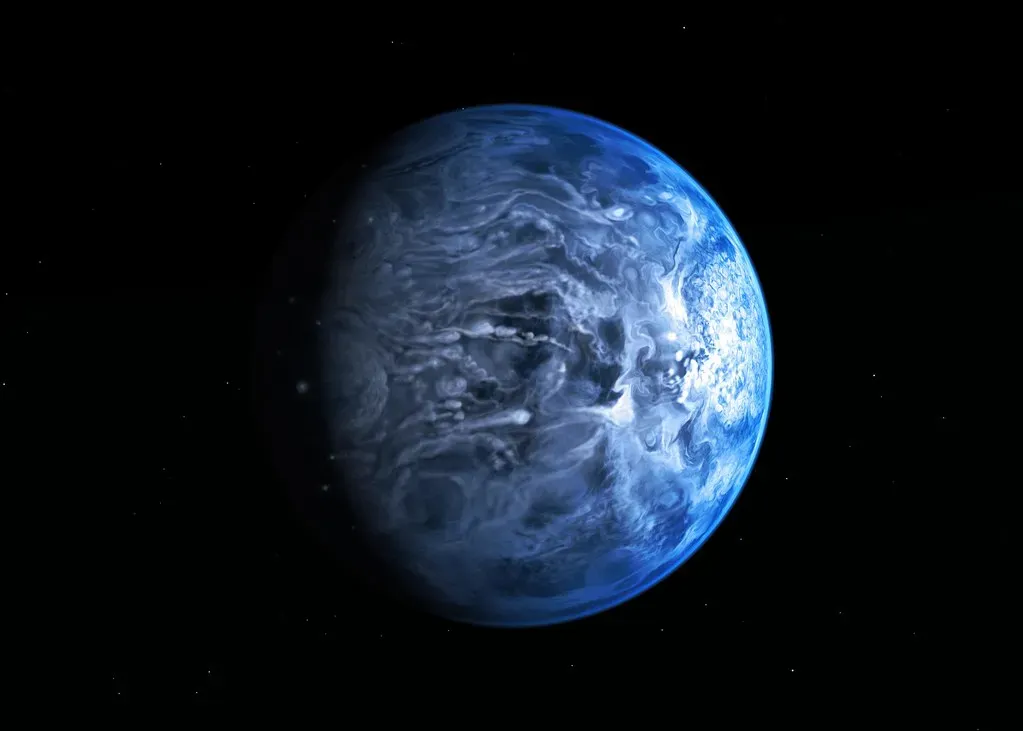
From a distance, HD 189733 b looks like a deep, almost peaceful blue, similar in color to Earth. That resemblance ends almost immediately once you look closer. The color doesn’t come from oceans or sky, but from a hazy atmosphere loaded with silicate particles, essentially the raw material of glass, suspended at high altitude.
Winds on this planet have been estimated at speeds exceeding several thousand miles per hour, fast enough to drive those glass particles sideways rather than let them fall gently. Combined with scorching temperatures caused by its tight orbit around its star, the result is a world where storms are less like weather and more like abrasive, superheated sandblasting on a planetary scale.
TrES-2b: the darkest planet ever measured
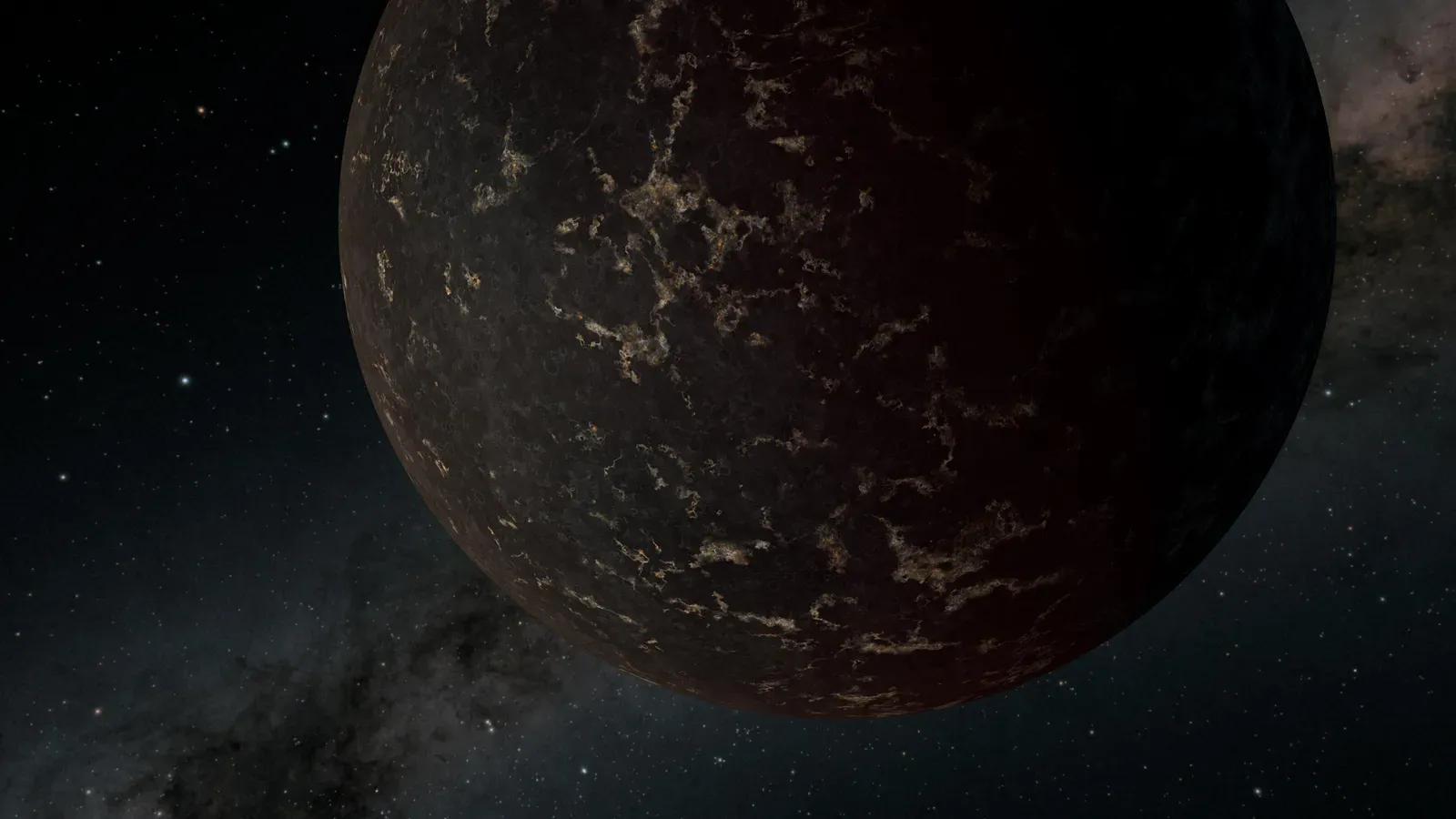
Most planets reflect at least some light from their star, which is part of how astronomers spot them in the first place. TrES-2b breaks that pattern. It reflects less than one percent of the light that hits it, making it darker than coal or fresh asphalt, and one of the least reflective objects ever detected in space.
Researchers believe the darkness comes from light absorbing chemical compounds in its atmosphere, possibly vaporized sodium and potassium, combined with extreme heat from its close orbit around its host star. The planet still glows faintly with its own heat, giving it a dull red appearance rather than true blackness, but the near total lack of reflected starlight remains one of the more understated oddities in exoplanet research.
J1407b: the planet with rings 200 times larger than Saturn’s
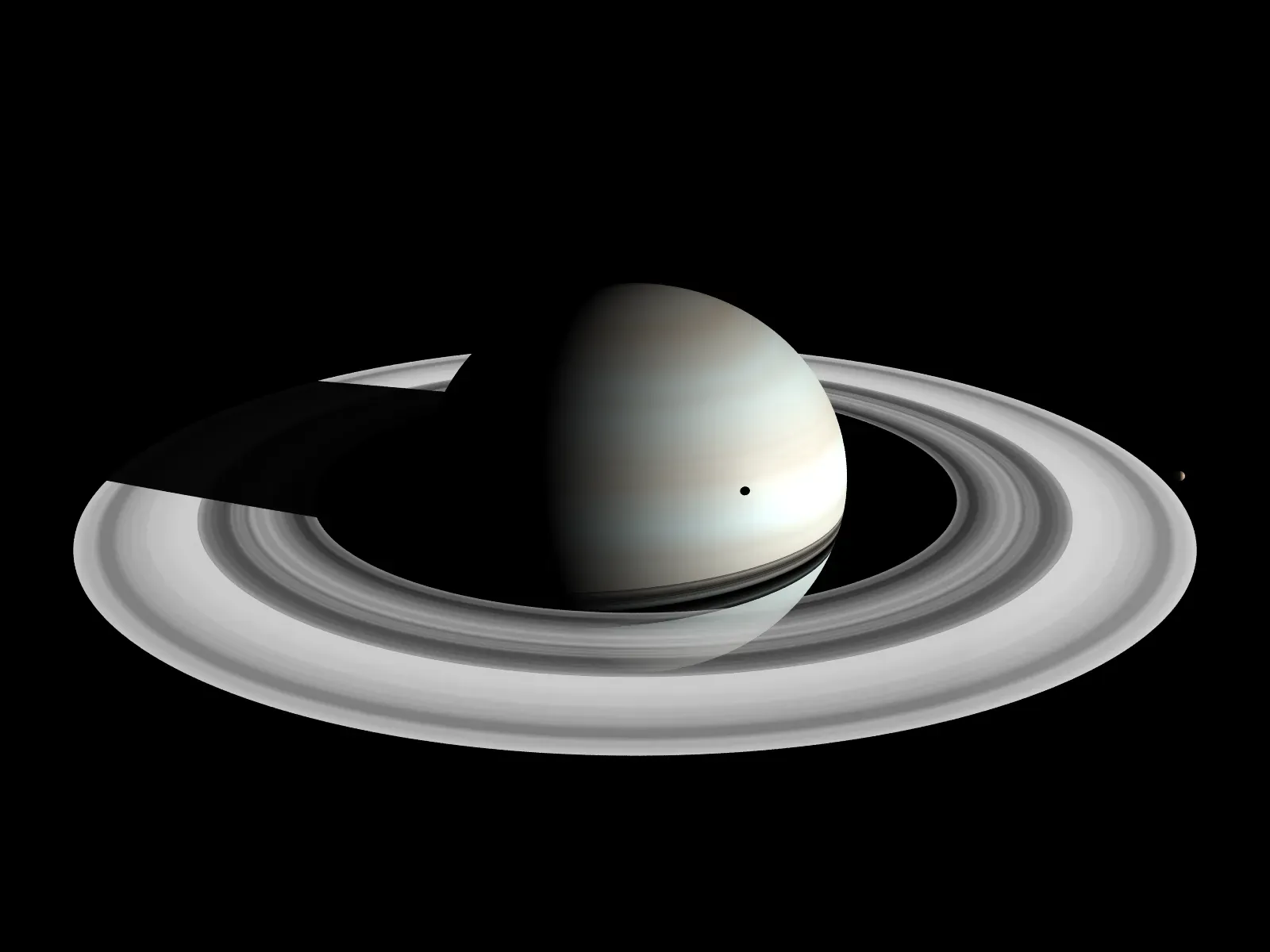
Saturn’s rings are famous, but they’re modest compared to whatever surrounds J1407b. Observations of this young system revealed a colossal ring structure so vast that, if placed around Saturn, it would stretch far enough to be visible from Earth with the naked eye, dwarfing anything in our own solar system.
The object itself may be a planet or a small brown dwarf, and its ring system likely represents an early, still forming stage similar to what our solar system’s giant planets might have looked like billions of years ago. Astronomers caught this system essentially mid construction, which makes it a rare natural laboratory for studying how planetary rings and possibly moons come together over time.
WASP-12b: the planet being slowly devoured by its star
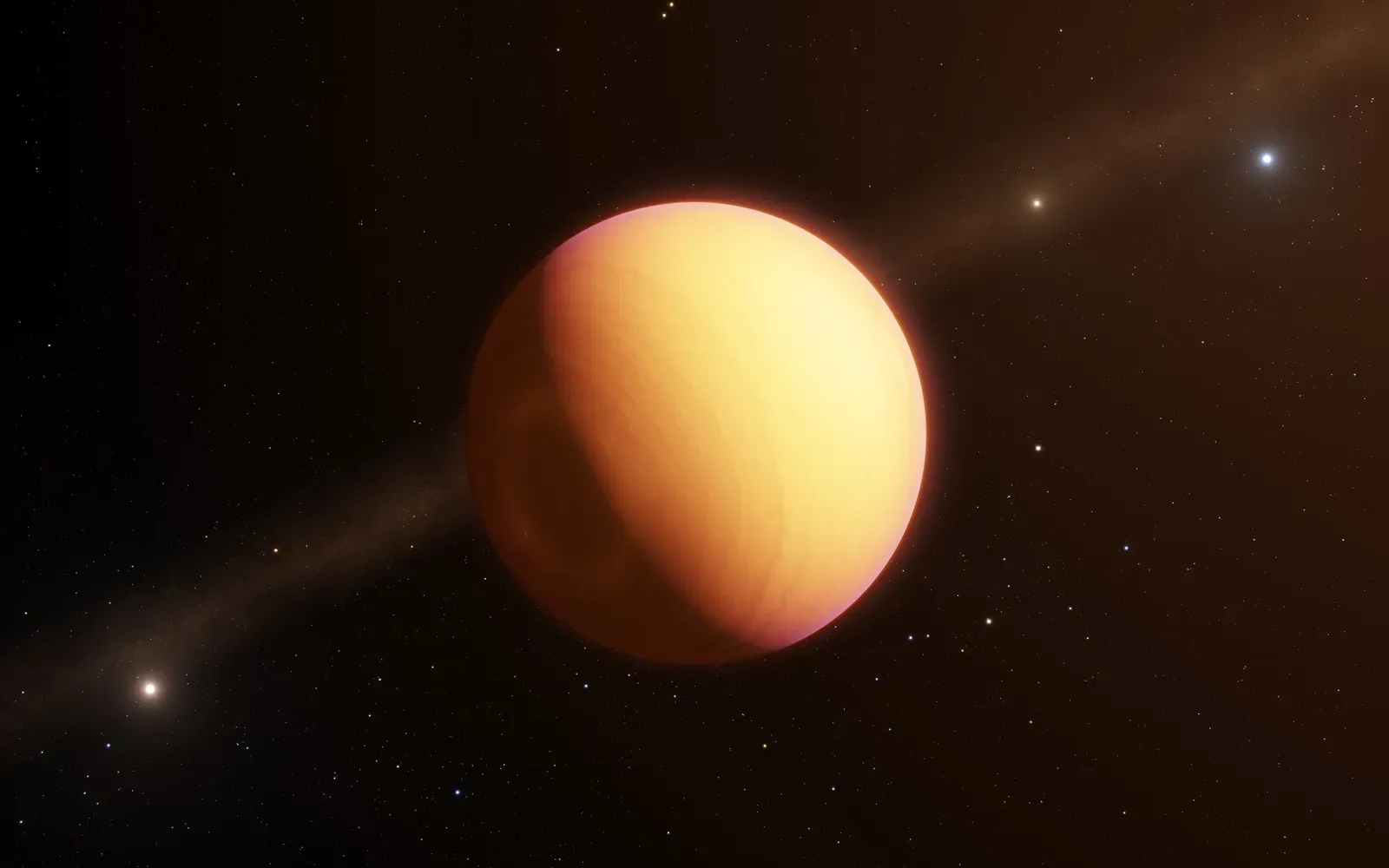
WASP-12b orbits so close to its host star that its shape isn’t a sphere at all. Gravitational forces have stretched it into something closer to an egg, and its outer atmosphere is continuously being pulled away and funneled toward the star in a slow, ongoing process of destruction.
Estimates suggest the planet loses a measurable amount of mass with each orbit, and astronomers studying its trajectory believe it has a finite lifespan, cosmically speaking, before it’s fully consumed. The planet also appears unusually dark, similar to TrES-2b, likely due to a lack of reflective clouds combined with extreme surface temperatures. It stands as one of the clearest real world examples of a planet actively being unmade by the very star that once helped form it.
What these worlds tell us
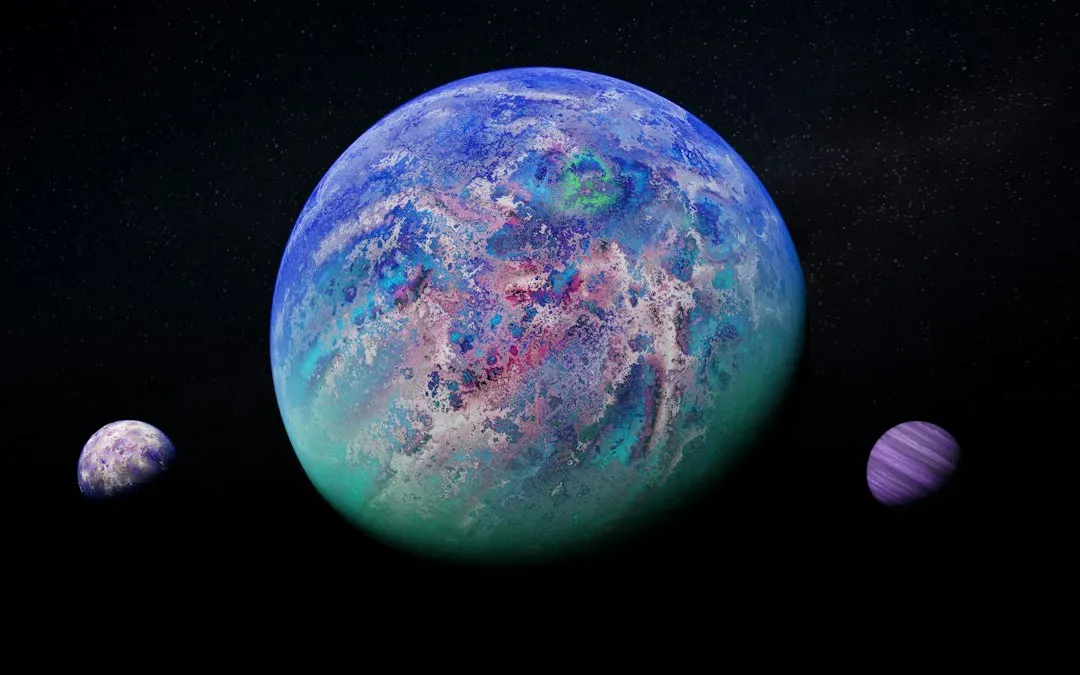
None of these seven planets are hospitable, and none were ever expected to be. Their value lies elsewhere, in showing just how wide the range of planetary possibility actually is once you stop assuming other worlds should resemble our own.
Each new observation, whether from ESPRESSO in Chile or JWST in orbit, tends to complicate earlier assumptions rather than simplify them, as seen with 55 Cancri e’s shifting atmospheric story. That pattern is likely to continue as instruments improve and more of these extreme worlds get a closer look in the years ahead.

- Living Longer or Shorter? 11 Countries Where Climate Change Is Reshaping Life Expectancy - September 26, 2026
- The 8 U.S. States Most and Least Affected by Extreme Heat - September 26, 2026
- 8 Ways Farming Has Adapted to Shifting Weather Patterns - September 26, 2026
