

A menu looks fixed once it’s printed. For many kitchens, it’s more of a working draft. Heat, floods, drought and wildfires now shape what shows up at the back door.
Chefs on several continents have been describing the changes in detail. Their accounts point to seven shifts, from weekly rewrites to new ways of using what the season allows.
Menus Get Rewritten Far More Often
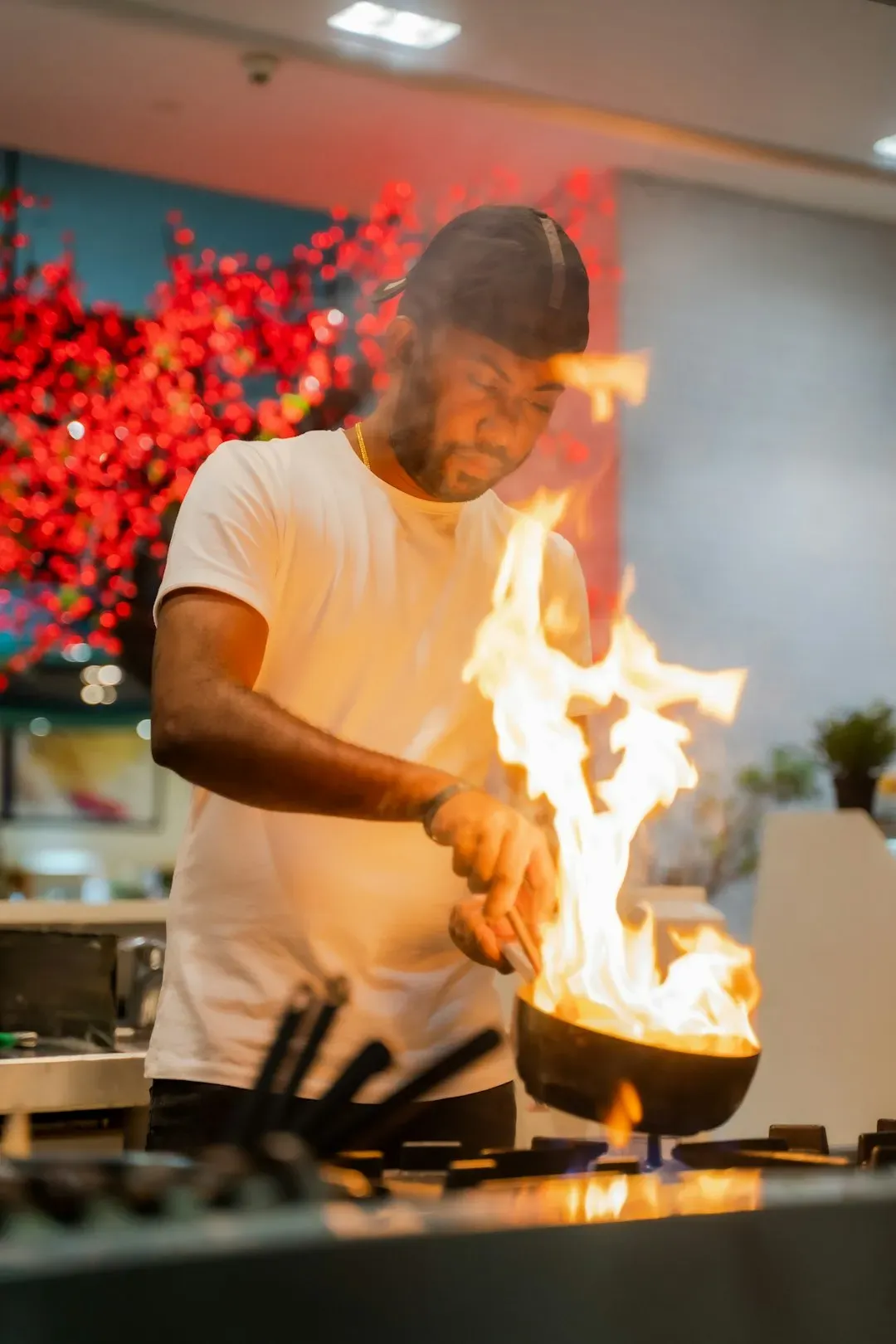
Brazilian chef Alex Atala has said that over the last three years his annual menu has needed adjusting many times, almost weekly, because certain products aren’t available. That’s a big change from the idea of a menu planned months ahead. The plan is now a starting point.
His São Paulo restaurant draws on Amazonian ingredients. Ants, for example, are currently offered only to customers who specifically ask to try them. A dish that was once a regular feature can quietly become a special request.
Deliveries Arrive Late and Less Fresh
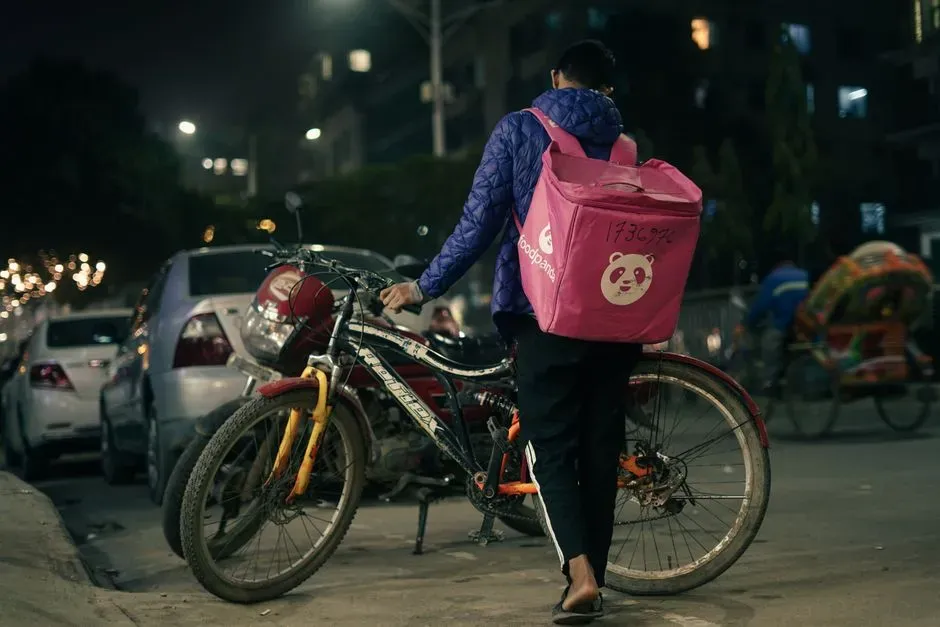
Weather doesn’t only affect growing. It also affects getting food to the kitchen. Atala has pointed out that El Niño can massively disrupt transportation.
Flooded roads and wildfires can hold up a product that’s meant to be eaten fresh. By the time it arrives, it may no longer be in good condition. For a chef planning a dish around a delicate ingredient, a late truck can mean scrapping the plan.
Traditional Dishes Lose Their Key Ingredients
Some losses go beyond one night’s service. Atala has also stressed the “cultural loss” that comes when an ingredient disappears and a tradition fades with it. A recipe can’t survive without the thing it was built around.
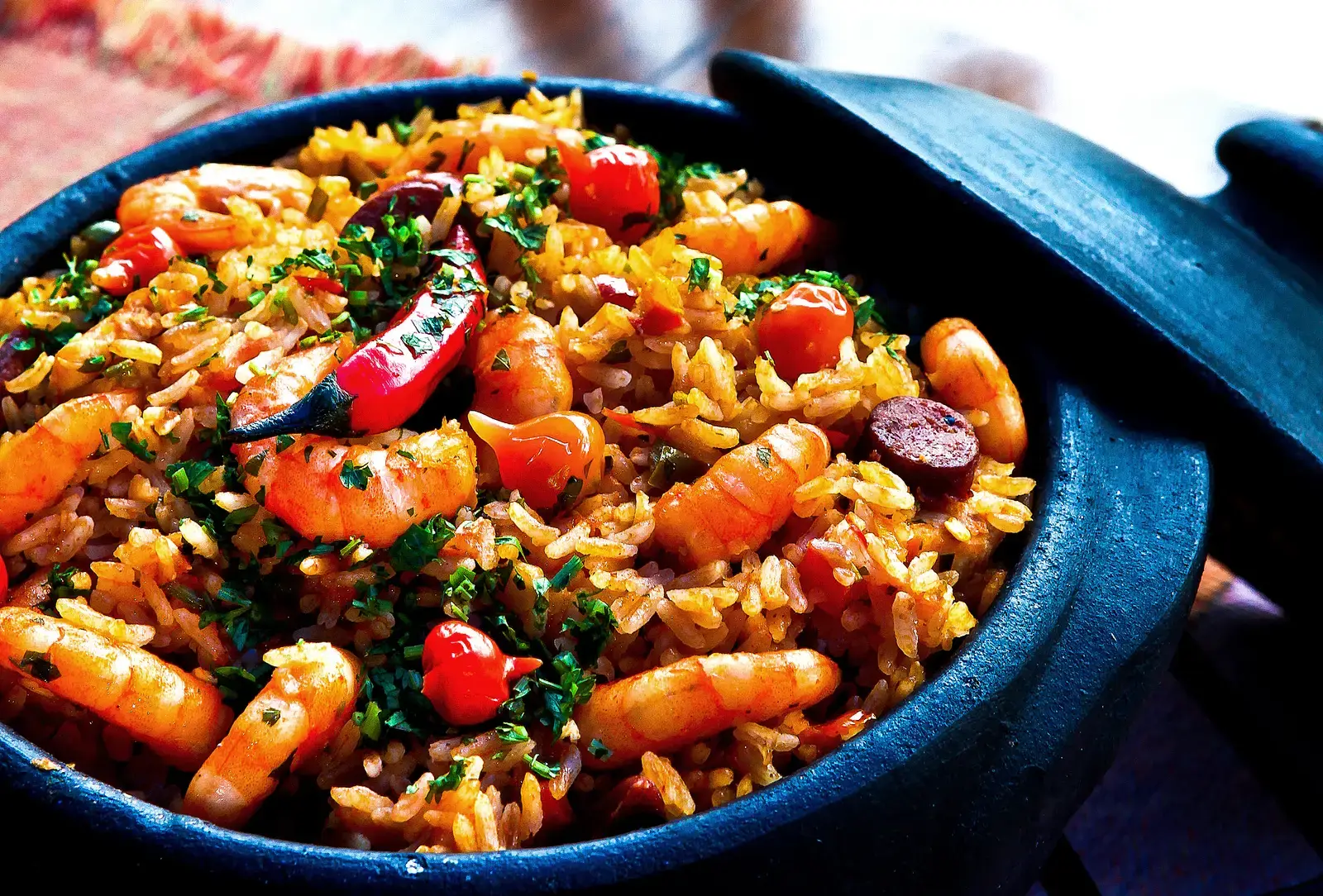
Spain offers a related example. In a deadly weather event there, almost 250 people died, while vineyards, orange groves and plots used to grow Albufera rice, an essential paella ingredient, were decimated. Chef Quique Dacosta has said such events hit the raw materials his cuisine is built on.
Familiar Favorites Are Under Pressure
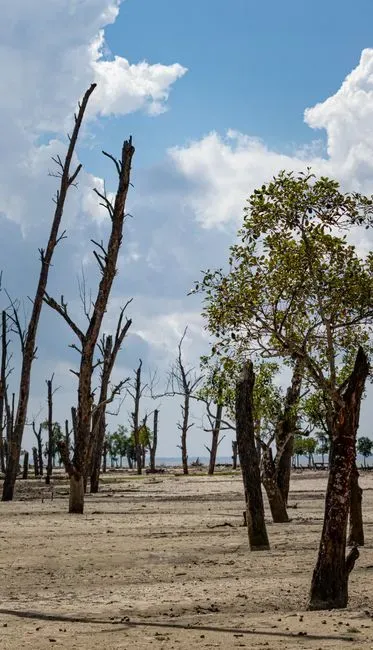
Industry reporting has flagged several staples as vulnerable. A Restaurant Business piece from 2022 said that climate change is affecting the supply and flavor of ingredients that chefs and menu developers consider essential. Sushi, coffee and chocolate were among those singled out.
Some chefs treat this as a teaching moment. Former White House chef Sam Kass has hosted “Last Suppers,” educational meals highlighting chocolate, seafood and other ingredients projected to die out, change flavor, or become inaccessible. The dinners turn a distant forecast into something you can taste.
Substitutes and Local Alternatives Step In
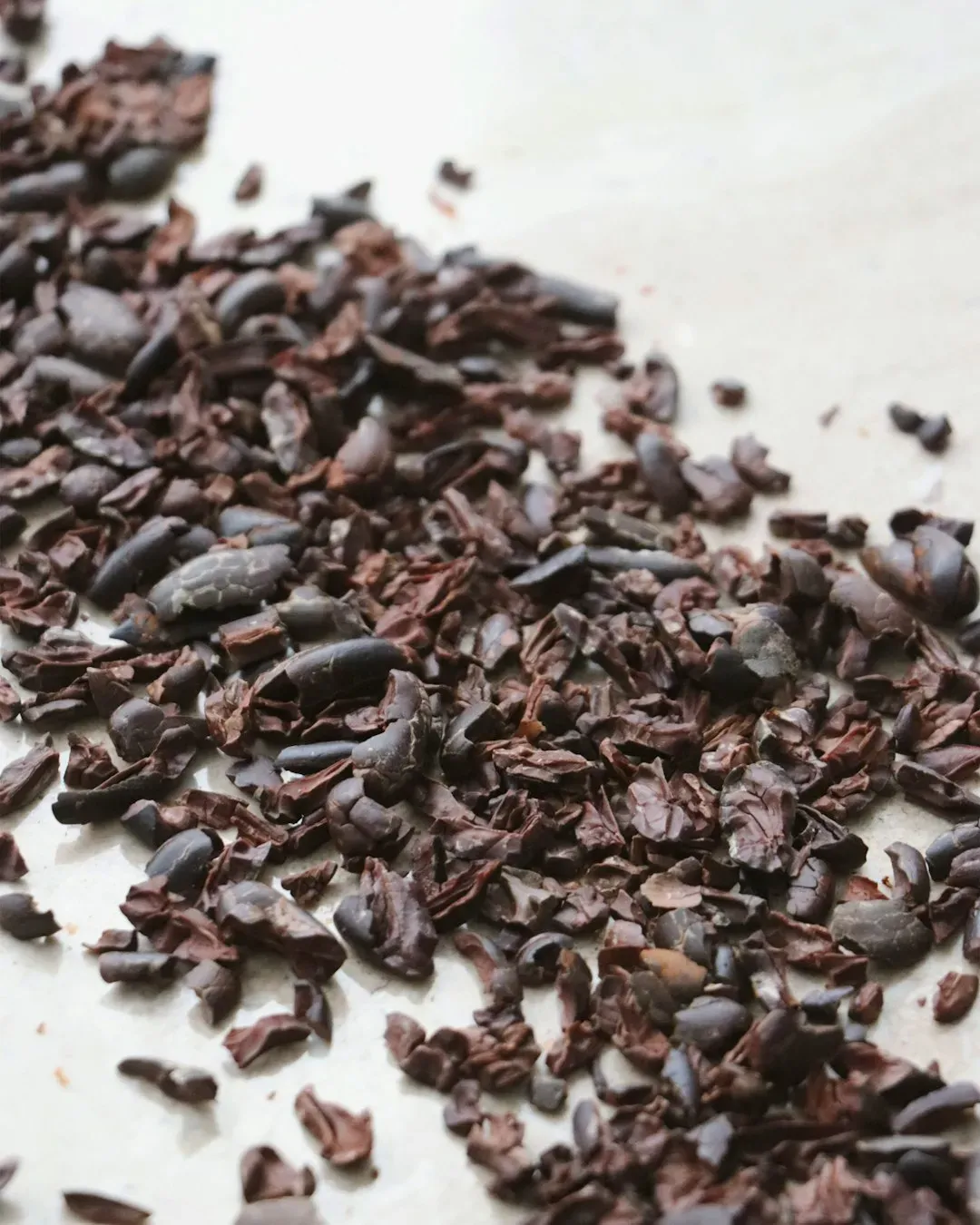
When an ingredient gets scarce or too expensive, some chefs look for something else. One chef quoted by AFP described a chocolate alternative made from brewer’s spent grains. It’s a clear case of reworking a menu around what’s available.
The same coverage noted that the fibrous leftover from beer production works as a local alternative. Using a byproduct also keeps material out of the waste stream. Scarcity, in this case, pushes invention.
Seasons Matter More, and Preserving Becomes Routine
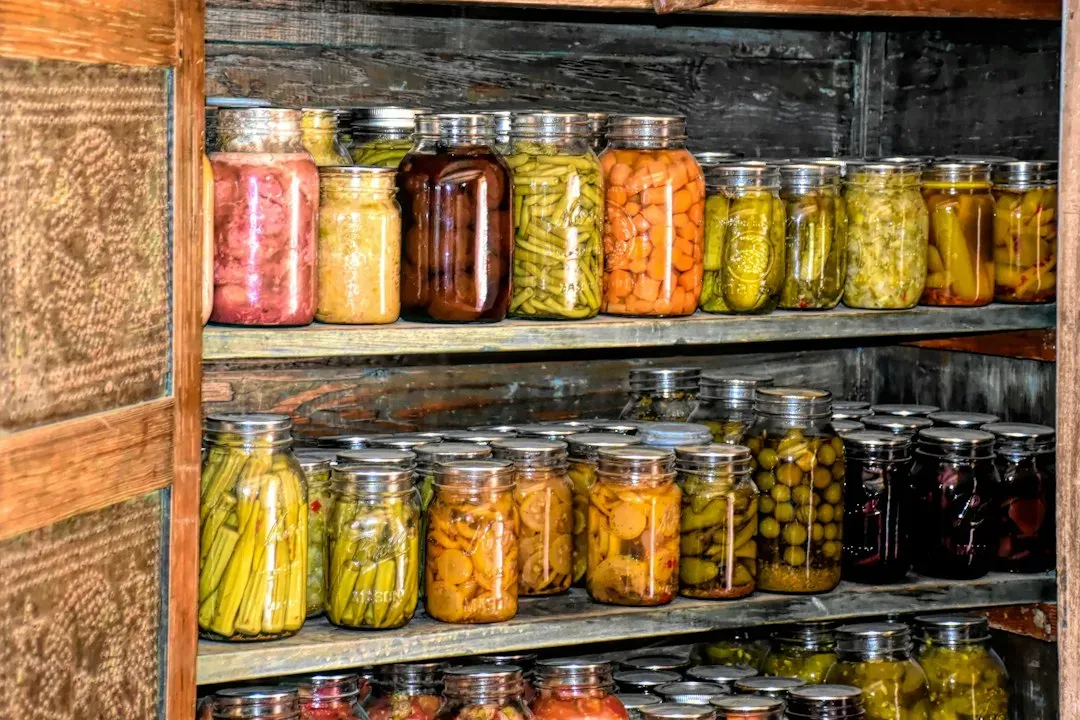
At Oyster Oyster in Washington, D.C., chef Rob Rubba and his team spend high summer preparing for winter. They dry mushrooms, vegetables and herbs, make pickles and slaw, and preserve garlic blossoms and coriander seeds before the season ends. The restaurant is vegetable first and works within a tight regional range.
Its ingredients come exclusively from the ocean, climate adapted farms, and wild plants of the Mid-Atlantic. When fresh produce thins out late in winter, the kitchen leans on foraged wild plants and ingredients preserved from nearby climate friendly farms. The pantry becomes the menu’s safety net.
Sourcing Turns Local, and Waste Becomes an Ingredient
A 2026 look at hotel kitchens found that regional, seasonal ingredients cut transportation emissions, support local agriculture, and often make for fresher, more distinctive menus. At Rosetta in Mexico City, chef Elena Reygadas builds her approach on native and heritage ingredients like corn, quelites, and wild mushrooms. Shorter supply lines also mean fewer surprises.
Waste is getting a second look too. Chefs are building trim, bones, peels and off cuts into the menu itself. Hilton’s “Taste of Zero Waste” program, for example, encourages chefs across its portfolio to build dishes around ingredients that would otherwise be discarded.

- 11 Things Experts Say You Should Never Leave Out Before a Storm - November 21, 2026
- “No One Prepared Us for This”: 9 Unexpected Realities of Living in a Hurricane Zone - November 21, 2026
- People Who Grew Up in Tornado Country Show These 9 Habits Every Spring - November 20, 2026
