

Something subtle but significant has been unfolding across America’s landscapes over the past several years. Animals are moving differently, breeding at unusual times, and abandoning habitats they’ve occupied for generations. The shifts aren’t dramatic in any single moment, but the accumulated picture is striking.
Extreme weather events such as cyclones, heatwaves, and floods are becoming more frequent, intense, and difficult to predict as human-induced climate change reaches a crisis point. For the creatures that share this continent, that means navigating a world that no longer operates on familiar rhythms. The changes unfolding in the forests, rivers, and coastlines of the U.S. tell a complicated story about adaptation, survival, and limits.
Birds Are Taking Off Earlier Than Ever
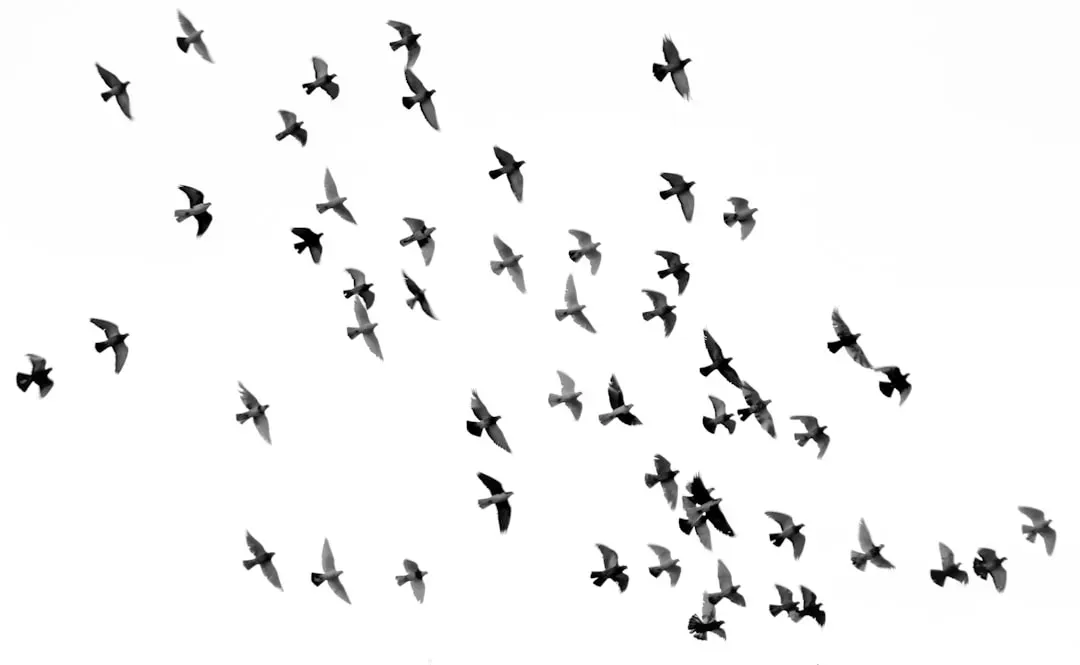
Climate change is prompting migratory birds to take flight earlier, and researchers looking at almost a quarter-century of radar data found that changing climate conditions were affecting the migration timing of hundreds of species, representing billions of birds, across the United States. The timing shifts are not uniform, though. The effects are most pronounced in northern states, where warming is taking place more rapidly.
Many birds and mammals are shifting their breeding seasons earlier in the year to align with warmer weather, while some insect populations are expanding into new territories as their preferred climates shift. These behavioral changes can lead to mismatches in timing, throwing off the balance of entire ecosystems. When a bird arrives to find its insect food source already gone, the ripple effects move up and down the food chain.
Heat Waves Are Rewriting Predator Strategies
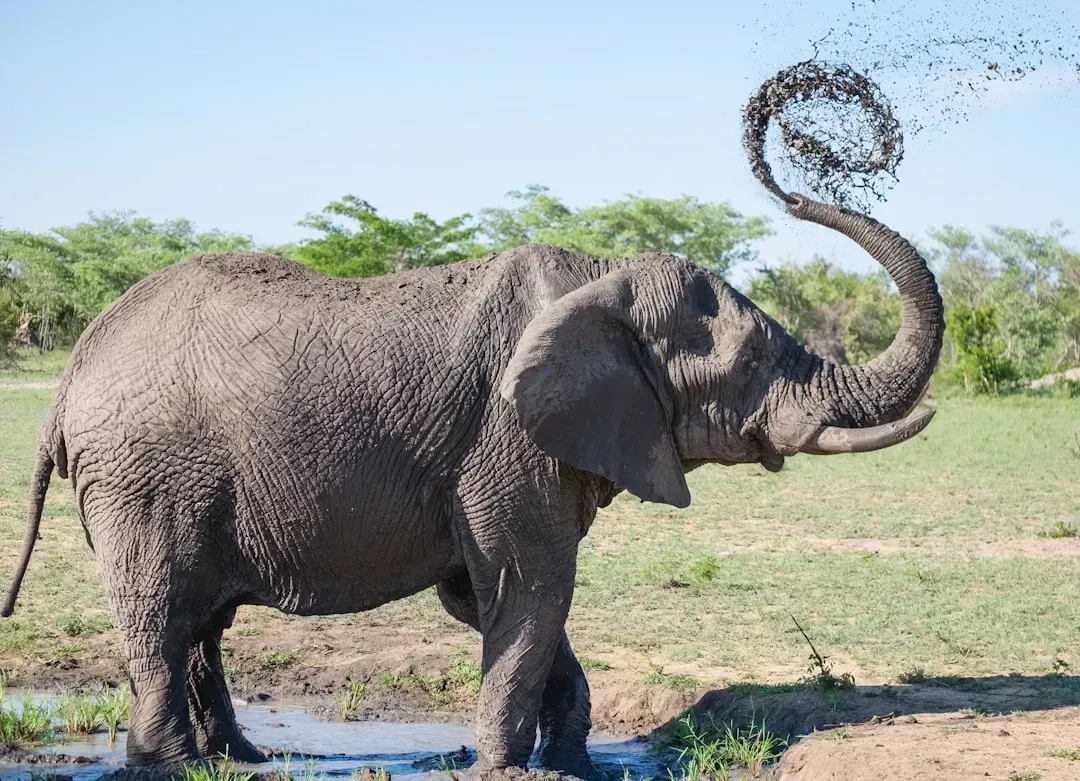
The brutal heat domes that have swept across the western U.S. in recent years haven’t just scorched the landscape. They’ve visibly altered how animals hunt and move. During record-breaking heat events, ferruginous hawks reduced their flight time by roughly four-fifths, while wolves moved around more, perhaps seeking hunkered-down prey like mule deer and moose. Behavioral flexibility, it turns out, varies widely by species.
Meanwhile, species already adapted to hotter or more variable temperature ranges adjusted better than others. For animals with narrower thermal tolerances, the consequences can be more severe. During the devastating 2021 Pacific Northwest heat dome, baby birds that could not yet fly plummeted to the ground trying to escape the heat, salmon and trout suffocated in small streams, and millions of mussels and barnacles cooked in place.
Wildfires Push Mountain Lions and Deer Into New Territory
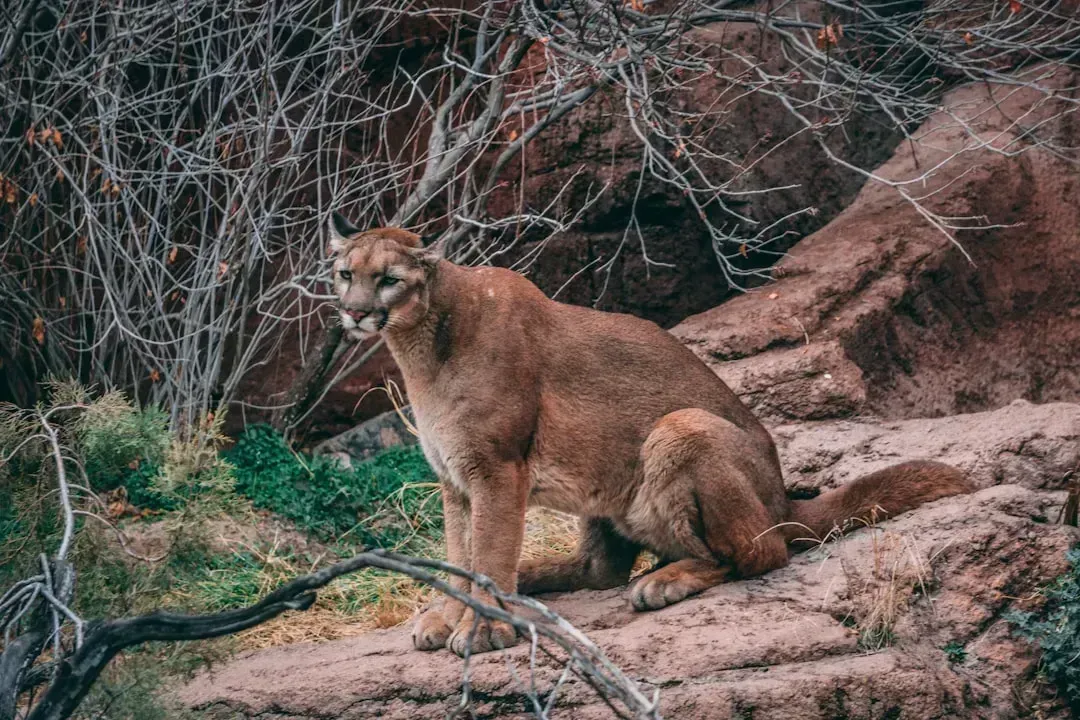
The long-term effects of severe wildfires on wild animals are still being studied, but research has been looking at immediate and shorter-term impacts, mainly on hoofed animals and small mammals. When a wildfire is actively burning, most wildlife flees the area much like humans do, and after the fire the impact on animals and their behaviors can vary considerably by species. The divergence in responses is striking.
In the aftermath of the 2018 Woolsey Fire in California, mountain lions struggled to hunt, faced starvation, and traversed wider and wider swaths of habitat, frequently risking dangerous road crossings. The behavioral shift was observed for well over a year post-fire. Research also found that wildfires significantly impact mountain lion habitat selection, as these animals choose to avoid burned areas and shift their range toward unburned areas with more vegetation.
Moose Are Losing Ground to White-Tailed Deer
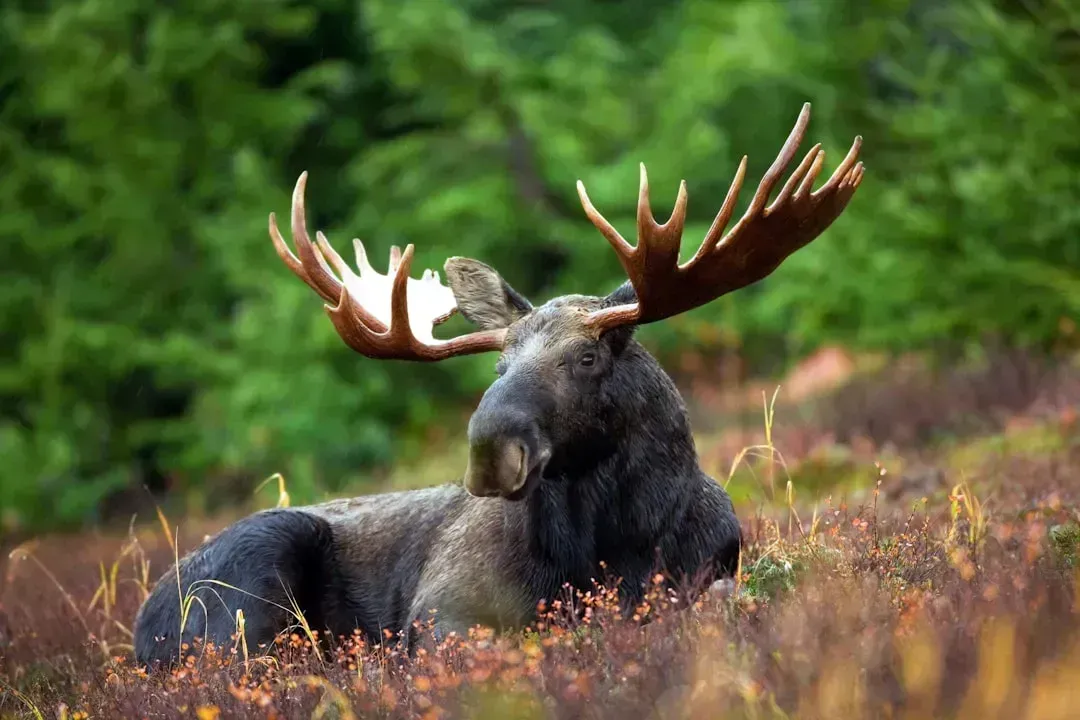
At Agassiz National Wildlife Refuge and elsewhere in northern Minnesota, warmer temperatures and accompanying habitat changes are pushing cold-loving moose farther north. Growing numbers of white-tailed deer are taking over habitat previously occupied by moose, and with the deer come deer ticks, which further stress the remaining moose and present threats to human health.
Warmer temperatures and decreasing snowpack favor the survival of white-tailed deer, while moose may become physiologically stressed in response to warming. Increasing deer populations spreading disease exacerbate the problem, and robust projections suggest that deer populations will increase in response to climate change while moose populations will decrease. The moose’s slow retreat northward is one of the clearest visible signals of behavioral and distributional change in the U.S. today.
Small Mammals Are Running Out of Altitude
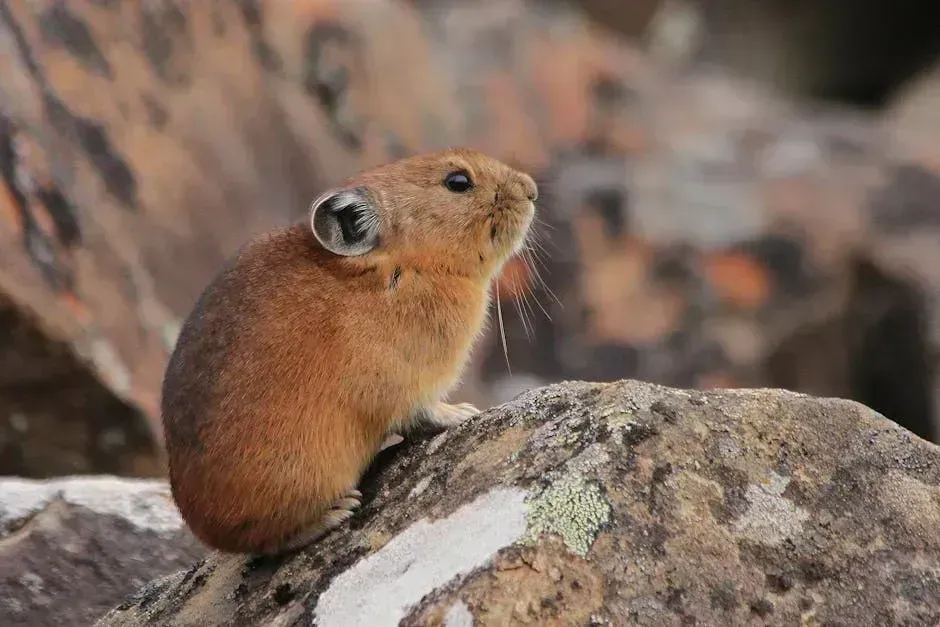
In some areas around the Rocky Mountains, small mammals are climbing higher to beat the heat. Some, like the pika, a tiny rabbit-like mammal, are running out of places to move because they already live high in the mountains. The pika is essentially trapped by geography, with no cooler refuge left to seek.
Research has found that plants and wildlife have moved to higher elevations at a median rate of 36 feet per decade throughout the last century. That pace is intensifying as temperature extremes become more routine. These significant shifts can also make room for invasive species to move in, compounding pressure on animals already stressed by shrinking habitat.
Waterfowl and Winter Storms: A Disrupted Resource Landscape
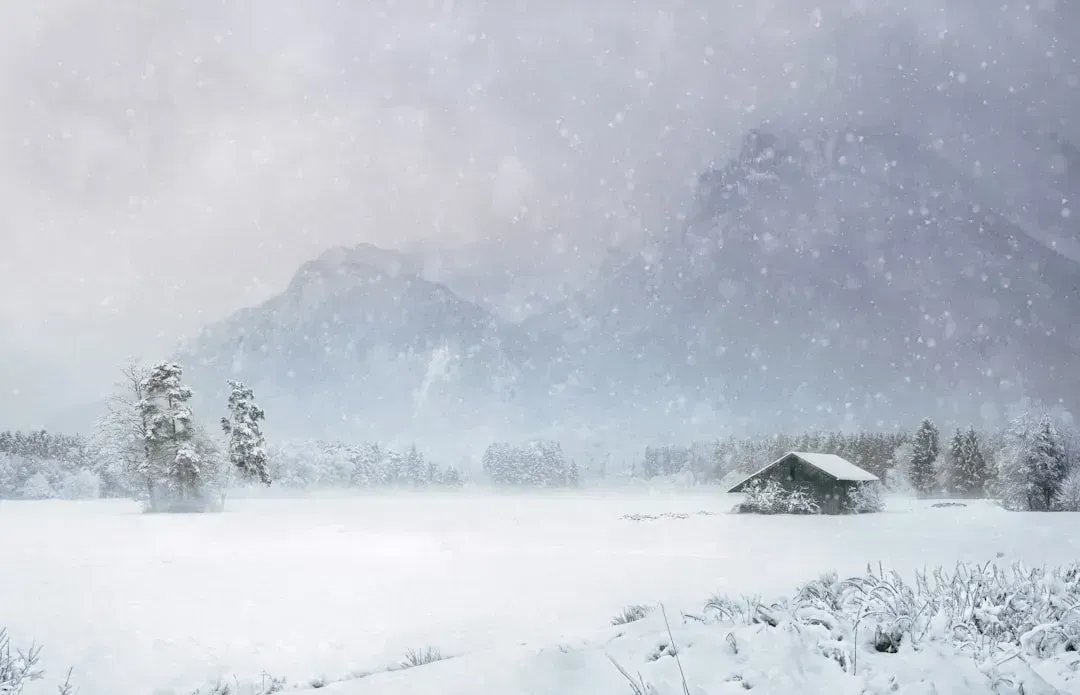
Extreme climatic events create resource bottleneck conditions which force species to abruptly move, redistribute, or alter other behaviors to survive, ultimately affecting abundance and distribution of wildlife populations. For waterfowl, sudden winter extremes can be particularly devastating. Four winter storms had widespread impacts across the mid-continental United States in February 2021, bringing record freezing temperatures to much of the Southeast, Midwest, and Great Plains.
Temperature and snow cover can limit food and space availability, and migratory bird populations often shift as a result of temperature-driven resource depression. Extreme winter weather, particularly during late winter and into early spring, may exaggerate these threats because wintering bird populations are already operating on scarce food resources and many are at the limits of their thermal tolerance. The compounding effect of back-to-back stressors leaves less and less margin for survival.
Fish and Aquatic Life Feel the Pressure From All Sides
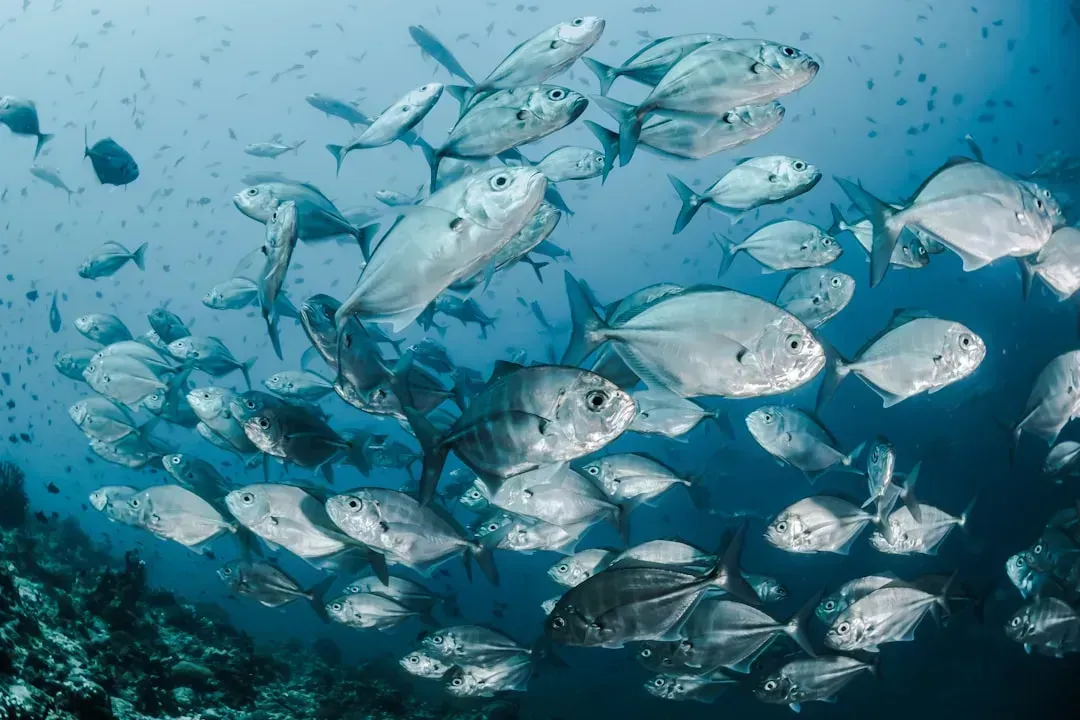
Evidence is growing that higher water temperatures from climate change are negatively impacting cold- and cool-water fish populations, like salmon, across the country. The stress doesn’t come from temperature alone. Changes in precipitation and runoff modify the amount and quality of habitat for fish, and fish are sensitive to changes in the frequency, duration, and timing of extreme precipitation events, such as floods or droughts.
In coastal ecosystems, hurricanes and flooding can cause dramatic changes in water quality resulting in large mortality events in estuarine fauna. Coastal evacuations by otherwise resident riverine striped bass in the Hudson River Estuary in New York were documented as a direct behavioral response to an intense period of tropical storms. Marine creatures, it turns out, are capable of fleeing disasters much as land animals do, though the option isn’t always available to every species.
Bats, Bees, and the Quiet Collapse of Insect Networks
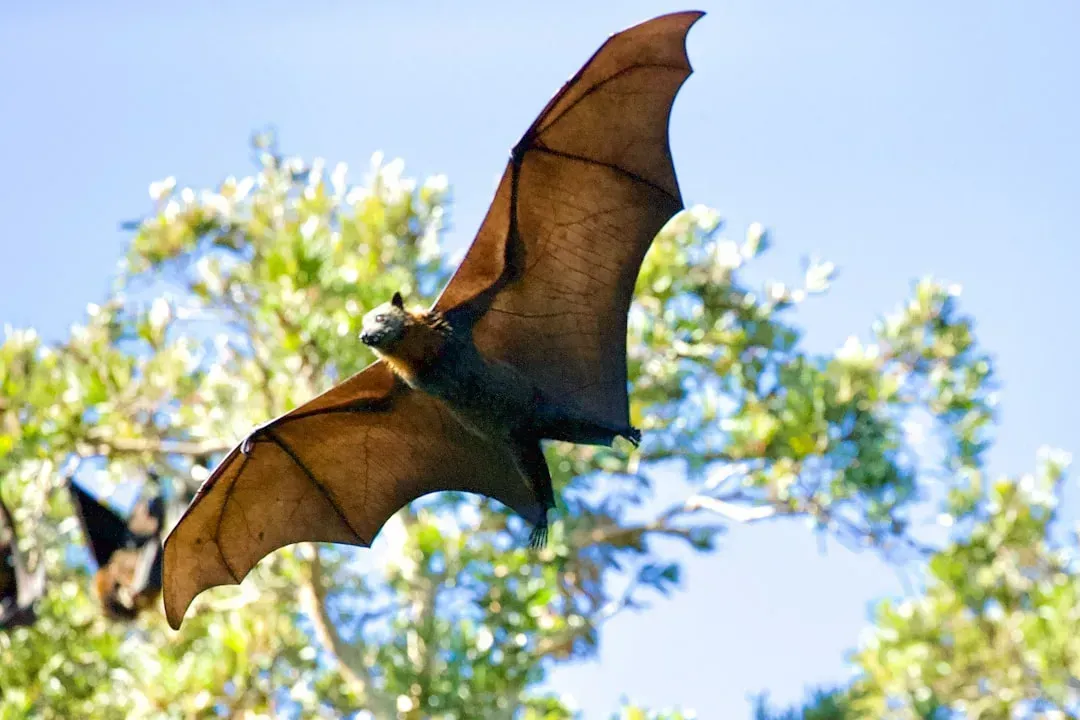
Climate change is one of the most-studied drivers of ecological change, and while reports of detrimental impacts on the behavior and physiology of individuals are now common in scientific literature, much less is known about the impact of extreme climatic events on evolutionary processes. Pollinators are among the most vulnerable. Thermal stress has been shown to inflict a range of serious physiological changes on bumblebees, including negative effects on fertility, foraging ability, and neural function.
Pollinators are arriving after flowering plants have already bloomed, while warming waters have caused marine species to change migration routes or feeding patterns. These timing mismatches don’t just affect individual animals. They reorganize the invisible infrastructure of ecosystems that most people never think about, from crop pollination to the food webs that support everything above them.
Coastal Species Face Habitat Loss With Nowhere to Go
In Florida, National Key Deer Refuge is slowly sinking as it succumbs to sea-level rise. As the island shrinks, so does habitat for imperiled Key deer, which live only in the Florida Keys. Sea level rise doesn’t just flood habitat. It compresses it, forcing animals into smaller and smaller ranges that can no longer support stable populations.
Tropical plant species like mangroves are creeping farther north as cold snaps become less frequent. These cold snaps historically kept warm-climate species from spreading into areas where they would become invasive, and along the Texas coast near Aransas National Wildlife Refuge, invasive mangroves are now encroaching into salt marshes that provide winter habitat for endangered whooping cranes. The transformation of coastal ecosystems is accelerating in ways that conservation planning has only begun to address.
The Bigger Picture: Adaptation Has Limits
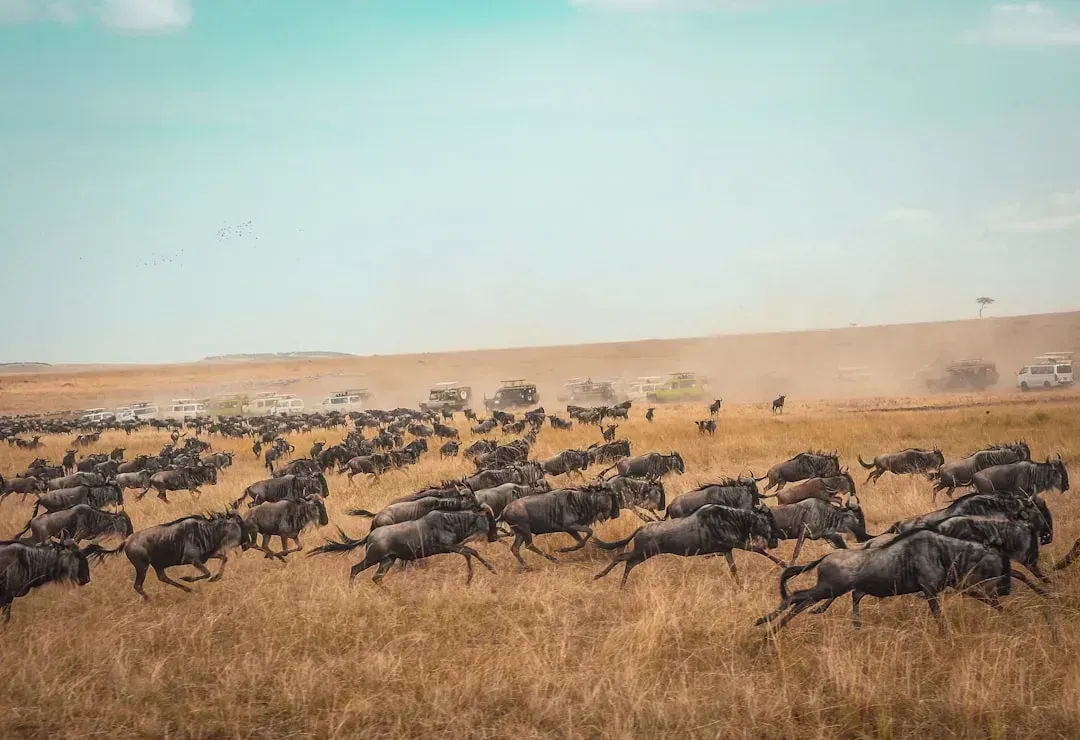
The connection between climate change and wildlife behavior is becoming increasingly evident as species adapt or struggle to adapt to rapidly changing environmental conditions. Rising temperature levels, altered precipitation patterns, and extreme weather events are disrupting the natural cues that animals rely on for survival. Some species show remarkable flexibility. Others are simply outpaced.
In October 2024, the World Wildlife Fund released a report stating that Earth’s wildlife populations have already fallen on average by a catastrophic rate of nearly three-quarters over the past half-century. This is occurring primarily because of climate-driven environmental instability, which is increasing with rising sea levels and the growing frequency of severe weather events like drought, extreme heat, wildfires, and flooding, and this instability is transforming the migration patterns of animals as their entire ecosystems are either changing or collapsing. The behavioral shifts documented across U.S. wildlife aren’t isolated curiosities. They’re signals arriving from every corner of the continent at once.

