


Phoenix, Arizona: Living Inside a Furnace
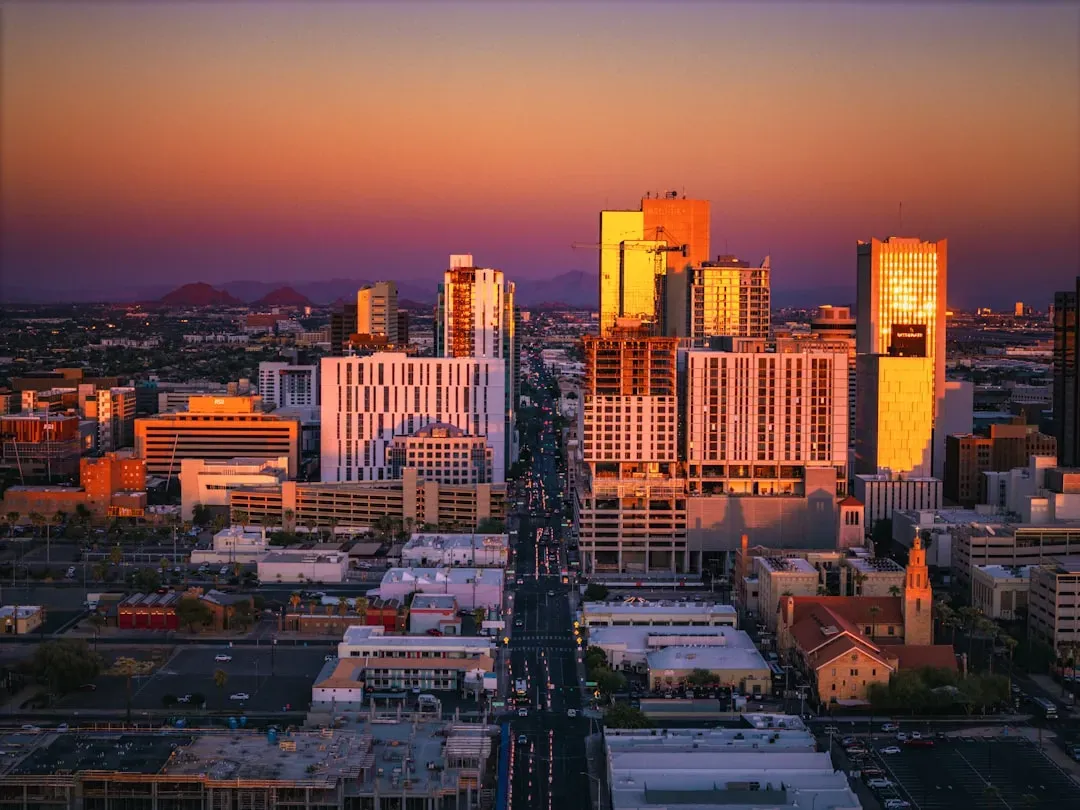
Phoenix has essentially become the poster city for what happens when extreme urban heat and a warming climate collide. 2025 was the second-hottest year on record in Phoenix, according to National Weather Service data, with only 2024 recording a hotter year-round average temperature. Phoenix endured 122 days in triple-digit heat in 2025, compared to the average of 111 days per year since 1990.
Just the previous summer, Phoenix made headlines with 113 consecutive days of 100-degree temperatures, the longest stretch ever observed, and in 2023 the city also experienced a record-setting 31 consecutive days over 110 degrees, straining power grids and overwhelming cooling centers. The global temperature has risen by approximately 2 degrees Fahrenheit since 1880, but in Phoenix that number grows by another 5 degrees due to the urban heat island effect, where temperatures in urban areas increase due to heat retained by structures and ground coverings. The city is not just hot. It’s getting hotter in ways that compound across every hour of the day.
Hot nights prevent the body from recovering after sweltering days and make heat-related illnesses more likely, especially among older adults, children, people with chronic illnesses, and outdoor workers. A mid-March 2026 heatwave, characterized by temperatures exceeding 106°F in places like Phoenix, illustrates how climate risk can now emerge outside the traditional summer period entirely.
Miami, Florida: Where the Streets Already Flood
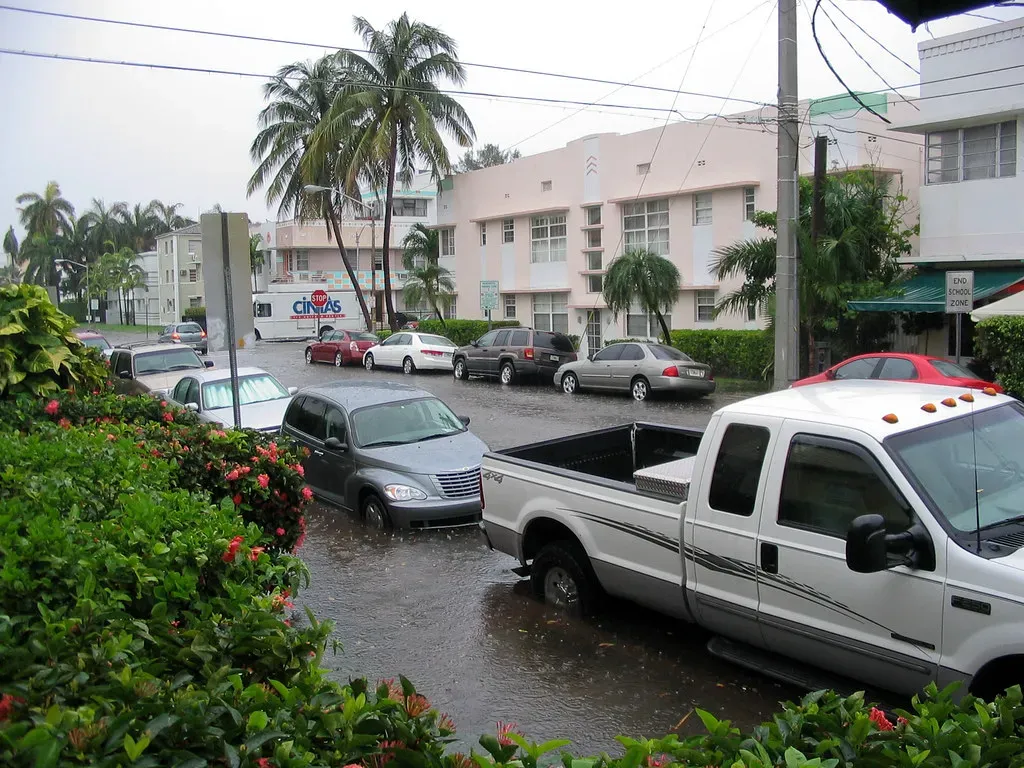
Miami doesn’t need a hurricane to flood anymore. That’s not a hypothetical warning. It’s a current reality. The frequency of flooding from high tides, known as “sunny day” flooding, is up over 400% in Miami Beach since 2006. Miami’s average elevation is just six feet, the same amount of sea-level rise expected in Southeast Florida by the end of the century, and the ocean has already risen by about six inches since 2000. The city is simultaneously sinking, sitting on porous limestone rock that allows water to seep from underground.
Florida’s water levels have risen 8 inches since 1950, and are now rising as much as 1 inch every three years. By 2040, sea levels in the region are expected to be 10 to 17 inches higher than 2000 levels. That timeline is not a distant abstraction for homebuyers. It falls squarely within a standard 30-year mortgage window. Average property-casualty insurance premiums in Florida have risen to more than $4,200 a year, triple the national average.
Researchers at the Organisation for Economic Co-operation and Development listed Miami as one of the 10 most vulnerable cities worldwide relative to the number of people at risk of coastal inundation. Sea level rise also causes saltwater intrusion into the freshwater Biscayne Aquifer, the source of the region’s drinking water, as well as saltwater intrusion farther into the Everglades. The infrastructure challenges here go well beyond wet streets.
Los Angeles, California: Beautiful, Burning, and Increasingly Uninsurable
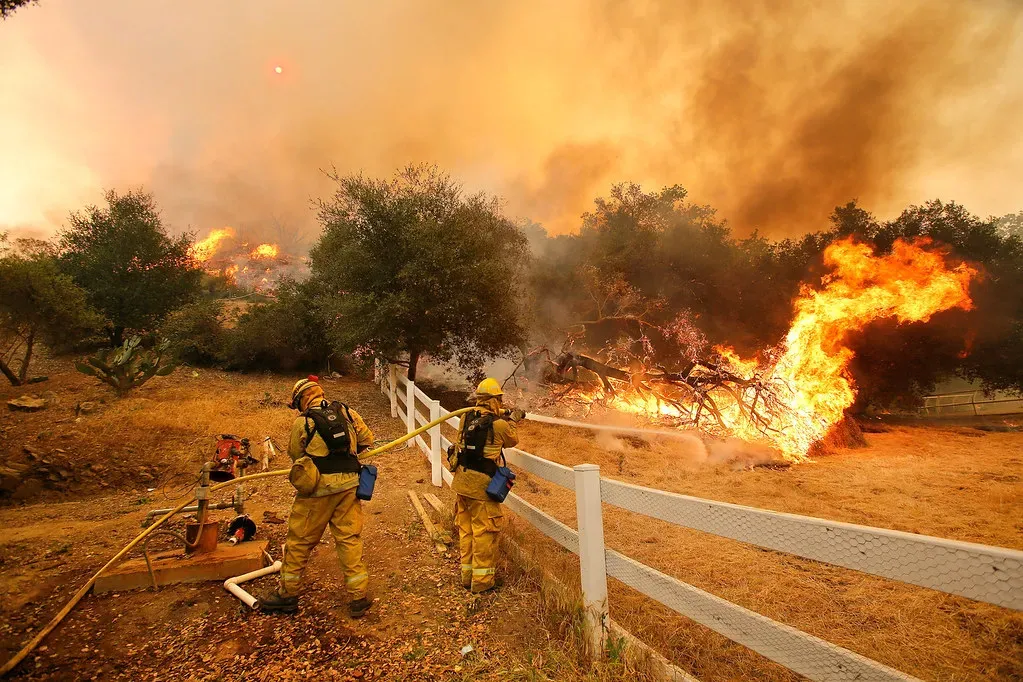
Southern California has always managed wildfires. The scale and cost of recent ones, though, have crossed into a different category entirely. The January 2025 Los Angeles wildfires were the costliest event of the year as well as the costliest wildfire on record, with roughly $61 billion in damages, about twice as costly as the previous record wildfire. Multiple wildfires that sparked in Los Angeles at the beginning of 2025 spread quickly and burned for weeks, destroying more than 16,000 structures and killing dozens of people.
Analysis from researchers at UCLA and others indicates that a rapid wet-to-dry swing in the years leading up to the Los Angeles wildfires helped fuel the flames, by first growing and then drying out large amounts of exceptionally flammable vegetation. This type of risk-amplifying “hydroclimate whiplash” is projected to become more common in the future as continued warming allows the atmosphere to both hold more moisture and pull more moisture out of soils and plants.
Even densely populated areas like Los Angeles have faced fast-moving wildfires in recent years, and the 2025 L.A. wildfires caused up to $53.8 billion in property damage, underscoring that wildfire risk is not limited to rural or forested regions. Climate events are pushing costs higher for homeowners, with more frequent wildfires, floods, and storms leading to higher insurance premiums, reduced coverage availability, and rising out-of-pocket expenses.
Texas Hill Country: Flash Flood Alley Is Getting More Dangerous
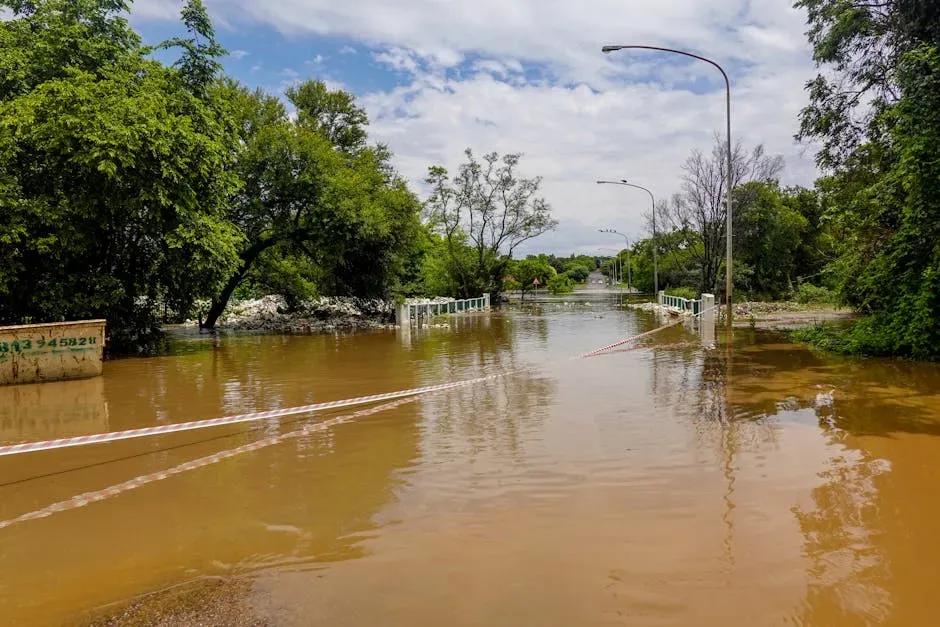
The Texas Hill Country has long been called Flash Flood Alley by meteorologists, and 2025 made that nickname feel like an understatement. Extreme flooding in the region quickly turned to tragedy when it inundated a popular campground site. In the early morning hours of July 3, torrential rains turned the Guadalupe River in Kerr County into a raging wall of water, causing the river to rise 26 feet in less than an hour, with rainfall rates of 2 to 4 inches per hour measured in some spots.
The flash flooding killed more than 130 people, 36 of whom were children. Analysis from NOAA indicates that hydroclimate whiplash was also at play during this deadly event, with the extreme rainfall following a prolonged extreme drought beginning in 2021 in the affected Texas counties. The parched land simply couldn’t absorb what fell.
The U.S. saw a record number of flash floods in 2025, which included the deadly July floods in Texas, and carbon pollution brings heavier rainfall extremes and more of the inland flood hazards that marked 2025. Climate change is likely to make extreme weather events like the flash flooding in Texas occur more intensely and frequently, climate scientists say. For communities in the path of these rivers, the risk calculation has fundamentally shifted.
The Gulf Coast: Hurricane Country with Stronger Storms
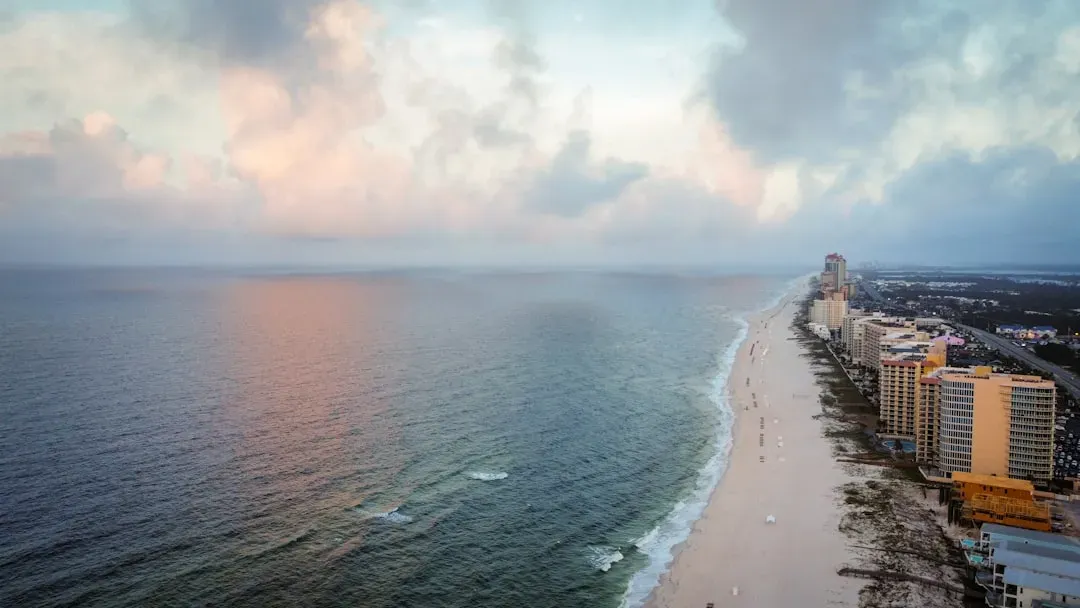
Living on the Gulf Coast has always meant accepting hurricane risk. What’s changed is the intensity of the storms themselves. Global warming has led to substantial ocean warming, which fuels hurricane intensification. More than 90% of the excess heat trapped by greenhouse gases has been absorbed by the oceans, creating conditions that favor rapid intensification and stronger peak winds. As a result, more storms are reaching major hurricane strength compared to past decades.
Research by Climate Central found that climate change increased the intensity of most Atlantic hurricanes between 2019 and 2023. Of the 38 hurricanes analyzed, 30 had wind speeds that were one category higher on the Saffir-Simpson scale than they would have been without human-caused warming. Nine of the 10 states that are likely to experience the worst impacts of climate change are in the South, and most of those are coastal states.
The changing climate is also amplifying the indirect effects of tropical systems that remain well offshore, making coastal areas more vulnerable. Sea level rise and more intense storms increase the risks of flooding, erosion, and shoreline change. The Gulf Coast isn’t just dealing with storms. It’s dealing with storms on top of an already compromised baseline.
South Asia’s Megacities: Kolkata, Mumbai, and the Coastal Flood Crisis
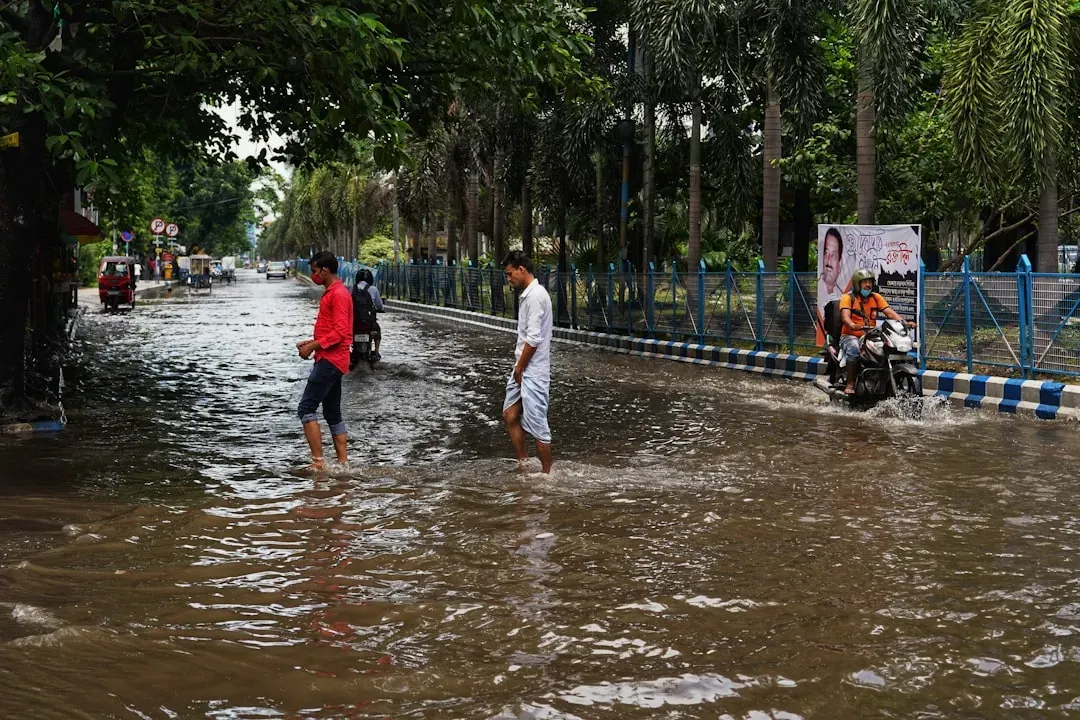
The climate risk picture is not purely an American story. Some of the world’s most populated urban centers face extraordinary exposure. The Organisation for Economic Co-operation and Development has ranked Kolkata and Mumbai as the top two cities most at risk of coastal flooding by 2070. Recurring and unusually intense heat waves, with temperatures around 50°C, have claimed many lives in the region in recent years.
Record-breaking global temperatures in 2024 translated into record-breaking downpours, from Kathmandu to Rio Grande do Sul. Of the 16 floods studied by World Weather Attribution, 15 were driven by climate change-amplified rainfall, reflecting the basic physics of a warmer atmosphere that holds more moisture and produces heavier downpours.
Sea level rise in 2025 was around 11 centimeters higher than 1993 levels, and rising sea levels damage coastal ecosystems, while also causing groundwater salinization and flooding. For densely populated coastal megacities with limited infrastructure budgets, the combination of rising seas, intensifying storms, and extreme heat creates compounding pressure that goes well beyond any single hazard.
The Amazon Basin: A Region in Ecological Freefall
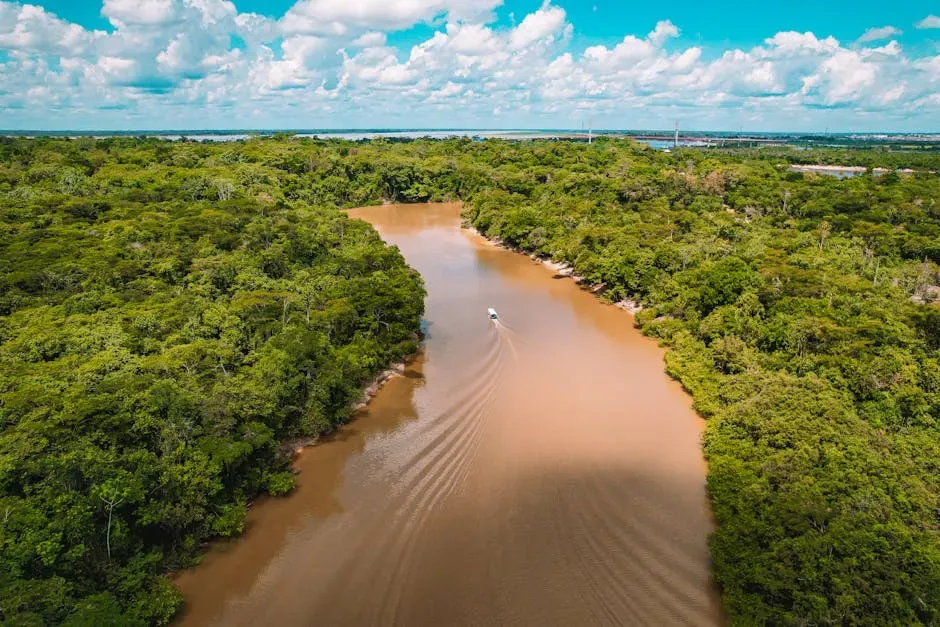
This one isn’t often framed as a place people are warned against moving to, but it probably should be. The Amazon rainforest and Pantanal Wetland were hit hard by climate change in 2024, with severe droughts and wildfires leading to huge biodiversity loss. The Amazon is the world’s most important land-based carbon sink, making it crucial for the stability of the global climate.
Prolonged drought and fire conditions in the Amazon led to the largest-scale wildfires since 2005, consuming more than 20 million hectares of forest. Communities throughout the basin face not just fire risk, but disrupted water cycles, agricultural collapse, and deteriorating air quality for months at a time. Wildfire smoke can travel thousands of miles, blanket large areas of the continent, and create dangerous air quality conditions for millions far from the fires themselves.
Climate extremes are directly linked to rising food prices, health risks, power outages, and displacement. In the Amazon Basin, all of those forces are operating at once, and the region’s ability to absorb further shocks is diminishing with every passing fire season. For residents already living there, adaptation is the only real option. For those considering a move, it’s a signal worth taking seriously.
