


- Sudden Wind Pushes on Sunny Days – Why Thermal Air Columns Collapse - November 16, 2026
- 6 Hidden Challenges of Living in Space That Rarely Make the Headlines - November 16, 2026
- Puddle Ripples Vanishing When Cold Hits – How Water Viscosity Shifts Near Freezing - November 16, 2026
You’d think that gardening would be one of the most environmentally friendly hobbies out there. Planting seeds, nurturing flowers, growing vegetables. It all sounds wonderfully green. What could possibly be harmful about that?
The truth is more complicated than most of us realize. While we’re busy trying to do something good for the planet, many of the products sitting on garden center shelves are actually doing the opposite. Some of these items are so common that we barely give them a second thought when tossing them into our carts. That garden center staple you’ve used for years might be contributing to environmental destruction on a massive scale. Curious which products made the list?
Peat Moss: The Ancient Carbon Bomb We’re Casually Digging Up
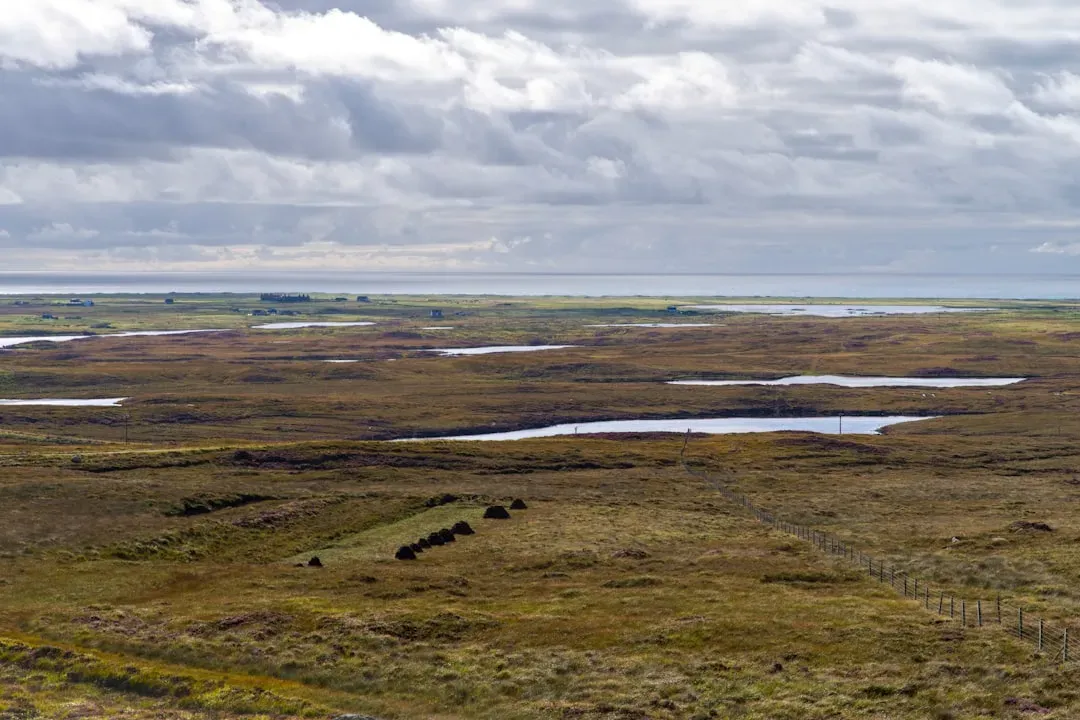
Bogs represent roughly about five percent of the earth’s surface and yet they contain more carbon than all the planet’s forests combined, according to Oregon State University soil scientist Linda Brewer. Peat moss is harvested from bogs and fens primarily in Canada and Russia, where water-logged bogs have taken carbon from the atmosphere and sequestered it for somewhere between ten and twelve thousand years, and as it’s harvested, the carbon is released back into the atmosphere. That’s right, when you buy a bag of peat moss, you’re essentially releasing ancient carbon that’s been locked away since the end of the last ice age. Each inch of peat moss takes roughly fifteen to twenty-five years to form. Harvested bogs may be replanted, but it can take thirty to forty years before they stop releasing carbon, making any claim of sustainability rather laughable. England banned the sale of peat moss starting in 2024 because of environmental concerns, yet American gardeners continue to use it without hesitation.
Synthetic Fertilizers: Feeding Plants While Poisoning Waterways
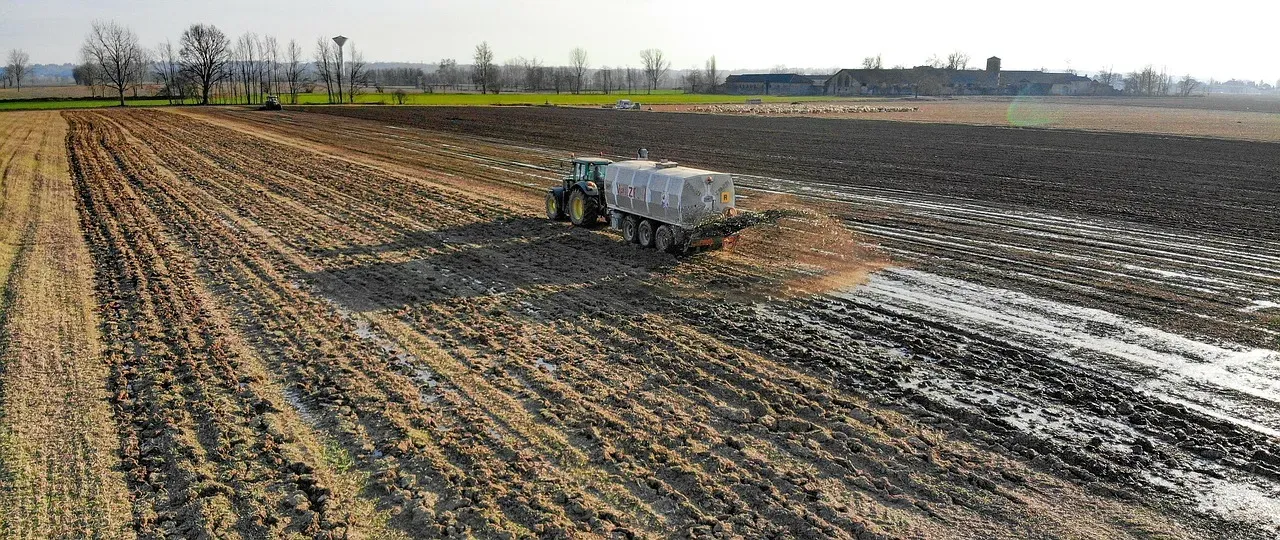
When nitrogen from synthetic fertilizers is not fully utilized by growing plants, it can be lost from farm fields and negatively impact air and downstream water quality, contributing to increased formation of ground-level ozone, higher amounts of climate changing greenhouse gases, and causing oxygen depletion and dead zones in water bodies. The excessive nutrients create a domino effect that’s truly staggering. Fertilizer that finds its way into waterways fuels the too rapid and harmful growth of algae and other aquatic plant life, sometimes creating an algal bloom with millions of organisms discoloring the water, causing an unhealthy increase in the amount of organic matter within a water body, a process called eutrophication. The irony here is painful. The more synthetic fertilizer you use, the more you need, because these chemicals actually degrade soil health over time. According to soil scientist Dr. Elaine Ingham, overuse of chemical fertilizers has effects on soil organisms that are similar to human overuse of antibiotics, and indiscriminate use of chemicals might work for a few years, but eventually there aren’t enough beneficial soil organisms to hold onto the nutrients.
Neonicotinoid Pesticides: The Silent Bee Killer in Your Garden Spray
They’re marketed as safe for home use, but neonicotinoid pesticides are wreaking havoc on pollinator populations. Science increasingly points to neonicotinoids as a primary culprit in bee declines. Beekeepers in 2025 lost upward of sixty percent of their hives, potentially topping the previous year’s record losses, which is well above the forty to fifty percent losses that have become the new normal in the last two decades. Here’s what makes these chemicals particularly insidious. Neonicotinoids are systemic pesticides that can be applied directly to soil around a plant’s roots or as a coating on plant seed, which the plant then soaks up as it grows, making the plant itself toxic, yet only a small portion makes it into the target plant, leaving the vast majority in the soil where it remains for years. A 2015 study by the U.S. Geological Survey found neonic pollution in more than half of the streams it sampled nationwide. Environmental levels of neonicotinoids surrounding farms do not obliterate bee colonies outright, but instead kill them over extended periods of time.
Glyphosate-Based Herbicides: More Than Just a Weed Problem
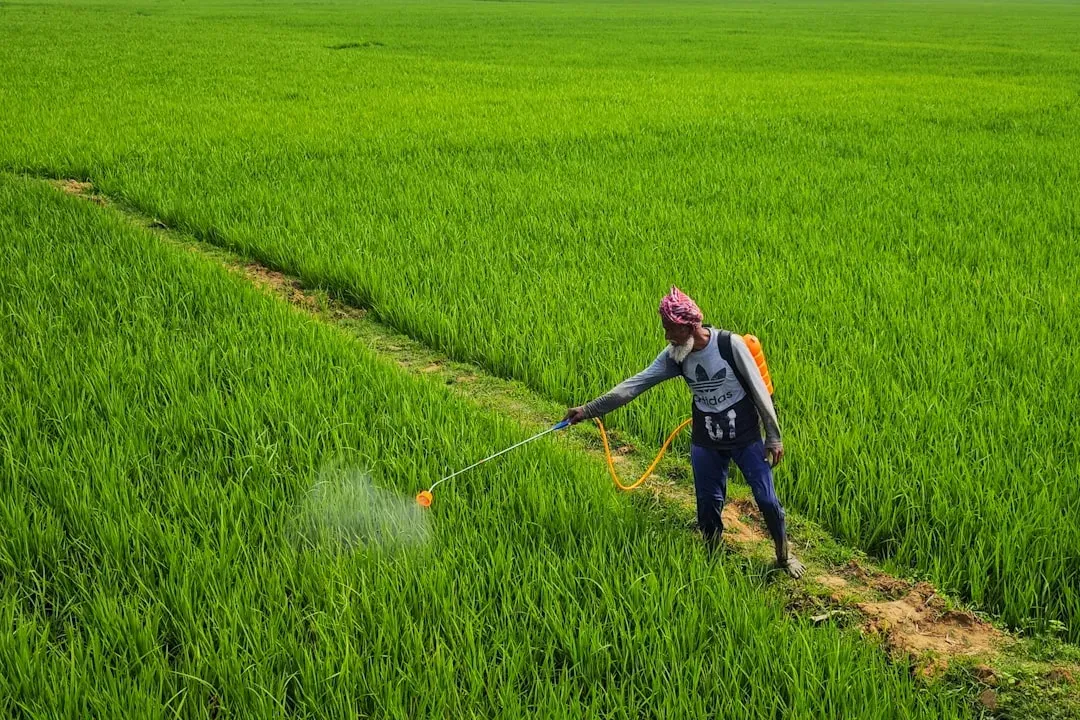
Glyphosate-based herbicide products are the most widely used broad-spectrum herbicides in the world for postemergent weed control, and this weedkiller is the largest selling herbicide chemical in the market today and the most used herbicide in human history. The environmental toll keeps mounting. Current phosphorus load derived from glyphosate into hydrological basins worldwide is now reaching levels comparable to those from fertilizers, increasing from roughly one and a half kilograms per square kilometer in 1993 to nearly nine and a half kilograms per square kilometer in 2014 in the USA. The ultimate degradation of glyphosate results in the release of phosphorus into the surrounding environment, leading to a shift in the trophic state of water systems towards more eutrophic scenarios with consequential significant changes in the structure and functioning of the ecosystem. A 2024 study linked glyphosate levels to infertility in men, raising serious questions about its continued widespread use. Following concerns over environmental and health impact, Bayer removed glyphosate from consumer formulations of Roundup in 2023 in the US, and demand in 2023 was less than half the levels in 2021.
Plastic Plant Pots: The Gardening Industry’s Dirty Little Secret
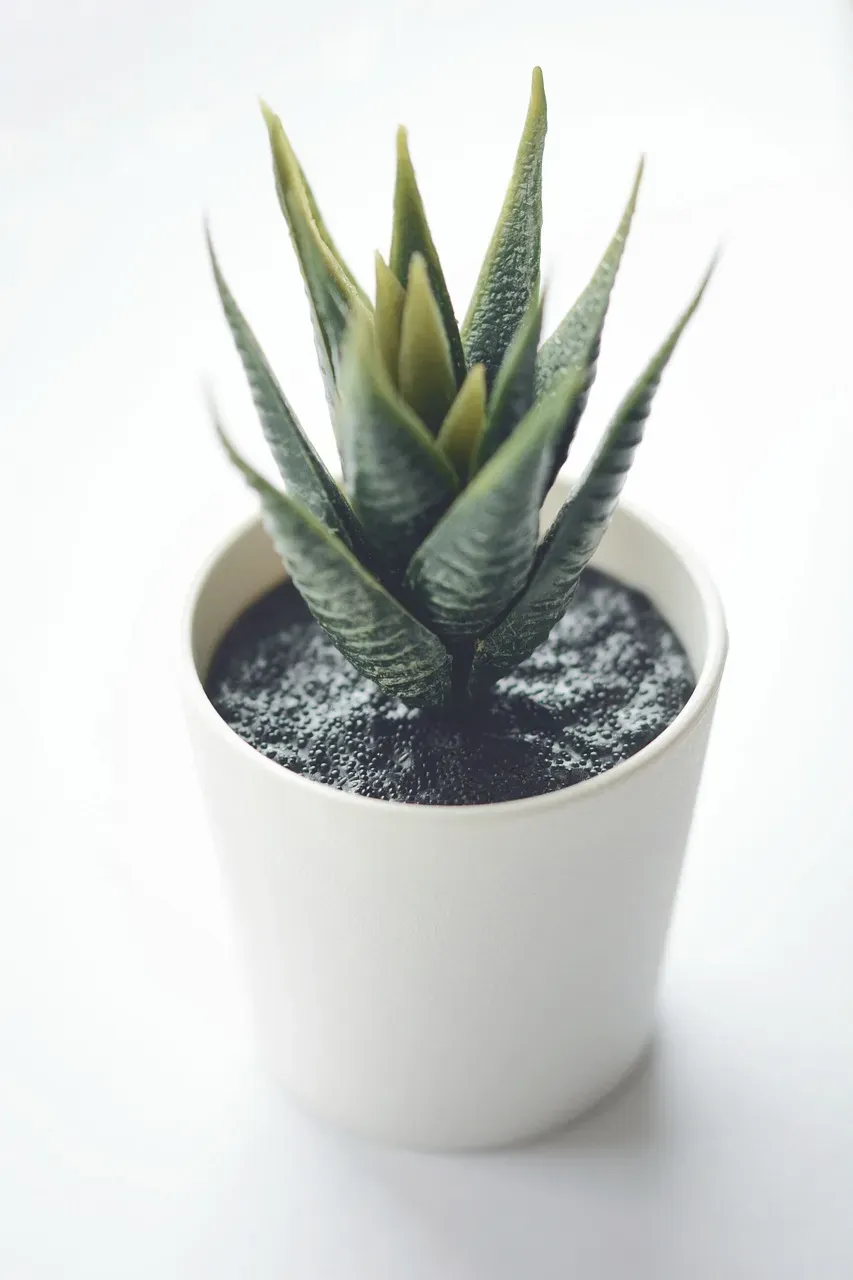
Every spring, garden centers overflow with plants in plastic containers, and most of us never think twice about what happens to those pots after we transplant. The estimated 500 million plastic plant pots, trays, and flats produced annually in the United States generate an estimated 350 million pounds of plastic waste. Most plastic plant pots are made from polystyrene or polypropylene, materials that can take five hundred to one thousand years to decompose. Here’s the kicker that most gardeners don’t know. Research found that most optical readers used at recycling facilities cannot identify black plastic pots, meaning those pots you carefully place in your recycling bin likely end up in landfills anyway. Perhaps up to five percent will be recycled, with the rest of the half a billion or so used every year ending up in a landfill or incinerated. Black plastic is one of the worst culprits because it’s dyed with carbon inks that cannot easily be broken down.
Chemical Pesticides: The Ecosystem Killers We Apply Without Thinking
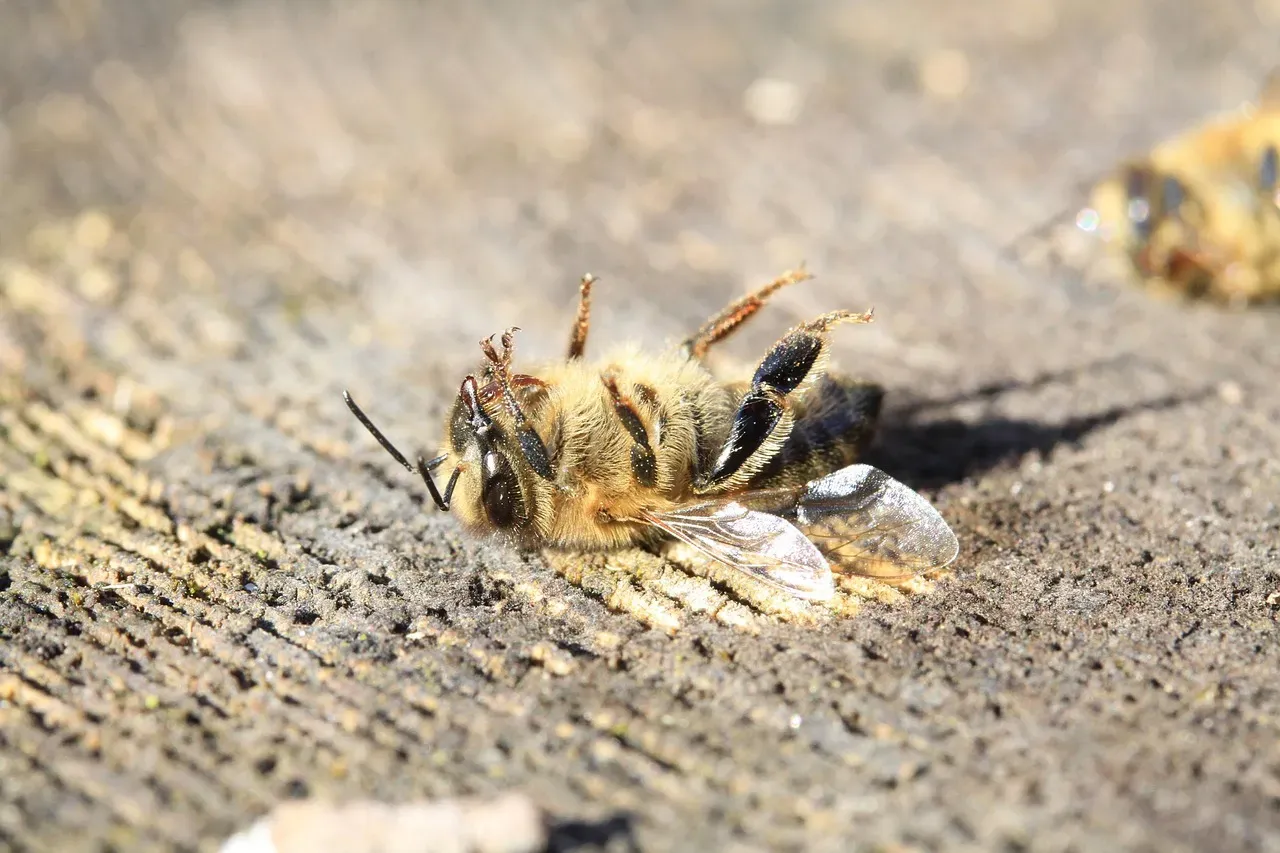
Global garden pesticide market size is roughly around ten billion dollars in 2024, expected to boost sales to over seventeen billion dollars by 2031, showing just how deeply embedded these products are in modern gardening. Excessive use of pesticides by gardening enthusiasts and farmers to increase crop yield harms the environment and human health, and frequent pesticide use can cause soil, water, and air pollution. Despite claims of safety, the damage extends far beyond target pests. Many organic pesticides are less toxic than their synthetic counterparts, but that doesn’t mean they are safe or won’t cause environmental harm, as organic pesticides are formulated to kill and have active ingredients at much higher concentrations than they would ever be found in nature. What’s particularly concerning is how widespread the contamination has become. Pesticides can affect the aquatic ecosystem and be found in surface water bodies in agricultural catchments throughout the growing season due to their frequent, preventative application.
Copper-Based Fungicides: The Organic Option That Isn’t So Green
Many gardeners turn to copper fungicides thinking they’re making an environmentally responsible choice because they’re approved for organic gardening. The reality is more complicated. Copper accumulates in soil and doesn’t break down like synthetic chemicals. Year after year of application builds up toxic levels that harm beneficial soil organisms, earthworms, and can eventually leach into groundwater. Commercial orchards that have used copper fungicides for decades often have soil so contaminated that nothing will grow properly anymore. The heavy metal persists in the environment for years, creating a legacy of pollution that outlasts any short-term benefits. It’s one of those situations where “natural” definitely doesn’t mean “harmless.”
Treated Wood Products: The Pressure-Treated Time Bomb in Your Raised Beds
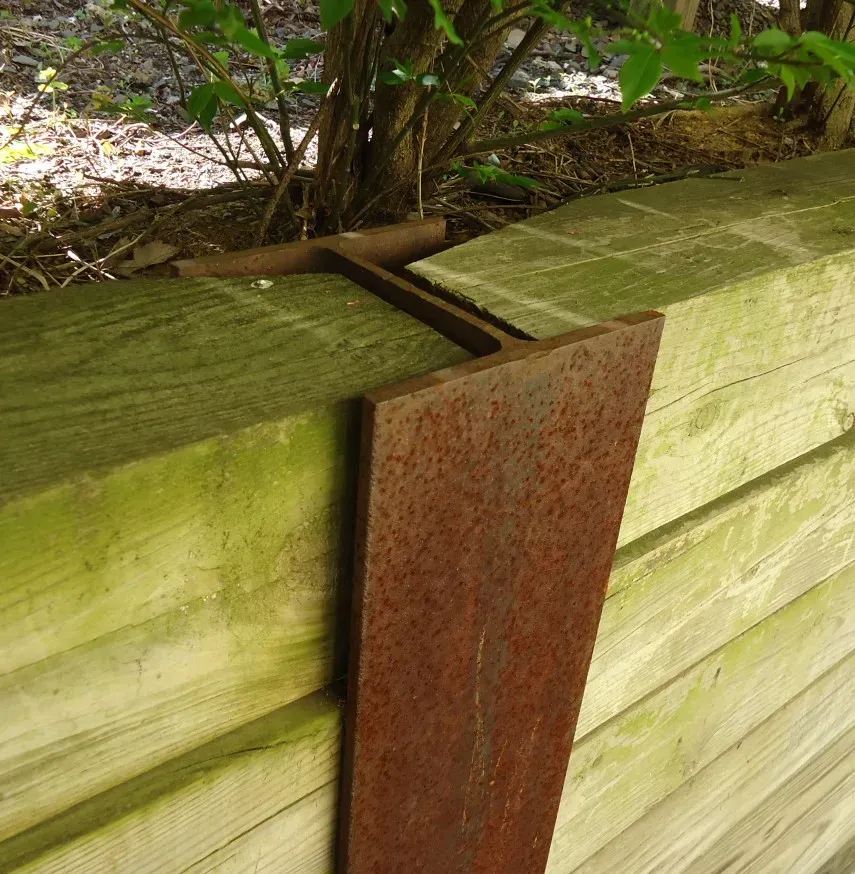
Walk into any hardware store and you’ll see stacks of pressure-treated lumber marketed for outdoor projects, including raised garden beds. While modern treated wood no longer contains arsenic like it did before 2003, it’s still loaded with copper-based preservatives and other chemicals. These chemicals leach into surrounding soil over time, especially as the wood ages and breaks down. Studies have shown measurable increases in copper and other metals in vegetables grown in beds made from treated lumber. The wood industry maintains these products are safe for garden use, but the science suggests otherwise. Rain, irrigation, and natural decomposition all contribute to chemical migration into the very soil you’re trying to keep clean and healthy for growing food.
Systemic Insecticides in Potting Soil: The Hidden Threat You’re Planting Directly
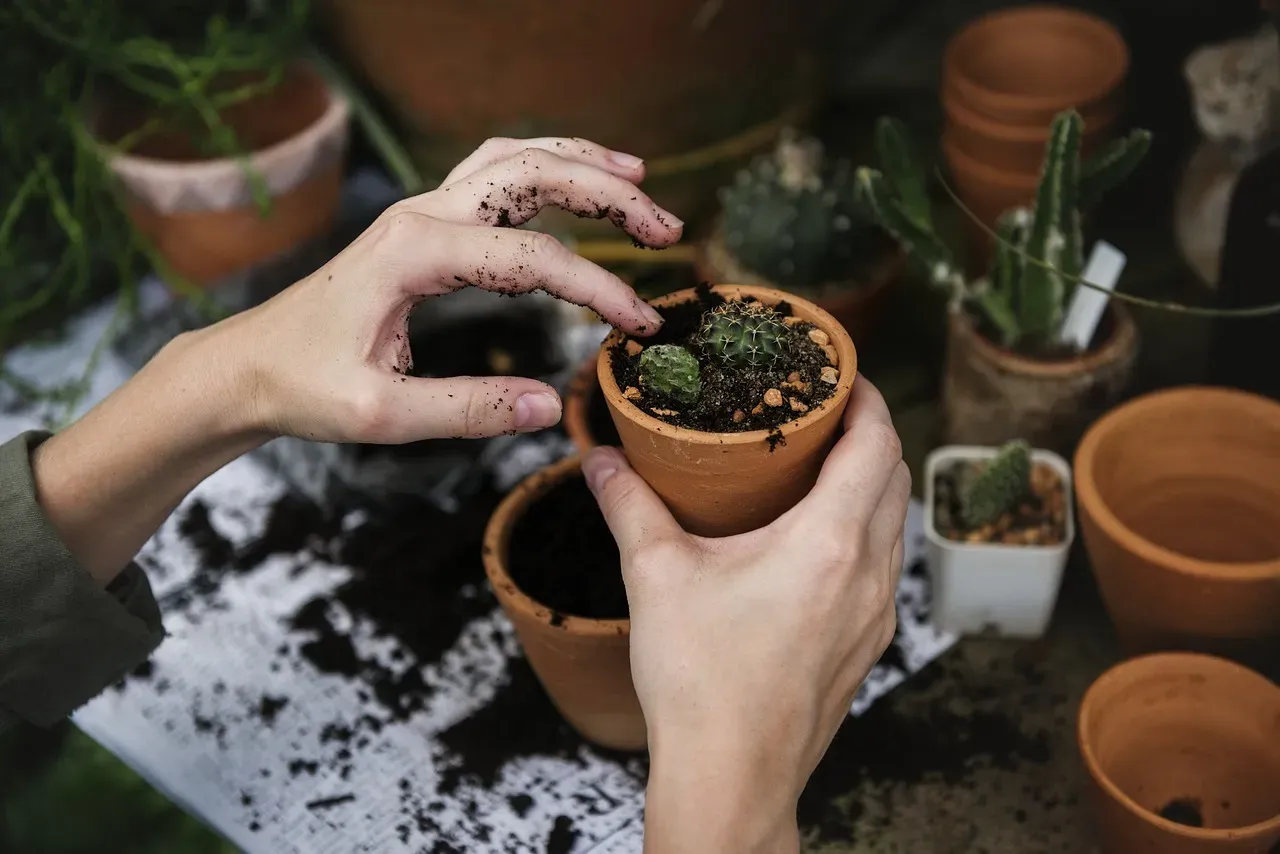
Many commercially available potting soils and garden soils come pre-mixed with systemic insecticides, often neonicotinoids, to provide several months of pest protection. Sounds convenient, right? The problem is that these chemicals don’t stay where you put them. They move through the plant into flowers, nectar, and pollen, making every blossom potentially lethal to visiting pollinators. You might think you’re protecting your plants from aphids, but you’re actually creating a toxic food source for bees, butterflies, and other beneficial insects. These products rarely have clear warnings on the front of the bag, and most gardeners have no idea they’re introducing these chemicals into their gardens. Reading the fine print on soil bags has become essential, but how many of us actually do it?
Decorative Landscape Fabric: The “Weed Barrier” That Becomes Plastic Pollution
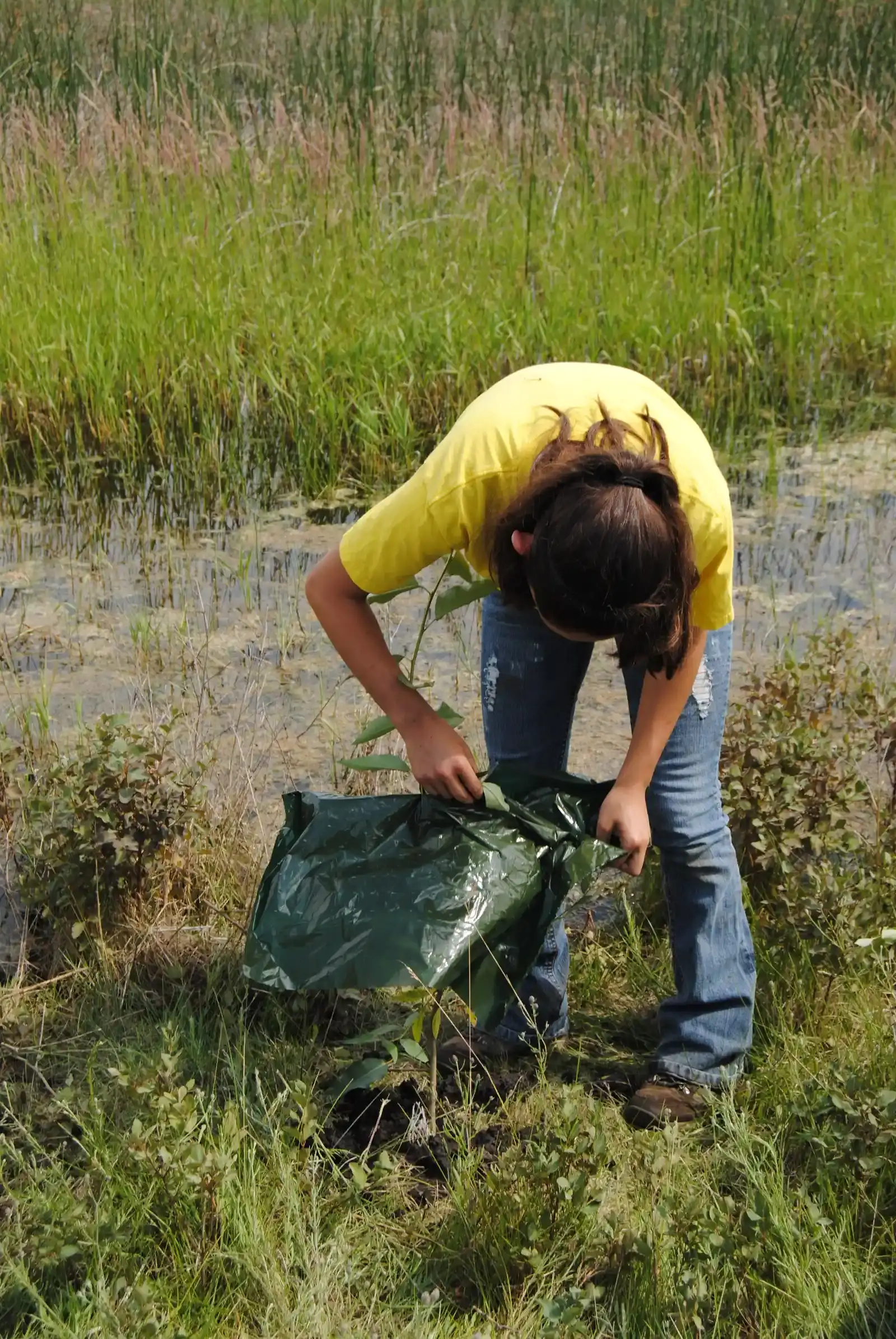
Landscape fabric gets marketed as a permanent solution to weeds, but it’s really just another form of single-use plastic that breaks down into microplastics. After a few years exposed to sunlight and weathering, the fabric begins to disintegrate. What was supposed to be a weed barrier becomes thousands of tiny plastic fragments mixed into your soil. These microplastics don’t go away. They accumulate in the ground, get taken up by plants, wash into waterways, and become part of the broader plastic pollution problem. Meanwhile, the fabric doesn’t even work well long-term because organic matter accumulates on top of it, creating a new growing medium where weeds thrive anyway. You end up with the worst of both worlds: weeds growing on top and plastic contamination below. Mulch does the same job without the environmental damage, yet landscape fabric continues to fly off the shelves.
Miracle-Gro and Quick-Release Chemical Fertilizers: The Fast Food of Plant Nutrition
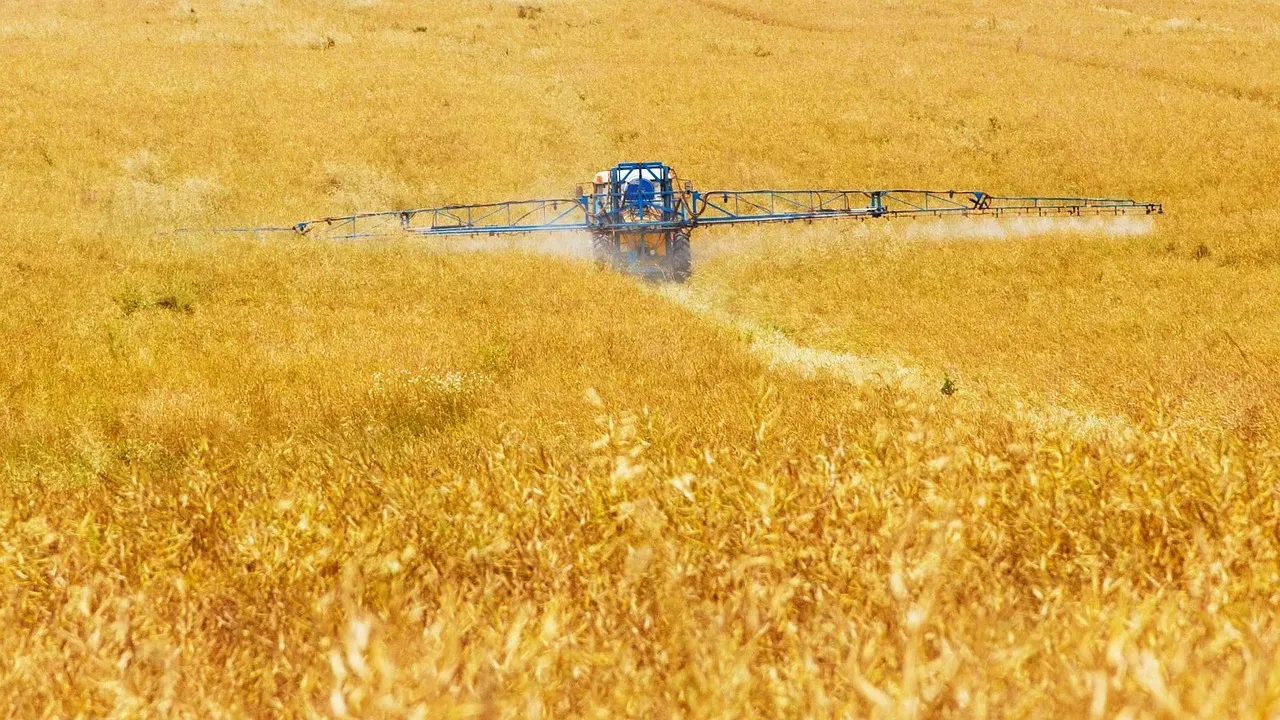
Quick-release chemical fertilizers promise instant results, and they deliver. Your plants green up fast, flowers bloom bigger, and everything looks spectacular. For a while. These products are essentially the fast food of plant nutrition, providing a quick hit of nutrients without any of the long-term benefits of healthy soil. The salts in these fertilizers can burn plant roots with overuse, kill beneficial soil microbes, and create plants that are dependent on constant feeding because the soil biology has been destroyed. Perhaps worse is what happens to the excess nutrients that plants don’t absorb. They wash away with the first rain or watering, heading straight into storm drains and waterways. The Gulf of Mexico’s massive dead zone, where oxygen levels drop so low that fish and marine life can’t survive, is fed partly by fertilizer runoff from countless lawns and gardens upstream. Each time you apply that blue crystal fertilizer, some of it is headed downstream to contribute to this environmental disaster.
Conclusion
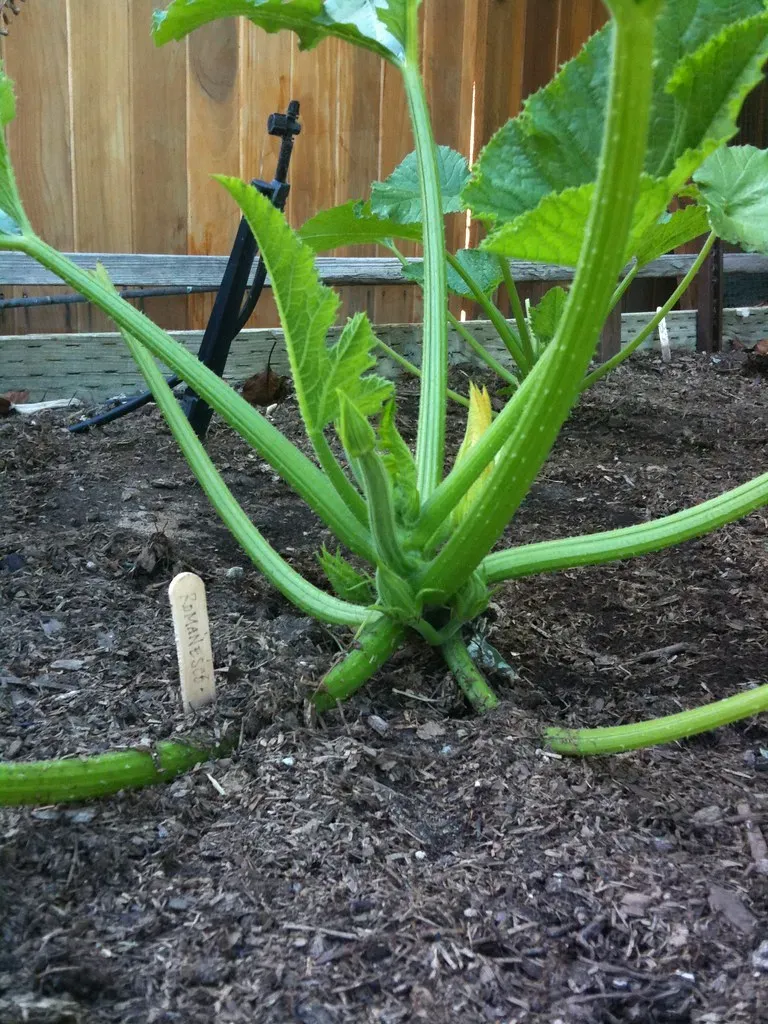
Gardening should connect us to nature, not harm it. Yet so many popular products undermine the very ecosystems we’re trying to cultivate. The good news is that alternatives exist for nearly everything on this list. Compost instead of synthetic fertilizers. Mulch instead of landscape fabric. Integrated pest management instead of broad-spectrum pesticides.
The power to change this lies partly with us as consumers. When we stop buying environmentally destructive products, manufacturers will eventually get the message. It might take longer to see results with organic methods, but the long-term health of your garden and the planet is worth it. What surprised you most about these common gardening products?
