

Weather forecasting touches nearly every decision we make, from what to wear in the morning to whether to evacuate ahead of a hurricane. Yet despite enormous advances in atmospheric science over recent decades, a familiar set of frustrations keeps coming up among the people who do this work professionally. Some of these gripes are minor. Others, honestly, can cost lives.
Meteorologists are scientists, communicators, and in many ways, public safety workers all at once. Most got into the field because they genuinely want to help people make better decisions. So when the same misunderstandings keep cycling through every storm season, every blizzard, every heat event, it wears on them. Here are twelve things they’d love the public to stop doing.
1. Claiming Forecasts Are “Always Wrong”
Meteorologists hear the complaint constantly: “Why are weather forecasts always wrong?” The thing is, they’re not. Modern forecasts are more accurate than ever before. That perception gap is one of the most persistent problems in the profession, and it actively undermines the trust that accurate warnings depend on.
According to the National Oceanic and Atmospheric Administration, forecasts are roughly correct about four in five times when looking five days out, with an average single-day temperature error of around two and a half degrees. Accuracy does decrease significantly beyond seven to ten days. Most people only remember the dramatic misses, which skews their judgment of the whole enterprise.
2. Ignoring Storm Warnings Until It’s Too Late
Every winter, meteorologists watch the same dangerous pattern unfold. As storm warnings appear and weather apps ping with alerts, millions of people make a critical mistake that forecasters desperately wish they’d stop. They wait and wait, then scramble at the last minute when conditions are already deteriorating.
People typically ignore storm warnings until precipitation actually starts falling, then everyone rushes out at once. Roads become congested with anxious drivers, accidents spike, and stores run out of essentials just when people need them most. The advice from meteorologists is genuinely simple: take early warnings seriously and prepare gradually, not frantically.
3. Trusting a Weather App Over a Professional Forecast
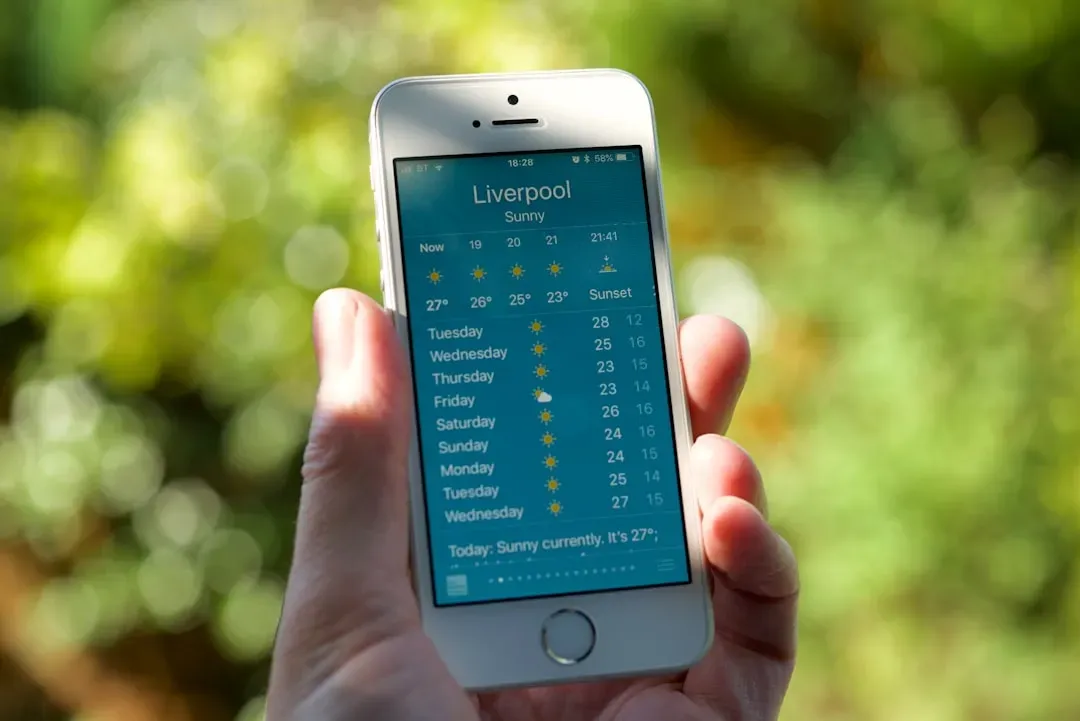
Weather apps prioritize broad coverage and automated delivery over pinpoint precision. They use smoothed model output rather than direct surface observations from specific weather stations. This works reasonably well for deciding whether to bring an umbrella, but it’s inadequate for understanding conditions at a specific location and time.
A trained meteorologist would spot the signs of an unusual atmospheric setup and adjust their forecast accordingly. An app just displays whatever the model output says, even when that output doesn’t make sense given current conditions. When the stakes are high, a local National Weather Service forecast or a professional broadcast meteorologist is worth far more than any algorithm.
4. Misunderstanding What “Probability of Rain” Actually Means
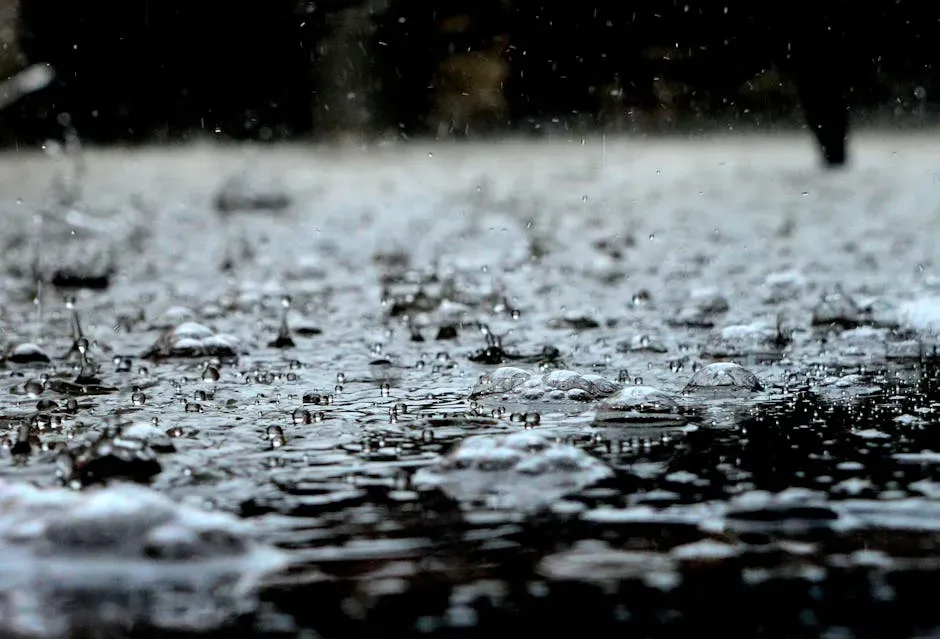
One of the most widely misread numbers in a weather forecast is the probability of precipitation. A forty percent chance of rain does not mean it will rain forty percent of the day, or that forecasters think it probably won’t rain. It means there is a four-in-ten chance that measurable rainfall will occur somewhere in the forecast area during the given time period.
Forecasts cover areas, not specific points, and slight shifts in the timing of weather events can make them seem like much bigger forecast misses than they really are. When someone says “it didn’t rain at my house so the forecast was wrong,” they’re often misunderstanding what the forecast was actually communicating. Spatial variability is real, and a forecast for a region doesn’t promise identical conditions at every address within it.
5. Accusing Meteorologists of Deliberate Manipulation
Meteorologists have been falsely accused of steering hurricanes toward Florida or Appalachia, and some have reported threats of violence or personal attacks online. This isn’t fringe behavior anymore. In the wake of major storms in 2024, the accusations became widespread enough to draw national attention.
Forecasts for hurricanes Helene and Milton in 2024 were highly accurate. Despite the strong, verified information forecasters put out, meteorologists say they faced unprecedented skepticism and vitriol. Some blame political tension and the spread of misinformation on social media. Whatever the root cause, it makes an already demanding job considerably harder and, in some cases, dangerous.
6. Dismissing Long-Range Forecasts Entirely or Trusting Them Too Literally
Short-term forecasts of one to three days are generally quite accurate. Medium-range forecasts of four to seven days carry more uncertainty. Long-range forecasts beyond seven days are best viewed as general trends rather than specific predictions. The problem is that people tend to treat these categories the same way, either dismissing any forecast beyond two days as worthless, or planning a wedding around a ten-day forecast as if it were gospel.
Modern five-day forecasts are now about as accurate as three-day forecasts were in the 1990s. That’s a genuine achievement. The right response is to use extended forecasts as planning tools while staying flexible, not to treat them as either useless noise or ironclad certainties.
7. Waiting for Perfect Certainty Before Taking Action
One of the deeper frustrations among professional forecasters is the public expectation that a warning only warrants action once the outcome is guaranteed. The atmosphere doesn’t work that way, and no scientist who understands it would claim otherwise. To account for inherent uncertainty in weather prediction, meteorologists use ensemble forecasting, running multiple model simulations with slightly different starting conditions to show a range of possible outcomes. Communicating that uncertainty to the public, however, remains a persistent challenge.
When a forecast gets complicated, a human meteorologist can genuinely help by providing additional context and explaining a range of possibilities. Having trusted weather sources beyond just an app is especially valuable when high-impact weather may be coming. Acting on a good but uncertain forecast is exactly what the forecast is designed to prompt. Waiting for certainty often means waiting until it’s too late.
8. Blaming Meteorologists When the Weather Surprises You Locally
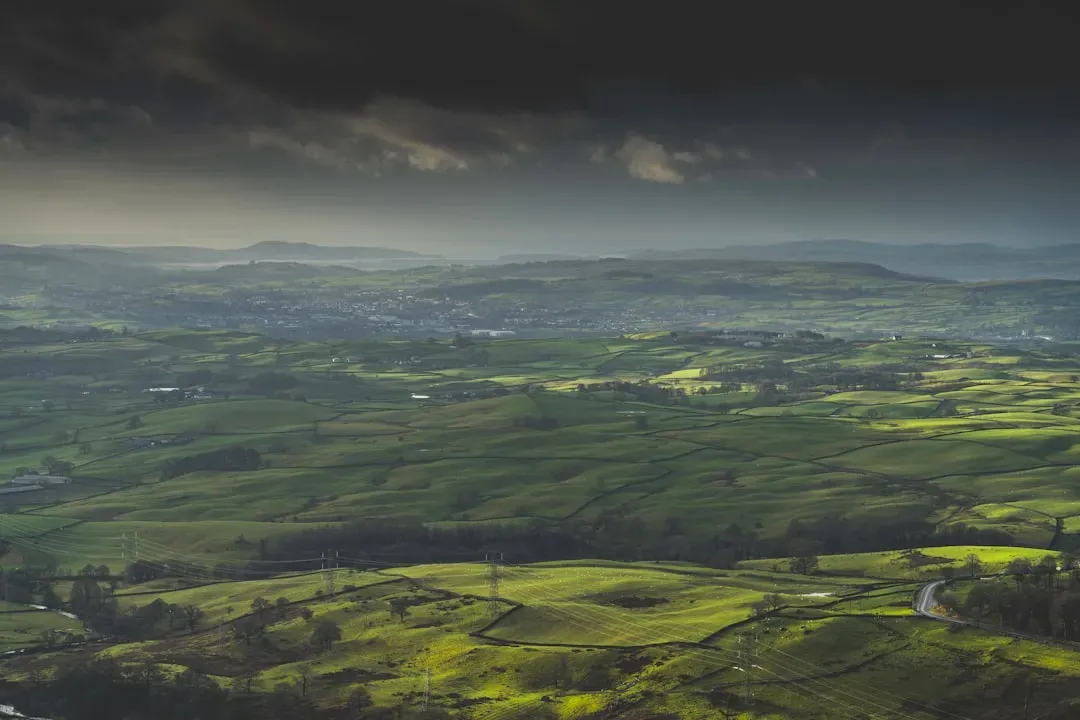
While it may be pouring at a friend’s house fourteen miles away, conditions could be completely dry at your place. The perception from one location is that forecasters got it right; from the other, it seems entirely wrong. Both observations are real, but only one of them aligns with the broader regional forecast that was actually issued.
Three counties away, ninety-mile-per-hour straight-line winds may have caused significant damage. The forecast wasn’t incorrect in such cases; some areas were simply spared the worst of the system. Weather is not a uniform blanket. Localized storms, terrain effects, and proximity to weather boundaries all mean that two neighbors can experience dramatically different conditions from the same forecast event.
9. Confusing Meteorology With Climatology
Meteorology and climatology are distinct fields. Meteorology focuses on short-term weather patterns, typically up to about two weeks. Climatology studies long-term weather trends over decades or centuries. Conflating the two leads to a common but tired argument: “If they can’t predict next Tuesday’s rain, how can they claim to know what the climate will do in fifty years?”
Climate change research draws on both meteorology and climatology, but it isn’t synonymous with either. Understanding this distinction is crucial for grasping the complexities of our changing planet. The tools, data sources, and time horizons involved in each discipline are genuinely different. Treating them as interchangeable creates confusion that ends up weakening both public trust in forecasters and understanding of climate science.
10. Spreading Weather Misinformation on Social Media

Weather forecasting has improved in recent years, but better forecasts are now competing for attention with social media and ideology-driven perspectives. During major storm events, viral posts claiming that forecasters are lying, exaggerating, or manipulating storm tracks spread far faster than official warnings. That’s a serious problem when those warnings are designed to save lives.
One meteorologist and climate scientist stepped back from a television career because of harassment received in reaction to coverage of climate change and its impact on weather. The chilling effect on scientific communication is real. When professionals feel they have to self-censor or withdraw to protect their personal safety, the public loses access to expertise it badly needs, especially during extreme events.
11. Assuming Weather Forecasting Is Just Guesswork
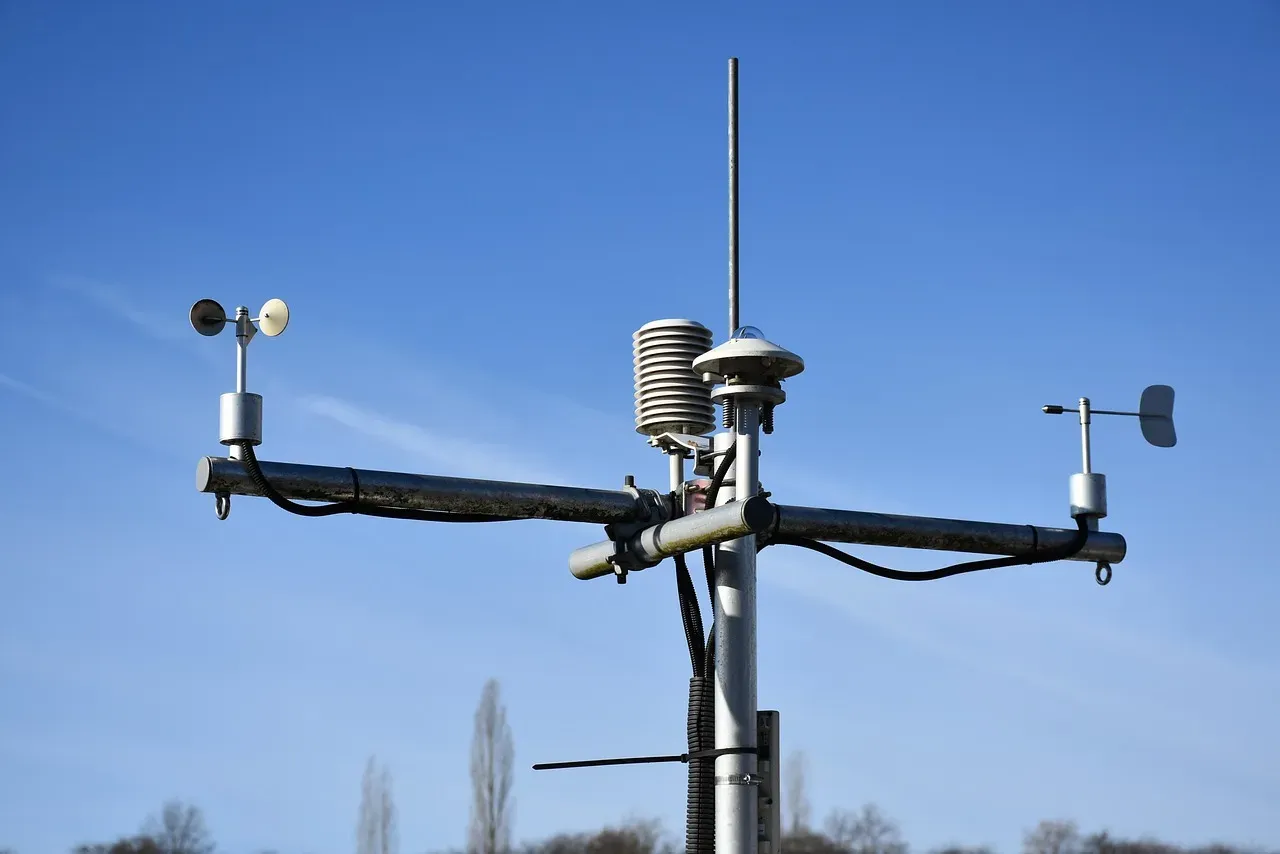
Meteorology is a rigorous scientific discipline that relies on complex mathematical models, vast amounts of data, and sophisticated technology. Modern meteorologists use supercomputers to process data from satellites, weather balloons, radar systems, and ground stations. They apply principles of physics and fluid dynamics to create forecast models.
Meteorology is far from a guessing game. When meteorologists analyze weather maps and computer screens full of swirling data visualizations, they’re not reading tea leaves; they’re analyzing the output of sophisticated computer models. The “just a guess” dismissal is especially frustrating given how much investment in science and infrastructure makes each forecast possible. Meteorologists today have more data than ever, reported through a robust public-private partnership.
12. Panicking or Fully Dismissing Based on Headlines Alone
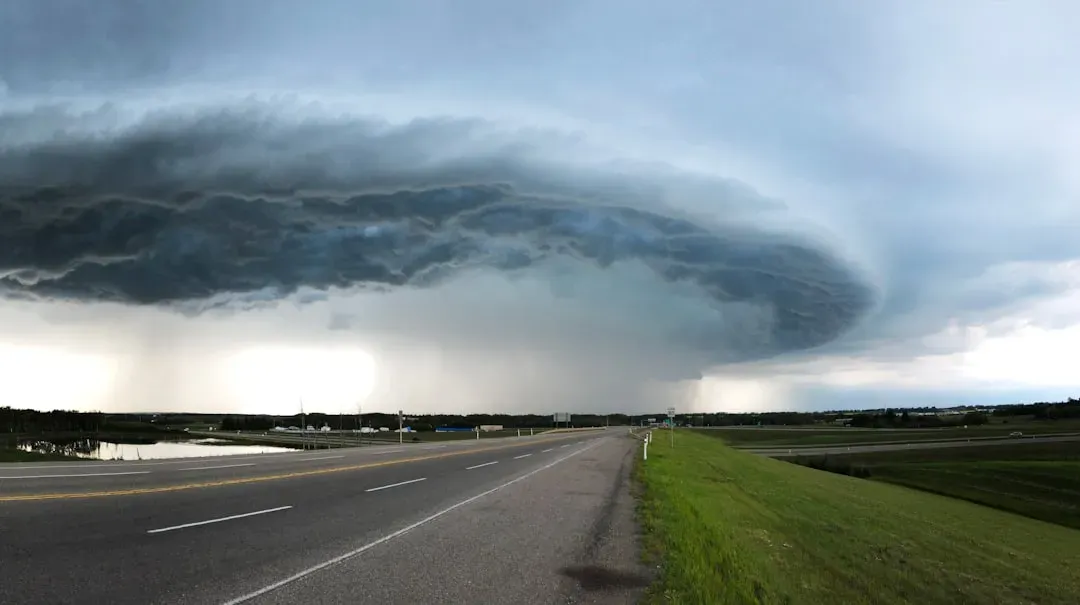
There’s a pull in both directions. Some people see a dramatic weather headline and immediately prepare for apocalyptic conditions. Others see the same headline and dismiss it as media hype. Neither response is useful, and both frustrate the professionals who crafted the actual underlying forecast with care. The most delicate forecast scenarios are the times when highly specific predictions are most likely to go wrong. They’re also the situations when a fully automated forecast or an icon on a weather app is most likely to mislead you.
When meteorologists issue winter storm watches or warnings, the right response is to treat them as action items, not conversation starters. A standard preparation checklist worked through methodically over several days is far more effective than a panic response. The goal of weather communication has always been proportionate, informed action. Not fear, not indifference. Just a reasonable, evidence-based response to the best information available at the time.
Most of what meteorologists want is fairly straightforward: read the actual forecast, not just the headline. Understand what probabilities mean. Prepare early. Don’t shoot the messenger when the atmosphere does something unexpected, because the atmosphere, as it turns out, doesn’t consult anyone’s plans before making its own.
