

- The “Climate Safe” List: 11 American Cities Experts Say May Thrive in the Future - May 12, 2026
- The 7 American Cities Quietly Positioning Themselves to Win the Climate Lottery - May 12, 2026
- El Niño Could Supercharge Pacific Hurricane Season, Raising Risks for California, Hawaii, and Mexico - May 11, 2026
Picking a place to live has always been personal. Jobs, schools, family nearby. But over the past few years, a quieter factor has started creeping into the decision: what will this place look like in twenty or thirty years? The search for climate-safe places to live has become more of a necessity than a choice, and recent studies suggest that climate change is driving roughly a third of Americans to consider relocating. That’s a significant shift in how people think about putting down roots.
A climate haven is a city or region projected to experience fewer and less severe impacts from climate change compared to other parts of the country. These locations tend to combine favorable geography, stable weather patterns, and strong social and economic systems. While no place is entirely immune to climate disruption, climate havens are expected to remain habitable, resource-secure, and economically viable even as rising temperatures and extreme weather intensify elsewhere. What follows are eleven cities that researchers, urban planners, and climate scientists consistently point to as candidates for a more stable future.
1. Duluth, Minnesota
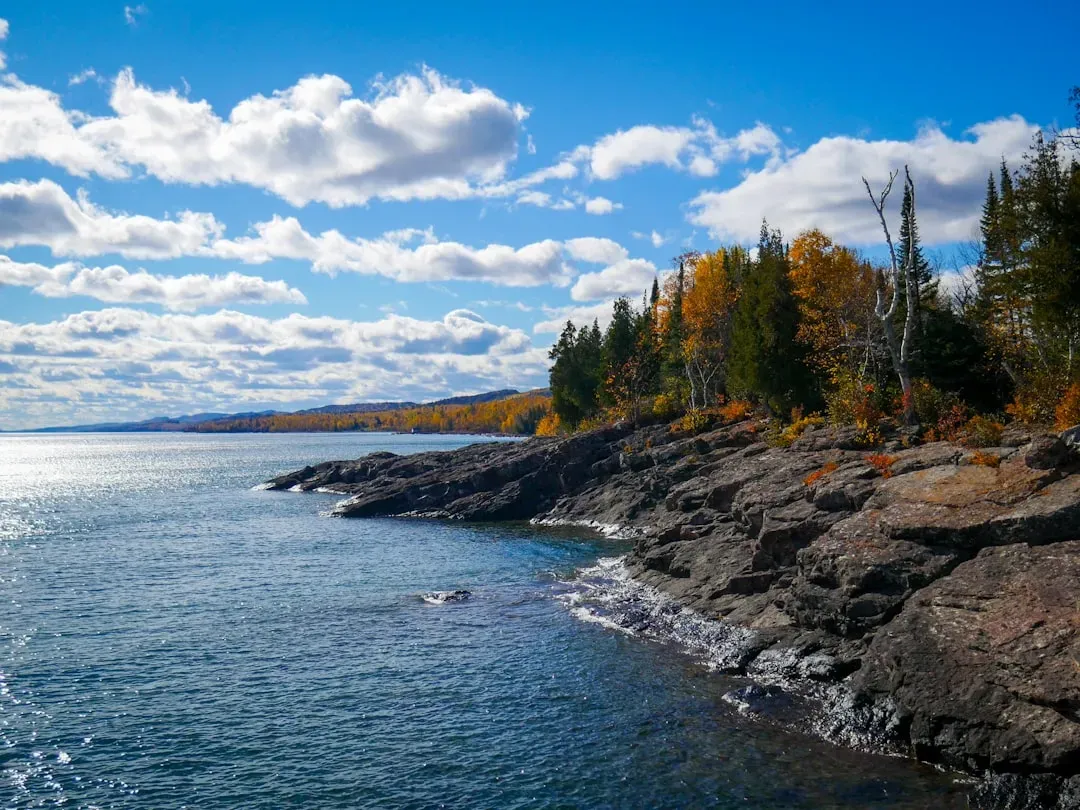
Duluth’s position on Lake Superior offers abundant freshwater and cooler weather. The city’s renewable transition and community planning efforts make it one of the most frequently cited U.S. climate refuges. Harvard climate adaptation expert Jesse Keenan was among the first to spotlight the city publicly, identifying its stable energy sources and cooler climate as genuine long-term advantages.
Duluth’s goal is to reduce greenhouse gas emissions by half by 2030 and reach carbon neutrality by 2050, which city officials say will result in a more resilient community ready to tackle the effects of the changing climate. The city has already invested heavily in wastewater infrastructure to prevent stormwater from carrying untreated sewage into surface waters, and as a result, Duluth does not experience the combined sewer overflow that plagues other cities along the Great Lakes’ shores.
2. Buffalo, New York
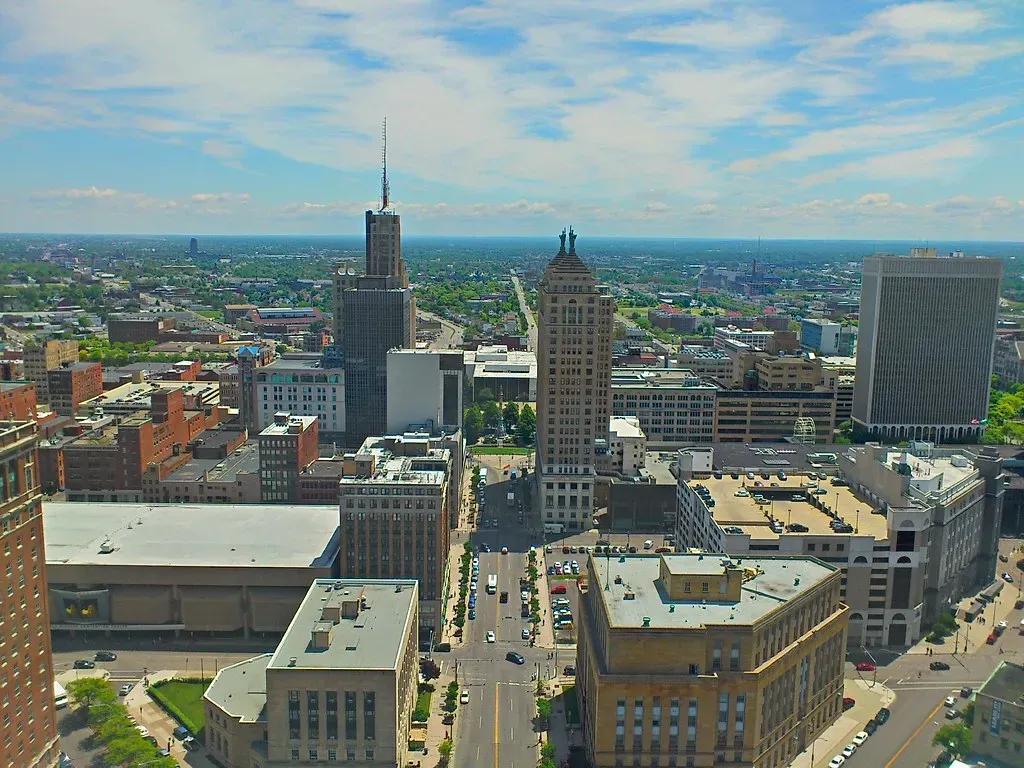
Buffalo’s mayor declared the city a “climate refuge city,” noting that Buffalo has a tremendous opportunity as the climate changes. Since then, the city has launched a relocation guide advertising the advantages of living in Buffalo, including its average July temperature of a comfortable 71 degrees Fahrenheit. That kind of proactive positioning is rare among mid-sized American cities.
Buffalo’s air quality is considered excellent, with the city averaging just one high ozone day a year and recording low amounts of particle pollution. Additionally, Buffalo is far enough inland to not be affected by rising sea levels in the immediate future, a meaningful distinction as coastal cities face mounting insurance costs and infrastructure pressures.
3. Madison, Wisconsin
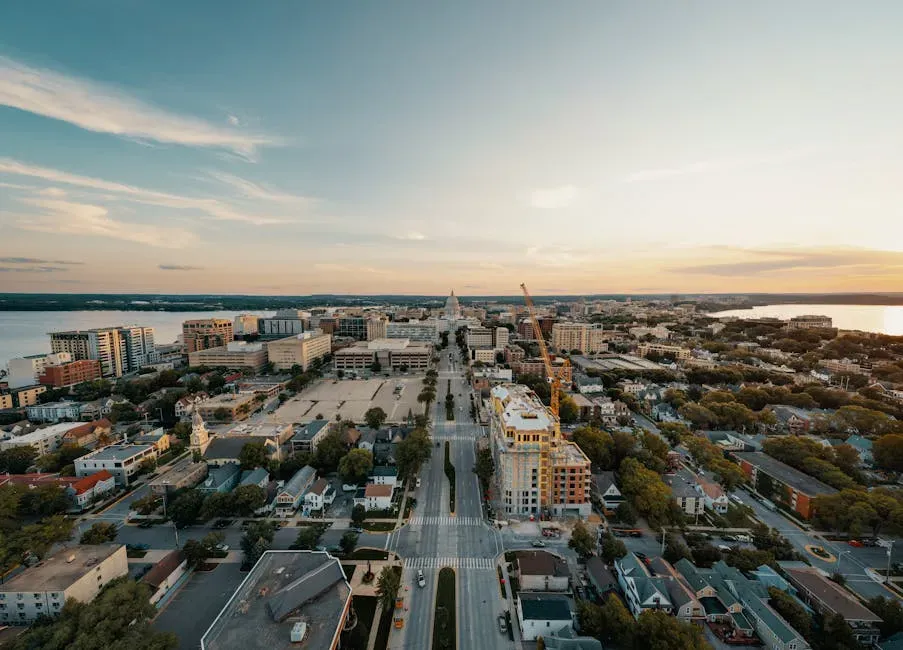
On August 6, 2024, Madison’s Common Council voted unanimously to adopt a new Sustainability Plan, described as a roadmap to cut climate pollution, prepare for climate change impacts, improve environmental quality, and ensure the health and well-being of all residents. The plan was the first comprehensive update since 2011, reflecting how much urgency has grown in the intervening years.
Madison has set the ambitious goal of reaching 100% renewable energy and net zero carbon emissions for city operations by 2030 and community-wide by 2050. In June 2024, Madison was also selected as the top performing midsize metro area for sustainability, ranking 21st out of 75 cities nationwide in the American Council for an Energy-Efficient Economy’s City Clean Energy Scorecard.
4. Ann Arbor, Michigan
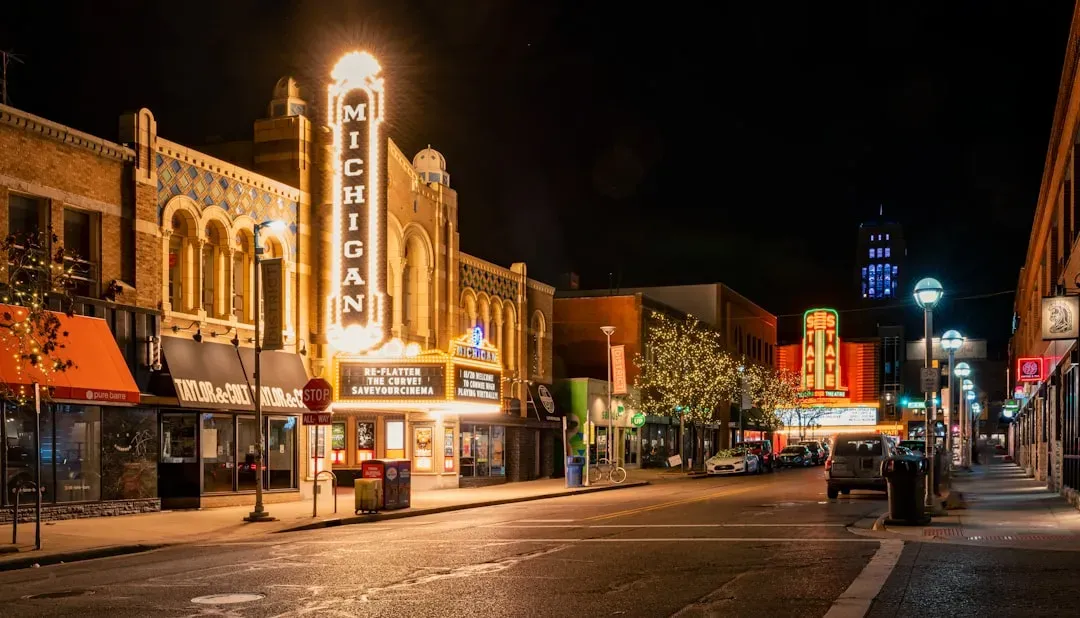
Ann Arbor and other cities across the Midwest and Northeast have been referred to by climate specialists as “climate havens,” natural areas of refuge that are relatively safe from extreme weather events such as intense heat and tropical storms. Many of these cities are already welcoming climate migrants, due to their relatively affordable housing and other infrastructure left over from the industrial era.
Ann Arbor’s A2Zero plan targets carbon neutrality by 2030. The city’s proximity to the Great Lakes and a deep academic innovation ecosystem make it one of the most forward-thinking climate havens in the country. The University of Michigan’s presence also means the city has an unusually strong concentration of researchers actively working on climate adaptation planning.
5. Minneapolis, Minnesota

Minneapolis is investing in electrified public transit, green rooftops, and community-owned energy. Its strong governance and water resources make it a model of northern sustainability. The city’s inland position and access to the Mississippi River headwaters provide a freshwater stability that many Sun Belt cities simply cannot match.
Minneapolis has good air quality, with just one high ozone day per year on average, and limited severe weather events, making it a strong option for a climate-conscious move. Like Buffalo, Minneapolis is nowhere near the coast and is therefore not as immediately affected by rising sea levels. Challenges around increasing heat and storm intensity remain real, but the city’s foundational assets are difficult to ignore.
6. Burlington, Vermont
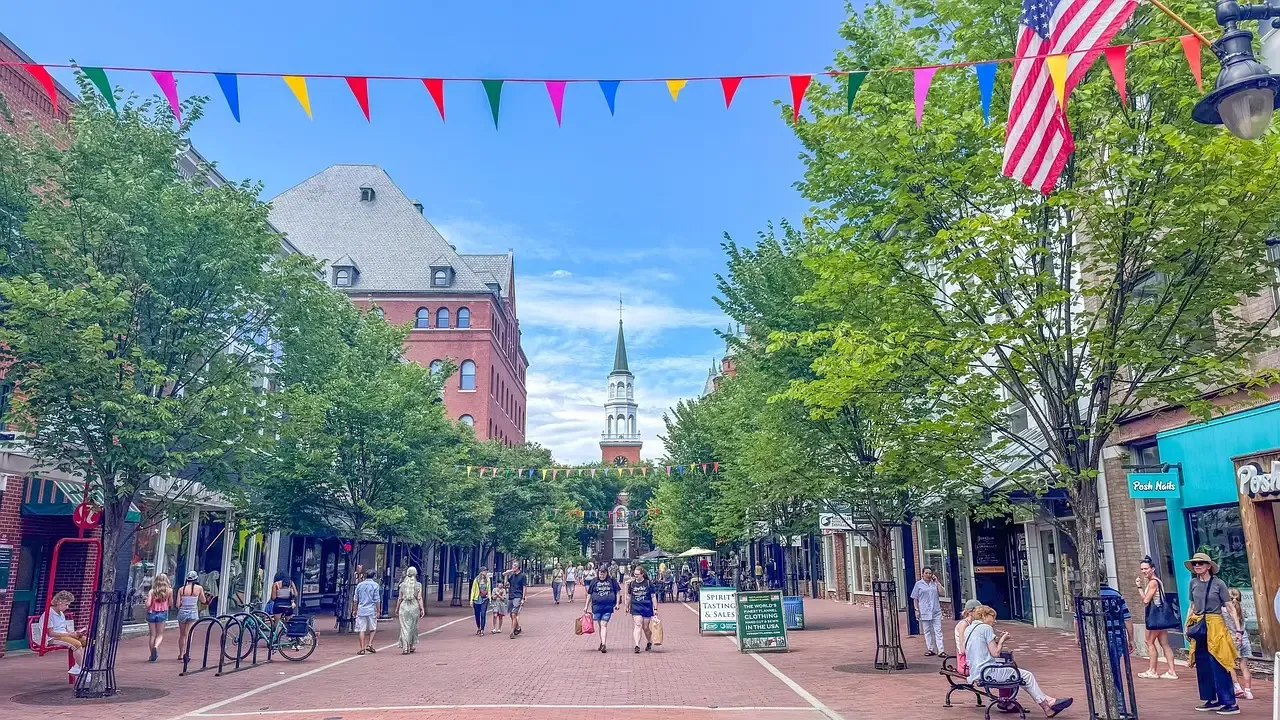
The Northeast offers better prospects for climate safety, particularly Vermont and New Hampshire, which rank as the two safest states from climate change. Vermont stands out as a haven, largely free from wildfires, extreme heat, and hurricanes. Burlington, as the state’s largest city, sits at the center of that advantage.
Vermont’s appeal has grown so strong that roughly one third of its new residents moved there specifically to escape the impacts of climate change. Burlington is among the places experts say will be relatively pleasant to live in as the world heats up, and the city has long maintained a commitment to renewable energy that predates the current national conversation by decades.
7. Seattle, Washington
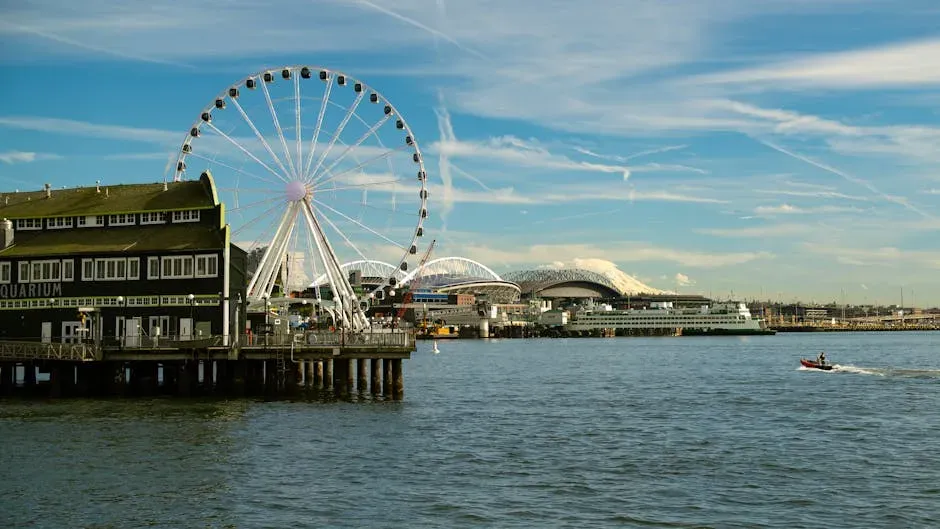
The Pacific Northwest shines as a climate-resilient region overall, with Seattle, Portland, and Spokane leading the pack as the top cities ready for climate change adaptation. Seattle’s combination of moderate temperatures, strong municipal planning infrastructure, and a highly educated workforce makes it a compelling long-term bet.
Seattle doesn’t expect to see a drastic increase in days with extreme heat or high heat and humidity. Just four extreme heat days are projected annually from 2040 to 2059, and less than two days with high heat and humidity. The biggest concern for Seattleites is flooding, though even those numbers are relatively low for a waterfront city, with less than ten percent of its properties expected to be in 100-year flood zones by 2050.
8. Spokane, Washington
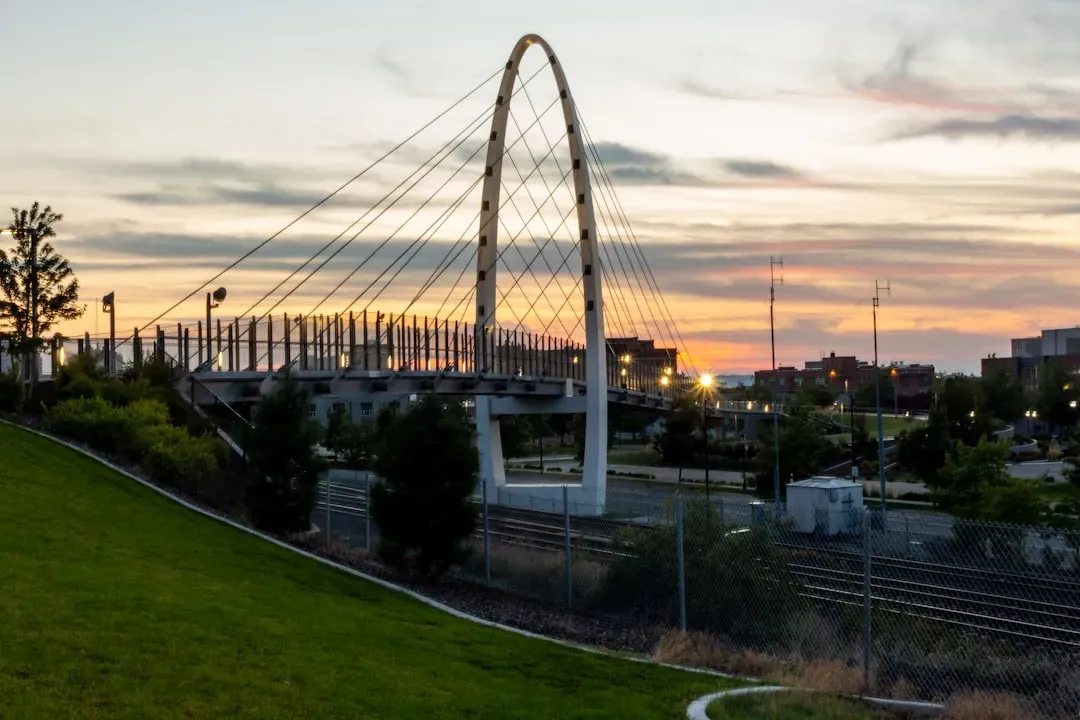
Since late 2024, the City of Spokane Climate Resilience and Sustainability Board has worked with staff to understand local climate risks and community needs to foster a more resilient future. That effort reached a significant milestone with a unanimous vote in February 2026 to recommend a comprehensive policy package to the Spokane Plan Commission for integration into the city’s Comprehensive Plan.
The first phase of the city’s climate planning focused on identifying the risks and hazards already affecting the community and projected to worsen over time. That work culminated in a Climate Risk and Vulnerability Assessment in June 2025, identifying both how the city is impacted and who is most affected. Spokane’s inland location, relatively affordable housing, and serious planning momentum together make it a name that shows up repeatedly in resilience rankings.
9. Boston, Massachusetts
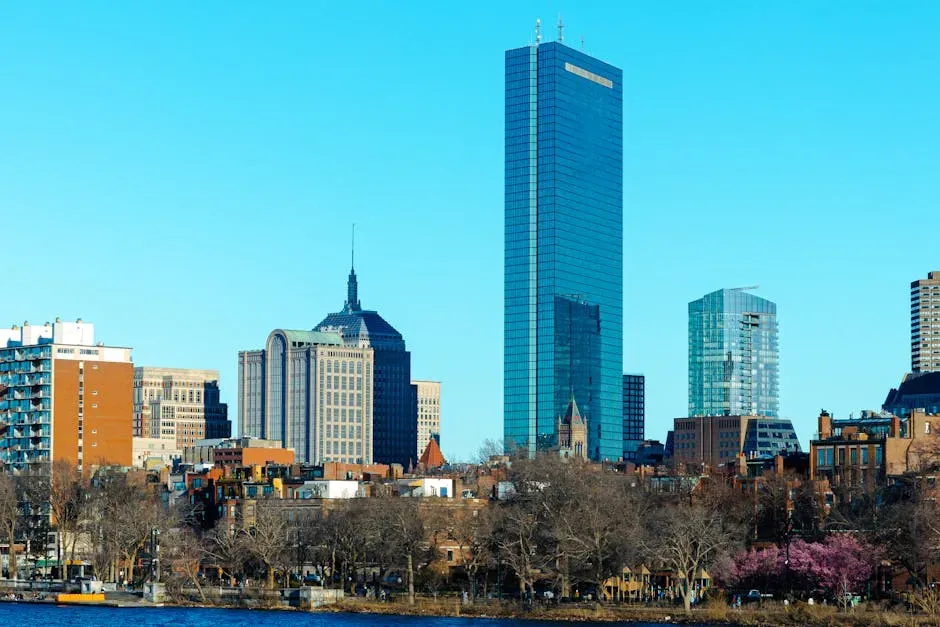
Boston has long been known as a hub for progressive thinking, and this extends to its approach to climate change. The city created a new Climate Council in 2024 to streamline its environmental actions, targeting normal functions like waste production as important focal points. A committed shift to renewable energy resources is also underway, with a community goal of achieving carbon neutrality by 2050.
There’s also a focus on climate justice built into Boston’s strategy, with careful attention paid to cost-effective and sustainably powered public transportation services. The city’s dense, walkable urban core and robust academic and medical institutions provide a kind of economic and social resilience that many analysts consider just as important as any physical infrastructure measure.
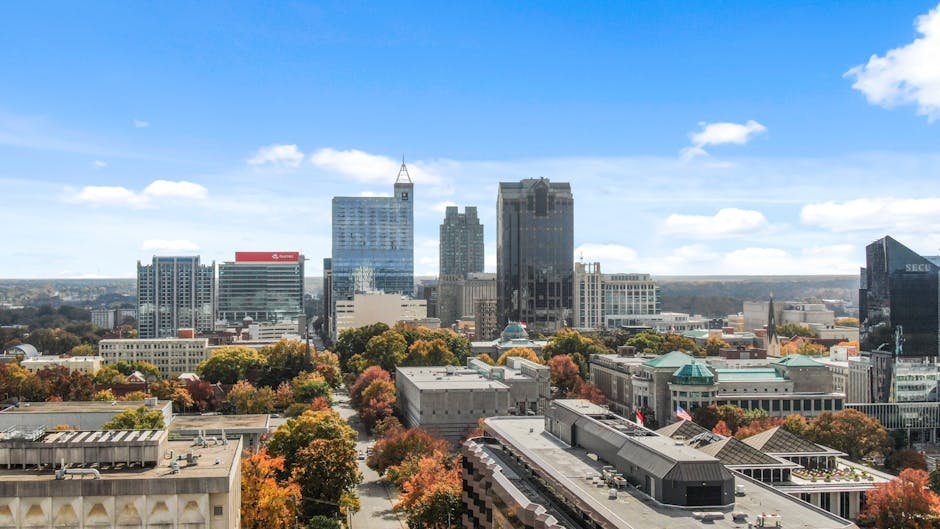
10. Raleigh, North Carolina
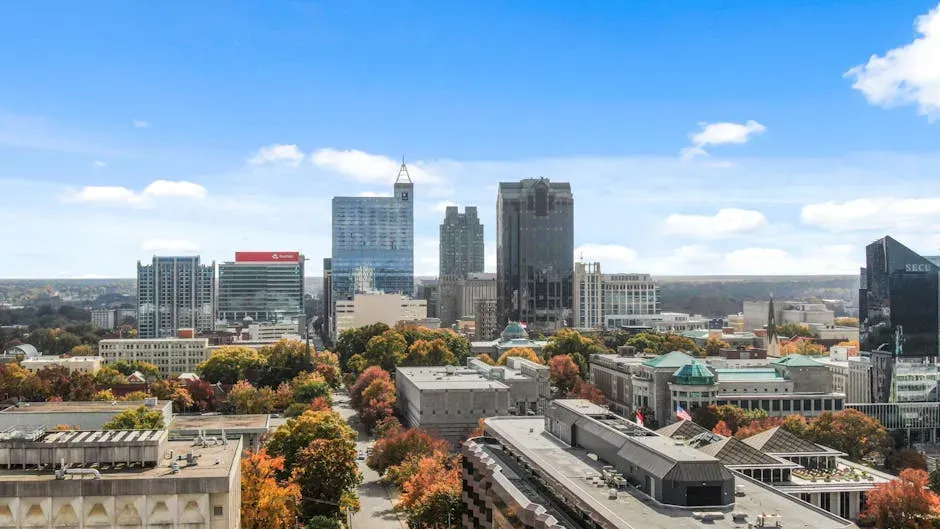
Raleigh, the state capital, is a particularly well-positioned community that benefits from an inland location, which also protects residents from future threats of sea level rise as well as annual hurricane risks. Its position in the Piedmont gives it a buffer that coastal North Carolina cities simply do not have.
Reducing emissions by roughly four fifths ahead of 2050 is part of the city’s framework, and the community is devoted to improving sustainability in the agricultural sector as well. Raleigh’s overall climate action plan won the Sustainable Communities Award in 2024, signaling the importance of long-term planning in the city’s identity. In terms of low ozone days and particle pollution, Raleigh has ranked as the top city in both categories in national air quality analyses.
11. Cincinnati, Ohio
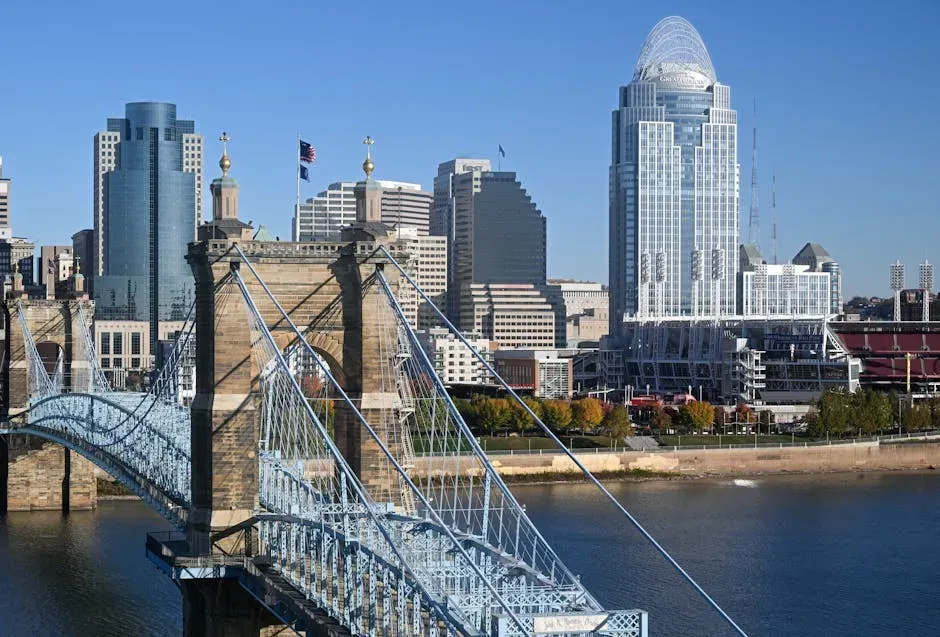
Leadership in Cincinnati, Ohio, seems to view future climate-driven migration to the city as a potential opportunity for socioeconomic growth and is planning accordingly. That forward-looking posture is notable. Rather than treating the climate conversation defensively, the city is actively positioning itself to receive new residents and investment.
As the South becomes hotter and more climate-vulnerable, migrants could relocate over greater distances to more resilient regions such as the Midwest, and Cincinnati is specifically named among the legacy cities best positioned to absorb that shift. The broader Midwest is emerging as what some researchers call America’s “Climate Safety Belt,” with vast freshwater reserves, fertile land, and low disaster risk providing a strong foundation for sustainable growth. Cincinnati sits squarely in that zone.
None of these cities are invulnerable. While no location is entirely safe from climate risks, a blend of robust infrastructure, smart public investments, and cohesive communities can mitigate impacts and sustain long-term prosperity. What separates the cities on this list is not perfection but preparation: the willingness to plan seriously, invest early, and treat climate resilience as a structural priority rather than an afterthought. That combination of geography and governance may prove to be the most valuable asset any American city can hold in the decades ahead.
