

American farmland has always been a ledger. Farmers weigh price forecasts, input costs, and weather patterns before committing a single seed to soil. What’s different heading into the back half of this decade is the scale and speed of the shifts underway. Several crops that anchored U.S. agriculture for generations are losing ground, and the reasons range from trade disruptions to long-term structural changes in global demand.
The picture isn’t the same in every region, but the overall trend is unmistakable. U.S. farmers are increasingly switching acreage to high-value specialty crops, led by market demand and supported by technical assistance and risk insurance programs. Below are six staple crops at the center of that shift, along with where the land is going instead.
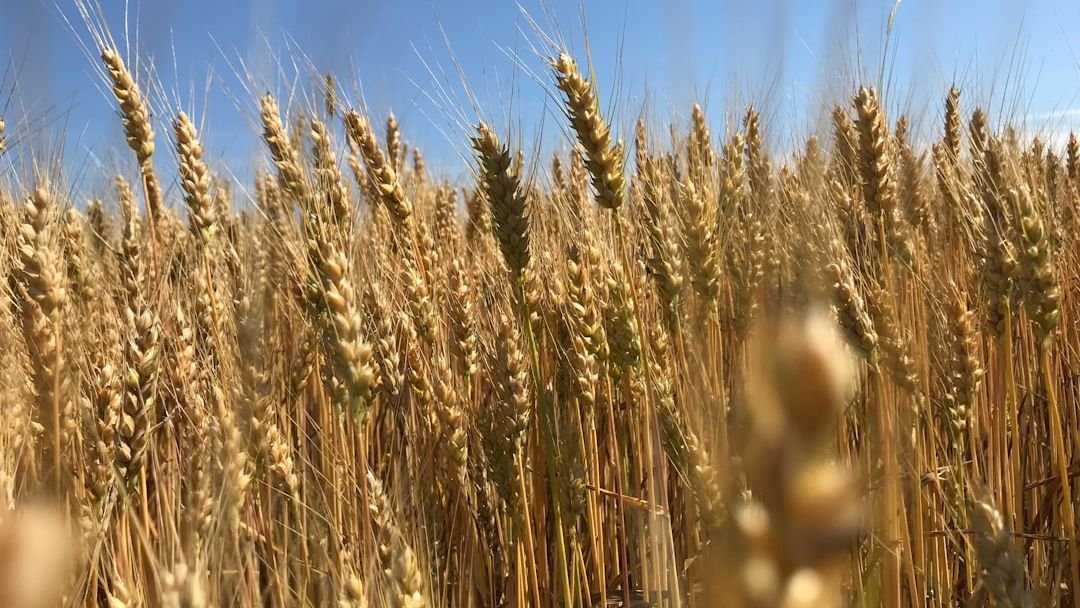
1. Winter Wheat
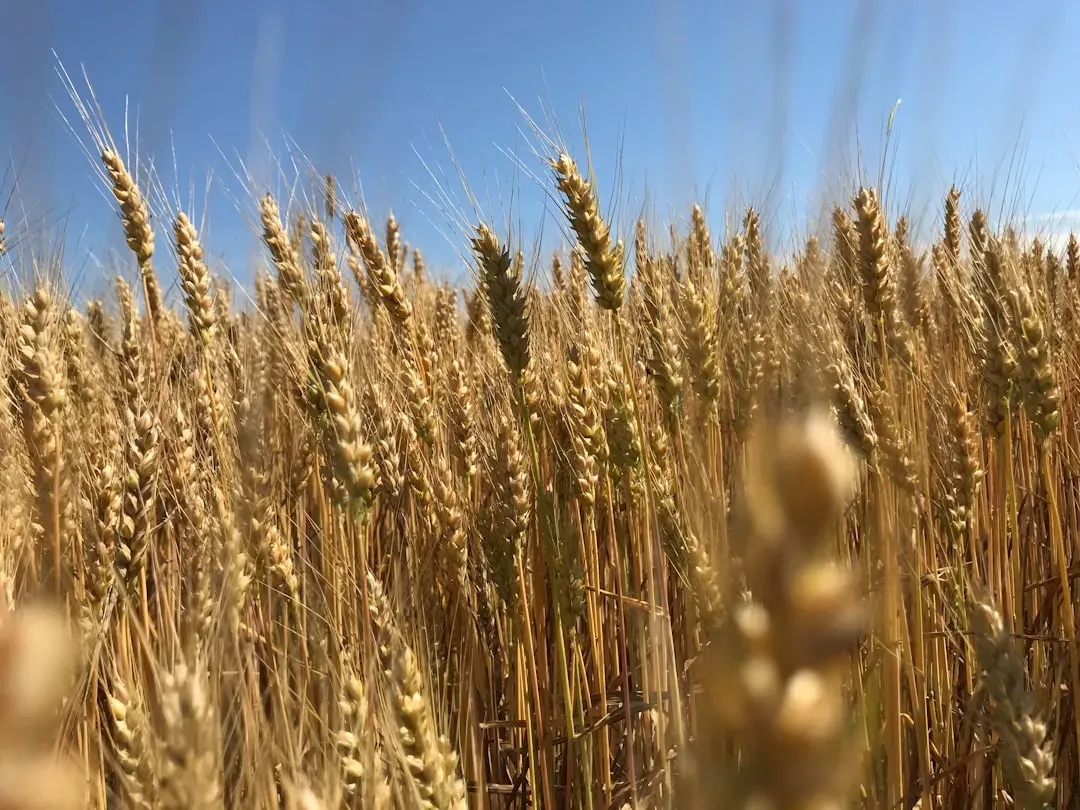
Wheat plantings and production have followed a long-term downward trend, and since peaking in 1981, U.S. wheat area planted has declined by 43 million acres while production has fallen by about 800 million bushels. That retreat has never fully reversed, and the 2026 planting season is making it official. All wheat planted area is estimated at 43.8 million acres for 2026, down 3% year over year and the lowest level on record since 1919.
As competition in global wheat markets has grown, farmers’ returns for planting wheat in the United States have declined relative to other crops, which has motivated some to reduce wheat plantings, and changes in farm legislation in the mid-1990s that allowed farmers more flexibility when choosing crops also reduced wheat acreage. In states like South Dakota, wheat acres are being swapped for other commodities like corn and soybeans, where producers have been able to see a higher jump in bushels per acre produced. The math simply doesn’t favor wheat in most rotations anymore, and without a meaningful price recovery, that calculation is unlikely to change.
2. Soybeans
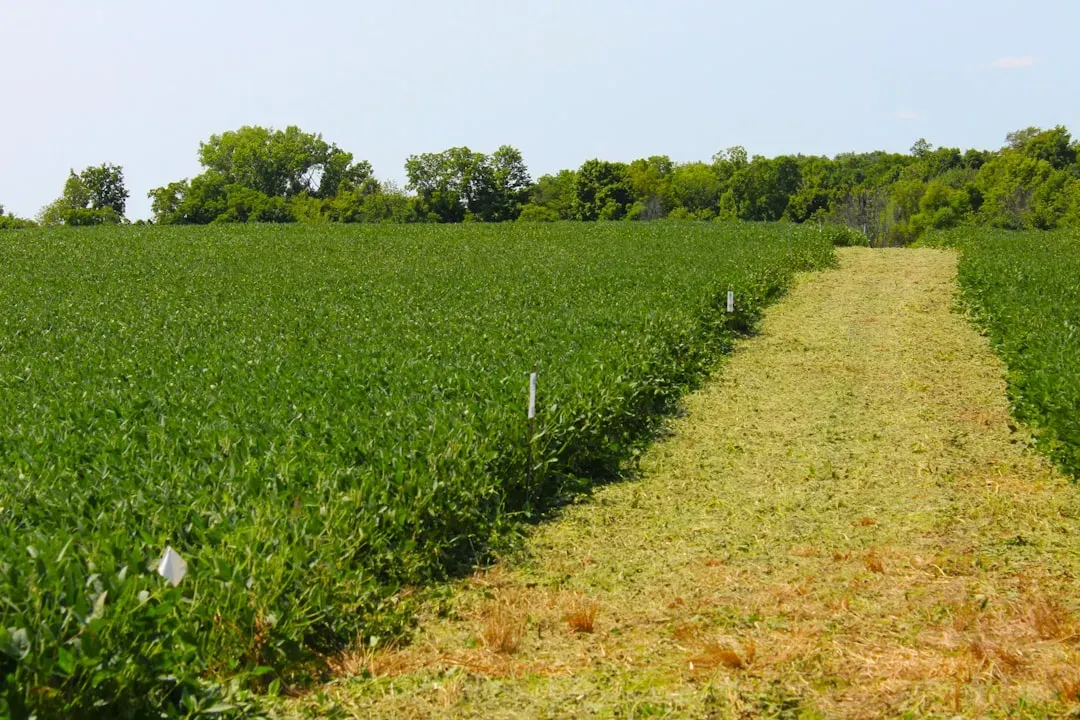
Soybeans occupy an unusual position in this story. They are simultaneously one of the crops absorbing displaced acres and one under serious pressure of their own. Federal data shows intended soybean plantings were down 3.5 million acres in 2025, about a 4% drop from 2024, with the decline even larger in some states, including a 12% decline in Wisconsin and a 6% decrease in Nebraska. The driver was largely trade. American soybeans were one of the goods targeted by Chinese retaliatory tariffs, with exports facing a nearly 115% effective tariff rate according to the American Soybean Association.
Corn acres jumped 8.1 million acres in 2025, taking area away from other crops, while soybean acres fell around 6 million acres, with farmers in part spooked by rising trade tensions with China. Soybeans are bouncing back in 2026 as prices improved relative to corn, but producers of staple crops such as corn, soybeans, rice, and wheat have been grappling with per-acre losses that have persisted for several consecutive years. The crop’s long-term role on American farms remains tied heavily to export relationships that have proven fragile.
3. Upland Cotton
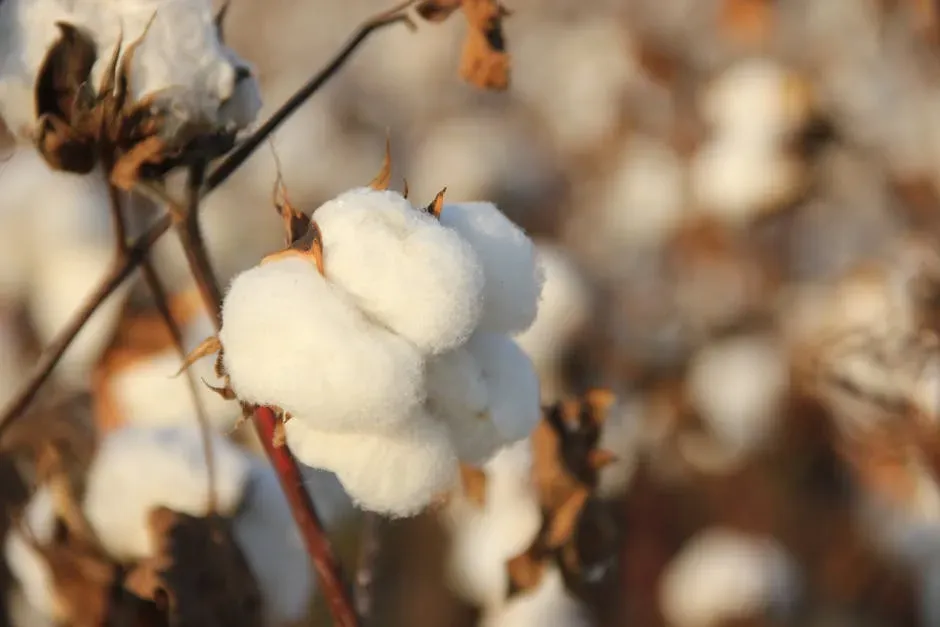
Cotton’s decline is less about a single shock and more about a slow economic squeeze that has been tightening for years. Farmers, industry leaders, and economists warn the U.S. could be approaching a breaking point for cotton production, with 2026 shaping up to be another year that pushes more growers out of the business, and with more farmers potentially walking away, the fear is the U.S. could be on the verge of losing those industries altogether. Per-acre losses have stacked up across consecutive seasons with little relief. Based on loss calculations used in the Farmer Bridge Assistance Program, rice producers face losses of roughly $210 per acre, followed by cotton at $202 per acre.
Sluggish U.S. cotton exports to China, rising competition from Brazil and Australia, and the growing use of synthetic fibers have limited price recovery. In practical terms, according to survey responses from Southeast growers, the expected decline in cotton acres is due to an increase in corn, soybeans, and other crops. Cotton acres in the South will migrate to soybeans, while irrigated cotton acres on the Plains will shift to corn. For many operations that grew cotton for decades, the question is no longer whether to diversify but how quickly they can afford to.
4. Grain Sorghum
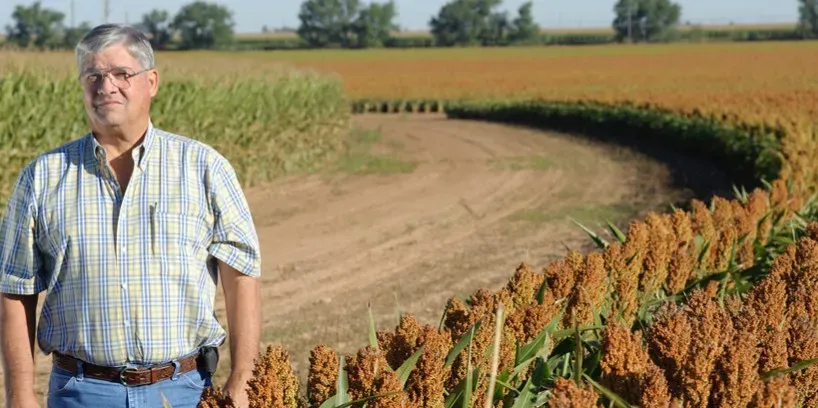
Grain sorghum was once a reliable drought-belt staple, particularly across Kansas, Oklahoma, and Texas. Its foothold is eroding fast. Grain sorghum acreage is forecast to decline 5% to 6.31 million acres in 2026, with wider sorghum basis levels, elevated domestic stocks following a strong harvest last year, and significant premiums for corn over sorghum discouraging production. The commodity simply can’t compete head-to-head with corn’s yield performance in many of the same regions where it was traditionally grown.
Sorghum stocks in the U.S. have climbed to the highest in four years following a bigger harvest last year, and wide premiums of corn over sorghum, corn’s impressive yield performance, and improved soil moisture across the Central Plains will entice farmers to expand corn acres in place of sorghum. There is a lifeline scenario: sorghum could regain momentum if export demand from China strengthens further. For now, though, sorghum is losing the rotation argument in field after field across the Plains, and sorghum, barley, and oats have each lost about 1 percent of their share of total planted area.
5. Rice
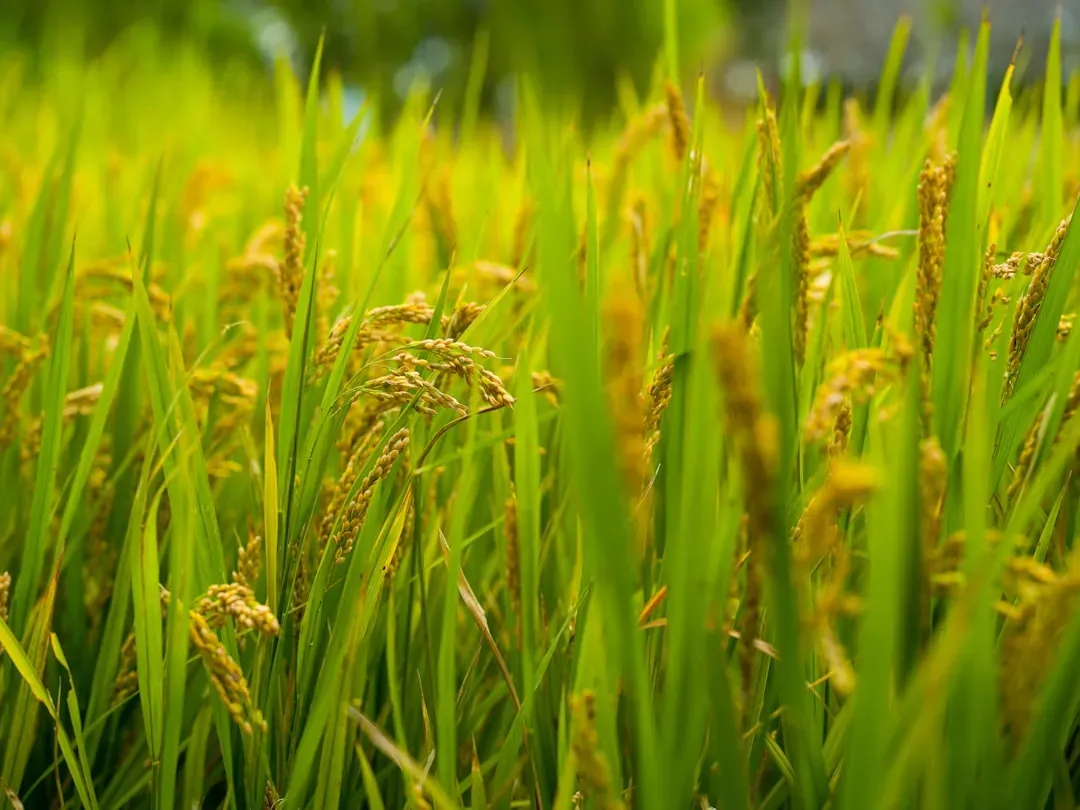
Rice production in the United States is geographically concentrated, primarily in Arkansas, Louisiana, Mississippi, California, Missouri, and Texas. That concentration makes it especially vulnerable when economics turn against the crop. Rice producers face losses of roughly $210 per acre, the steepest per-acre loss of any principal row crop tracked under federal assistance calculations. Flooding compounded those losses in 2025. Heavy flooding across the mid-South last spring forced many acres to go unplanted, compounding losses in a region heavily dependent on rice and cotton.
Planted acreage of rice is expected to decline compared to last year, as soybeans increase their share of American farmland in 2026. Rice planting decisions are generally made with less consideration of the prices of other crops because of the costly preparation required to level rice fields so they can be flooded during production, meaning most rice fields will be planted to rice continuously or in a set rotation with other crops such as soybeans for disease and pest control. That infrastructure dependency is exactly what makes the economics so punishing: when rice prices fall, growers have fewer options and higher sunk costs, and some are walking away from the infrastructure entirely.
6. Oats
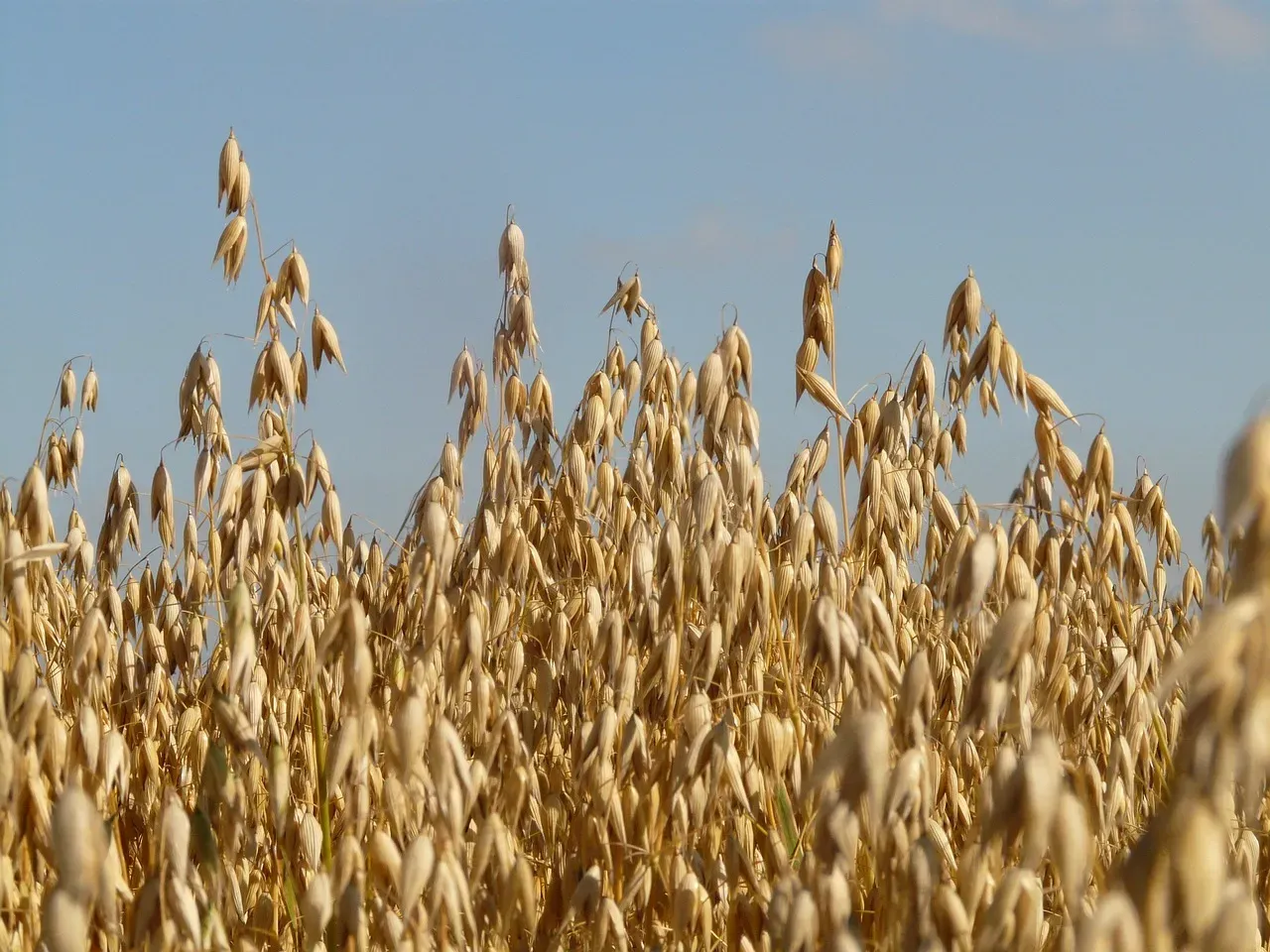
Oats don’t command the attention of corn or soybeans in the national conversation about agriculture, but their disappearance from American cropland is striking. Once a fixture across the Midwest and Northern Plains as feed grain and a rotation crop, oats have been steadily replaced. Acreage of oats is expected to decrease in 2026 alongside sorghum, sugarbeets, lentils, and other smaller-acreage crops. The crop struggles to offer competitive returns when farmers must choose between planting oats or rotating into something more profitable.
A USDA Economic Research Service study examining the area planted for eight major row crops found the share of each crop’s area as a percentage of total planted area changed significantly over time. Oats have been on the losing end of that shift for decades, outcompeted by corn and soybeans on nearly every economic measure. In 2025, forecasted total per-acre costs for oats stood at $498, while per-acre costs for soybeans were $658 and for wheat just $396. The economics of oats are not catastrophically bad, but the opportunity cost of planting them on land that can support corn or soybeans is simply too large for most commercial operations to justify, and their acreage has shrunk accordingly as farmers focus on whatever the market will reward.
What ties these six crops together is a common thread: profit margins that have grown too thin to absorb the risks modern farming demands. Rising input costs, trade policy volatility, climate pressures, and the relentless competitiveness of corn and soybeans have reshaped what makes sense to plant. This crisis is driven by a convergence of factors: low commodity prices, rising production costs, uncertain demand, resilient land values, competitive rental markets, deteriorating credit quality, and declining loan repayment.
USDA’s long-term projections indicate that, under baseline policy and market assumptions, yield-driven growth in supply exceeds demand growth for major U.S. crops. The decade isn’t over yet, and policy shifts or trade resolutions could still alter some of these trajectories. What’s already clear is that the American cropland map is being redrawn, one planting season at a time.
