


- Phantom Energy Sucking Power 24/7 – 7 Home Electronics Quietly Inflating Utility Bills - November 14, 2026
- A Million-Mile Storm Raging for Centuries – 6 Violent Weather Wonders in Our System - November 14, 2026
- Animals Flee Hours Before the Tremor – 7 Natural Warnings Before Disasters Strike - November 14, 2026
Every breath we take carries an invisible cargo, and for hundreds of millions of people around the world, that cargo includes dangerously fine particles that slip past the body’s defenses and settle deep inside the lungs. The global benchmark for safe air, set by the World Health Organization, is an annual average concentration of 5 micrograms of PM2.5 per cubic meter. According to IQAir’s 2024 World Air Quality Report, the vast majority of countries and regions on earth failed to meet that standard.
For people living in the five most polluted cities, unhealthy air exposure was an almost daily reality in 2024, and several of these cities have consistently ranked among the most polluted globally year after year. Some names on this list you’d expect. Others are genuinely startling.
Delhi, India: The World’s Most Polluted Capital
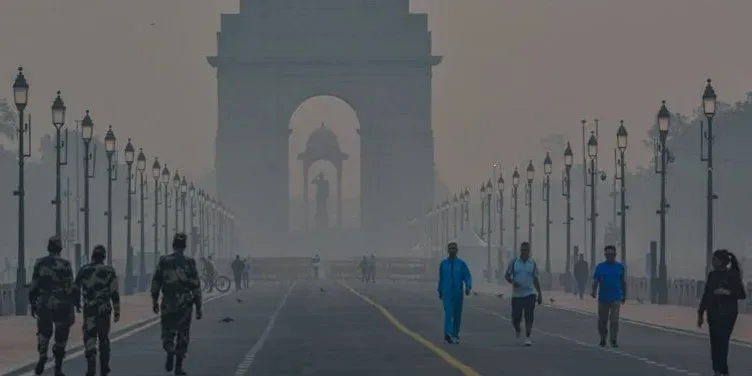
More than 32 million people live in Delhi, making it the second-largest city on earth. In 2024, the city’s average annual PM2.5 concentration climbed to 108.3 µg/m³, up from 102.1 µg/m³ in 2023. That’s more than twenty times the WHO recommended limit, meaning residents breathe air that most health authorities would classify as hazardous on a routine day.
Delhi’s pollution is fueled by a relentless combination of regional crop burning, vehicle emissions, coal power plants, and landfill fires. In October 2024, India’s Supreme Court reaffirmed clean air as a fundamental right and ordered governments to strengthen pollution controls, but found limited action on stubble burning and later criticized officials for serious lapses in enforcing emergency measures.
Lahore, Pakistan: A City Choking Year After Year
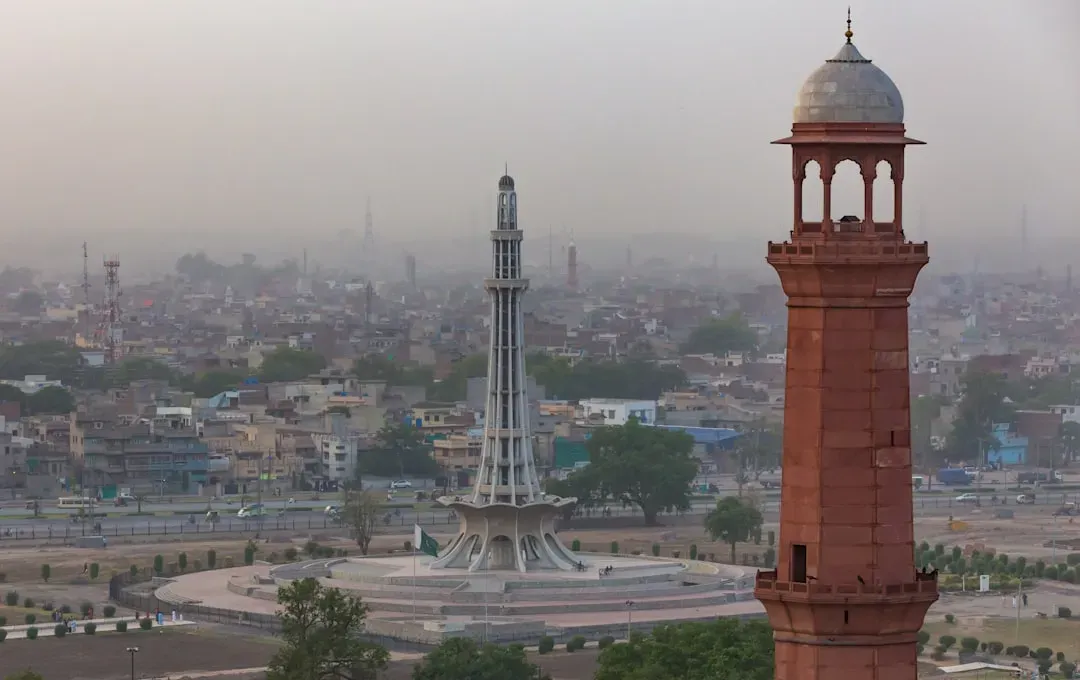
Lahore faced hazardous air quality in 2024, with an annual average PM2.5 concentration of 102.1 µg/m³. Once ranked as the most polluted city in the world in 2022, its annual average has climbed steadily from 86.5 in 2021, and every year since 2017, the city has endured hazardous level air quality. That’s nearly a decade of unbroken exposure to air that sits well into the danger zone.
Around 14 million residents in Lahore regularly experience thick smog driven by seasonal crop burning in Punjab Province, heavy vehicular emissions, and widespread pollution from brick kilns. Roughly four-fifths of Lahore’s poor air quality comes from vehicle emissions alone. Local activists continue pressing for broader monitoring and government transparency, but major obstacles in reducing pollution sources remain.
Dhaka, Bangladesh: Brick Kilns and a City Under Pressure
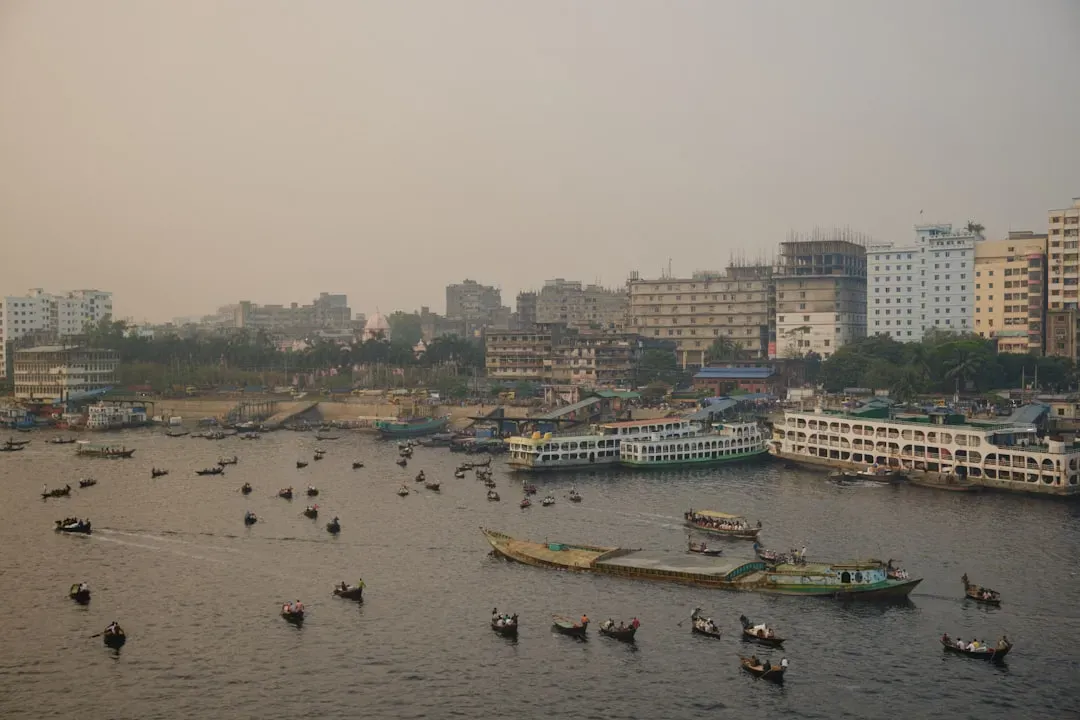
In 2024, the average annual PM2.5 concentration in Dhaka reached 78 µg/m³. While a modest improvement over the previous year’s average of 80.2 µg/m³, it represents a significant rise compared to where the city stood in 2022. The progress is real but paper-thin, and the air still poses a serious daily threat to public health.
Dhaka’s pollution draws from a wide mix of sources, including vehicle emissions, brick kilns, road dust, industrial activity, household cookstoves, plastic burning, and unmanaged waste sites. There are an estimated 1,200 brick kilns operating in Bangladesh, roughly 790 of which are doing so illegally without approval from the country’s Department of Environment. The government has begun demolishing illegal kilns and closing those using wood or low-quality coal, but authorities acknowledge the challenge of fully curbing emissions from brick production.
Kinshasa, Democratic Republic of Congo: Africa’s Overlooked Crisis
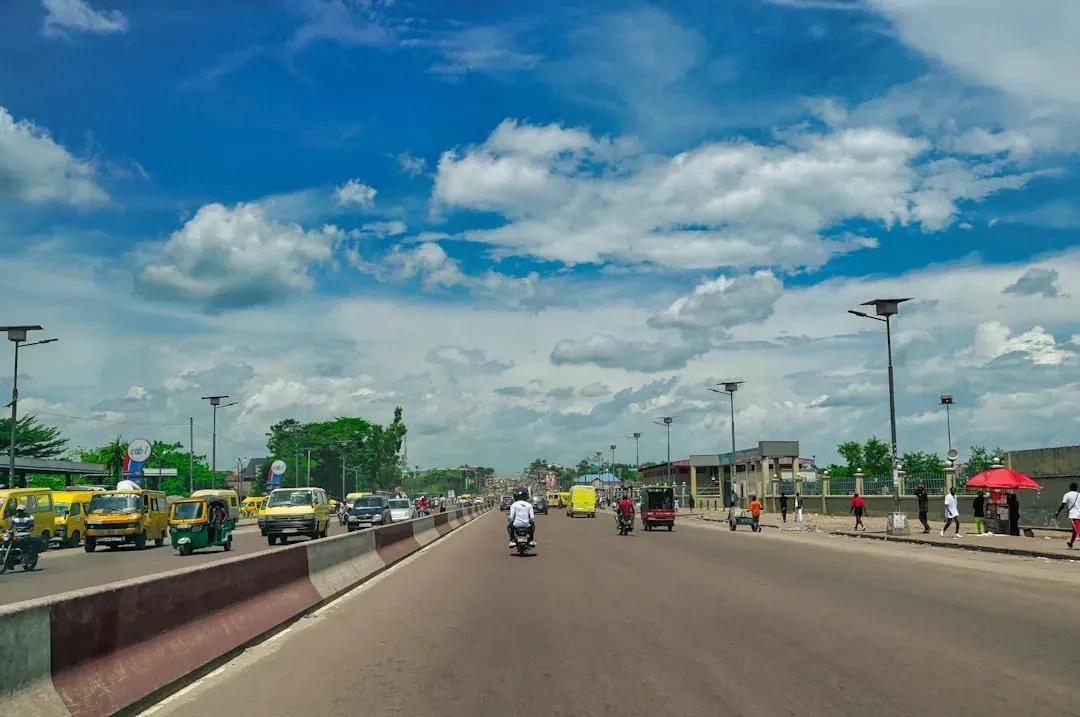
Kinshasa is the capital and largest city in the Democratic Republic of the Congo, and its average annual PM2.5 concentration in 2024 was 58.2 µg/m³, a sharp increase from 2023’s average annual concentration of just 15.5 µg/m³. That kind of jump in a single year is alarming and points to a rapid deterioration that monitoring infrastructure has only recently started to capture.
Known air pollution sources include indoor cooking with wood and charcoal, forest fires, and regional agricultural and industrial activities. Widespread biomass burning driven by slash-and-burn agriculture, charcoal production, and crop residue fires is a major factor, with over 140,000 fire hotspots detected in the DRC during peak burning seasons. Both the DRC and neighboring Chad lack comprehensive air quality monitoring, and many more reliable and consistently operating stations are desperately needed.
Karachi, Pakistan: A Megacity on the Edge
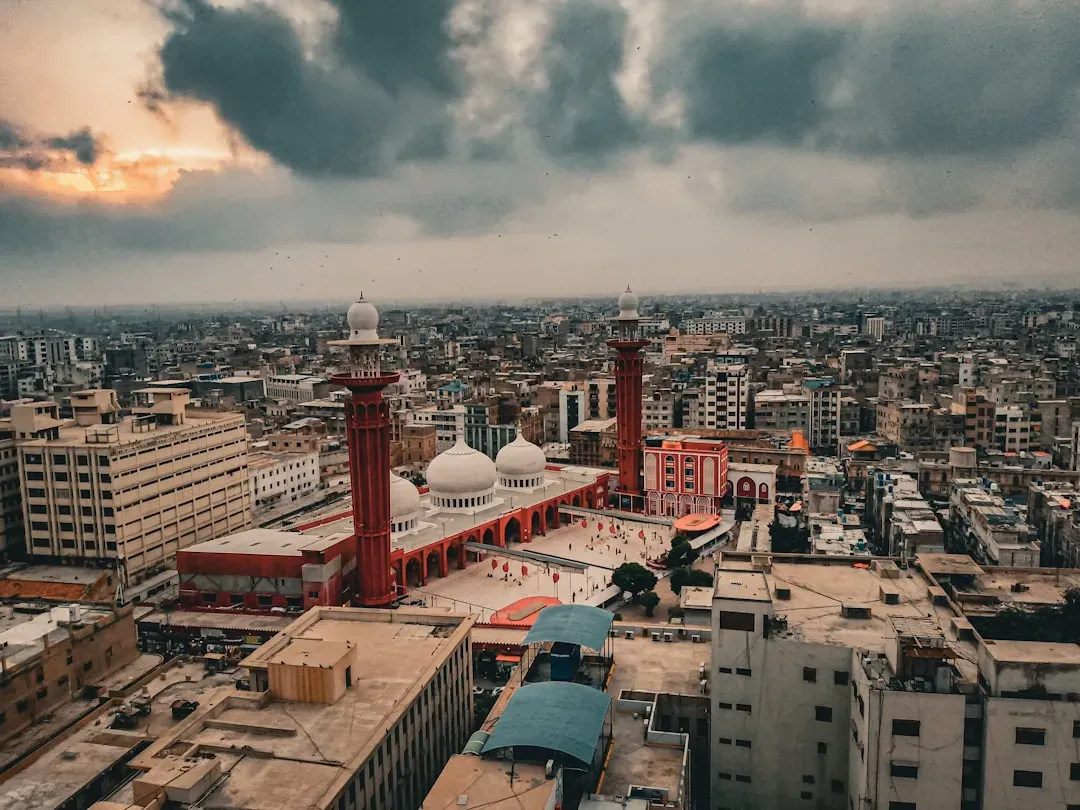
Karachi, the largest city in Pakistan, grapples with significant air quality issues. In 2024, the city’s average annual PM2.5 concentration was 47.1 µg/m³, and while this does represent an improvement over previous years, it follows five years of increasingly worsening air quality. Improvement is relative here. The number still places residents in air that is firmly categorized as very unhealthy by international standards.
In late November 2024, the city recorded an Air Quality Index of 212, entering the very unhealthy category for the first time, and briefly ranked as the most polluted major city in the world, with PM2.5 concentrations exceeding WHO recommended levels by more than 27 times. Karachi’s air quality suffers from vehicle emissions, industrial activity, brick kiln activity, crop residue burning, and naturally occurring dust storms, with large numbers of aging vehicles combined with weak emission regulations frequently creating poor air quality days.
Shocking Entry No. 1: Byrnihat, India – The World’s Most Polluted Town You’ve Never Heard Of
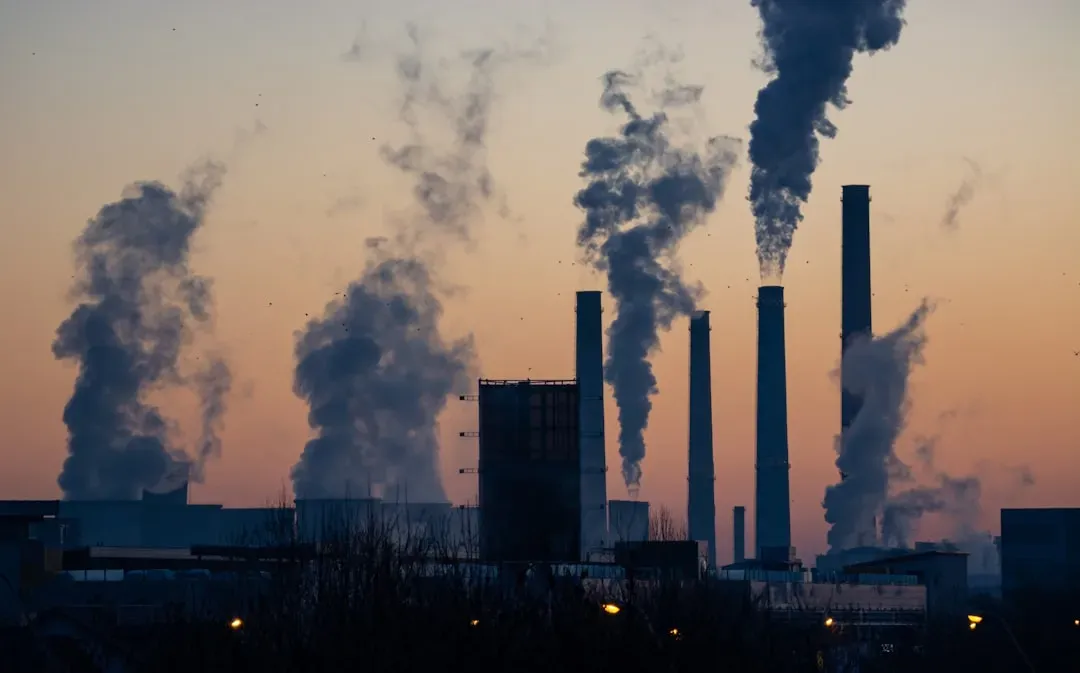
In 2024, the grim distinction of most polluted metropolitan area in the world shifted to Byrnihat, a small industrial town straddling the Assam-Meghalaya border, revealing a troubling truth: India’s air pollution crisis is spreading beyond megacities into smaller towns where it persists year-round, largely unseen and poorly regulated. Most people have never heard of it. That’s part of the problem.
According to the 2024 IQAir World Air Quality Report, the town recorded an annual average PM2.5 concentration of 128.2 micrograms per cubic metre, which is 25 times the World Health Organization’s recommended limit. The primary driver is rapid industrial growth with limited environmental controls. More than 40 industrial units have been established in and around the town, including sponge iron plants, cement factories, and coke-processing facilities, emitting large quantities of particulate matter that overwhelm local air quality. The number of respiratory infection cases in the region rose by roughly three-quarters from 2022 to 2024.
Shocking Entry No. 2: Los Angeles, USA – The Wealthy City That Can’t Clean Its Air
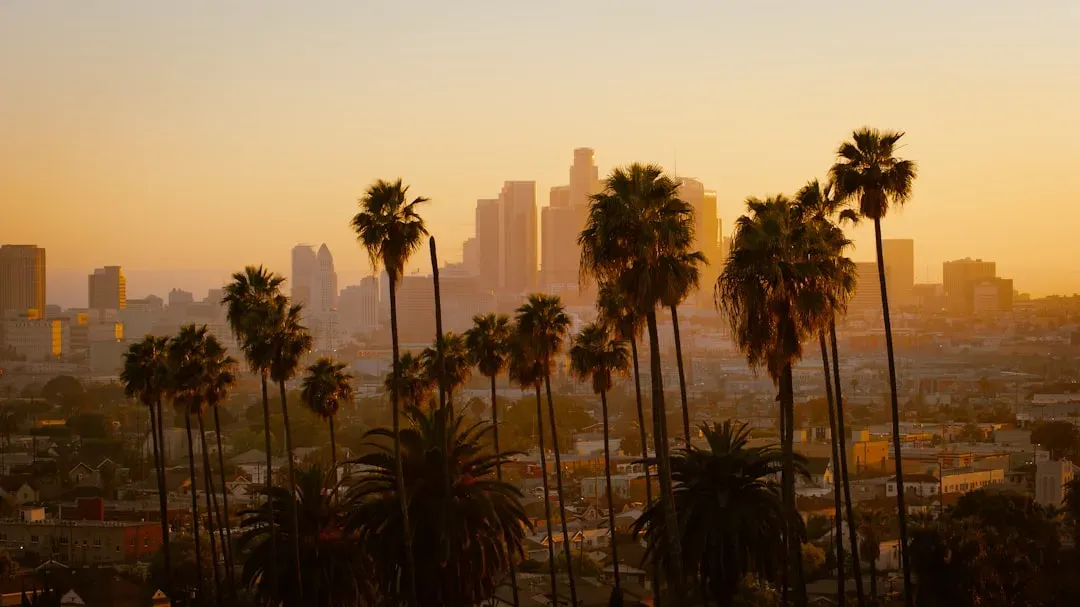
Los Angeles had the lowest air quality in the United States in 2024, according to the annual World Air Quality Report from IQAir, which analyzed data from more than 40,000 air quality monitoring stations across nearly 9,000 locations worldwide. Few things cut against the popular image of sunshine and ocean breezes quite like a global pollution ranking, yet here LA sits.
The most polluted major U.S. city was Los Angeles, California, and the smaller municipality of Ontario, California was the most polluted city in the United States overall. Wildfires, vehicle density, geographic topography, and industrial emissions all converge to trap particulates across the LA basin. North American cities fared considerably better in global comparisons overall, though California communities recorded the continent’s worst air quality levels, and the United States did achieve a notable overall improvement, with PM2.5 concentrations dropping around one-fifth compared to the previous year’s measurements.
The Bigger Picture: A Global Monitoring Problem
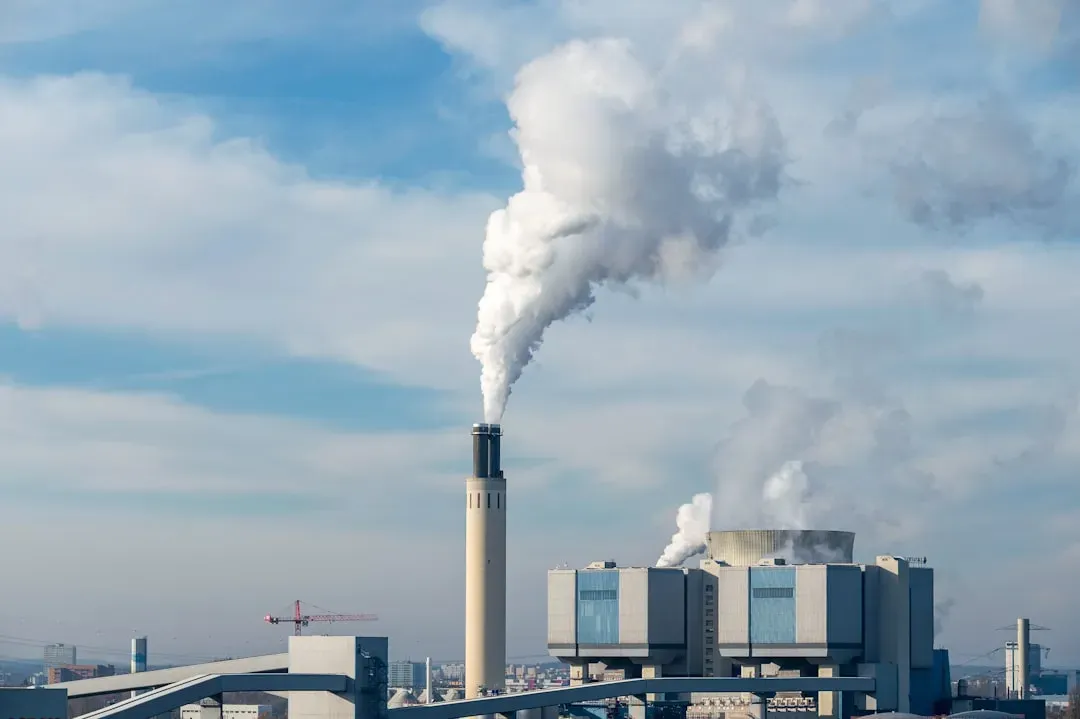
For the 2024 report, data from more than 40,000 air quality monitoring stations across nearly 9,000 locations in 138 countries were analyzed, and only roughly one in six global cities met WHO air pollution guidelines. That number alone should give pause. It means most of humanity spends its days breathing air that international health bodies would flag as unsafe.
A critical knowledge gap is made worse by insufficient monitoring infrastructure, particularly in developing regions. Countries like Iran and Afghanistan were excluded from analysis entirely due to inadequate data availability, while Southeast Asian countries demonstrate substantial gaps in government-led monitoring systems. In Africa, the scarcity of real-time, publicly accessible air quality monitoring data is so severe that there is only one monitoring station for every 3.7 million people. The cities that don’t appear in these rankings may not be clean. They may simply not be counted.
Health Consequences That Go Beyond the Lungs
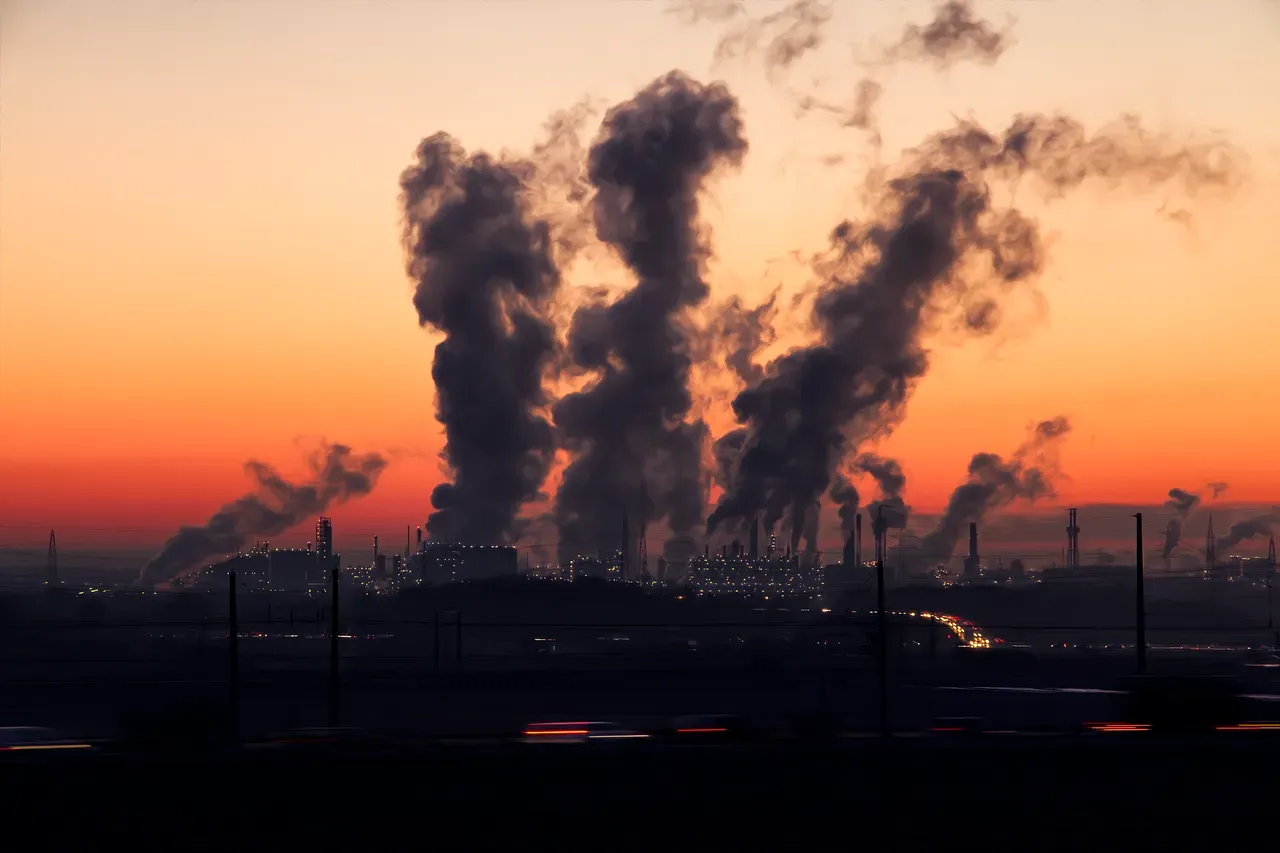
PM2.5 exposure is considered among the most dangerous forms of air pollution because the particles can penetrate deep into the lungs and bloodstream, significantly increasing long-term health risks. Air pollution remains a serious global health crisis, with many cities recording dangerous levels that are many times above recommended limits. Studies have found evidence linking pollution levels to a higher risk of stroke, lung cancer, heart disease, and respiratory illnesses.
The impact of hazardous air quality on public health is severe. Prolonged exposure to PM2.5 pollutants is linked to respiratory diseases, cardiovascular issues, and even premature death, with vulnerable groups such as children, the elderly, and individuals with pre-existing pulmonary conditions at heightened risk. The damage rarely comes from a single event. Instead, it quietly builds in rising hospital admissions, lost productivity, and shrinking life expectancy.
