


- Phantom Energy Sucking Power 24/7 – 7 Home Electronics Quietly Inflating Utility Bills - November 14, 2026
- A Million-Mile Storm Raging for Centuries – 6 Violent Weather Wonders in Our System - November 14, 2026
- Animals Flee Hours Before the Tremor – 7 Natural Warnings Before Disasters Strike - November 14, 2026
Most people know a parked car gets hot in summer. Fewer realize just how fast it happens. All it takes is an 80-degree Fahrenheit day to bring a car’s interior to triple digits, and after just 20 minutes the inside can hit 109 degrees Fahrenheit. That’s not uncomfortable – that’s genuinely dangerous, for living things and everyday items alike.
A parked car under the summer sun can reach interior temperatures above 130°F. The greenhouse effect created by all that glass means heat builds faster than most people expect. Before you walk away from your vehicle this summer, check for these twelve things first.
1. Children

In 2025, 31 children died of heatstroke in vehicles. Over half of pediatric vehicular heatstroke deaths are a result of a parent or caregiver forgetting a child in a car. That number is sobering, and it’s a reminder that these tragedies are almost always accidental, not intentional.
A child’s body heats up three to five times faster than an adult’s. The lack of free movement makes it worse. A body temperature of 104 degrees is enough to cause heat stroke, and 107 degrees is usually fatal. Never leave a child in a vehicle unattended for any length of time – rolling windows down or parking in the shade does little to change the interior temperature.
2. Pets

Hundreds of pets die every year from overheating in vehicles, according to the American Veterinary Medical Association. After an hour, car temperatures can reach 45 degrees higher than the climate outside, and even a shaded parking spot won’t keep temperatures much cooler.
Many people think cracking a window or parking in the shade is enough when traveling with pets, but it puts pets at serious risk. Dogs in particular are poor at regulating body temperature through panting alone when the surrounding air is hotter than their core temperature. The window-cracking instinct feels responsible but simply isn’t enough.
3. Medications
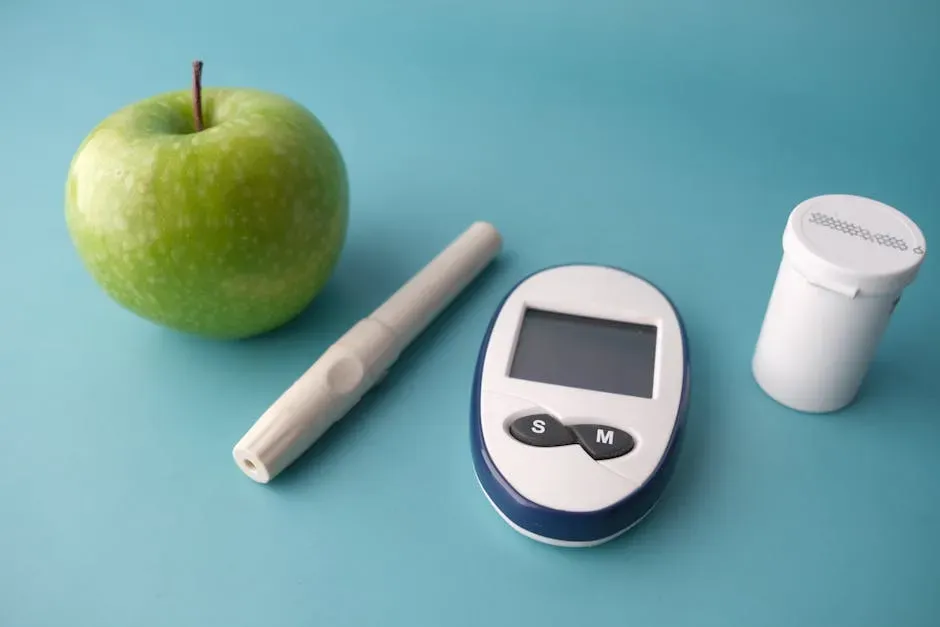
The FDA recommends storing most medications between 68°F and 77°F. Insulin loses potency rapidly above 86°F and is effectively destroyed above 98°F – a serious concern for the roughly 8 million Americans who depend on it. A 2024 stability study published in the Journal of Allergy and Clinical Immunology found that EpiPens lost 41.6% of their epinephrine potency after three months at 122°F – a temperature easily reached inside a parked car.
Most medicines should be stored at 59 to 77 degrees Fahrenheit in a cool, dry place. When medications are stored outside that range in hot or freezing temperatures, the chemical properties of certain drugs can change, potentially making them less effective. For life-saving medications, reduced effectiveness is not a minor inconvenience – it can be a genuine emergency.
4. Aerosol Cans
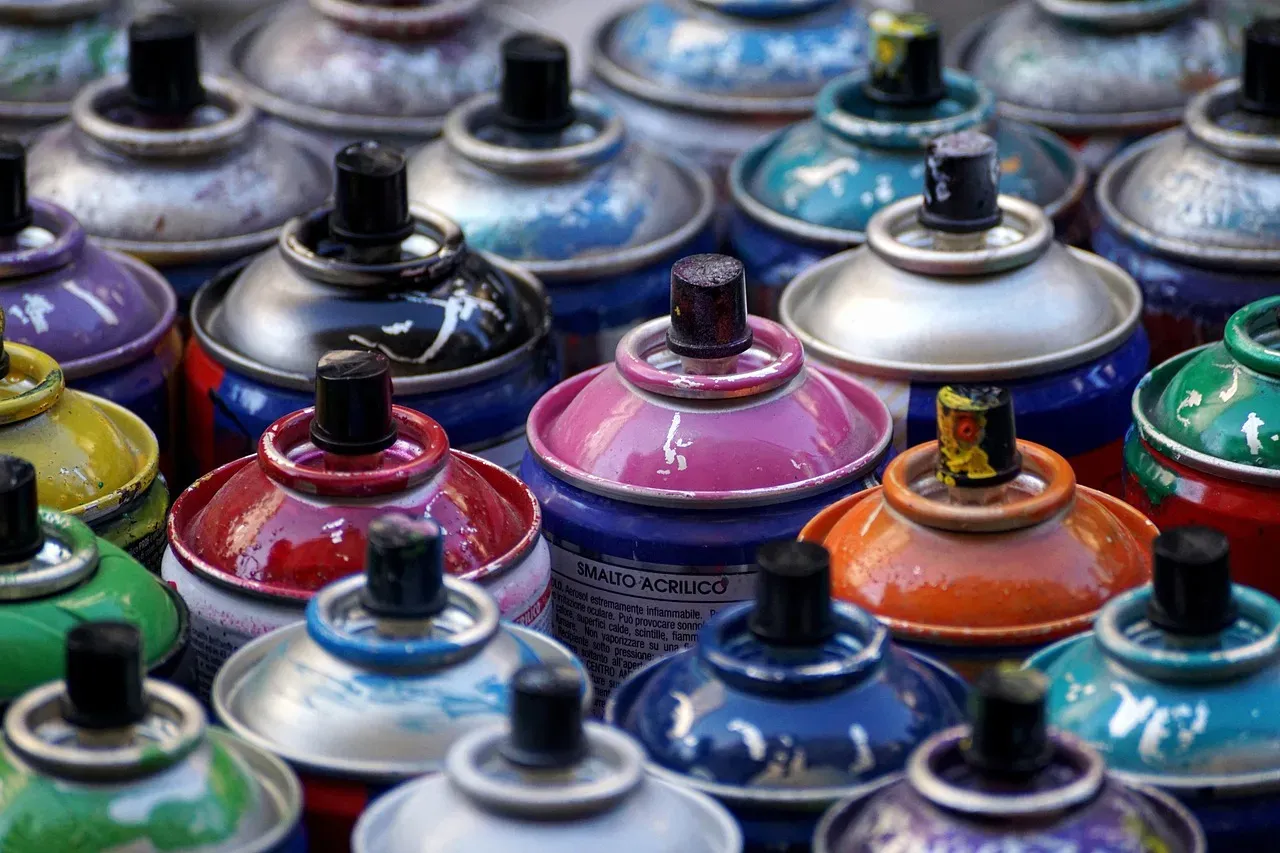
Hairspray, deodorant, sunscreen sprays, dry shampoo, and spray paint are pressurized and typically tested to withstand 120°F – a threshold easily exceeded in a parked car. Most aerosol cans should be stored in a ventilated space at temperatures under 120°F, and a car’s interior soars to 120°F when the day is just a mild 73°F outside.
In rare cases, the heat in a car can get so intense that the aerosol can explodes, especially if left in direct sunlight. A couple in Louisiana found this out the hard way in 2024, when a spray can became a projectile inside their vehicle, shattering their windshield. Incidents of cans rupturing inside vehicles, sometimes shattering windshields, are reported every summer by U.S. fire services.
5. Smartphones and Electronics
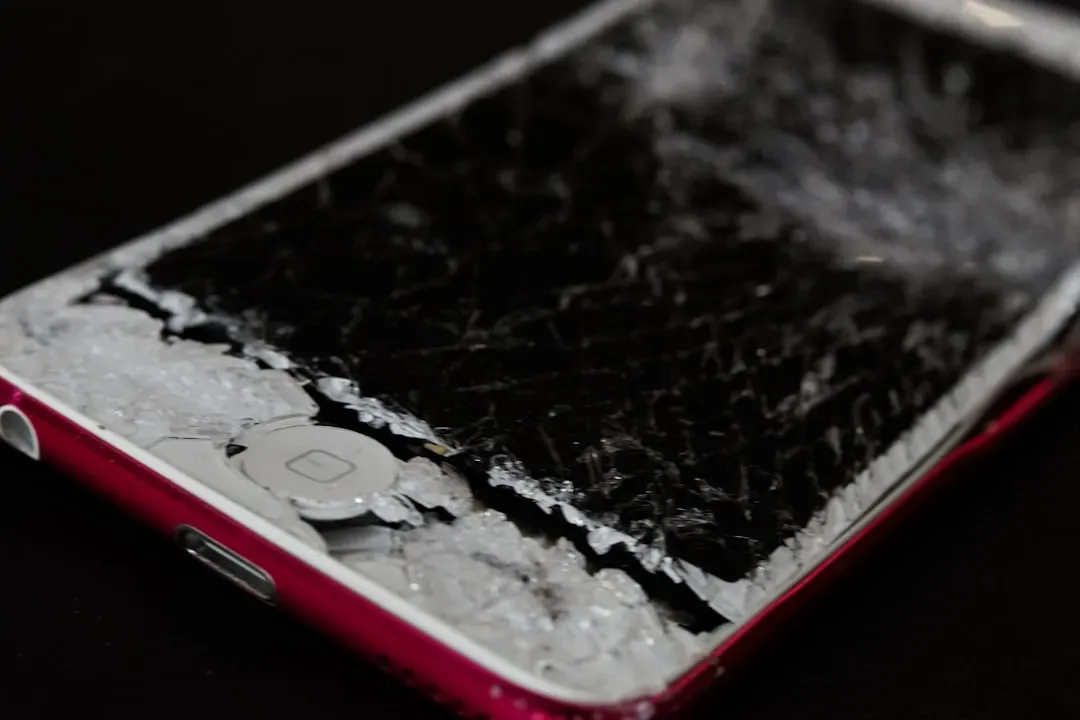
Modern cell phones feature internal sensors that trigger automatic shutdowns during extreme heat exposure. Prolonged heat damages the lithium battery and ruins delicate internal processors permanently. The glass screens also risk cracking as the materials expand under intense thermal stress.
Electronic devices like phones, laptops, tablets, and e-readers can suffer serious damage in a hot car. High temperatures can warp plastic casings, crack screens, and damage internal components like batteries, processors, and circuit boards. Even when the device still works afterward, extreme heat can shorten the lifespan or cause problems that show up later.
6. Plastic Water Bottles

Leaving bottled water may seem like smart emergency planning, but the heat can accelerate plastic leaching. These bottles are at safe levels at normal temperatures, but studies show that more of the potentially harmful compound BPA gets released from plastics at higher temperatures.
On a hot day, the high temperatures in your car can cause chemicals from the plastic bottle to leach into the water. The biggest offender is bisphenol A (BPA), which has been linked to a range of health problems including diabetes and cardiovascular disease. Clear plastic bottles can also refract sunlight, potentially focusing heat onto flammable surfaces and increasing fire risk. There are documented cases of smouldering seats caused by sunlight through a half-full bottle left on the dashboard.
7. Sunscreen
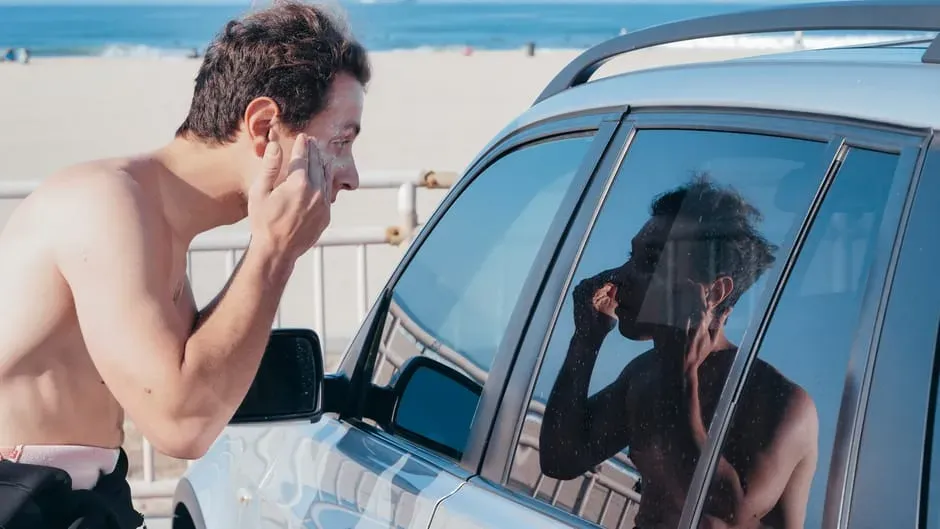
While mineral sunscreens are typically okay in high temperatures, chemical sunscreens can lose certain filtering abilities when temperatures skyrocket. Like medication, sunscreen does not do well when left in a hot vehicle. Extreme temperatures can render the formula less effective and cause the ingredients to separate and potentially leak.
If the sunscreen is an aerosol or spray-on formula, it can explode in a hot car. If it is not a spray, the sunscreen bottle may still burst. The irony is that people leave sunscreen in the car specifically so they’ll have it on hand – only to find it’s either ruined, leaked, or no longer protective when they actually need it.
8. Lighters
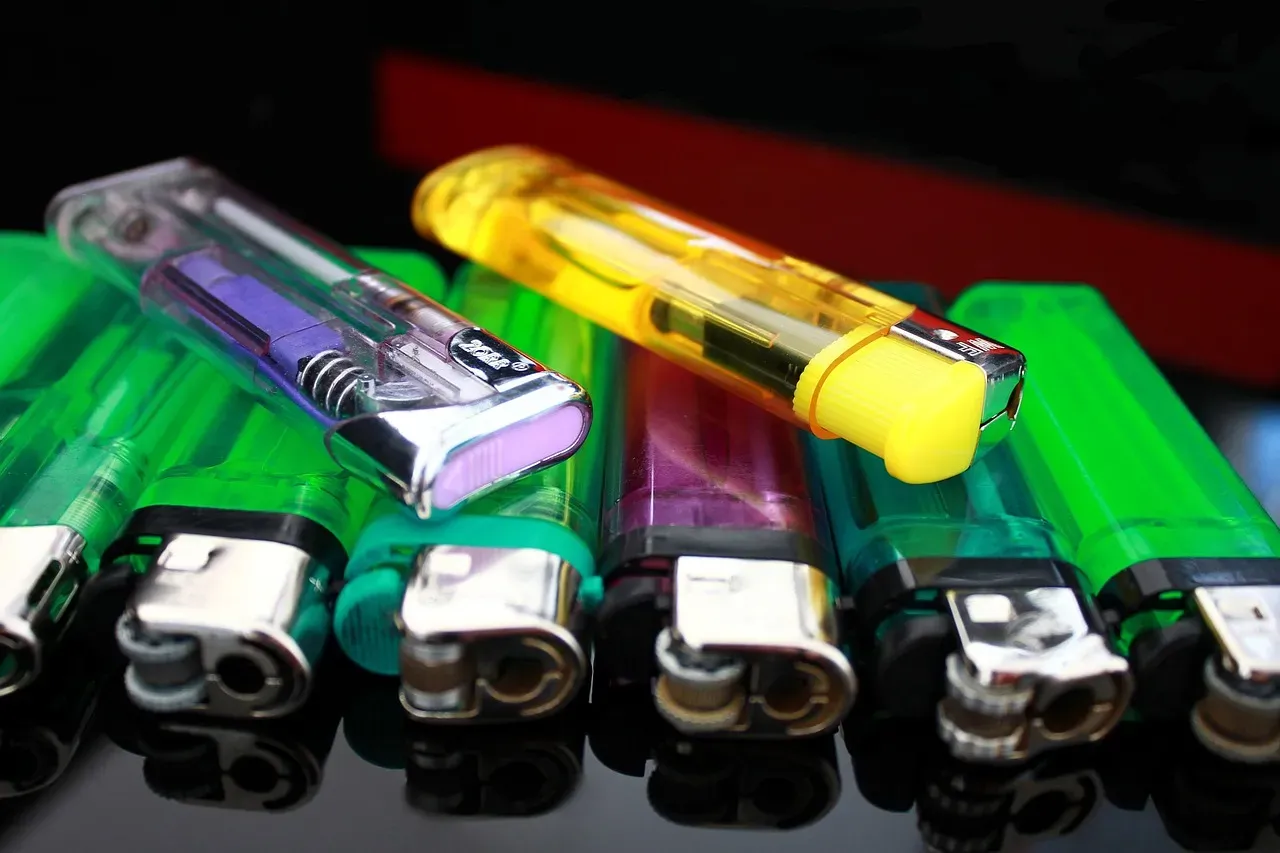
Disposable plastic lighters contain highly flammable liquid butane under significant pressure. A sweltering car interior provides the perfect conditions for the plastic casing to warp and crack open. The escaping gas can easily ignite from the ambient heat and start a devastating vehicle fire.
Lighters and matches have been linked to vehicle fires during heat waves, especially butane lighters left in direct sunlight. Under extremely high temperatures, the fluid and gases inside the lighter can expand, causing internal pressure to rise. This causes the lighter to explode, which can burn a hole through car seats and even hit the windshield.
9. Glasses and Sunglasses
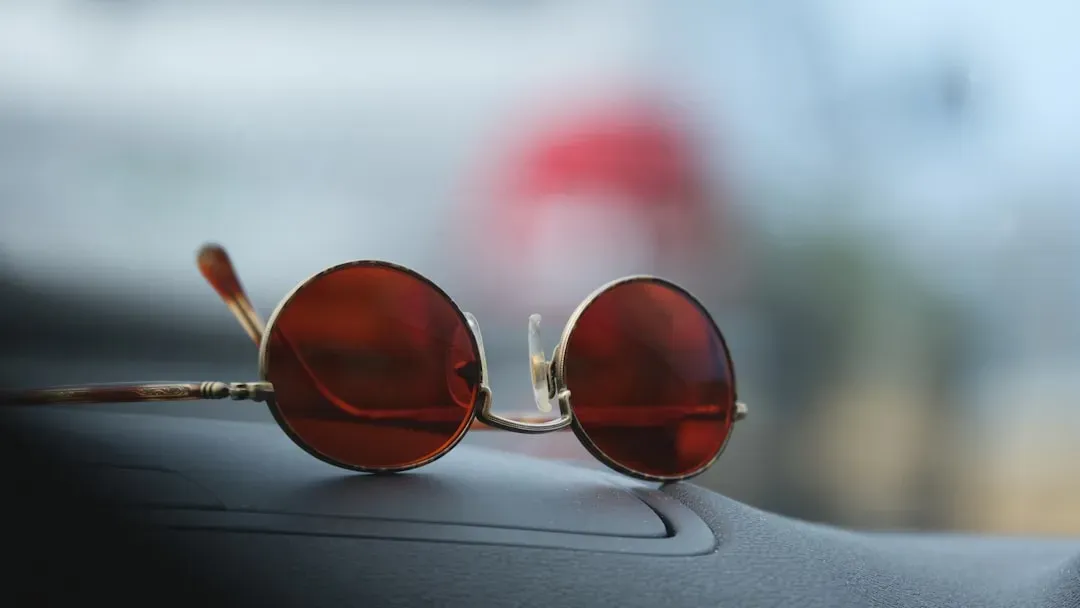
Heat can warp plastic frames and make metal ones too hot to wear. Lenses could warp too, making it difficult to see and leaving you with an expensive repair. Leaving glasses or sunglasses on the dashboard is even worse, because the windshield could attract sunlight like a magnifying glass.
Glass lenses left on the dashboard or seat can act like magnifying glasses, focusing sunlight into a narrow point. This can ignite flammable materials such as paper, tissues, seat fabric, or plastic components. If you depend on prescription lenses, warping can also affect your vision and comfort.
10. Groceries and Perishable Food

Fresh produce and perishable items spoil incredibly fast in a stifling automotive interior. Meat and dairy products develop dangerous bacteria that cause severe foodborne illnesses upon consumption. A hot car can quickly become a bad place to store food. Perishable groceries can spoil quickly, and canned or bottled drinks such as soda and energy drinks can swell or burst.
The smell alone can become a real problem. The smell of rotting food permeates the vehicle upholstery and lingers for several weeks. Even a single forgotten bag of groceries after a shopping run can turn into a costly and deeply unpleasant situation – and a health risk if anything is later eaten without knowing it spoiled.
11. Lithium-Ion Batteries and Power Banks
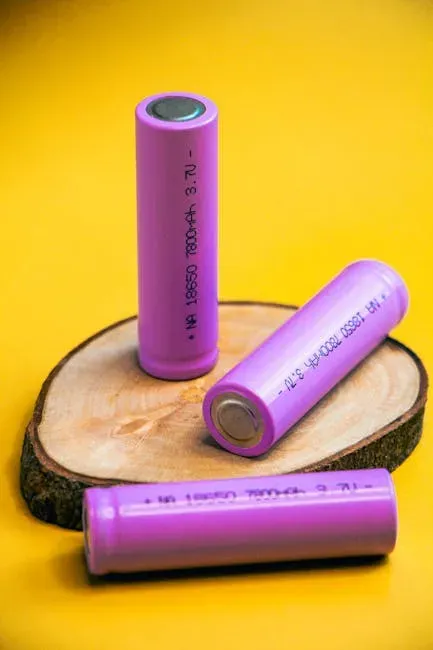
Batteries and power banks should never be left in a hot car. High temperatures can cause batteries to swell, leak corrosive material, or even catch fire. Lithium-ion batteries, commonly found in phones, laptops, portable chargers, and power tools, are particularly susceptible to heat damage and pose a fire risk if overheated.
In 2025, Anker recalled more than 1.1 million PowerCore 10000 power banks for overheating risks, followed by a second recall of around 481,000 additional units across six more models just months later. The FAA has verified more than 600 lithium-battery incidents on U.S. aircraft since 2006, with a record 89 incidents in 2024 alone. Even a pack of AA or AAA batteries can leak when exposed to temperatures over 100°F, which can happen fast in a parked car.
12. Important Documents and ID
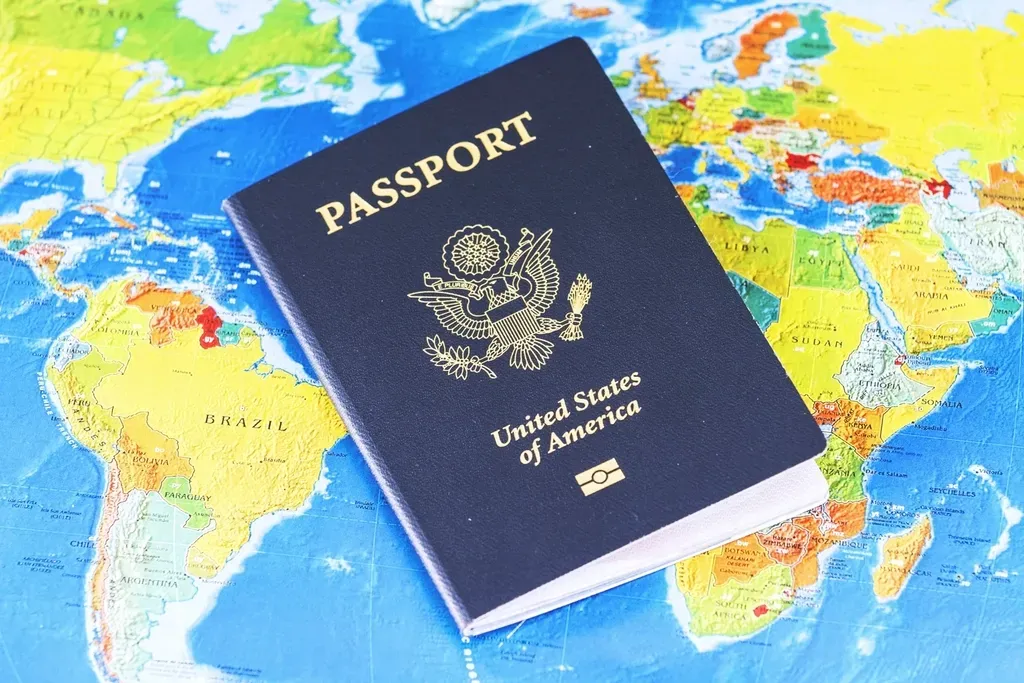
Passports, IDs, and receipts may not seem fragile, but heat can warp them, fade ink, and make them harder to read when they are needed most. Leaving important documents in a car can also raise the risk of identity theft if someone breaks into the vehicle.
If you have personal documents to shred or mail, make it a priority. Letting files like school transcripts or tax forms sit in your car while you run other errands leaves information vulnerable if anyone breaks into your vehicle. Heat damage and theft risk are both very real. A passport or Social Security card left in a glove box is a problem waiting to happen on multiple fronts.
The common thread across all twelve of these items is the same: a parked car in warm weather is not a storage space, it’s an oven. Some of these risks are safety emergencies, others are expensive headaches, but all of them are easy to avoid with a quick check before you walk away.
