


- Phantom Energy Sucking Power 24/7 – 7 Home Electronics Quietly Inflating Utility Bills - November 14, 2026
- A Million-Mile Storm Raging for Centuries – 6 Violent Weather Wonders in Our System - November 14, 2026
- Animals Flee Hours Before the Tremor – 7 Natural Warnings Before Disasters Strike - November 14, 2026
Coastal cities have dominated conversations about American growth for decades, but the data is pointing somewhere else now. Rising insurance premiums, climate anxiety, and home prices that have stretched well beyond what most households can manage are quietly redirecting people, investment, and attention toward cities that few national headlines bother to cover.
The National Association of Home Builders estimates that nearly three quarters of U.S. households cannot afford a median-priced new home at current prices, with the national median hitting roughly $415,000 in the fourth quarter of 2025. The regional gap, however, is enormous: the median in the Midwest sits around $317,000, compared to over $625,000 in the West. That gap is not just a statistic. It is a migration signal, and the cities below are already feeling it.
1. Columbus, Ohio: The Midwest’s Quiet Overachiever
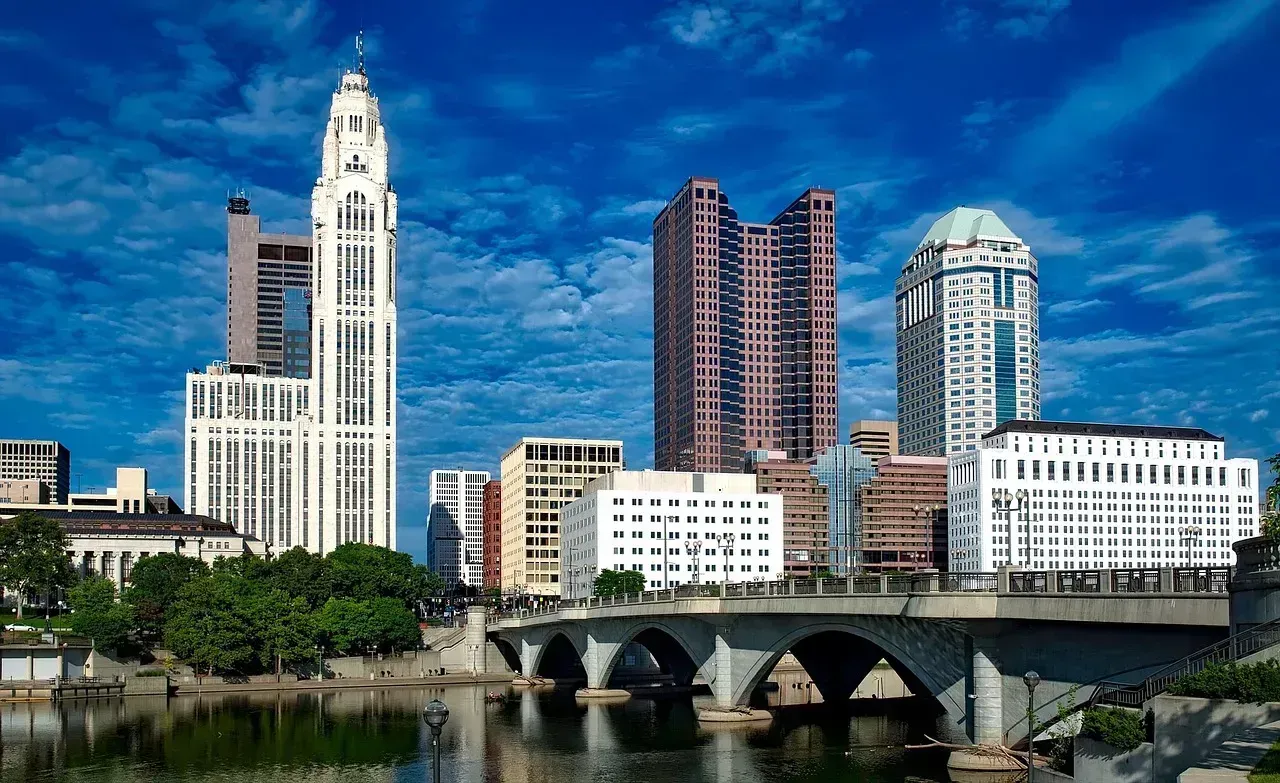
The U.S. Census Bureau’s latest population estimates showed Columbus growing by nearly 7,700 people between mid-2024 and mid-2025, making it the 14th fastest-growing large city in the country. It was also the only Midwest city to crack the top 15, with most large-city growth taking place in Texas and the South. That distinction matters. Columbus is essentially the Midwest’s lone representative in the national fast-growth conversation.
Columbus draws notably young talent, with a median age of around 33. Between 2023 and 2024, the broader metro added roughly 30,300 people, with immigration playing a significant role in that expansion. Columbus is also one of the top five U.S. cities issuing the most multifamily building permits in 2025, a reliable sign that developers are betting on continued demand for years to come.
2. Boise, Idaho: The West’s Most Persistent Magnet
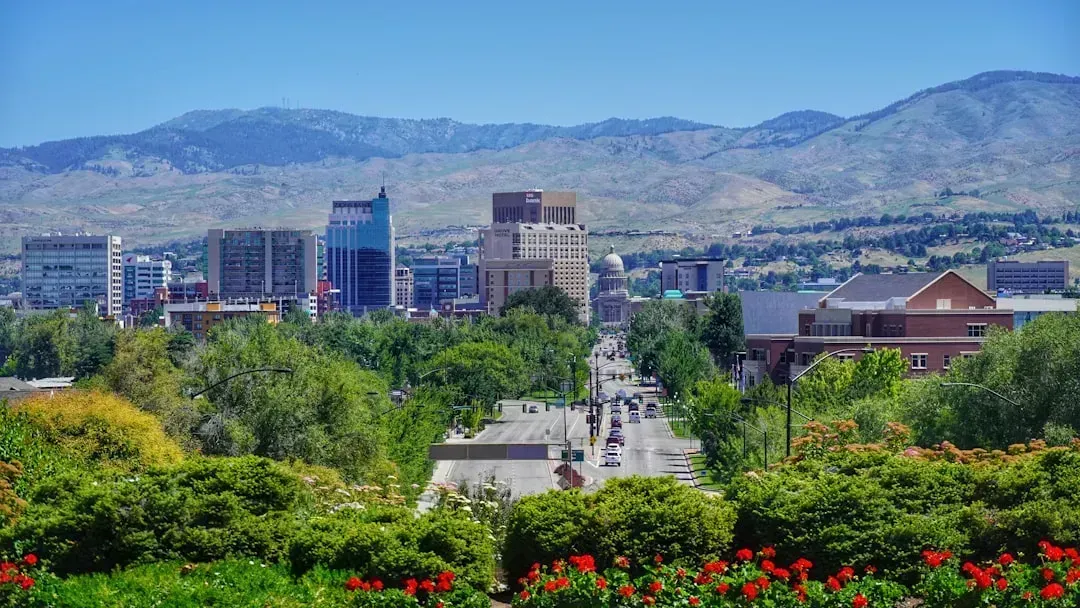
The Boise metropolitan area, encompassing Ada, Canyon, Boise, Gem, and Owyhee counties, grew at 2.2 percent in 2025, ranking it as the 13th fastest-growing market in the country and the second fastest in the West, trailing only St. George, Utah. Those numbers have been consistent enough, year after year, that Boise can no longer be called an emerging story. It has arrived.
Boise grew at the quickest rate of any city outside the South. Remote workers continue to arrive, drawn by the ability to purchase a four-bedroom home for under $500,000, while tech firms like Micron and HP still anchor high-paying employment, and new hospitals add healthcare openings. The Boise area’s combination of outdoor access, a growing economy, and relative affordability continues to make it a standout in the inland West.
3. Huntsville, Alabama: Defense, Space, and Steady Demand
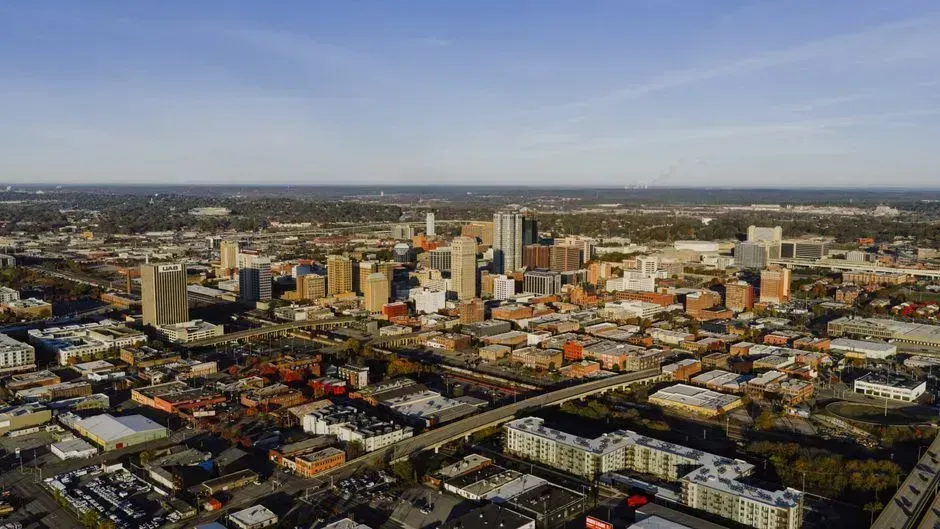
Huntsville’s growth story is defined by the defense-and-space complex around Redstone Arsenal and NASA’s Marshall Space Flight Center, alongside a host of engineering contractors and advanced manufacturing. This is not a speculative growth story. It’s an institutional one, built on federal investment and a technical workforce that keeps expanding.
Huntsville delivered over 4,000 new multifamily units in 2025, the second-highest volume among all emerging markets tracked, and had nearly 4,850 units still under construction at year’s end. That pace of construction reflects real and sustained demand. Huntsville has earned a reputation as one of the most resilient smaller metros in the South, with a job base diversified enough to weather national economic swings.
4. Indianapolis, Indiana: From Outflow to Inflow
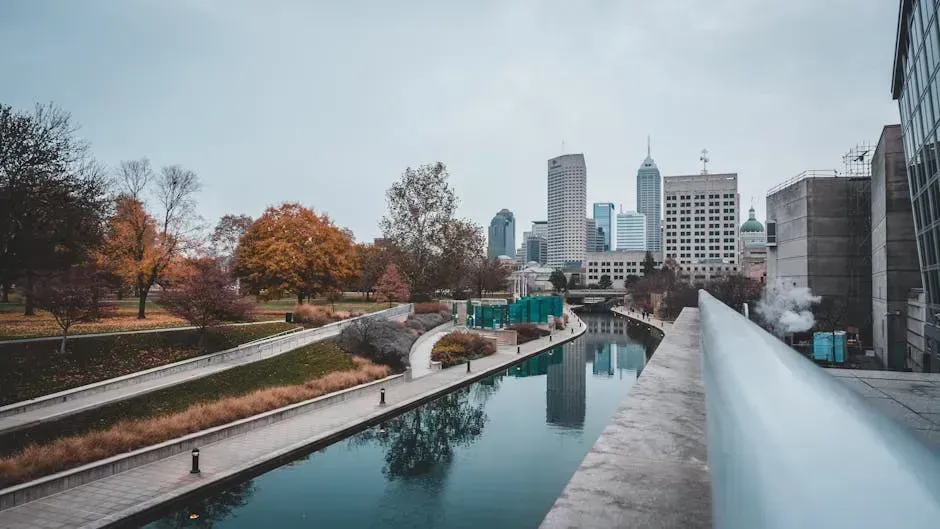
Indianapolis flipped from net domestic outflow to net inflow in the most recent year tracked, according to Redfin’s analysis of Census data. That reversal is significant. It suggests that the forces pulling people toward Indianapolis are not simply statistical noise but reflect something structural about how the city has repositioned itself.
Cities like Indianapolis, Columbus, and Kansas City are forecasted to be among the hottest housing markets through 2025 and into coming years. Midwest metros offer a rare balance of affordability and rising demand, fueled by steady migration, job growth, and strong buyer interest. Indianapolis, in particular, benefits from a diverse logistics, life sciences, and financial services economy that gives it more resilience than cities dependent on a single sector.
5. Princeton, Texas: The Fastest-Growing City in America

Princeton, Texas, a suburb of Dallas, was the fastest-growing city in the United States in 2024. The city increased its population by nearly one third in just one year and has more than doubled in size since 2020, growing from roughly 17,000 to 37,000 residents. Numbers like that are rare in modern American demographic history.
With the vast increase in population, the median home price in the city has also risen, recorded at $350,000 as of 2024. This once-tiny Texas town is expected to continue growing, with projections suggesting it could add 100,000 residents within the next five years. Princeton sits in the broader Dallas-Fort Worth orbit, giving residents access to one of the country’s deepest job markets while still offering significantly lower prices than the metro’s core.
6. Spokane, Washington: The Pacific Northwest’s Affordable Alternative
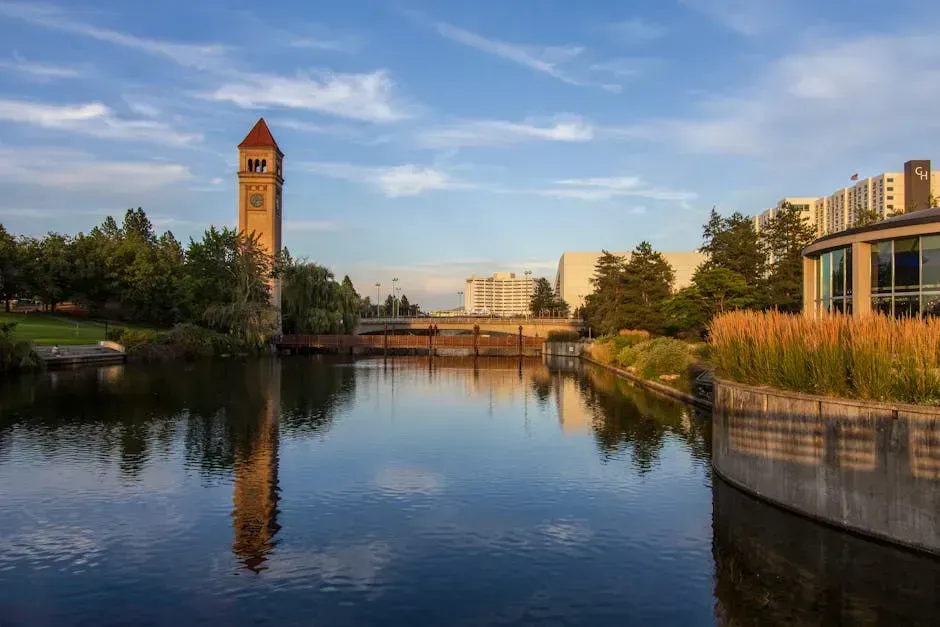
Spokane features in analysis of top emerging multifamily markets for 2026, with experts noting a regional military presence as one of the underlying demand drivers that has helped stabilize its real estate fundamentals. It sits far enough from Seattle to offer a genuinely different cost profile, yet close enough to the Pacific Northwest’s economic energy to benefit from it.
Mountain states lead the West in growth, and markets like Boise, Logan, and Coeur d’Alene, all not far from Spokane’s corridor, are posting above-average growth rates as remote workers chase scenery and lower costs. Spokane itself offers a compact downtown, major university anchors in Washington State University and Gonzaga, and housing prices that still register as genuinely affordable by any national comparison. The city has momentum, and much of it is still underpriced.
7. Kansas City, Missouri: Banking on Affordability and Resilience
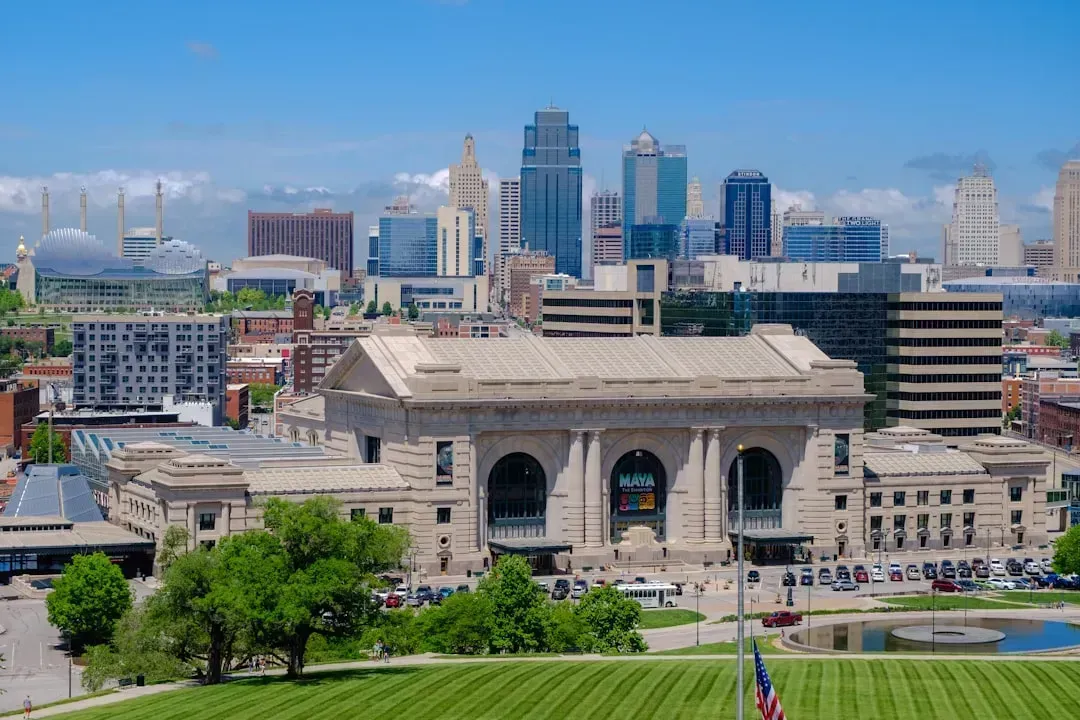
Kansas City, Missouri, was identified as one of the most resilient housing markets in the country, improving year-over-year through early 2025 in national housing market tracking. That consistent performance, without a single dramatic spike, is actually part of what makes Kansas City an appealing long-term story: stability is increasingly underrated.
Midwest metros offer a rare balance of affordability and rising demand fueled by steady migration, job growth, and strong buyer interest. This combination of value and growth makes the Midwest especially attractive compared to overheated coastal and Sun Belt markets. Kansas City sits squarely in that value zone. Its growing tech corridor, strong logistics infrastructure, and comparatively mild climate risk make it a credible candidate for sustained appreciation through 2040.
8. Minneapolis, Minnesota: The Climate Haven Gaining Ground
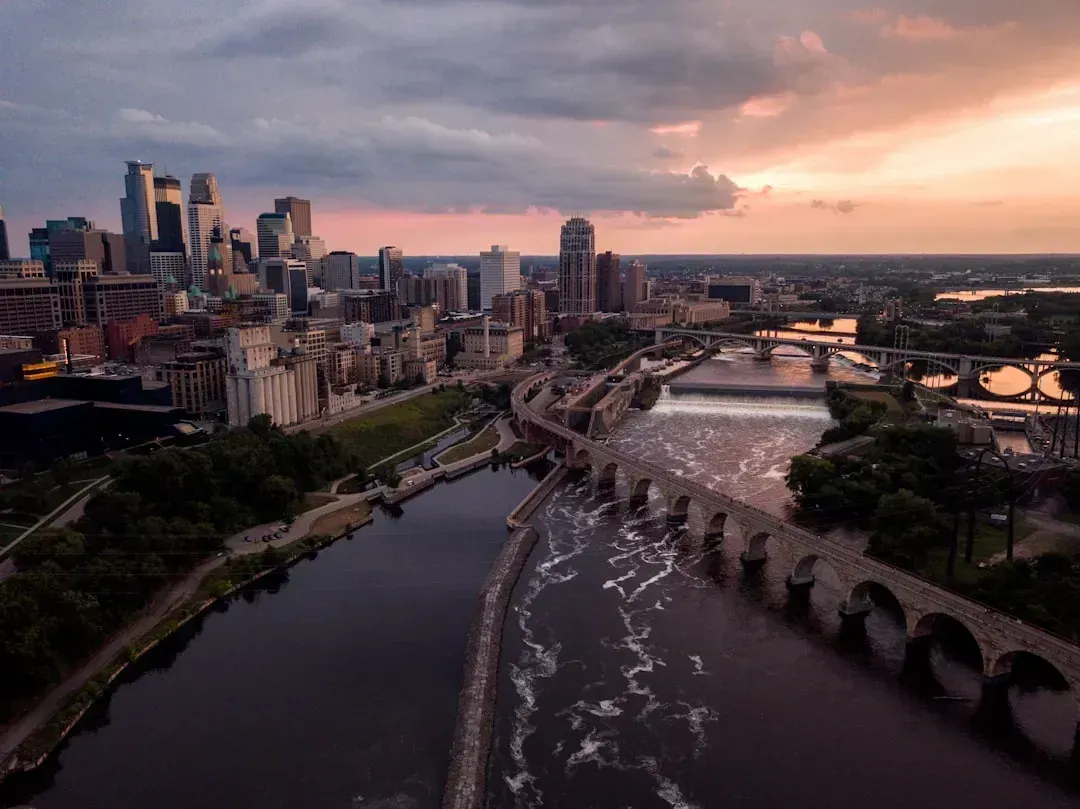
Minneapolis flipped from net domestic outflow to net inflow, and Minnesota appeared on United Van Lines’ top 10 inbound list for the first time, while Minneapolis also cracked U-Haul’s top 25 growth metros, also a first. These are not minor indicators. For a northern metro that has been losing residents for years, they represent a genuine turning point.
The Great Lakes region carries specific climate advantages that are increasingly being valued. Fresh water access from the largest surface freshwater system on Earth is a long-term resource security asset, while cooler summers produce utility costs dramatically below the Sun Belt’s summer cooling burden. Jesse Keenan, a Tulane University professor who studies climate change adaptation, estimates that as many as 50 million Americans could eventually move to regions like New England or the Upper Midwest to escape severe climates. Minneapolis may well be one of the primary beneficiaries of that shift.
9. Leander, Texas: The Hill Country Outperformer
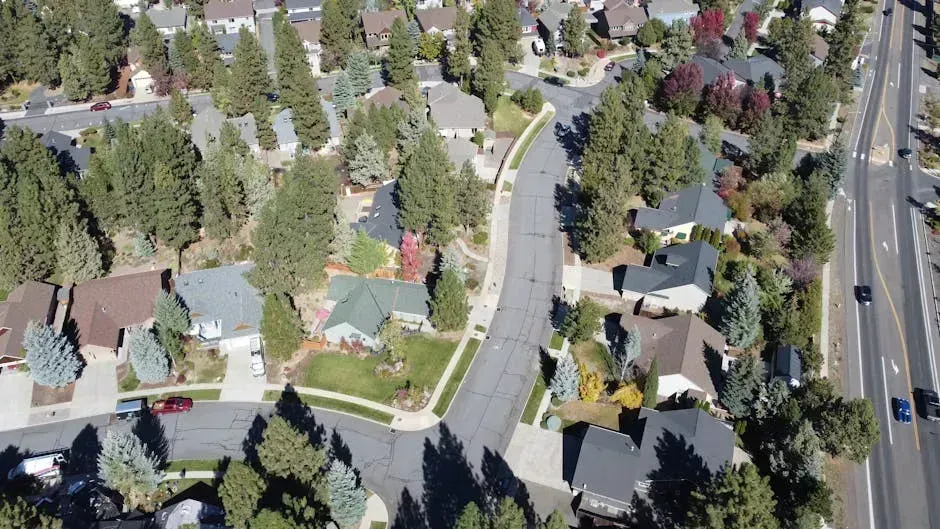
Leander led all small U.S. cities in growth rate, posting 6.2 percent expansion. The city sits on a MetroRail line that reaches downtown Austin in roughly 45 minutes, allowing residents to keep Austin-level salaries while paying substantially lower Hill Country prices. That commuter math is hard to argue with, and the numbers clearly show that people have figured it out.
Master-planned communities in Leander offer pools, trails, and schools within walking distance, while tech workers and teachers alike line up for lots that cost significantly less than Austin suburbs just 15 miles away. As Austin itself becomes less affordable, the pressure valve keeps releasing toward places like Leander. The trajectory from here to 2040 looks less like speculation and more like simple geography doing what it has always done: pushing people toward the next best option that still works.
