

- Forget the Sun Belt: 6 Northern Cities Booming as Climate Refuges - June 2, 2026
- 6 Coastal Towns Geologists Say Won’t Exist by 2060 - June 2, 2026
- The “Forgotten Risk” List: 7 Regions Sitting on Unstable Ground - June 2, 2026
For most of the past half century, the American dream of relocation pointed south and west. Warm winters, affordable sprawl, and seemingly endless sunshine pulled millions toward Phoenix, Dallas, Tampa, and Atlanta. That story is changing faster than most people expected.
Sun Belt migration is now skidding to a halt, according to a working paper from the Federal Reserve Bank of San Francisco. As climate change makes warm places hotter and cold places more livable, more Americans are staying put in the North, while others are leaving the South. A cluster of older industrial cities sitting near freshwater, forests, and historically cooler temperatures is quietly stepping into a new role – and some of them are actively recruiting newcomers to fill it.
Duluth, Minnesota: The Original “Climate-Proof” Pitch
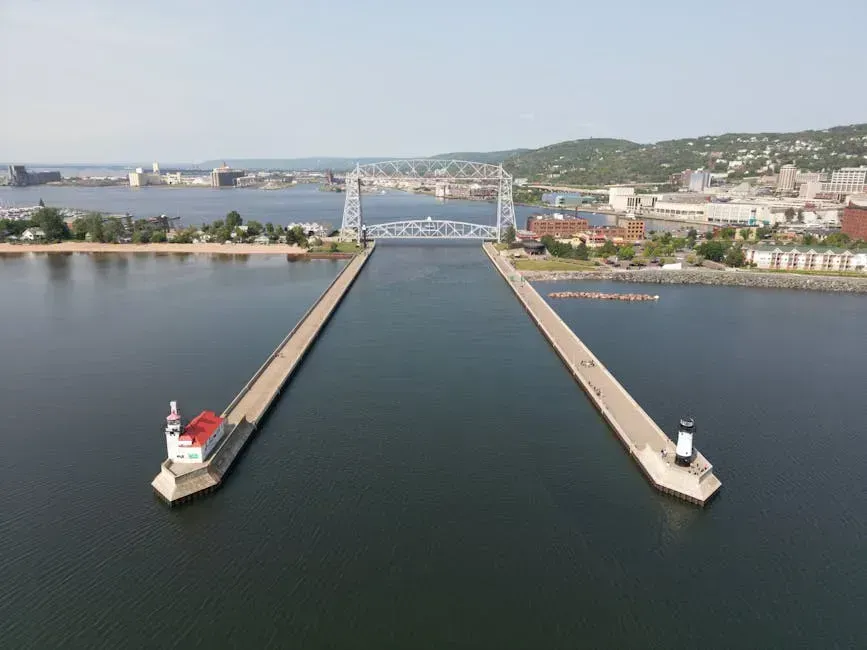
Duluth, in the far northern reaches of the United States, is known for bitterly cold and snowy winters fueled by powerful winds blowing off Lake Superior. Despite its tough environment, this Midwestern city of 86,000 is starting to make a name for itself as a refuge for those fleeing the effects of climate change. The term really took off when a Harvard academic visited the city and proposed it market itself under a striking new identity.
Jesse Keenan traveled to Duluth to pitch his idea for the city to market itself as “Climate-Proof Duluth,” and news outlets picked up the idea, with a 2019 New York Times article popularizing the term “climate refuge.” Duluth, a historically industrial town with plenty of high-quality and affordable housing in stock, has benefited from many years of investment from the state of Minnesota in trying to promote a sustainable economy. That combination of surplus housing, freshwater access, and cooler baseline temperatures forms the core of its appeal, even if the label itself comes with caveats.
Buffalo, New York: The Rust Belt Reinvention
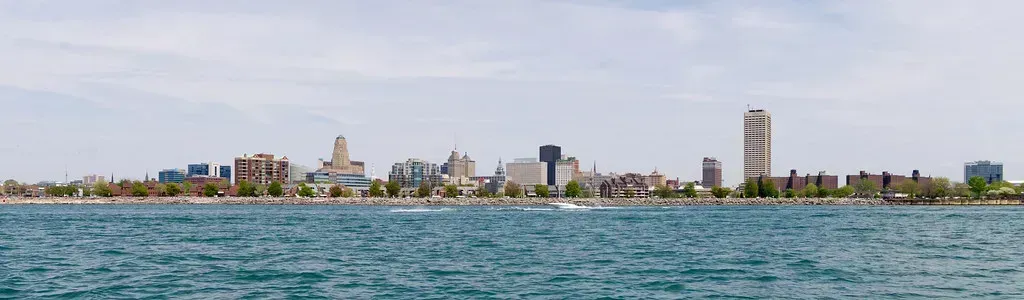
In 2019, Buffalo mayor Byron Brown called the city a “climate refuge” during his State of the City address. It was a bold reframe for a city that spent decades defined by deindustrialization and population decline. Many of these communities were once economically dependent on manufacturing, and are potentially well-placed to meet the needs of an influx of climate migrants: when factories closed in the 1970s and residents moved elsewhere in search of work, they left behind homes and city spaces that today can be repurposed.
The climate haven designation has real appeal, particularly for cities attracting millennials and Gen Z, whose top three concerns are cost of living, unemployment, and climate change. Buffalo sits far from hurricane corridors and wildfire smoke belts, and one academic has gone as far as labeling Buffalo a “climate proof” community. Still, the city is not without risk. Lake-effect snow fueled by moisture from the still-open water of Lake Erie dumped over four feet of snow on Buffalo in one winter event, leaving nearly 50 people dead and thousands without power or heat.
Cleveland, Ohio: Space to Grow, Strategy to Match
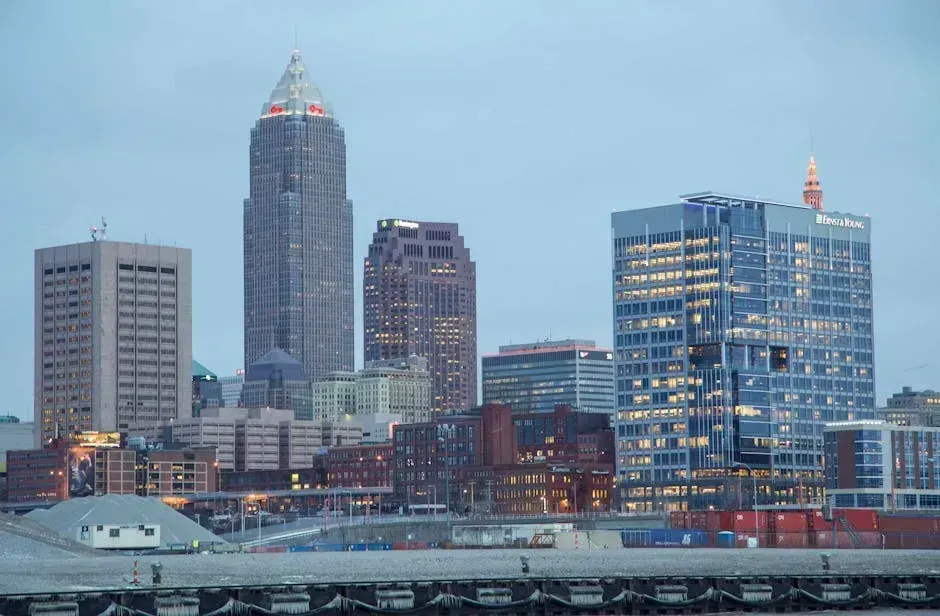
The chief sustainability officer of Cleveland described the Ohio city as a “haven” where the “climate refugee crisis is bound to catalyze further growth.” That framing is grounded in a straightforward physical reality: Cleveland, on the southern shore of Lake Erie, has around 30,000 vacant lots. Decades of industrial contraction left the city with more land capacity than most American metros its size can imagine.
There’s an increasing chance that future waves of migrants from Florida, Arizona, California, and beyond could move to Cleveland as extreme weather events in those regions prompt people to rethink where they want to live. Hurricanes in Florida are leading to insurance companies fleeing the Sunshine State, and in California, wildfires are resulting in urban devastation on a major scale. The Midwest holds special appeal with its abundant fresh water, cooler summers, and comparatively little risk from hurricanes and wildfires. Cleveland planners are beginning to map out what a future with thousands more residents could and should look like.
Detroit, Michigan: A Vast Canvas for Climate Reinvention
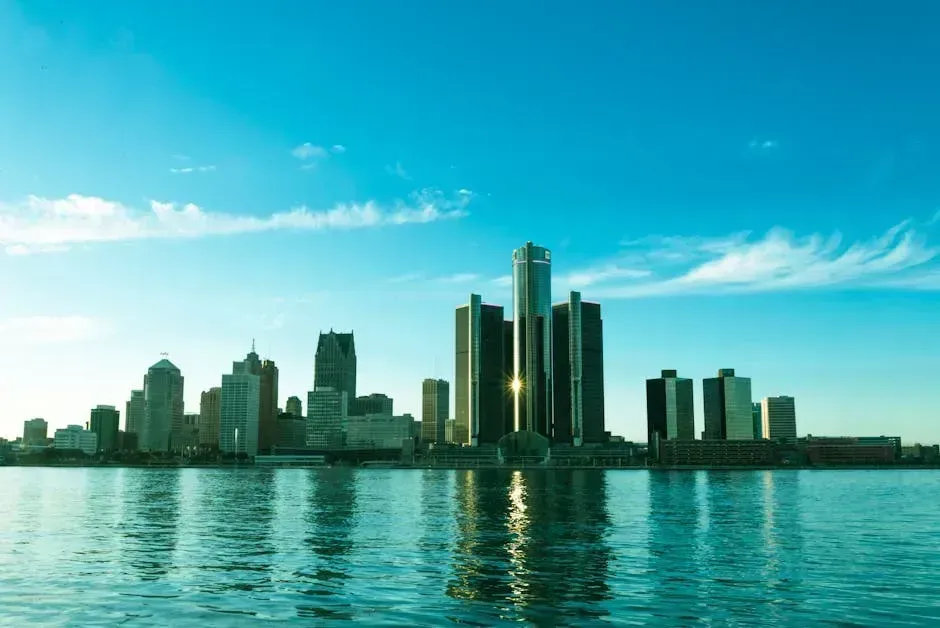
Detroit, which has lost nearly two-thirds of its population since its industrial heyday in the 1950s, has more than 30 square miles of empty land inside its city limits. That vacant space, unthinkable in most major cities, is now a genuine asset in a world where land capacity and infrastructure surplus matter. By contrast with Phoenix, the highest temperature ever recorded in Detroit was 105 degrees Fahrenheit, back in 1934.
Michigan’s two peninsulas have ample freshwater – the Great Lakes contain 90 percent of North America’s supply – along with lower temperatures and vast swaths of undeveloped land. One analyst predicts as many as 50 million Americans may relocate to climate havens within the United States in the coming decades. The city has real challenges too. At roughly $38,000, the median household income in Detroit is approximately half the national level, which means any growth strategy has to be handled with equity front and center.
Burlington, Vermont: Small City, Serious Climate Credentials
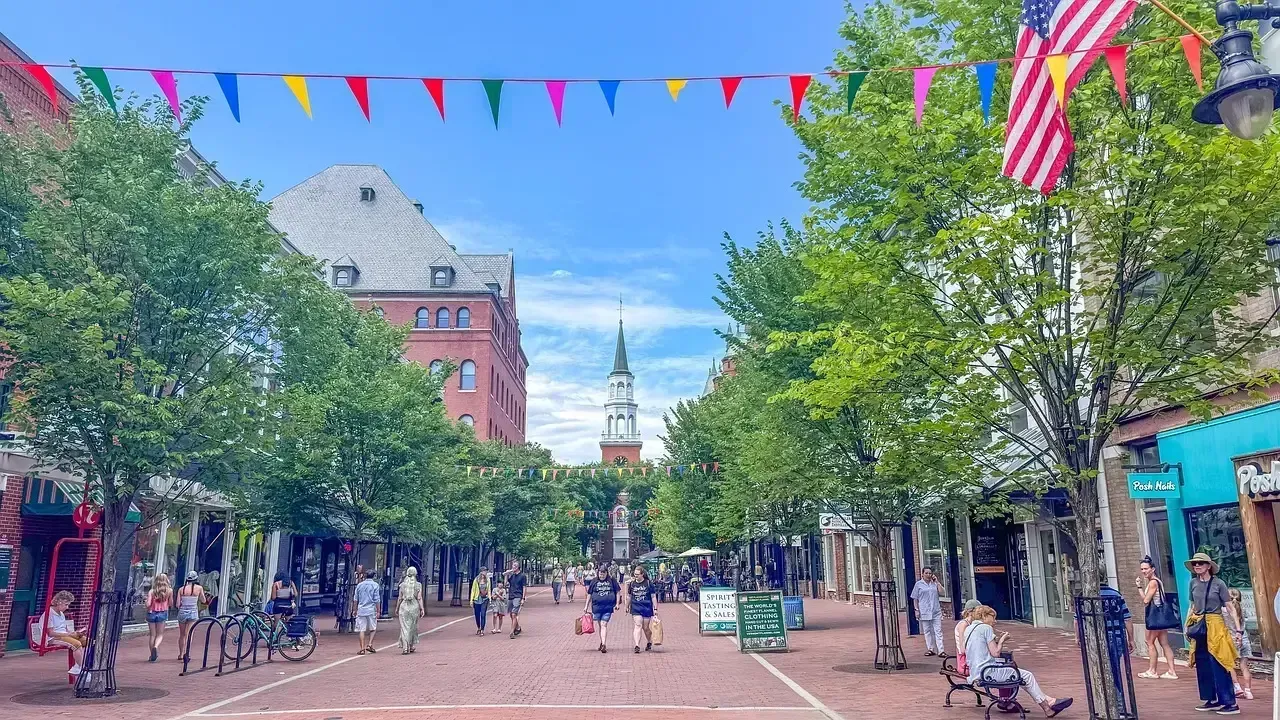
Vermont is considered one of the best states for climate resilience thanks to a climate profile that largely avoids extremes. Since 1953, it has experienced only 45 federally declared natural disasters and is rated the least vulnerable state for climate risk. Burlington sits at the center of that reputation and has translated it into concrete infrastructure commitments. Burlington was one of the first U.S. cities to run entirely on renewable electricity.
Old industrial northern cities, from “Climate-Proof Duluth,” Minnesota, to Burlington, Vermont, are billing themselves as “climate havens” in an effort to lure newcomers and revitalize their economies. Burlington’s pitch is distinct because it pairs a genuine environmental track record with a smaller, more manageable footprint than its Midwest counterparts. Its schools are considered top-notch and its summers are notably cool, with winters that don’t typically drop too far below 35 degrees Fahrenheit. The city’s housing constraints, however, remain a real tension as interest from outside grows.
Worcester, Massachusetts: The Underrated Climate Refuge City of Choice
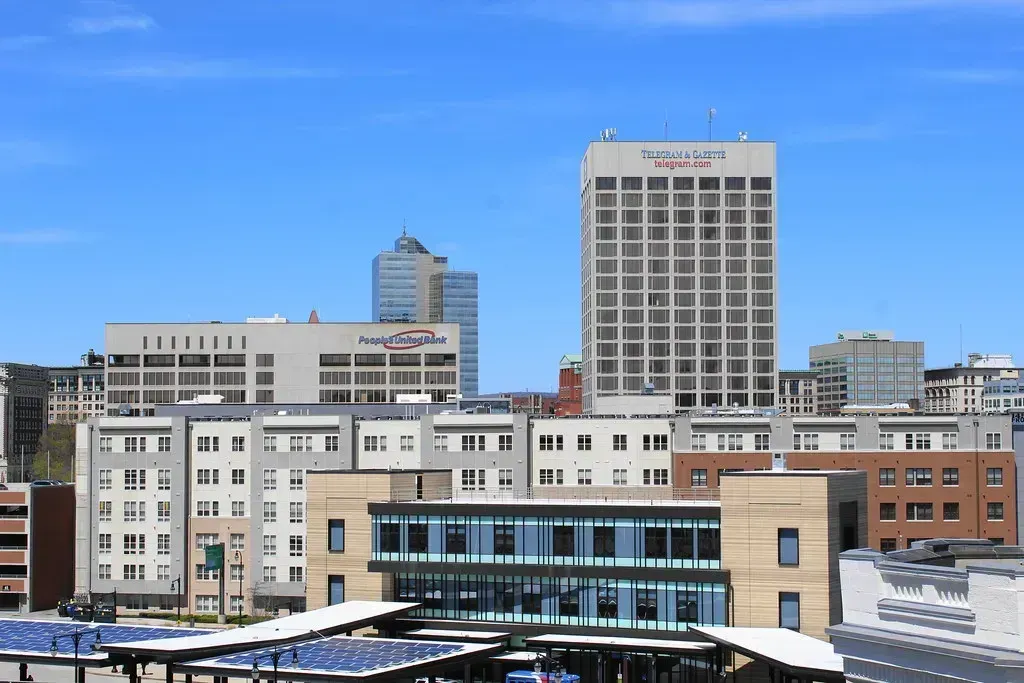
Worcester is one of the few American cities to describe itself as a climate refuge in an official plan, and it has received less media attention than some other cities, making it easier to study what local officials are actually doing rather than what outsiders are saying. That practical, planning-first approach sets it apart from cities that have embraced the climate haven label more as a branding exercise. Like many older industrial cities, Worcester spent decades in economic decline, but since the 1980s its population has been growing again, recently exceeding its 20th-century peak – an exceptional reversal.
Worcester’s climate plan outlined strategies to strengthen infrastructure resilience through stormwater management and urban heat mitigation, social resilience through better emergency communication with vulnerable populations, and environmental resilience by expanding the urban tree canopy. The approach recognized that adaptation is just as necessary in the places where people resettle as in the places they leave behind. Worcester has also already absorbed arrivals displaced by climate-related disasters, giving it a head start in the practical work that most northern cities are still only theorizing about.
The Freshwater Factor That Ties Them All Together
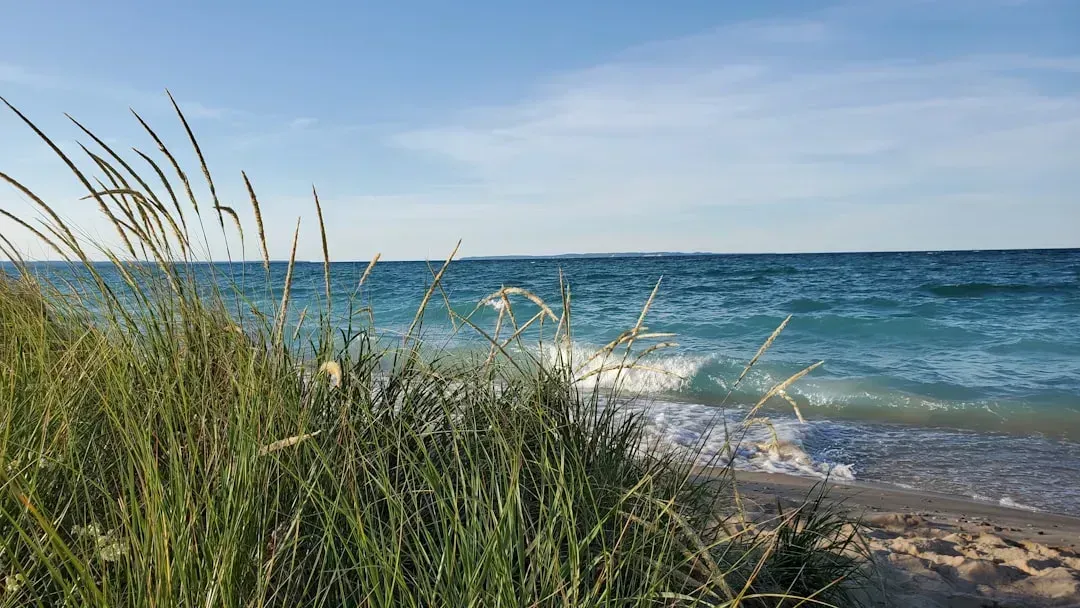
A growing body of research keeps pointing to the Great Lakes region, anchored by its singular combination of freshwater abundance, lower disaster exposure, and serious long-term planning already underway. The Great Lakes region has been identified as a climate haven for its access to roughly a fifth of the planet’s freshwater. That is not a minor detail. Water scarcity is one of the most immediate drivers of displacement across the American West and Southwest, so proximity to a reliable, vast freshwater supply carries weight that is hard to overstate.
Internationally renowned researcher Parag Khanna has argued that the Great Lakes, and Michigan in particular, could be the best place to live by 2050. As one climate program director put it, “the fact that we are home to 20 percent of the world’s freshwater makes us highly desirable from a longevity standpoint.” Cities positioned directly on or near that resource – Cleveland, Detroit, Duluth, Buffalo – hold a long-term card that no Sun Belt metro, regardless of current growth rates, can replicate.
The Migration Numbers Are Already Shifting
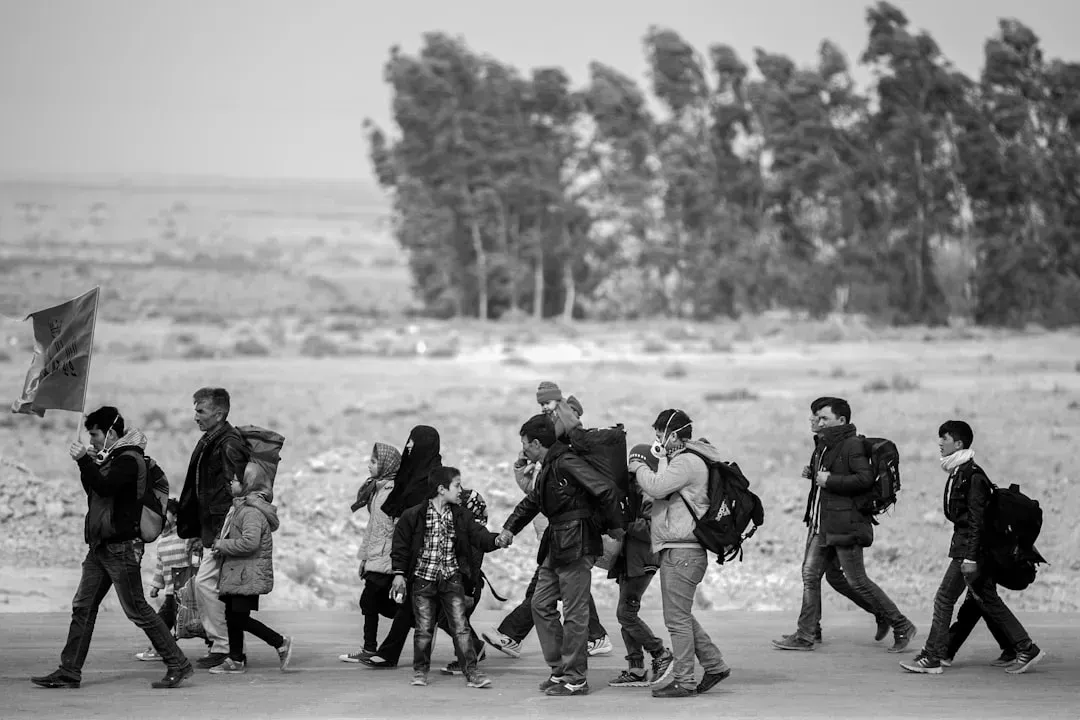
Over the course of the past 50 years, the tendency of Americans to move from the coldest places, which have become warmer, to the hottest places, which have become hotter, has steadily declined. This isn’t a future projection anymore. Researchers at the Federal Reserve Bank of San Francisco documented a reversal in the longstanding migration pattern that once drew people from colder northern states to warmer southern ones, with findings suggesting that rising temperatures due to climate change are playing a role. As the Sun Belt experiences hotter and more extreme weather, the formerly cold states in the Midwest and Northeast are becoming more livable year-round.
Climate-driven natural disasters like wildfires, hurricanes, and floods have grown more frequent, intense, and destructive, now forcing two to three million Americans from their homes annually, with Census Bureau surveys indicating that many displaced people are choosing to permanently relocate out of harm’s way. Research from the Federal Reserve Bank of San Francisco suggests that the previous century’s migration pattern from the Snow Belt to the Sun Belt is likely to ultimately be reversed. The pace at which that reversal unfolds will depend largely on how aggressively northern cities prepare.
Real Limits: No City Is Truly Climate-Proof
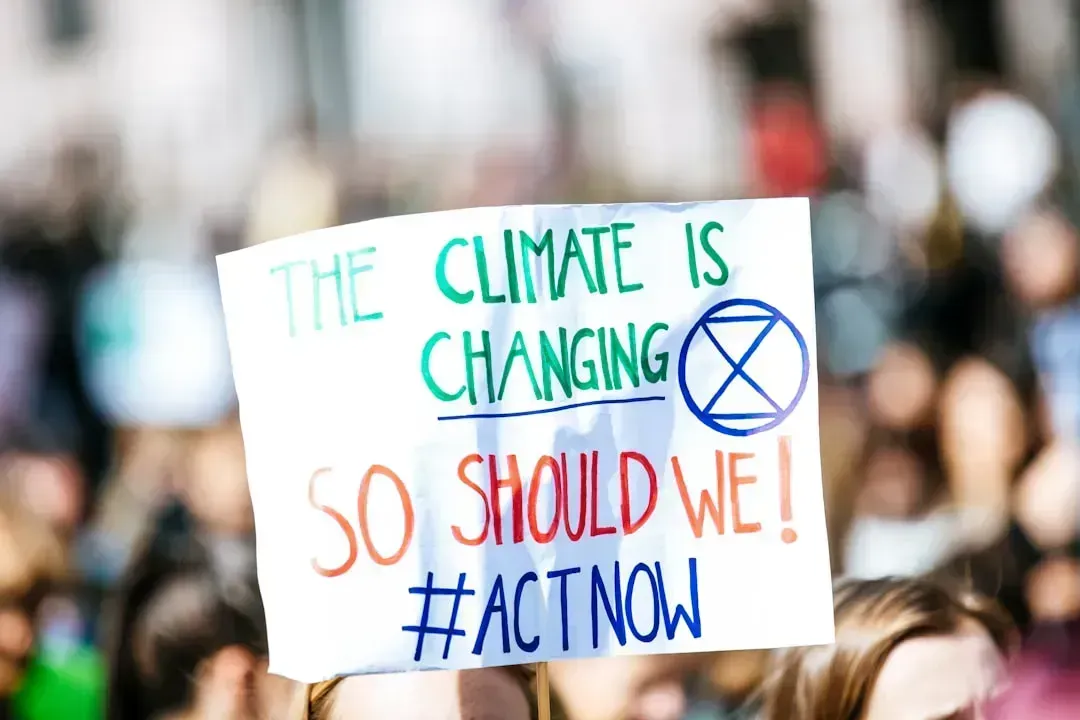
These communities are not immune to climate change. Duluth has experienced many days with very poor air quality due to Canadian wildfires. “The idea that Duluth is ‘climate proof’ is not accurate,” according to local researchers. “Our city, like everywhere else, will experience negative effects from climate change.” The narrative of total safety, however appealing, doesn’t survive close scrutiny anywhere on the map.
No place is automatically safe. Places become viable destinations only when they invest in housing, infrastructure, and social support that can absorb change. Used carefully, the idea of the climate refuge can help focus attention not only on the people who may have to move, but also on what receiving communities must do to prepare. Climate gentrification has already become a persistent concern in Duluth, which is dealing with a housing shortage, and similar pressures are beginning to surface in Cleveland and Detroit as outside interest in these cities quietly accelerates. The opportunity is real – and so is the responsibility to get the planning right before the demand overwhelms the capacity to absorb it well.
