


Most Americans still turn on the tap without a second thought. Water simply appears, reliably, invisibly, as if the pipes that carry it will never run dry. Yet the concept of “Day Zero,” the moment when a city’s water supply drops so low that taps are simply shut off and residents must collect daily rations from distribution points, is no longer just a story about Cape Town or Mexico City. The term has become synonymous with a worst-case scenario for public water resources, referring to the moment at which a city or region’s water supply is almost depleted and officials cut tap supply to communities.
The United States is closer to that scenario than most people realize. As of May 2026, more than half of the United States and Puerto Rico are in drought conditions. The causes vary from place to place: shrinking rivers, aging pipes, saltwater creeping into coastal aquifers, and decades of underinvestment in infrastructure. Seven towns and cities, each carrying its own distinct vulnerabilities, stand out as particularly exposed.
1. Phoenix, Arizona
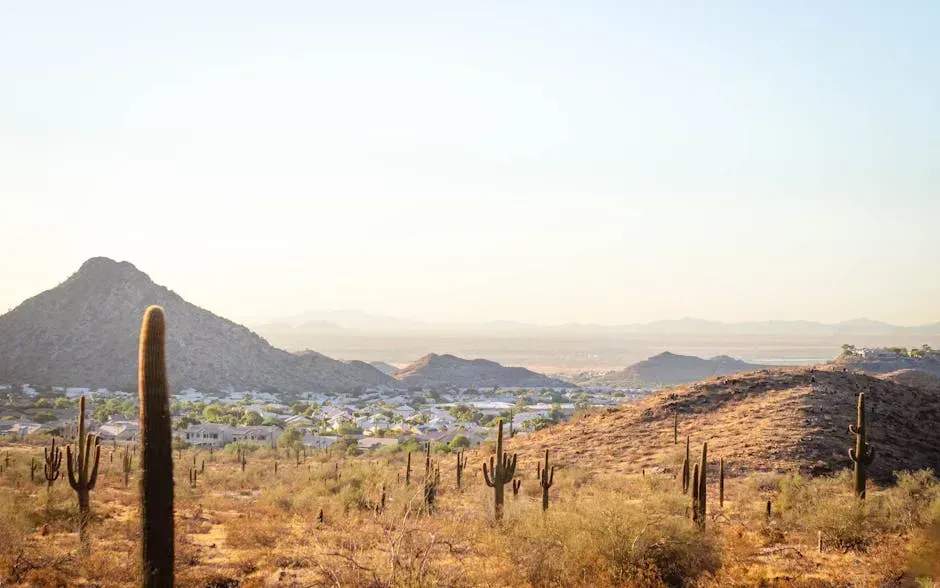
Nearly 40% of Phoenix’s drinking water relies on the Colorado River, and city leaders are moving to shore up the supply, including a new partnership known as the Secure Water Arizona Program. The situation grew measurably more acute through early 2026. Lake Mead sits under a Tier 2 Shortage declaration that cuts Arizona’s Colorado River allocation by 21%, while Phoenix received only 2.1 inches of rainfall between October 2025 and April 2026, a full 4.3 inches below the normal seasonal average, making it the largest U.S. city west of Texas facing simultaneous local-supply and Colorado River shortages.
Two decades of extreme drought have led to big water declines: the country’s two largest reservoirs, Lake Powell and Lake Mead, have gone from 90% capacity in 2000 to about 30% capacity in 2025 due to the river’s declining flow, and the river is expected to face further declines due to climate change. Phoenix has invested heavily in underground water banking and conservation, but researchers note that demand management alone will not compensate for lower water storage caused by higher temperatures and lower precipitation, and that adaptation to a warmer world with more intense and more frequent droughts is unavoidable.
2. Las Vegas, Nevada
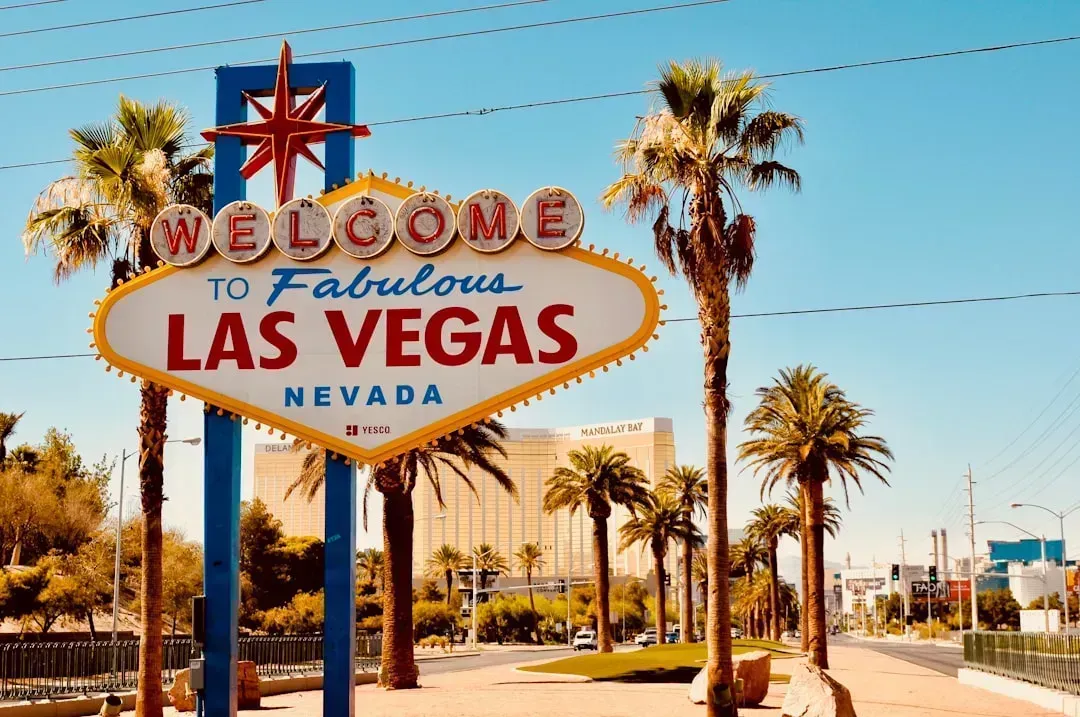
The Colorado River system that Las Vegas relies on for life in the Mojave Desert is nearer to collapse than ever, according to a group of researchers from across the basin, who warn that 2026 could bring a rocky future for the 40 million people whose water is the subject of intense negotiations between seven states. The snowpack numbers heading into 2026 were troubling. Data showed that 2026’s snowpack was far worse than any terrible year on recent record, and Lake Mead, which serves almost 25 million people in cities such as Las Vegas and Los Angeles, along with Lake Powell, could be only about 20% full over the coming months.
Reservoirs that formerly stored four years of river flows are currently more than two-thirds empty, and the report indicates that a single dry year or two could jeopardize hydropower, water deliveries, and even physical conveyance downstream as Lake Powell and Lake Mead fall below critical thresholds. Las Vegas has made real progress through aggressive recycling and turf removal programs, but the math of a shrinking river against a growing population is unforgiving. A planned Horizon Lateral pipeline, which could cost the Southern Nevada Water Authority up to $2 billion, is already in the works as a hedge against the future.
3. Jackson, Mississippi
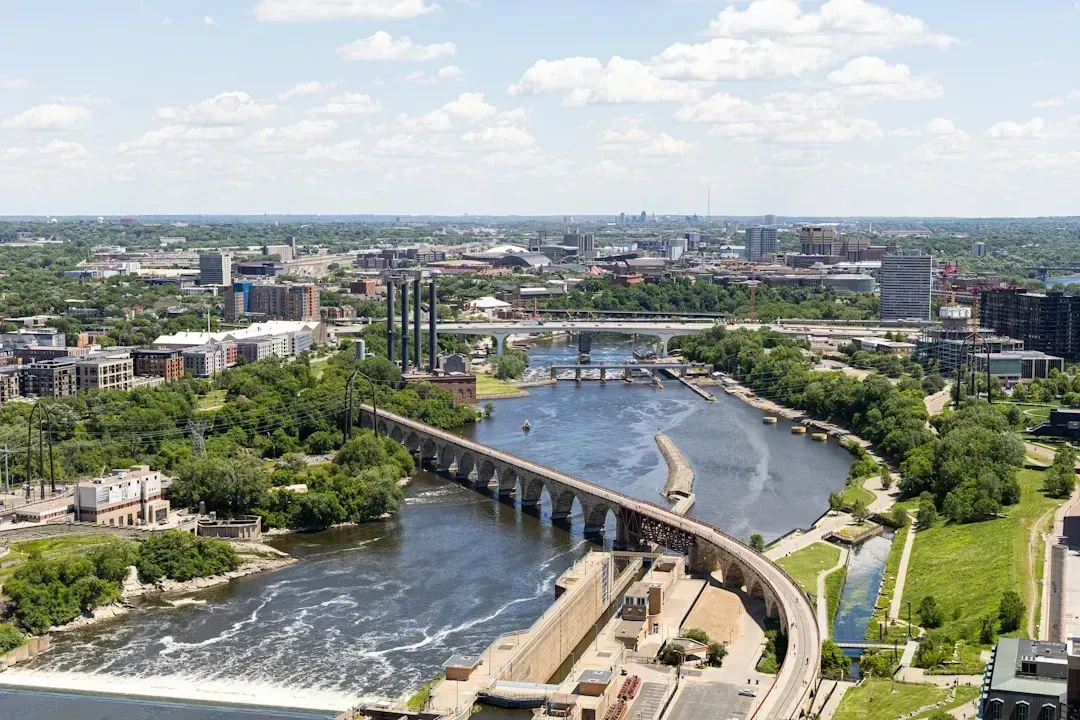
In August 2022, flooding overwhelmed Jackson’s O.B. Curtis Water Treatment Plant, leaving 150,000 residents without safe drinking water for nearly two months, making national headlines. The underlying failures had been building for years. The roots of Jackson’s crisis run deep. The city’s infrastructure had been deteriorating for decades, driven by a combination of population decline, shrinking tax revenue, deferred maintenance, and chronic underinvestment.
Since 2016, more than 750 boil-water notices have been issued. For decades, Jackson city leadership warned Mississippi officials that the capital’s water system was in grave need of repair, yet state legislators blocked or complicated the city’s attempts to seek assistance or raise money through taxes. Progress has been made: by mid-2025, the system achieved compliance with Safe Drinking Water Act requirements, ending a streak of violations stretching back over a decade. Still, water flows again, but the conditions that led to the crisis remain, as the people of Jackson continue to carry the burden of aging infrastructure, rising costs, and unresolved questions about who will control and fund the system.
4. Mathis, Texas
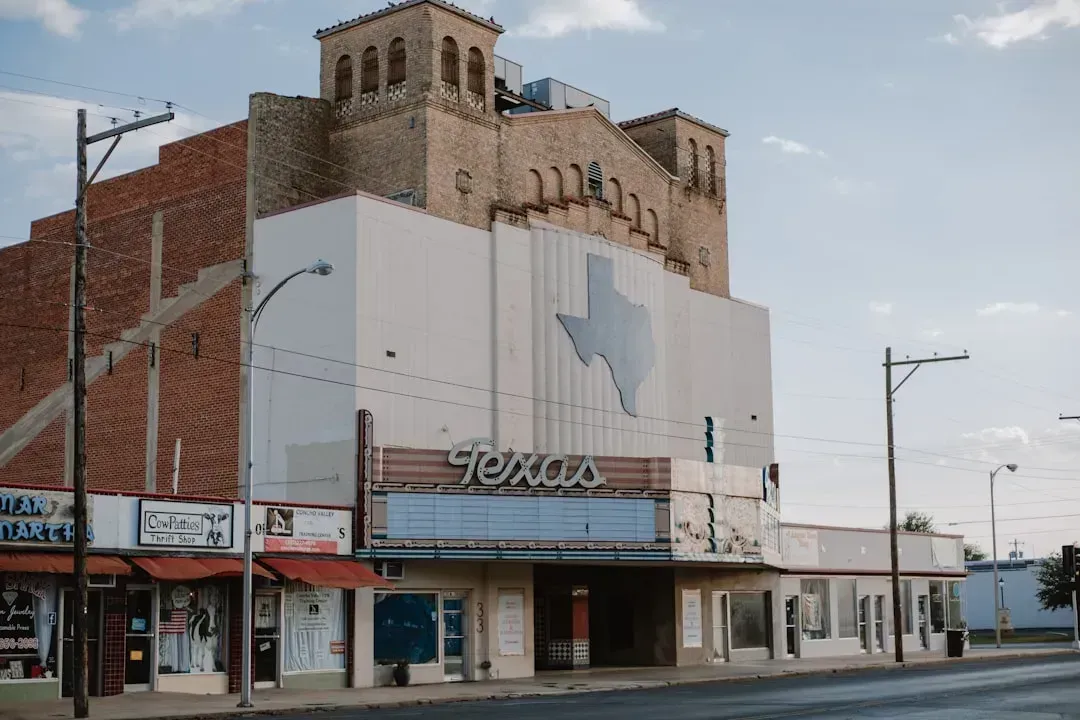
Residents of Mathis, Texas, are facing a threat that is almost elemental: their only water source is drying up. The small town depends on Lake Corpus Christi for drinking water, but prolonged drought has pushed the reservoir to critically low levels. The threat is immediate and specific. Officials warn that the lake’s intake valve could soon be drawing sludge instead of clean water, which would affect not only the quality of the water supply but could also damage the treatment plant itself, prompting a race to find alternative supplies through deep groundwater wells and reclaimed wastewater.
Mathis is a reminder that Day Zero risk is not exclusive to large cities. For the town’s roughly 5,000 residents, the stakes are extraordinarily high, and without swift action, they could face serious water shortages. Small communities often have the fewest backup options and the least political leverage to demand emergency funding, making their exposure more acute than their size might suggest. Some places are overwhelmed by climate change effects or population pressures, while across the board, deferred maintenance, underinvestment, outdated infrastructure, and leadership gaps continue to plague water systems.
5. Los Angeles, California
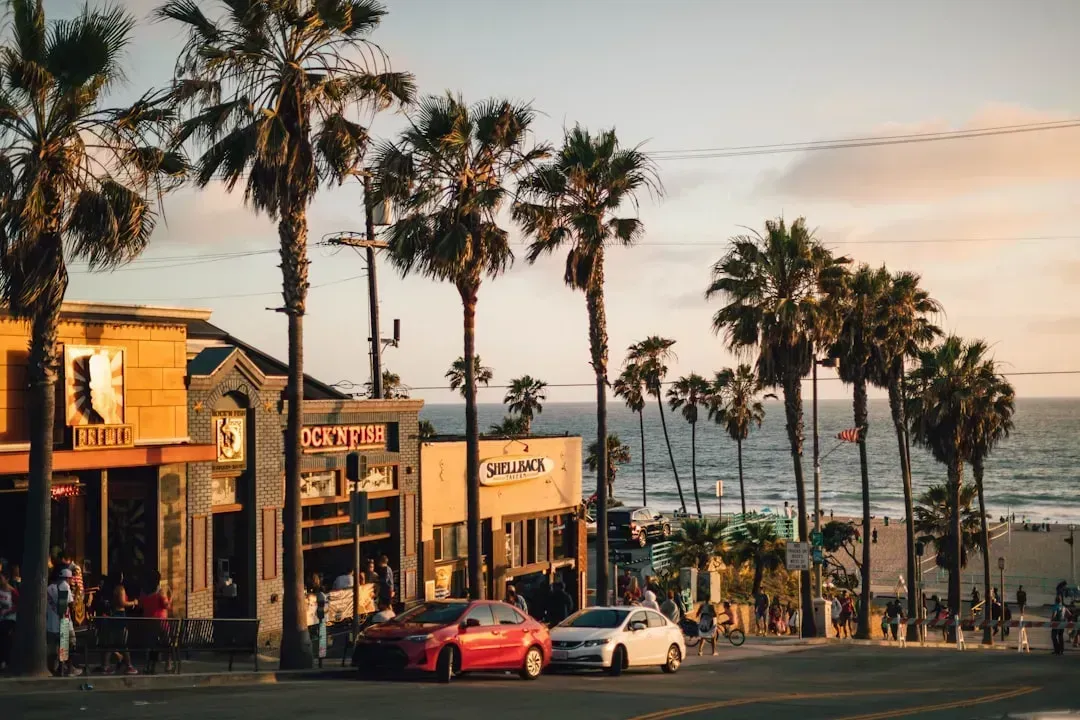
Los Angeles’ reliance on imported water and an aging distribution system became more apparent after the 2025 Palisades fire revealed gaps in emergency water-flow capacity. The city of around 3.88 million people relies heavily on water imported from hundreds of miles away and from the Colorado River, which is running dry from overextraction and climate change. The January 2025 fires made the structural fragility visible. Some fire hydrants in Pacific Palisades ran dry, leaving firefighters without a primary resource, and a water supply reservoir in a Palisades neighborhood was offline due to maintenance when the fires broke out.
Although Los Angeles has better groundwater reserves than many major cities, the city’s large water footprint means that it has to import more than 80% of its freshwater, making it the largest transferer in the world, and it has been ranked as the most likely U.S. city to experience “Day Zero.” The city is investing in water recycling and reclamation, but the long-term goal of scaling up the Hyperion Water Reclamation Plant is a project not expected to be completed until 2056.
6. Miami, Florida
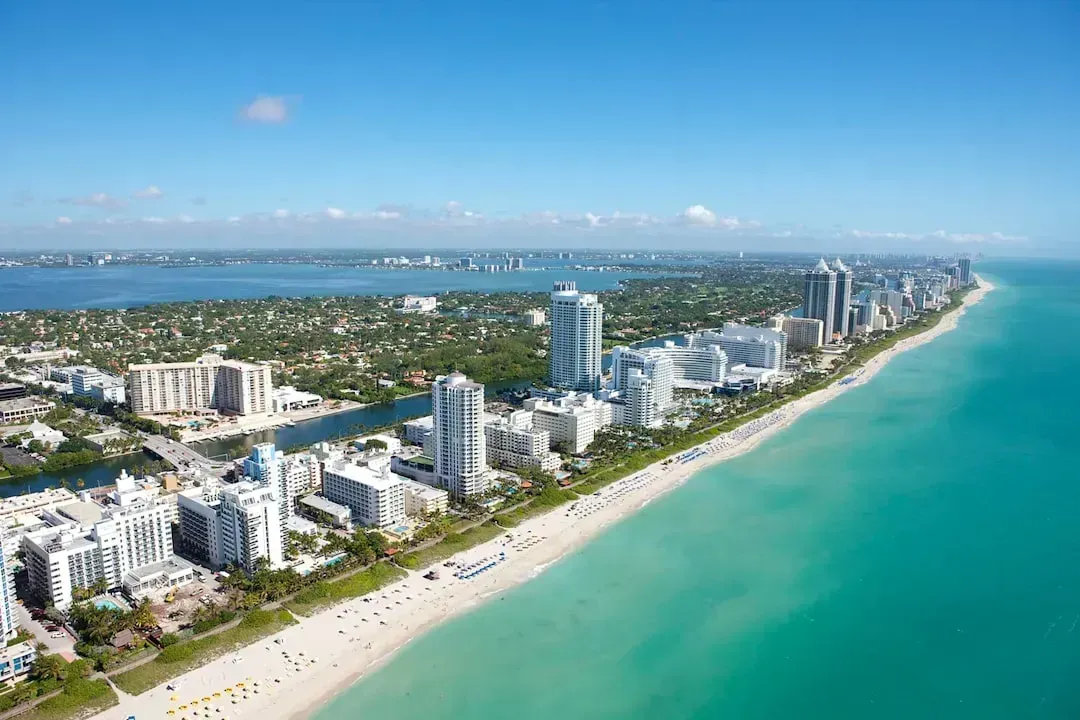
Miami-Dade County has dealt with well abandonment due to saltwater intrusion since as early as 1904, but the problem is accelerating. Once a well becomes contaminated with saltwater, it is generally unusable, and utilities must drill new wells farther inland or invest in expensive desalination. The issue extends throughout South Florida. In Broward County, which includes Fort Lauderdale, the proximity of wellfields to the coast has led to salinized wells that have had to be abandoned, and updated maps from 2024 show the saltwater boundary advancing landward.
Miami’s water challenge is different in character from the desert Southwest. The problem isn’t pure scarcity in the traditional sense, it’s the slow corruption of the supply that already exists. Hallandale Beach, just a few miles north of Miami, had to close six of its eight wells due to saltwater intrusion. As sea levels continue to rise, the saltwater front moves further inland each year, and the margin for error narrows. Coastal South Florida faces saltwater intrusion contaminating drinking water wells, with the problem worsening as sea levels rise.
7. Richmond, Virginia
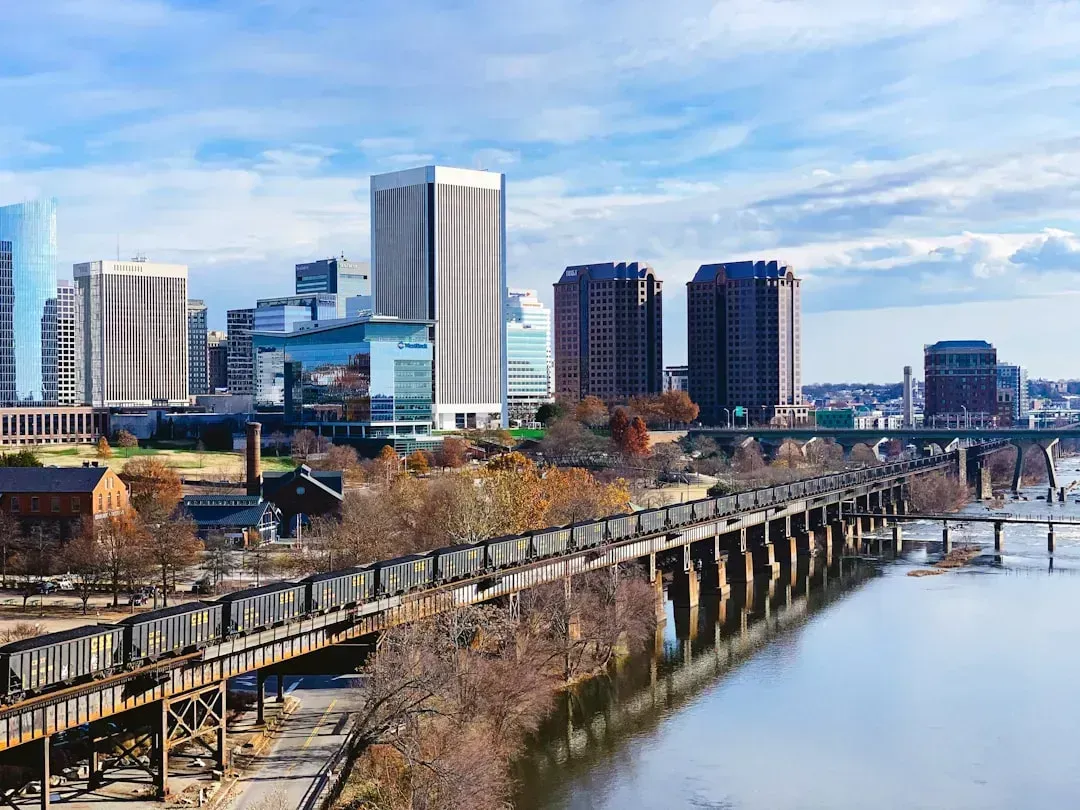
In January 2025, Richmond experienced a major disruption when a power failure knocked out its water treatment plant, triggering a boil-water advisory for several days that left the city’s 230,000 residents, as well as adjacent counties of Hanover and Henrico, without drinkable tap water. According to a report from the Virginia Department of Health, the crisis was “completely avoidable.” The plant had been running in a stripped-down configuration that left it with no redundancy when the single power feed failed. A second boil-water advisory in May 2025 underscored Richmond’s need for long-term infrastructure upgrades after backup systems and filtration equipment failed again.
Richmond’s story illustrates a risk category that rarely gets discussed alongside drought: infrastructure failure in otherwise water-rich cities. Water scarcity is often viewed as an issue for the arid American West, but the experience of cities in the Northeast in 2024 shows how severe disruptions can occur in just about any part of the country, with record-breaking drought conditions affecting the region in the second half of that year. The lesson is straightforward. Across the United States, water scarcity is becoming a growing concern, with factors like drought, overuse, aging infrastructure, and climate change putting pressure on resources that millions depend on every day. For Richmond, the taps did come back on. The question hanging over all seven of these places is whether they will be as fortunate the next time.
