
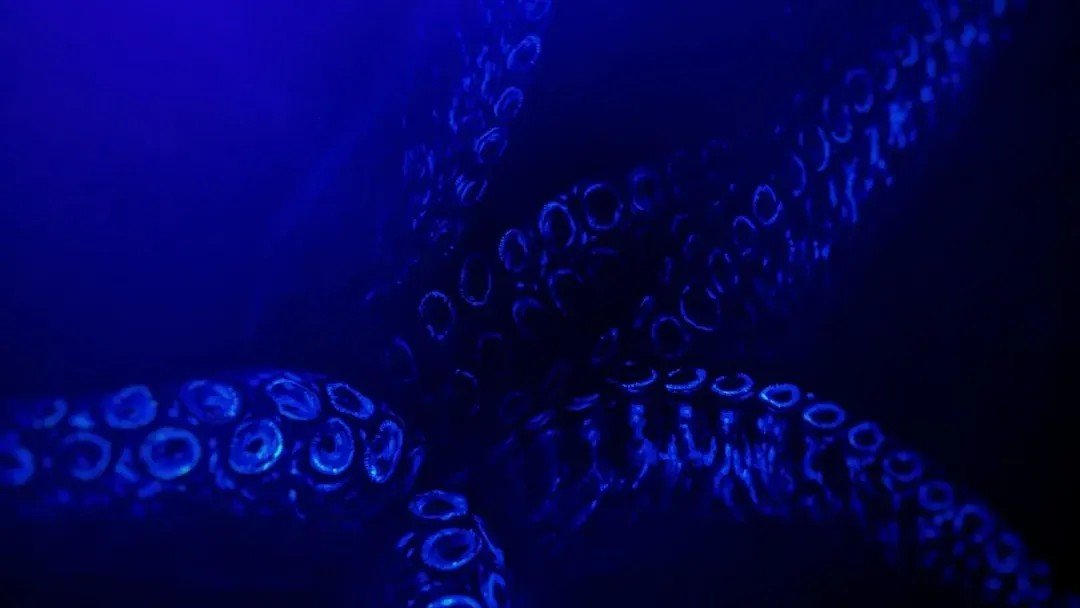
Deep in the Pacific Ocean, nearly a mile and a half below the surface, a creature no bigger than a golf ball was quietly going about its life on the seafloor. Nobody had ever documented it. Nobody had named it. For ten years after it was first filmed, it sat in a kind of taxonomic limbo, waiting for someone to figure out exactly what it was.
Now, scientists have an answer. A mysterious little blue octopus discovered nearly 6,000 feet beneath the waters of the Galápagos Islands has officially been identified as a brand-new species. The announcement landed in the scientific community in late May 2026, and has since captured the attention of marine biologists and casual ocean enthusiasts alike.
A Decade-Long Wait for an Official Name
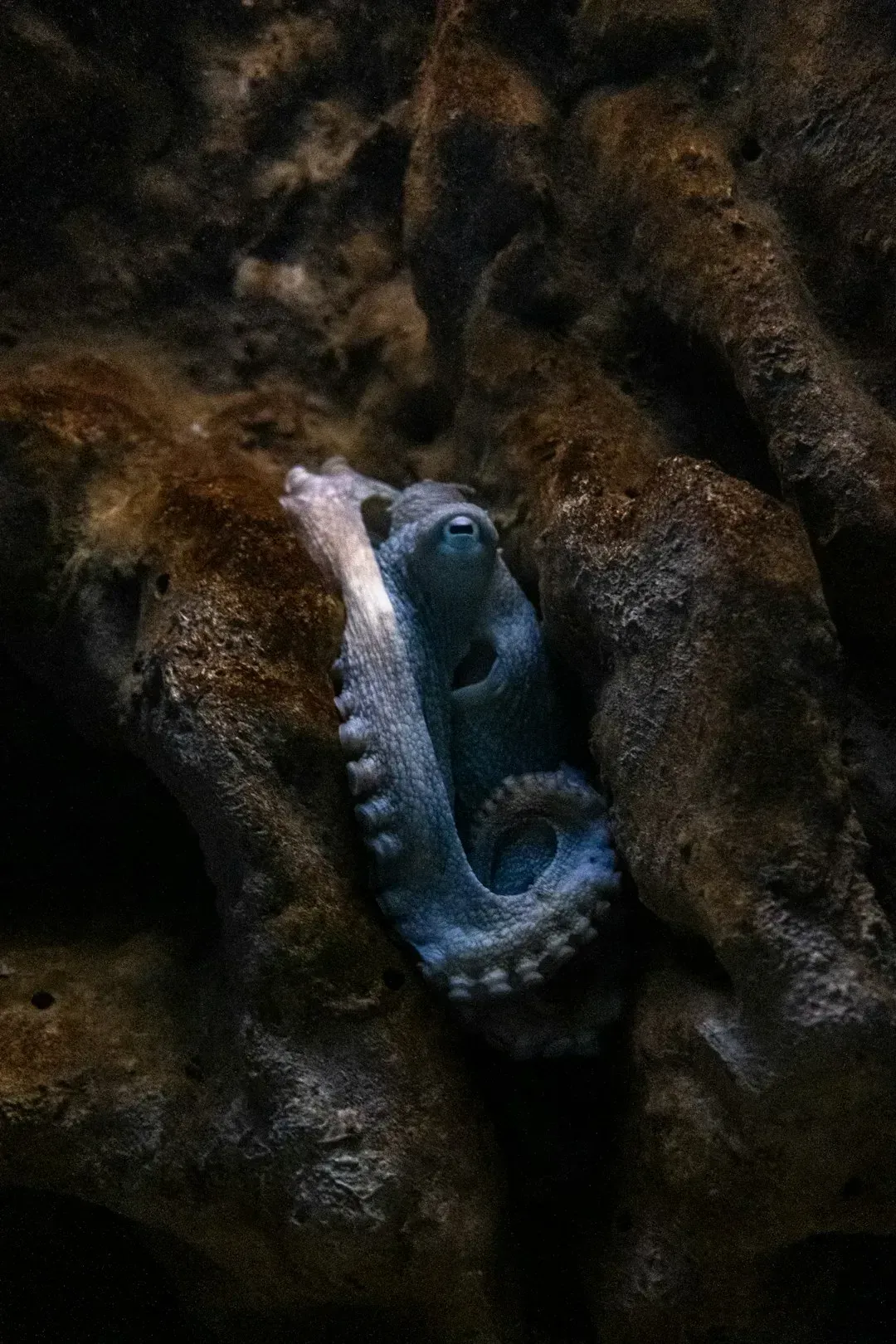
In July 2015, during a 10-day expedition in the Pacific Ocean, researchers onboard the E/V Nautilus launched a robotic sub called Hercules just off the coast of Darwin Island, part of the Galápagos archipelago. On an underwater mountainside some 1,773 meters below the sea’s surface, the team discovered a little blue octopus. They filmed it. They collected one specimen. Then, for years, no one could confidently say what it was.
Paperwork and logistics delayed the research process for the animal, a female cephalopod, though a crew aboard the E/V Nautilus discovered it more than a decade ago in collaboration with the Charles Darwin Foundation and the Galápagos National Park Directorate. The octopus didn’t arrive at the Field Museum in Chicago until 2022. The formal announcement was made in the journal Zootaxa on May 25, 2026, following years of examination of a single female specimen collected during the 2015 expedition.
The Galápagos: A Place Already Famous for the Extraordinary
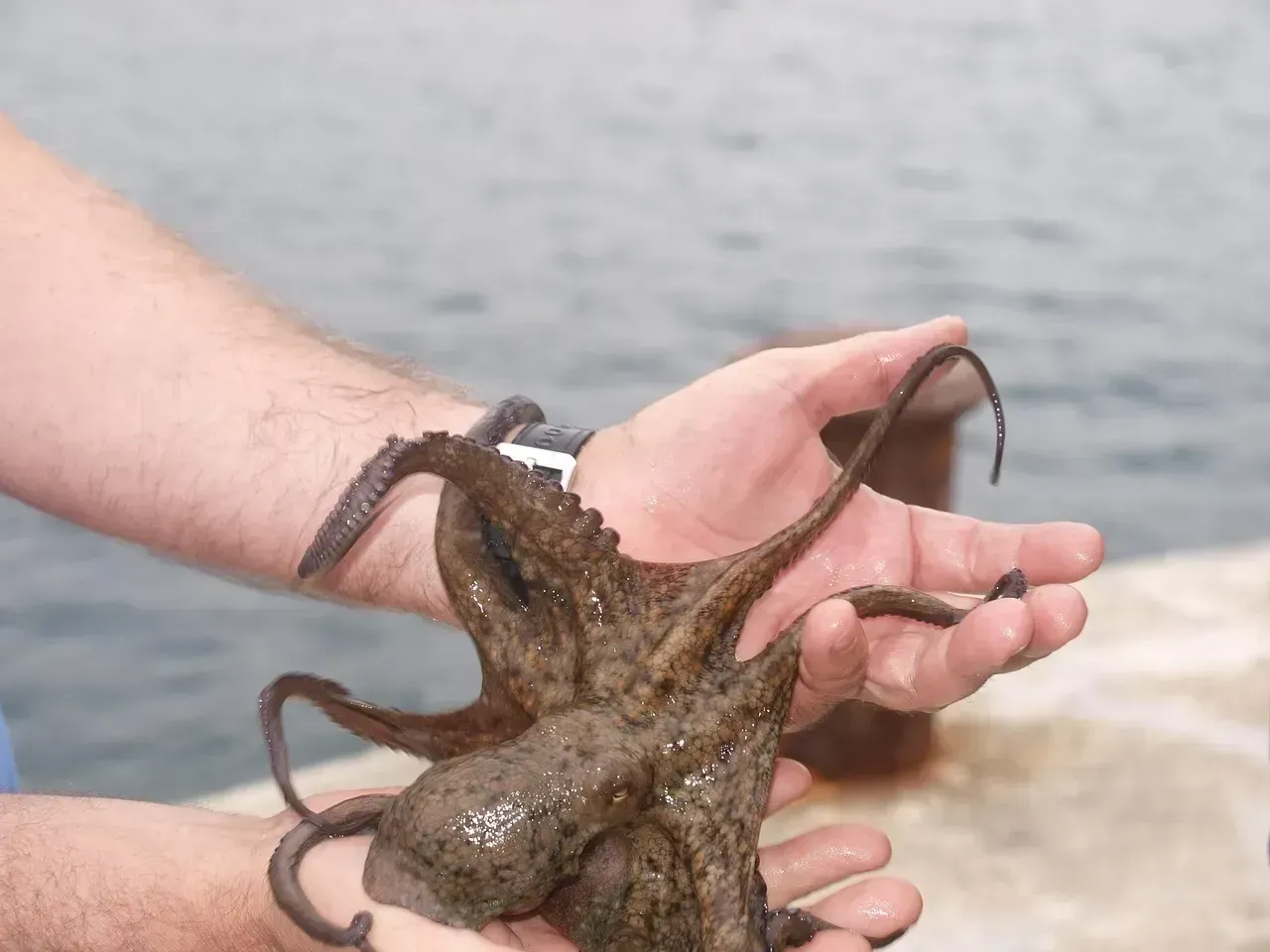
The Galápagos Islands, located off the coast of Ecuador, are famous for their remarkable wildlife. More than a thousand species of plants and animals found there exist nowhere else on Earth, including giant tortoises and marine iguanas. The islands sit at the intersection of multiple ocean currents, making their waters exceptionally rich in nutrients and ecological diversity.
The new species now joins the long list of unique Galápagos animals found nowhere else on Earth. The discovery not only adds to the known biodiversity of the Galápagos Marine Reserve but also prompted researchers to revise the diagnostic criteria for the octopus family to which it belongs. That second point turned out to be just as significant as the discovery itself.
Small Size, Striking Color, Major Implications
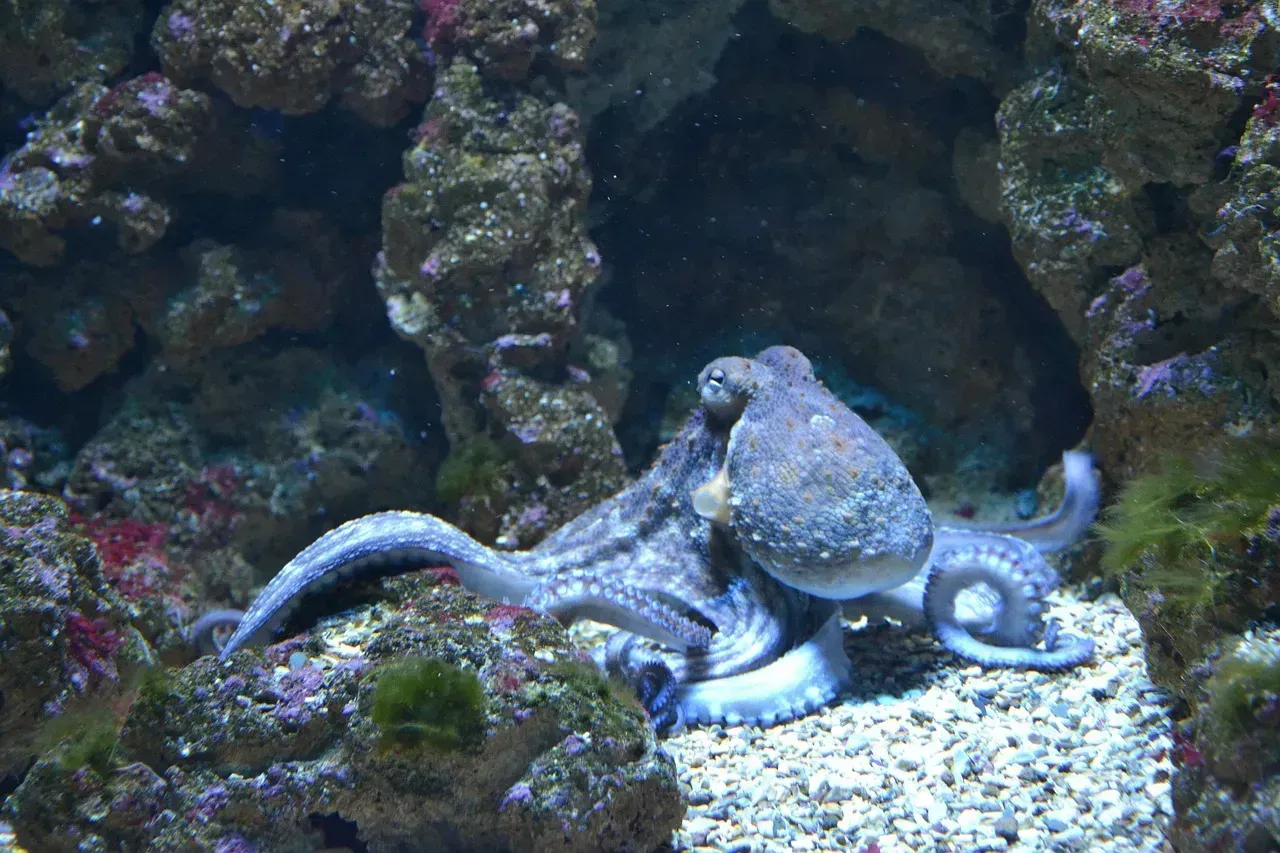
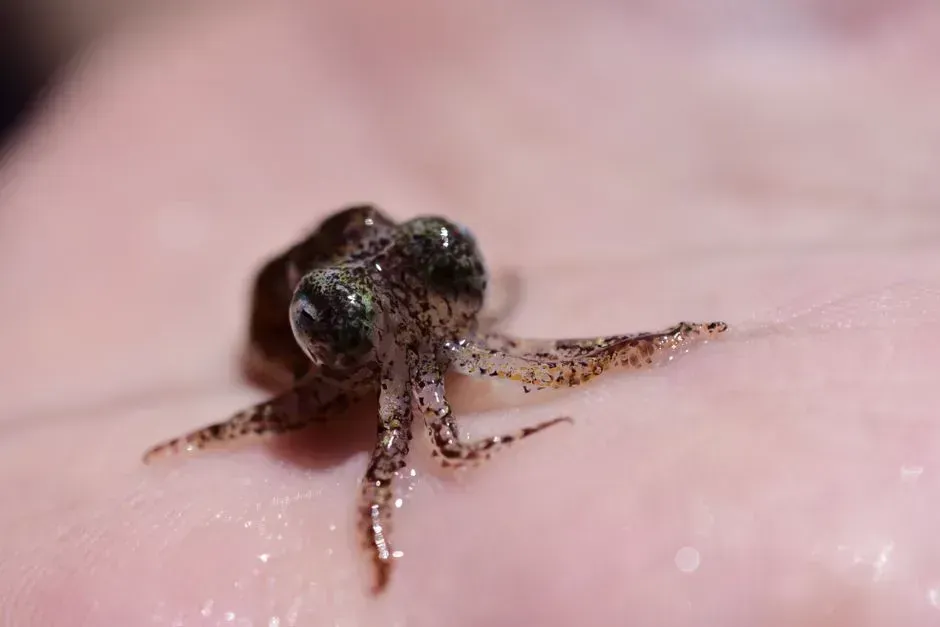
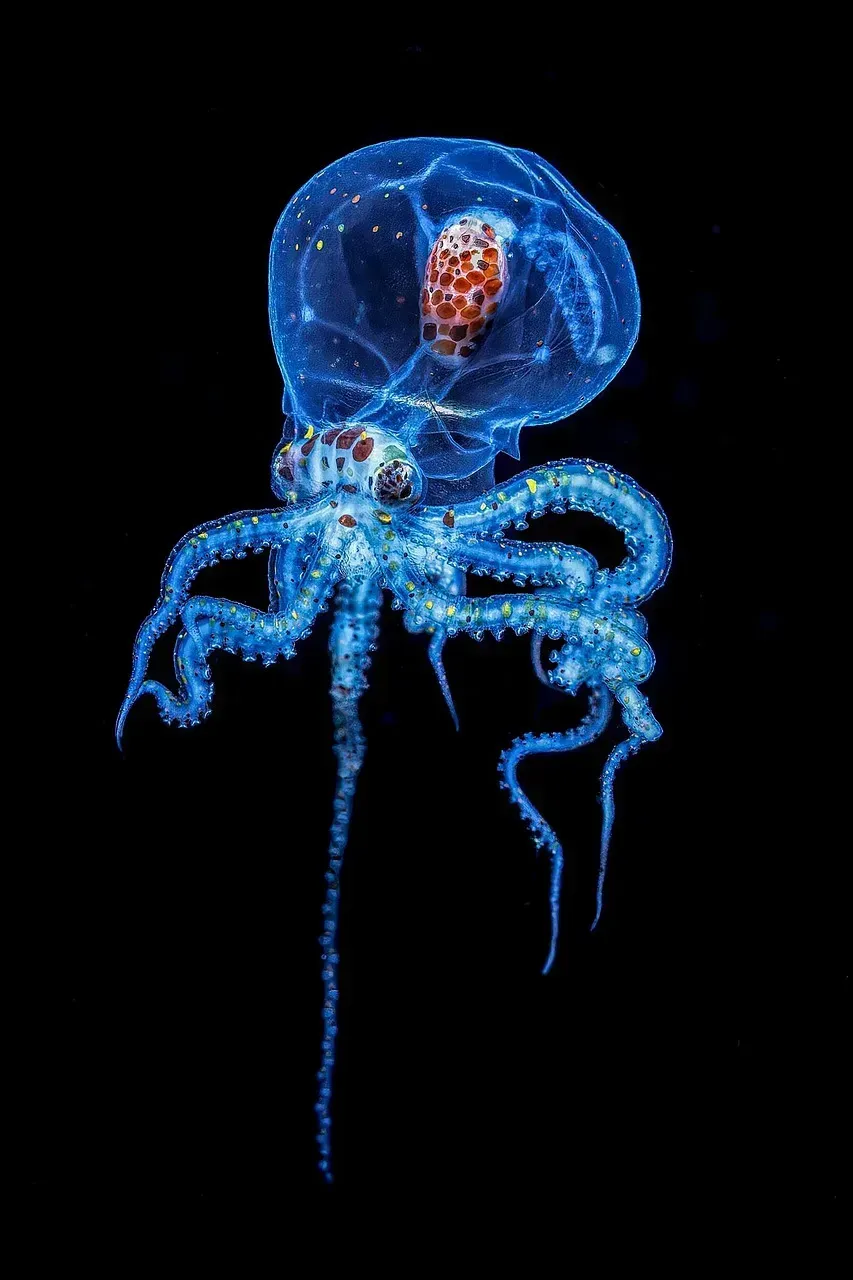
The creature, which sports blue flesh and large eyes, can fit between the bottom of your palm and the first knuckle of your middle finger. The new species, named Microeledone galapagensis, has a blue hue, which is believed to be the rarest color in nature. That alone is enough to make it stand out in a field of mostly pale, translucent, or dark deep-sea animals.
The Megaleledonidae had long been defined as a family of large-bodied octopuses living exclusively in the cold, remote waters of the Southern Ocean surrounding Antarctica. Microeledone galapagensis satisfies neither condition. It is tiny, roughly golf-ball-sized, and it lives in equatorial Pacific waters thousands of miles from the family’s known range. Its stubby arms carry only a single row of suckers, and its skin is smooth where most relatives are textured.
The Puzzle of Classification
Its squat body, short arms, and lack of ink sac suggested that it might belong to the genus of octopuses known as Thaumeledone. Its smooth, pigment-free skin and large central tooth seemed to fit another genus, Microeledone. Yet the only known species of that kind, Microeledone mangoldi, is a pale pinkish color, while this animal had a light blue back and dark purple inner mantle.
The animal’s smooth skin, large rachidian tooth, and large funnel organ distinguished it from closely related genera, while its lack of an ink sac, crop diverticulum, and anal flaps complicated its precise classification within the Megaleledonidae family. Its small size, blue coloration, and equatorial Pacific location all contradict the established definition of the Megaleledonidae family, forcing scientists to revise the family’s diagnostic criteria, the first time a single specimen has compelled a full family reclassification in recent cephalopod taxonomy.
Solving the Mystery Without Destroying the Only Specimen
Scientists only had one specimen of Microeledone galapagensis. Describing a new species of octopus requires examining all its parts, including the mouth, the beak, and the teeth, and to see those things, you typically have to cut the specimen open. With only the one specimen available, lead researcher Janet Voight didn’t want to take it apart. The risk of losing the only known example of an entirely new species was simply too great.
The Field Museum team used micro-computed tomography, CT scanning, to compile thousands of X-ray image slices into a three-dimensional model of the octopus’s internal anatomy. The CT scans revealed Microeledone galapagensis’s internal organs in remarkable detail, from its bipartite stomach to its eggs still nestled inside its body. It was a non-destructive solution that preserved the specimen while still delivering the data needed for a formal species description.
The Unusual Logic Behind the Blue Coloring
Microeledone galapagensis has a purple-colored mantle, but very little pigment on its back. This inverted camouflage is known as “reverse countershading,” which helps to keep animals hidden from predators. Most deep-sea creatures tend to be dark all over, or transparent. This octopus does the opposite, and the reason likely comes down to hunting.
Scientists believe that reverse countershading helps deep-sea animals like Microeledone galapagensis consume bioluminescent creatures without tipping off potential predators to their whereabouts. As Voight explains, if the octopus touches an animal that then starts to glow, it might signal bigger animals to investigate. Its back is a cerulean blue that shades to deep purple on its underside, a coloration lead researcher Janet Voight believes may serve to conceal the light of bioluminescent prey when the octopus spreads its web over them.
The Researcher Who Recognized Something New
In a study published May 24 in the journal Zootaxa, Janet Voight, curator emerita of invertebrates at the Field Museum, identified the octopus as a previously unknown species: Microeledone galapagensis. Voight has spent four decades studying octopus evolution, making this a landmark moment in an already distinguished career.
It’s the first new octopus species that Voight has officially led a team of scientists in describing, in her four-decade career studying octopus evolution, according to the Field Museum. During the same dive in 2015, the researchers spotted two additional octopuses that appeared to be the same species, suggesting their specimen is not a lone wanderer but part of a local population. Nobody knows how many others may exist in the deep waters surrounding the islands.
Where This Fits in the Bigger Picture of Deep-Sea Discovery
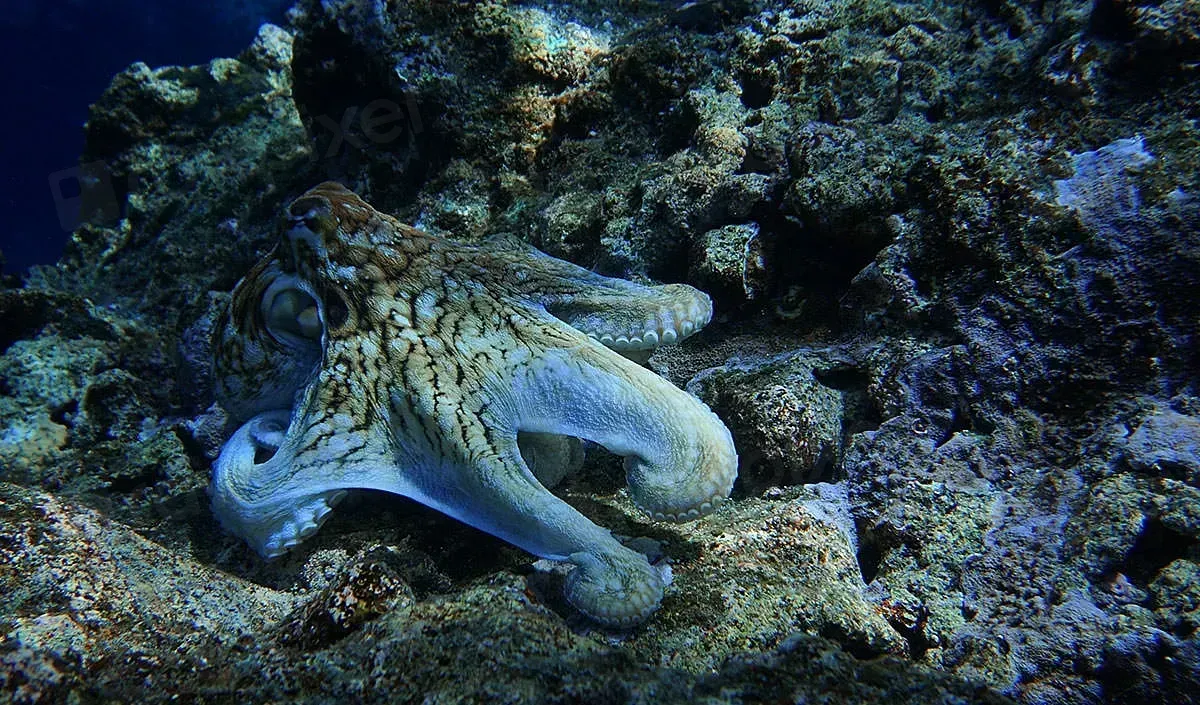
There are around 300 species of octopus worldwide, living in all of the world’s oceans. Microeledone galapagensis joins the four new species of octopus that were discovered in Costa Rica in 2024, all of which are part of the roughly 300-species octopus family living throughout all of the world’s oceans. New octopus species keep turning up, particularly in places that haven’t been carefully surveyed.
In just one year, between April 1, 2025 and March 31, 2026, experts discovered more than 1,100 new species in the ocean’s depths, including a worm that lives inside glass sponges on an underwater mountain in Japan and a spookily named ‘ghost shark.’ It is not uncommon to find new species of octopus in the deep sea, particularly in areas that have not been well explored, which accounts for a massive amount of the ocean floor. The ocean is genuinely vast in ways that are hard to fully comprehend.
What a Single Specimen Can Tell Science
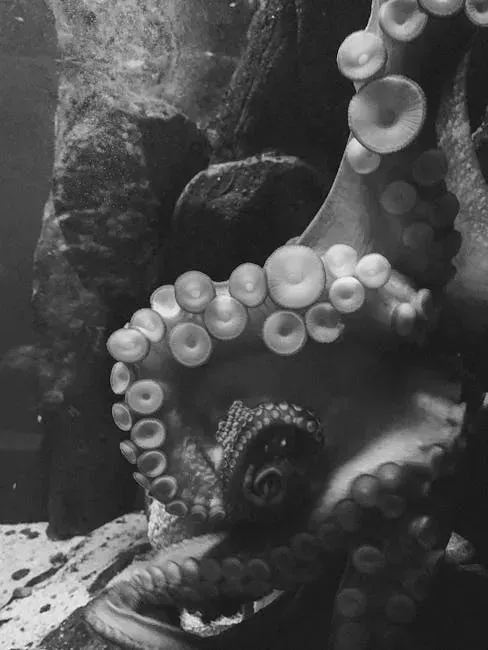
Micro-CT produces high-resolution 3D images of internal anatomy without cutting into the animals, letting researchers examine organs, beaks, and muscle structure while keeping rare specimens intact. The scans revealed internal characters crucial for octopus taxonomy, including arrangement of digestive and reproductive organs, mouthpart shapes, and other markers. Combined with ROV footage and preserved specimen observations, the internal data provided consistent evidence that the animals represent a distinct species.
Building knowledge about where unique deep-sea creatures are found can tell experts which parts of the ocean should be protected. Knowing what species are out there, or down there in this case, lets scientists know what is special. Scientists say this discovery is a stark reminder of the hidden ecosystems still waiting to be discovered in the uncharted depths of our oceans. A single golf-ball-sized creature, glowing faint blue in the dark, quietly rewriting the rules of its entire family tree.

- The Shoreline Sucked Dry in Seconds – 5 Tsunami Signals Beachgoers Mistake for Low Tide - November 14, 2026
- 9 Dark-Sky Destinations Around the World Where the Stars Look Unreal - November 14, 2026
- The Fault Line That Never Slips – 7 Locked Seismic Zones Overdue for a Massive Release - November 14, 2026
