
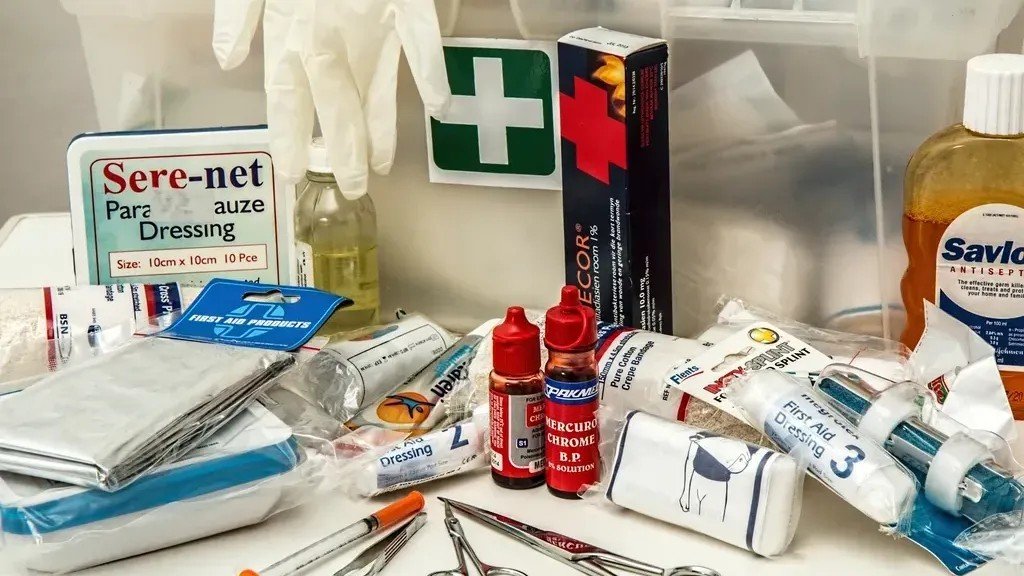
Disasters don’t discriminate between the cautious and the careless, but the outcomes often do. Whether it’s a hurricane bearing down on the Gulf Coast, a fast-moving wildfire in the West, or a catastrophic flood somewhere in between, the gap between households that survive and those that suffer severe losses is frequently not about luck. It tends to come down to a handful of deeply ingrained behaviors that families repeat, year after year, without ever realizing the risk they’re carrying.
FEMA conducts its annual National Household Survey to track progress in personal disaster preparedness, and what that data reveals is both illuminating and sobering. The same patterns of avoidance, overconfidence, and inaction keep surfacing across different demographics and regions. Below are eight household behaviors that emergency management professionals consistently identify as the ones that turn bad situations into catastrophic ones.
Skipping the Household Emergency Plan Entirely
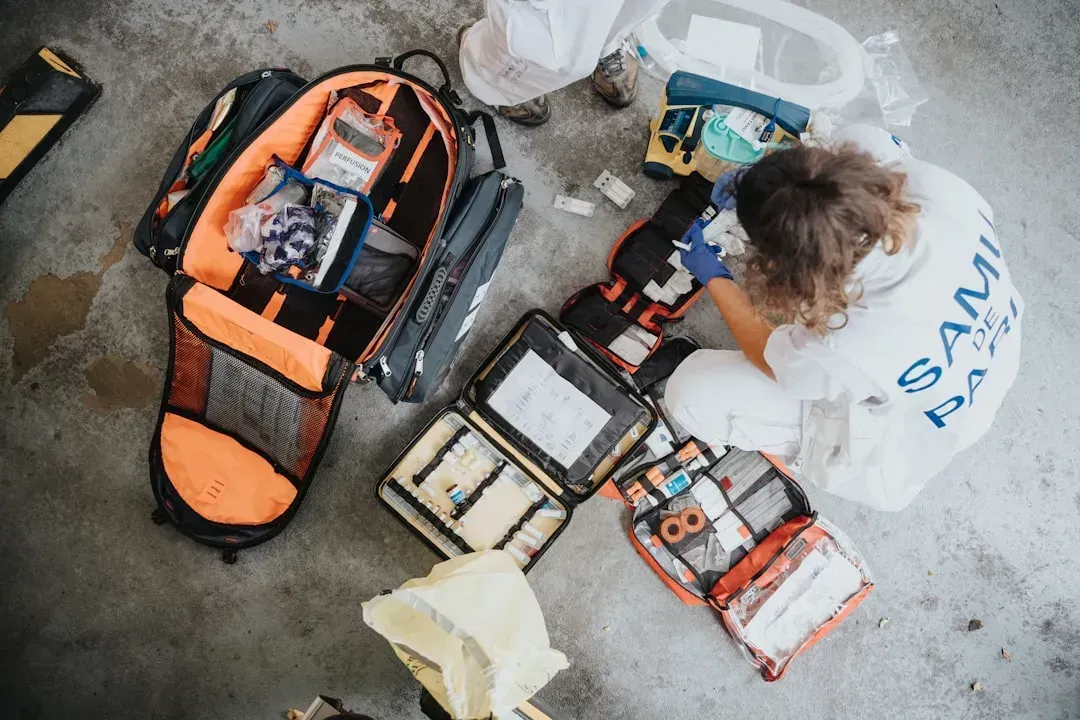
According to national survey data from FEMA, fewer than 40 percent of Americans have created a household emergency plan and actually discussed it with household members. That means the majority of families are heading into a potential crisis without any shared understanding of what to do, where to go, or how to find each other. The absence of a plan isn’t just an oversight. In high-stress, fast-moving situations, it becomes a direct threat to survival.
A national survey from Columbia University found that nearly two-thirds of respondent households reported having no disaster plans or having plans that are not adequate. A written and practiced plan, even a simple one, dramatically changes how quickly a household can act when every minute counts. The difference between a family that reunites within an hour and one that spends days searching for each other often starts right here.
Refusing to Evacuate When Ordered
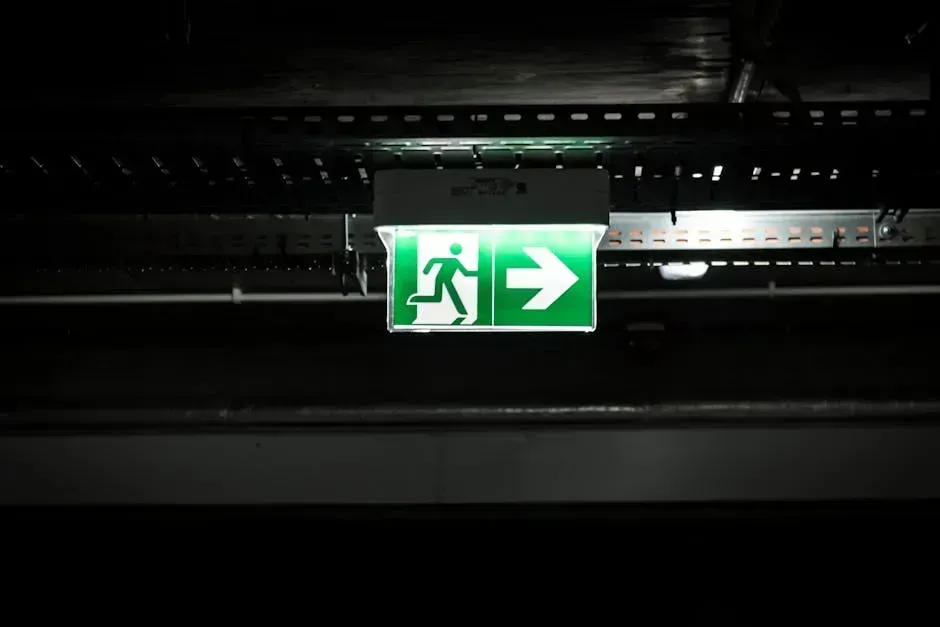
Choosing not to evacuate when ordered to do so can have severe consequences, including injury or death, exposure to hazardous conditions, and delayed rescue. Evacuation orders are issued for your safety. Despite this, a significant portion of households stay put every single time a major storm or fire event occurs, often with devastating results.
Research done by FEMA expert Dr. Stacy Willett identified six major reasons why people ignore mandatory evacuation notices: age, gender, previous experience, cost, pets, and the influence of others. Families on the fence about evacuating can also be swayed by personal experience, where overzealous evacuation orders in the past can lead a family to choose to wait out the storm. That gamble, however reasonable it may feel in the moment, is exactly the kind of thinking that leads to the most preventable deaths.
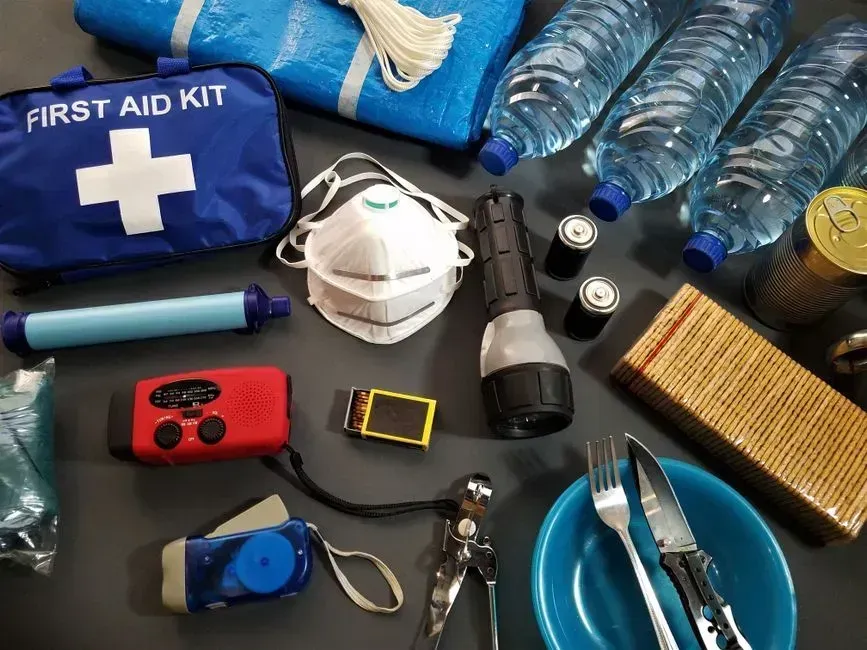
Having No Emergency Supply Kit
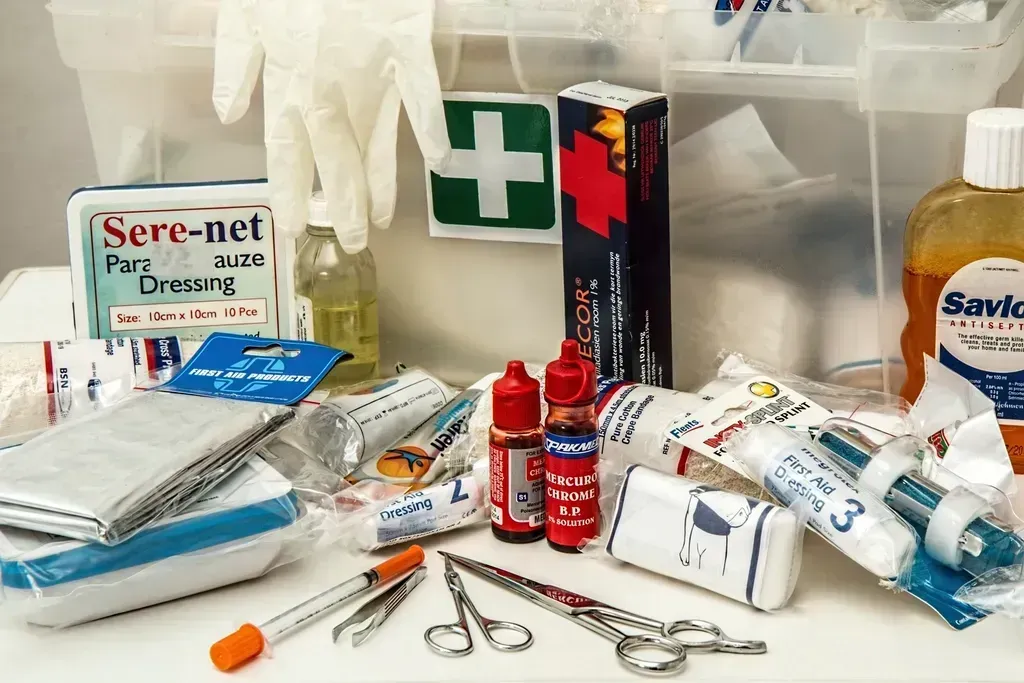
Just five percent of homes report having a fully stocked emergency supply kit, and twenty percent have none of the recommended supplies at all. This means that when a disaster strikes and the grocery stores are closed, the power is out, and roads are impassable, a large portion of American households are relying on nothing but whatever happens to be in the kitchen cupboard at that moment.
In the immediate aftermath of a disaster, household members may experience lack of support services and isolation from one another, which is precisely why a common recommendation is to promote preparedness through an emergency supply kit. While most respondents in a national study believed that an emergency supply kit would help their chance of survival, only about a third actually have one. Good intentions don’t keep the lights on or the water clean when infrastructure fails.
Overestimating Personal Readiness
FEMA’s 2023 National Household Survey found that 51 percent of adults believed they were prepared for a disaster. That sounds relatively positive until you put it alongside actual preparedness behaviors, which consistently tell a very different story. Believing you are ready and actually being ready are two entirely separate things, and the gap between them is where tragedy tends to live.
Only about one in four Americans feel “very” or “extremely” confident they know what to do in a major disaster. That’s a significant drop when confidence is tested against specific scenarios rather than general self-assessment. Households that confuse vague optimism with genuine preparedness tend to be the ones that freeze at critical moments or make decisions under pressure that they haven’t thought through in advance.
Ignoring Local Hazard Awareness
According to FEMA national survey data, less than half of Americans are even familiar with local hazards in their area. This matters enormously. A household that doesn’t know it lives in a flood plain, near a wildfire-prone zone, or within range of a chemical facility is a household that can’t prepare appropriately. Hazard awareness is the foundation upon which every other preparedness behavior is built.
The nation faces persistent challenges in an evolving threat and hazard landscape, and awareness of these challenges mitigates risks, lessens vulnerabilities, and drives all levels of government to strategically direct investments to build resilience. That principle applies just as directly to individual households. Knowing what’s coming, at least in broad terms, is the single most important first step any family can take.
Failing to Account for Vulnerable Household Members
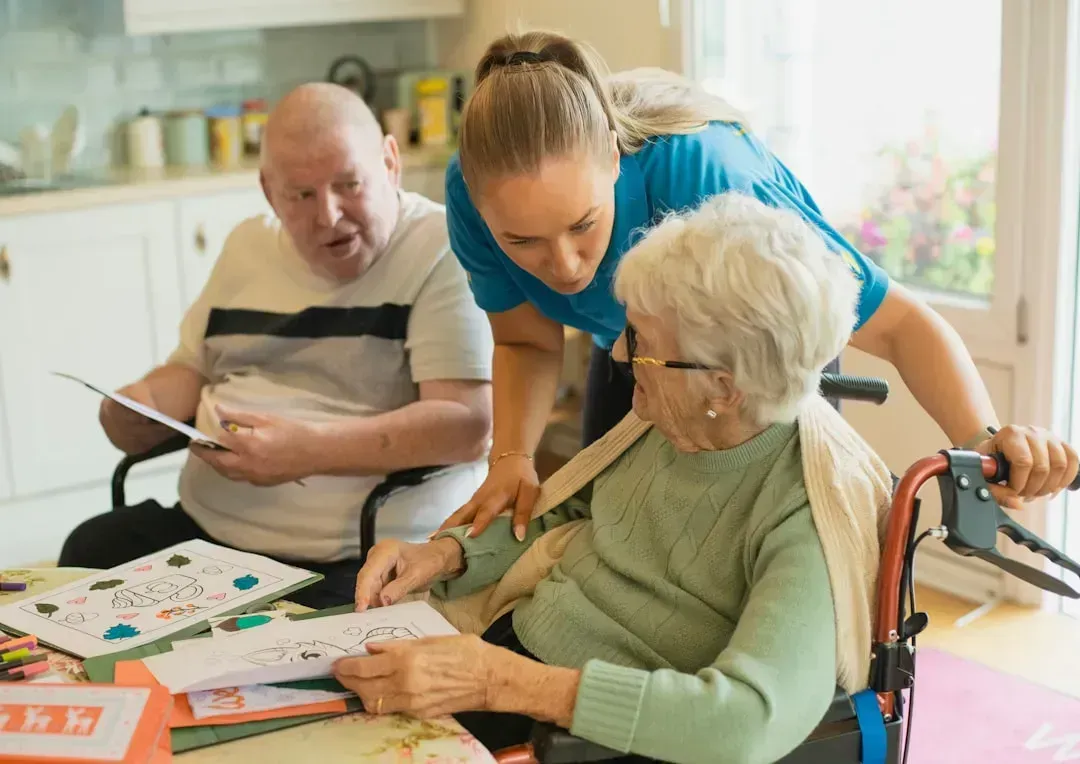
Older adults are more vulnerable during disasters due to mobility, cognitive, and functional needs. There is a documented disconnect between the older adult population’s perception of preparedness and their actual preparedness actions, and FEMA’s survey results found a specific lack of planning for disasters, evacuation preparation, and family communication among this group. When a household plan doesn’t account for someone who moves slowly, takes daily medications, or struggles with communication, that person becomes the weak link at the worst possible moment.
Older residents are more likely to ignore warnings due to ingrained habits, medical and mobility restrictions, and attachment to irreplaceable records, photos, and other heirlooms. Households with elderly parents, young children, or members with disabilities need to plan specifically and concretely for those individuals, not just assume that a general plan will somehow accommodate everyone. Treating all family members as interchangeable in a disaster plan is a quiet but serious mistake.
Relying on First Responders Instead of Self-Sufficiency
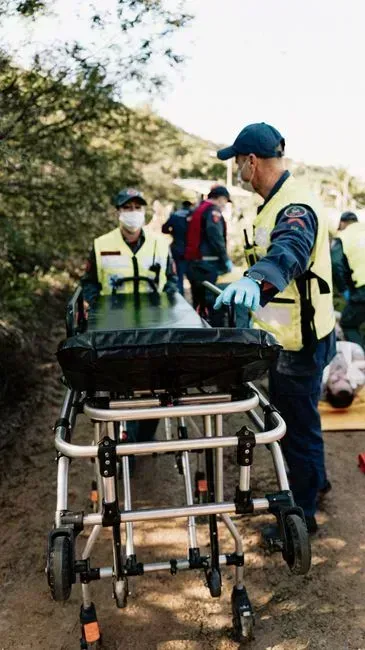
A key element to successfully responding to and recovering from a major disaster is the overall preparedness of individual citizens, families, and the community. Yet a significant portion of households operate on the assumption that help will arrive quickly. In a large-scale or widespread disaster, that assumption can prove fatal. First responders are stretched thin during major events, and the households most likely to survive those first critical hours are the ones that weren’t waiting passively for rescue.
As hurricane seasons and concurrent wildfire seasons grow more demanding, reports suggest that FEMA’s waning capacity to respond to disasters may pose significant risks to public health infrastructure. FEMA provides individual assistance through temporary housing support, home repair funds, and financial aid for essential needs, but that assistance comes in the recovery phase, not in the immediate hours after impact. Building a household culture of self-sufficiency during those first 72 hours is something emergency professionals have emphasized for years, largely because they’ve witnessed firsthand what happens when families don’t.
Neglecting Financial and Documentation Preparedness
The United States experienced 27 billion-dollar natural disasters in 2024, including hurricanes, tornadoes, wildfires, and flooding. Despite this, many households have made no effort to safeguard critical documents, maintain accessible emergency funds, or review their insurance coverage before a disaster strikes. The physical danger may pass in hours, but the financial devastation of being unprepared can last for years.
Securing protection has become increasingly challenging, leaving many households vulnerable. As storms and fires have become more frequent and costly, disaster insurance has become prohibitively expensive or even unavailable outside insurers of last resort. Households that wait until after a declared disaster to think about insurance, document storage, or emergency cash have already lost a critical window. Waterproof document storage, digital backups of important records, and a basic emergency fund are all steps that cost relatively little before a disaster and are completely irreplaceable after one.

- The Shoreline Sucked Dry in Seconds – 5 Tsunami Signals Beachgoers Mistake for Low Tide - November 14, 2026
- 9 Dark-Sky Destinations Around the World Where the Stars Look Unreal - November 14, 2026
- The Fault Line That Never Slips – 7 Locked Seismic Zones Overdue for a Massive Release - November 14, 2026
