

There’s a version of ourselves that most of us carry around, one who brings a tote bag to every grocery run, sorts every piece of trash flawlessly, and never touches a fast fashion website. In surveys, that version shows up reliably. In real life, considerably less so.
The gap between environmental intention and actual behavior is one of the more well-documented phenomena in consumer research. Meaningful shifts in consumption habits are essential to mitigate climate change, yet despite climate urgency and growing consumer concerns, the widespread adoption of sustainable behaviors remains elusive. Here are seven eco habits that people genuinely believe they follow, but often don’t.
1. Bringing Reusable Bags Every Single Time

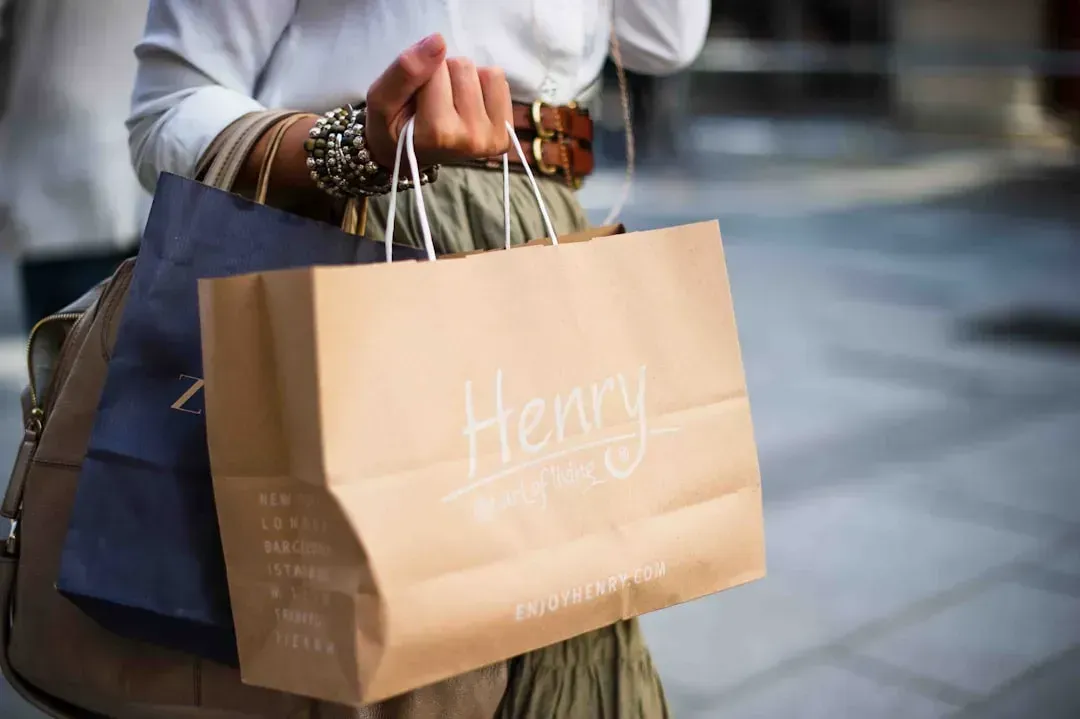
The reusable bag is practically a symbol of eco-consciousness at this point. It sits on the kitchen counter, hangs by the door, and earns genuine good intentions. The trouble is getting it from there to the checkout lane, consistently, every time.
Despite increasing environmental awareness, the positive attitude of consumers toward using reusable bags instead of plastic bags is difficult to translate into actual behavior. Reusable bag consumption behavior is the result of multiple pathways working together, which is what causes the gap between attitudes and behaviors. The habit sounds simple until you’re running late, the bags are in the other car, and there’s a single-use plastic bag right there at the register.
2. Recycling Correctly
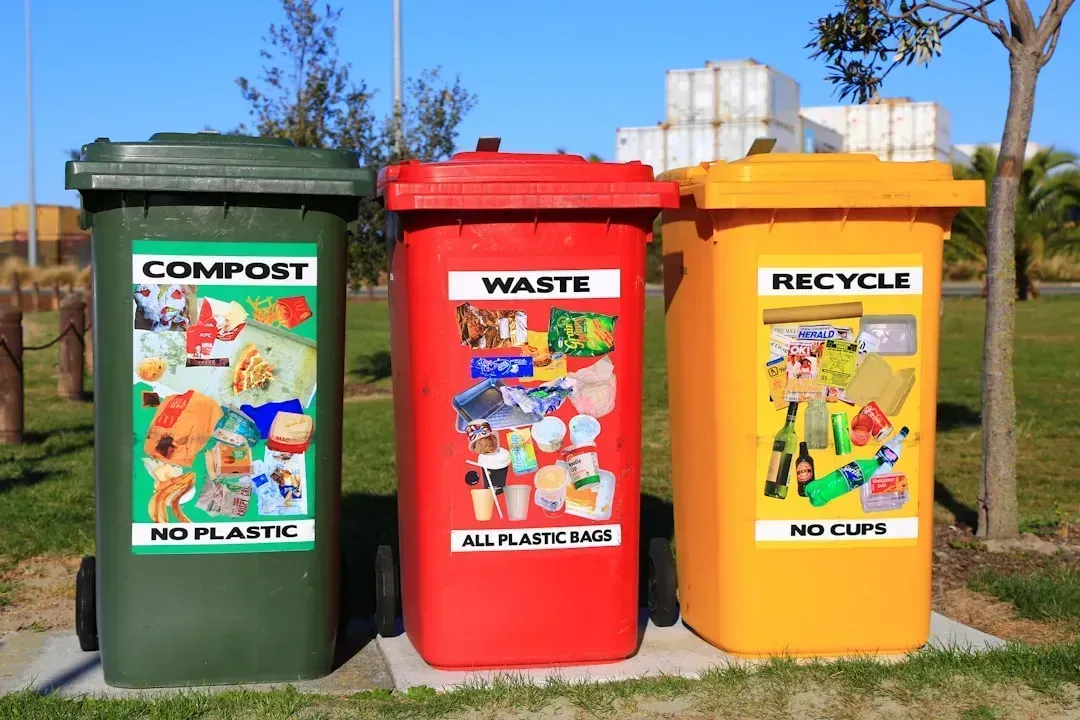
Most households recycle something. Far fewer recycle correctly. The real challenge isn’t willingness, it’s the persistent confusion about what actually goes in the bin, and what contaminates an entire batch.
Research has consistently shown that people want to recycle and understand its importance, but they lack the confidence to do so and are confused about the latest recycling rules. Even where people have access to recycling, roughly half of recyclables are lost because of engagement issues. Global plastic recycling rates have yet to reach double digits as of 2024, which says something significant about the distance between intent and follow-through on a global scale.
3. Avoiding Fast Fashion

Concern about fast fashion is widespread and genuinely felt. The numbers behind the shopping behavior, though, tell a different story. The attitude-behavior gap in clothing consumption is one of the most persistent disconnects in the entire sustainability space.
Reports suggest that roughly three quarters of Gen Z shoppers want brands with positive social and environmental impacts, yet around six in ten buy from fast-fashion platforms monthly, underscoring a pronounced attitude-behavior gap. Researchers state there is increasingly a gap between the intention and behavior to purchase sustainable clothing, and most consumers still lack insight into this gap. Although they hold pro-environmental attitudes, they do not translate those attitudes into sustainable actions. Price and convenience keep pulling in one direction regardless of stated values.
4. Reducing Food Waste Consistently
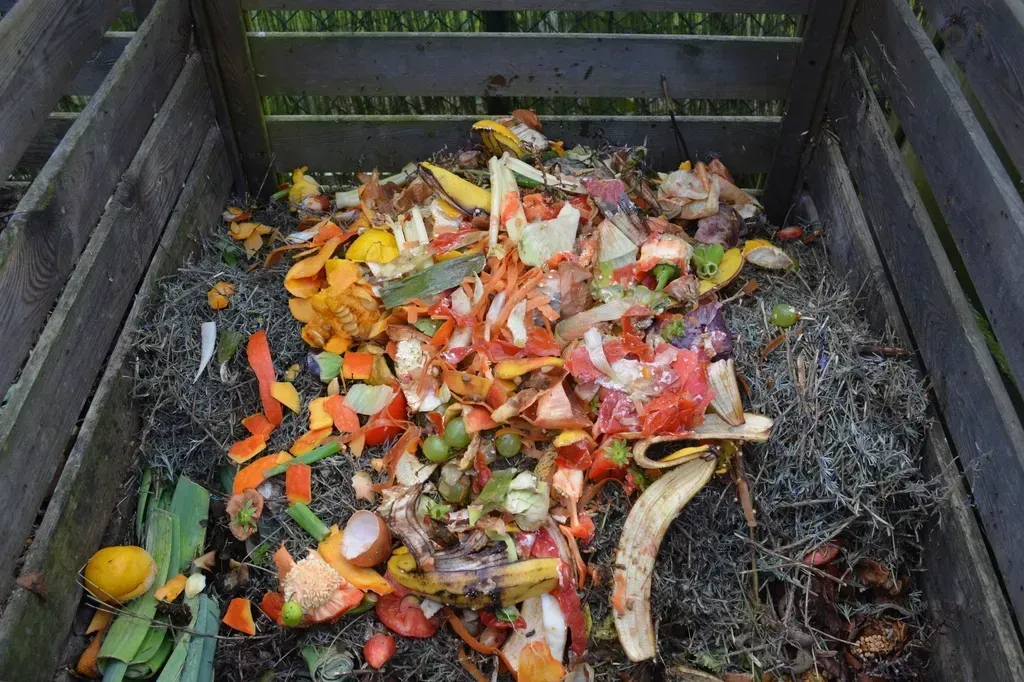
Most people genuinely dislike wasting food. They plan to use the leftovers, they mean to finish the vegetables before they go soft, and they intend to actually cook the meal they shopped for on Sunday. Good intentions are common. Consistent follow-through is much harder.
According to UNEP’s 2024 Food Waste Index, the world wasted over one billion metric tons of food in 2022, amounting to roughly one-fifth of all food available to consumers at retail, food service, and household levels. Young consumers are often described as innovative and concerned about the environment. However, their practices sometimes are not strong enough, which is described as the attitude-behavior gap and is seen in significant amounts of food waste. Food waste is a critical problem in the U.S. and globally, and most household food waste is landfilled, with just a small proportion composted.
5. Composting Regularly

Composting is the kind of habit that sounds very achievable when described and very inconvenient when it’s a rainy evening and the compost bin is outside. It demands consistency, infrastructure, and a tolerance for the occasional mess. Those three things don’t always overlap.
According to Eurostat data, the European Union generated 511 kilograms of municipal waste per capita in 2023, of which only roughly 17 and a half percent was composted. Only about two in five Canadians and French respondents, among the highest globally, report having organic waste composting on their minds. In the United States the numbers are considerably lower still, and access to municipal composting programs remains unevenly distributed across urban and rural areas.
6. Genuinely Reducing Single-Use Plastic

Pledging to cut plastic is easy. Actually eliminating it from daily life, given how deeply embedded single-use packaging is in modern retail and food systems, is a different challenge entirely. Most people reduce their plastic use partially, not systematically.
Only about nine percent of all plastic ever produced has been recycled. A landmark OECD report confirmed that of the roughly 8.3 billion tonnes produced since the 1950s, nine percent was recycled, twelve percent was incinerated, and 79 percent accumulated in landfills or the natural environment. Data shows that just over six in ten Hong Kongers are the most likely globally to plan reducing single-use plastic consumption, while Americans are the least likely, at roughly one in four. The infrastructure simply isn’t built around making plastic avoidance the path of least resistance for most consumers.
7. Choosing Sustainable Products Over Conventional Ones
Surveys consistently show high interest in eco-friendly products. Actual purchasing behavior, especially when prices diverge, tells a more complicated story. The gap between stated preference and checkout basket is real, measurable, and well-documented.
Roughly half of American consumers have declined to purchase an eco-friendly product specifically because of the cost. Despite good intentions and high demand, consumers face persistent barriers to sustainable living and shopping. They routinely encounter confusing product claims, limited availability, and high price tags, and too often the quality or performance of sustainable options disappoints. Recent global data reveal that only about half of consumers believe their individual behavior can have a positive impact on the environment at all. That sense of limited efficacy makes the mental trade-off feel less worth it, even when the intention is sincere.
The honest truth is that the gap between caring about the environment and consistently acting on that care is not simply a character flaw. It’s shaped by infrastructure, pricing, habit formation, confusing information, and the sheer friction built into more sustainable choices. Consumer concern for environmental sustainability has softened somewhat in recent years, dropping noticeably between 2023 and 2025, though four out of five consumers still report being engaged on the environment. Awareness clearly isn’t the problem. The systems that make eco habits genuinely easy, on the other hand, still have a long way to go.

- The Shoreline Sucked Dry in Seconds – 5 Tsunami Signals Beachgoers Mistake for Low Tide - November 14, 2026
- 9 Dark-Sky Destinations Around the World Where the Stars Look Unreal - November 14, 2026
- The Fault Line That Never Slips – 7 Locked Seismic Zones Overdue for a Massive Release - November 14, 2026
