

Building an emergency kit feels like a responsible, straightforward task. You gather food, water, a first aid kit, some fuel for the generator, cleaning supplies, and medications, then stack it all neatly in the garage or a spare corner of the basement. Done. Prepared. Except, in many cases, that single storage spot is quietly creating a set of risks that could make a bad situation significantly worse.
The problem isn’t what families store – it’s how they store it together. Certain everyday emergency supplies are genuinely incompatible with each other, and the danger isn’t always obvious until something spills, leaks, or off-gasses in a closed space. Here are six combinations that safety authorities and preparedness experts consistently flag as problematic.
1. Gasoline and Food Supplies
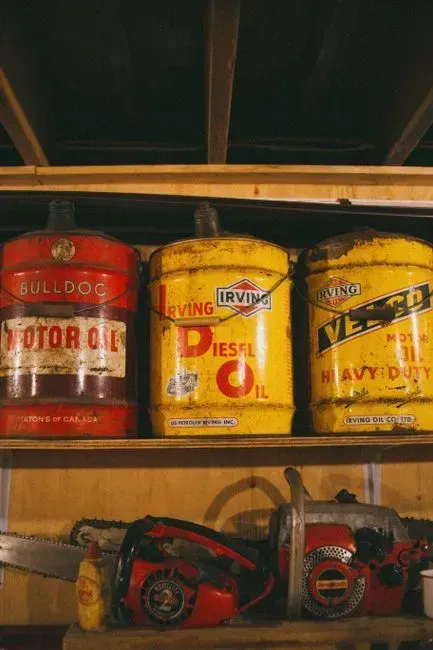
Gasoline is a common emergency staple, stockpiled to power generators during extended outages. The problem is that many families store jerry cans right alongside their pantry shelves or canned goods. Food should be stored away from petroleum products such as gasoline, oil, paints, and solvents. This isn’t a suggestion – petroleum vapors can penetrate food packaging and contaminate what’s inside, making supplies that took months to build unusable.
Improperly storing flammable liquids increases the potential for fire and explosions, particularly when incompatible chemicals are stored nearby, heightening the risk of toxic gas release. Gasoline belongs in a dedicated, ventilated space – a detached shed or separate cabinet – well away from anything you plan to eat or drink. The EPA recommends storing only one to five gallons of gasoline, which limits both the risk and the storage footprint significantly.
2. Bleach and Food or Medications
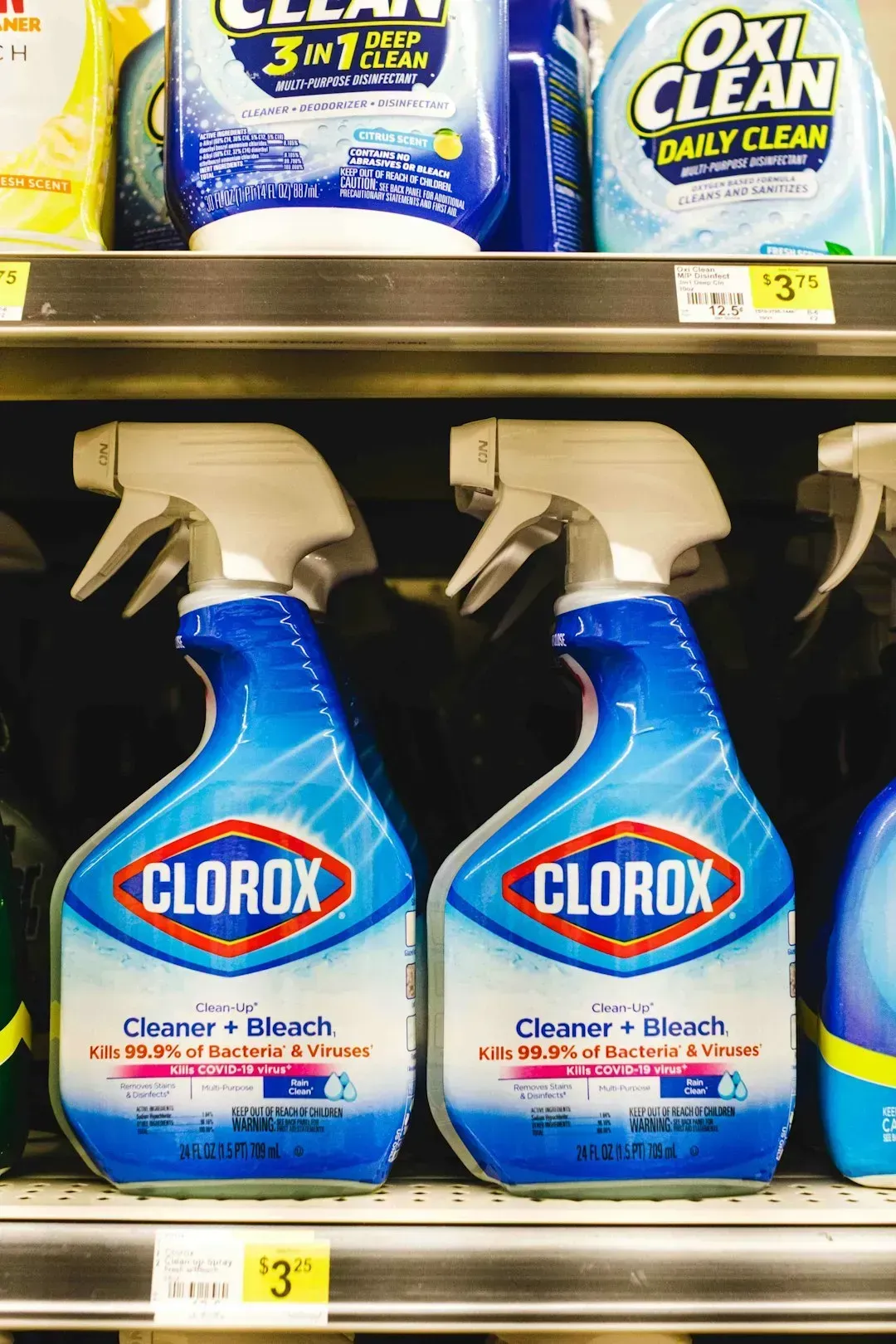
Household bleach is genuinely useful in a disaster. It can disinfect surfaces and, in carefully measured amounts, treat water for drinking. That usefulness fools people into keeping it close to everything else. Never store chemicals in the same cabinet, shelf, or area as food items to prevent accidental contamination, and never mix or store certain chemicals together – bleach and ammonia create toxic gas, as do bleach and vinegar.
Bleach is very reactive, and if it mixes with incompatible chemicals, it can produce high-hazard byproducts and toxic gases. Even the fumes from a slightly loosened bleach cap in a closed storage bin can affect nearby medications and dry goods. Bleach should be stored in a cool, dry, well-ventilated place and kept away from foodstuffs. A separate shelf in a ventilated area, kept clearly labeled, is the minimum standard.
3. Medications and Heat-Generating Equipment
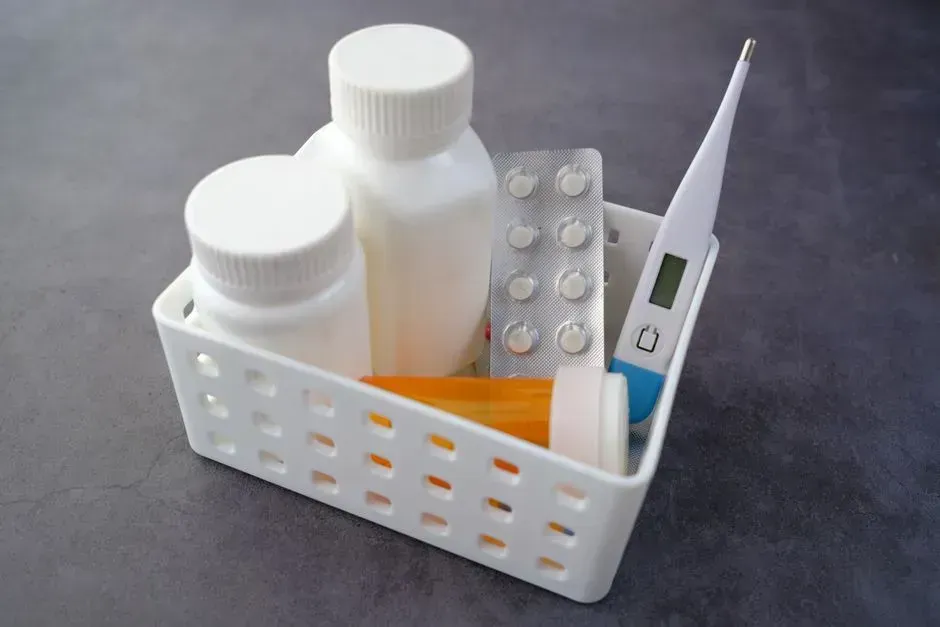
Prescription and over-the-counter medications are a critical part of any emergency kit. About half of all Americans take a prescription medicine every day, and an emergency can make it difficult to refill a prescription or find an open pharmacy, so it’s important to organize and protect prescriptions, over-the-counter drugs, and vitamins. The mistake families make is storing medications near generators, battery banks, or propane equipment that generates heat during operation or storage.
Medications degrade faster when exposed to elevated temperatures, and many lose effectiveness well before their printed expiration date in warm conditions. The ideal storage location for temperature-sensitive supplies is a cool, dry, dark place, with the best temperature range being between 40°F and 70°F. A generator running in a garage or shed raises ambient temperatures significantly, so medications should always be stored in a separate, climate-stable location indoors.
4. Stored Fuel and Batteries

Batteries are essential for flashlights, radios, and handheld communication devices. Gasoline, propane, or kerosene are often stockpiled for generators and camp stoves. Many families keep all of these together in one storage box or cabinet for convenience. That’s a genuine hazard. To prevent fire and explosion hazards when handling and storing gasoline, all sources of heat and possible ignition – including sparks, open flames, hot surfaces, and static discharge – must be eliminated.
Batteries, including standard alkaline and especially lithium types, can generate sparks or small electrical arcs if terminals make contact, corrode and leak, or short-circuit. Most lithium batteries have a flammable electrolyte with an exceptionally high energy density, and these batteries can overheat and catch fire under specific conditions, including a short circuit – and once ignited, they can be difficult to extinguish. Keep fuel in a separate, grounded, ventilated location and store batteries in a dedicated, dry container away from any flammable liquids.
5. Bleach and Ammonia-Based Cleaning Supplies
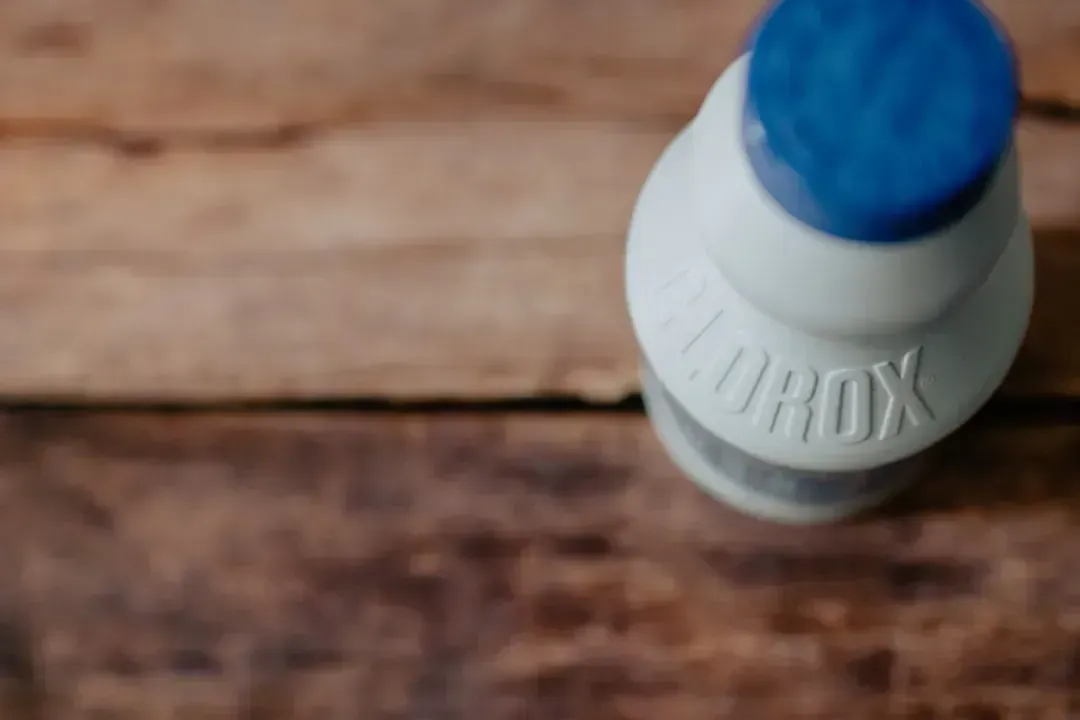
When people build a sanitation section of their emergency kit, they often include bleach, multi-surface cleaners, and disinfectant sprays all in the same bin. Many common household cleaners contain ammonia, and storing them alongside bleach in a confined space creates a real risk. Cleaning chemicals should be properly segregated and separated to prevent potential reactions and hazards, and incompatible chemicals must not be stored in close proximity – bleach and ammonia, for example, can produce toxic fumes when combined.
This risk doesn’t require an active spill. In a sealed storage tub during warm months, even off-gassing from loosely capped containers can allow chemical vapors to interact. The risks of chemicals near stored supplies include contamination of food, fumes and odors that taint nearby goods, dangers to people working near the chemicals, and the danger of chemicals accidentally mixing and causing harmful substances or fumes. Read the labels on every cleaning product in your kit and group them only with compatible items in clearly marked, ventilated containers.
6. Canned Food and Petroleum-Based Products
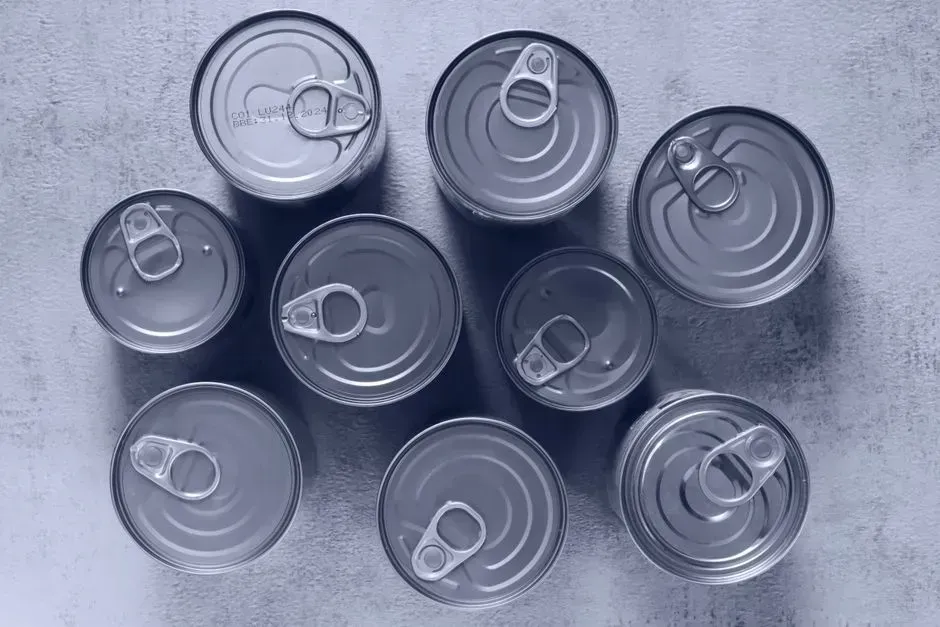
It might seem like sealed metal cans would protect food from almost anything stored nearby. They don’t, not entirely. Cans are sealed against air and moisture, but prolonged proximity to petroleum products – including motor oil, paints, or fuels – can cause odors and volatile organic compounds to permeate paper labels, degrade the lining of older cans, and contaminate contents over time. Food should be stored away from ranges or refrigerator exhausts, and heat causes many foods to spoil more quickly.
Food should be kept elevated on shelves or pallets to prevent damage from moisture and pests, and if a pipe bursts or there is a minor flood, food stored directly on the ground is at risk of being ruined – keeping everything off the floor also makes it easier to organize and inspect supplies. The same logic applies to separation from petroleum products. Certain storage conditions can enhance the shelf life of canned or dried foods, and the ideal location is a cool, dry, dark place. That specific environment should be reserved exclusively for food and water, with no chemical or petroleum products sharing the same enclosed space.
The effort families put into building emergency supplies is real and worth protecting. Separating incompatible items doesn’t require a complex setup – it mostly requires knowing which things don’t belong together and giving each category its own dedicated space. A stockpile that’s been properly organized by category is one that will actually work when it’s needed most, rather than one that compounds the emergency it was meant to address.

- The Shoreline Sucked Dry in Seconds – 5 Tsunami Signals Beachgoers Mistake for Low Tide - November 14, 2026
- 9 Dark-Sky Destinations Around the World Where the Stars Look Unreal - November 14, 2026
- The Fault Line That Never Slips – 7 Locked Seismic Zones Overdue for a Massive Release - November 14, 2026
