


- The Planet Where It Rains Liquid Glass – 7 Alien Worlds Defying Known Physics - November 14, 2026
- Stars Consuming Entire Worlds – 6 Planetary Systems Swallowing Their Own Worlds - November 14, 2026
- The Ground Liquefies Like Water – 6 Silent Fault Lines Geologists Watch Closely - November 14, 2026
Tornadoes don’t negotiate. They don’t slow down for towns or spare hospitals or schools. In a matter of minutes, a rotating column of air can reduce entire neighborhoods to splinters and rewrite the history of a community forever. The scale of destruction some of these storms produced is genuinely hard to absorb.
This list ranks eight tornadoes by their combined impact: deaths, physical destruction, and the lasting mark each one left on the historical record. The range spans nearly two centuries of documented storms, across continents, and the stories behind each one reveal just how vulnerable human settlements remain when nature turns violent at its worst.
#8 – The Woodward Tornado (1947): Oklahoma’s Deadliest
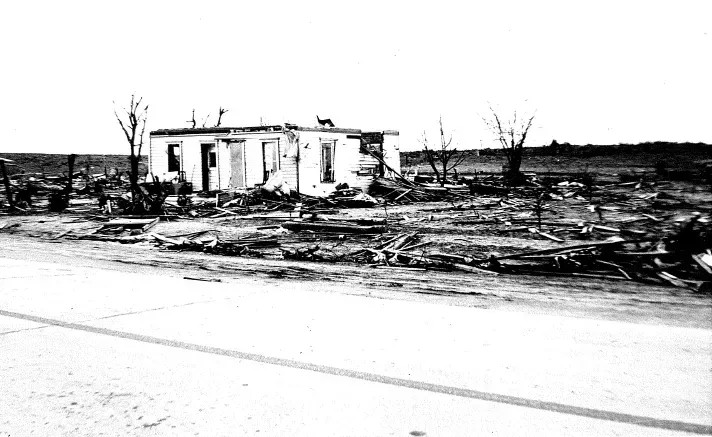
With 181 deaths recorded, the Woodward tornado stands as the most deadly tornado ever to strike the state of Oklahoma, touching down on April 9, 1947. It was almost two miles wide, traveled for roughly 100 miles at speeds of up to 50 miles per hour, and leveled more than 100 city blocks while destroying over 1,000 homes and businesses.
The Woodward tornado moved across parts of Texas, Oklahoma, and Kansas, killing 181 people and earning a place as one of the deadliest Plains tornadoes ever recorded – remembered for the way it kept producing destruction across a broad stretch of land rather than focusing on just one town. That long-track character made the regional recovery far harder, since emergency needs were scattered across multiple communities rather than concentrated in one place.
#7 – The Gainesville Tornado (1936): Downtown Devastation in Georgia
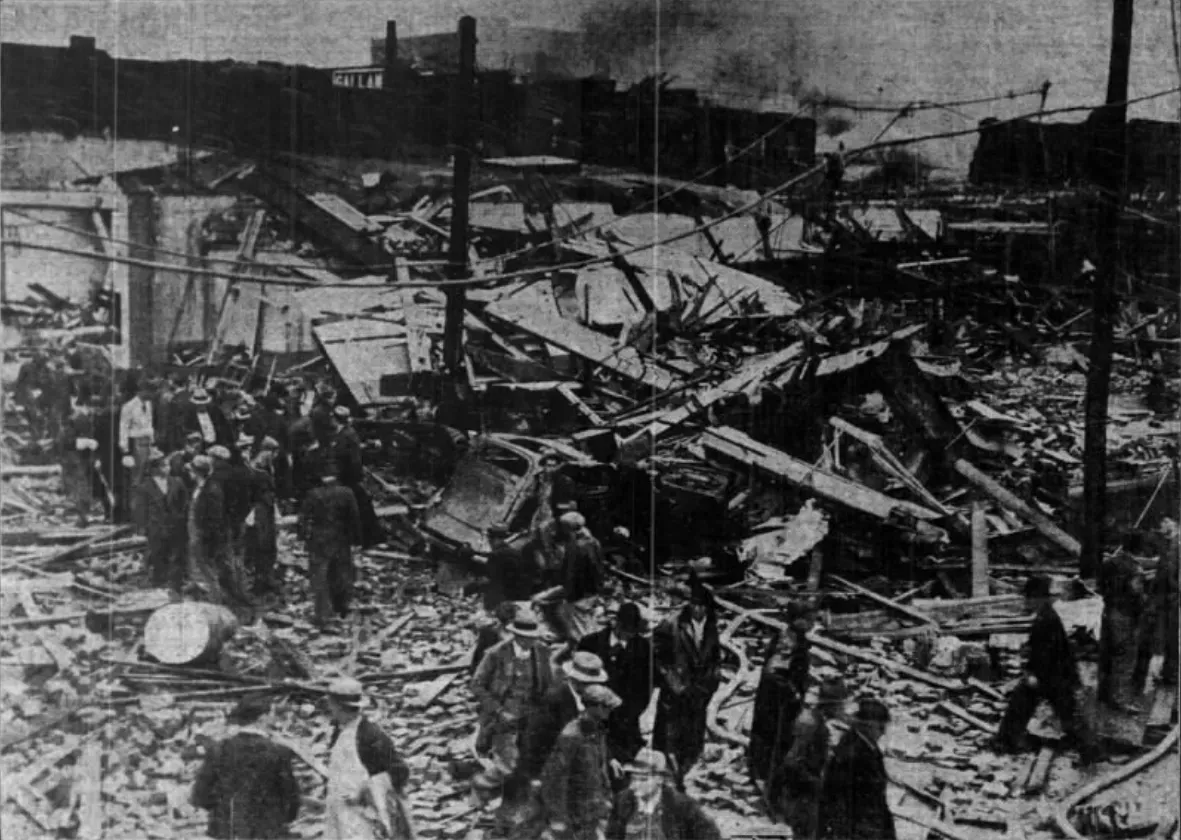
The Gainesville tornado struck Georgia on April 6, 1936, and killed 203 people, tearing through the heart of a busy business district filled with workers and shoppers – which helps explain why the death toll was so high. It destroyed the Cooper Pants Factory, killing 70 workers – the highest tornado death toll from a single building in U.S. history.
The outbreak that produced the Gainesville tornado spanned two days and caused millions of dollars worth of damage across the region. The fact that a tornado struck a packed commercial center during working hours amplified the tragedy enormously. It remains one of the starkest examples of what happens when a violent storm encounters dense human activity with almost no warning time.
#6 – The Tupelo Tornado (1936): A Town Swept Away
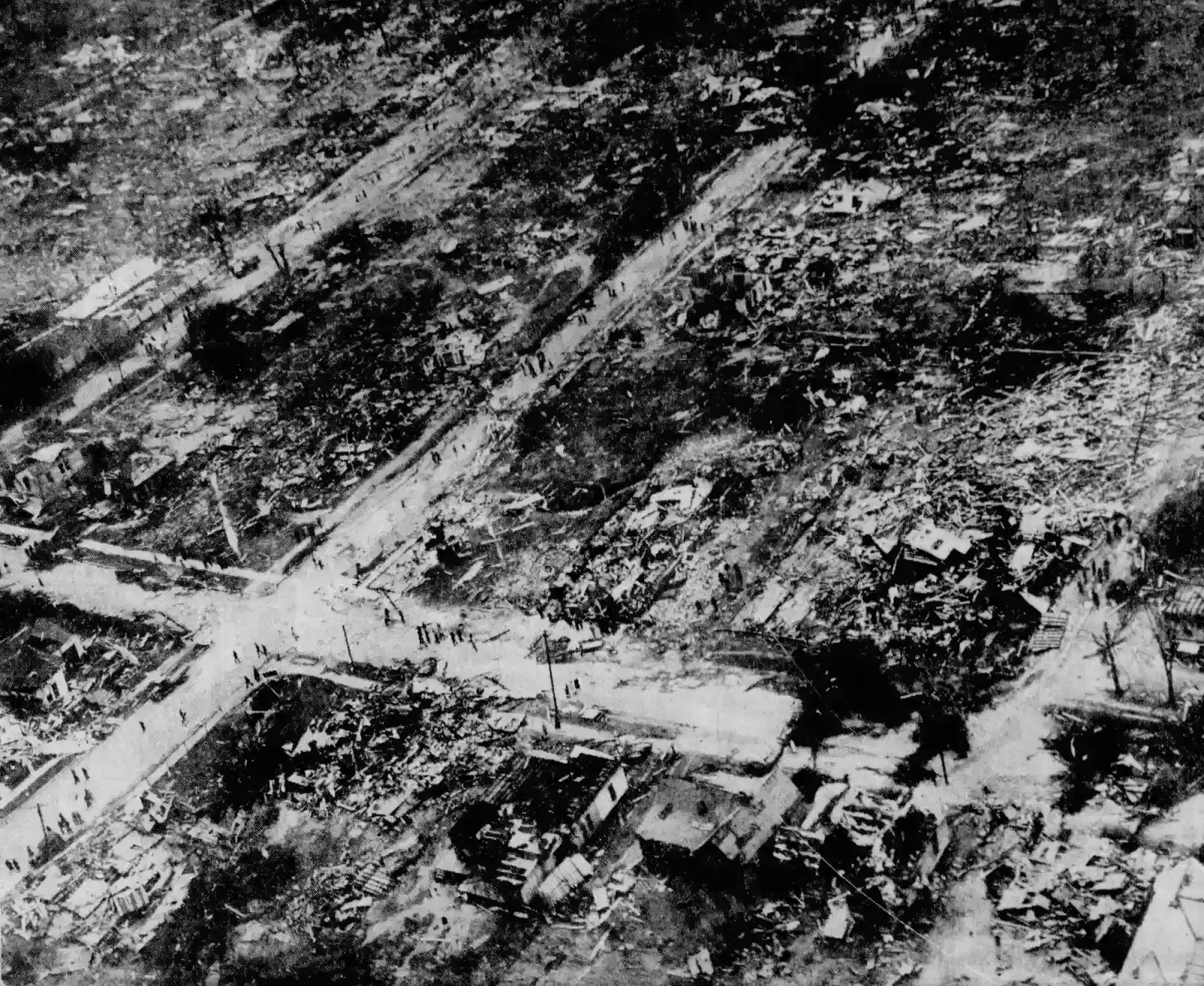
The Tupelo tornado hit Mississippi on April 5, 1936, and killed 216 people, remaining one of the deadliest tornadoes ever to strike the South. The storm moved through residential areas where many homes were not built to withstand violent winds, which made the destruction even worse. Making its way toward Tupelo, the massive tornado killed a family of 13 as their house was swept away, and it was retroactively rated F5 on the modern Fujita scale.
The Tupelo tornado leveled 48 city blocks and as many as 900 homes. Coming just one day before the Gainesville storm, the two events together formed one of the most catastrophic tornado outbreaks the southeastern United States has ever seen. The combined toll from those two April days alone exceeded 400 lives.
#5 – The Great St. Louis Tornado (1896): America’s Costliest – Adjusted
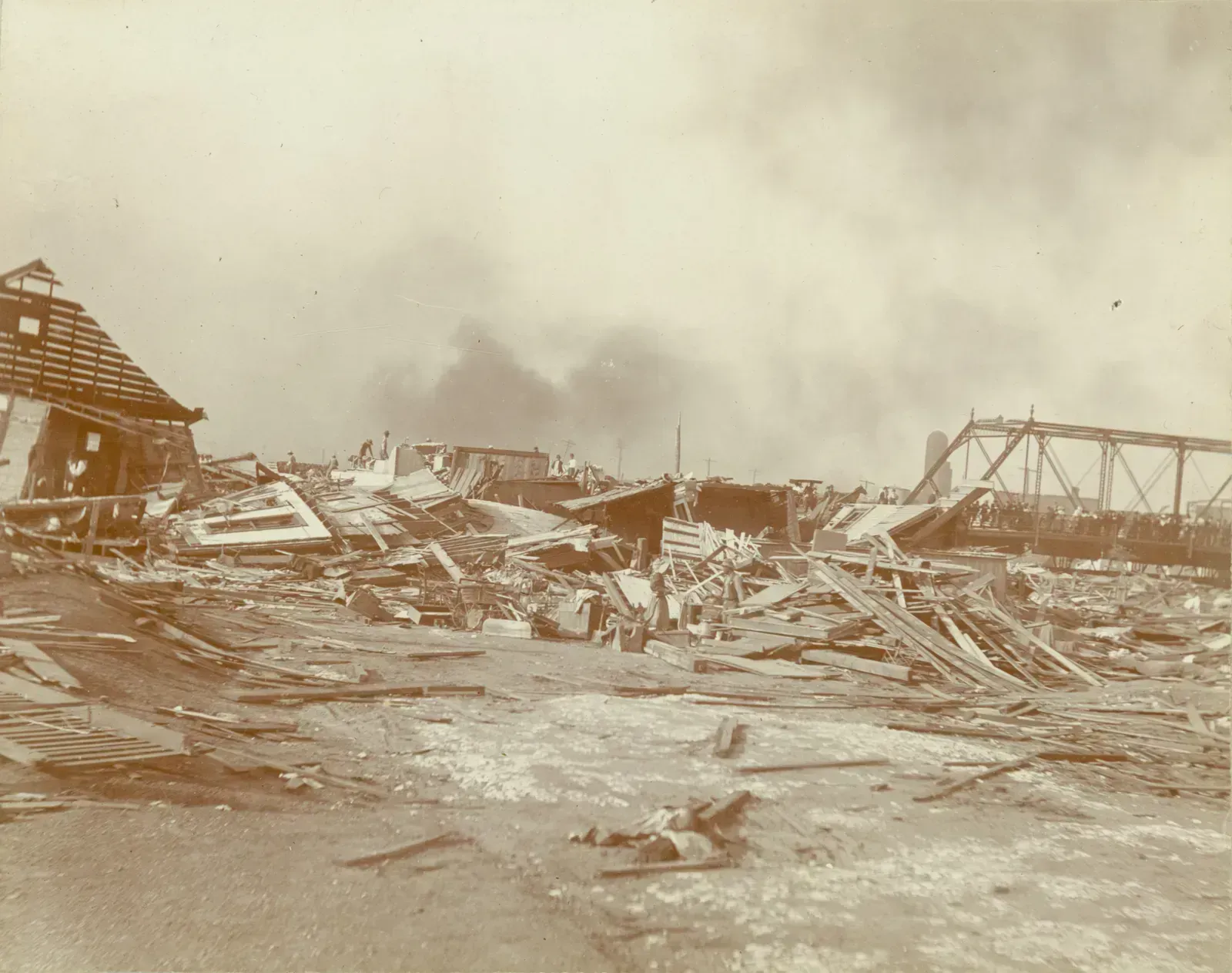
The Great St. Louis Tornado of 1896 is estimated to have killed at least 255 people and injured more than 1,000 on May 27, 1896, wreaking havoc across the St. Louis, Missouri area. The National Weather Service estimates the tornado would likely be rated as an EF4 on the Enhanced Fujita Scale today, with winds between 168 and 199 miles per hour.
The 1896 St. Louis tornado incurred the most damages adjusted for inflation of any tornado in history, with an estimated $5.36 billion in 2022 dollars. That figure makes it, by far, the most economically destructive tornado ever recorded when accounting for the value of money over time. It tore through one of the most densely populated and commercially active cities in America, and the scale of property loss has never been surpassed in inflation-adjusted terms.
#4 – The Joplin Tornado (2011): The Modern Catastrophe
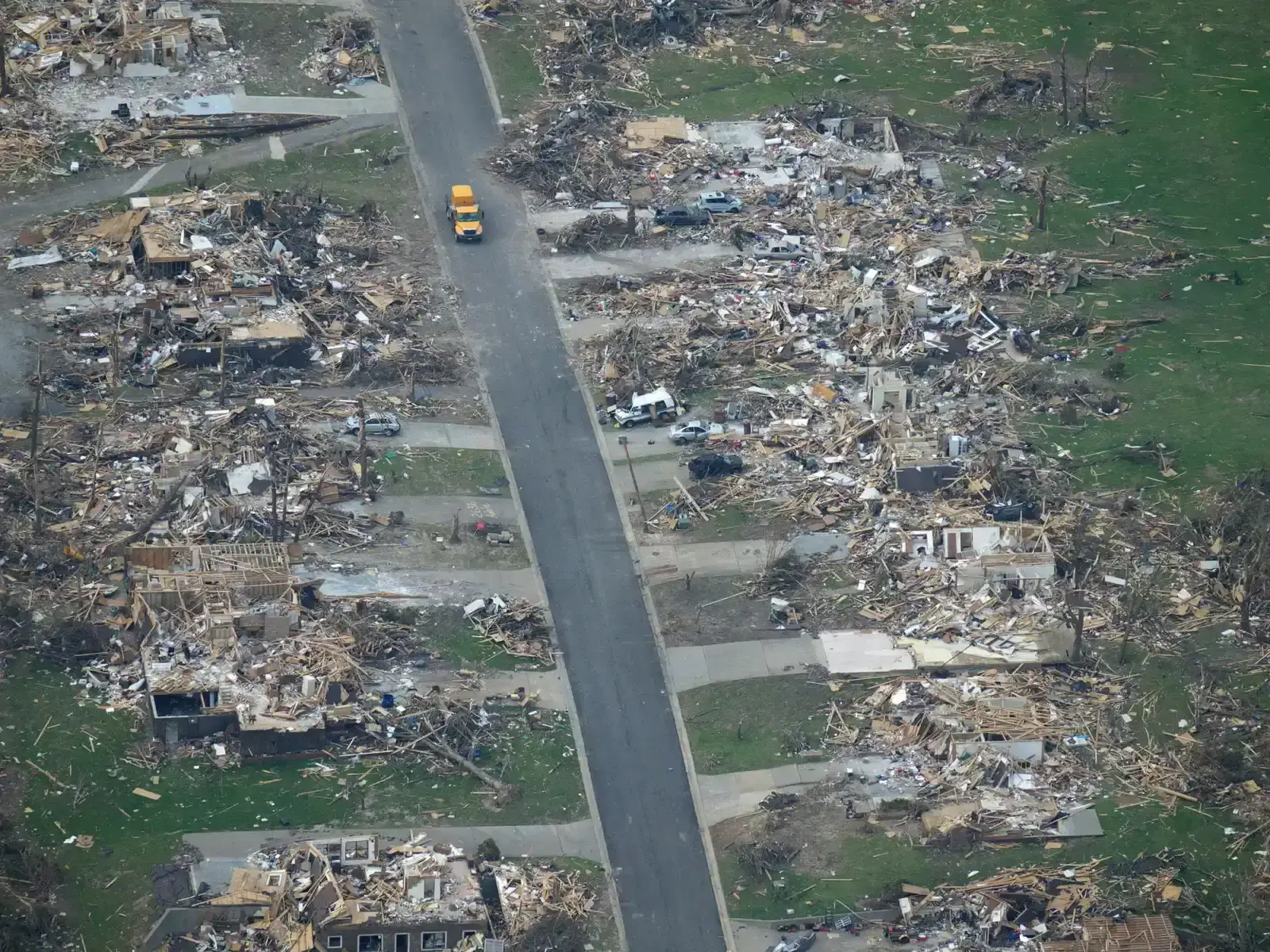
The deadliest tornado in modern U.S. history struck Joplin, Missouri, on May 22, 2011, and was the deadliest tornado since Storm Prediction Center records began in 1950. The EF5 tornado had a path length of 22 miles and was up to a mile wide at its maximum point, killing around 160 people and injuring more than 1,100 others. It completely destroyed more than 6,900 homes, the local hospital, several churches, elementary schools, Joplin High School, two fire stations, and numerous businesses.
In raw numbers, the Joplin tornado is considered the costliest tornado in recent history, with damage totals reaching $3.71 billion in 2022 dollars. Local media reported that more than half of the 158 who died were killed inside their homes. The Joplin event fundamentally changed how emergency managers, architects, and local governments across the United States think about tornado-resistant construction and public shelter access.
#3 – The Great Natchez Tornado (1840): The River Disaster
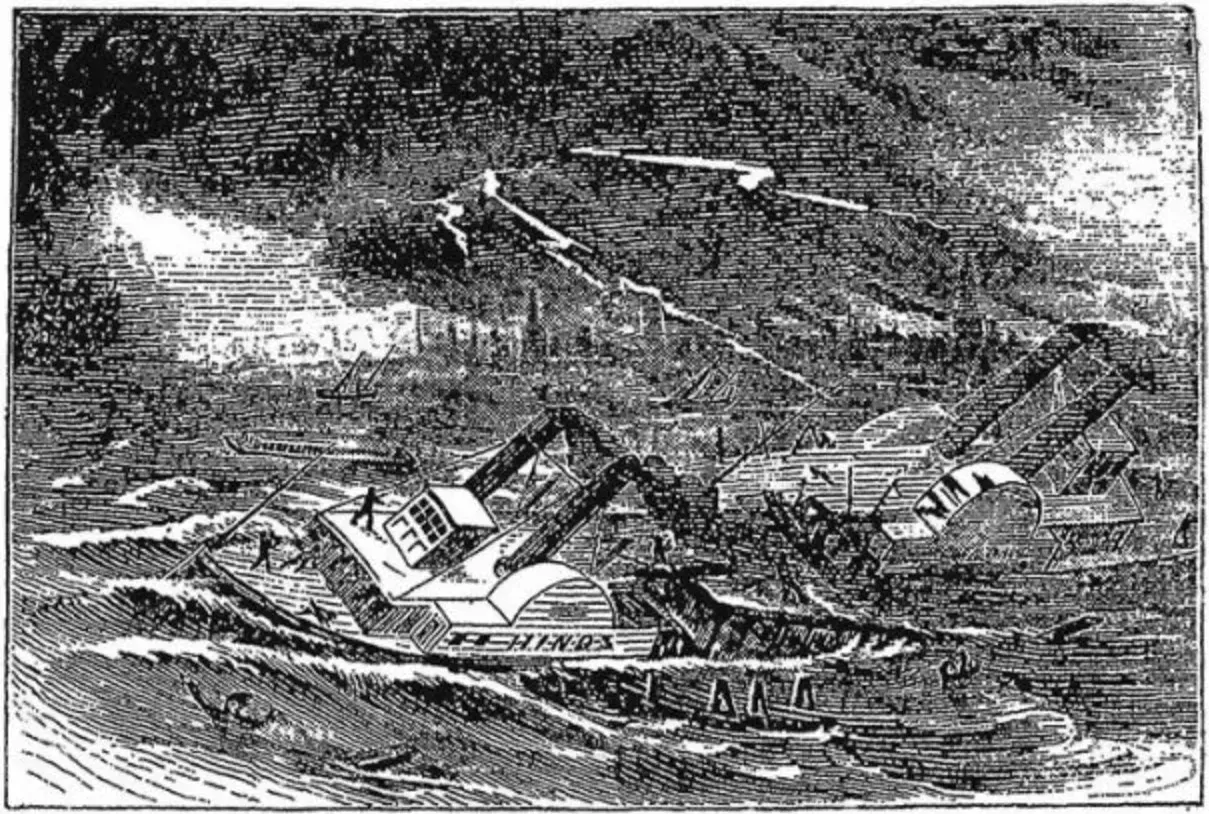
The 1840 Natchez tornado hit Natchez, Mississippi, on Thursday, May 7, 1840, and stands as the second-deadliest tornado in United States history. At least 317 people were killed and at least 109 were injured, along a 35-mile-long, roughly 1,000-yard-wide path marked by severe damage – with many enslaved Africans reportedly also dying on Louisiana plantations.
This massive tornado formed approximately twenty miles southwest of Natchez and moved northeast along the Mississippi River, following it directly and stripping forests from both shores. The vortex then struck the river-port of Natchez Landing, tossing 116 of the 120 flatboats docked there into the river, drowning their crews and passengers. It remains the only recorded tornado in the U.S. that killed more people than were injured – a grim distinction that speaks to the storm’s ferocity and the complete lack of any warning system in 1840.
#2 – The Tri-State Tornado (1925): The Deadliest in American History
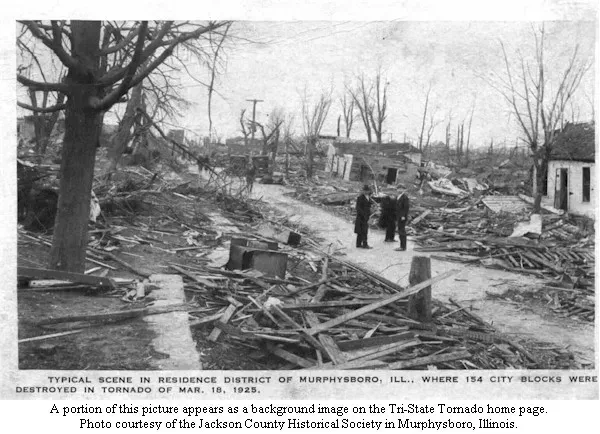
The deadliest twister in recorded U.S. history struck on March 18, 1925, touching down in southeastern Missouri and tearing up everything in its 219-mile path for nearly four hours through southern Illinois and into Indiana. It left 695 people dead and more than 2,000 injured. Modern standards qualify the so-called Tri-State Tornado as an F5, a mile-wide funnel with wind speeds greater than 260 miles per hour.
Adding to the terror was the complete lack of warning. There was no reliable storm forecasting in 1925 and no warning system of any kind. The storm took out roughly 40 percent of the city of Murphysboro, with 234 deaths – the most of any single municipality – and entire neighborhoods were flattened. The storm destroyed more than 15,000 homes and caused $1.4 billion in property damage adjusted for inflation. No single tornado in American history has come close to matching that death toll before or since.
#1 – The Daulatpur–Saturia Tornado (1989): The Deadliest in World History
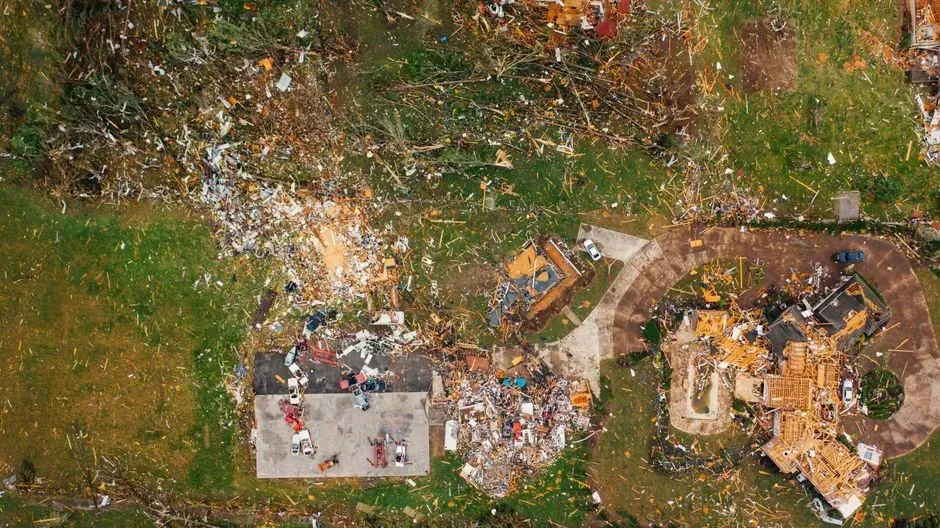
The Daulatpur–Saturia tornado occurred in Manikganj District, Bangladesh, on April 26, 1989. While the precise death toll carries some uncertainty, official estimates from the World Meteorological Organization indicate that it killed approximately 1,300 people – which would make it the deadliest tornado in history. According to the World Meteorological Organization, the tornado killed roughly 1,300 people and injured 12,000, with extensive damage as countless trees were uprooted and every home within a six square kilometer area of the tornado’s path was completely destroyed.
A ferocious tornado whirled through the Manikganj district around 6:30 pm on April 26, 1989, when many people were finishing work. It ripped through five districts as it swept eastward from Daulatpur into the severely drought-stricken areas of Saturia and Manikganj Sadar, cutting a swath roughly 10 miles long and just over a mile wide. By the time the tornado lost its strength in Saturia, the entire village had been flattened. Approximately 80,000 people were left homeless. The absence of a sophisticated warning system, combined with a lack of tornado shelters and buildings capable of withstanding destructive winds, made the human toll catastrophic. No tornado anywhere on Earth, in the full span of recorded history, has claimed more lives.
