

Most people consider themselves at least somewhat environmentally conscious. They’ll recycle a bottle here, turn off a light there, and feel reasonably good about it. Yet a surprising number of daily routines quietly work against the planet in ways that rarely get scrutinized. The problem with many everyday habits is that they seem harmless, but in fact, they slowly destroy the environment.
The environmental issues we face are the result of hundreds of habits, big and small, perpetuated every day by millions of people. Awareness is genuinely the first step. These 16 behaviors are worth a long, honest look.
1. Leaving Devices on Standby Around the Clock

There has been a veritable explosion in the number of electronics, appliances, and other miscellaneous devices plugged into America’s homes, and most are consuming electricity around the clock, even when owners are not using them or think they have been turned off. This silent drain is far more significant than most people assume.
This always-on energy use by inactive devices translates to roughly 19 billion dollars a year, about 165 dollars per U.S. household on average, and approximately 50 large power plants’ worth of electricity. Simply switching devices off at the wall, rather than leaving them on standby, is one of the simplest changes a household can make.
2. Buying Fast Fashion Without a Second Thought

The fashion industry is responsible for roughly one in ten units of total annual carbon emissions globally, surpassing the emissions from all international flights and maritime shipping combined. Grabbing a cheap outfit for a single occasion, or cycling through wardrobes every season, feeds directly into this problem.
The industry dries up water resources and pollutes rivers and streams, while the vast majority of all textiles go to dumps each year. Even washing clothes releases 500,000 tons of microfibers into the ocean annually, the equivalent of 50 billion plastic bottles. The environmental cost of a five-dollar T-shirt is rarely printed on the tag.
3. Idling the Car Engine Unnecessarily

Idling is when a driver leaves the engine running and the vehicle parked. Every day in the U.S., millions of cars and trucks idle needlessly, sometimes for hours, and an idling car can release as much pollution as a moving car. Warming up the engine before driving is a habit many inherited from older generations, even though it has long been unnecessary.
According to Argonne National Laboratories, Americans waste roughly 6 billion gallons of fuel each year just by idling, and that amount of idling generates more than 58 million tons of carbon dioxide emissions. Idling for just 10 seconds actually wastes more gas than restarting the engine.
4. Consistently Throwing Food Away
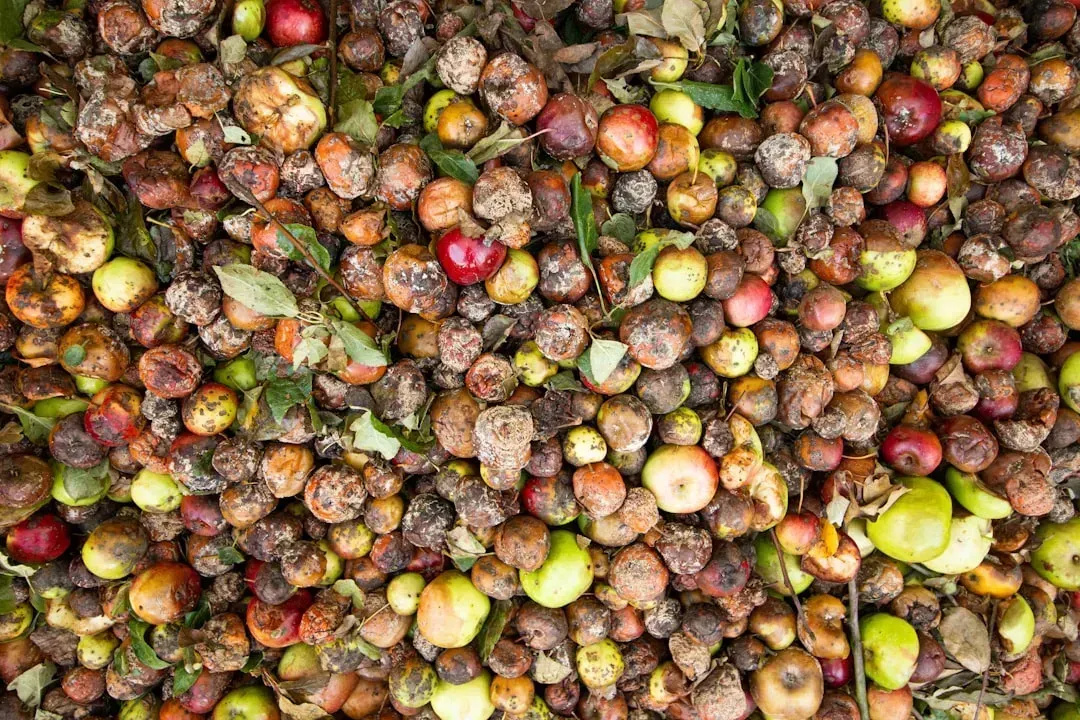
American households throw away roughly 1,500 dollars worth of food annually, with around two-fifths of all food produced ending up in landfills where it generates methane emissions far more potent than carbon dioxide. This makes food waste one of the most underrated drivers of household emissions.
Throwing away excess food is not a good idea, as it takes a lot of energy and emissions to grow, transport, and process food. Grocery stores order product based on the rate at which consumers buy it, and food manufacturers produce at the rate at which it is ordered. The habit of overstocking on food that then gets thrown away means more food is produced than necessary, which means more energy is used and a larger carbon footprint is created.
5. Reaching for Single-Use Plastic Bags Every Time

While plastic, in any form, is very convenient, the problem with it is that it is a major pollutant to the environment due to its inability to degrade naturally, with a life cycle extending to millennia. As more and more plastics are dumped in landfills, decomposition does not occur, so the problem increasingly becomes a great concern.
The majority of items sold in stores are packaged in plastic containers, and the majority of carrying bags available at the checkout are made of plastic. Food packaging accounts for nearly seven in ten units of all household trash and waste that ends up in landfills. Reusable bags have been widely available for years, yet millions of single-use bags are still taken home daily without a second thought.
6. Driving Short Distances That Could Easily Be Walked

Nearly three in five car trips in urban areas cover distances of less than three miles, a distance easily walkable or bikeable, yet Americans choose to drive these short routes around three quarters of the time. This habit is so ingrained that most drivers don’t register it as a choice at all.
An idling vehicle releases harmful chemicals, gases, and particle pollution into the air, contributing to ozone, regional haze, and global climate change. Every gallon of gas burned produces more than 20 pounds of greenhouse gases. Short car trips are also disproportionately inefficient because engines run richest, and dirtiest, before they warm up.
7. Using Disposable Coffee Cups Daily

Americans alone throw away roughly 25 billion coffee cups annually, with only about one percent actually getting recycled due to their plastic lining. Each paper cup takes approximately 20 years to decompose in landfills, releasing methane gas throughout the process. It’s one of those habits that feels trivial on an individual level but enormous at scale.
Most people assume these cups are made entirely of paper and therefore biodegradable, but the thin plastic coating makes them virtually impossible to process in standard recycling facilities. A reusable travel mug costs a few dollars and pays for itself quickly, yet the disposable cup line at coffee shops remains just as long as ever.
8. Never Recycling or Recycling the Wrong Way
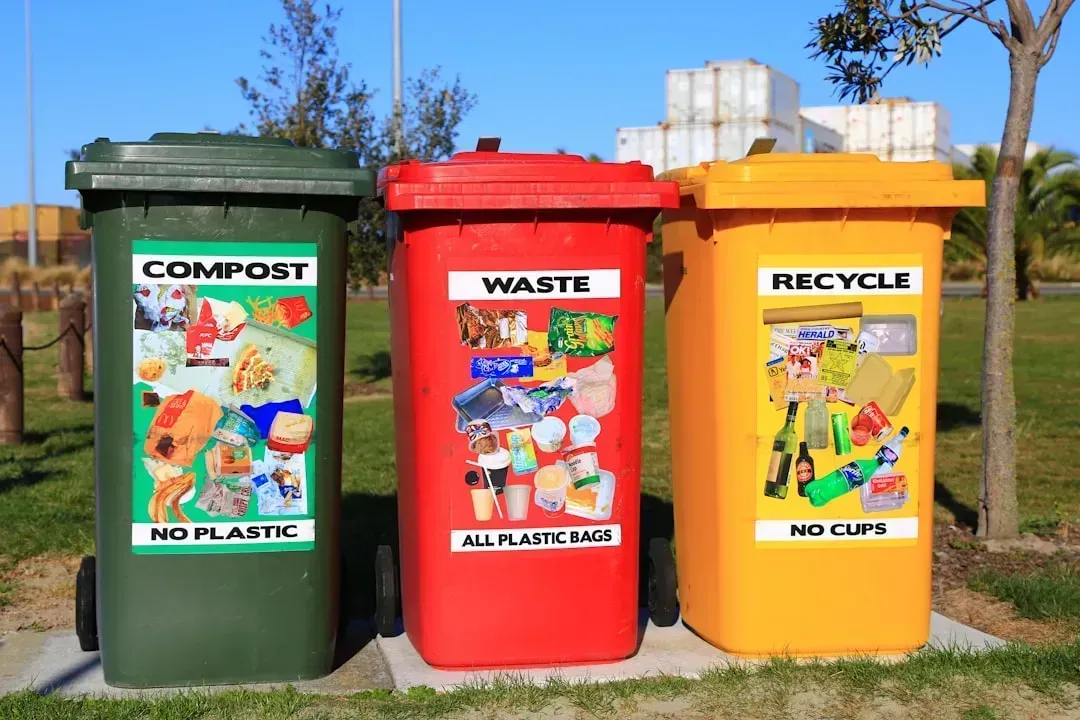
Not recycling means sending too many resources to landfills, such as plastics and glass. Recycling conserves energy and resources by repurposing already-produced goods. The habit of tossing everything into the general bin, regardless of material type, is one of the clearest markers of low environmental engagement.
What makes this worse is wishful recycling, where people toss items into the recycling bin hoping they qualify, when in fact contaminated loads can cause entire batches to be rejected. It can be easy to throw something away without thinking about whether it can be recycled. Throwing away recyclable plastics, paper, or food that can be used for compost with general waste can have a harmful impact on the environment.
9. Washing Laundry in Hot Water by Default
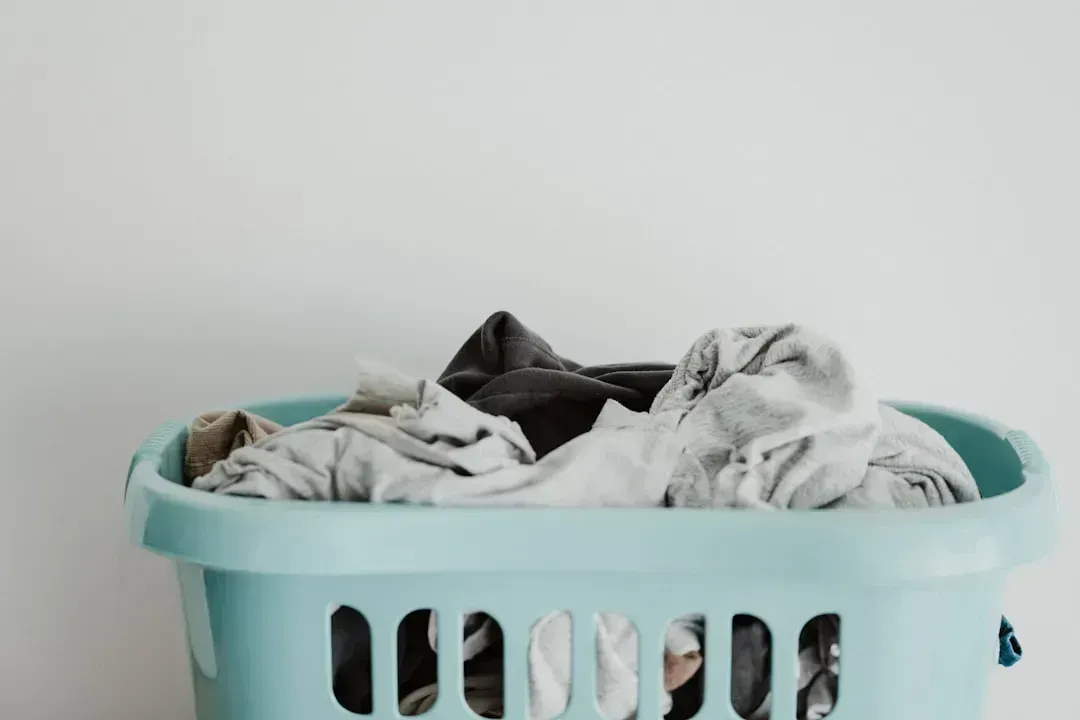
The majority of the energy used in washing clothes is actually in the process of heating up the water, with roughly nine-tenths of the energy consumed going to that heating step alone. Switching to cold water washes is one of the simplest and most painless reductions a household can make.
A household could save a significant amount of carbon dioxide emissions just by washing the vast majority of its laundry loads in tap cold water. Most modern detergents are formulated to clean effectively in cold water, so the switch doesn’t require any compromise on cleanliness. Yet hot water washes remain the default setting for most people.
10. Leaving Taps Running While Brushing or Washing
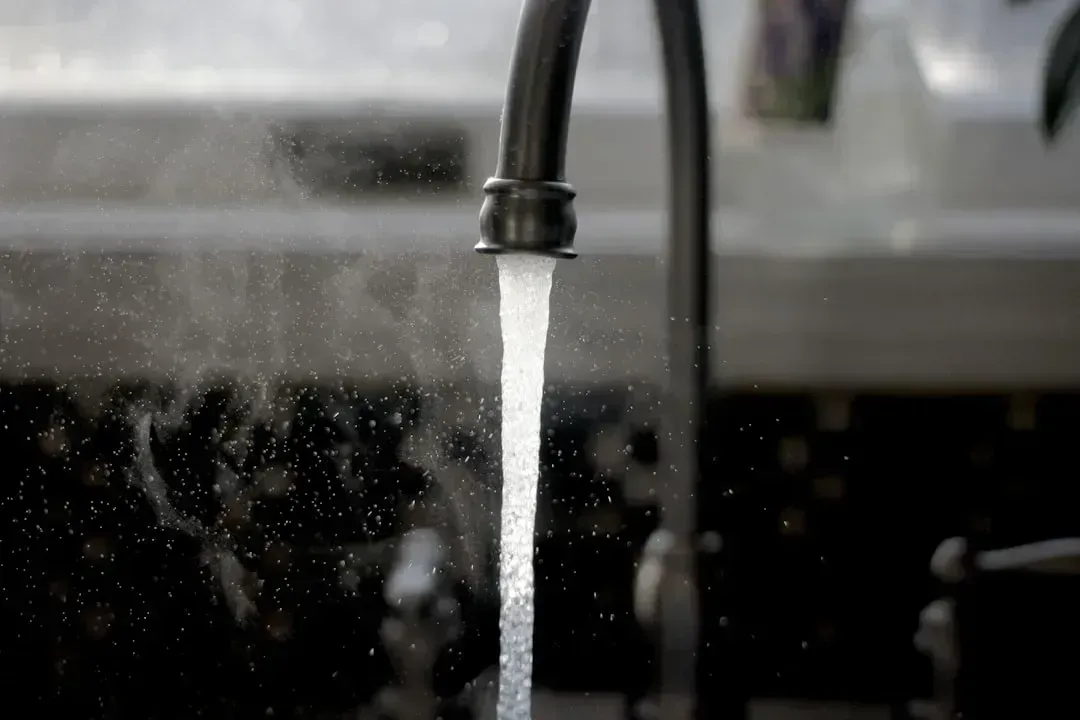
Leaving the water running, over-using water for washing clothes and vehicles, and recreational wastage of water are all serious social ailments that are running us out of the essence of our survival. The average tap releases several gallons of water per minute, and most of it is wasted when left on between rinses.
Around half of survey respondents across major international markets plan to conserve water and reduce water waste as one of their top eco-conscious goals. Yet the intention to change and the actual daily behavior remain far apart for most households. Running water while brushing teeth for two minutes wastes several gallons that serve no purpose at all.
11. Eating Meat at Almost Every Meal

Methane is one of the most common greenhouse gases in the world and it retains heat in the atmosphere. According to research, farmed livestock is the largest producer of methane gas. The production of animal products contributes significantly to methane, and by continuing to demand meat products, farmers increase the supply by keeping more animals, resulting in more greenhouse gas emissions.
As lands are repurposed to raise animals, many habitats are affected. Many species face extinction or are in danger due to the destruction of the environment. Raising cattle and other livestock leads to soil erosion, which is the second largest contributor to carbon dioxide emissions globally. Eating meat at every single meal, without any reflection on where it comes from or what it costs, signals a deep disconnect from these supply-chain realities.
12. Compulsively Overbuying Goods and Discarding Them Quickly
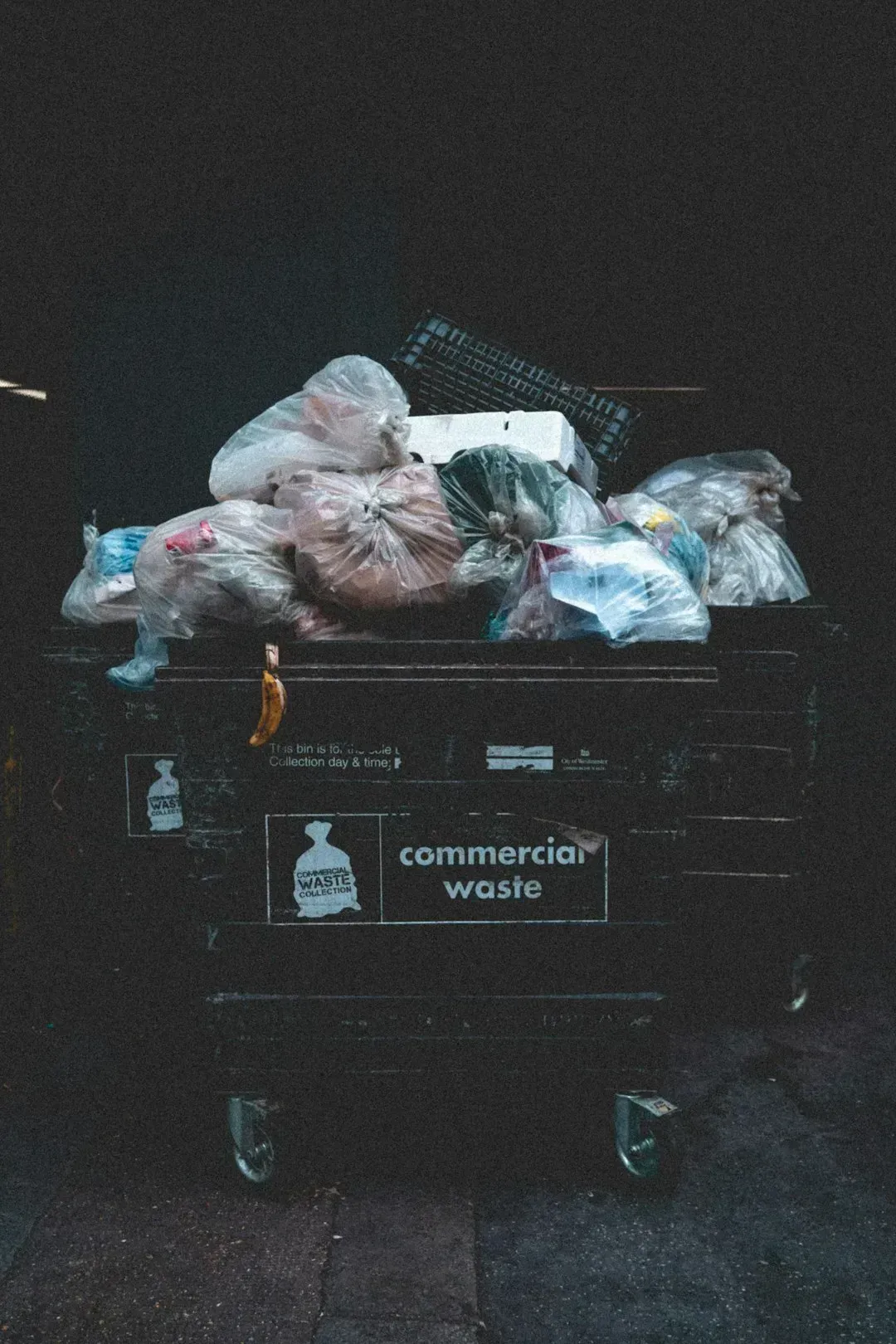
Habitual overbuying increases the demand for consumer products, thus making the market produce more by constantly running production factories. As a result, there is constant energy consumption that takes its toll on the environment as it involves the burning of fossil fuels and the production of greenhouse gases.
Fast fashion and broader consumer culture tempts people to shop more frequently, leading to overconsumption. It creates a cycle of waste as consumers discard items quickly due to fast-evolving trends. A large portion of clothing items are worn fewer than ten times before being discarded. The same disposable mindset applies to electronics, kitchen gadgets, and other goods that get replaced long before they stop working.
13. Printing Documents That Don’t Need to Be Printed
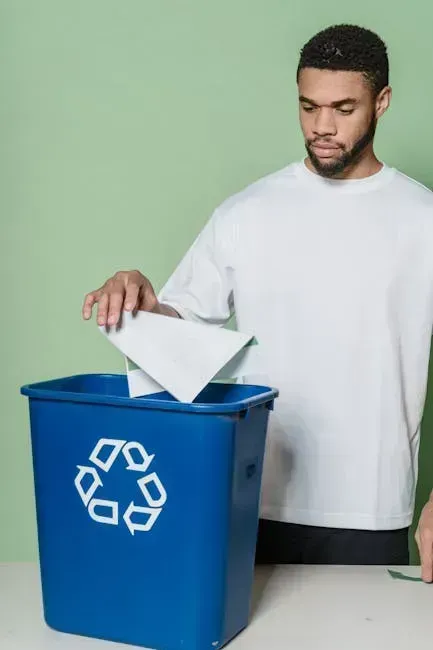
Paper use was once thought to decline with expanding digital technology, but it has continued through printing data. Using paper for packaging, toilet tissue products, and newspapers shows how important paper usage has remained. One of the greatest problems driven by paper and paper products is deforestation.
Discarded paper accounts for a significant share of solid waste and makes up roughly a third of municipal trash overall. Printing emails, reports, or directions out of habit rather than necessity burns through trees and energy simultaneously. In an era when nearly everything is readable on a screen, reflexive printing is increasingly hard to justify.
14. Using Microplastic-Laden Personal Care Products

Most face washes contain plastic exfoliating microbeads, which researchers have termed a serious environmental problem, simply because they are not filtered during sewage treatment due to their small size. When released into water bodies, they are swallowed by fish and other marine animals, which harms their health and could poison their organs or damage their gills.
Since microbeads are made for scrubbing during human use, they also destroy the internal systems of aquatic animals. The abrasive nature of the beads is harmful to marine life. Many countries have banned microbeads in rinse-off products, yet plenty of formulas with similar synthetic particles still reach store shelves, and most buyers never check the ingredient list.
15. Streaming Everything at the Highest Resolution Possible

Digital video streaming now accounts for over one percent of global greenhouse gas emissions, with major platforms consuming electricity on a scale comparable to entire countries. High-definition streaming uses roughly 30 times more data than standard definition, while 4K streaming quadruples that consumption, yet most people automatically default to the highest quality settings regardless of their actual viewing needs.
Data centers powering streaming services consume around three percent of global electricity, with video streaming representing the vast majority of internet traffic worldwide. The environmental impact varies dramatically by device, with streaming on large smart TVs consuming several times more energy than watching on laptops or tablets. Lowering default stream quality is a one-minute setting change with a measurable collective impact.
16. Discarding Cigarette Butts Anywhere but a Bin
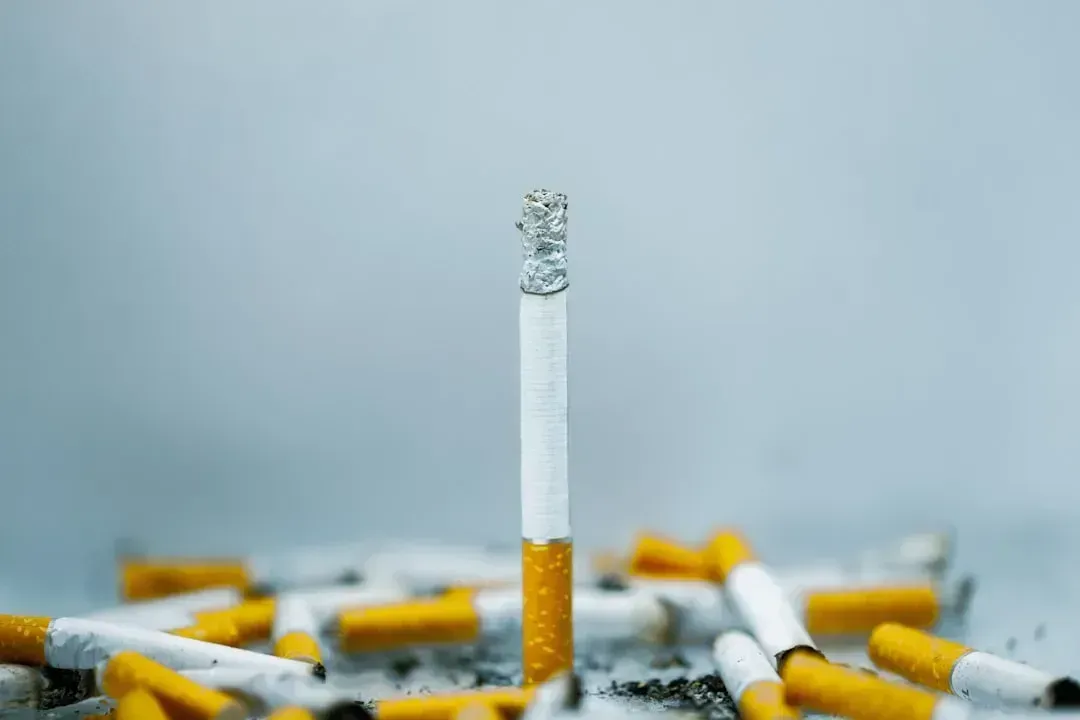
When cigarettes or cigarette debris are not disposed of properly, they make their way into the environment where they pollute water, air, and land with toxic chemicals, plastic filters, and residual nicotine. Cigarette butts comprise between roughly a third and nearly half of trash collected in annual coastal or urban cleanups. They are one of the most prominently littered items on roadways, retail areas, drains, construction sites, and recreational locations.
Cigarette butts are primarily made of plastic filters that don’t biodegrade, so they simply accumulate on shorelines or at the bottom of bodies of water. The act of flicking a butt onto the ground is so normalized that many smokers don’t register it as littering at all. Yet at a global scale, it amounts to one of the most widespread forms of plastic pollution on the planet.
Habits are powerful precisely because they run on autopilot. None of these 16 behaviors require dramatic effort to change, but changing them does require the kind of basic awareness that too many routines have quietly pushed aside. Everyday gestures generate a multiplier effect. As behavioral science suggests, small sustainable actions reinforce each other and motivate others to follow. The gap between knowing better and actually doing better is narrower than most people realize.

- The Shoreline Sucked Dry in Seconds – 5 Tsunami Signals Beachgoers Mistake for Low Tide - November 14, 2026
- 9 Dark-Sky Destinations Around the World Where the Stars Look Unreal - November 14, 2026
- The Fault Line That Never Slips – 7 Locked Seismic Zones Overdue for a Massive Release - November 14, 2026
