


- Phantom Energy Sucking Power 24/7 – 7 Home Electronics Quietly Inflating Utility Bills - November 14, 2026
- A Million-Mile Storm Raging for Centuries – 6 Violent Weather Wonders in Our System - November 14, 2026
- Animals Flee Hours Before the Tremor – 7 Natural Warnings Before Disasters Strike - November 14, 2026
Every year, firefighters, paramedics, and emergency managers watch the same preventable tragedies unfold. Homes burn faster than they should. Families scramble without a plan. People wade through floodwaters that could kill them in seconds. The frustration among first responders is real, and it’s growing – because so many of these outcomes trace back to everyday habits that residents simply haven’t thought to change.
The U.S. experienced 27 billion-dollar natural disasters in 2024, including hurricanes, tornadoes, wildfires, and flooding. Yet despite elevated anxiety, most Americans have made little effort to prepare for natural disasters. That gap between knowing the risk exists and actually doing something about it is exactly what emergency responders are desperate to close – before the next disaster makes the lesson unavoidable.
Leaving Cooking Completely Unattended
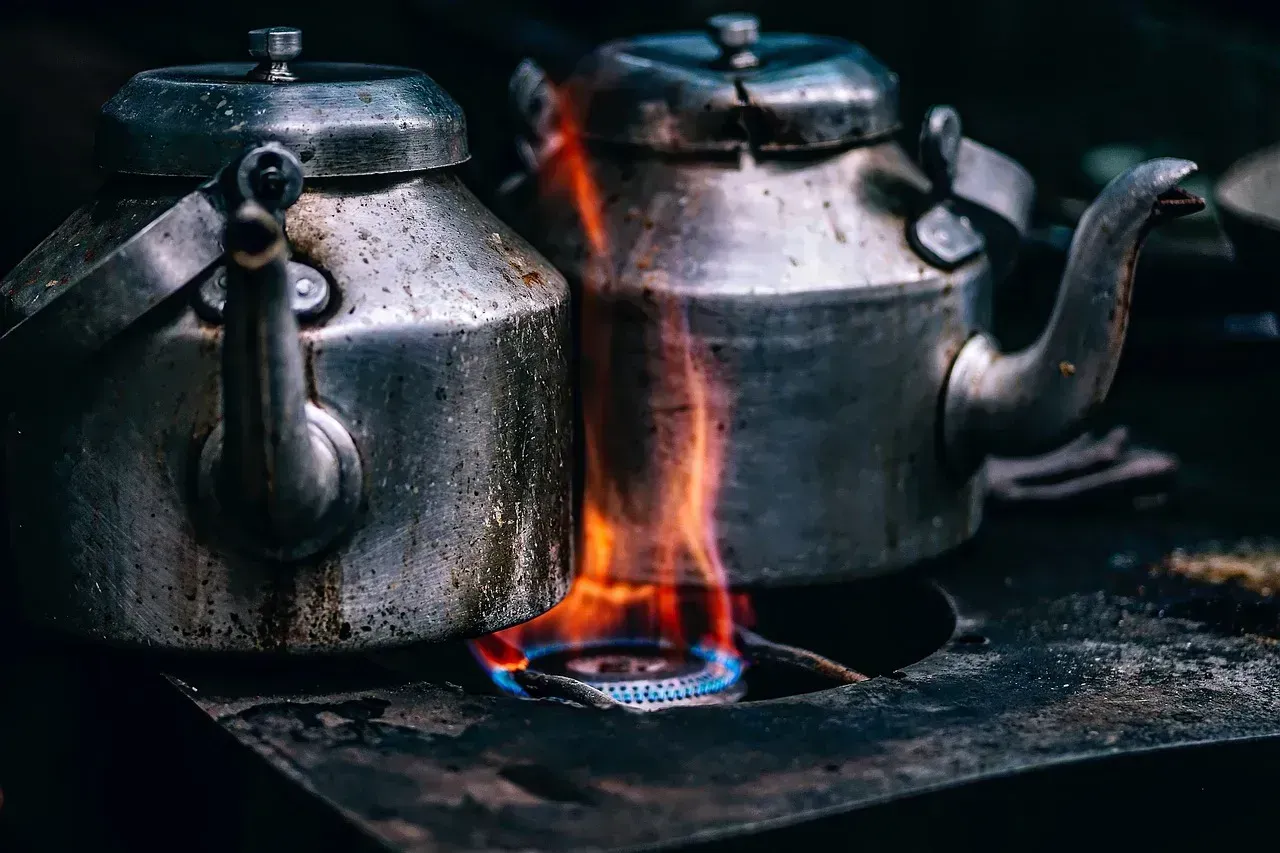
Cooking was the leading cause of home fires in 2023, and that trend has held steady for years. It’s a statistic that shocks most people, largely because the kitchen feels like familiar territory. Over two-thirds of survey respondents did not know that cooking was the leading cause of house fires. That kind of unawareness costs lives.
Cooking led to an estimated average of 158,400 home fires each year from 2017 to 2021, according to the U.S. Fire Administration. Leaving cooking unattended, even for a moment, can lead to disaster – a boiling pot can quickly overflow, grease can ignite, or food can burn, leading to a full-blown fire. Firefighters consistently cite this as the habit they most wish people would change.
Ignoring or Disabling Smoke Alarms
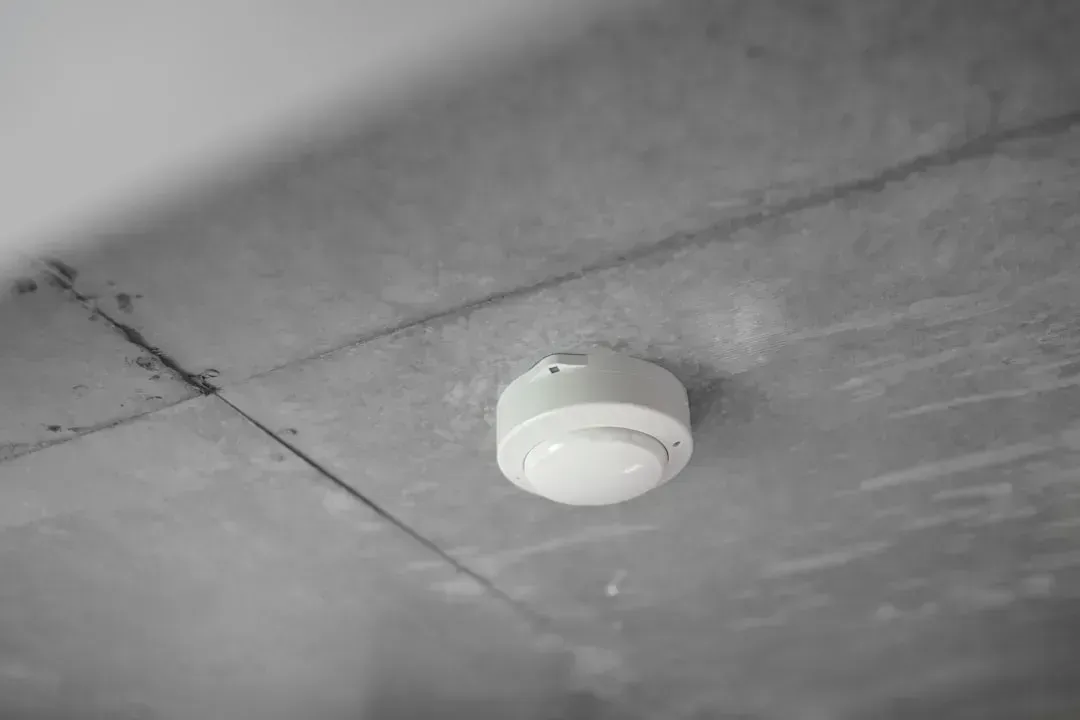
In 2024 alone, an estimated 329,500 home structure fires occurred nationwide – on average, that equates to a home fire being reported approximately every 96 seconds. With fires spreading that fast and that often, working smoke alarms are not optional equipment. NFPA data shows that the death rate is about 60% lower in homes with working smoke alarms. That single statistic should settle the argument.
Residents frequently disable smoke alarms because cooking smoke triggers them, or they let the batteries die and never replace them. To make sure these devices are always in working order, test smoke detectors monthly, replace batteries annually, and replace entire units every 10 years. According to the American Red Cross, people may have as little as two minutes to safely escape a home fire – which makes early warning from a functioning alarm the difference between life and death.
Running Generators Indoors or in Enclosed Spaces

When the power goes out during a storm, many residents make a deadly mistake: they move their portable generator into the garage, onto the porch, or even indoors to protect it from the rain. Most of the deaths and injuries associated with portable generators are from carbon monoxide poisoning from generators used indoors or in partially enclosed spaces. Carbon monoxide is invisible and odorless – people often don’t realize they’re being poisoned until it’s too late.
During and following major storms and natural disasters, there’s an increase in carbon monoxide poisoning cases. A study published in the journal Clinical Toxicology revealed a spike of 437 cases of carbon monoxide poisoning reported in emergency rooms during the two weeks following Hurricane Sandy. Simply opening doors and windows or using fans will not prevent carbon monoxide buildup in the home or in partially enclosed areas such as a garage. Emergency responders say this habit kills people after nearly every major storm.
Having No Emergency Evacuation Plan
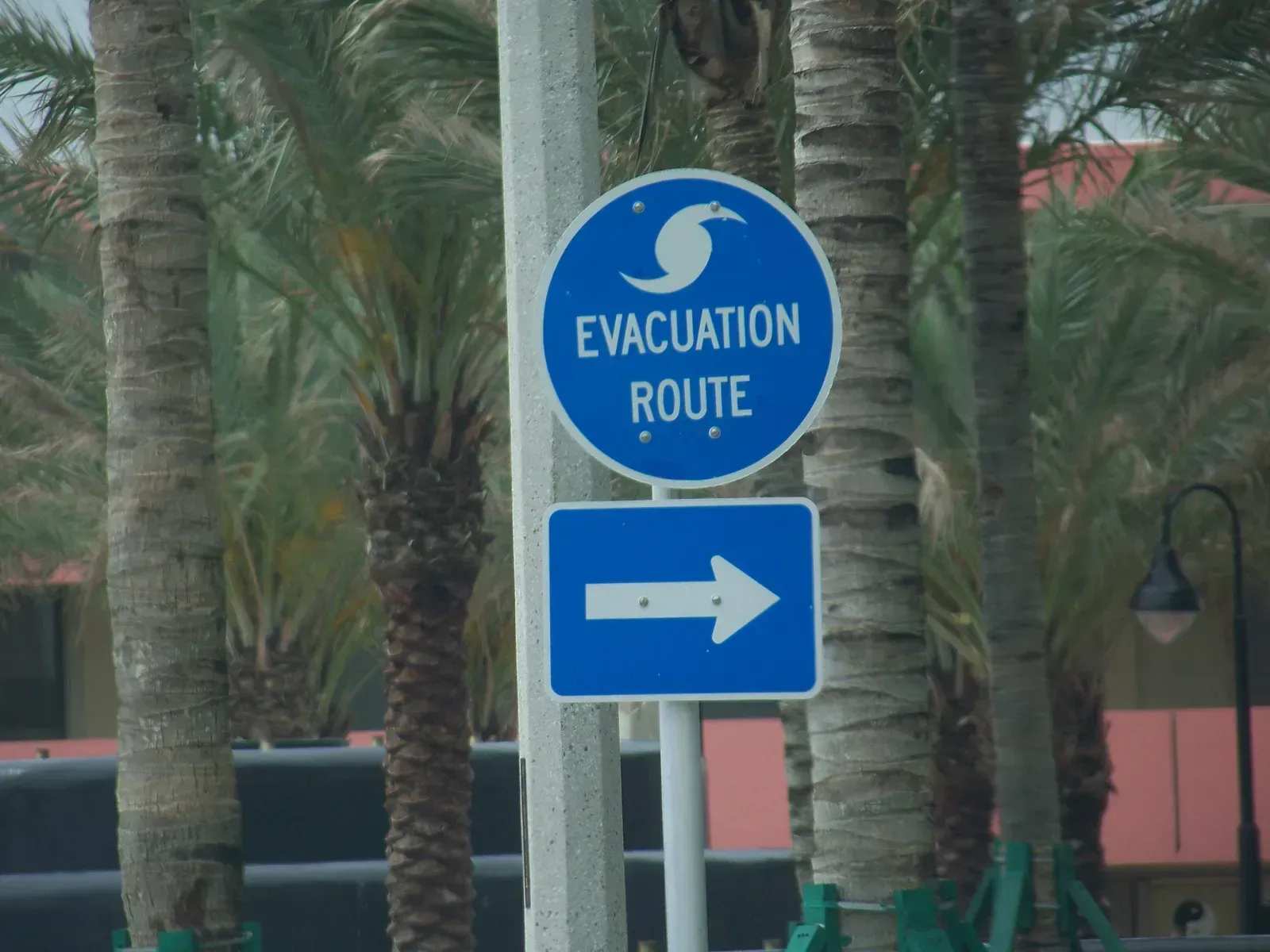
Almost one fifth of survey respondents do not have a fire evacuation plan for their home. That number climbs when you extend it to broader disaster evacuation – floods, wildfires, and hurricanes all demand a plan that goes far beyond knowing where the front door is. Only 26% of Americans feel “very” or “extremely” confident they know what to do in a major disaster, which suggests the gap between having a plan and trusting it is just as serious.
Emergency managers point out that a plan made in the calm before a storm is worth far more than decisions improvised under pressure. Every household should have a fire escape plan to reduce the risk of fire-related injuries or fatalities – identify multiple exits from each room, establish a safe meeting point outside, and make sure everyone understands the plan. The same logic applies to any large-scale evacuation: knowing your route, your destination, and your communication method before the emergency means you won’t have to figure it out while roads are flooding or skies are filling with smoke.
Not Signing Up for Emergency Alerts

One of the most puzzling habits emergency managers encounter is people who simply haven’t enrolled in local alert systems. Warning notifications can provide critical minutes of lead time during a tornado, flash flood, or wildfire – yet there was a large decrease in the percentage of people who signed up for alerts and warnings, dropping from 46% in 2022 to 36% in 2023. That’s a step backward at a time when threats are intensifying.
89% of people had read, seen, or heard information in the last year about how to get better prepared for a disaster, and people who had received preparedness information were five times as likely to take at least three preparedness actions. The information is out there. The barrier is action. Emergency managers are urging residents to register for their county or municipal alert system right now – not after the next close call.
Using Charcoal Grills or Gas Appliances Indoors During Outages
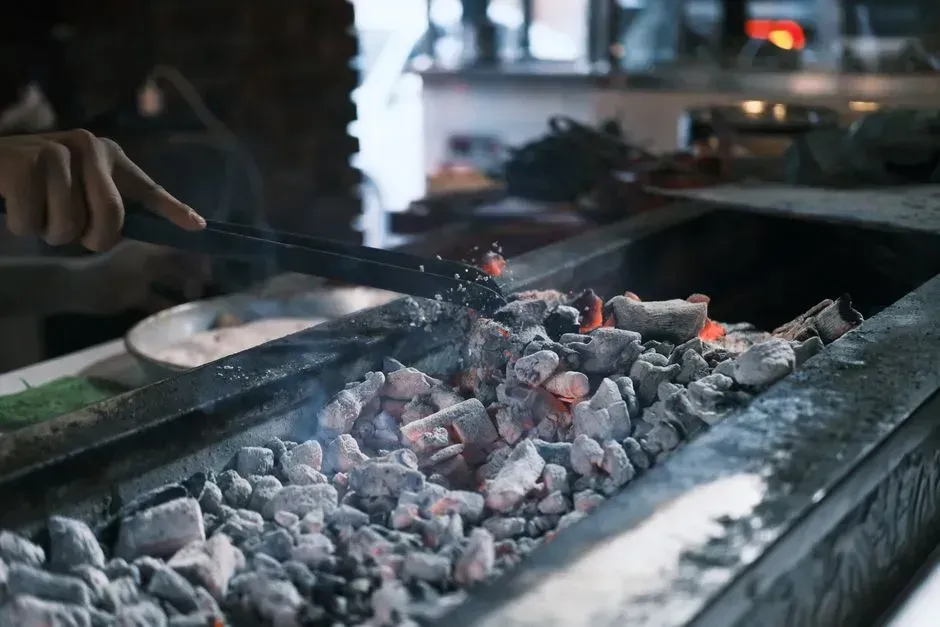
When the power fails for days at a stretch, people improvise – and some of those improvisations are deadly. The indoor use of outdoor barbecues and charcoal grills has been found to be the second most common source of carbon monoxide poisoning in disaster situations. Inappropriate use of a grill or barbecue was thought to be the carbon monoxide source in nearly a quarter of all incidents. People bring these items inside to cook or to stay warm, not realizing the exhaust is lethal in an enclosed space.
Widespread power outages in the days after a natural disaster find many people resorting to heating their homes using ovens and charcoal grills, adding the risk of fire in addition to the danger of carbon monoxide. The EPA is unambiguous on this point: each year, hundreds of people die and thousands more get sick from carbon monoxide due to unsafe use of generators – always put generators outside, well away from doors, windows, and vents. The same rule applies to grills.
Owning No Emergency Supply Kit
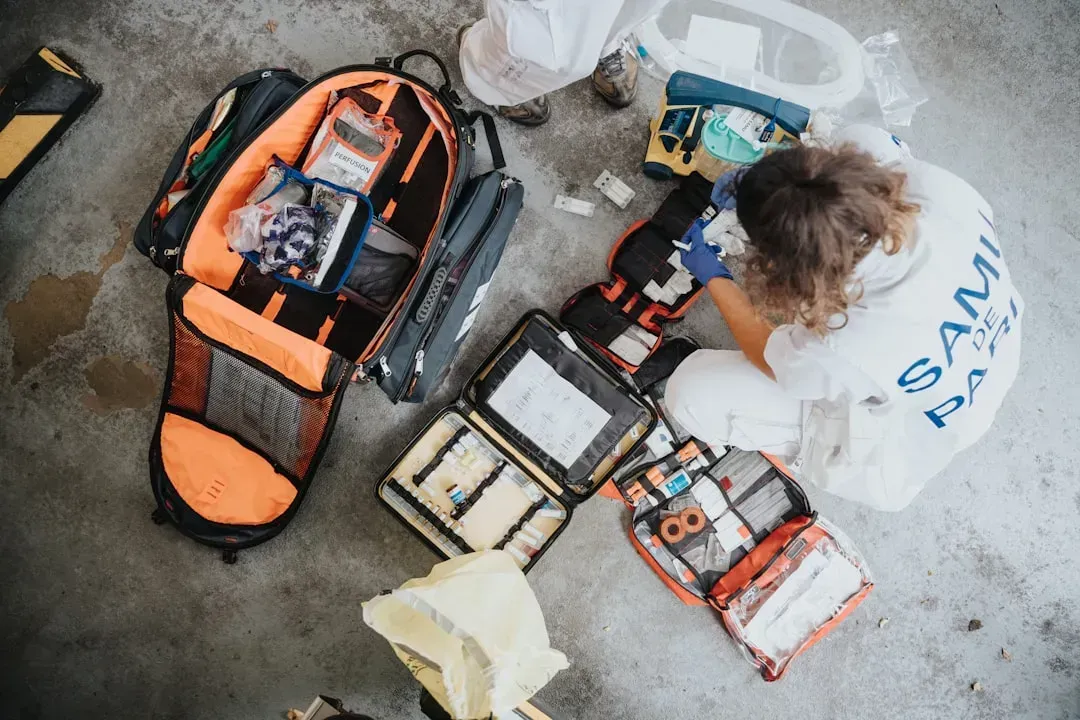
Only 32% of Americans feel confident in both their ability to prepare and that it would make a significant difference. That low confidence is partly what keeps people from assembling even a basic emergency kit. Yet the supplies themselves are straightforward: water, food, medications, documents, a flashlight, and a first-aid kit. First responders and paramedics emphasize that in the immediate aftermath of a major disaster, help may not arrive quickly. As Hurricane Helene demonstrated, people can be isolated and on their own for days – it takes time for government to organize and come to the rescue.
Cost was the top barrier to taking preparedness action, reported by 26% of respondents. That’s a real challenge, but emergency managers point out that a kit built gradually over time – a few extra water bottles one week, a bag of canned goods the next – costs very little and can mean everything. Only 35% of lower-income individuals had money saved for emergencies, which makes preparing through low-cost incremental steps even more important for households already stretched thin.
Overloading Electrical Circuits and Ignoring Warning Signs
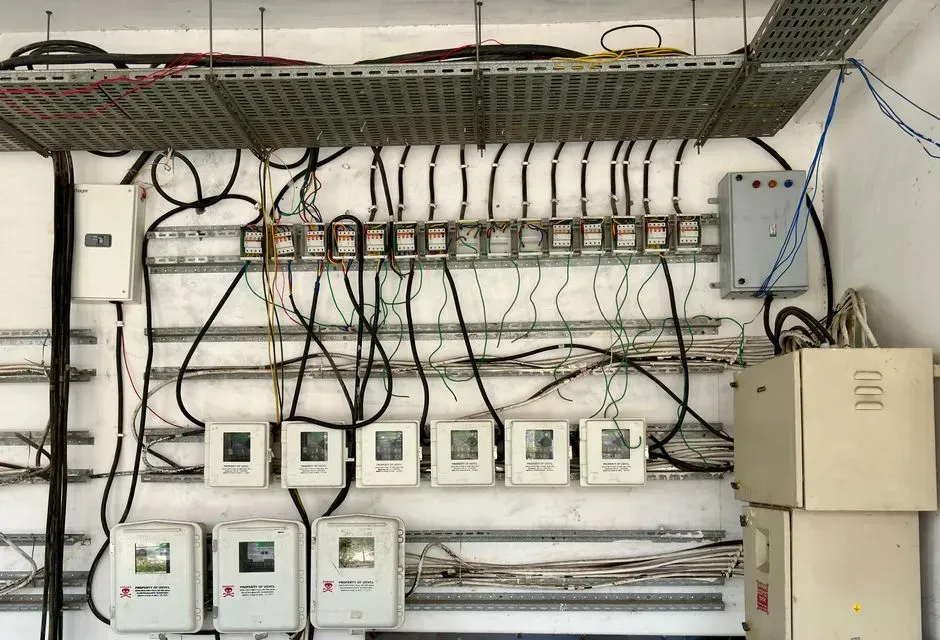
Electrical fires cause nearly 500 deaths annually. Electrical fires can start at various sources, including faulty wiring, overloaded circuits, or malfunctioning appliances. Despite that, many residents continue to daisy-chain power strips, ignore flickering lights, or delay calling an electrician when outlets begin behaving strangely. These aren’t minor inconveniences – they’re fires waiting for the right moment.
Electrical issues should be addressed as soon as possible to help avoid potential fires – issues can include loose outlets, flickering lights, or outlets or wires that smell like they’re burning. Older homes are particularly vulnerable. Regular inspections, especially in older homes, can help identify and fix potential hazards before they escalate into something that no amount of quick thinking can stop. Emergency responders say electrical fires are among the most underestimated threats in the home, and overloading a circuit is one of the easiest things in the world to avoid.
Driving Into Flooded Roads
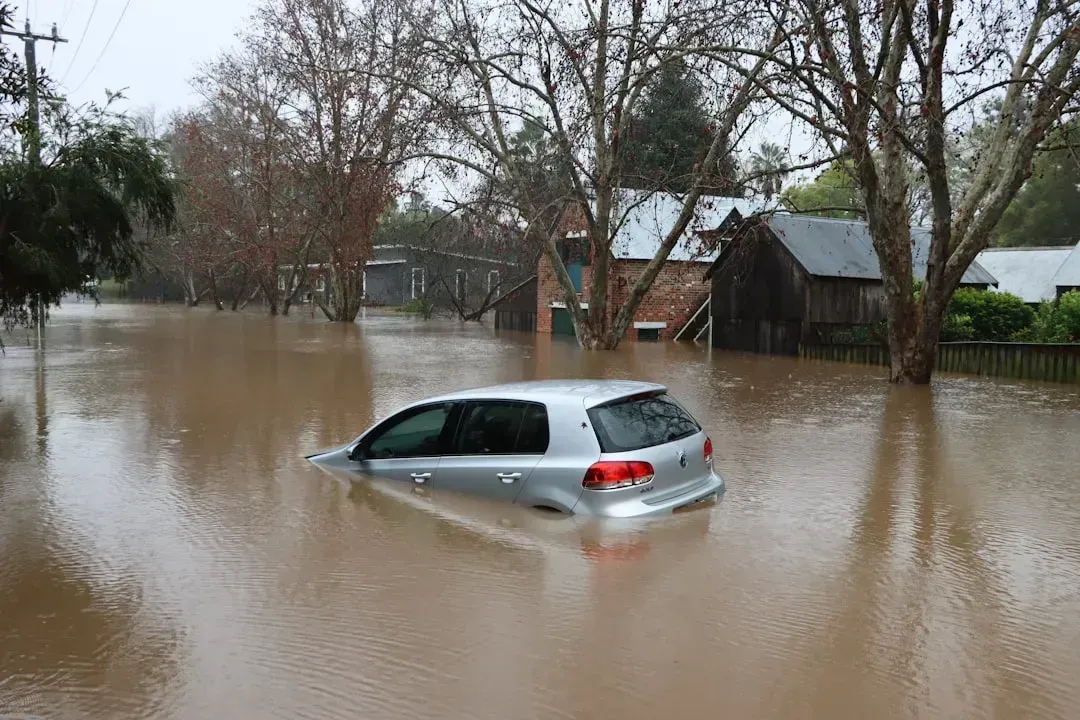
It’s one of the most repeated warnings in emergency management, and one of the most consistently ignored: turn around, don’t drown. Floodwater depth is almost impossible to judge from inside a vehicle. Roads can be completely washed out beneath as little as a foot of moving water, and the force of a fast-moving current can sweep away an SUV. Flooding and storms account for the greatest number of natural disasters globally, and road flooding is among the most preventable causes of disaster-related death in the United States.
Emergency responders report that a significant share of flood rescues involve drivers who chose to cross water they thought was shallow or slow-moving. Every one of those rescues puts first responders at risk alongside the driver. Experience tells us that when the whole community takes a challenge seriously and everyone plays a role, the end result is more effective – everyone, not just the government, needs to be involved in a systematic effort to keep the nation resilient. That starts with individual choices, and the choice to stop the car at a flooded road is one of the simplest and most lifesaving a person can make.
Conclusion

The habits covered here aren’t exotic or hard to address. They don’t require special training or expensive equipment. What they require is attention – the kind of deliberate, calm preparation that emergency responders wish every household would make a priority. FEMA’s 2023 National Household Survey found that 51% of adults believed they were prepared for a disaster, a 9% increase from 42% in 2017. Progress is happening. Still, believing you’re prepared and actually being prepared are very different things.
First responders aren’t trying to frighten anyone. They’re trying to make their own jobs less heartbreaking. The gap between a tragedy and a close call is often nothing more than a smoke alarm with a fresh battery, a route planned in advance, or a generator left outside where it belongs. Small changes, made before disaster arrives, are exactly the kind of thing that saves lives – and the people most qualified to say so are the ones who keep showing up when those changes weren’t made.
