

- Phantom Energy Sucking Power 24/7 – 7 Home Electronics Quietly Inflating Utility Bills - November 14, 2026
- A Million-Mile Storm Raging for Centuries – 6 Violent Weather Wonders in Our System - November 14, 2026
- Animals Flee Hours Before the Tremor – 7 Natural Warnings Before Disasters Strike - November 14, 2026
Wildfires don’t give you much time to think. When one sweeps through your area, the window between an alert on your phone and an evacuation order can be measured in minutes, not hours. What separates people who move quickly and safely from those who freeze often comes down to decisions made weeks or months before the first ember ever falls.
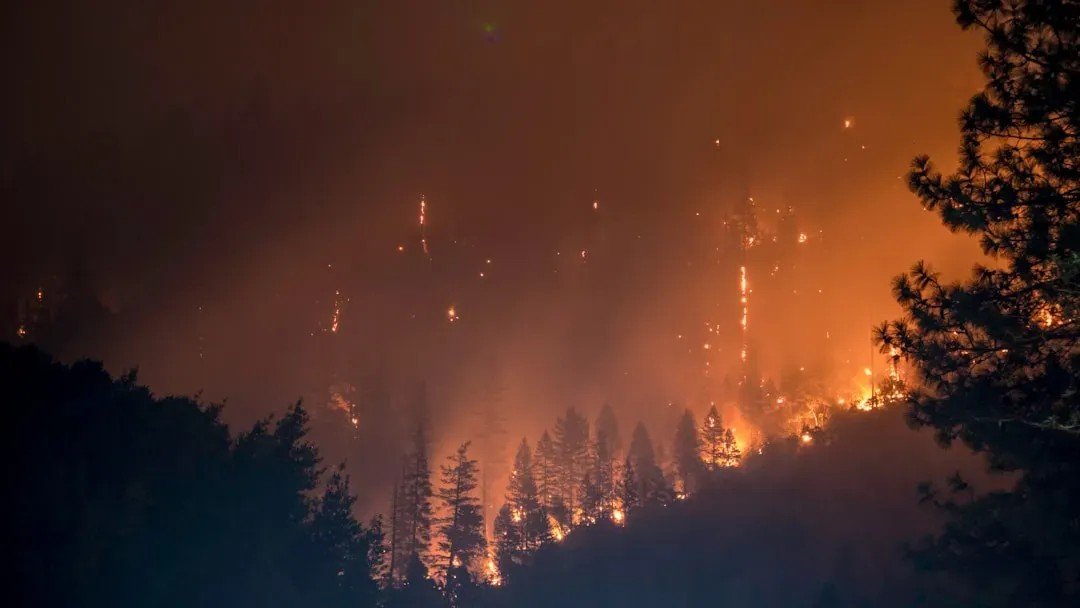
The January 2025 Los Angeles fires illustrated this with brutal clarity – a devastating wildfire erupted in the mountains north of the Pacific Palisades on January 7 and quickly engulfed neighboring communities, fueled by high winds and low humidity. The Eaton and Palisades fires became the first and second most destructive in California’s history, causing 29 fatalities, the loss of 18,000 homes, and forcing more than 200,000 residents to evacuate. For anyone living in fire country, these numbers are a hard lesson in why preparation isn’t optional. Here’s what made the difference for those who were ready.
1. I Had a Go Bag That Was Actually Ready to Go
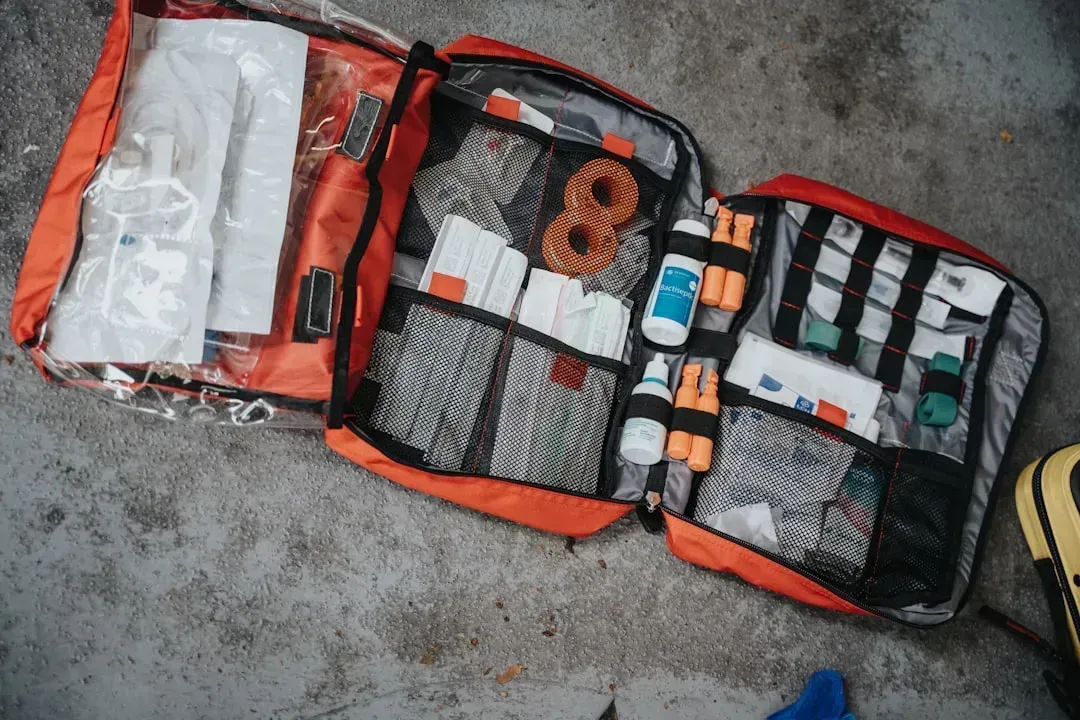
Getting an emergency supply kit ready well before any wildfire or disaster is essential – it needs to be accessible for quick evacuation and prepared for the possibility of being away from home for a while. Backpacks work well for storing essentials and personal documents, while food and water can go in a wheeled tub or chest for easier transport. The key is keeping the bag light enough for comfortable lifting into your vehicle.
A small, fireproof pouch for important documents – copies of IDs, insurance cards, medical summaries, and emergency contacts – is a critical part of any go bag. Keeping a duplicate set off-site or in secure cloud storage adds an extra layer of protection. Experts recommend planning for at least one gallon of water per person per day, with extra if you have pets. None of this is complicated. It just has to be done ahead of time, not in the middle of a crisis.
2. I Knew My Evacuation Routes Before I Needed Them
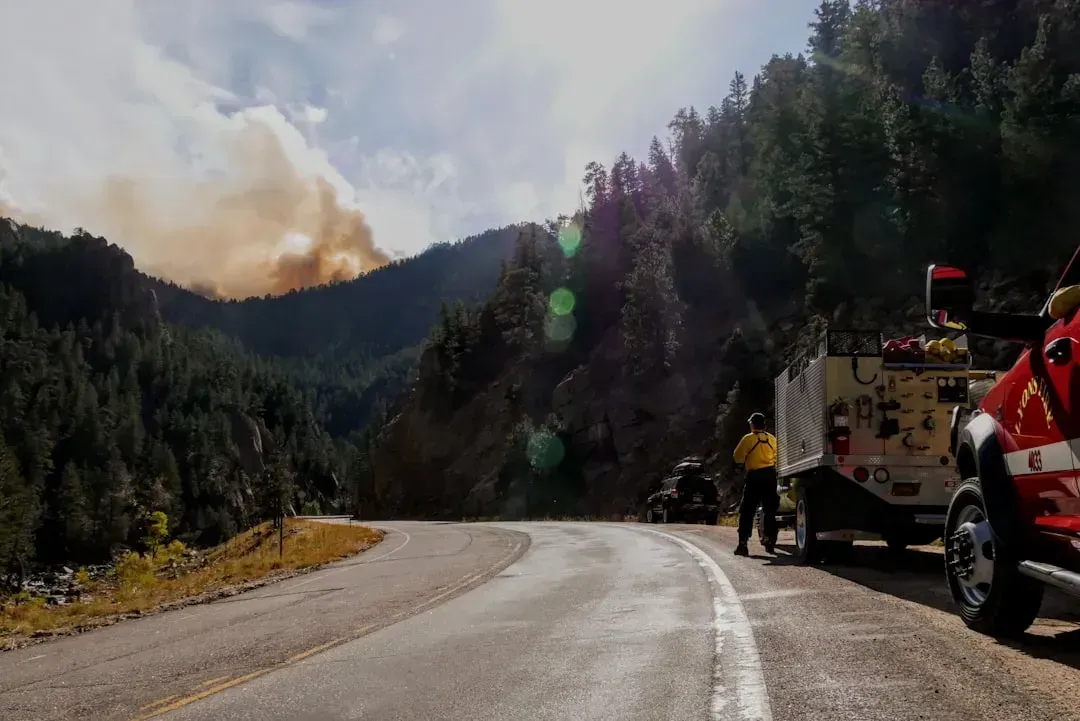
During a wildfire evacuation, the Texas A&M Forest Service recommends having two evacuation routes in case one becomes compromised, and being aware of any dead-end roads to avoid. You may have to evacuate quickly, which means learning your evacuation routes, practicing with pets, and identifying ahead of time exactly where you will go.
One of the main problems during wildfire evacuations is communicating evacuation orders and safe routes to residents in time – during the 2025 Los Angeles fires, residents on one side of Altadena received evacuation orders hours before those on the other side, where the fire was already burning through neighborhoods. Knowing your routes in advance means you don’t need to wait for an official order to start moving. It’s not necessary to wait for authorities to issue an evacuation order – if you feel threatened, evacuating early is always the safest option.
3. I Had Multiple Ways to Receive Alerts
Having several ways to receive emergency alerts matters enormously. This includes downloading the FEMA app for real-time alerts from the National Weather Service covering up to five locations, as well as signing up for community alerts and being aware of the Emergency Alert System and Wireless Emergency Alerts, which require no sign-up. Keeping your cell phone charged when wildfires are possible in your area, along with backup charging devices, is a basic but often overlooked step.
During the 2025 Los Angeles fires, officials inadvertently sent erroneous emergency alerts to a large area while attempting to target a small zone – a software malfunction that sparked widespread confusion and panic. That episode underscored why relying on a single alert channel is risky. Diversifying how you receive information, including local radio and neighborhood apps, gives you a more complete picture of what’s actually happening.
4. I Had Created Defensible Space Around My Home
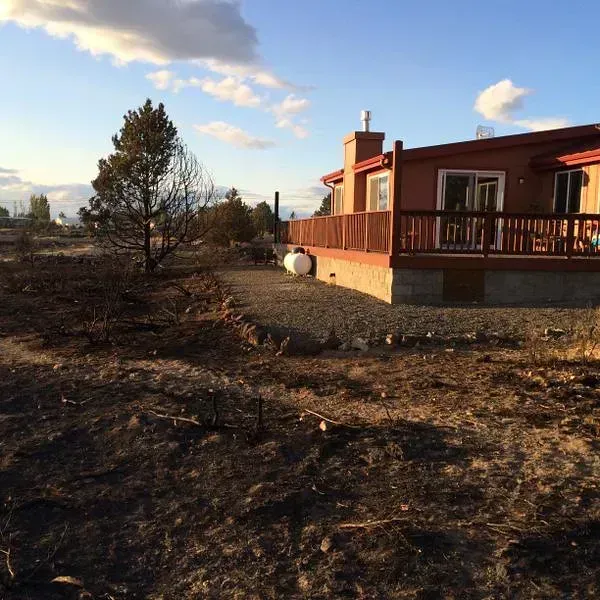
Being ready for wildfire starts with maintaining adequate defensible space around your home – an area cleared of vegetation that allows firefighters to position themselves between the home and approaching flames. Without this space, fire can quickly spread through brush to the structure, and there’s little that can be done to defend it. Creating a buffer zone between the home and combustibles like grass, trees, and shrubs can slow or stop wildfire spread. Property owners can remove dead vegetation, create firebreaks with sidewalks and non-flammable landscaping, and trim shrubs and trees.
Home hardening and defensible space work together – hardening means retrofitting with fire-resistant materials, while defensible space means creating and maintaining a vegetation buffer to slow fire spread. While neither is a guarantee that a home will survive a wildfire, these efforts give it the best chance. Even modest changes to the vegetation immediately surrounding a home can make a meaningful difference when embers start flying.
5. I Understood the Ember Threat
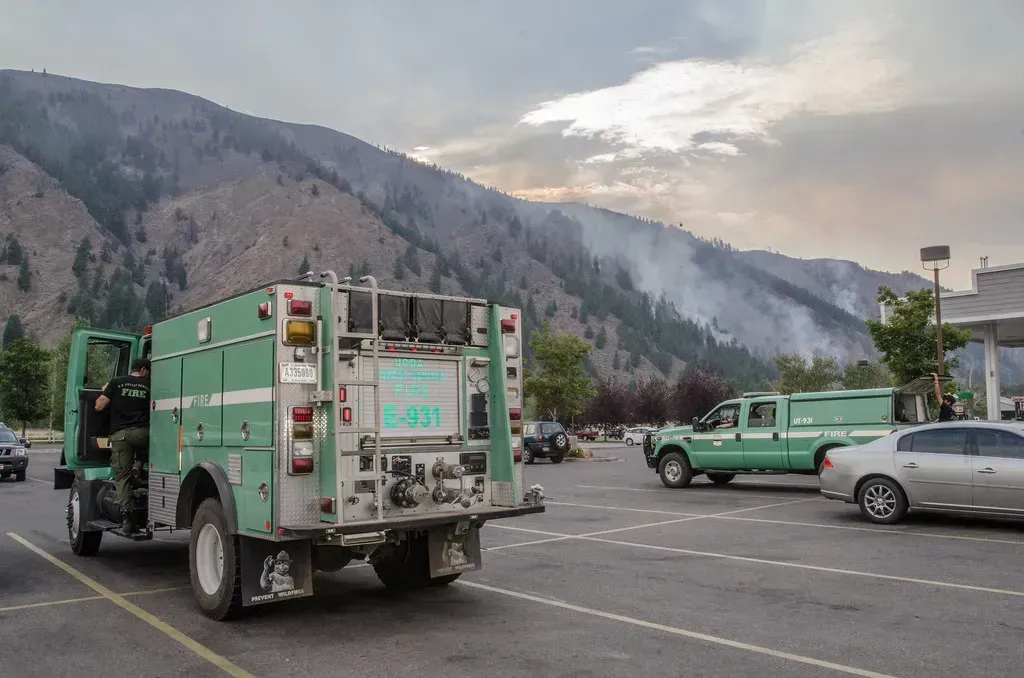
The Home Ignition Zone concept, developed by Forest Service scientists, demonstrated that embers – not walls of flames – are the most common ignition source during wildfires. This research has directly shaped how we protect homes and communities. Flying embers are particularly destructive, capable of igniting homes up to a mile away from the main fire. That’s a sobering reality for anyone who thinks that keeping some distance from forested land is protection enough.
The roof is the most vulnerable part of a home during a wildfire. Homes with wood shingle roofs are at high risk of being destroyed, making it worth opting for composite, asphalt, metal, clay, or tile roofing to resist fires. Installing noncombustible, corrosion-resistant metal mesh over vents to block embers is another important step – fiberglass or plastic meshes should be avoided because they can melt. Replacing vents with California State Fire Marshal-approved flame and ember-resistant vents offers enhanced protection.
6. I Had a Household Plan That Everyone Knew

Making sure everyone in your household knows and understands what to do if a quick evacuation is needed is essential – and that includes a plan for the office, kids’ school or daycare, and anywhere family members regularly spend time. Developing an evacuation plan, assembling emergency supply kits, home hardening, and staying informed through local alerts are all proactive steps that can give individuals and families the time, clarity, and confidence needed to evacuate early and safely.
Increasing your chances of survival means being ready to go at a moment’s notice, following a structured evacuation guide when wildfire necessitates immediate departure, and ensuring a safe, orderly evacuation for the entire family. If time allows before evacuation, critical steps include shutting off gas, securing windows, and removing flammable items – and planning for the safety of pets and farm animals is a part of wildfire preparedness that many people forget until it’s too late.
7. I Protected Myself from Smoke

Storing an N95 mask is a straightforward step that can protect against smoke inhalation during a wildfire event. N95 or P100 respirators help filter fine particles in smoke, and packing several sizes to fit each family member – along with safety goggles to protect eyes from ash – is worth doing well before fire season begins. Smoke is not just an inconvenience. It’s a serious health hazard that can affect people hundreds of miles from the fire itself.
Wildfires release large amounts of particulate matter, carbon dioxide, and other pollutants, which can cause long-term respiratory issues and exacerbate conditions like asthma, even in communities far from the flames. People with asthma, COPD, and other lung conditions should take particular precautions in areas with poor air quality, as it can worsen symptoms considerably. Having air filtration set up indoors and knowing how to seal off a room from outside smoke are skills worth learning before you need them.
8. I Kept My Documents and Insurance in Order

Making sure insurance policies and personal documents, including identification, are up to date is a critical preparedness step – keeping copies in a secure, password-protected digital space adds important backup in case physical documents are lost. When a fire moves through quickly, there’s no time to gather paperwork scattered across filing cabinets and desk drawers. Having everything organized and accessible in advance removes one more obstacle when every second counts.
Social science research shows that residents who engage in risk mitigation activities tend to be better prepared to evacuate during wildfires. Insurance documentation in particular can shape how quickly and fully a household recovers. A cross-regional study on wildfire preparedness found that only about one in five survey participants found their evacuation plans accessible, which points to a wide gap between what people know they should do and what they actually put in place before a fire arrives.
9. I Had Prepared Mentally, Not Just Physically
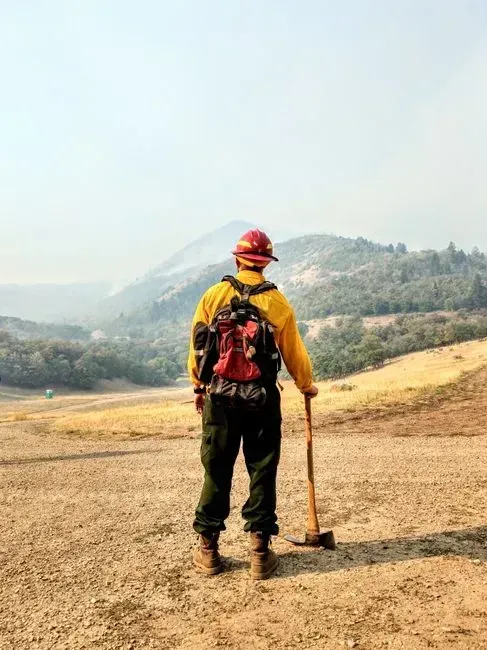
The emotional impact of a wildfire can be just as devastating as the physical damage to property. Wildfires often cause widespread destruction, displacing families and leading to feelings of grief, stress, and anxiety – and acknowledging these emotional responses as natural, while prioritizing mental health as part of recovery, is important. According to the American Psychological Association, up to roughly four in five wildfire survivors experience some form of psychological distress, with nearly a quarter developing symptoms of post-traumatic stress disorder within the first year.
Fire evacuation anxiety can be overwhelming, especially when on standby – and while staying packed, prepared, and vigilant is essential, finding ways to manage stress and stay calm is equally important. Public awareness campaigns are increasingly integrating psychological resilience training into disaster preparedness programs, with schools, workplaces, and community centers playing an active role in promoting mental health literacy and stress management techniques. Knowing that fear and stress during a wildfire are normal responses – and having practiced ways to stay functional despite them – turns out to be one of the most underrated forms of preparation there is.
The gap between those who evacuated safely and those who didn’t, in fire after fire, rarely comes down to luck alone. It comes down to the decisions made long before the smoke appeared on the horizon. A charged phone, a clear route, a packed bag, sealed vents, trimmed brush, and a calm mind don’t eliminate danger – but they give you a fighting chance. That’s exactly what preparation is supposed to do.
