

- The Planet Where It Rains Liquid Glass – 7 Alien Worlds Defying Known Physics - November 14, 2026
- Stars Consuming Entire Worlds – 6 Planetary Systems Swallowing Their Own Worlds - November 14, 2026
- The Ground Liquefies Like Water – 6 Silent Fault Lines Geologists Watch Closely - November 14, 2026
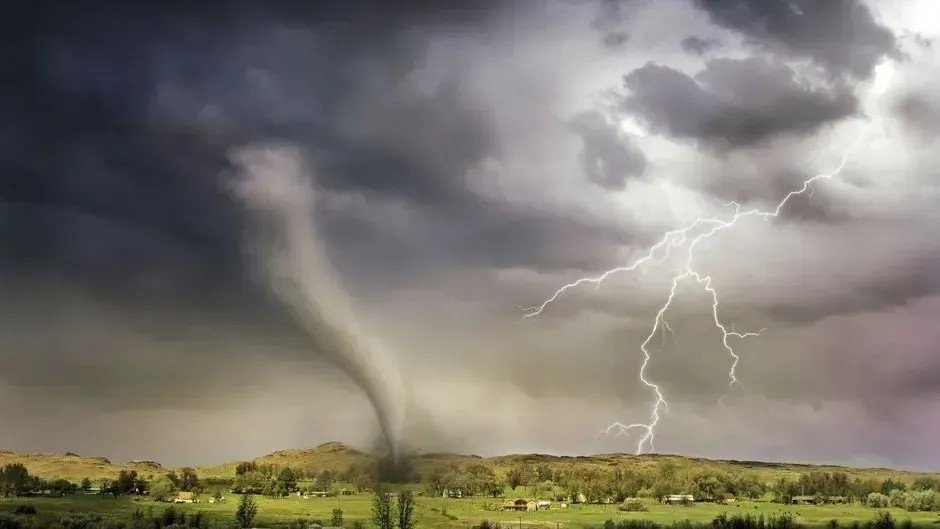
Tornadoes are among the most violent and unpredictable weather events on Earth, and yet a surprising amount of what people think they know about them is simply wrong. Tornado myths are incorrect beliefs that can be attributed to many factors, including stories told by people unfamiliar with tornadoes, sensationalism by news media, and the presentation of incorrect information in popular entertainment. The problem is that these aren’t just harmless misunderstandings – believing them can put people directly in harm’s way.
Misinformation about tornado safety can lead to poor decision-making in life-threatening situations, causing delays in seeking shelter, increased exposure to flying debris, and a greater risk of injury or death. Here are seven of the most persistent and dangerous myths about tornadoes – ones that people not only believe but actively act on when a storm strikes.
Myth 1: Hiding Under a Highway Overpass Will Keep You Safe

The overpass myth refers to a common misconception that overpasses, usually located on highways, are a safe location to take shelter during a tornado. The myth gained mainstream attention in 1991 and has been responsible for numerous deaths as a result of tornadoes, notably during the 1999 Bridge Creek–Moore tornado. It first gained that mainstream attention when a video of a news crew sheltering under a Kansas Turnpike overpass during an F2 tornado was spread across the United States, being watched by millions of people. The video led many viewers to believe that overpasses were safe places to take shelter, and the news crew survived with only minor injuries, further leading people to believe the myth.
Even in a weaker tornado with winds of 100 to 150 miles per hour, sheltering under an overpass can add 40, 50, or even 60 miles per hour to those speeds – making the tornado you’re in measurably worse. An overpass may be a dangerous place for shelter regardless, as wind may not decelerate depending on the location, and flying debris may reach areas of the overpass that appear to be protected from the wind. If caught on the road, the National Weather Service recommends either getting down low in the car and covering your head, or abandoning the vehicle and lying down in a low spot like a ditch or ravine.
Myth 2: Opening Your Windows Will Equalize Pressure and Save Your Home
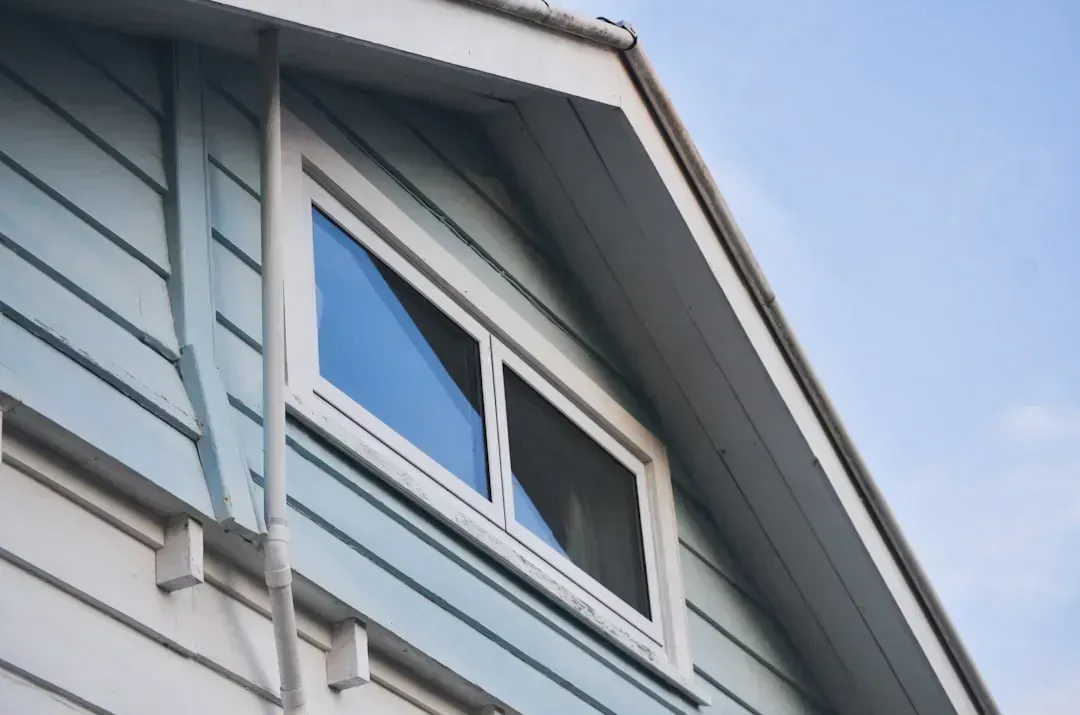
A classic myth is that people should open windows in their home before a tornado strikes, because they thought they should let the air pressure equalize, which would in turn limit damage to the house. It sounds logical at first – after all, if pressure inside and outside the home equalizes, why would the walls blow out? The problem is that this reasoning misunderstands what actually causes destruction during a tornado.
NOAA notes that opening windows is “absolutely useless, a waste of precious time, and can be very dangerous,” adding that officials note you may be injured while trying to open windows, and that tornadoes are capable of blasting them open anyway. As NOAA Storm Prediction Center warning coordination meteorologist Greg Carbin put it: “It’s not about the pressure in your house; it’s the winds that will ultimately be the cause of further destruction. The winds are going to bring debris from miles around, and if you open the windows, that will bring it right into your living room.” Skip the windows entirely and get to the safest interior room immediately.
Myth 3: Tornadoes Are Always Visible and You’ll See One Coming
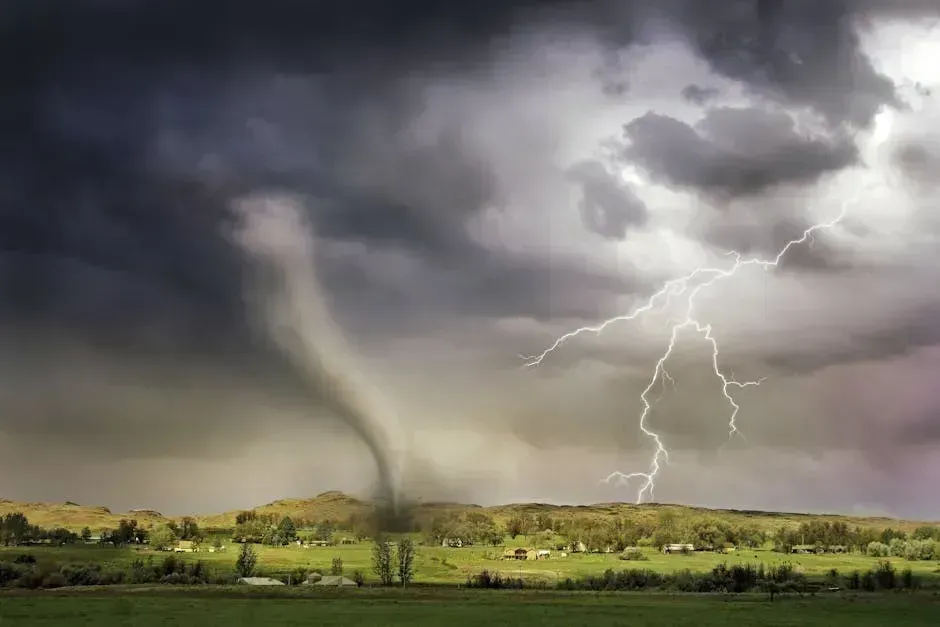
Some people wait to see a tornado before believing it, but this is very dangerous because sometimes the funnel of a tornado will not be visible. While some tornadoes can be spotted from a good distance, others may be wrapped in heavy rain and barely visible at all, and debris, sand, and dark skies can further hinder visibility. Waiting for visual confirmation before taking shelter is a gamble that has cost lives.
Not all tornadoes have a distinctive funnel cloud, and in many cases they are obscured from view by heavy rains. Tornadoes can also strike at night when it’s too dark to see the funnel. Knowing what to do during a tornado will ensure you can act if a warning is issued – even if you can’t see a tornado in the sky. A loud roar is a good indicator, because tornadoes give off a continuous rumble similar to a train sound. Rely on official warnings, not your own eyes.
Myth 4: The Southwest Corner of a Building Is the Safest Spot
The idea that the southwest corner of a structure is the safest place in a tornado was first published in the 1800s and persisted until the 1990s despite being thoroughly debunked in the 1960s and 1970s. The logic behind it was that since most tornadoes travel from southwest to northeast, debris would be carried away from the southwest-facing corner of a building. It’s a tidy theory – and a dangerously wrong one.
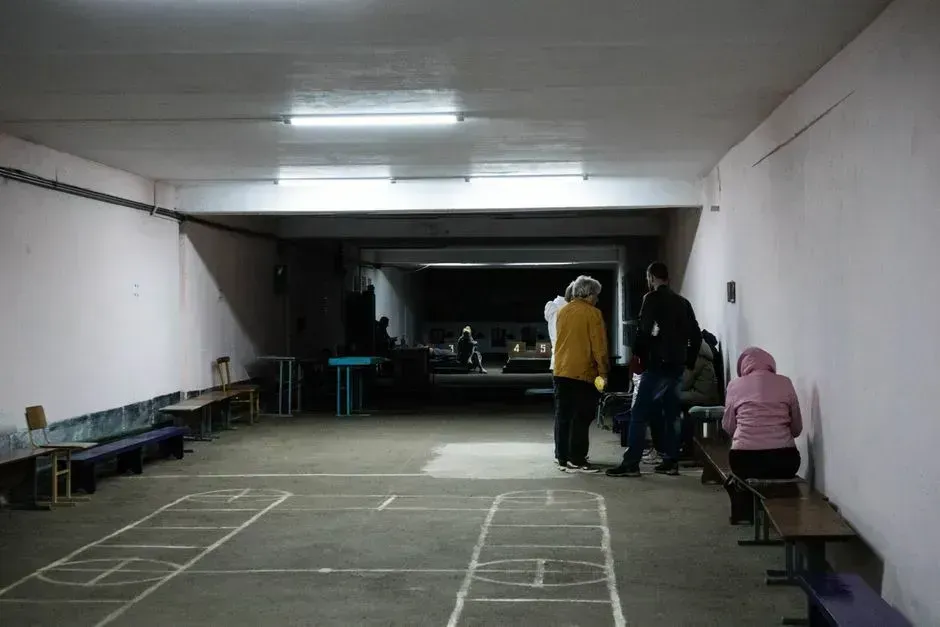
This myth was derived from two misconceptions: first, that tornadoes always travel in a northeasterly direction, and second, that debris would be carried away in that direction, leaving anyone on the approach side unharmed. In reality, surveys of major tornado damage in residential areas showed that the section of a house facing the tornado’s approach is actually the least safe. Because determining a tornado’s direction of approach can take time away from seeking shelter, official advice is to seek shelter in an interior room on the lowest floor of a building, under a staircase or sturdy piece of furniture if possible.
Myth 5: Mobile Homes Are Safe Enough If They’re Tied Down
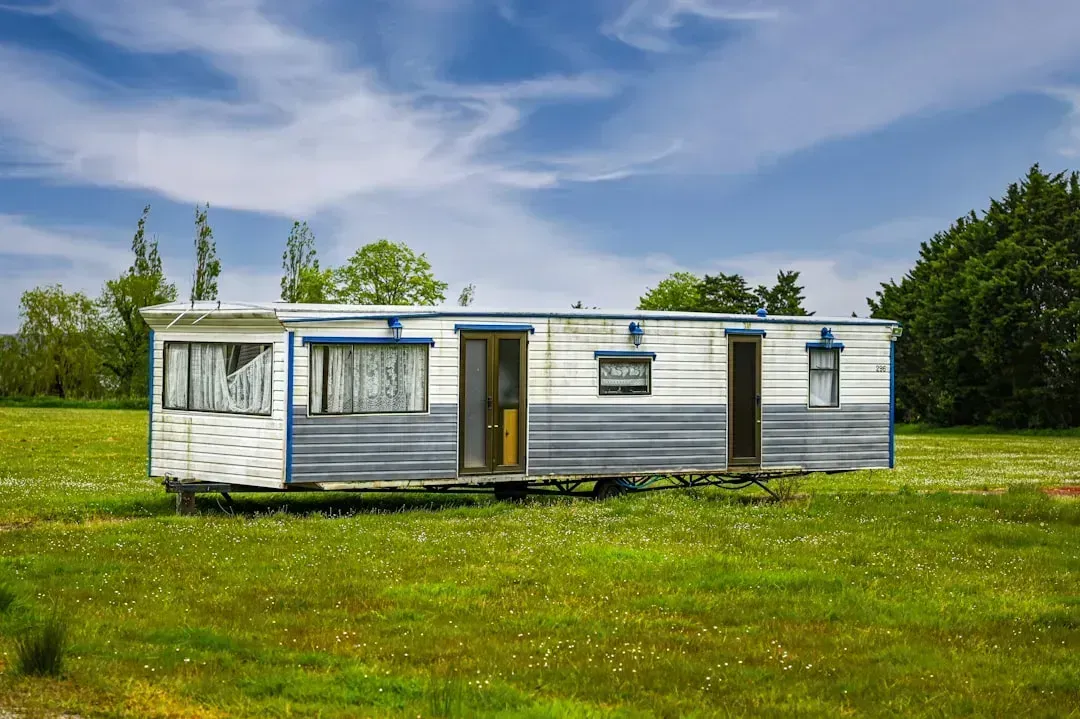
A lot of mobile home residents take comfort in knowing their home is secured with tie-downs or anchoring systems. It feels like a reasonable precaution, and it is – for many types of severe weather. Tornadoes, however, are a different matter entirely. Mobile homes are among the most dangerous places to be during a tornado. Even homes with tie-downs can be destroyed by EF2 tornadoes or stronger, and the National Weather Service reports that mobile homes account for a disproportionate number of tornado fatalities.
Mobile homes are often built with lighter-weight materials that do not hold up well in tornadic winds. Straight-line winds can destroy a mobile home as easily as a tornado, especially one that is not properly anchored, and any wind gust sustained for three seconds over 50 mph can cause damage. Over 39 percent of all tornado-related deaths come from residents of mobile homes. If a tornado warning is issued, the right move is to evacuate to a designated storm shelter or sturdy building – not to wait it out inside.
Myth 6: Tornadoes Only Happen in Tornado Alley
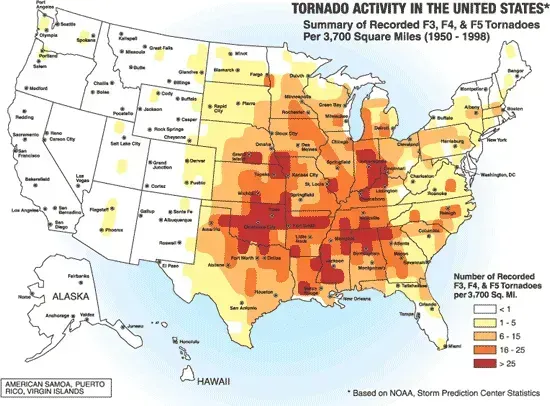
Ask most people where tornadoes strike, and they’ll point you to Oklahoma, Kansas, and Texas. That’s understandable – those states do see frequent and intense tornado activity. Tornado Alley is a nickname invented by the media to refer to a broad area of relatively high tornado occurrence in the central United States, but the idea of a “tornado alley” can be misleading. The boundaries aren’t scientifically defined, and the risk doesn’t stop at any particular state line.
The U.S. tornado threat shifts from the Southeast in the cooler months toward the southern and central Plains in May and June, and then toward the northern Plains and Midwest during early summer. Tornadoes can occur and have been reported in all fifty states, and violent tornadoes do happen outside Tornado Alley every year. Another popular misconception is that mountainous terrain protects people from tornadoes. While the frequency is lower in mountainous areas, significant tornadoes can occur regularly in the southern Appalachian region and have even been documented at high altitudes along the continental divide of Wyoming. No geography makes you immune.
Myth 7: A Bigger Tornado Is Always a Stronger, More Dangerous One
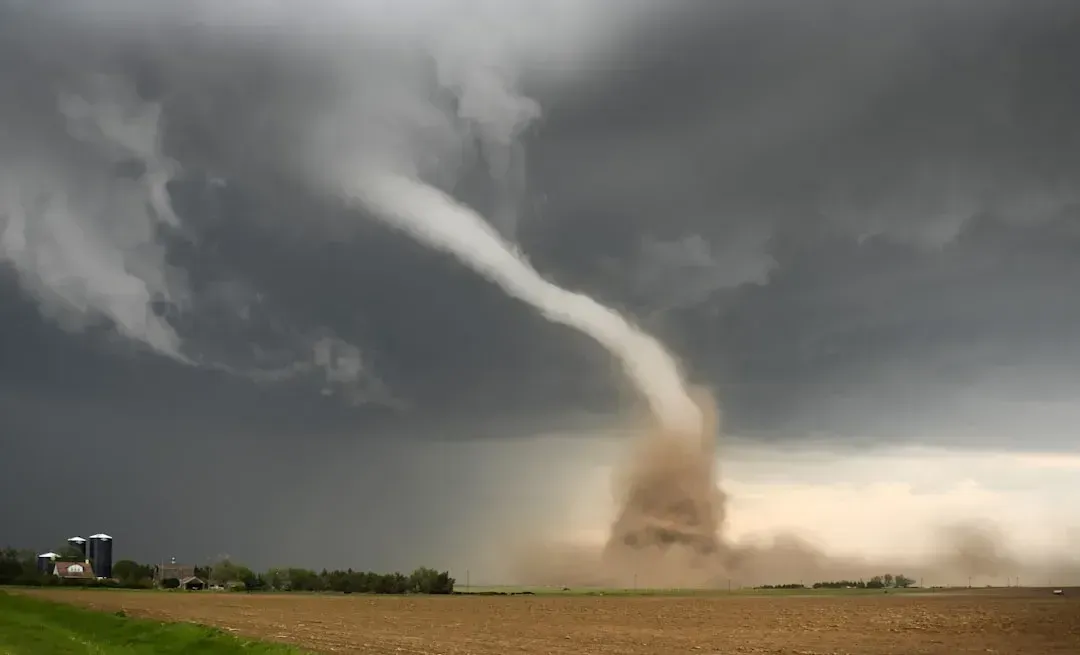
It’s a natural assumption – a massive, mile-wide wedge tornado must be more dangerous than a thin, rope-like funnel. Visual size is compelling, and it’s the kind of shortcut our brains are wired to make. The idea that size is indicative of destructive strength is absolutely false with a tornado. While the area a tornado covers may give it a larger appearance of strength, any size tornado can be deadly. In many cases, what are referred to as “rope” tornadoes – smaller, narrower funneled storms – have often left the most destruction.
Statistically speaking, larger tornadoes do often have a higher damage rating, but smaller tornadoes can be strong or violent as well. As NOAA’s Storm Prediction Center notes, “Some small ‘rope’ tornadoes still can cause violent damage of EF4 or EF5; and some very large tornadoes over a quarter-mile wide have produced only weak damage equivalent to EF0 to EF1.” The size or shape of any particular tornado does not say anything conclusive about its strength. Treat every tornado warning as a serious threat – regardless of what the funnel looks like on your screen or through your window.
Tornado safety ultimately comes down to replacing comfortable assumptions with accurate information. These myths persist because they feel intuitive, or because one person survived by following them and told the story. But survival is not the same as safety. The best way to stay safe is to rely on trusted sources such as NOAA, the National Weather Service, and emergency management agencies – and to have a plan that’s built on facts, not folklore.
