


- The Planet Where It Rains Liquid Glass – 7 Alien Worlds Defying Known Physics - November 14, 2026
- Stars Consuming Entire Worlds – 6 Planetary Systems Swallowing Their Own Worlds - November 14, 2026
- The Ground Liquefies Like Water – 6 Silent Fault Lines Geologists Watch Closely - November 14, 2026
Most of us think we have a decent grasp on our environmental footprint. We recycle the obvious stuff, maybe carry a tote bag, and try not to run the tap too long. The reality is a bit more complicated, and honestly, more interesting. The everyday objects around us carry hidden environmental stories that rarely make it onto product labels.
From the jeans hanging in your wardrobe to the coffee cup you grabbed this morning, ordinary items often carry a surprisingly large ecological price tag. Some of what follows will be counterintuitive. A few points may even challenge habits you thought were helping.
1. A Single Pair of Jeans Takes Thousands of Liters of Water to Produce
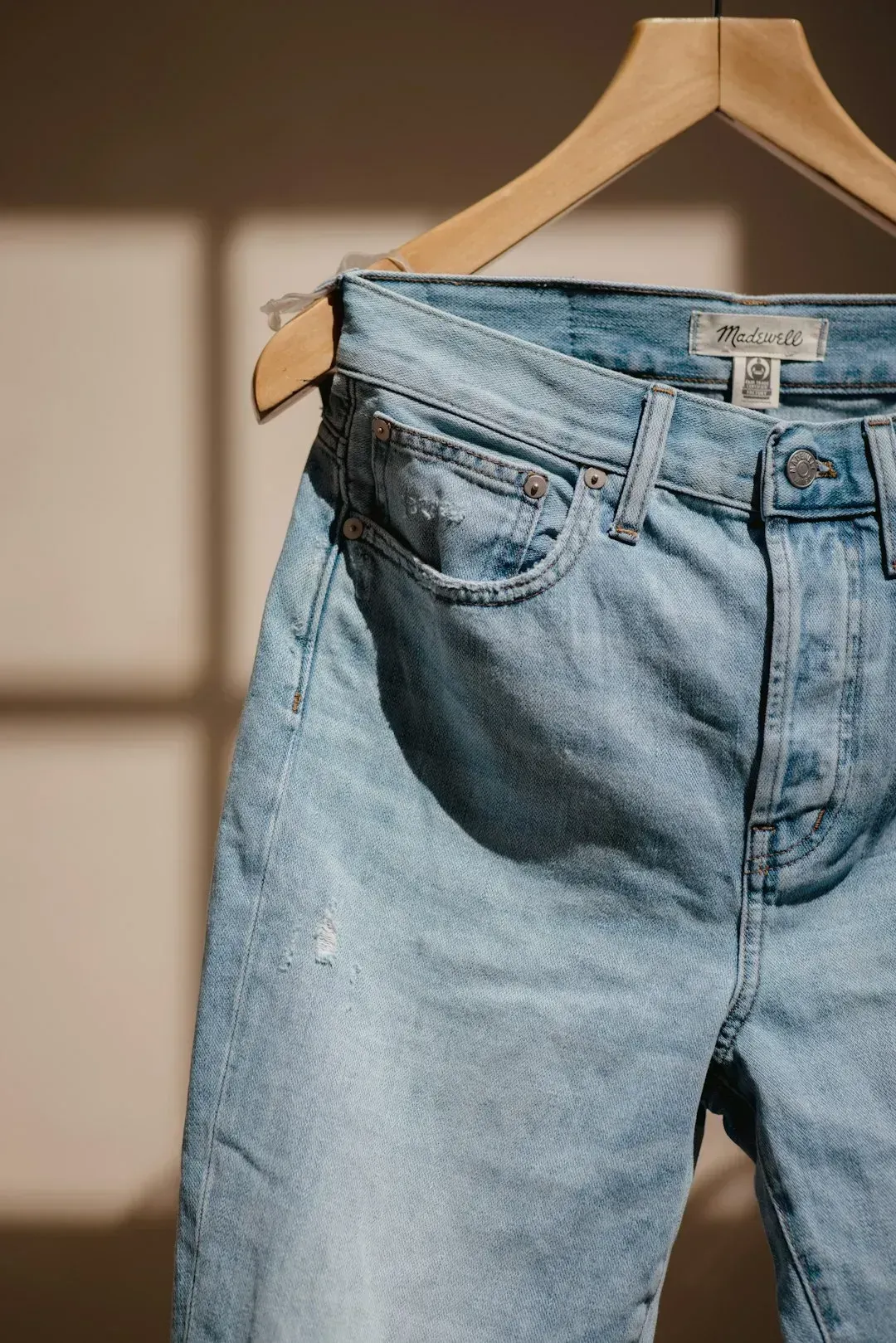
Denim is one of those materials people take completely for granted. It’s everywhere, it’s durable, and it feels timeless. What rarely comes up is just how water-intensive its production is. According to UNEP, producing one pair of jeans requires around 3,781 litres of water, enough to sustain one person’s drinking needs for years, from the production of the cotton to the delivery of the final product to the store.
Cotton irrigation accounts for roughly 92% of the water footprint of a pair of jeans, with the remaining 8% related to denim fabric production itself. That means the problem isn’t primarily in the factory. It starts in the field, long before anything is cut or sewn. Most of this water is used in cotton cultivation and during the dyeing and finishing processes, often in regions already suffering from water scarcity, and the denim industry consumes 50,000 tons of synthetic indigo dye and 84,000 tons of sodium hydrosulfite annually.
2. Your Disposable Coffee Cup Probably Can’t Be Recycled

The morning takeaway cup looks like paper. It feels like paper. Most people toss it in the paper recycling without a second thought, and that’s precisely the problem. Coffee cups are typically made of paper with a plastic coating that requires separation before recycling. Not only do they require a specialist system for processing, but they are also bulky and expensive to recycle.
Billions of single-use cups are discarded each year, with most ending up in landfills or polluting ecosystems due to their mixed-material composition. They’re often hard to recycle due to the unique combination of cardboard along with plastic finishes, linings, and lids. A growing number of governments are now moving to address this through legislation and surcharges, recognizing that consumer confusion alone is keeping billions of cups out of any recycling stream.
3. Washing Synthetic Clothes Releases Hundreds of Thousands of Microplastics Per Load
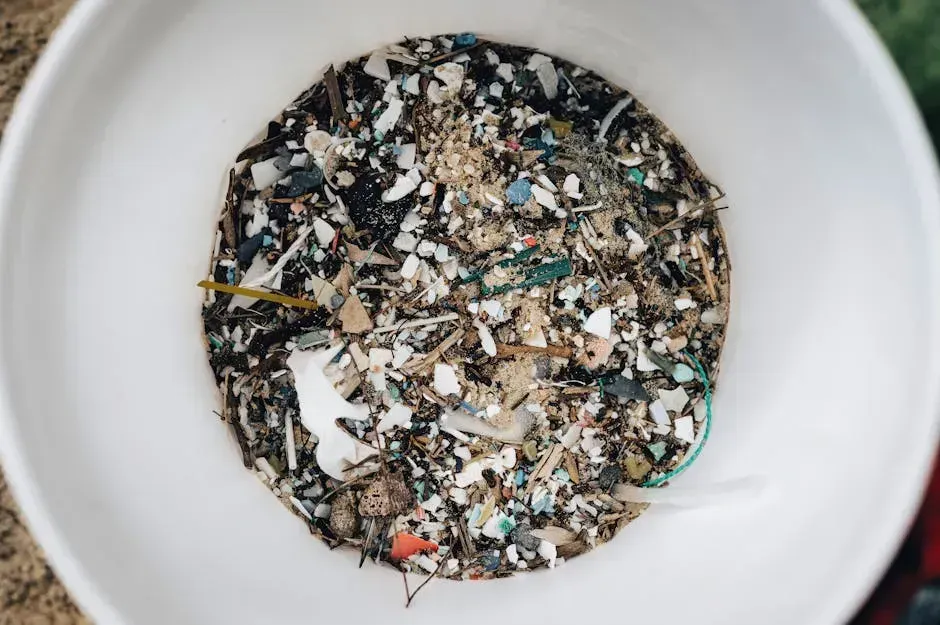
Every time you run a load of laundry containing polyester, nylon, or acrylic garments, something invisible happens in the wash water. A single laundry load of polyester clothes can discharge 700,000 microplastic fibres that can end up in the food chain. The majority of microplastics from textiles are released during the first few washes.
Washing synthetic fabrics leads to the accumulation of more than half a million tonnes of microplastics on the bottom of the oceans every year. These fibres are small enough to pass through most wastewater treatment systems undetected. Around 500,000 tons of microfibers enter the ocean every year from washing synthetic clothes, the equivalent of 50 billion plastic bottles. Laundry bags designed to catch microfibers exist and are one of the simplest interventions available to individuals right now.
4. The Fashion Industry Accounts for a Significant Share of Global Emissions and Water Pollution

Fashion is not usually discussed in the same breath as heavy industry, but its combined environmental footprint is substantial. The fashion industry makes up as much as 10% of global emissions, as well as 20% of industrial water pollution. Those are not fringe estimates. They reflect the energy used across supply chains that span multiple continents.
Roughly 85% of all textiles produced end up in landfills or are incinerated each year. Only 12% are reused, and less than 1% are recycled into new garments. That final number is the one that tends to surprise people most. Despite a decade of talk about textile recycling, the actual circular rate for clothing remains almost negligibly small. Three out of five new items of clothing are thrown away or incinerated within one year of purchase.
5. Keeping Clothes Longer Is One of the Most Effective Things You Can Do

Shopping secondhand and choosing sustainable brands gets a lot of attention. The simpler, often overlooked option is just holding on to what you already own. Extending the life of clothing by just nine months could reduce carbon, waste, and water footprints by around 20 to 30% each. That’s a meaningful reduction without buying anything new at all.
While roughly 80% of emissions arise in the production of clothing, an additional 20% of the ecological footprint occurs after purchase, making consumers responsible for about one-fifth of the environmental impact of their clothing. Washing less frequently, using cold water, and repairing minor damage are all low-effort actions that genuinely add up over a garment’s life cycle. The idea of buying less but better, something many sustainability researchers point to, finds strong support in the numbers here.
6. Your Reusable Cotton Tote May Need Thousands of Uses to Break Even

The reusable tote bag has become something of a cultural shorthand for eco-consciousness. The sustainability math behind it, though, is more complicated than it looks. According to a Danish report, one reusable cotton bag needs to be used a remarkable 7,100 times to offset the CO2 emissions involved in its production, and that number climbs to 20,000 times if it’s organic cotton.
This doesn’t mean reusable bags are a bad idea. It means the calculation depends heavily on how often they actually get used. Other studies suggest reusable water bottles, lunch boxes, and straws also need to be used hundreds of times to offset the amount of carbon emissions and toxic materials used to produce them. The real environmental benefit of reusables comes from consistent, long-term use, not from owning a growing collection that rarely leaves the house.
7. AI and Digital Activity Have a Growing and Often Underestimated Carbon Cost

Scrolling, streaming, and searching all feel weightless. They aren’t. As societies increasingly rely on artificial intelligence and digital infrastructure, the environmental footprint of our high-tech world expands significantly. Nearly half of executives now acknowledge that AI has increased their carbon emissions.
On average, one ChatGPT prompt requires nearly 10 times the electricity to process as a standard Google search. As AI tools become embedded in everyday life, that difference adds up at scale. The digital economy is often positioned as a clean alternative to physical industry, but the data centers, cooling systems, and supply chains behind our screens carry a real and growing environmental cost that rarely appears in personal carbon footprint calculators.
8. Food Production Is One of the Biggest Drivers of Deforestation

Deforestation is often associated with logging and urban sprawl, but the food on everyday plates is the more dominant cause. Agricultural production is responsible for nearly 90% of global deforestation and biodiversity loss, and food production contributes roughly 25 to 30% of greenhouse gas emissions globally. The link between diet and forest cover is direct, even if it rarely feels that way at the dinner table.
Plant-rich diets reduce emissions and tend to be healthier, leading to lower rates of chronic disease. The connection between what we eat and how land is used is one of the clearest levers individuals have on global environmental outcomes. Agricultural emissions could be reduced by as much as 70% by adopting a vegan diet and 63% by adopting a vegetarian diet, according to established research on dietary emissions, though gradual dietary shifts toward more plant-based foods still produce meaningful reductions at a population scale.
9. Organic Food in Landfills Is More Harmful Than Most People Realize
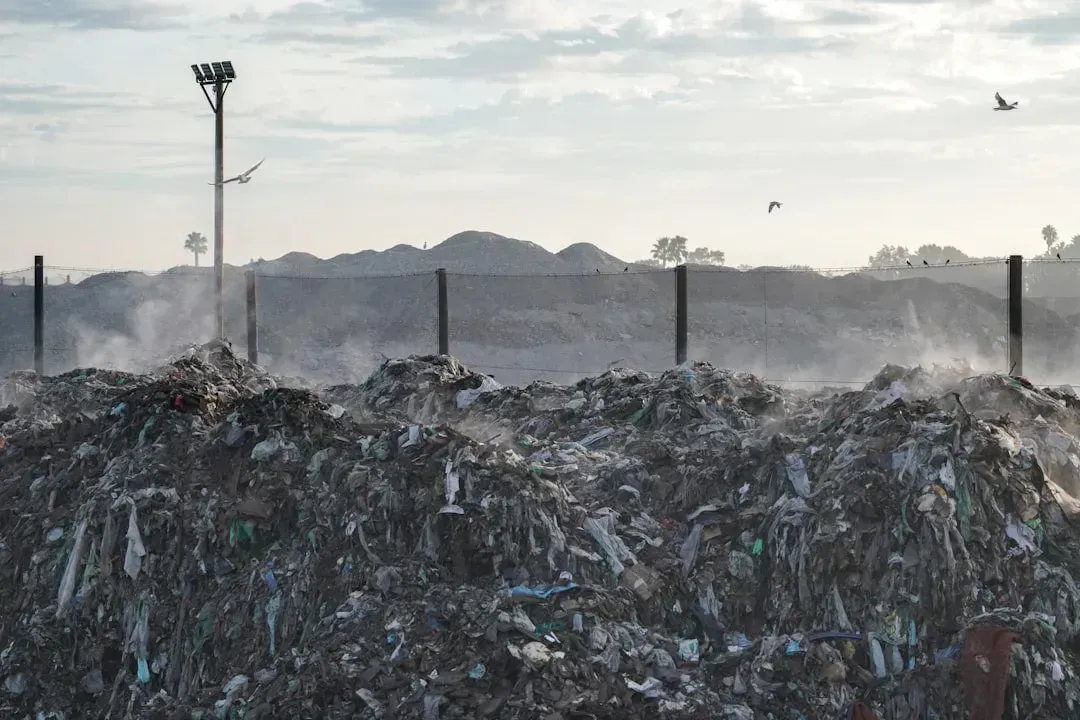
Food scraps going into the trash feels like a small and biodegradable problem. In practice, what happens to organic waste in a landfill is more damaging than most people understand. Nearly half of the solid waste produced globally is organic or biodegradable. When organic matter is landfilled, it decomposes and produces methane gas, which is up to 34 times more powerful than carbon dioxide over a century, contributing significantly to climate change.
Composting is the counterpart that actually closes the loop. When organic matter is composted, it is converted into stable soil carbon while retaining water and nutrients of the original waste matter, resulting in carbon sequestration and the production of a high-quality fertilizer. The same banana peel that generates methane in a landfill becomes a carbon sink and soil amendment in a compost bin. It’s a significant difference in outcome from a nearly identical starting point.
10. Smartphones Are a Dense Source of Valuable Metals That Mostly Go to Waste
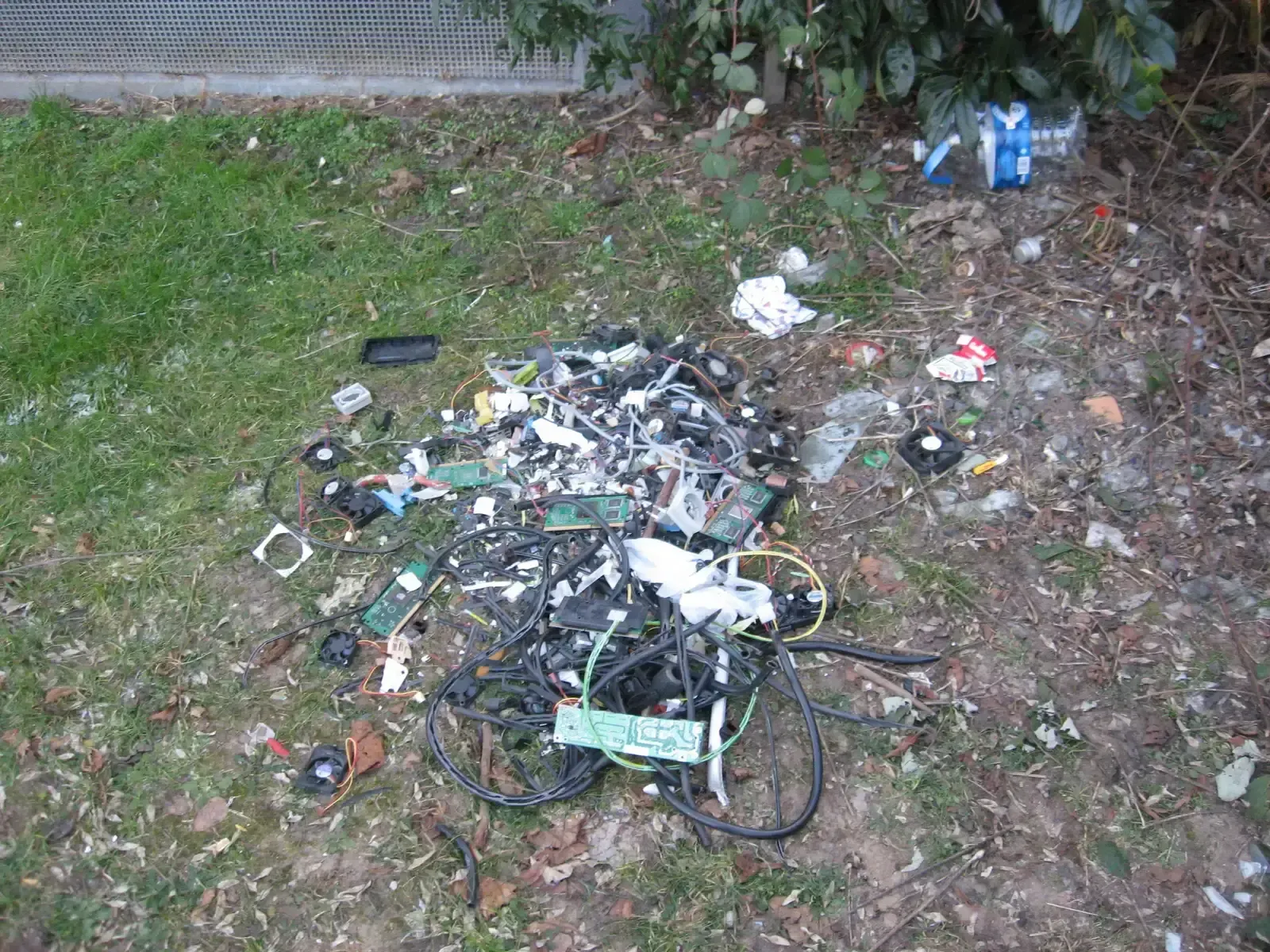
The average smartphone contains a surprisingly diverse collection of materials, including gold, silver, copper, and rare earth elements that are expensive and environmentally disruptive to mine. While cellphones contain valuable materials like gold, silver, and rare earth elements, extracting and reusing these minerals is not always cost-effective, and as a result, a huge number of smartphones are either burnt or disposed of in landfills, adding to the rising e-waste problem.
There is up to 30 times more gold in a tonne of old mobile phones than in a tonne of gold ore, which gives some sense of just how resource-rich discarded devices are. The failure to recover those materials isn’t just a waste issue. It drives more primary mining, with all the land disruption and emissions that come with it. Research highlights the need for optimized recycling processes to address the increasing demand for metals used in mobile phones that face potential supply shortages.
11. Most Recyclable Waste Never Actually Gets Recycled
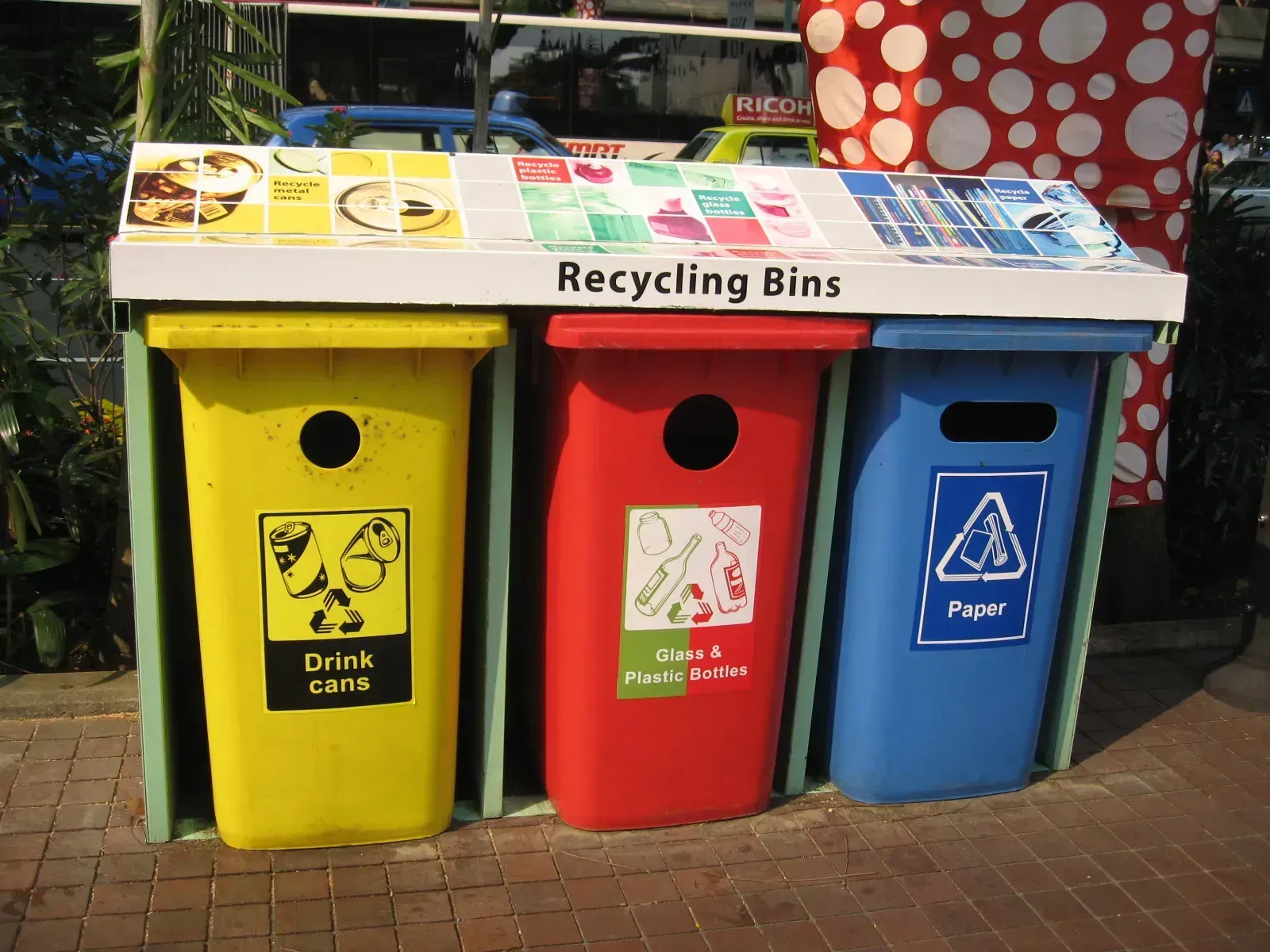
Recycling feels like a meaningful act, and in principle it is. The gap between what goes into a recycling bin and what actually gets processed is wider than most people assume. The US Environmental Protection Agency estimates that about 75% of the waste produced in the US is technically recyclable, but only about 32% of total municipal solid waste is actually recycled each year.
This isn’t primarily because of a lack of recycling effort. It’s because we often recycle incorrectly. Contamination and wishcycling can cause entire batches of otherwise recyclable material to be rejected. A pizza box with grease, a coffee cup with a plastic liner, or a yogurt pot that wasn’t rinsed can all compromise the recyclability of everything around them. The global circularity rate has actually fallen from 9.1% to 6.9% in recent years, a reminder that awareness and actual systemic circularity are still far apart. Understanding the specific rules of local recycling systems, rather than relying on assumptions, turns out to be one of the most practical things people can do.
The common thread running through all eleven of these facts is that the environmental impact of everyday life is rarely where we expect it to be. It sits inside the production stages we never see, in the wash water draining away after laundry, in the landfill gas rising from food scraps. Knowing where the real costs land is the most useful starting point for making choices that actually matter.
