

- Phantom Energy Sucking Power 24/7 – 7 Home Electronics Quietly Inflating Utility Bills - November 14, 2026
- A Million-Mile Storm Raging for Centuries – 6 Violent Weather Wonders in Our System - November 14, 2026
- Animals Flee Hours Before the Tremor – 7 Natural Warnings Before Disasters Strike - November 14, 2026
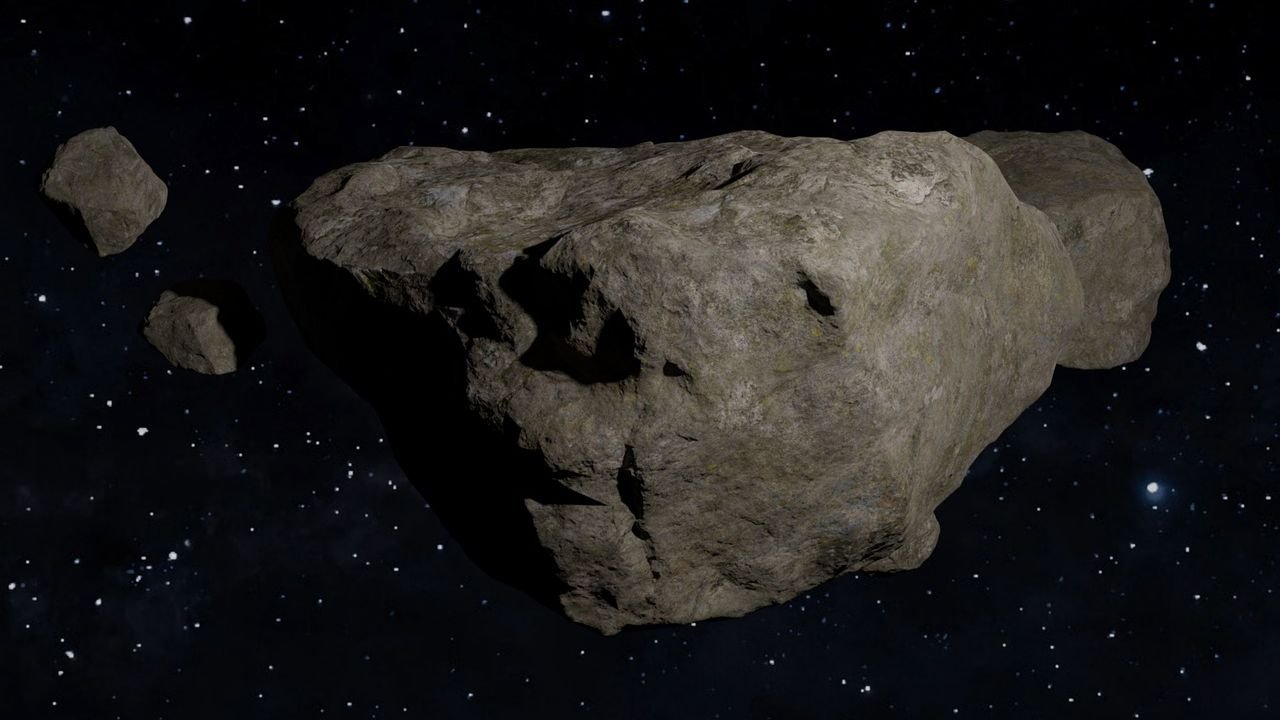
In the early weeks of 2025, something unusual happened in the world of planetary science. An asteroid that had quietly been tracked by automated sky surveys suddenly climbed to the very top of global risk lists, carrying an impact probability that broke records and triggered formal warnings to the United Nations for the first time in modern history. The object was designated 2024 YR4, and for several weeks it became the most closely watched rock in the solar system.
What followed was a masterclass in how modern astronomy actually works: a flurry of recalculations, an unprecedented deployment of the James Webb Space Telescope for asteroid tracking, and a story that swung from alarm to relief and back again before finally settling. Alongside this episode, another cosmic event has been creeping closer to Earth’s calendar. Asteroid Apophis, long nicknamed the “God of Chaos,” will make a flyby in April 2029 that no living person has ever witnessed at this scale. These two stories together reveal something important about where planetary science stands right now.
A Discovery That Set Off Alarm Bells
Asteroid 2024 YR4 was discovered in late 2024 by the NASA-funded Asteroid Terrestrial-impact Last Alert System station in Chile. It was, at first, just another data point in a vast sky survey. The situation changed quickly. The asteroid triggered a first-ever notification from the International Asteroid Warning Network on January 29th, 2025, with early calculations predicting an impact probability of roughly one percent with Earth on December 22nd, 2032, and an estimated size between 40 and 90 meters.
These estimates gave the asteroid a Torino scale rating of risk level 3 in the range of 0 to 10, which meant a target meriting close attention by astronomers. That rating alone was enough to mobilize observatories around the world. On January 29, 2025, the impact probability stood at 1.3 percent, which exceeded the one percent notification threshold that triggers international warning protocols.
A Record-Breaking Impact Probability
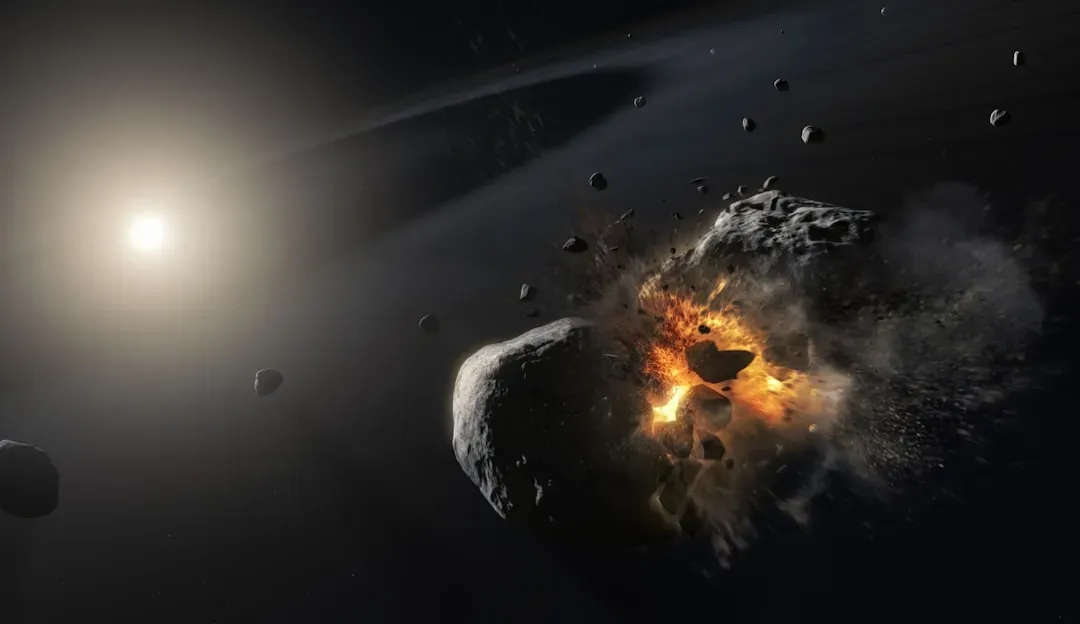
During mid-February 2025, the impact probability of 2024 YR4 peaked at around three percent – the highest ever attained by any asteroid of this size range to pose a significant threat in the recorded history of asteroid impact risk estimates. This wasn’t a rounding error or a media exaggeration. It was a genuine scientific record. Data from NASA’s Center for Near-Earth Object Studies indicated that the impact probability reached 3.1 percent, which was described as the highest impact probability NASA had ever recorded for an object of this size or larger.
Discovered in December 2024, 2024 YR4 quickly climbed to the top of NASA’s Sentry Risk table, at one point carrying a one in 32 chance of hitting Earth. To put that in perspective, most asteroids flagged for monitoring have odds that sit far below one in a million. Anything over one percent triggers an automated alarm and dedicated tracking program.
The Size of the Threat
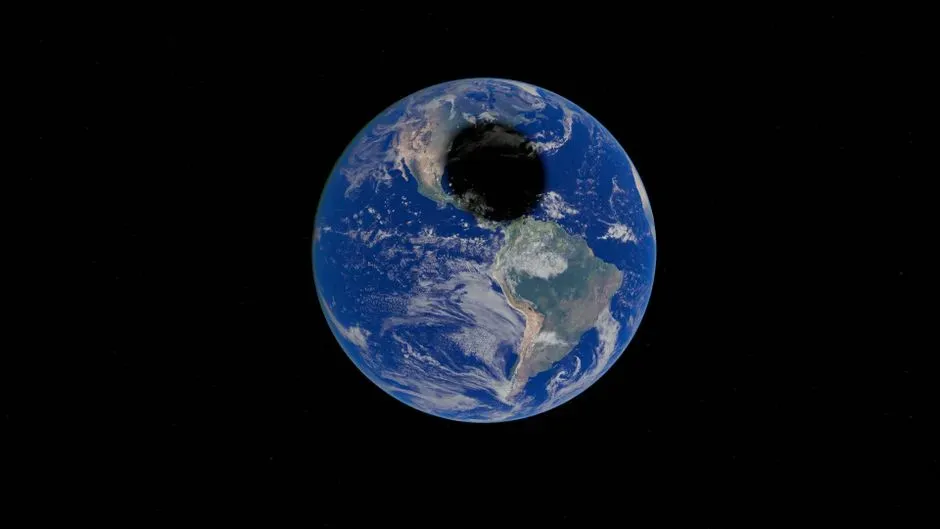
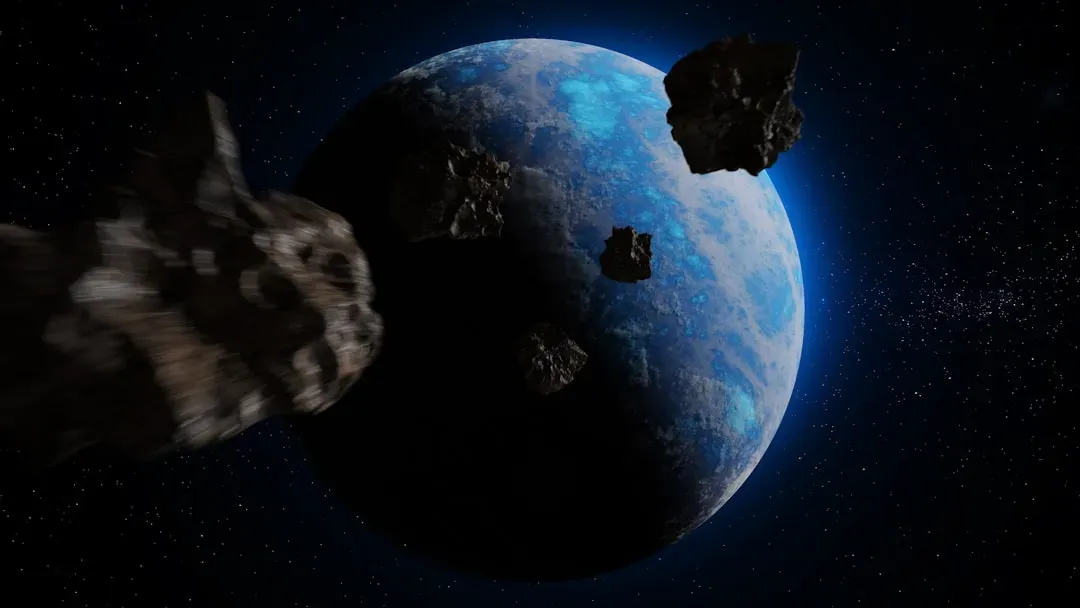
At the time of the initial notification, the asteroid was estimated to be between 40 and 90 metres in size, with the impact risk corridor estimated to extend across the eastern Pacific Ocean, northern South America, the Atlantic Ocean, Africa, the Arabian Sea and South Asia. That corridor stretched across some of the most populated regions on Earth. Further observations by the James Webb Space Telescope in March 2025 resulted in a revised estimate for the asteroid’s diameter to be 60 meters, plus or minus 7 meters, and if an impact of this size were to occur, it could cause severe blast damage extending up to an 80-kilometre radius from the impact site.
Calculations showed that 2024 YR4 would impact with an energy of 7.7 megatons, comparable to the Tunguska impact in 1908, which flattened trees and blasted reindeer but killed no people. It would not be a civilization-ending event. Still, with a direct hit, it could devastate a city. That distinction mattered enormously to anyone living within the projected impact corridor.
How Astronomers Recalculate Risk in Real Time
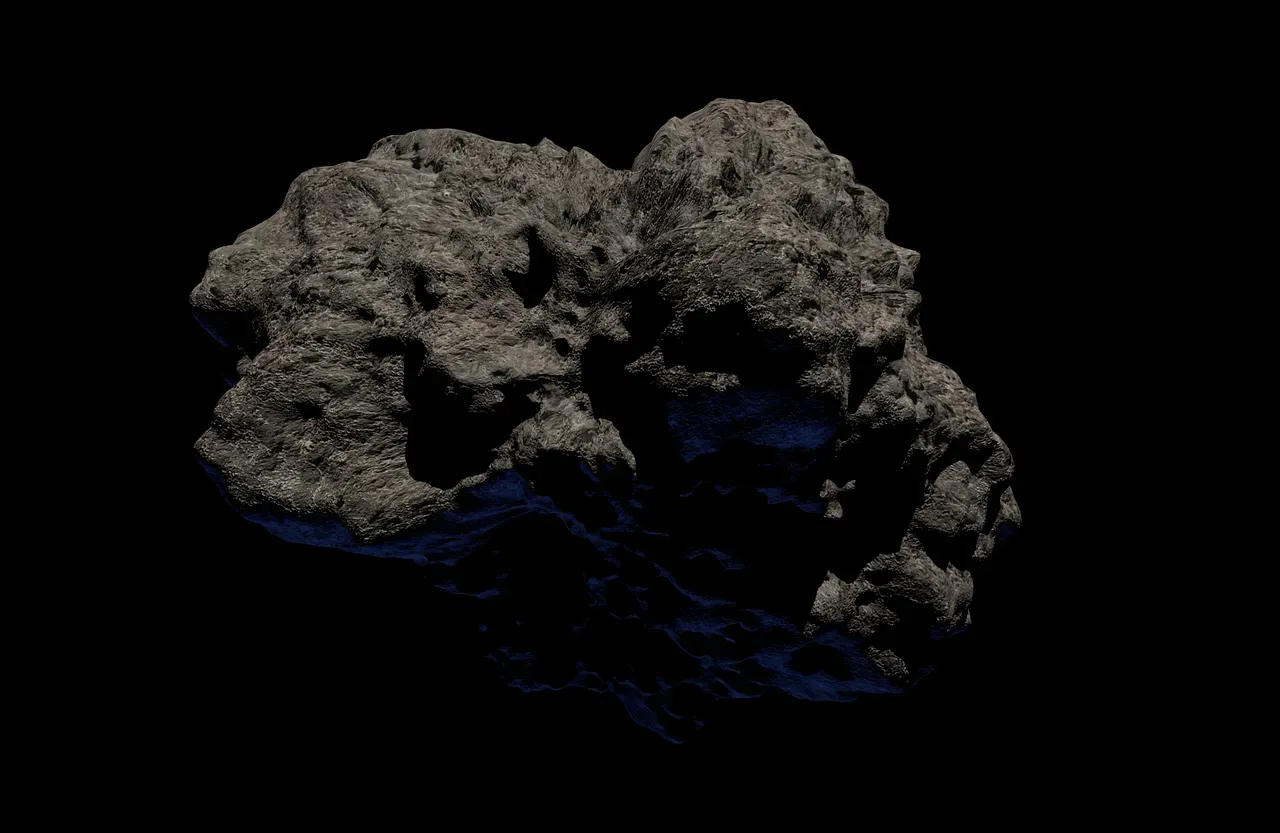
When scientists spot an asteroid whose trajectory might take it close to Earth, they monitor it frequently and calculate the probability that it might collide with the planet, and as they receive more observational data, they get a better picture of what could happen. The process isn’t instantaneous, and it isn’t always linear. Probabilities can rise before they fall, not because the asteroid is changing course, but because scientists are refining what they know. The probability that 2024 YR4 might impact Earth on December 22, 2032, dropped from 2.8 percent to 1.4 percent to 0.16 percent in just a couple of days.
Just having more data points early doesn’t necessarily make scientists’ predictions better – they need to keep following the asteroid as it moves through space to better understand its trajectory. This is the essential tension in planetary defense: the public wants certainty immediately, while science requires patience. As asteroid survey technology improves, scientists are likely to detect an increasing number of objects passing close to Earth that would have been missed in the past.
The James Webb Space Telescope’s Unprecedented Role
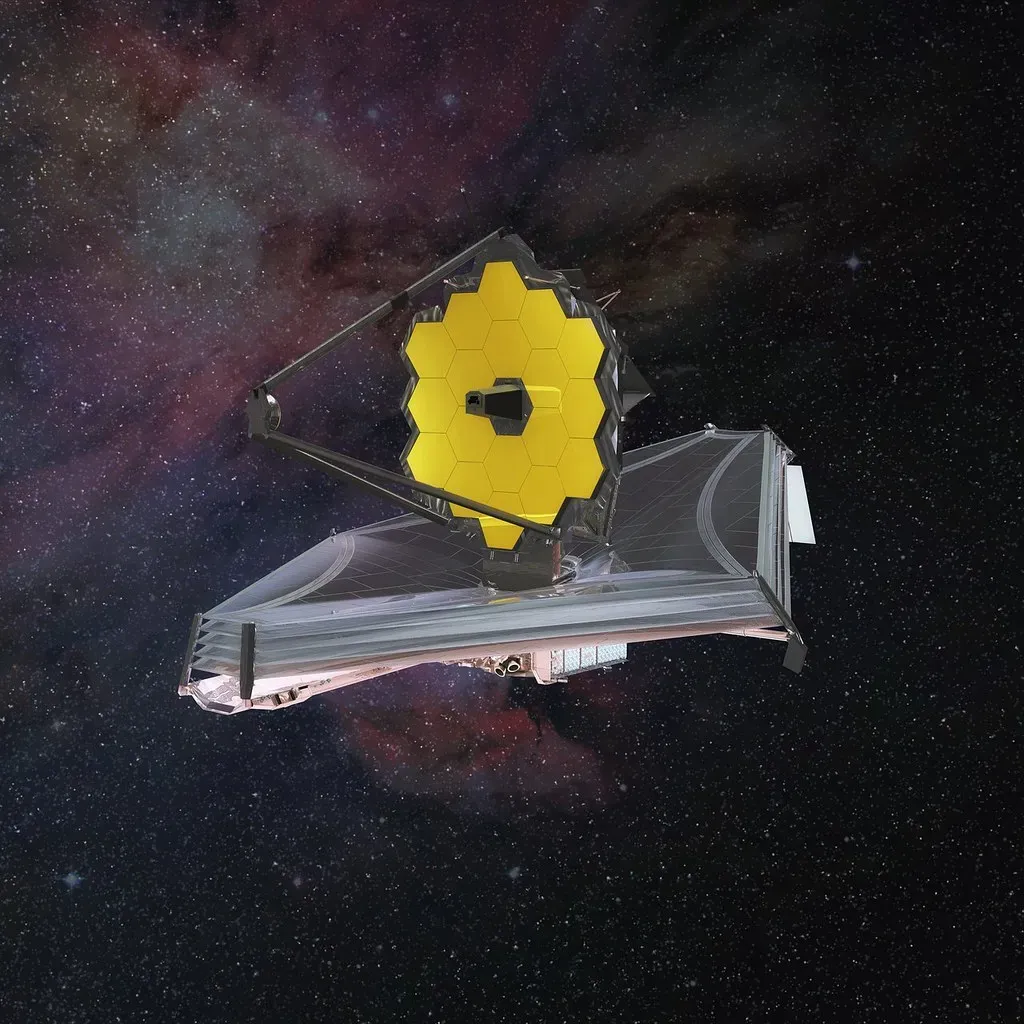
Using data from NASA’s James Webb Space Telescope observations collected on February 18 and 26, experts from NASA’s Center for Near-Earth Object Studies at the agency’s Jet Propulsion Laboratory refined near-Earth asteroid 2024 YR4’s orbit and ruled out a chance of lunar impact on December 22, 2032. This was a historically unusual application of the most powerful space telescope ever built. Since spring of 2025, the asteroid had been unobservable from both Earth and space-based observatories except for Webb, which was used to make among the faintest ever observations of an asteroid.
The additional data from the February 2026 James Webb Space Telescope observations increased the certainty of where the asteroid will be in the future, and with this new data, 2024 YR4 is expected to pass by the Moon at a distance of 13,200 miles and lunar impact is no longer a possibility. The telescope’s infrared sensitivity made observations possible that ground-based instruments simply couldn’t achieve. The Webb data improved knowledge of where the asteroid will be on December 22, 2032, by nearly twenty percent.
From Earth Threat to Lunar Near-Miss – and Then Relief
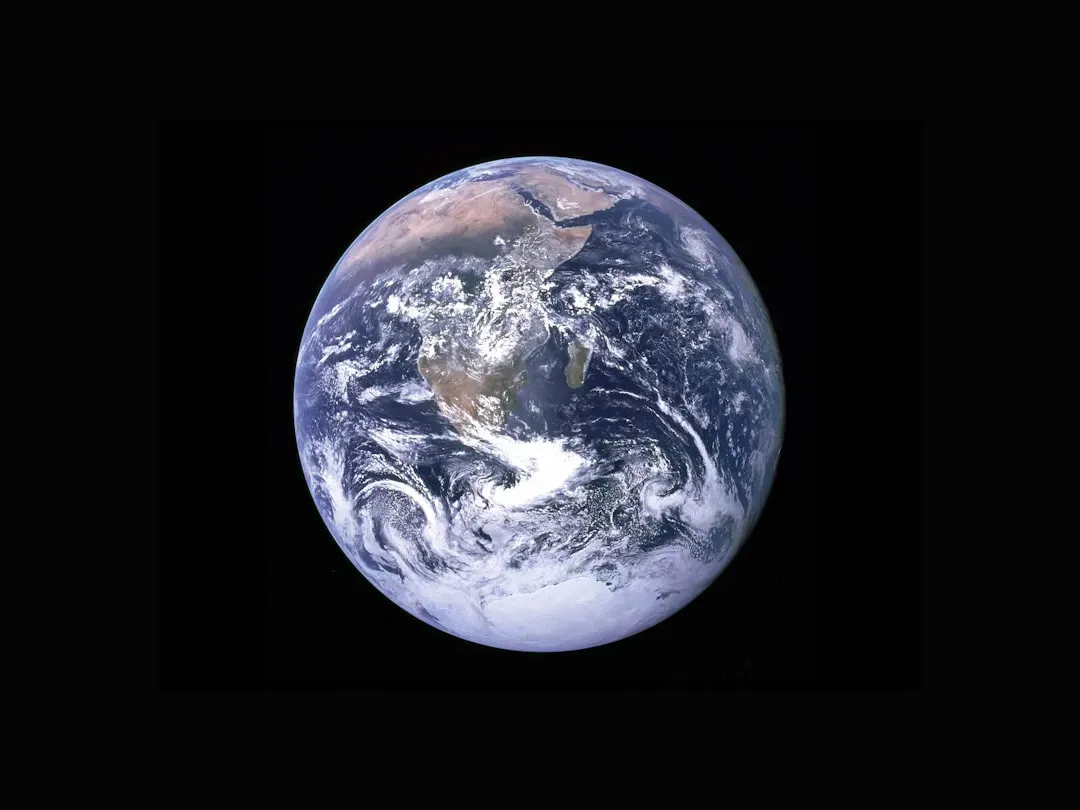
As the Earth impact probability fell toward zero, an unexpected subplot emerged. There remained a very small chance for asteroid 2024 YR4 to impact the Moon on December 22, 2032, and that probability sat at 1.7 percent. That figure actually rose as more data came in. Experts at NASA’s Center for Near-Earth Object Studies updated 2024 YR4’s chance of impacting the Moon from 1.7 percent to 3.8 percent based on Webb data and observations from ground-based telescopes, though there remained a 96.2 percent chance the asteroid would miss the Moon entirely.
With the newest data from February 2026, 2024 YR4 is expected to pass by the lunar surface at a distance of 13,200 miles, and this update reflects improved precision in understanding of where the asteroid is expected to be in 2032 rather than a shift in its orbital path. The Moon, it turns out, was never truly in the crosshairs either. Over time with more observations collected by observatories around the world, NASA concluded the object poses no significant impact risk to Earth on December 22, 2032, or through the next century.
Apophis: The “God of Chaos” That’s Coming Closer Than Most Satellites
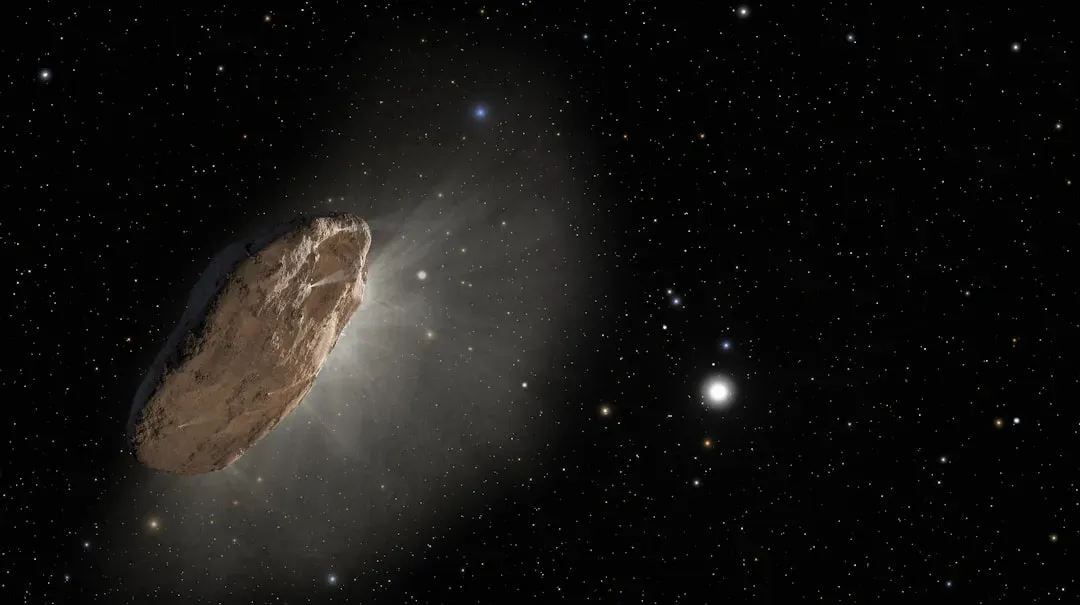
Even as the 2024 YR4 episode resolved, a different and longer-anticipated cosmic event continued its approach. On April 13, 2029, asteroid 99942 Apophis will pass about 20,000 miles above Earth’s surface, closer than many satellites in geosynchronous orbit. This is not a revised threat – it’s a confirmed close flyby, and it’s shaping up to be one of the most significant astronomical events in living memory. The risk of an impact in 2029 once rose as high as 2.7 percent and saw Apophis achieve the highest ever rating on the Torino scale, a method used to evaluate the threat that an asteroid poses to Earth.
Additional observations of the asteroid enabled astronomers to rule out the risk of an impact in 2029 or 2036. So the fear has passed, but the event itself hasn’t. The 2029 flyby is a unique opportunity for science, as such a close approach by an asteroid of this size occurs only about once every 800 years. That rarity is precisely why space agencies have been preparing missions for years.
Two Spacecraft, One Asteroid, One Fleeting Window
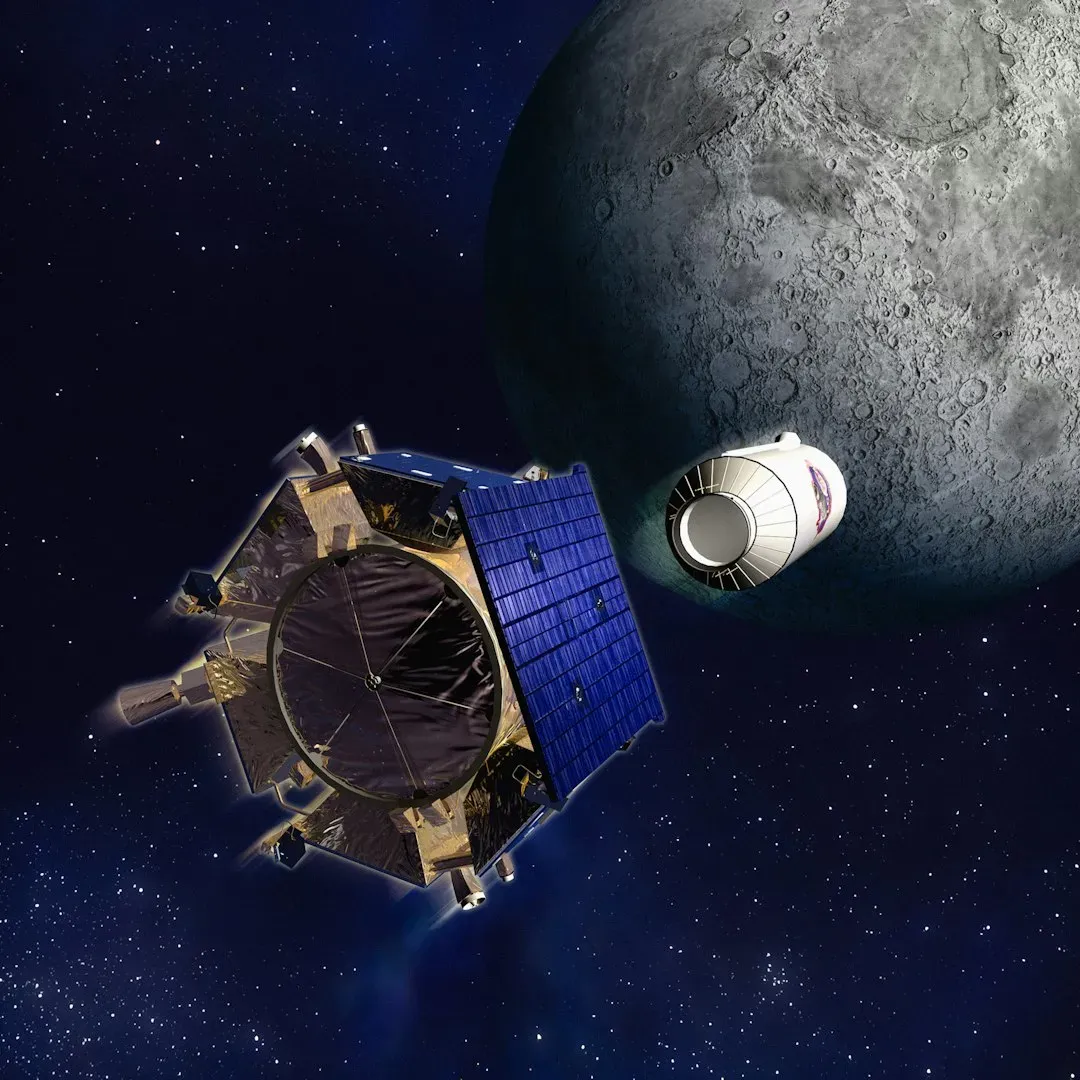
ESA’s Rapid Apophis Mission for Space Safety, known as Ramses, aims to rendezvous with Apophis and accompany the asteroid during the flyby to observe how it is warped and changed by Earth’s gravity. The European mission has already secured significant funding. On February 10, 2026, ESA signed a contract worth around 81 million euros with OHB Italia, and this builds on earlier work, bringing the mission’s total value to approximately 150 million euros.
ESA says Ramses needs to launch in April 2028 and arrive in February 2029, about two months before the close approach, giving researchers a rare baseline view before Earth’s gravity starts reshaping the scene. Meanwhile, NASA’s contribution is already en route. NASA’s counterpart is OSIRIS-APEX, an extended mission of OSIRIS-REx after it returned Bennu samples in 2023, and the spacecraft is already on its way thanks to a gravity assist – NASA reports OSIRIS-APEX flew about 2,100 miles above Earth on September 23, 2025, to redirect toward Apophis.
What Happens When a Giant Asteroid Grazes Earth’s Gravity
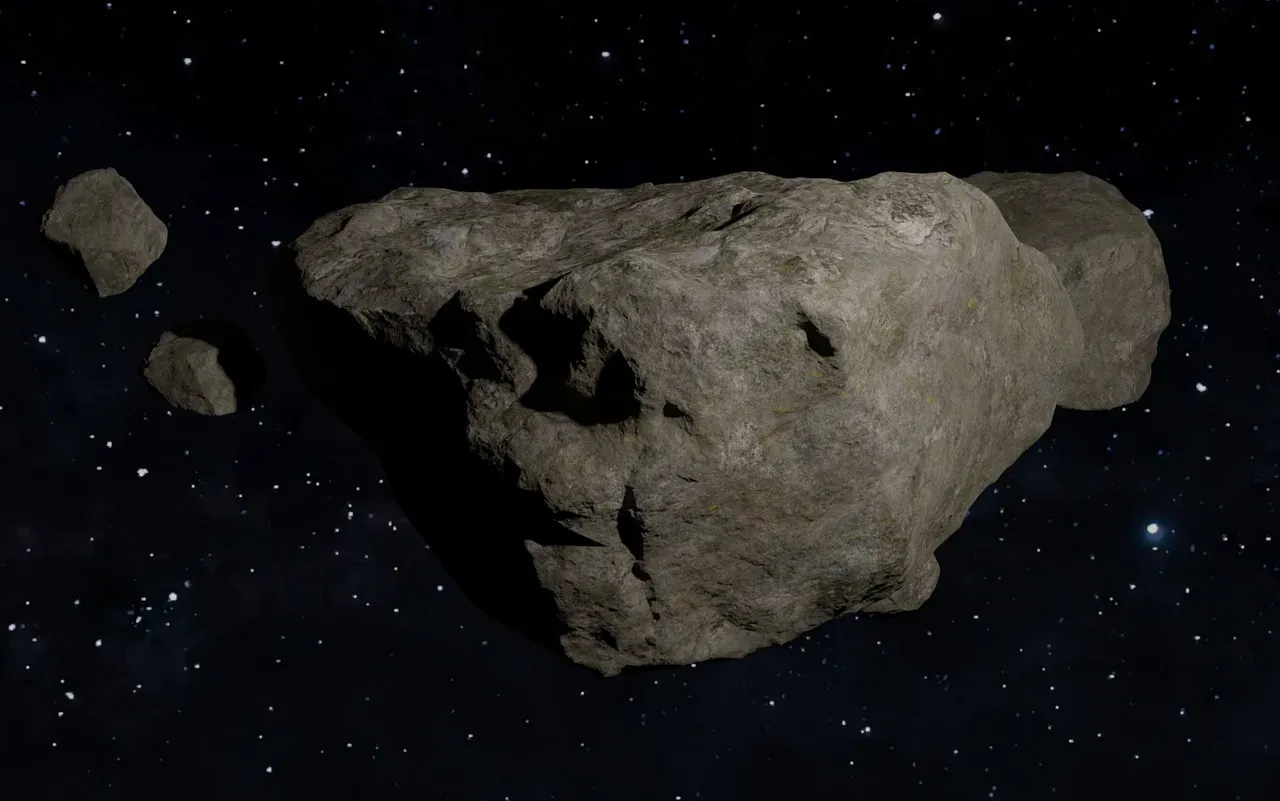
The close flyby of Apophis will let scientists observe how external forces, especially Earth’s gravity, affect an asteroid’s orbit, rotation, surface, and interior. Nothing quite like this has been observed at this scale before. As a result of its 2029 Earth flyby, the orbit of Apophis will be widened, and as of April 2029, it will become a member of the Apollo group, the family of asteroids that cross Earth’s orbit but have orbits around the Sun that are wider than Earth’s.
Under clear, dark skies, Apophis should be visible without a telescope from parts of Europe, Africa, and Asia, and NASA notes it will be viewable from the Eastern Hemisphere weather permitting. That visibility makes it a public event, not just a scientific one. NASA puts Apophis’s mean diameter at about 1,115 feet, with a longest dimension of about 1,480 feet, which is roughly the length of four NFL football fields.
What the Science of Planetary Defense Has Learned
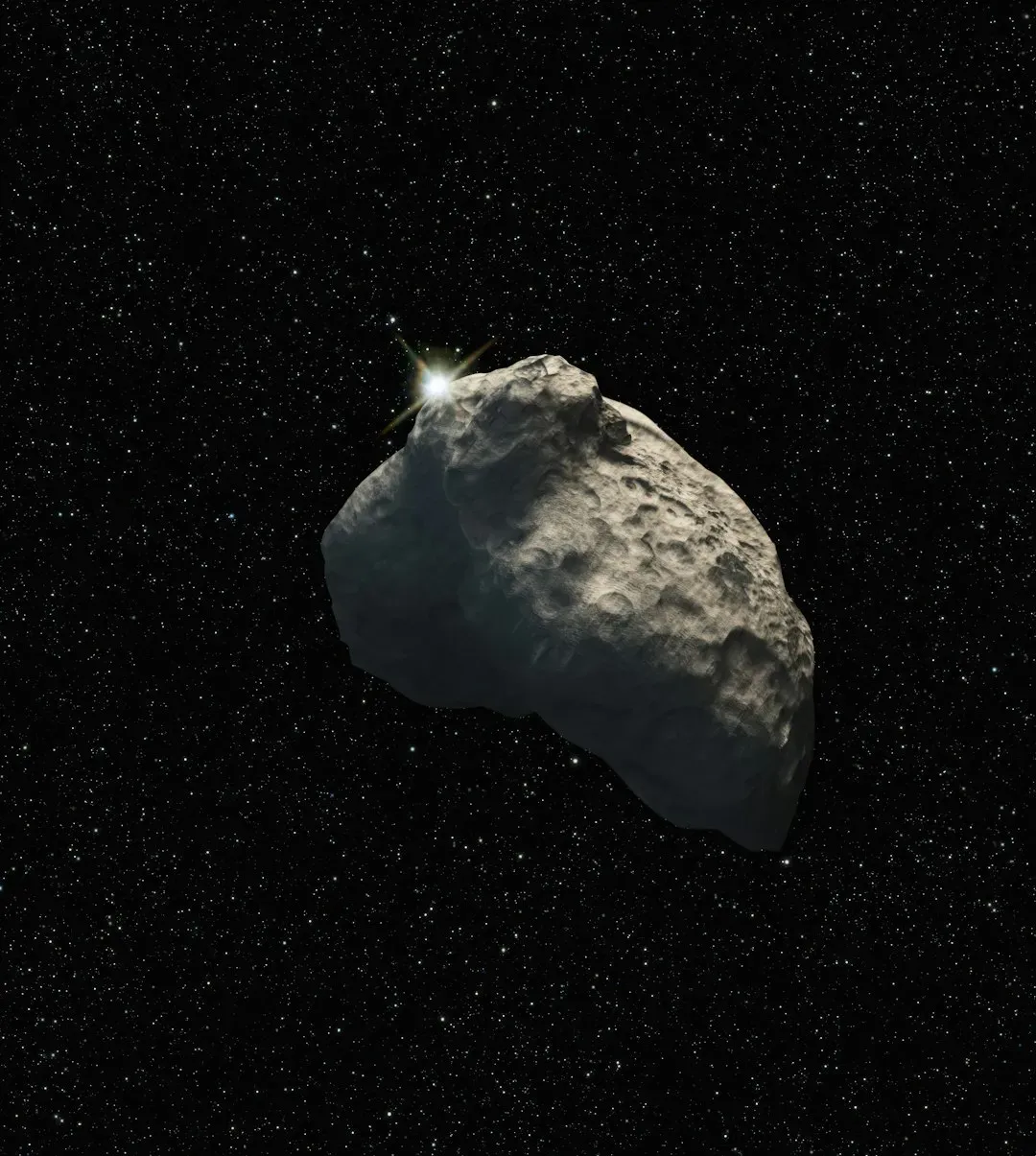
As of May 2026, there are 2,539 potentially dangerous asteroids being tracked. The 2024 YR4 episode, stressful as it was for the field’s public communications, demonstrated that the detection and response systems are genuinely working. While 2024 YR4 no longer poses a significant impact hazard to Earth, it provided an invaluable opportunity for experts at NASA and its partner institutions to test planetary defense science and notification processes.
The Apophis flyby is a turning point: it helps reduce uncertainty about asteroid behavior, sharpens defense readiness, and builds capacity in engineering, mission planning, and international cooperation for future asteroid threats. The events of 2025 and the coming encounter of 2029 are, in that sense, two chapters of the same story. As of May 2026, astronomers have detected 2,539 potentially hazardous asteroids, of which 153 are larger than 1 kilometer in diameter. The sky is well-watched, and getting better watched every year.
