

- Phantom Energy Sucking Power 24/7 – 7 Home Electronics Quietly Inflating Utility Bills - November 14, 2026
- A Million-Mile Storm Raging for Centuries – 6 Violent Weather Wonders in Our System - November 14, 2026
- Animals Flee Hours Before the Tremor – 7 Natural Warnings Before Disasters Strike - November 14, 2026
A decade ago, “insurance desert” wasn’t a phrase most Americans needed to know. Today it shows up in state legislative hearings, mortgage broker conversations, and even earnings calls from major carriers. The term describes something that used to sound almost impossible in a country with the world’s largest insurance market: entire neighborhoods, counties, and in some cases whole regions where private insurers simply won’t write a policy, or will only do so at a price few families can absorb.
The pattern isn’t limited to the obvious suspects like beachfront Florida or fire-scarred California canyons anymore. It has spread into mountain towns, prairie counties, and cities nowhere near an ocean. Below are eight regions where the gap between climate risk and available coverage has become impossible to ignore.
South Florida’s Coastal Corridor
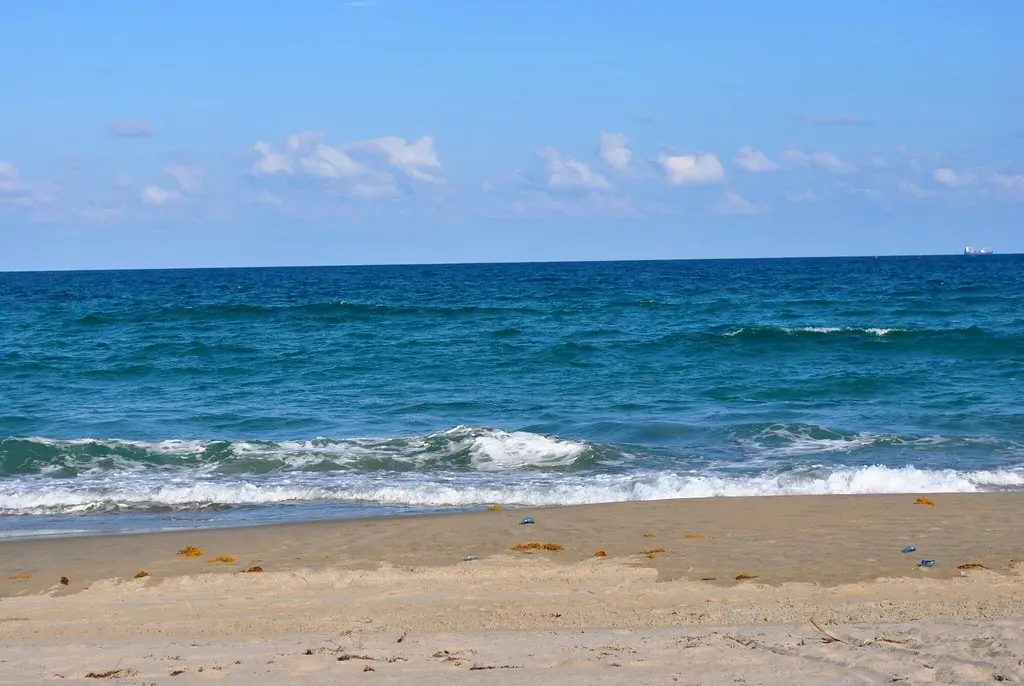
Miami-Dade, Broward, and the Florida Keys remain the country’s clearest example of an insurance market under strain. Florida now has the highest home insurance premiums in the U.S., averaging $14,140 annually, according to Insurify data, far above the national annual average of $3,259. That gap isn’t a fluke of geography alone. Between 2016 and 2023, Florida accounted for less than 11% of all homeowners insurance claims in the U.S. on average but roughly 73% of all homeowners insurance lawsuits nationwide, according to a 2026 report by the Florida Office of Insurance Regulation.
The instability pushed hundreds of thousands of households onto the state’s insurer of last resort. Between 2021 and 2023, nine property insurance companies went insolvent in Florida, and more than 800,000 people found themselves with no other option but the state-run Citizens, which became the No. 1 market leader in Florida home insurance. There are signs of relief lately: Citizens Property Insurance now manages fewer than 400,000 policies, down from over 1.4 million in 2023. Still, coastal buyers in Broward and Miami-Dade continue to face some of the steepest premiums in the nation, even as reforms trickle through.
Southern California’s Wildland-Urban Interface
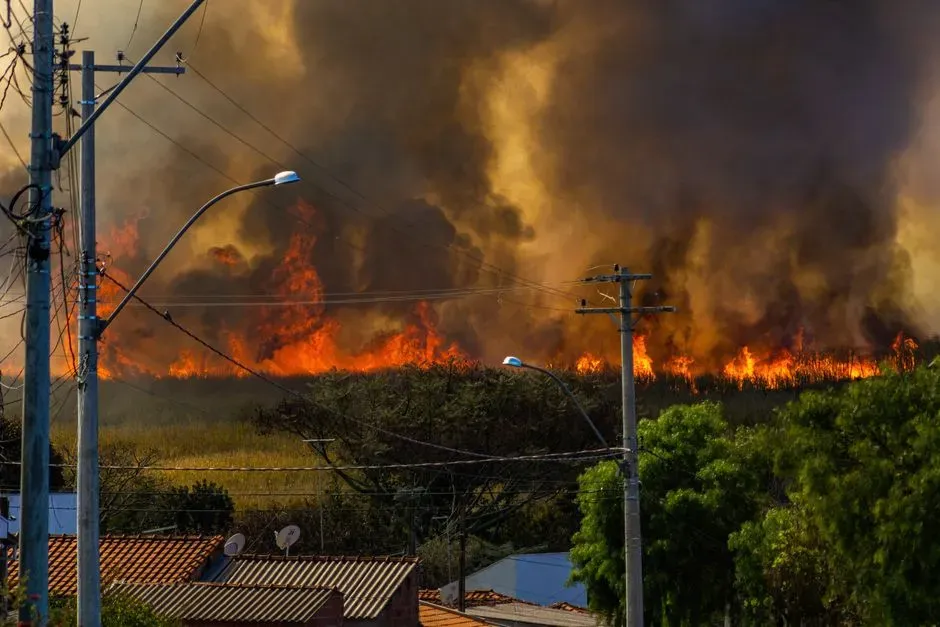
Los Angeles County’s foothill communities and the wooded edges of the Sierra foothills have become ground zero for wildfire-driven non-renewals. California’s Department of Insurance reports that insurers non-renewed over 2.8 million homeowners policies between 2020 and 2025 in fire-prone ZIP codes. The January 2025 Los Angeles firestorms accelerated the exodus further, with risk modeling firms like Verisk and Moody’s RMS estimating the combined insured losses for the Palisades and Eaton fires at between $20 billion and $75 billion, eclipsing the $12.5 billion loss from the 2018 Camp Fire.
Major carriers responded by shrinking their footprint rather than expanding it. State Farm, the largest insurance carrier in California, announced it would not renew over 70,000 policies in the state, including 30,000 home insurance policies, after initially citing increasing wildfire risks. Lawmakers are now weighing further changes to the FAIR Plan itself, since the FAIR Plan has grown into one of California’s largest property insurers as major carriers including State Farm, Allstate, Farmers, Travelers, Chubb, Nationwide, and USAA have stopped writing new business or non-renewed existing policies in high-risk areas. For homeowners in canyon communities, finding a standard policy has become the exception rather than the rule.
Louisiana’s Gulf Coast Parishes
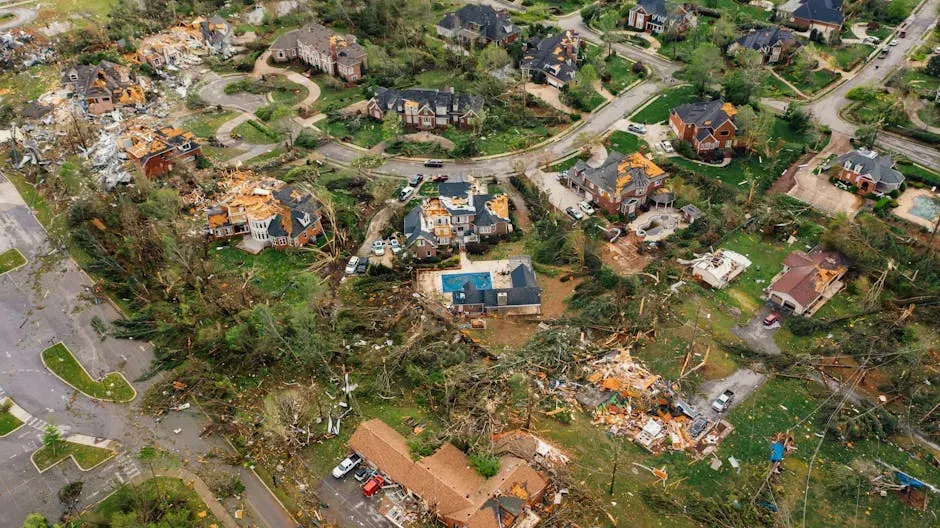
South Louisiana, from New Orleans down through the bayou parishes, has absorbed a string of catastrophic hurricanes in a remarkably short span. A dozen insurers went bankrupt after Laura, Delta, and Zeta in 2020, followed by Ida in 2021, with claims from Ida and Ian alone totaling $43 billion. The average cost of coverage reflects that strain directly, with the average cost of homeowners insurance in Louisiana in 2024 at $4,031, which is $1,608 more than the national average of $2,423.
The state’s insurer of last resort absorbed much of the fallout. Louisiana Citizens grew over 400% between 2017 and 2022, becoming the third largest writer of homeowners policies in the state. There are modest signs of stabilization, as Louisiana began seeing companies take rate decreases for the first time in five years in 2025. Yet residents in low-lying communities like Mandeville and Lake Charles are still weighing whether staying put makes financial sense as premiums remain elevated well above pre-2020 norms.
The Texas Gulf Coast and Its Strained FAIR Plan
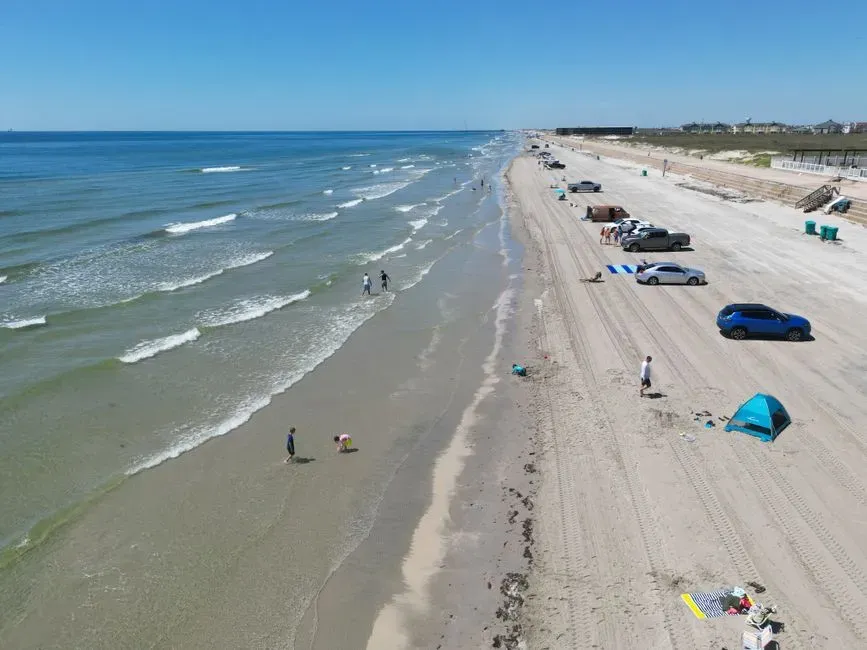
Coastal Texas counties, from the Houston metro area down to the border, are watching their private insurance market thin out in real time. If too many insurers leave the market and homeowners can’t find policies through private insurers, Texas risks overburdening its FAIR Plan, and Texas FAIR Plan policies increased by 26% in the first half of 2024, according to a Texas Department of Insurance report. That growth signals a market where standard carriers are quietly pulling back from the riskiest coastal zip codes.
The pressure isn’t confined to hurricane exposure alone. The Texas wildfires of early 2024 left many damaged or destroyed homes uninsured, a reminder that Texas now faces overlapping perils, wind, flood, and fire, that stack risk in ways older rating models weren’t built to handle. Industry analysts expect the squeeze to continue, since Texans should expect more premium hikes as homeowners continue to absorb the cost of the high-dollar climate-related losses that insurers have incurred and anticipate experiencing.
Coastal Alabama and the Widening Gulf Spillover
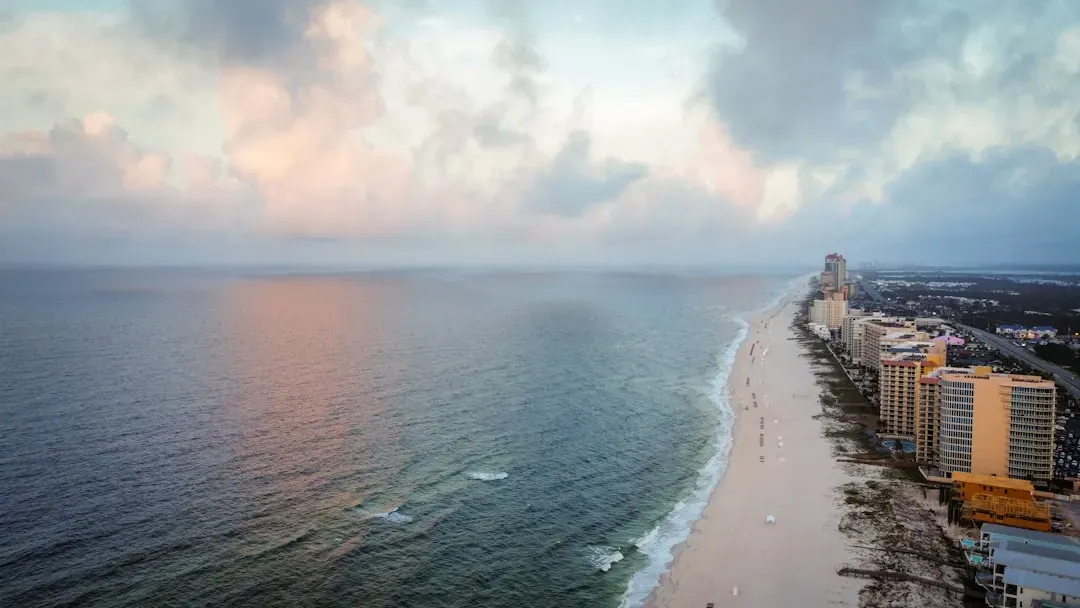
What started as a Florida and Louisiana problem has crept eastward along the Gulf Coast into Alabama’s shoreline communities. Insurify data suggests the Gulf Coast insurance crisis is spreading from Florida and Louisiana to neighboring states, including Alabama. The state now ranks among the priciest in the country for coverage, with Alabama having the seventh-highest home insurance costs in the U.S., at an annual average of $4,082.
Part of the problem is structural rather than purely climatic. Alabama determines building codes on a local level, which means homes aren’t uniformly resilient, leaving insurers less confident that older coastal housing stock can withstand the storms rolling in from the same warming Gulf waters battering Louisiana and the Florida Panhandle. Mobile and Baldwin County homeowners increasingly find themselves negotiating with fewer carriers willing to write wind coverage at all.
Southern Appalachia’s Inland Flood Gap
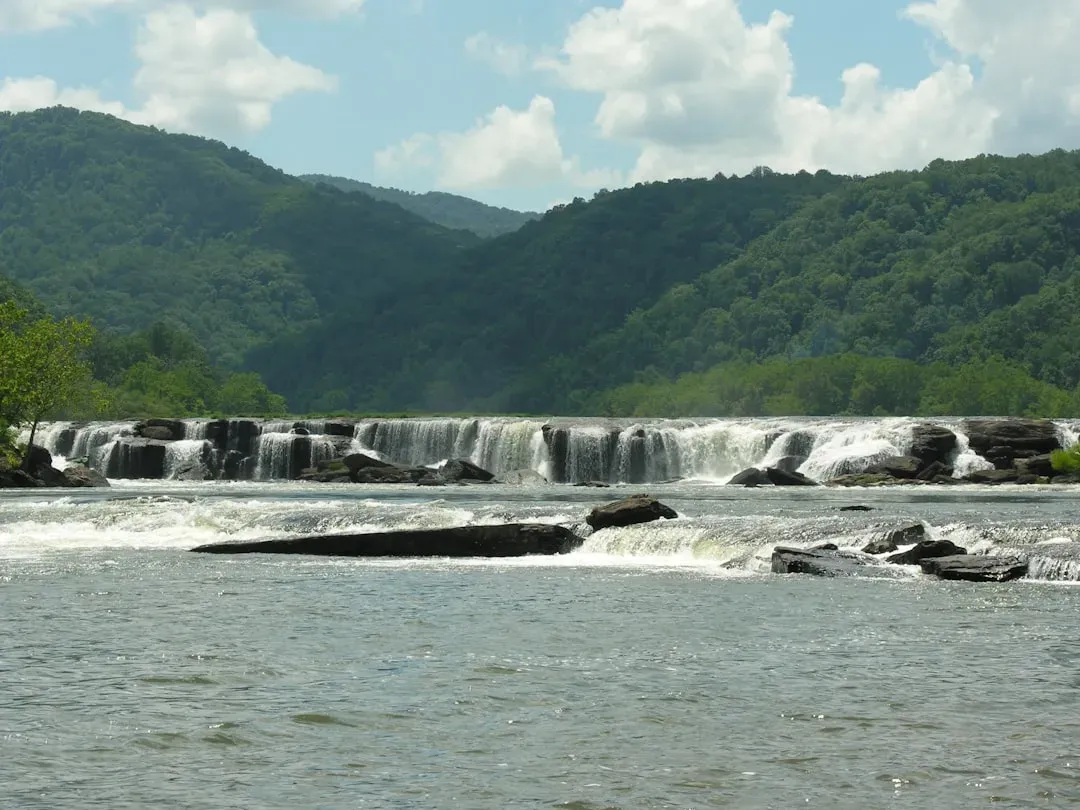
Western North Carolina and the surrounding mountain counties illustrate a different kind of insurance desert, one built on absence rather than exodus. Less than 1 percent of residents in the hardest-hit areas of southern Appalachia had flood coverage when Hurricane Helene struck, and flood insurance remains the biggest insurance gap across the U.S., with only about 6 percent of homeowners having coverage nationally. The storm’s toll was staggering: Helene is estimated to have caused more than $250 billion in economic losses and property damage and killed at least 232 people across six states.
The uninsured losses left a hole that federal aid could not fill. One of the biggest disasters of Helene was the uninsured residential losses, an amount estimated at $9.5 billion, according to a UNC Chapel Hill environmental law professor. Even now, statewide coverage is thinning. An estimated 7 percent of North Carolina homeowners remain uninsured altogether, leaving them totally exposed when disaster strikes. Mountain communities that never thought of themselves as flood zones are now recalculating what protection actually costs.
Arizona’s Wildfire-Prone High Country
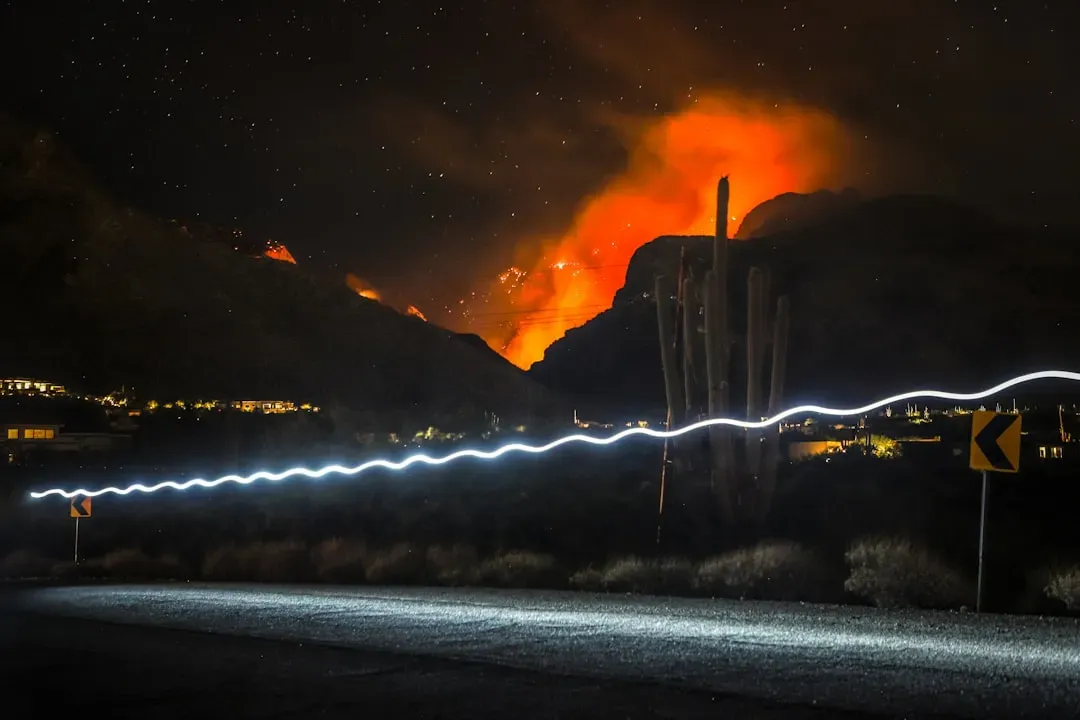
Northern Arizona, particularly the forested terrain around Flagstaff, has quietly joined the list of wildfire insurance deserts even though the state’s overall premiums remain comparatively low. The Tunnel Fire burned through nearly 21,000 acres near Flagstaff and destroyed 109 structures, including 30 homes. Rates have started climbing in response, with Arizona homeowners paying an average of $1,961 for insurance in 2023, rising 10% to $2,158 by October 2024.
Availability is becoming the bigger concern than price. In northern Arizona, some insurers are non-renewing policyholders who are in good standing partially because of wildfire risk, and CSE Insurance pulled out of the state entirely in 2023. Arizona’s relatively affordable baseline premiums mask a market where fewer carriers are willing to underwrite properties near forested land, a warning sign for a state where wildfire seasons keep stretching longer each year.
The Midwest Hail and Tornado Corridor

Perhaps the least expected entry on this list is the stretch of the Midwest running from Illinois down through Arkansas and Oklahoma, an area long associated with severe convective storms rather than insurance collapse. The rise in dangerous weather is driving premium increases in places like Illinois, where State Farm is set to increase premiums by 27% after citing more frequent hailstorms and tornadoes. Arkansas has felt similar pressure, with the state’s insurers reporting the second-highest loss ratio, 133.3%, in 2023, driven by multiple severe and significant weather risks.
What makes this region notable is the surprise factor. Homeowners in Peoria or Little Rock rarely think of themselves as climate-exposed in the way a Miami or Los Angeles resident might, yet the underwriting math tells a different story. Insurers pricing in the frequency of hail and tornado losses across the Plains and Midwest are quietly turning a once-affordable region into one where premium shock is becoming the new normal, even without a single hurricane or wildfire in sight.
Eight regions, four coastlines, two mountain ranges, and a stretch of prairie. What connects them isn’t a single peril but a shared arithmetic problem: losses are compounding faster than insurers can reprice for them, and the response in each case has been the same, retreat, restrict, or raise the price until coverage becomes theoretical for the households who need it most. The reforms underway in Florida, California, and Louisiana show that markets can stabilize somewhat with enough legislative pressure and time, but the newer entries on this list, from Appalachian flood plains to Midwestern hail country, suggest the map of American insurance deserts is still being redrawn.
