
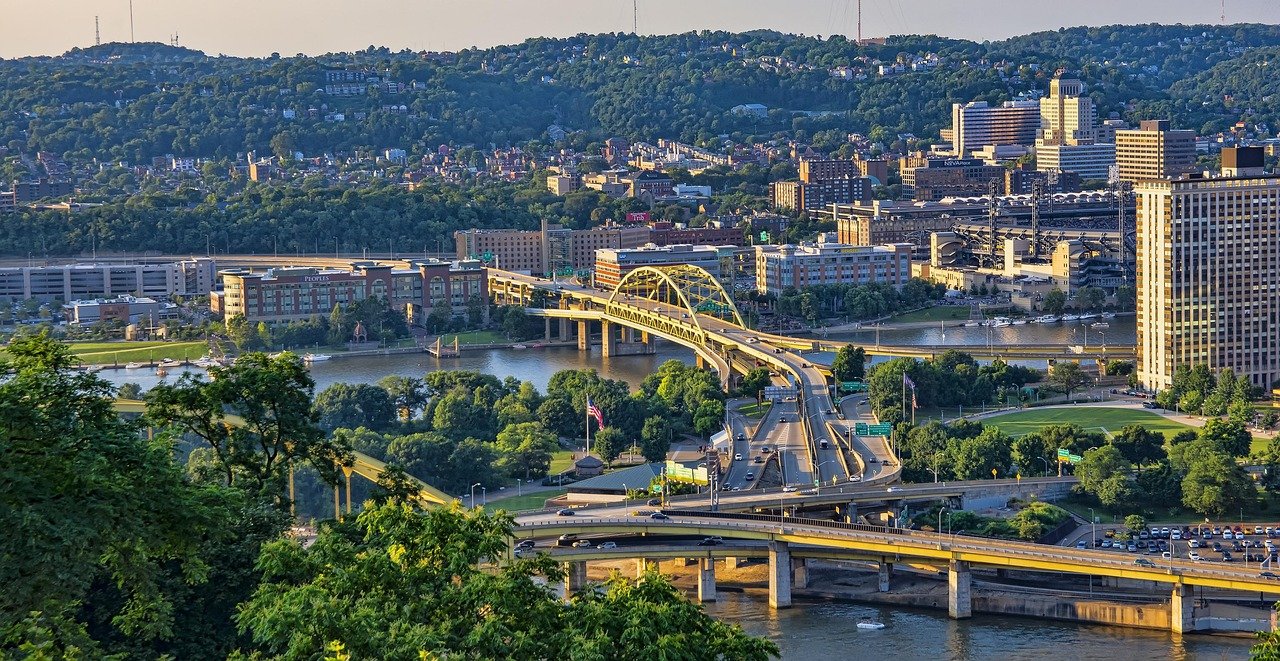
1. Pittsburgh, Pennsylvania
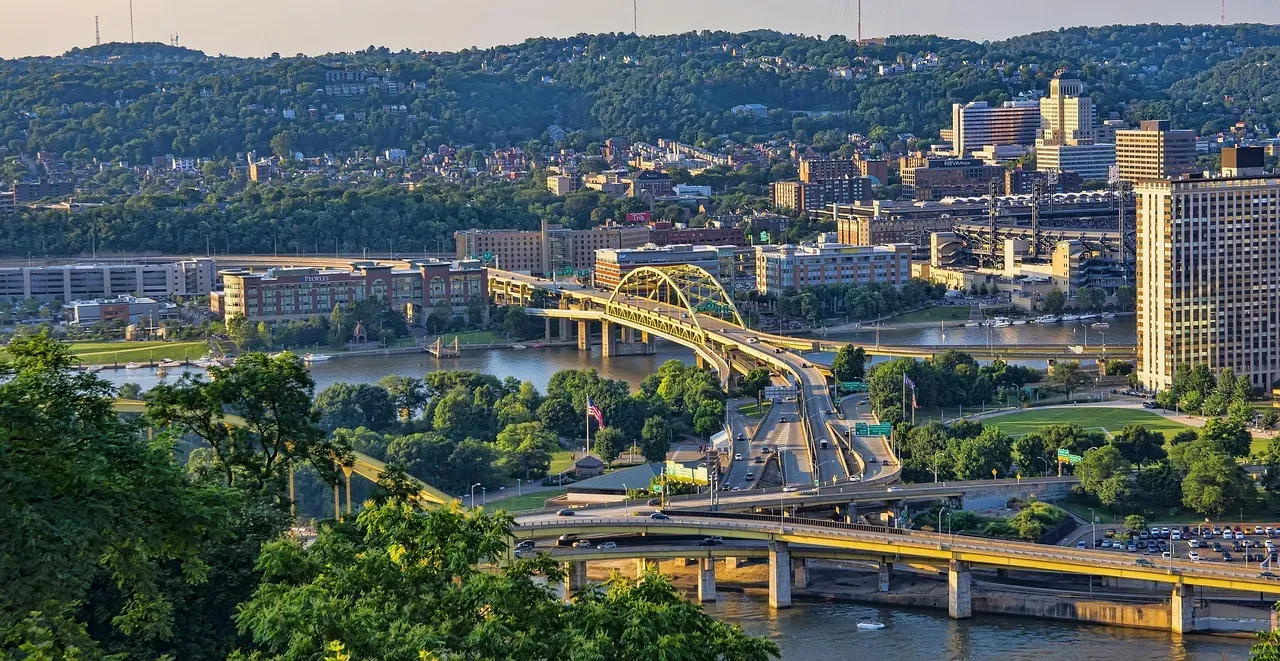
Pittsburgh’s location gives it a natural head start. Pittsburgh’s inland geography and higher elevation shield it from coastal threats like hurricanes and sea-level rise. That geography translates into real numbers, too, since FEMA models estimate only about $23 in annual climate-related loss per resident, far below most cities, and home insurance costs in Pittsburgh are accordingly 61% cheaper than the U.S. average, reflecting its safer location.
The city hasn’t been coasting on geography alone. The city’s Climate Action Plan aims for 100% renewable energy in city facilities by 2030 and aggressive emissions cuts. It isn’t a perfect record; the region still deals with flash flooding along its three rivers and the occasional hillside landslide, but those are manageable problems compared to what coastal or fire-prone cities face.
2. San Francisco, California

San Francisco is an odd inclusion at first glance, given its bay-front location and known earthquake risk. Yet in a large study of the 50 biggest U.S. cities, San Francisco earned the highest score of the 50 cities in the study, largely because heat isn’t a major issue there, with the city predicted to have just three days of extreme heat per year by 2050 and less than a full day of high heat and humidity.
Flooding turns out to be less of a concern than most people assume, since sea level rise is expected to minimally impact residential areas of San Francisco despite its location on the bay. The tradeoff is honest: this is still a city built near active fault lines, and no climate ranking erases that seismic reality.
3. Seattle, Washington
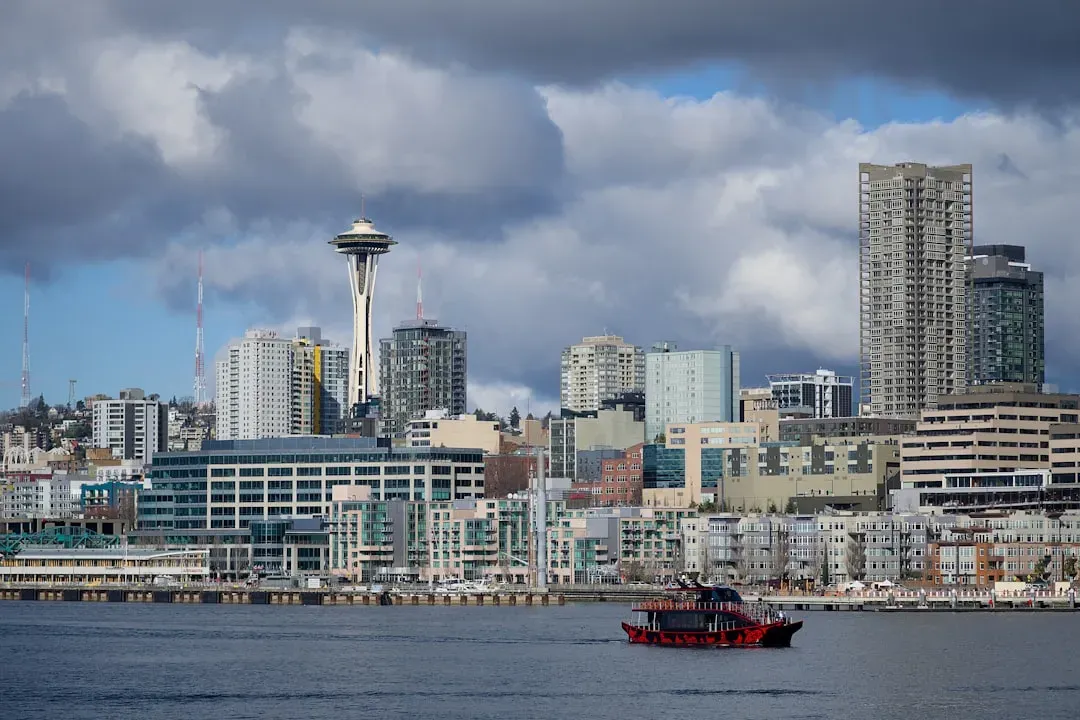
Seattle’s temperate, marine-influenced climate keeps a lot of the worst-case scenarios off the table. Researchers found that Seattle doesn’t expect to see a drastic increase in days with extreme heat or high heat and humidity, with just four extreme heat days projected annually from 2040 to 2059.
Flooding is present but modest, with less than 10% of its properties expected to be in 100-year flood zones by 2050, and sea level rise expected to affect just 0.35% of properties, well below the 1.35% average for cities in the study. On top of that, Seattle benefits from relatively low heat, drought and flood risk scores, and it has one of the lowest fire risk scores among comparable cities.
4. Portland, Oregon

Portland’s reputation for climate seriousness isn’t new. Portland has long been one of the United States’ most climate-focused cities, unveiling the Global Warming Reduction Strategy in 1993, the first of its kind. That head start shows up in how the city continues to approach growth today.
In the years since, Portland has continued to stand out for sustainability and climate-focused urban planning. Combined with a marine-moderated climate that keeps extreme heat days relatively low, Portland pairs geographic luck with decades of policy follow-through, a combination that’s harder to find than either factor alone.
5. Minneapolis-St. Paul, Minnesota

The Twin Cities benefit from being about as far from a coastline as an American metro area can get. The combined Minneapolis-St. Paul metro area stands out for its diverse and robust economy, positioning the region to absorb climate-related disruptions more effectively, backed by a well-developed infrastructure network including efficient public transportation and a reliable power grid.
Air quality and storm patterns reinforce the case. Minneapolis has good air quality, with just one high ozone day per year on average, and severe weather events were also limited in Minnesota in 2021, making it nowhere near the coast and not as affected by rising sea levels. Harsh winters remain the main tradeoff, though that’s a cold-weather problem rather than a climate-crisis one.
6. Madison, Wisconsin
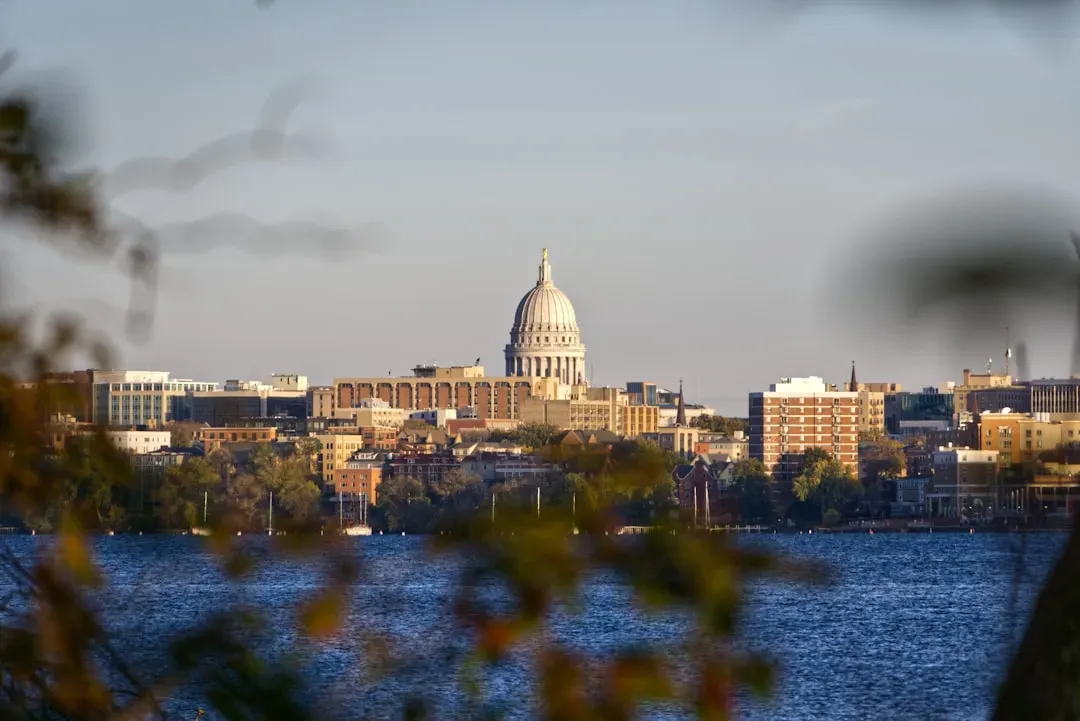
Madison shows up repeatedly in resilience rankings for a straightforward reason: it combines a stable inland climate with deliberate policy choices. Madison impresses with its commitment to sustainability, boasting a robust public transportation system that reduces reliance on personal vehicles and lowers carbon emissions, while prioritizing green infrastructure projects and clean energy adoption.
Geography does the rest of the work. Madison benefits from its inland location and a relatively stable climate compared to other regions, and it scores well on the ND-GAIN index for its social and economic preparedness. It’s not a flashy pick, but it’s a consistently sound one.
7. Burlington, Vermont
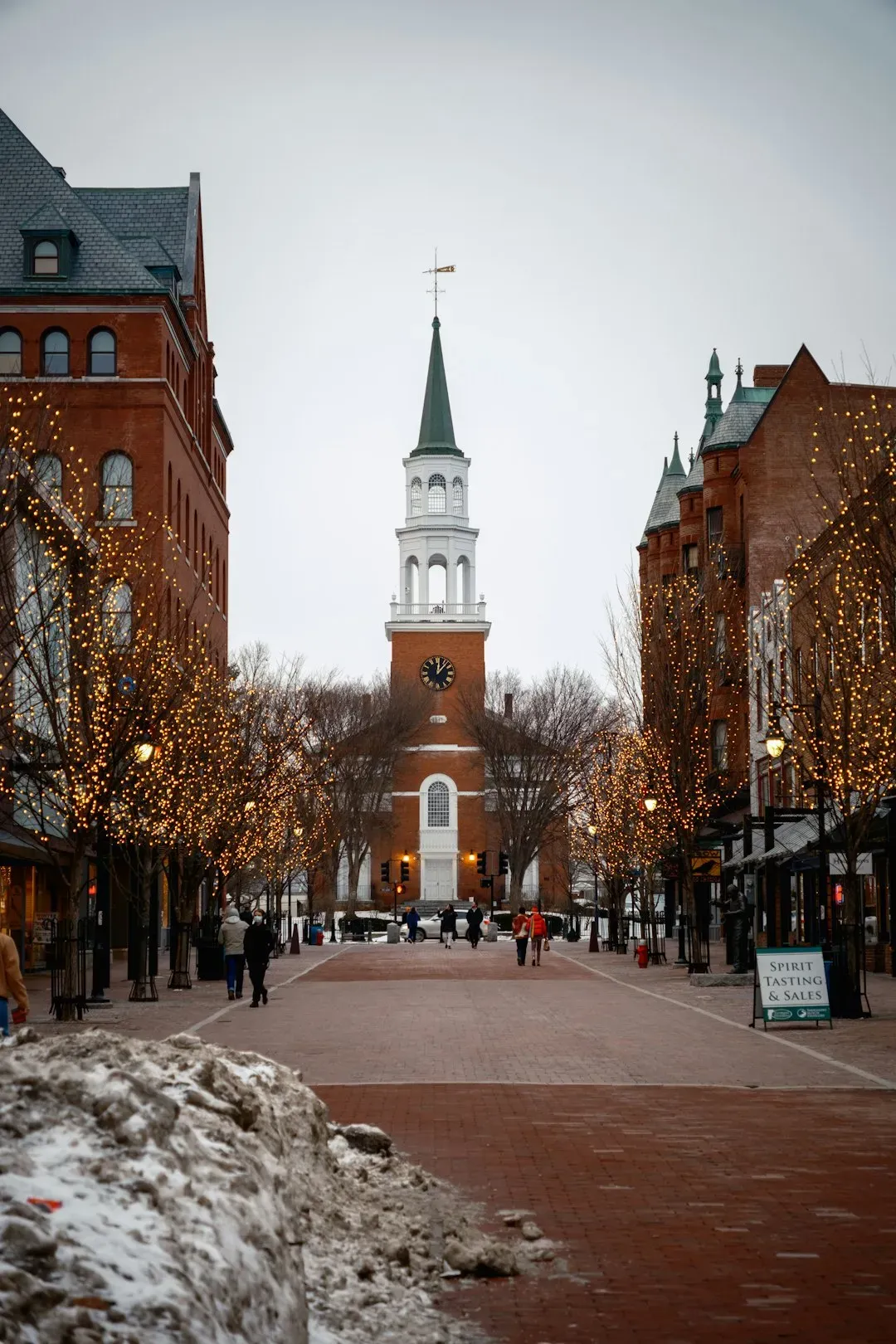
Burlington is small, but its resilience numbers punch above its size. Burlington consistently ranks high for its commitment to environmental responsibility, with ambitious renewable energy goals and active promotion of sustainable practices, while its location offers some protection from extreme weather events.
That resilience extends beyond infrastructure into community behavior. The city facilitates community engagement in climate action planning, fostering a collaborative approach to adaptation. Vermont as a whole has become something of a case study here, since Vermont stands out as a haven free from wildfires, extreme heat, and hurricanes, and the state’s appeal is strong enough that one-third of its new residents moved there specifically to escape the impacts of climate change.
8. Buffalo, New York
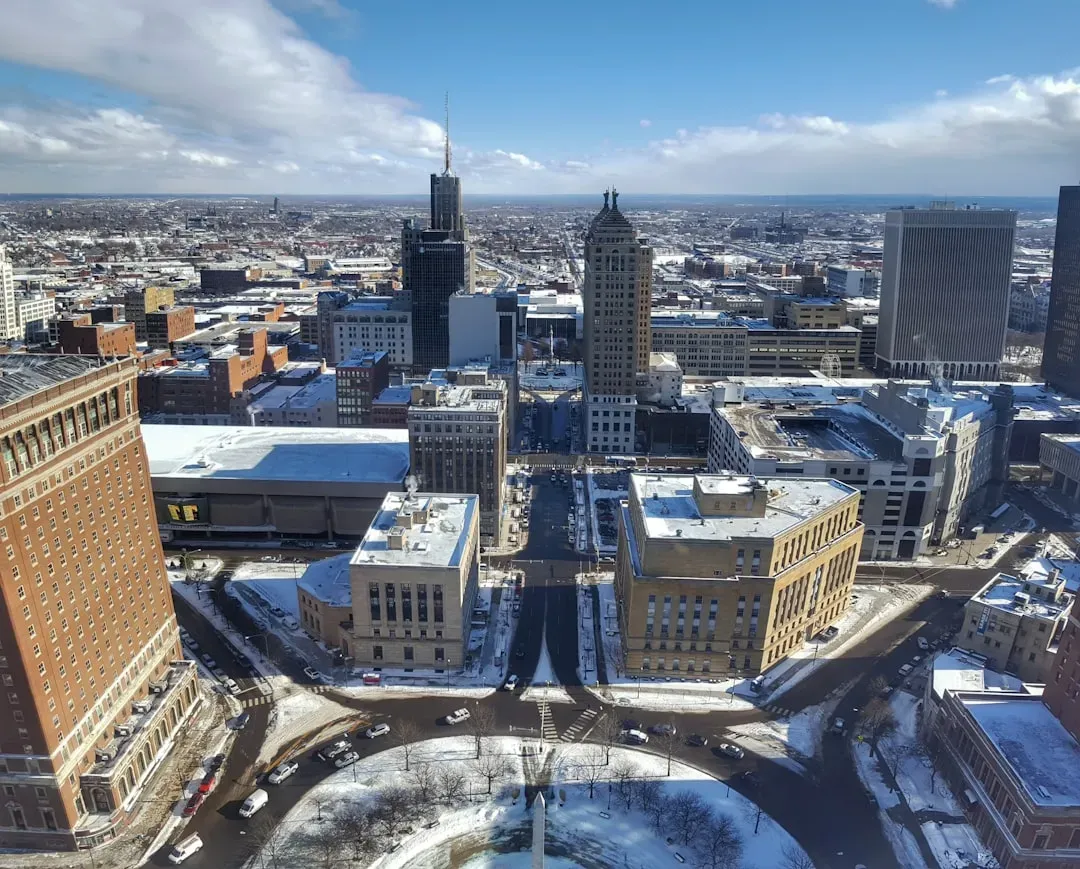
Buffalo’s Great Lakes location does a lot of heavy lifting. Buffalo consistently ranks high in climate resilience thanks to its location, situated inland on Lake Erie, avoiding the immediate threat of rising sea levels, while boasting excellent air quality and a diversified economy.
The city also scores well on formal preparedness measures. Buffalo scores well on the ND-GAIN index for its social and governmental preparedness, and while it can experience extreme cold snaps, its infrastructure is well-adapted for winter weather, with ongoing investment in wind and solar power. Lake-effect snow is a fact of life here, but it’s a predictable one, not an escalating threat.
9. Cleveland, Ohio
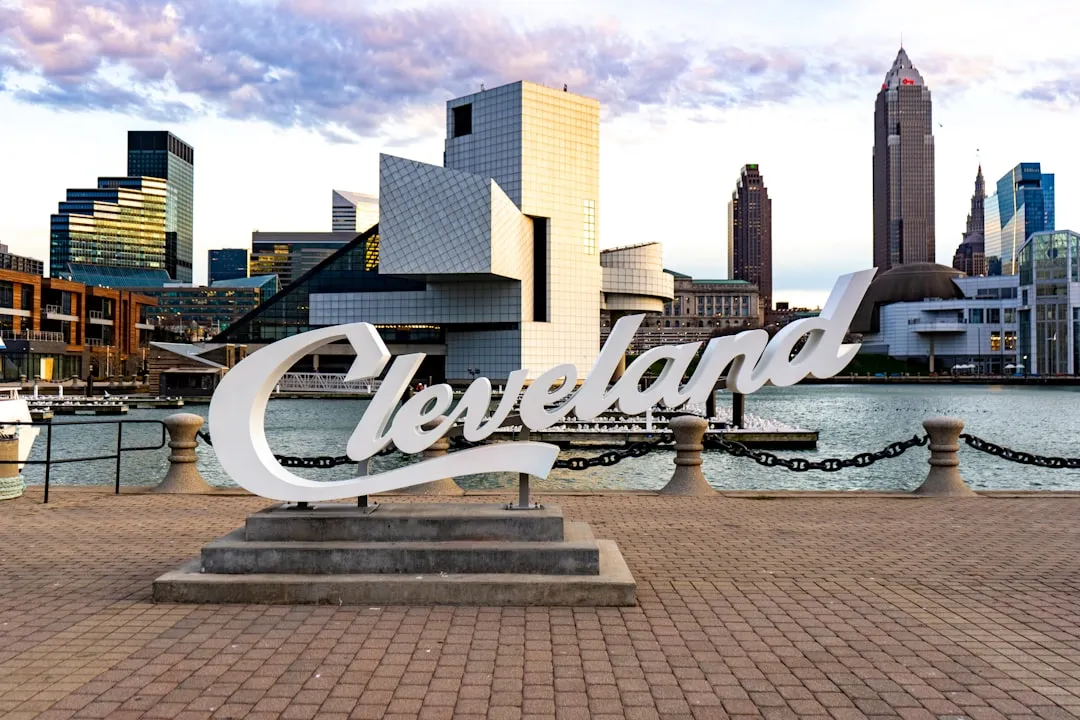
Cleveland’s profile looks a lot like its Great Lakes neighbors. Cleveland has low amounts of particle pollution, and while Ohio saw five costly weather events in a recent year, Cleveland has a high resilience screening score to help prepare it, and its inland position makes it less susceptible to rising sea levels.
Air quality issues around ozone remain a minor concern, and the city isn’t immune to occasional severe weather. Even so, the fundamentals of inland positioning near a massive freshwater lake give Cleveland a durability that many mid-sized coastal cities can’t match.
10. Spokane, Washington
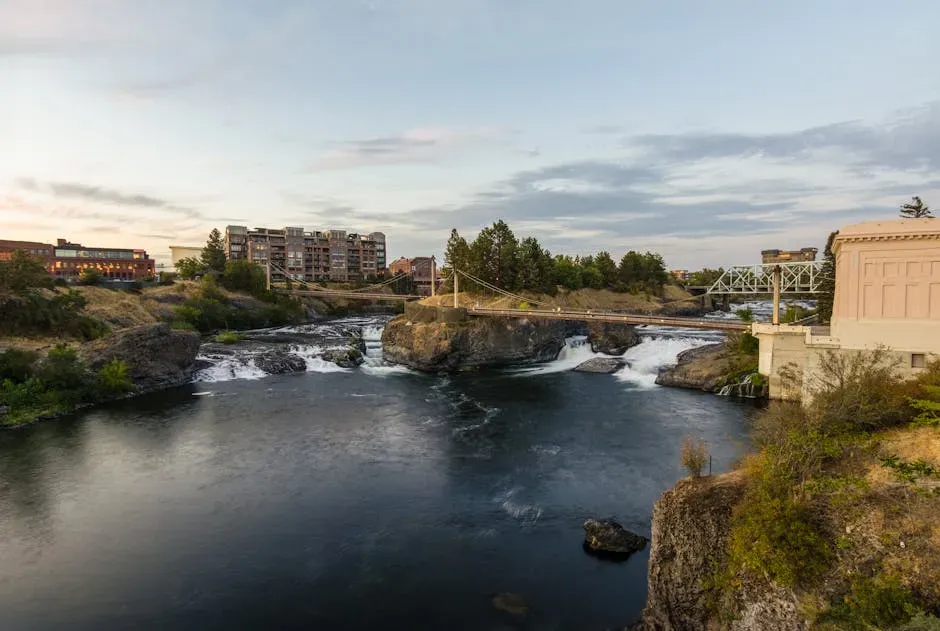
Spokane rides on the coattails of the wider Pacific Northwest’s climate advantages. Seattle, Portland, and Spokane lead the pack as the top three cities ready for climate change adaptation. The region’s moderate temperatures and lower disaster frequency give Spokane a resilience profile well above the national average.
Affordability has also improved its standing as a relocation option. The cost-of-living index in Spokane dropped to 99.1 in the first quarter of 2024, falling below the national average, an improvement from 101 the year before, and the city’s below-average living costs help attract businesses and retain talented workers. That combination of climate stability and relative affordability is rare enough to be notable.
11. Denver, Colorado
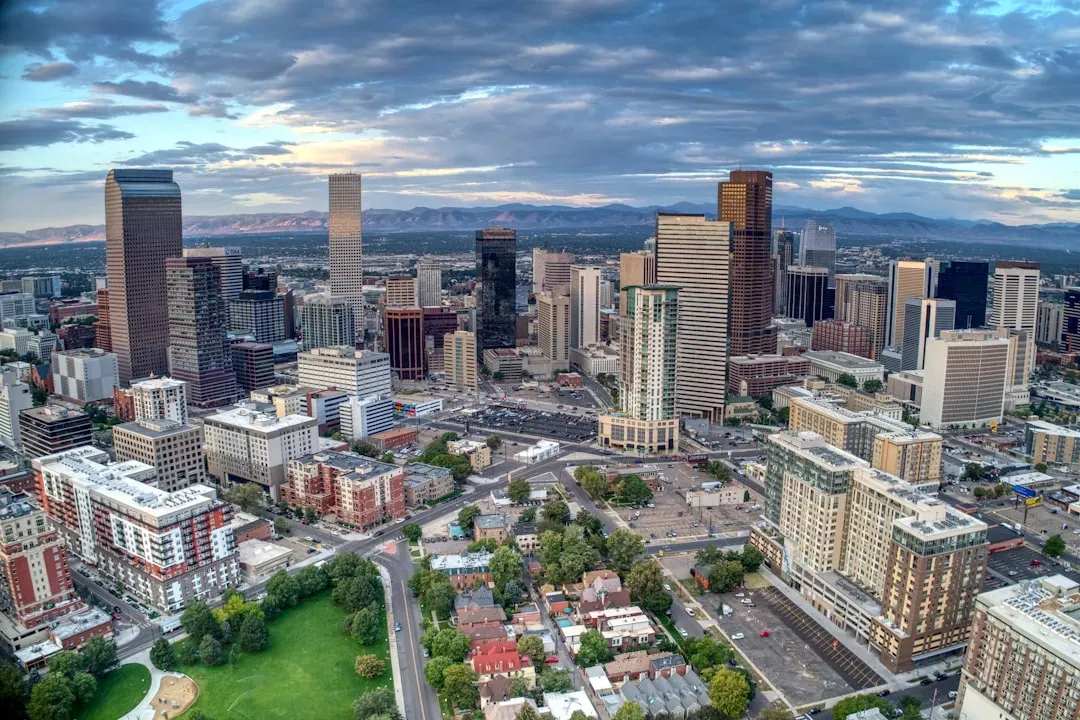
Denver’s high, dry, inland position keeps several major risks off the table. Denver shares much of the same climate resilience as neighboring Aurora, and Colorado stays on top of its climate action plan, with the state posting one of the best climate change extreme indexes in the country.
Fire risk is always worth watching in the Rocky Mountain West, but Denver itself fares better than many nearby communities. Denver sports very low climate-induced fire risk and precipitation scores. Combined with a strong economy and growing renewable energy investment, it rounds out the list of interior cities that consistently perform well.
12. Harrisburg, Pennsylvania
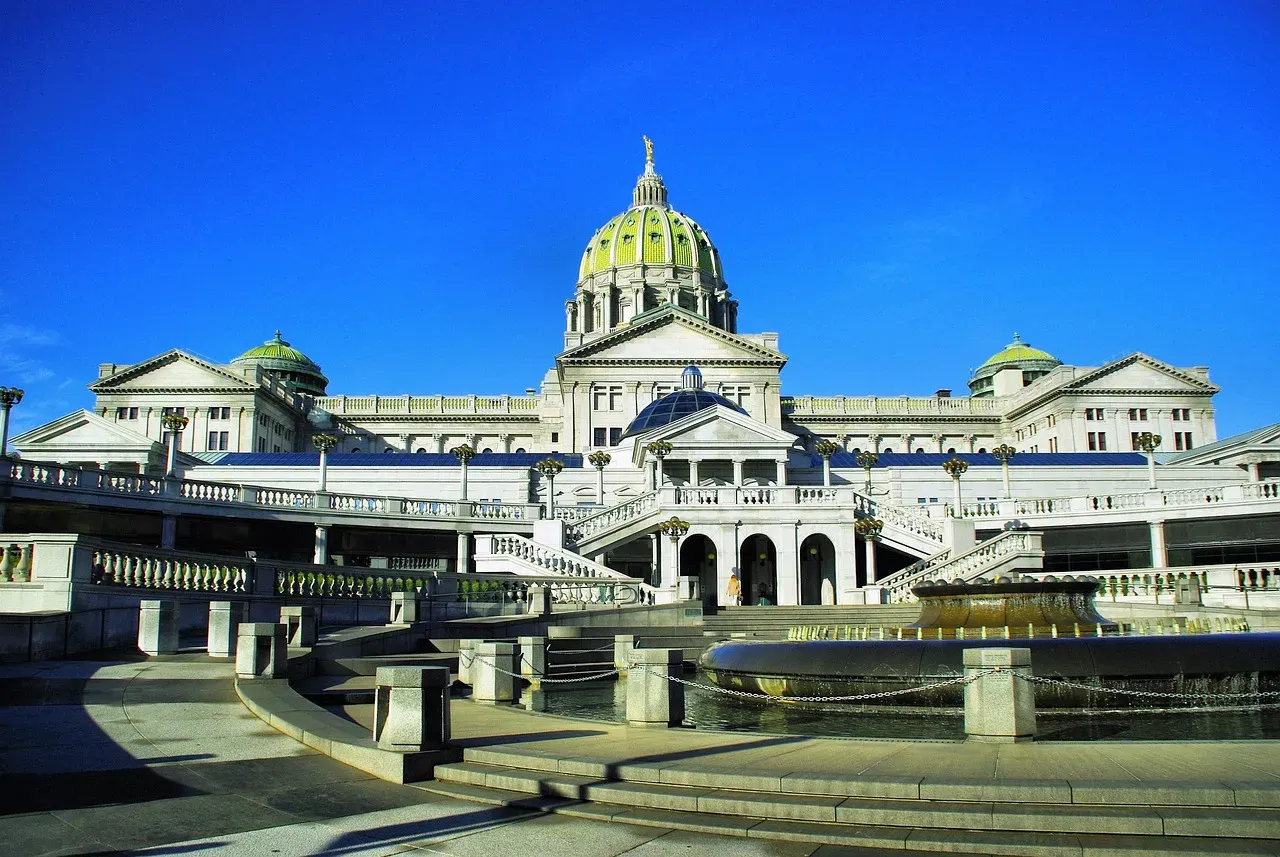
Harrisburg rarely gets mentioned in climate conversations, which may be exactly why it performs so well. Pennsylvania’s capital boasts impressive climate resilience metrics, with FEMA data giving it a 94.8 out of 100 resilience score reflecting strong emergency management and social stability, and its average home insurance premium sits at about $1,064, roughly 63% below the U.S. average.
Its one real vulnerability is water, not heat or wind. Harrisburg’s inland location spares it from coastal calamities and it doesn’t suffer the extremes of heat seen further south, though the city is bisected by the Susquehanna River, and almost half of its properties have over a 26% chance of flood damage over the next 30 years. That single risk factor is worth watching, but it doesn’t undo the broader resilience picture.
Taken together, these twelve cities share a few recurring traits: distance from rising coastlines, moderate temperatures, and local governments that treat climate planning as an ongoing project rather than a one-time announcement. None of them are risk-free, and a few, like Harrisburg’s river flooding or San Francisco’s seismic exposure, carry specific vulnerabilities that residents should weigh carefully. What they offer instead is a favorable set of odds. Choosing where to live based on climate stability isn’t about finding a place immune to every hazard; it’s about finding a place where the hazards are fewer, better understood, and more actively managed.
- The Shoreline Sucked Dry in Seconds – 5 Tsunami Signals Beachgoers Mistake for Low Tide - November 14, 2026
- 9 Dark-Sky Destinations Around the World Where the Stars Look Unreal - November 14, 2026
- The Fault Line That Never Slips – 7 Locked Seismic Zones Overdue for a Massive Release - November 14, 2026
