

- The Compostable Cup Left Intact for Years – 5 Backyard Composting Failures - November 15, 2026
- Fast-Fashion “Conscious” Lines Under Scrutiny – 5 Red Flags in Eco-Clothing - November 15, 2026
- Space Engineers Explain 5 Quiet Changes Making Rocket Launches Safer Than Ever - November 15, 2026
Most people never think about where their tap water comes from until it stops running the way it should. Water systems tend to fail quietly at first, through small inconveniences that get brushed off as one-time glitches rather than warning signs of something bigger.
Across the country and around the world, though, a pattern has started to emerge in places heading toward real shortages. The clues are usually there months, sometimes years, before anyone declares an official emergency.
1. The local reservoir keeps showing up in the news for the wrong reasons
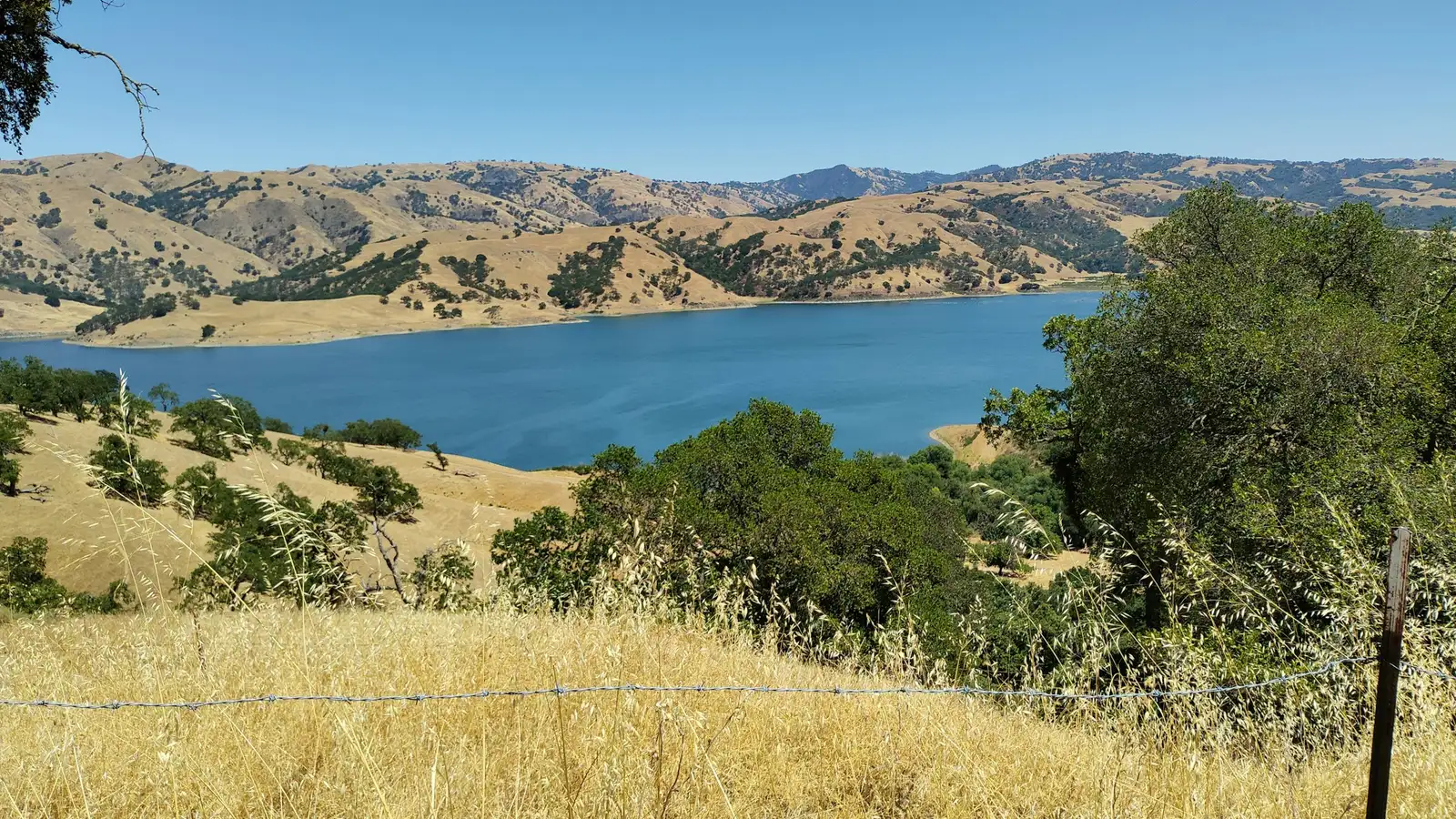
When a nearby reservoir or lake starts making regular headlines because of its shrinking water line, that is rarely a one-season problem. In Chennai, India, the four primary surface water sources that supply the city were sitting at just 23% combined capacity as of March 2026, a number that had been sliding for months before it became a crisis. Similar patterns showed up in South Texas, where Lake Corpus Christi, the city’s primary reservoir, fell to 19% capacity before officials acted.
If your neighborhood’s water source is mentioned more often for record lows than for recreation, pay attention. A reservoir dropping steadily, rather than fluctuating with the seasons like it always has, usually signals that withdrawals have outpaced whatever rain or snowmelt is coming in. By the time local news treats it as a running story, the trend has typically been building for a while.
2. Boil water notices start arriving more than once a year
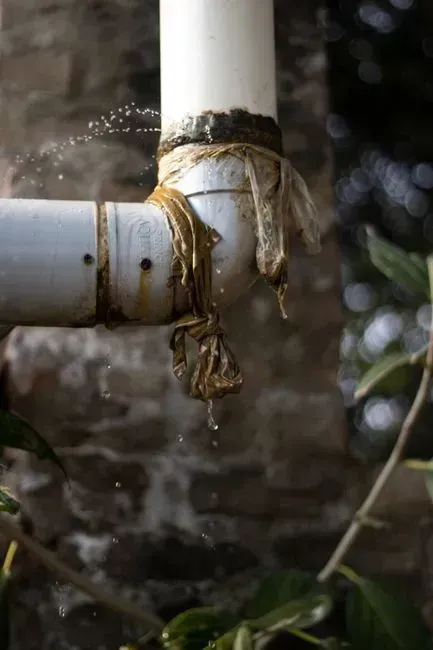
One boil water advisory can be blamed on a broken pipe or a power outage. A second or third one within the same year points to something structural. Richmond, Virginia experienced exactly that kind of pattern, when a power failure knocked out its water treatment plant in January 2025, triggering a boil-water advisory for several days that left the city’s 230,000 residents without drinkable tap water, and then a second boil-water advisory in May 2025 underscored the city’s need for long-term infrastructure upgrades after backup systems and filtration equipment failed again.
Repeated advisories usually mean a treatment plant or pump station is running on borrowed time, often with outdated backup systems that were never designed for sustained stress. If your neighborhood app or city alert system keeps buzzing with the same kind of notice, it is worth asking your local utility what changed since the last one. Chances are, nothing did, and that is the actual problem.
3. Neighbors start quietly drilling their own backup wells
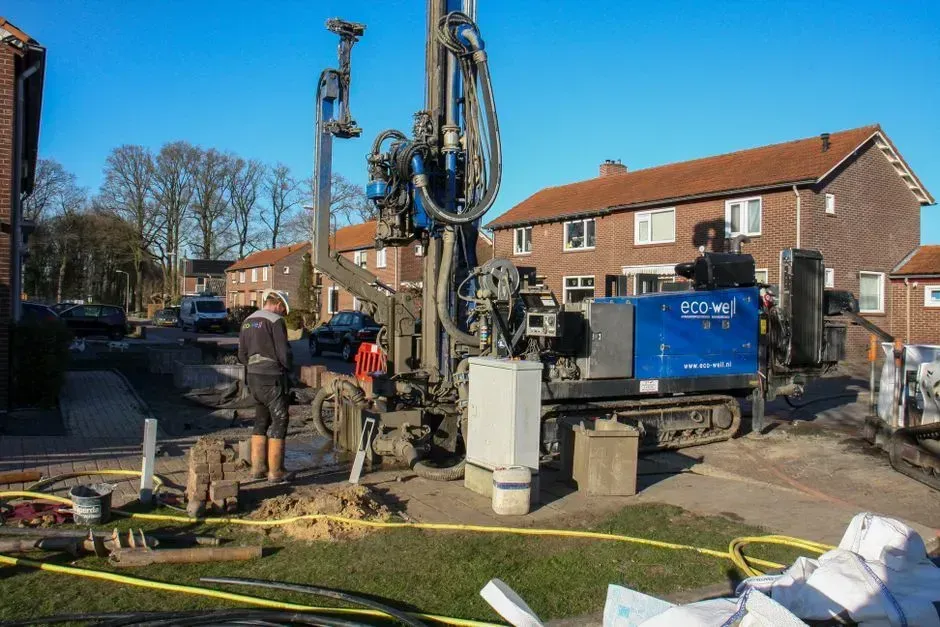
People do not spend tens of thousands of dollars on a private well unless they have stopped trusting the public system to deliver. In parts of South Texas near Corpus Christi, residents watched their well levels drop after the city began pumping heavily from a shared aquifer, and towns and landowners across the area saw water levels in their wells drop after Corpus Christi first began pumping millions of gallons per day from the Evangeline Aquifer. One rural resident described losing water access for days and then paying $30,000 to add another well on his property, for backup.
When a handful of households on your street suddenly have well-drilling trucks parked outside, it is not a coincidence or a home improvement trend. It usually means people closer to the source have already noticed groundwater levels sinking and decided not to wait for an official announcement. That kind of grassroots panic tends to spread through a neighborhood faster than any city press release.
4. Officials start talking about “curtailment” instead of “conservation”
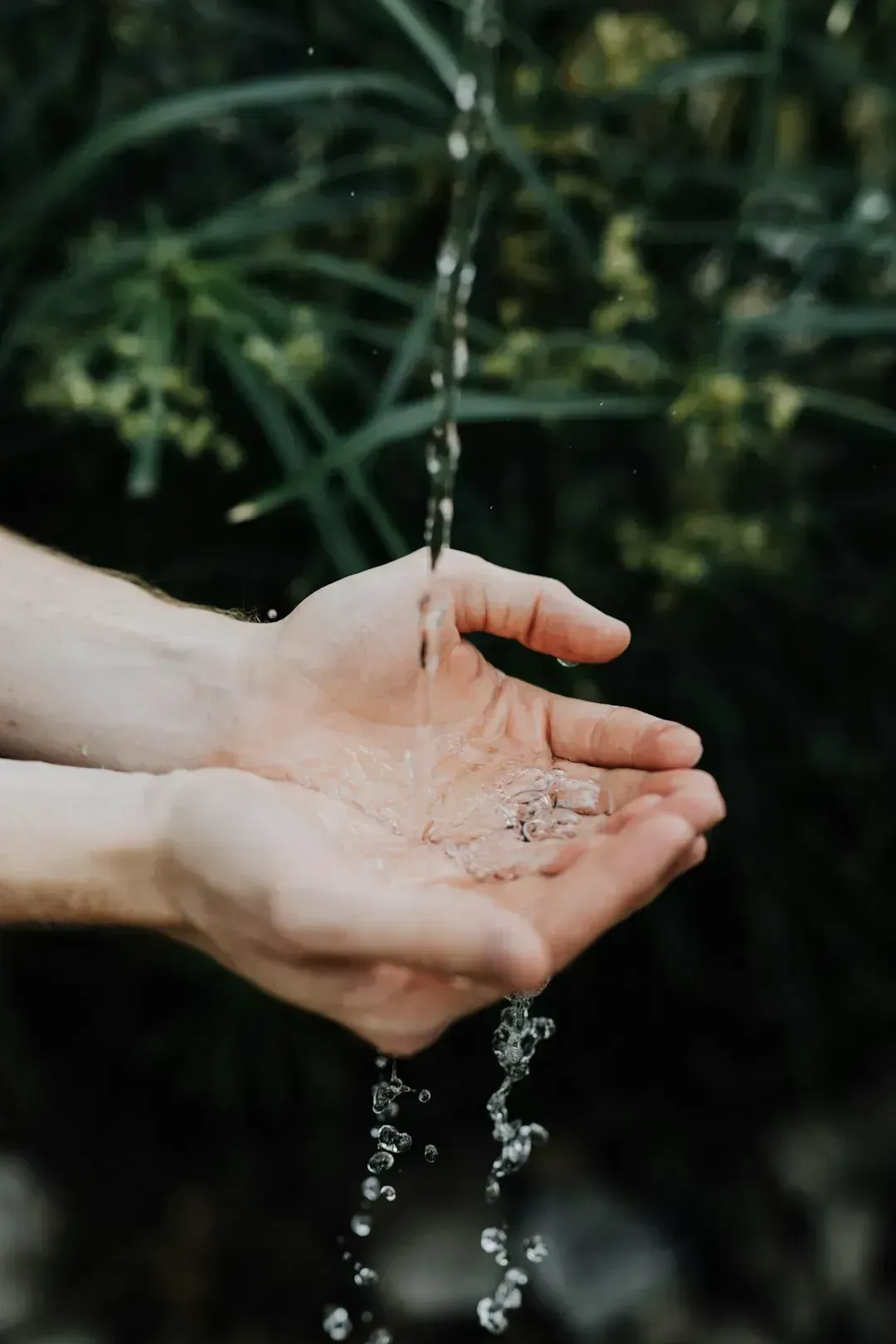
There is a real difference between a city asking residents to water lawns less and a city preparing to physically restrict how much water flows to homes. Corpus Christi crossed that line in January 2026, when the city declared a water emergency, becoming the first American city to do so that year. Nearby, officials in the small town of Orange Grove acknowledged that without significant rain soon, it appeared likely the city would go into emergency curtailment while its well fields gradually came online.
Curtailment language is a signal that voluntary measures have already failed. If your city council starts using terms like phased restrictions, rationing tiers, or emergency allocation instead of gentle reminders about sprinkler schedules, the situation has moved past the polite-request stage. That shift in vocabulary is often the clearest tell that leadership knows more than it is saying plainly.
5. Water bills climb while the city issues emergency bonds

Infrastructure fixes are expensive, and someone always ends up paying for them. In Beeville, Texas, near the Corpus Christi water crisis zone, the city issued a $35 million bond for an emergency brackish groundwater project just to keep taps running. Meanwhile, water rights themselves have become a scarce commodity, with the city paying more to acquire water rights alone than it would have cost several years ago to buy entire properties.
If your monthly water bill has jumped noticeably and your city recently passed a bond measure tied to “water infrastructure resilience,” those two things are connected. Emergency financing rarely comes cheap, and utilities typically pass the cost straight through to ratepayers rather than absorbing it themselves. A sudden rate hike paired with new bond debt is a fairly reliable sign that a supply problem has already moved from theoretical to financial.
6. Pipes lose more water than they actually deliver
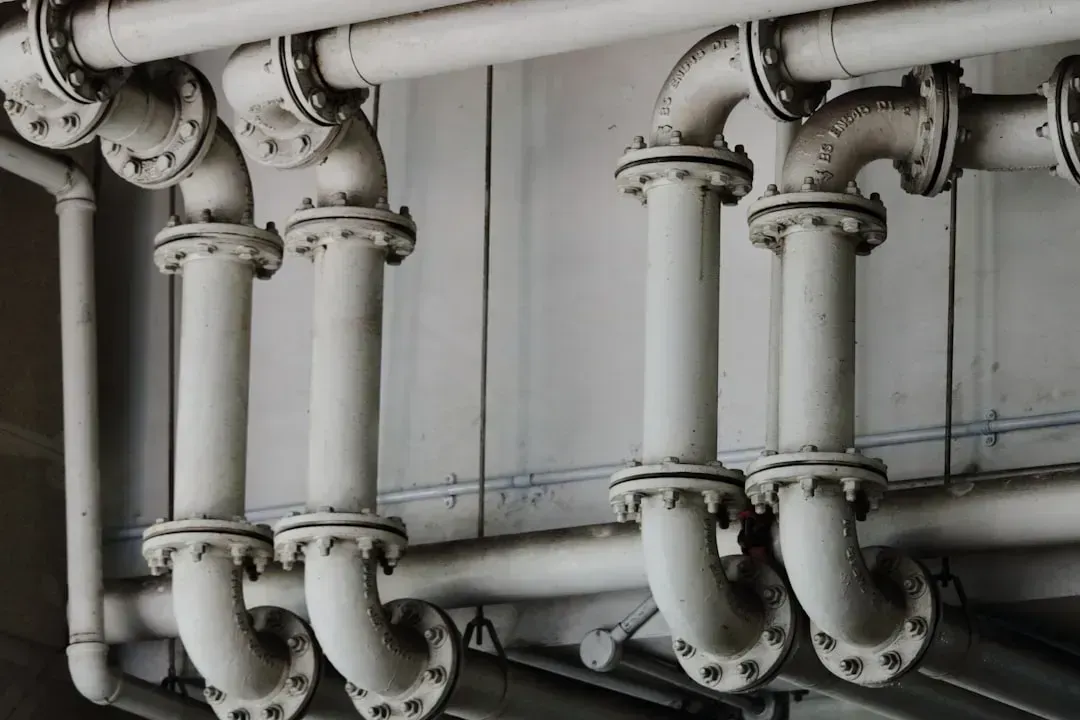
Aging pipes do not just crack occasionally, they bleed water constantly, and the scale of that loss can be staggering. Mexico City offers a stark example, where the city loses an estimated 40% of all extracted water to leaks from pipes laid in the 1940s and 50s, damaged by ongoing subsidence. São Paulo faces a similar drain, with the city losing 31.8% of all treated water to non-revenue water, meaning leaks, theft, and unmeasured connections.
Most residents never see these losses directly since they happen underground, long before water reaches a tap. However, utilities that report high non-revenue water percentages in their annual reports are effectively telling you they are paying to treat and pump water that never gets used. If your local utility’s public filings show leak rates climbing past a quarter of total supply, that infrastructure is quietly failing beneath the streets you drive on every day.
7. A new data center or industrial plant moves in nearby
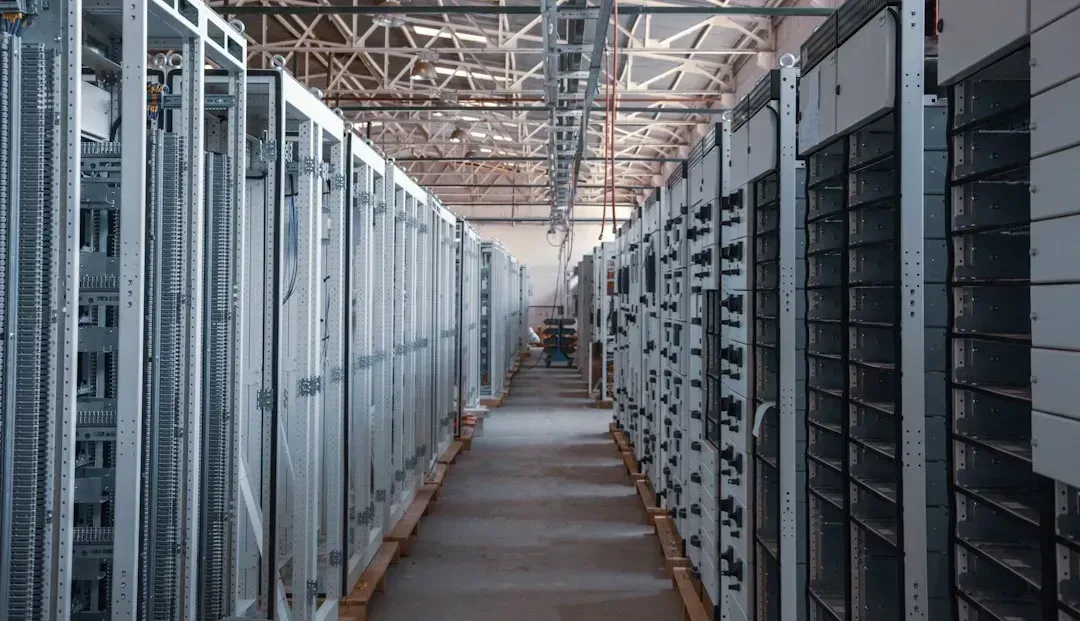
Large-scale industrial or tech facilities can pull enormous volumes of water for cooling and processing, often faster than local supply planning accounts for. Bangalore’s tech corridor illustrates the scale of this pressure, where over 100 tech campuses were rationing water internally after the local water board cut supply allocations by 40% in early 2026. That demand does not stay contained either, since the IT corridor draws 1.4 billion liters per day from the same river basin that feeds neighboring cities’ reservoirs.
If a new data center, chip plant, or large manufacturing facility breaks ground near your neighborhood, it is worth finding out what water source it plans to draw from. These facilities often negotiate access to the same municipal or groundwater supply that residential customers depend on, and permits are sometimes approved before anyone calculates the cumulative strain. A single large industrial user can shift a region’s water balance faster than years of residential population growth ever could.
8. The ground itself starts sinking or cracking
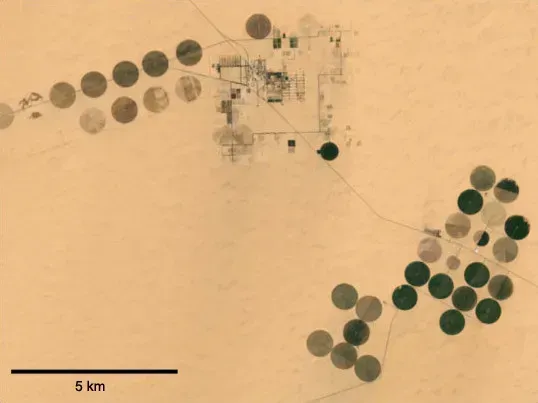
Groundwater depletion does not just lower well levels, it can physically reshape the land above it. Mexico City provides one of the most dramatic examples on record, sinking at a rate of around 20 inches a year as the vast aquifer beneath its streets is over-pumped. Jakarta faces a comparable fate, with both cities experiencing rates of land subsidence from groundwater extraction of roughly 10 centimeters a year.
On a neighborhood scale, this shows up as new cracks in foundations, uneven sidewalks, or sinkholes that seem to appear out of nowhere near older streets. These are not just cosmetic problems. They are physical evidence that the aquifer beneath a community is being pumped faster than it can recharge, and once that kind of compaction sets in, geologists generally agree it cannot be reversed within a human lifetime.
None of these signs on their own guarantees a neighborhood is headed for a full shutoff. Together, though, they tend to paint an honest picture of where a local water system actually stands, long before any official press conference confirms it.
