
Nor’easter season starts earlier than most people think
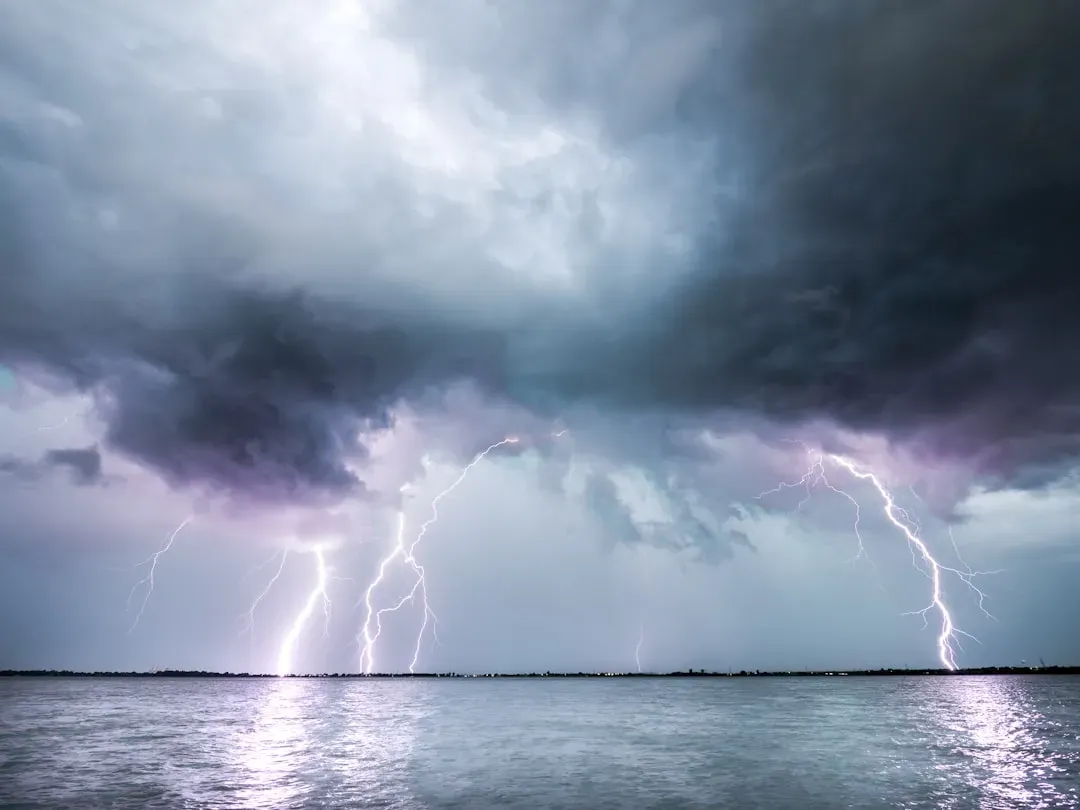
Many visitors picture nor’easters as a strictly winter phenomenon, something that shows up in January and disappears by March. In reality, nor’easters can occur at any time of year, but are most frequent between the months September and April. That’s a seven month window, which is longer than most people’s idea of “winter” by a wide margin.
Locals plan around that longer stretch rather than a narrow one. Nor’easter season in Maine spans late autumn to early spring, marked by frequent powerful extratropical cyclones that result from clashes between cold air from Canada and warm air from the Gulf Stream. Visitors who arrive in early September expecting calm coastal weather are sometimes surprised to learn the season has technically already begun.
Grocery runs happen well before the forecast turns serious

One of the more visible habits that surprises out of towners is how early Mainers start stocking pantries. It isn’t unusual to see shelves thinning out days before a storm is even confirmed, simply because residents have learned that waiting until the forecast firms up often means missing the good supplies. This isn’t panic buying so much as a routine, repeated so many times over the years that it barely registers as unusual to the people doing it.
Bottled water, canned goods, and basic staples get rotated through pantries all winter long rather than bought in a single frantic trip. General guidance for the region recommends that residents assemble an emergency kit well ahead of any specific storm warning. For coastal Maine households, that kit tends to live in a closet year round, not just during active watches.
Generators are treated as standard equipment, not a luxury

Visitors from cities or milder climates are often startled by how many coastal Maine homes have a generator parked outside, cord already run to the house before a single flake has fallen. Power outages tied to nor’easters aren’t a rare inconvenience here, they’re an expected part of the season. Locals plan for it the way someone else might plan for a delayed flight.
Official guidance for the region reflects the same priority, encouraging residents to consider purchasing a generator to provide power during an outage, and to follow the manufacturer’s instructions and learn how to use it safely before an outage. Fresh batteries in smoke and carbon monoxide detectors get checked at the same time, since running unfamiliar equipment safely matters just as much as having it in the first place.
Boats and moorings come out of the water on a schedule, not a whim
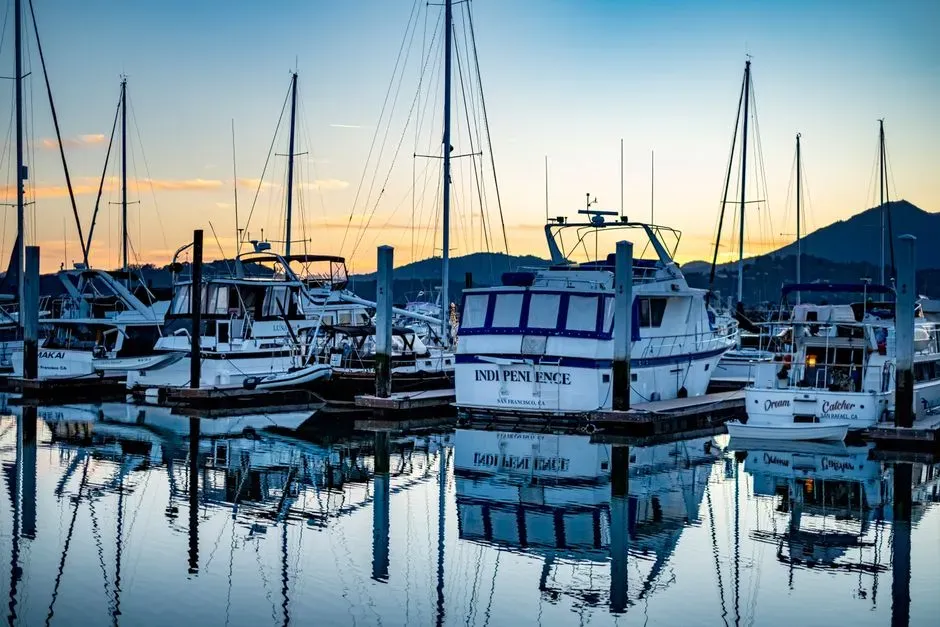
Anyone who spends time around a working harbor in October will notice boats disappearing from the water in waves, long before any storm is named. Lobstermen and recreational boat owners alike treat haul out timing as a serious calculation, since a nor’easter with little warning can turn an unsecured boat into a liability overnight. Marinas and harbor masters often set informal deadlines that locals simply know by heart.
This caution isn’t excessive. Coastal storm guidance is blunt about the danger these systems pose to anyone still on the water, warning that conditions during a nor’easter present an extreme risk even to the most experienced boaters, and that people are highly encouraged to stay off the water since it’s the safest place to be. Visitors sometimes assume a calm looking bay means it’s fine to head out, without realizing how quickly that can change.
Tide charts matter as much as the weather app

Tourists tend to check one thing before a storm: the forecast. Locals check two, adding tide charts into the mix without a second thought, because a nor’easter that lines up with a high tide behaves very differently than one that doesn’t. Timing between wind, rain, and the tide cycle can turn a routine storm into a genuinely dangerous one for waterfront property.
This isn’t theoretical. During one January storm sequence, officials in a coastal Maine community had to close part of a road after conditions combined in an unusually severe way, with one resident describing it plainly as “king tides, huge wind, it was the perfect storm, all the planets aligned.” That kind of layered risk, where wind and tide reinforce each other, is exactly why locals watch both charts rather than one.
Firewood and backup heat get sorted long before the cold sets in
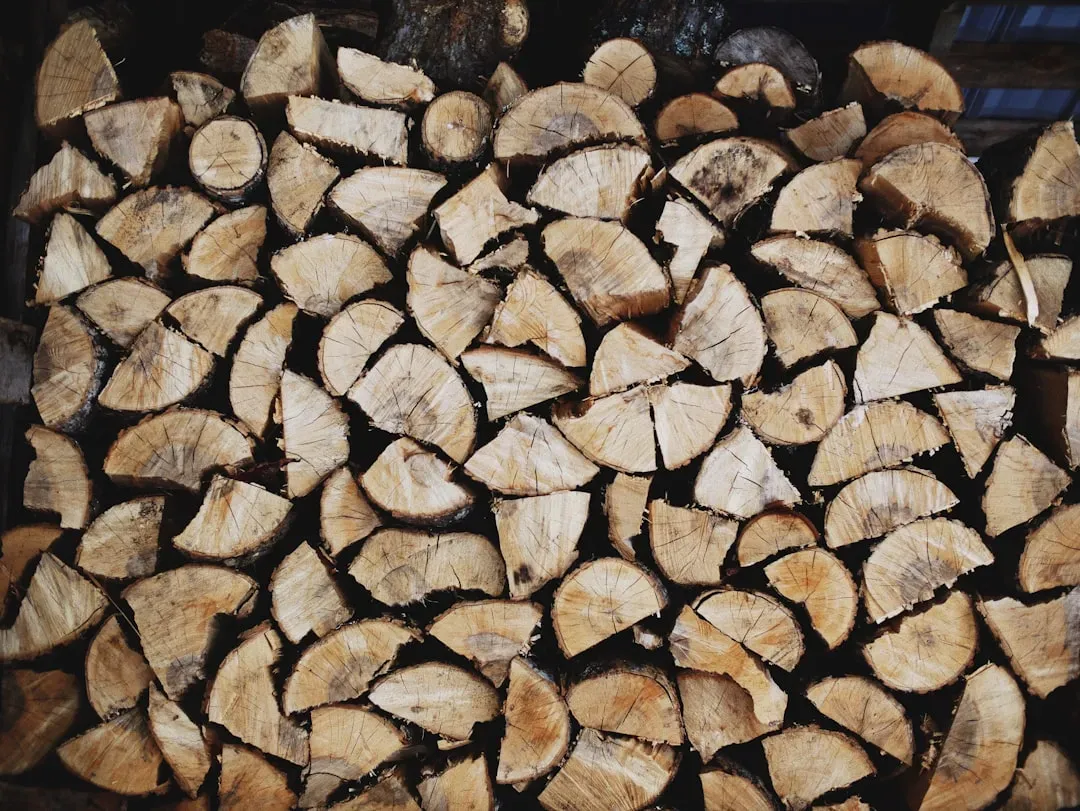
Splitting and stacking firewood in late summer looks, to a visitor, like someone getting a head start on a hobby. To residents, it’s closely tied to storm preparedness. If a nor’easter knocks out power for several days, and it often does, a working woodstove or fireplace becomes the difference between a mild inconvenience and a genuinely uncomfortable stretch at home.
Winter storms in Maine are known for exactly this kind of prolonged disruption. Winter storms dump heavy snow, coat everything in ice, and bring strong winds that can knock out power for days. Having a backup heat source ready well in advance is less about tradition and more about simple risk management shaped by repeated experience.
Vehicles and driveways are prepped with a level of detail visitors rarely expect
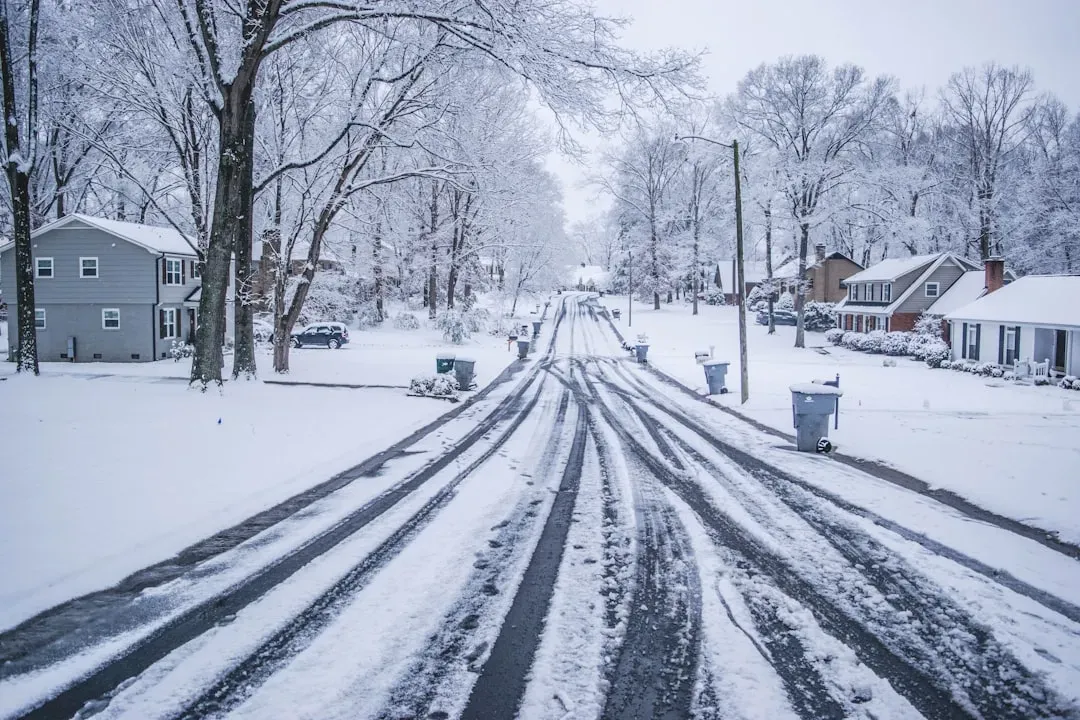
It’s common to see coastal Maine residents topping off gas tanks, checking tire tread, and clearing driveways of anything that could be buried under drifting snow, all before a storm watch is even issued. Cars parked on the street get extra attention too, since digging out a vehicle after a heavy nor’easter can take considerably longer than people expect. General storm guidance echoes this instinct directly, suggesting drivers top off their car’s gas tank with fuel and park it carefully before the storm, ideally in a covered garage, or fold in side mirrors if street parking is the only option.
What surprises visitors most is the calm efficiency of it all. There’s no scrambling, just a quiet checklist that’s been run through so many times it barely requires conversation. For someone visiting from a place where snow is rare, watching an entire street handle this in near silence can feel almost choreographed.
Neighbors check on each other before anyone asks
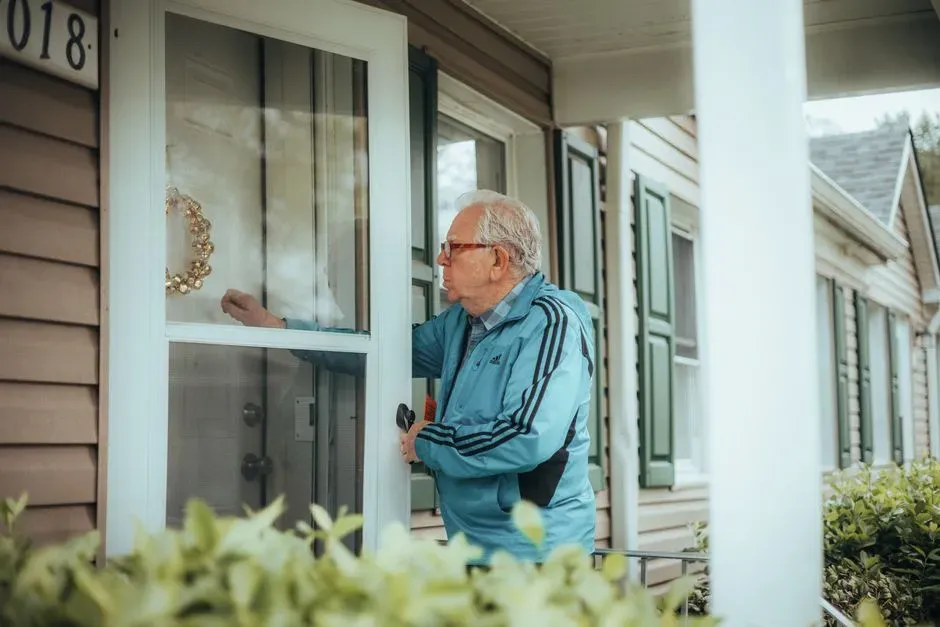
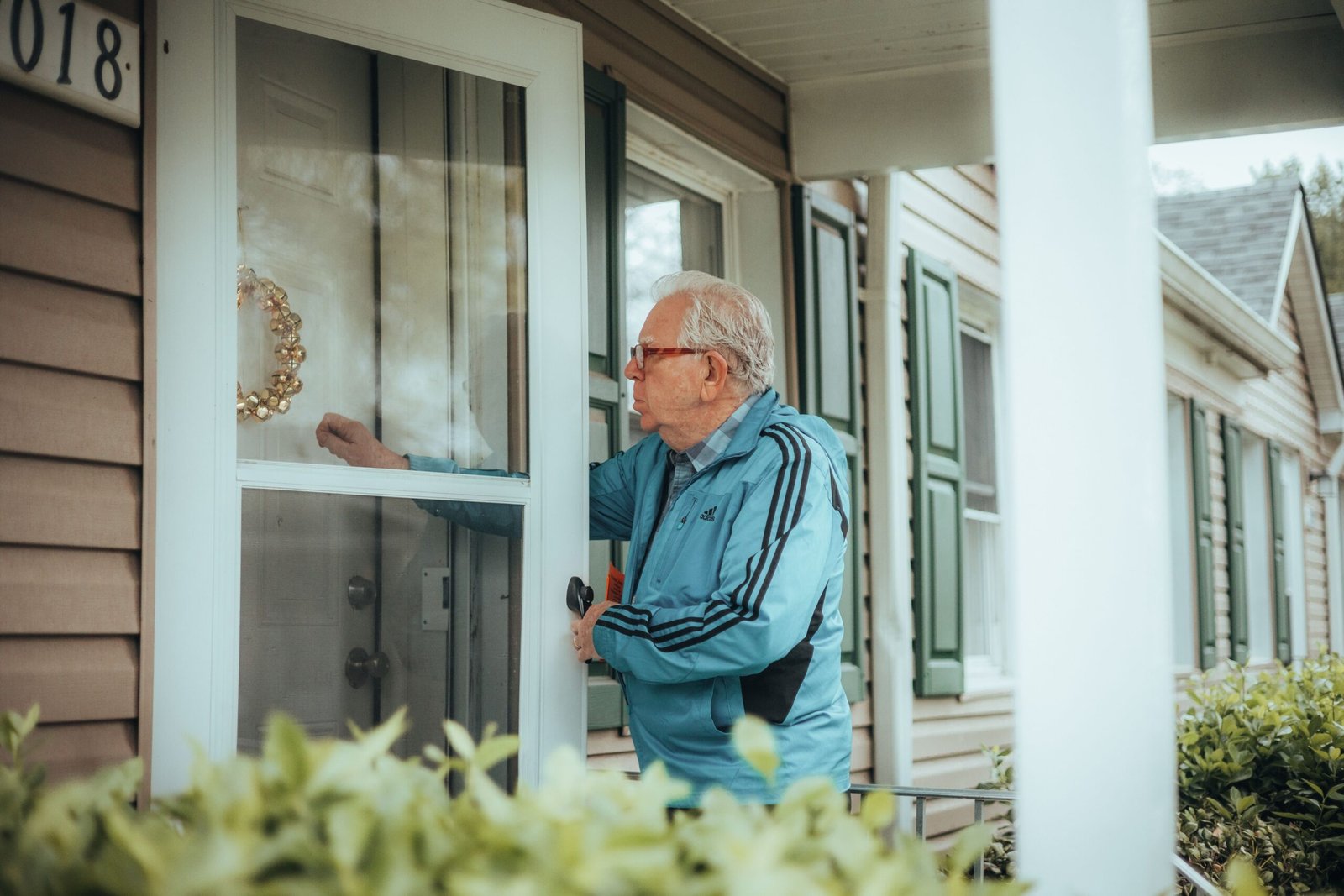
Coastal Maine towns tend to be small enough that people know who lives alone, who’s elderly, and who might need extra help if a storm cuts off power or blocks a road. Visitors sometimes notice a knock on a neighbor’s door the evening before a big storm, not because anything’s wrong yet, but because checking in early is simply what’s done. It’s a quiet form of preparedness that doesn’t show up in any official guide but shapes how these communities weather storms together.
This kind of informal network matters because nor’easters frequently strain individual households in ways that are hard to predict. A storm might spare one street and flood another, and locals have learned that shared information travels faster than any single forecast. It’s less about formal emergency planning and more about decades of familiarity with both the weather and each other.
Businesses plan closures and schedule changes days in advance
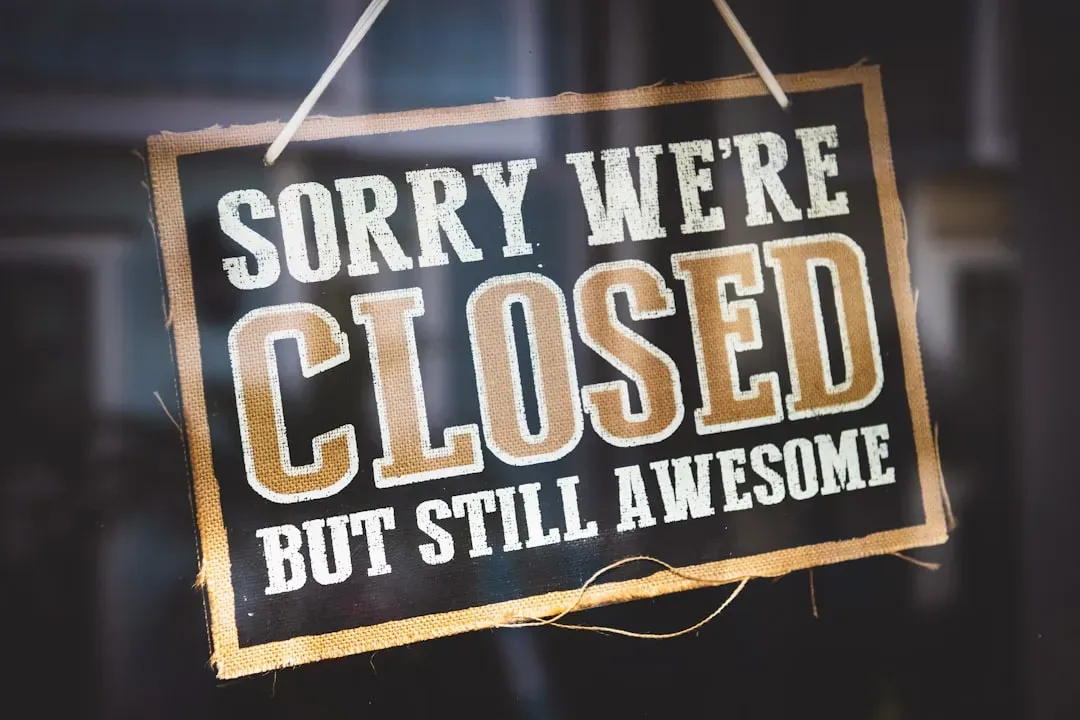
Visitors expecting shops and restaurants to operate on a normal schedule during storm season are sometimes surprised to find posted closures well before a storm actually arrives. Coastal Maine businesses, especially smaller ones without deep staffing reserves, tend to make these calls early rather than waiting to see how bad conditions get. It’s a practical response to roads that can become genuinely hazardous with little warning.
State level responses reinforce this pattern from the top down as well. During one recent stretch of severe weather, officials directed state offices to close due to heavy snow and strong winds, with advice coming jointly from MEMA and the Governor. When state government moves that early, local businesses tend to follow the same logic rather than gamble on staying open.

- The Shoreline Sucked Dry in Seconds – 5 Tsunami Signals Beachgoers Mistake for Low Tide - November 14, 2026
- 9 Dark-Sky Destinations Around the World Where the Stars Look Unreal - November 14, 2026
- The Fault Line That Never Slips – 7 Locked Seismic Zones Overdue for a Massive Release - November 14, 2026
