
What the heat index actually measures
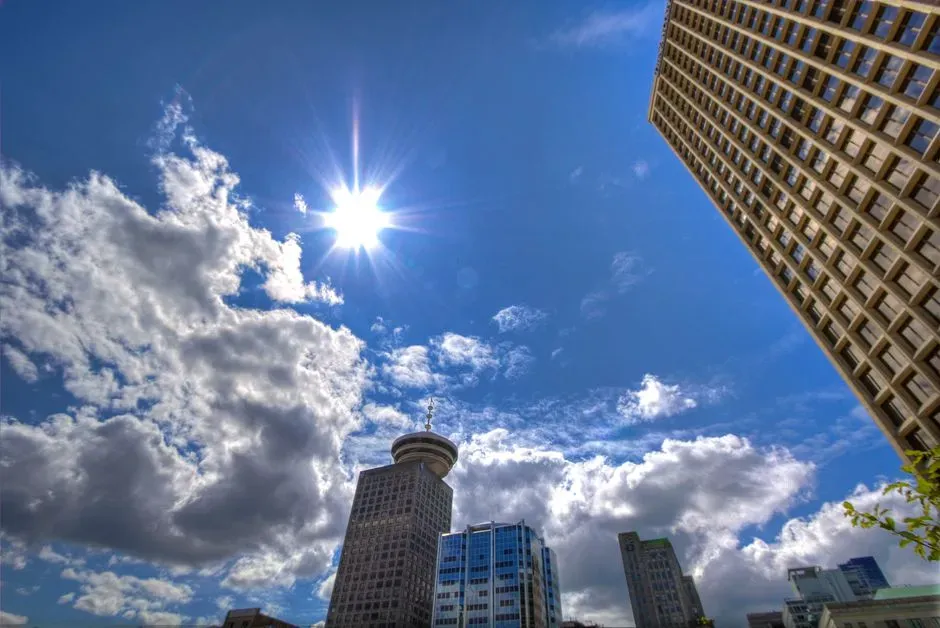
The heat index is not the air temperature. It is a calculation that blends air temperature with relative humidity to estimate how hot conditions actually feel on human skin, since it reflects the apparent temperature, what the air actually feels like on human skin when relative humidity is taken into account, because when humidity is high, sweat doesn’t evaporate as efficiently. That matters because sweating is the body’s main cooling mechanism, and when it stops working well, internal temperature climbs faster than most people expect.
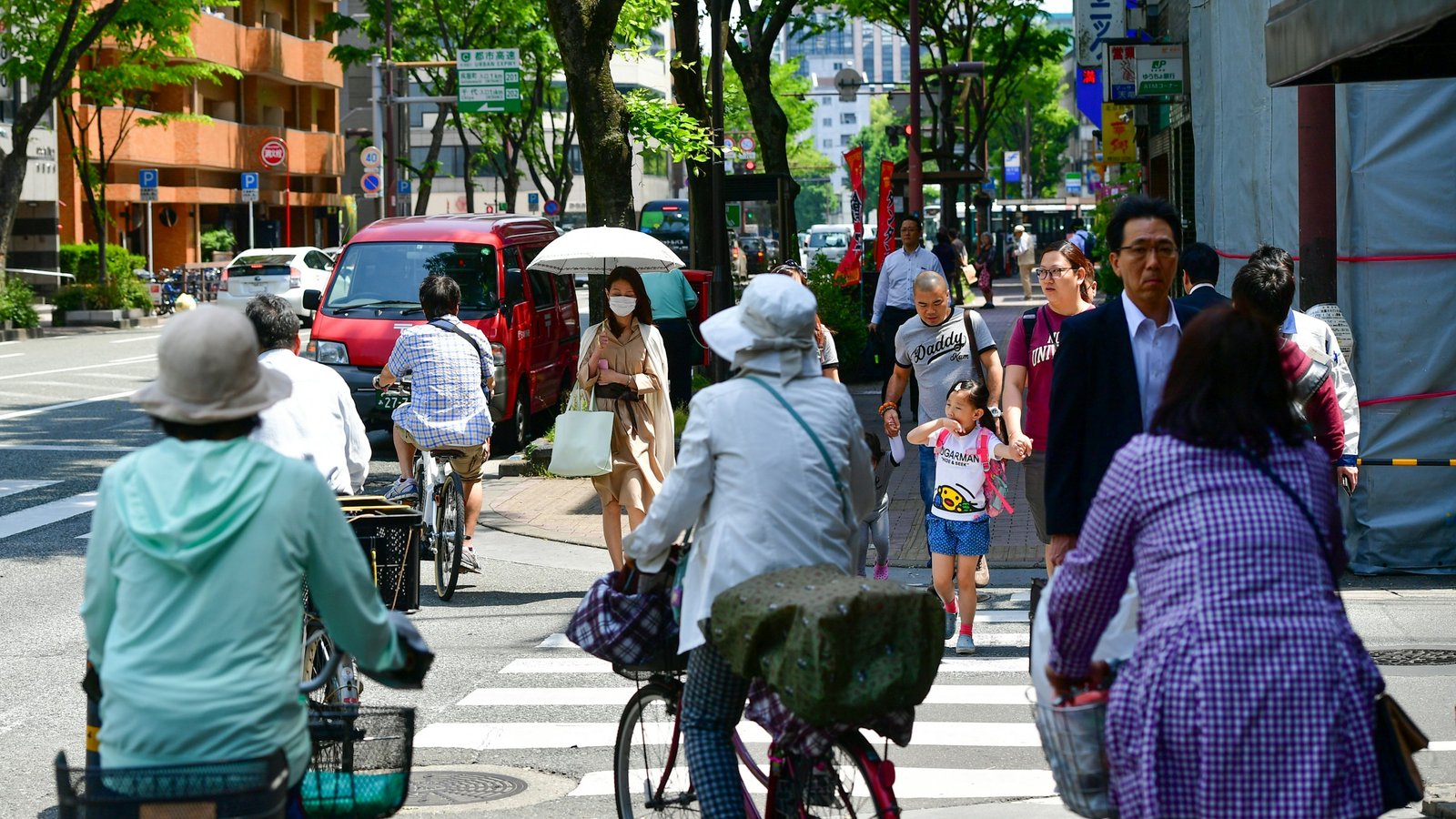
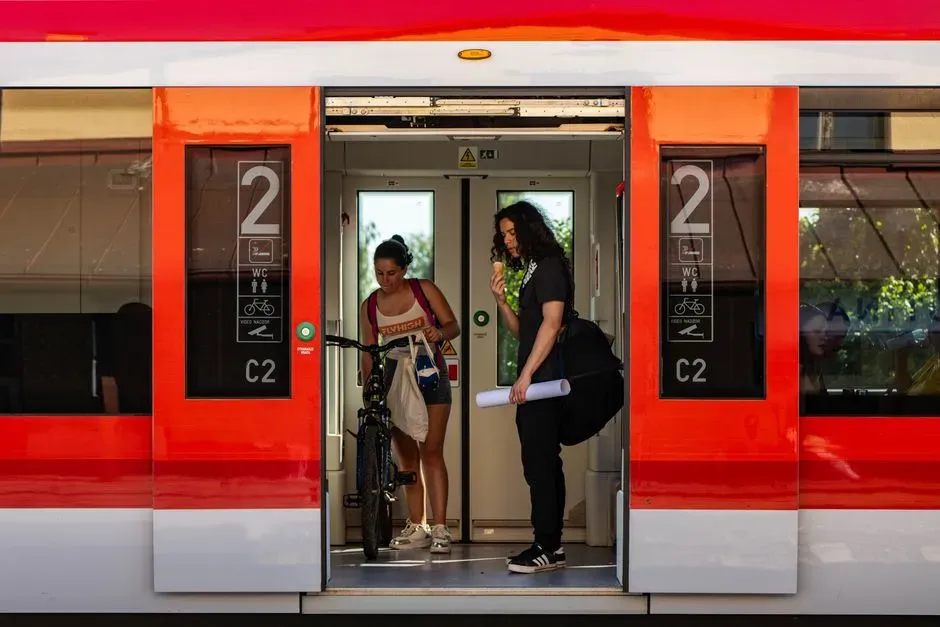
A muggy 90 degree afternoon can carry the same physiological load as a dry 106 degree one. High humidity keeps your sweat from evaporating, which is how your body cools itself, so a humid 90°F can feel like a dangerous 106°F. There’s also a detail worth knowing before you trust the forecast number on a bright afternoon walk to the train: the official heat index assumes you’re in the shade with a light breeze, and stepping into direct sunlight can add as much as 15°F to the value.
Why a commute is a different kind of heat exposure

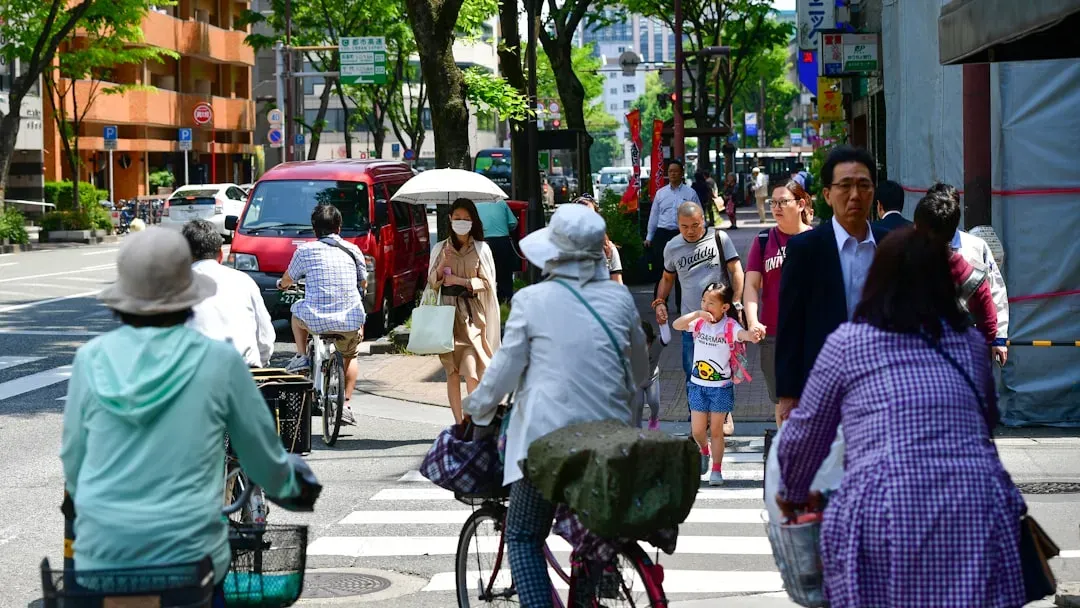
Office workers and students often think of heat risk as something that happens to outdoor laborers, but a daily commute creates its own distinct pattern of exposure. Research on transit systems has found that public transit users are among the most vulnerable to extreme heat due to the urban heat island effect and longer outdoor exposure. Unlike someone doing manual labor with scheduled breaks in shade, a commuter often moves through the hottest, most exposed parts of a city on a fixed timeline they can’t easily adjust.
Interestingly, the walking portion of a trip tends to matter more than people assume. A study using microclimate modeling in Miami found that walking is the primary source of heat compared to waiting, and a few streets and stops contribute most exposure. That means the specific route you choose, not just the total trip length, can shift how much heat stress you actually absorb.
The hidden heat trap at bus stops and train platforms
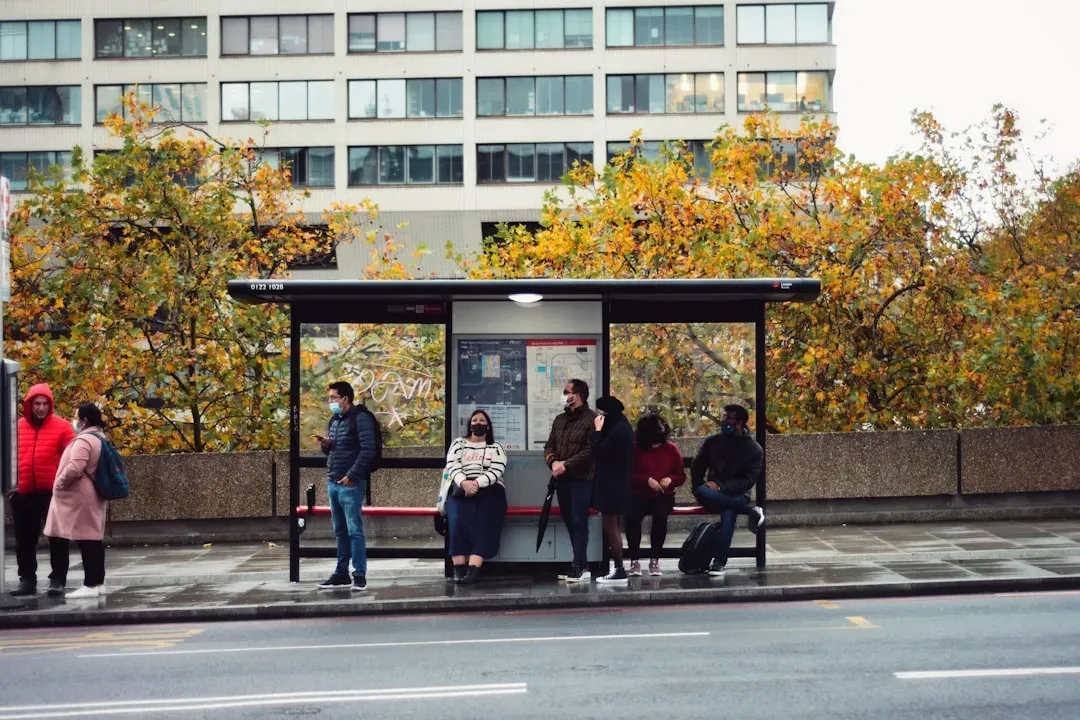
Waiting for transit sounds passive, but it can be one of the harshest parts of a hot commute. A study in Phoenix found that bus stops reached temperatures of 160 degrees Fahrenheit, putting passengers at extreme risk while they waited for often infrequent services. That kind of surface heat radiates upward, adding to whatever the air temperature and humidity are already doing to your body.
Researchers have started mapping this problem block by block rather than treating it as a citywide average. Work modeling thousands of stops in Philadelphia confirmed that the Urban Heat Island effect significantly impacts public transit users, particularly those waiting at bus stops, where prolonged exposure to extreme heat poses health risks. A stop with no shade structure and a wide expanse of asphalt nearby can run noticeably hotter than one with a shelter and some tree cover, even a few blocks away.
Cyclists and pedestrians carry a different kind of load
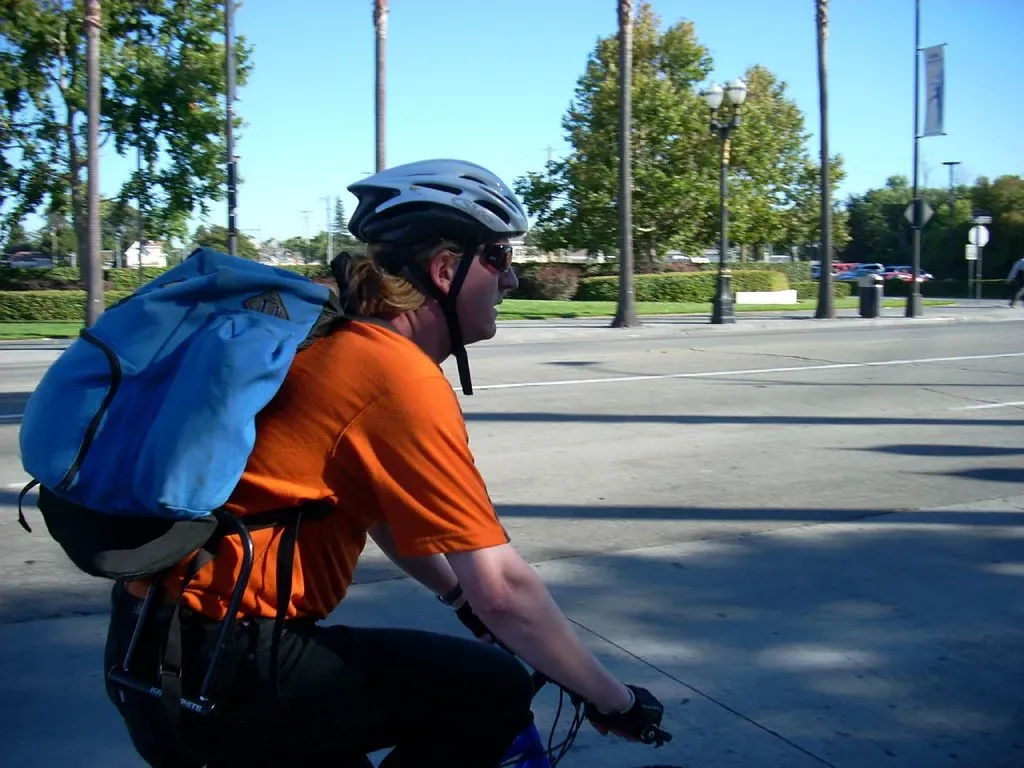
If you bike or walk to work, the math shifts again because your own movement adds internal heat production on top of what the environment is already delivering. Fitness researchers who study outdoor exercise note that the body gains heat from both air temperature and solar radiation, and it also generates internal heat when you’re active, which further increases heat gain during exertion. A commute that takes twenty minutes on foot or by bike is essentially a short cardio session performed in whatever conditions the sky decides to serve up that morning.
The ground itself compounds the issue for anyone not enclosed in a vehicle. As one heat safety explainer for outdoor exercise put it, the ground also heats up, so you’ll feel more heat rising up from the asphalt or grass during the hottest stretch of the day. Riders and walkers moving through downtown corridors with little shade are absorbing heat from three directions at once: the sun above, the air around them, and the pavement below.
Recognizing the early warning signs before they escalate

Heat illness rarely arrives without warning, but the early signals are easy to dismiss as ordinary tiredness on a busy commute. Emergency medicine guidance lists the signs of heat exhaustion as heavy sweating, paleness, muscle cramps, tiredness and weakness, fast weak pulse, dizziness, headache, fainting, and nausea or vomiting. If any of those show up mid commute, the right move is to stop moving, get into shade or air conditioning, and rehydrate rather than push through to your destination.
Heat stroke is the more serious escalation, and it moves faster than most people expect. Cycling safety guidance is blunt about the response: symptoms like dizziness, nausea, or unusual fatigue are early warning signs of heat exhaustion, and you should stop immediately, hydrate, and seek shade, since medical attention may be necessary if symptoms don’t improve. Confusion, a rapid pulse, or loss of coordination are signs that a commute needs to be paused entirely, not just slowed down.
Who faces the highest risk on a hot commute
Heat risk is not distributed evenly across a population, and commuters who fall into certain groups face a steeper curve. Public health guidance on extreme heat identifies particularly vulnerable groups such as the elderly, very young children, people experiencing homelessness, low-income households, those whose jobs are mainly outdoors, and those doing strenuous activities at the height of high temperatures. If you fall into more than one of those categories, the same heat index reading that’s merely uncomfortable for someone else can carry real medical risk for you.
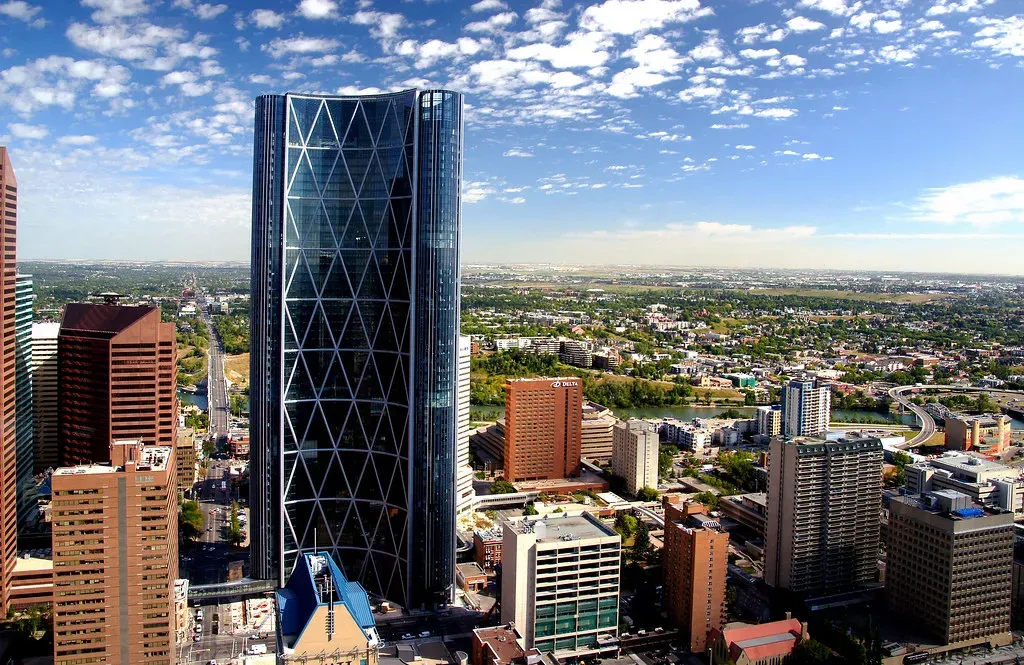
Geography adds another layer of inequality to the picture. Transportation researchers point out that health impacts of extreme heat disproportionately harm low-income communities and communities of color, since these neighborhoods more often lack trees, shade, and natural landscapes that reduce the urban heat island effect. That means two people making the same length commute in the same city can face meaningfully different heat exposure depending on which neighborhood they’re walking through.
Why hot commuting days keep multiplying
This isn’t a topic that stays static from year to year, and recent data suggests the trend is accelerating rather than leveling off. Climate tracking in 2026 found that the U.S. experienced its hottest 12-month period on record since 1895, with March 2026 marking the most abnormally hot month in 132 years of records. That kind of shift pushes uncomfortably warm mornings and evenings, the exact windows most commuters travel in, into territory that used to be reserved for midsummer afternoons.
The scale of exposure is no longer a niche concern. Reporting on the 2026 heat season noted that fifty million people faced temperatures surpassing 90°F in May 2026, with another 11 million reaching 100°F, and nearly 30 million people on the East Coast faced High Risk heat levels in June 2026. Longer, earlier, and more frequent heat stretches mean the “watch the forecast before your commute” habit is becoming less optional and more of a routine safety check, similar to glancing at a forecast for rain or ice.
Practical adjustments that genuinely reduce risk

None of this means outdoor commuting has to stop, but small timing and gear choices make a measurable difference. Heat safety guidance for people who exercise outdoors consistently points to one simple lever: the time of day matters if you’re walking or cycling to work during a heat wave, since early risers or evening travelers face less risk because the sun isn’t as hot and the air temperature is lower. Shifting a commute even thirty minutes earlier can mean a meaningfully lower heat index on the ground.
Hydration habits matter just as much as timing, and the advice from endurance sports research applies directly to daily commuters. Cycling-specific guidance recommends treating hydration as a schedule rather than a reaction, since the “drink before you’re thirsty” rule isn’t enough, so sipping every fifteen minutes and adding electrolytes becomes mandatory once a ride exceeds one hour to prevent cramping. Lightweight, breathable clothing and a planned route with more shade or fewer exposed stretches round out the list of changes that cost nothing but can meaningfully lower the physical strain of a hot commute.
What cities and transit systems are doing about it
The problem has moved from an individual concern to a design and policy question for urban planners. NASA-supported research mapping bus stop heat in New York City is now feeding directly into advocacy work, since the resulting products will be incorporated into a dashboard used to inform community engagement strategies as residents advocate for cooling interventions. Similar mapping projects in Philadelphia and Miami are identifying the specific stops and street segments responsible for the worst exposure, rather than treating heat risk as a uniform citywide problem.
On the regulatory side, oversight of heat exposure has been tightening even as staffing behind it has shifted. OSHA’s updated enforcement approach now allows for proactive inspections during heat events, including when the National Weather Service issues a heat advisory or warning or when the heat index reaches approximately 80°F or higher. That threshold, notably, sits right at the bottom of the NWS Caution category, which shows just how seriously heat exposure is now being treated even before conditions turn dangerous.

- The Shoreline Sucked Dry in Seconds – 5 Tsunami Signals Beachgoers Mistake for Low Tide - November 14, 2026
- 9 Dark-Sky Destinations Around the World Where the Stars Look Unreal - November 14, 2026
- The Fault Line That Never Slips – 7 Locked Seismic Zones Overdue for a Massive Release - November 14, 2026
