

- The Compostable Cup Left Intact for Years – 5 Backyard Composting Failures - November 15, 2026
- Fast-Fashion “Conscious” Lines Under Scrutiny – 5 Red Flags in Eco-Clothing - November 15, 2026
- Space Engineers Explain 5 Quiet Changes Making Rocket Launches Safer Than Ever - November 15, 2026
1. Reservoir levels quietly drop below a published threshold
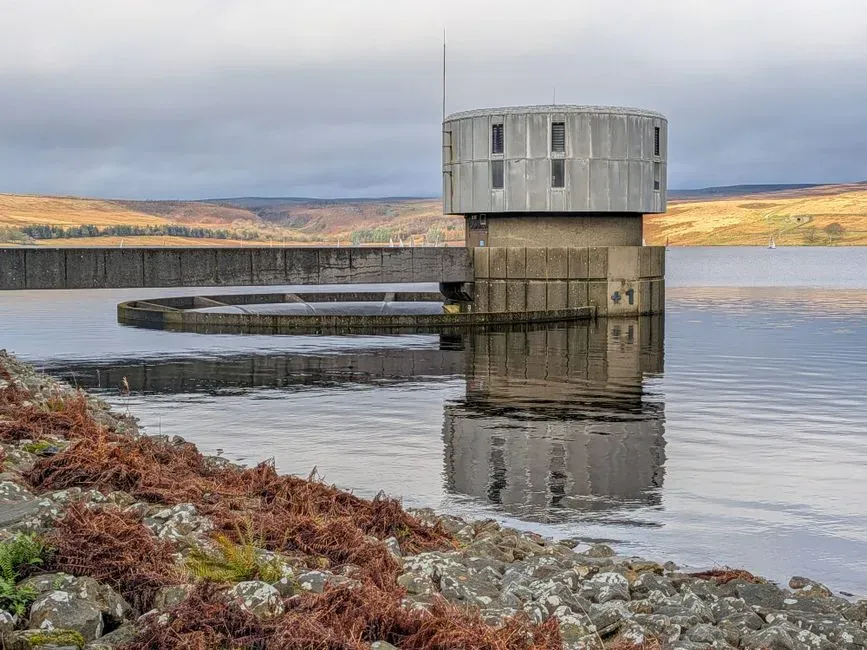
Utilities rarely restrict water on a whim. Most operate under a drought contingency plan with specific reservoir percentages that trigger each stage, and those numbers are usually public long before anyone acts on them. Raleigh Water has a “trigger” for Stage 2 restrictions if Falls Lake reaches 45% of its water supply.
Denver offers a similar example on a larger scale. Total Denver Water system reservoir storage sat at approximately 47% of seasonal target as of May 2026, well below the roughly 80% threshold that triggers Stage 1 review. If your local utility publishes a reservoir dashboard and the line keeps sliding toward a marked threshold, that is usually the first real warning sign, well before any press release goes out.
2. Snowpack or rainfall data comes in far below the seasonal average
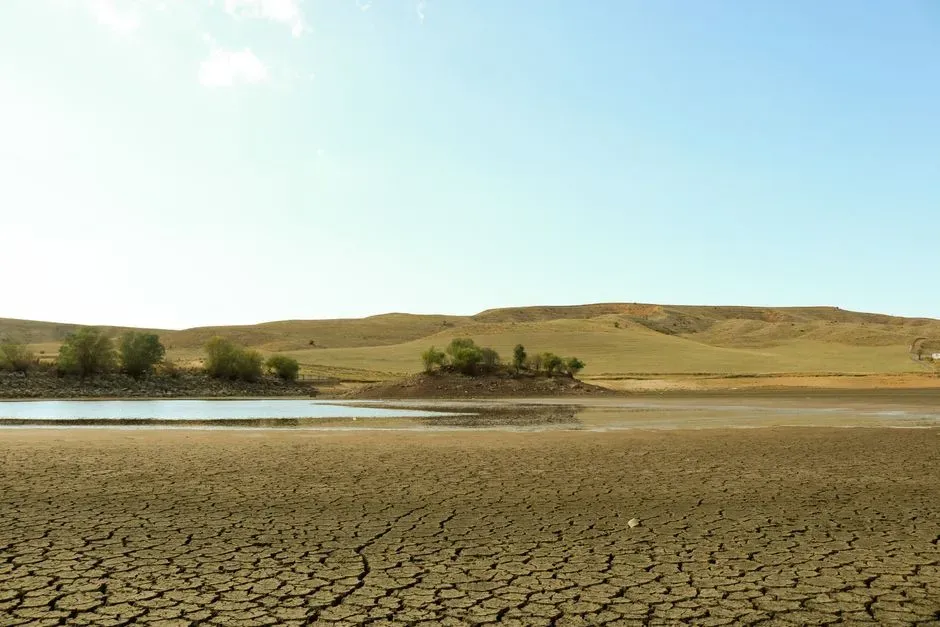
For cities that rely on mountain snowpack, the countdown to restrictions often starts months before summer even arrives. The 2025 to 2026 winter snowpack measured just 55% of normal across both the South Platte and Colorado River basins. Officials described the situation bluntly.
Denver Water’s manager of water supply put it in stark terms during the spring runoff season. “Current conditions indicate that this is going to be an exceptionally challenging year for our water supply,” officials told the Denver Board of Water Commissioners, noting that unusually warm March temperatures had sped up the melt. Streamflow runoff in 2026 was projected to reach only 10 to 40 percent of normal. When forecasters start using language like that, restrictions tend to follow within weeks rather than months.
3. The regional drought monitor jumps a category
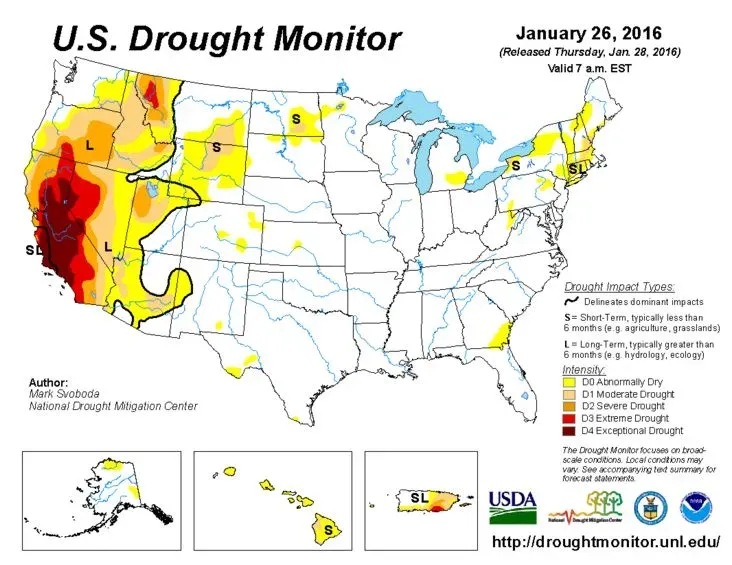
The U.S. Drought Monitor’s classifications, from moderate all the way up to exceptional, function almost like a public early warning system for water utilities. When a region crosses into the more severe categories, mandatory restrictions often follow almost immediately. On April 30, 2026, the North Carolina Department of Environmental Quality introduced the U.S. Drought Monitor’s most severe classification, D4 exceptional drought, for parts of the state for the first time in that drought cycle.
The timing lines up closely with real policy changes. One day later, on May 1, the Catawba-Wateree basin crossed the threshold for Low Inflow Protocol Stage 2, triggering mandatory water restrictions across more than a dozen cities, towns, and water districts. A single drought monitor update, in other words, can reshape water rules for an entire river basin almost overnight.
4. Utilities start issuing voluntary conservation requests

Before anything mandatory shows up, most utilities try a softer approach first, asking customers to voluntarily cut back. This step is worth paying attention to because it almost always precedes formal restrictions if conditions don’t improve. On March 25, 2026, the Denver Board of Water Commissioners declared a Stage 1 drought, seeking a 20% reduction in water use to preserve water levels and avoid even stricter mandatory restrictions later that summer.
Wholesale suppliers send the same kind of signal to member agencies. The Metropolitan Water District of Southern California, the wholesale supplier serving roughly 19 million residents across six counties, issued a Level 1 Conservation notice in March 2026 to all 26 of its member agencies after state officials cut the State Water Project allocation to just 30 percent of requested supplies. That kind of notice rarely stays voluntary for long if the underlying numbers don’t turn around.
5. Drought pricing or surcharges get introduced on your bill
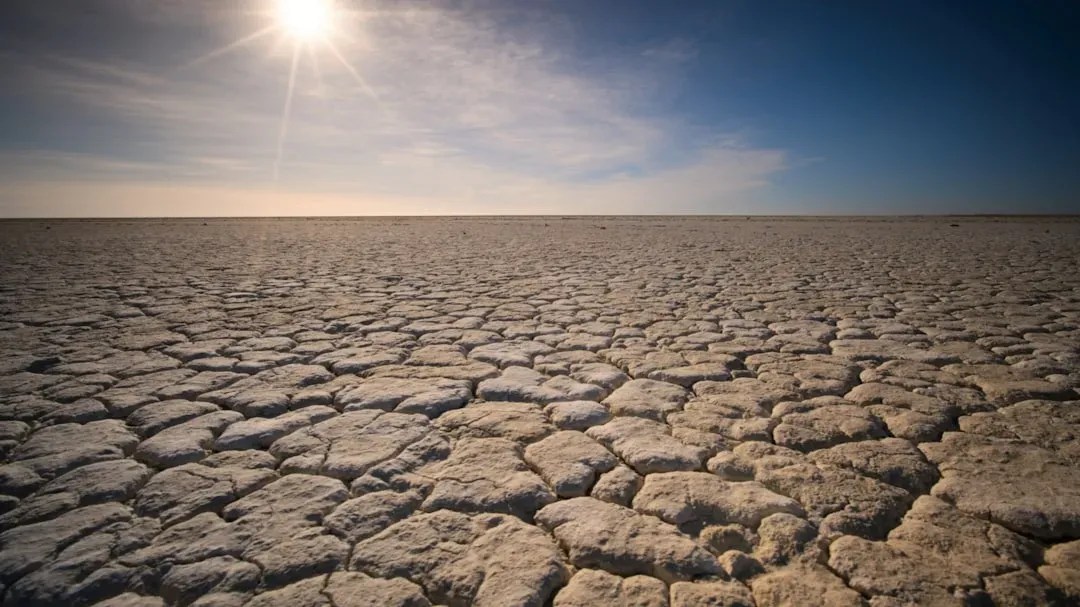
Money tends to move faster than posted rules. When a utility adds a temporary drought surcharge to bills, it’s often a financial nudge meant to reduce demand before mandatory limits become necessary, or it runs alongside restrictions that are already close to being announced. In Colorado, officials said that under the temporary rate hike, residential customers would see a drought charge of $1.10 per 1,000 gallons for Tier 2 water use, with Tier 3 carrying a drought charge of $2.20 per 1,000 gallons.
Denver Water followed a similar path with its own timeline. On April 8, 2026, the board approved the implementation of temporary drought pricing, starting with May water use and reflected in June bills, to signal the premium value of water during droughts and help incentivize customers to save water. If a surcharge line item shows up unexpectedly, it’s usually a sign that stricter rules are already being drafted.
6. Enforcement language shifts from warnings to citations
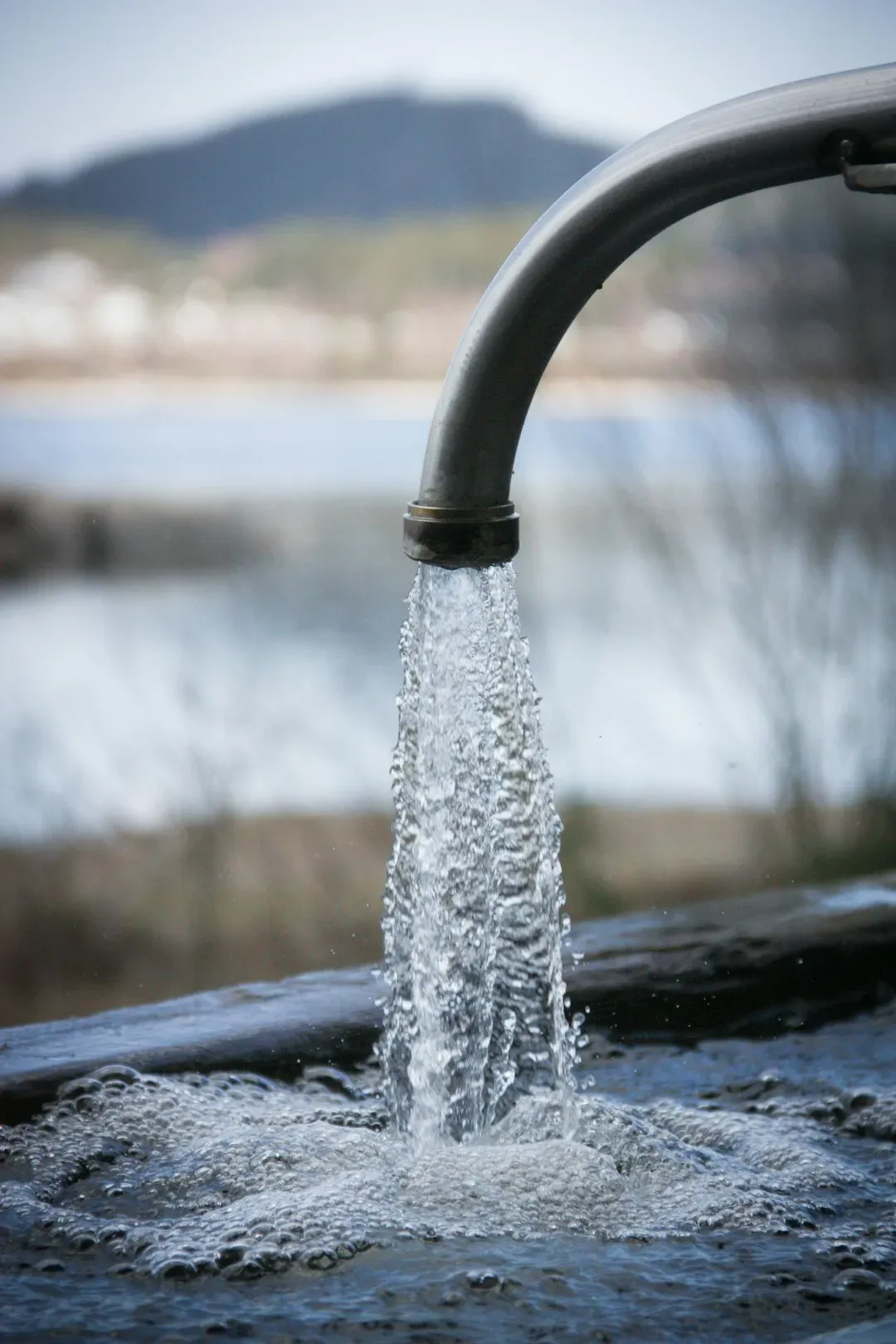
One of the clearer tells that a water shortage has moved from a talking point to an active crackdown is a change in how violations get handled. Utilities that once issued a friendly warning for a sprinkler running on the wrong day start moving straight to fines. Starting 14 days after the effective date of the water shortage order, utilities and other local enforcement officials are to issue citations first without issuing a warning.
The pattern also shows up in staffing and monitoring. Water utilities and other local enforcement officials must increase their enforcement efforts, including responding to citizen complaints, and monitoring water use through patrols or customer records. Once patrols and no-warning citations enter the picture, restrictions have typically already tightened well beyond the voluntary stage.
7. Utility officials start speaking publicly about “unprecedented” conditions
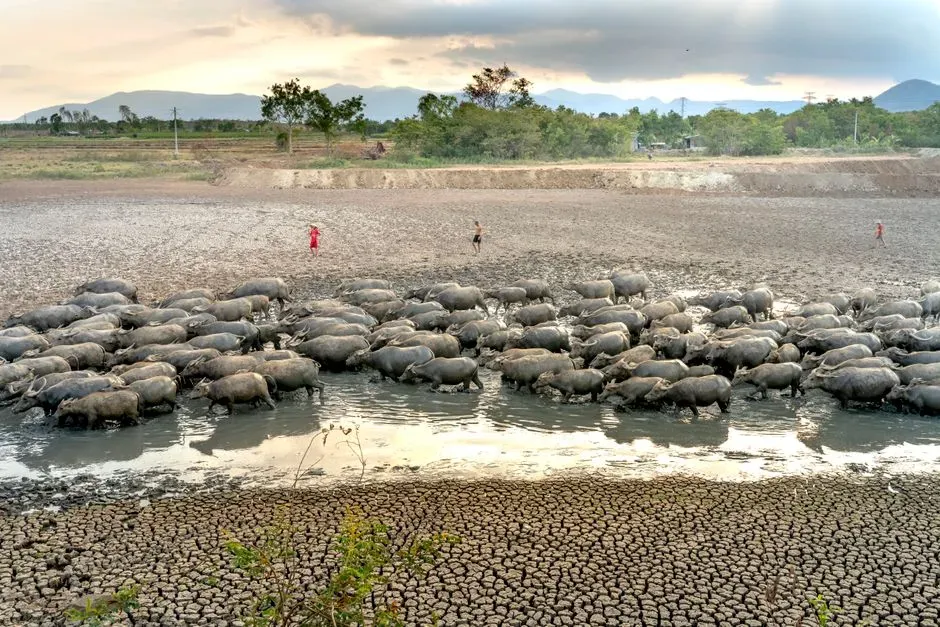
Language matters more than people realize. When utility staff start using words like unprecedented or record-breaking in front of a city council, it’s rarely just color commentary, it’s usually laying groundwork for a policy vote. Ed Buchan with Raleigh Water told the Raleigh City Council that the utility needed more flexibility in adding restrictions as the drought continued, and council approved the ability to move more quickly on restrictions even if the trigger was not hit.
The same pattern showed up further west. Denver Water’s leadership described the year’s conditions to its board in similarly urgent terms, noting that snowpack and melt conditions were unprecedented, with unusually warm March temperatures speeding up the melt. When officials start reaching for that kind of language in public meetings, it’s a reasonably safe bet that a restriction announcement is coming soon, not months away.
Taken together, these seven signals rarely appear in isolation. A shrinking reservoir combined with below average snowpack, a drought monitor upgrade, and a voluntary conservation notice tend to arrive as a cluster, not one at a time. Residents who keep half an eye on their utility’s public dashboard and city council agendas usually see mandatory restrictions coming well before the official notice lands in their mailbox.