

- Phantom Energy Sucking Power 24/7 – 7 Home Electronics Quietly Inflating Utility Bills - November 14, 2026
- A Million-Mile Storm Raging for Centuries – 6 Violent Weather Wonders in Our System - November 14, 2026
- Animals Flee Hours Before the Tremor – 7 Natural Warnings Before Disasters Strike - November 14, 2026
The global energy map looks nothing like it did a decade ago. Solar panels now blanket rooftops from Lisbon to Lahore, wind turbines spin off the coasts of the North Sea, and hydropower still quietly powers entire nations in South America. Yet coal, the fuel that built the industrial age, refuses to disappear. It still generates a massive share of electricity in several countries, sometimes because of geography, sometimes because of economics, and sometimes simply because switching away from it is harder than it sounds.
This piece looks at both ends of that spectrum. First, the countries that have pushed renewable electricity to remarkable highs. Then, the nations where coal still dominates the grid, often against the broader global trend of decline. Together, these ten stories show just how uneven the energy transition really is.
1. Norway: A Nation Built on Hydropower
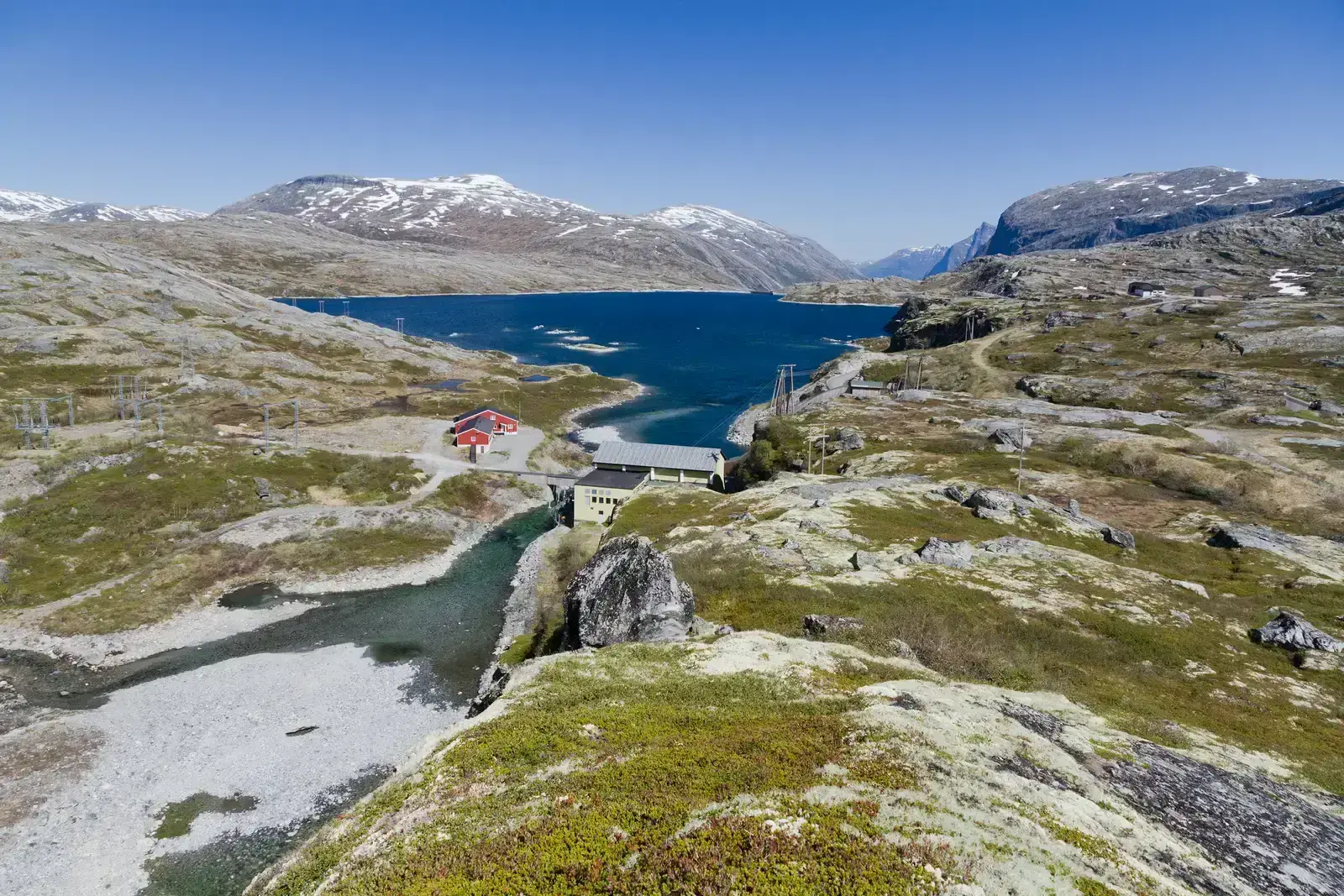
Norway has one of the cleanest electricity systems on the planet, and it’s not a recent achievement. The country’s mountainous terrain and heavy rainfall have long made hydropower the backbone of its grid, with the resource historically supplying well over 90 percent of national generation. The share of renewables in the power mix is historically high in countries with large hydropower resources such as Brazil, Chile, Colombia, Canada, New Zealand, Sweden or Norway, over 60% of the electricity generated. Norway sits comfortably above that threshold most years.
What makes Norway’s case interesting is that it hasn’t stopped there. Wind power has expanded steadily over the past decade, adding another layer of renewable capacity on top of an already dominant hydro base. The country also exports substantial amounts of clean electricity to neighboring European nations through undersea interconnectors, effectively acting as a giant green battery for the continent when hydro reservoirs are full and demand elsewhere spikes.
2. Denmark: The Wind Power Pioneer
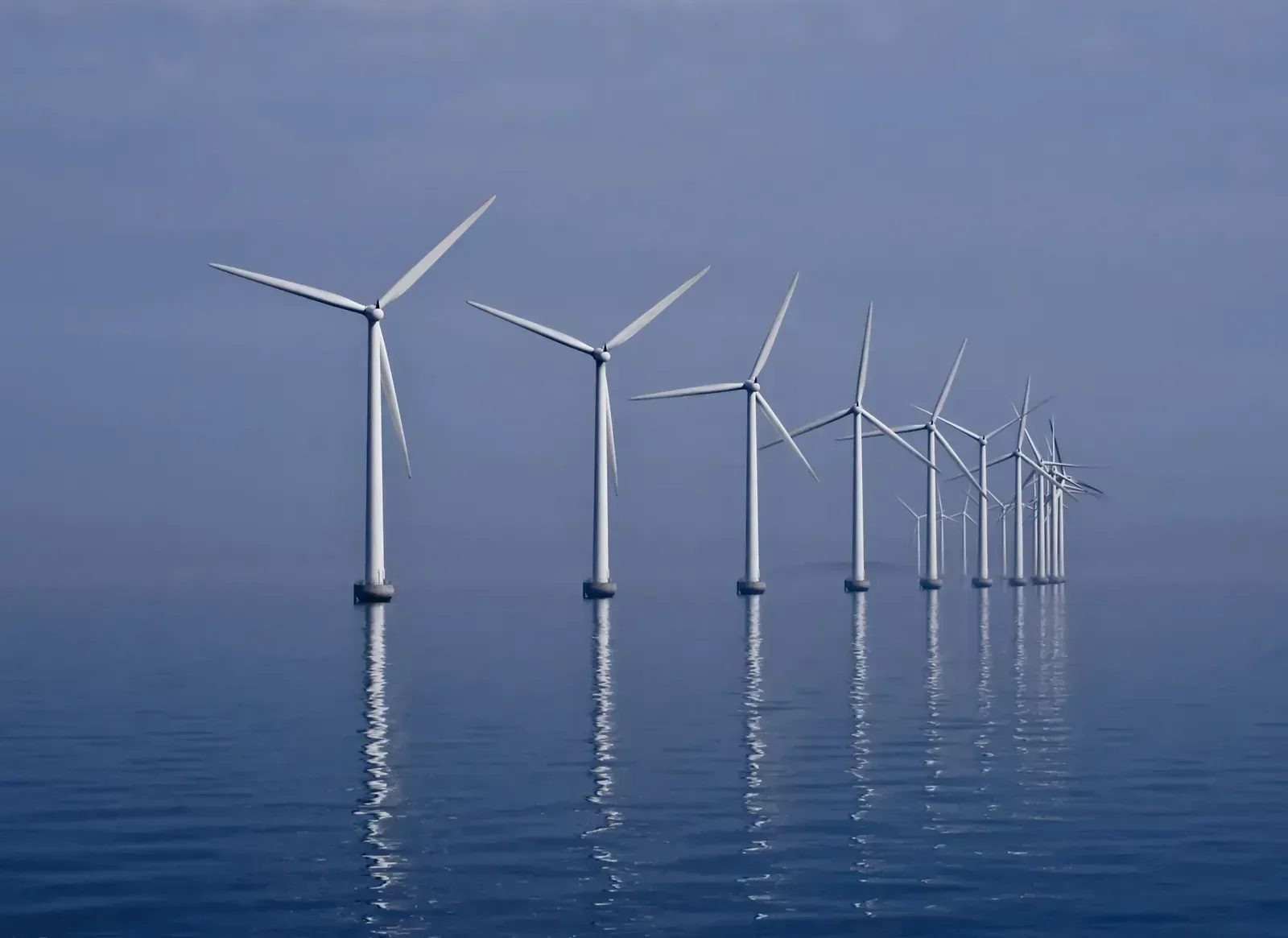
Denmark has spent decades turning itself into the global reference point for wind energy, and the results show up clearly in its electricity statistics. Among EU countries, in the third quarter of 2025, Denmark, with 95.9%, had the highest share of renewables in net electricity generated. That figure isn’t a fluke or a seasonal blip; it reflects years of sustained investment in both onshore and offshore wind farms scattered across Danish waters and countryside.
The Danish approach combines dense onshore wind clusters with some of the largest offshore wind installations in Europe. Solar has been added more recently to balance the mix, particularly during summer months when wind output naturally dips. Denmark’s grid operators have also become experts at managing variable renewable supply, using interconnections with Germany, Norway, and Sweden to smooth out the inevitable ups and downs of wind generation.
3. Brazil: Hydropower Meets a Solar and Wind Boom
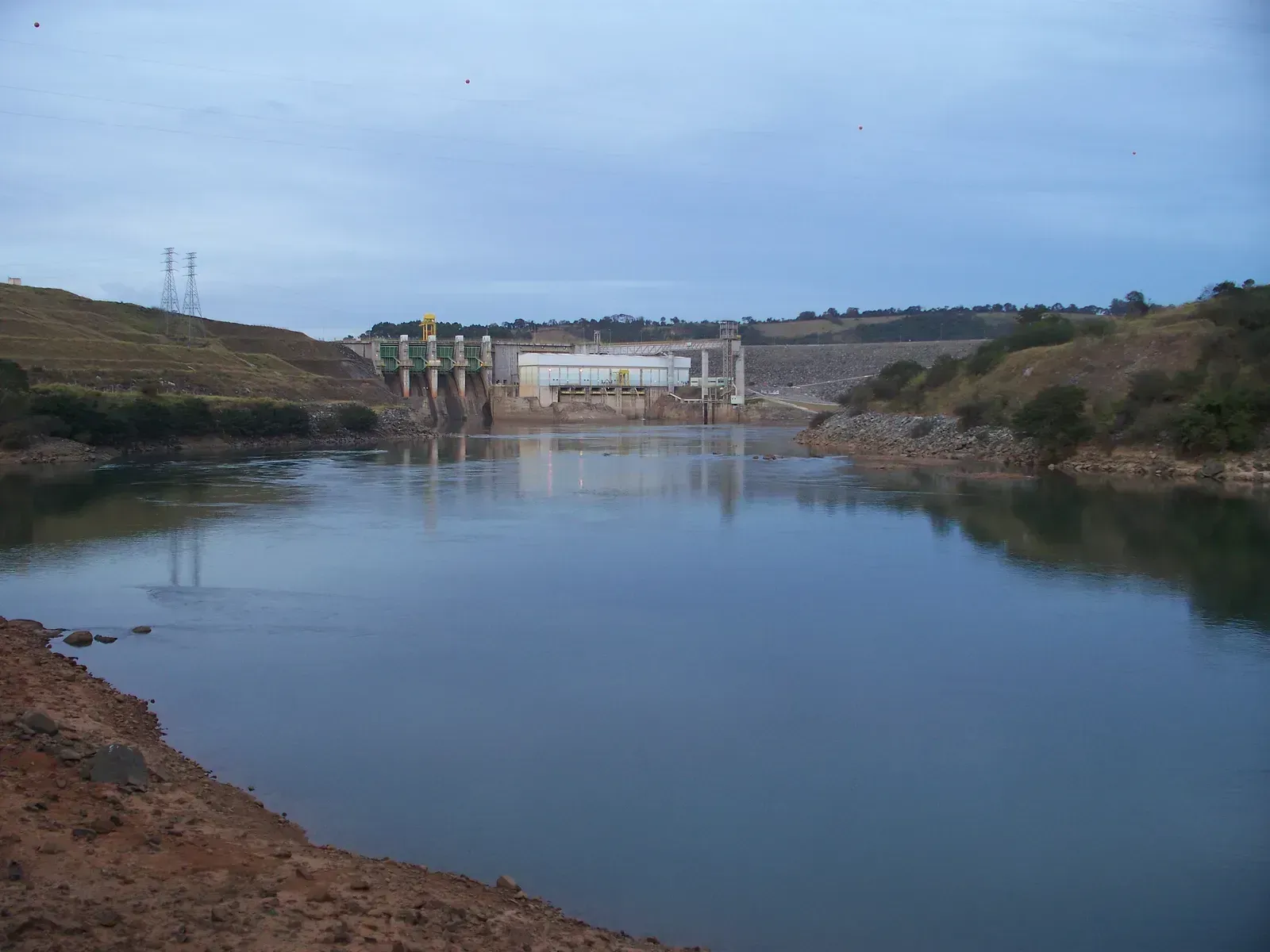
Brazil occupies a unique position among large economies because its electricity system was never built primarily around fossil fuels in the first place. Vast river systems have long provided the country with abundant hydropower, and more recently wind and solar have been layered on top at impressive speed. In the last decade, the country’s wind generation grew from 22 TWh in 2015 to 118 TWh in 2025, with its share rising from 3.7% to 15.7%.
Solar has grown just as fast, particularly distributed rooftop generation, and this expansion has had a real climate payoff. In 2025, Brazil’s power sector emissions were 28% below the 2014 peak at 83 MtCO2e. Analysts increasingly treat Brazil as a benchmark case among major economies. Brazil is both a regional leader in renewable electricity and the clear leader among G20 countries.
4. Spain: Southern Europe’s Solar and Wind Success Story
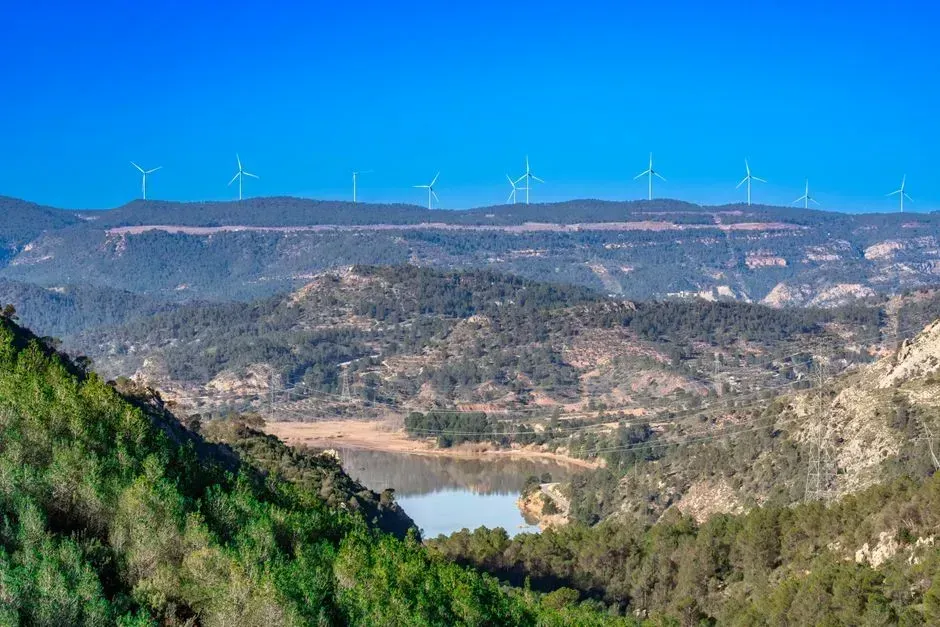
Spain has transformed its electricity mix faster than almost any other large European economy over the past five years. Abundant sunshine and strong wind resources along its Atlantic and Mediterranean coasts have combined to push renewables to record levels. Spain currently makes around 43% of its electricity from wind and solar, and another 11% from hydro. That means well over half the country’s power now comes from clean sources.
Coal has meanwhile been squeezed almost entirely out of the picture. In 2024, just 1% of Spain’s power came from coal, and its last mainland coal-fired generator is set to close in 2026. Spain’s ambitions don’t stop there either, with officials aiming considerably higher over the coming years. Spain plans to reach 81% renewable by 2030.
5. South Africa: Coal’s Deepest Stronghold

No major economy remains as tied to coal as South Africa. The country built its entire industrial base, and its cheap electricity reputation, around vast domestic coal reserves, and that legacy is proving remarkably hard to shake. Coal continues to be the primary source of fuel, driving 83% of local electricity generation in 2024. Different data sources place the figure slightly differently, but all agree it’s the dominant force by a wide margin. South Africa dominates with 200.5 TWh, +3.7%, 82.6% share.
Renewables have made real, if modest, gains. Renewable energy, including wind, solar and hydro, accounted for 9% of local production, with wind supplying over half of the electricity generated by renewable sources in 2024. The country’s grid operator has struggled for years with aging coal plants and rolling blackouts, which has ironically accelerated private and household solar adoption even as coal keeps its grip on the national grid.
6. Poland: Europe’s Reluctant Coal Holdout
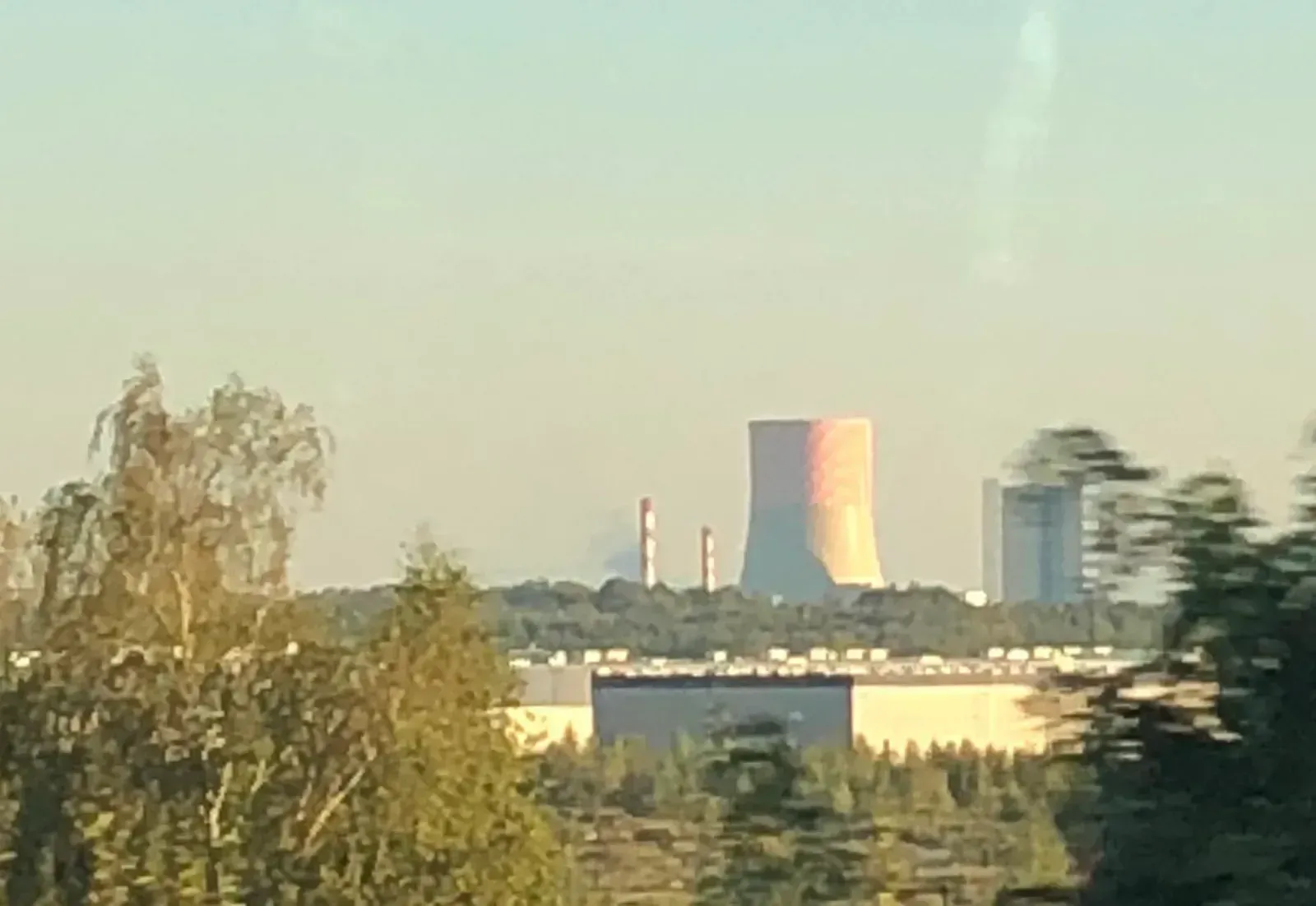
Poland remains an outlier within the European Union, still leaning on coal far more heavily than most of its neighbors. In 2024, coal’s share in electricity production fell to a record low of 56.2%. Calling that a “low” tells you everything about how dominant the fuel has historically been in Polish power generation.
There are genuine signs of change, though. In June 2025, all renewable energy sources in Poland produced 44.1 percent of electricity while coal and lignite plants produced 43.7 percent, meaning renewables provided more energy than coal for the first time ever, and in the entire second quarter coal’s share was 45.2 percent, the first quarter in Polish history when less than half of energy came from coal. Even so, Poland’s broader emissions profile still ranks among the worst in the developed world. Poland still ranks among the world’s most emission-intensive economies, both per unit of GDP and per unit of energy consumption, with only Kuwait, South Africa, Kazakhstan, and China exceeding it.
7. China: The World’s Largest Coal Consumer by Far
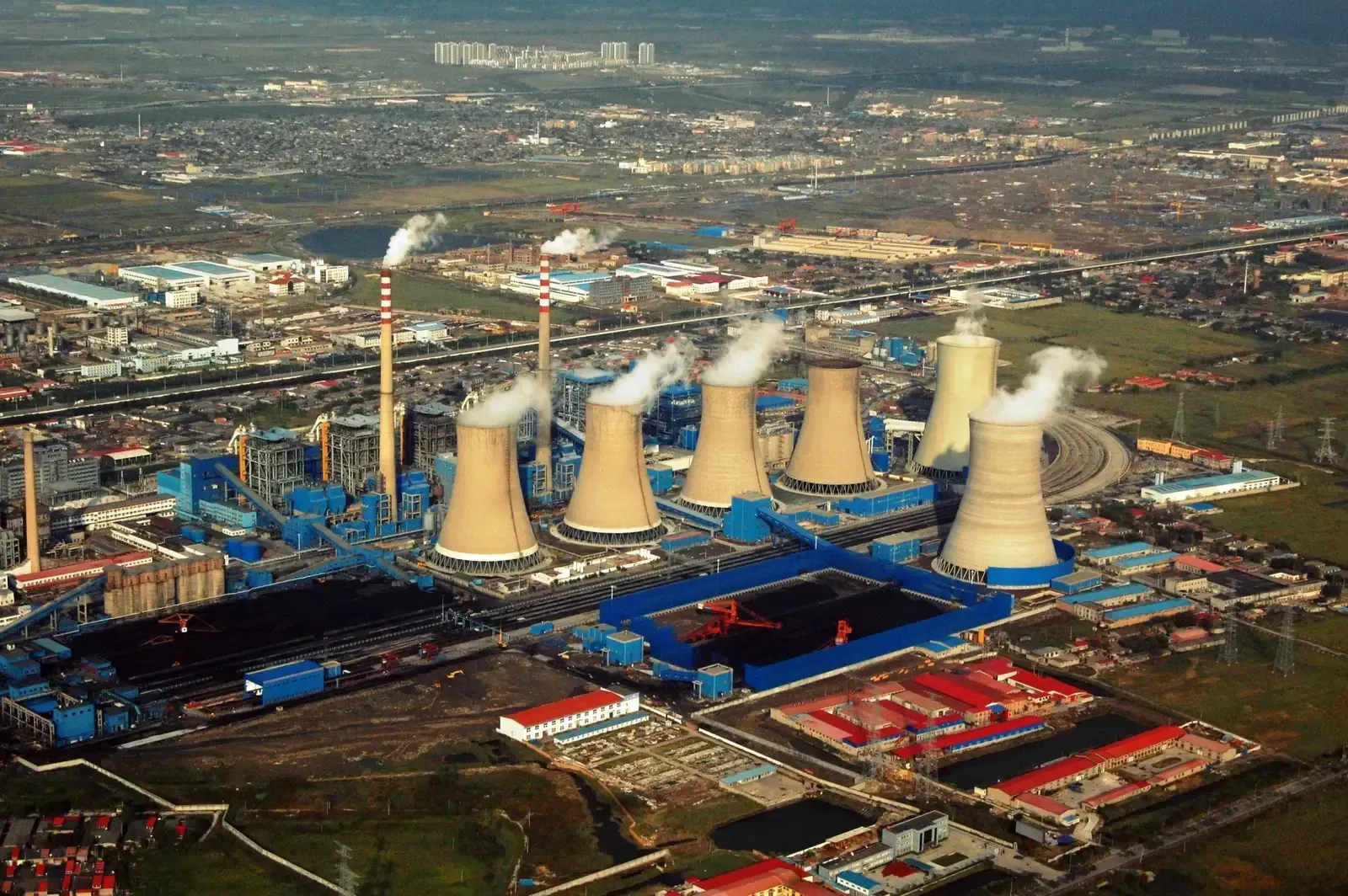
China’s relationship with coal is a study in contradictions. It leads the world in renewable installations by an enormous margin, yet it also burns more coal than every other country on earth combined. China remains by far the world’s largest coal consumer, using 92.2 exajoules in 2025, more than four times India’s total. That scale reflects the sheer size of Chinese manufacturing and power demand rather than any lack of renewable ambition.
Interestingly, there are early cracks in that dominance. In China, electricity generation from coal fell for the first time since 2015. The reasons are telling: China saw continued strong electricity demand growth in 2025, this was met by a combination of fast growth in solar PV and wind generation, increased hydropower output and growth in nuclear power. Still, new coal plants keep coming online. Global coal plant commissioning in 2025 was heavily concentrated in China, where new coal capacity additions reached a decade high of 78.1 GW.
8. India: Rapid Growth, Rapid Coal Demand
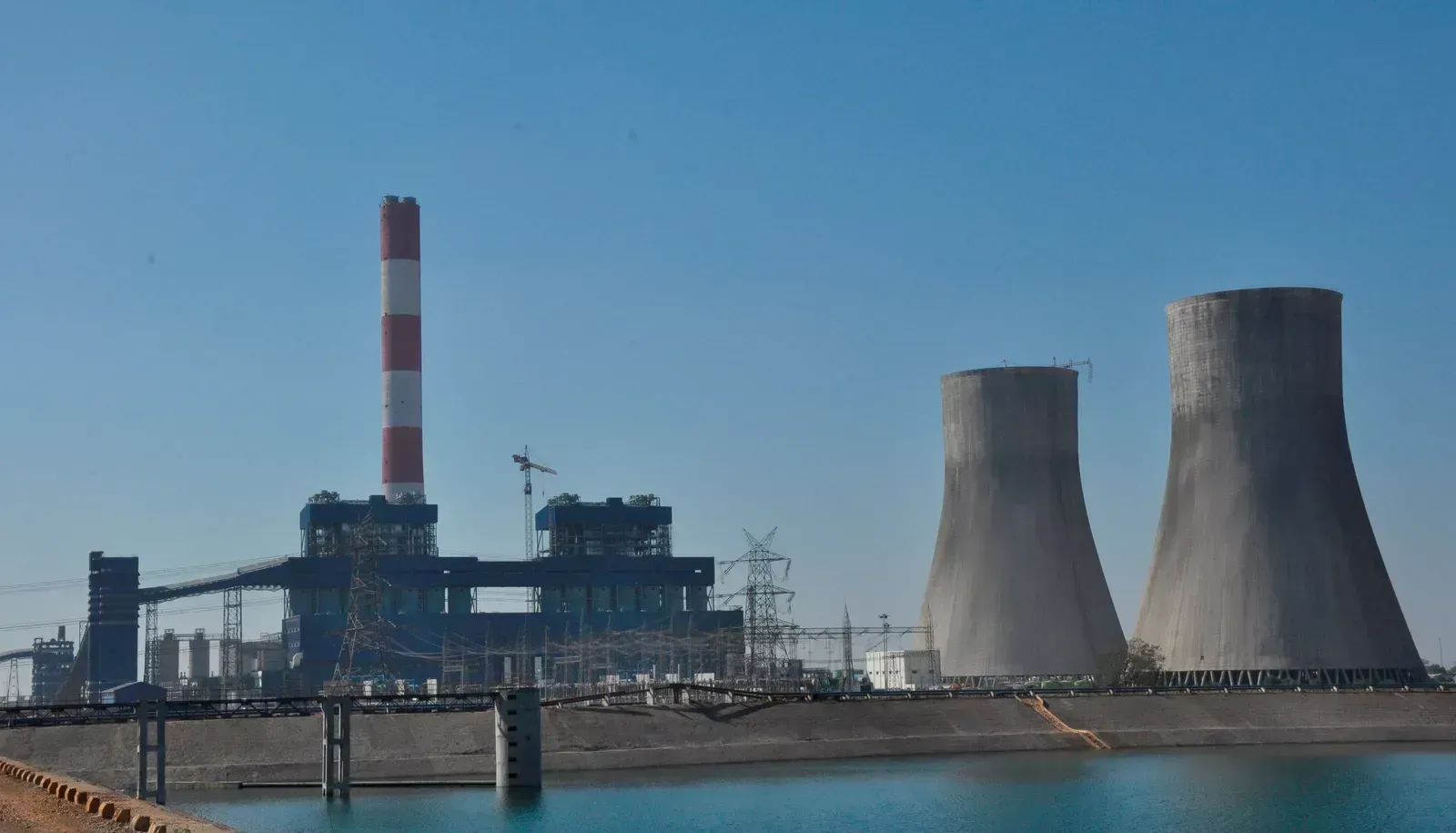
India presents a similar paradox to China, only at an earlier stage of development. Its economy is expanding fast, its population is growing, and electricity demand is rising in step, with coal still filling most of the gap. India ranks second at 23.1 EJ, accounting for nearly 14% of global consumption. Together with China, the two countries dwarf everyone else. Together, China and India consume roughly 70% of all coal used worldwide, highlighting the central role of coal in powering their growing economies.
India isn’t ignoring renewables, far from it. Record additions of solar and wind pushed non-fossil capacity to more than half of total installed power capacity in 2025. Yet the government’s near-term plans still lean on coal as a safety net. The Indian government has set a target to add 100 GW of new coal capacity over the next seven years. It’s a classic case of a country trying to grow cleanly and quickly at the same time, and finding that the two goals don’t always move at the same pace.
9. Indonesia: Coal Exports Meet Coal Dependence
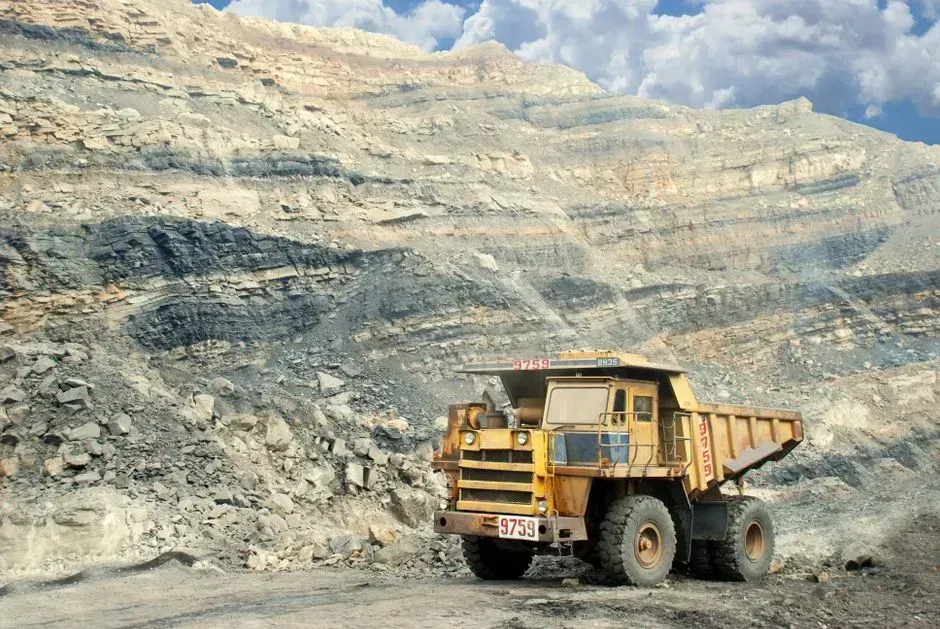
Indonesia sits in an unusual spot as both a major coal exporter and a country that leans heavily on the fuel domestically. Indonesia ranks fourth in coal consumption at 5.2 EJ. Its coal habit runs deeper than electricity generation too, extending into industrial uses that make diversification even trickier. Coal is increasingly used to produce nickel in Indonesia, tying the fuel directly to the country’s booming battery-metals industry, somewhat ironically given nickel’s role in electric vehicles.
Regionally, Indonesia stands out as an exception to a broader slowdown. In Southeast Asia outside of Indonesia, new coal capacity commissioning declined for the third year in a row, even as emerging gas supply disruptions in 2026 have prompted some countries to lean more heavily on existing coal capacity. That phrasing itself signals Indonesia’s outlier status within its own neighborhood.
10. Japan: A Wealthy Economy Still Burning Coal
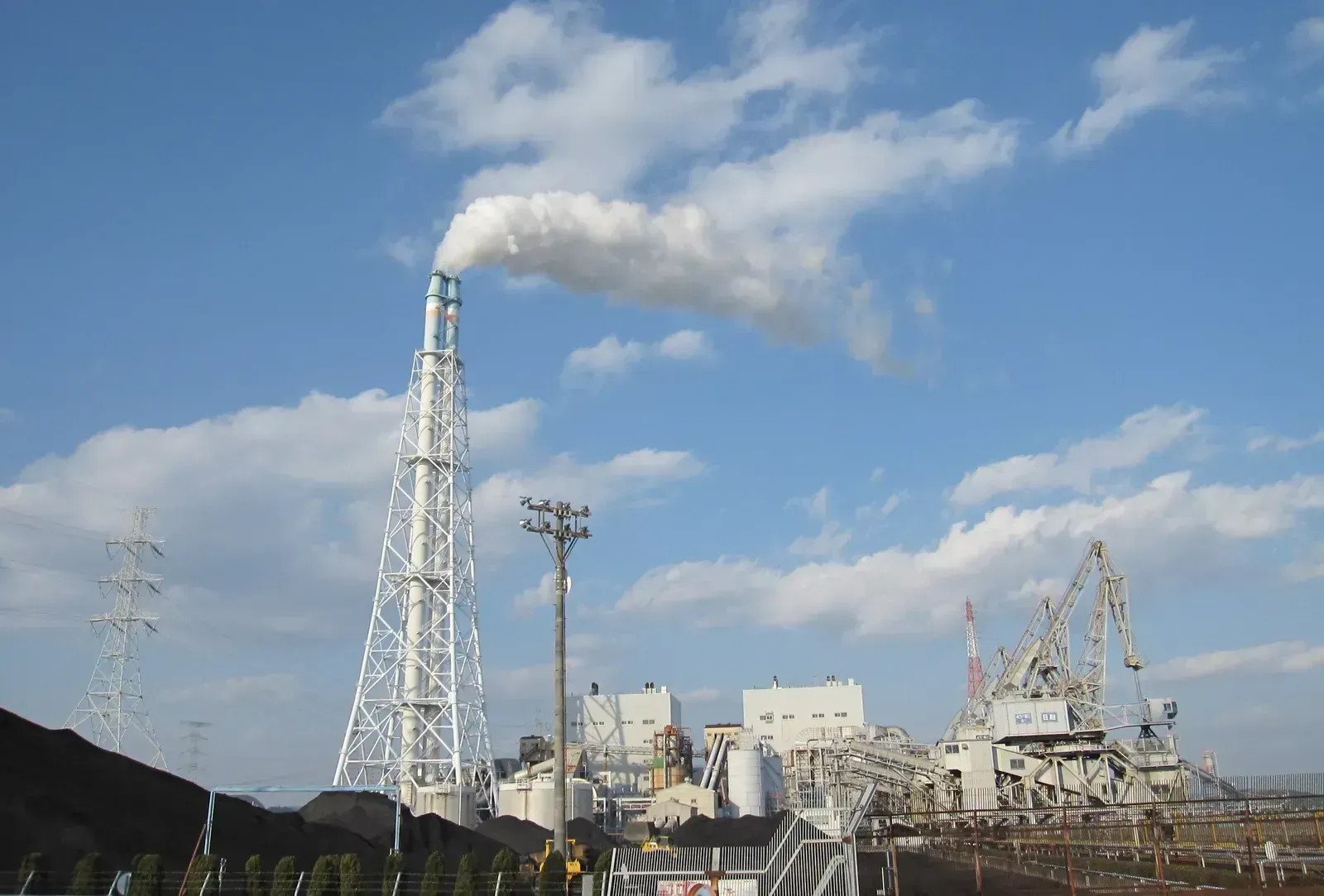
Japan is an odd entry on this list because it isn’t a developing economy struggling to catch up. It’s one of the wealthiest nations on earth, yet coal still plays a substantial role in keeping its lights on, largely a legacy of the country’s retreat from nuclear power after the Fukushima disaster over a decade ago. Japan’s 4.53 exajoules of coal consumption placed it fifth in 2024, showing its enduring reliance on thermal coal for electricity generation.
Change is happening, but slowly. Japan has committed to reducing coal’s role over time, though the timeline remains a subject of ongoing domestic debate given the country’s limited domestic energy resources and its need for reliable baseload power. Solar has expanded meaningfully across Japan’s crowded landscape, yet space constraints and grid limitations have kept the pace of renewable growth well below what sunnier, less densely populated countries have managed.
The Bigger Picture: A World Moving in Two Directions at Once
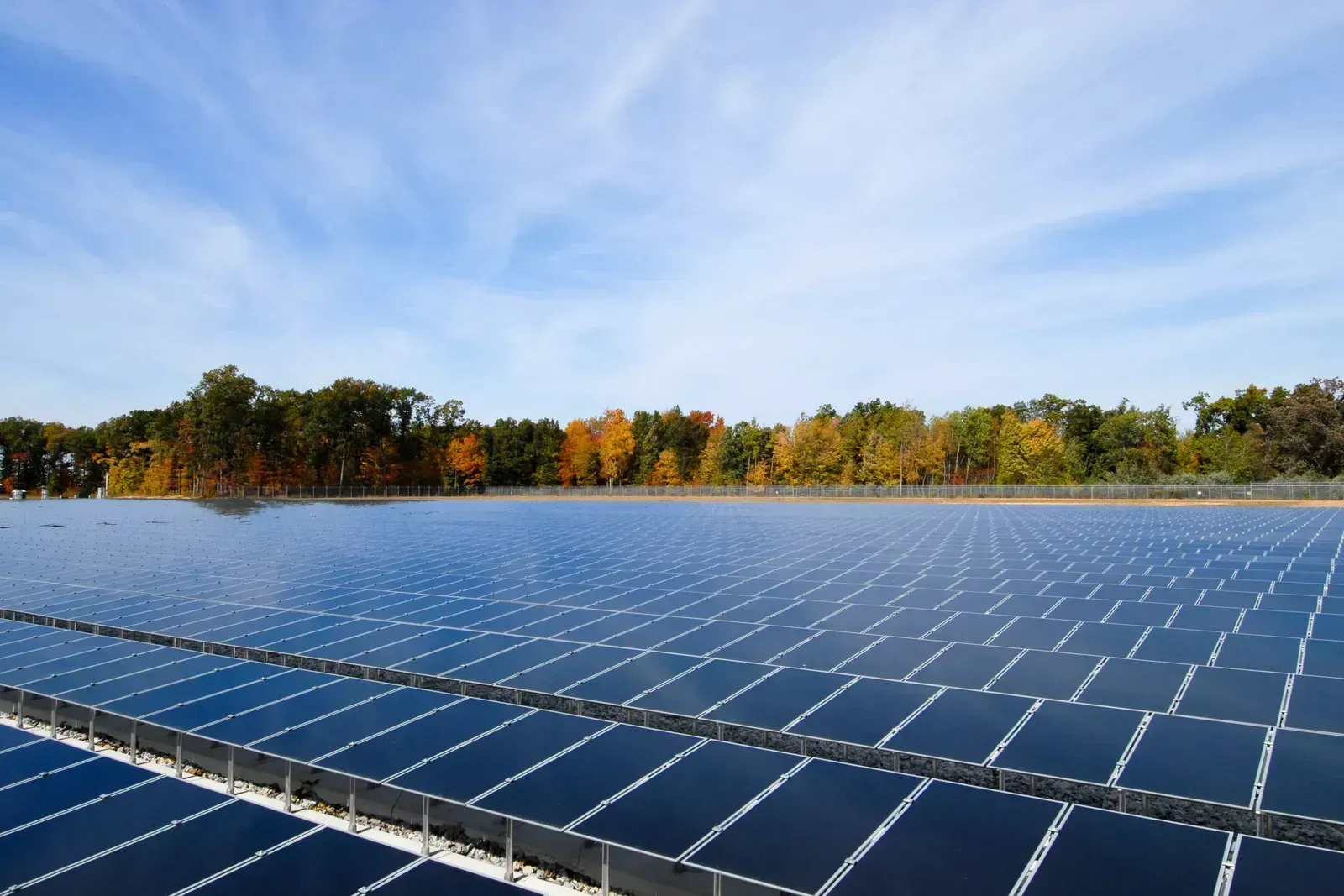
Zooming out, the global numbers tell a story of genuine but uneven progress. The share of renewables in the global power mix has increased by 14 percentage points since 2010 to 33% in 2025, spurred by surging solar and wind power generation. That’s real momentum, and it’s accelerating rather than slowing down. Low-emissions energy sources, renewables led by solar and nuclear, will see their share in global electricity generation rise to 50% through 2030, up from 42% in 2025.
Yet coal hasn’t simply faded into the background the way many predicted. Globally, capacity added in 2025 totaled 97.4 GW, the second-highest on record behind only 2015. The explanation lies largely in a handful of countries doubling down even as most of the world pulls away, which is exactly why the gap between renewable leaders and coal holdouts keeps widening rather than closing.
Why the Gap Keeps Widening
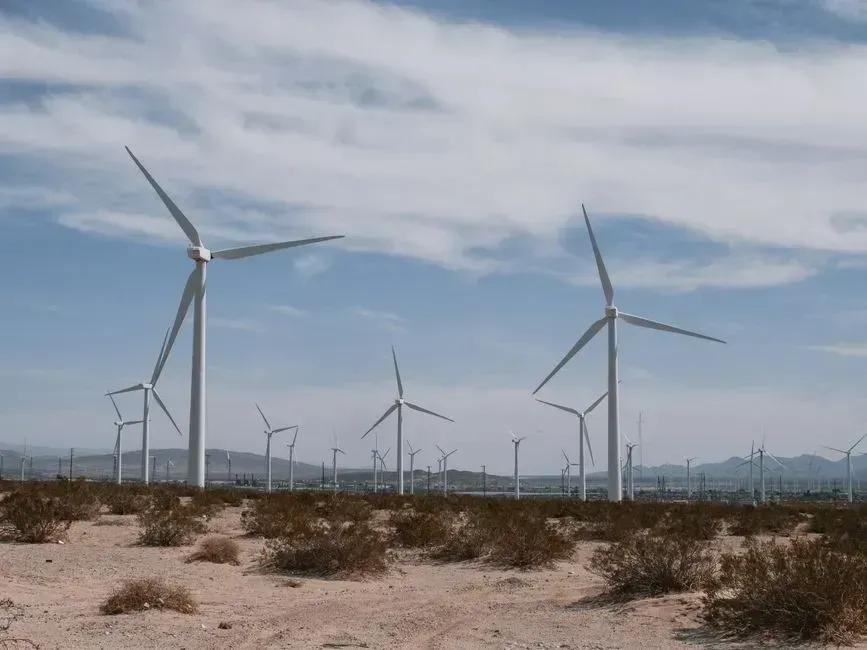
The countries topping the renewable charts share a few common traits: abundant natural resources like wind, sun, or river flow, sustained political commitment across multiple governments, and grid infrastructure built or upgraded specifically to handle variable clean power. Norway and Brazil had a head start thanks to geography, while Denmark and Spain proved that policy and investment can overcome less favorable starting points.
The coal-reliant nations, by contrast, tend to share different traits: rapid industrialization, domestic coal reserves that make the fuel cheap and politically convenient, and electricity demand growing faster than clean alternatives can be built. Together, these trends point to a coal sector increasingly sustained by policy decisions in a shrinking number of countries rather than broad-based power demand. That single sentence probably sums up the entire global coal picture better than any statistic could.
What This Means Going Forward
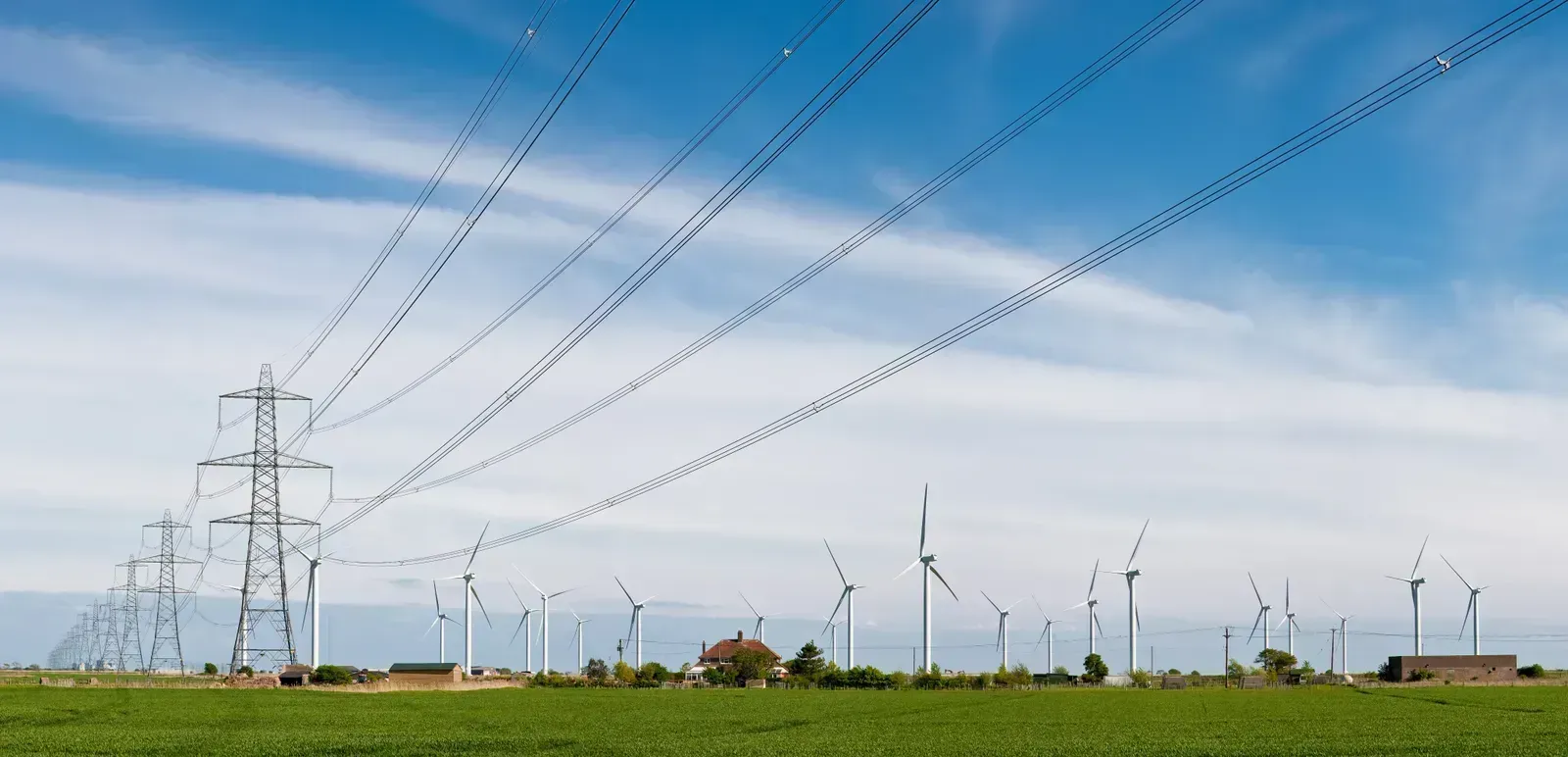
The trajectory is fairly clear even if the timeline isn’t. Renewable leaders like Denmark, Norway, Spain, and Brazil will likely keep pushing toward even higher shares, backed by falling technology costs and increasingly sophisticated grid management. Meanwhile, the coal-heavy nations face a much tougher balancing act between economic growth, energy security, and climate commitments, one that won’t be resolved by any single policy or technology breakthrough.
What’s striking is how much has changed even in just the past two years, and how much still hasn’t. Some countries have essentially finished their transition, closing their last coal plants and moving on. Others are just beginning to reckon with what a post-coal future might even look like. The world isn’t moving toward clean energy at one uniform pace; it’s moving at ten or twenty different paces simultaneously, and that unevenness is likely to define the next decade of global energy just as much as the technology itself.
