

- Phantom Energy Sucking Power 24/7 – 7 Home Electronics Quietly Inflating Utility Bills - November 14, 2026
- A Million-Mile Storm Raging for Centuries – 6 Violent Weather Wonders in Our System - November 14, 2026
- Animals Flee Hours Before the Tremor – 7 Natural Warnings Before Disasters Strike - November 14, 2026
Sputnik 1: The Spark That Started It All
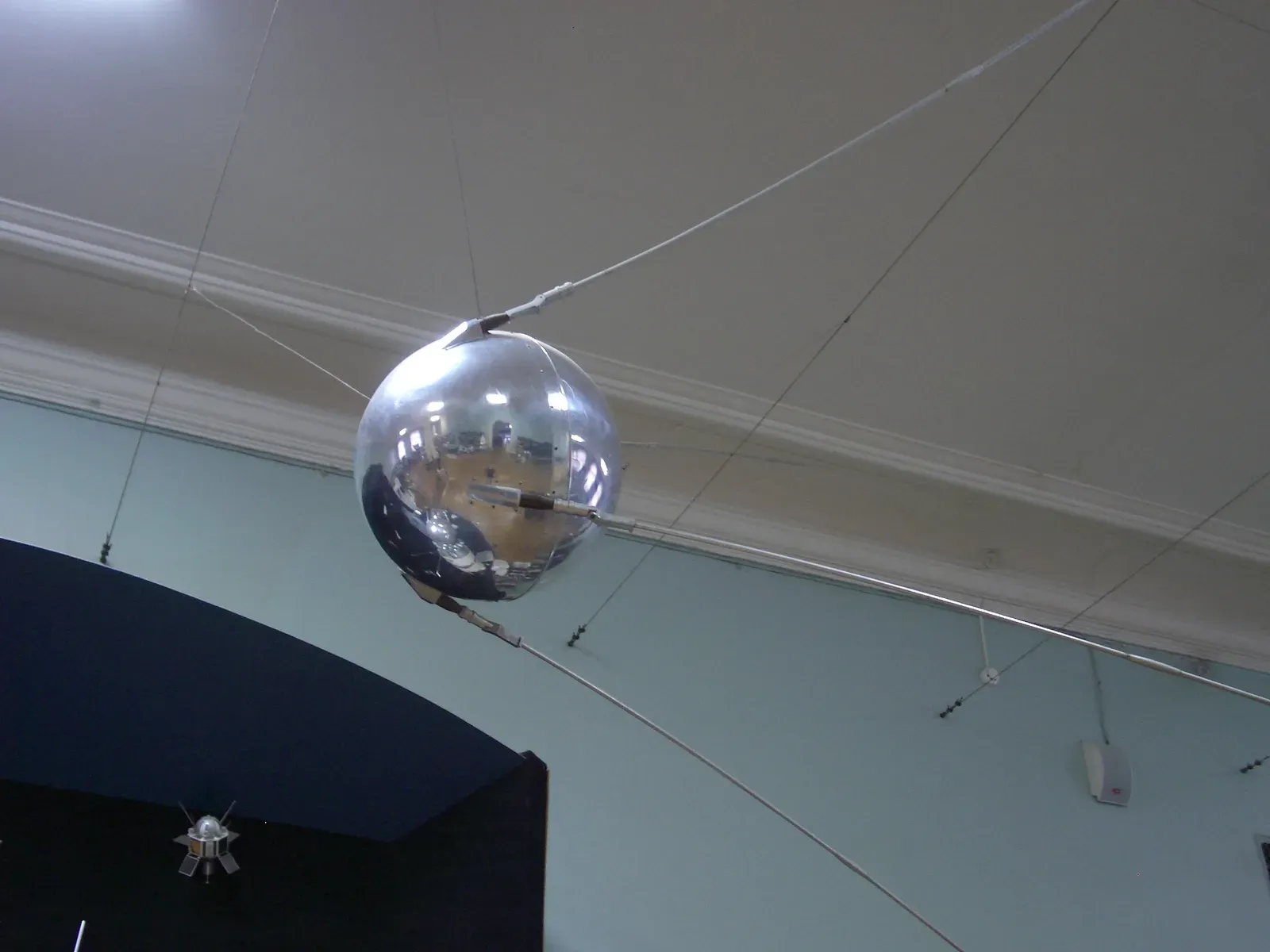
On October 4, 1957, the Soviet Union launched a beach ball sized satellite that did little more than beep as it circled Earth. Sputnik 1 weighed just under 84 kilograms, yet its impact was massive, triggering the Space Race and forcing the United States to rapidly accelerate its own space program. Within months, NASA was created, and a decades long competition for orbital and lunar supremacy began in earnest.
What made Sputnik so unsettling to Western observers wasn’t its technology, but its implications. A satellite passing overhead every ninety minutes proved that rockets capable of reaching orbit could also deliver payloads across continents. That realization reshaped defense policy, education funding, and public imagination almost overnight.
Apollo 11: Humanity’s First Steps on Another World
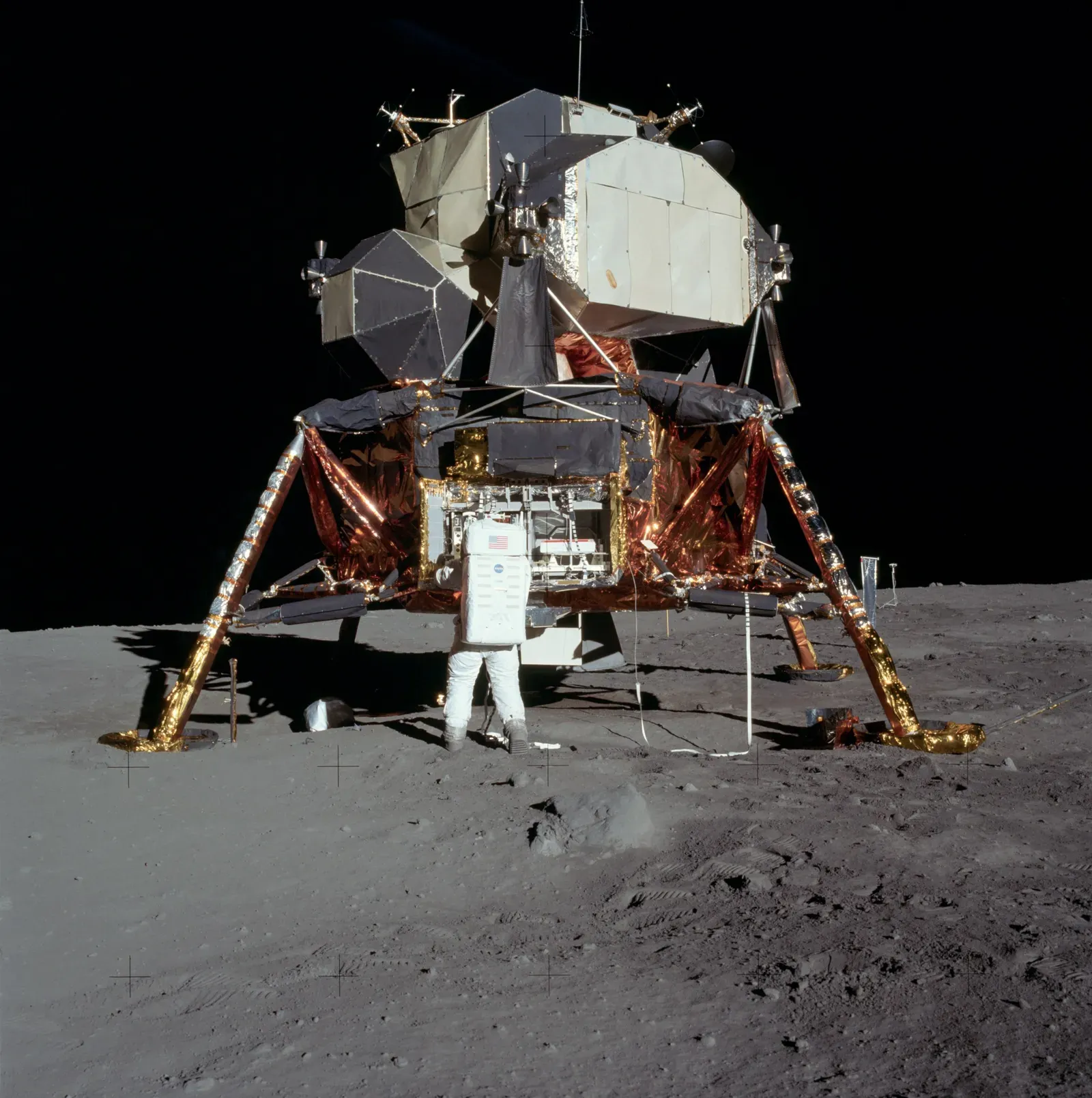
Few moments in human history carry the weight of July 20, 1969, when Neil Armstrong and Buzz Aldrin stepped onto the lunar surface while Michael Collins orbited above in the command module. The Apollo 11 mission wasn’t just a technical triumph, it was a demonstration that a goal set eight years earlier by President Kennedy could actually be achieved. Roughly six hundred million people watched the broadcast, making it one of the most viewed events in television history at the time.
The mission returned about 21.5 kilograms of lunar rock and soil, samples that scientists still study today using techniques that didn’t exist in 1969. Apollo 11 also proved that crewed missions to another celestial body were survivable, setting the template for five more successful lunar landings through 1972. Its legacy lives on directly through the Artemis program, which explicitly borrows from Apollo’s playbook while aiming for a more permanent human presence.
Voyager 1 and 2: The Grand Tour That Never Really Ended
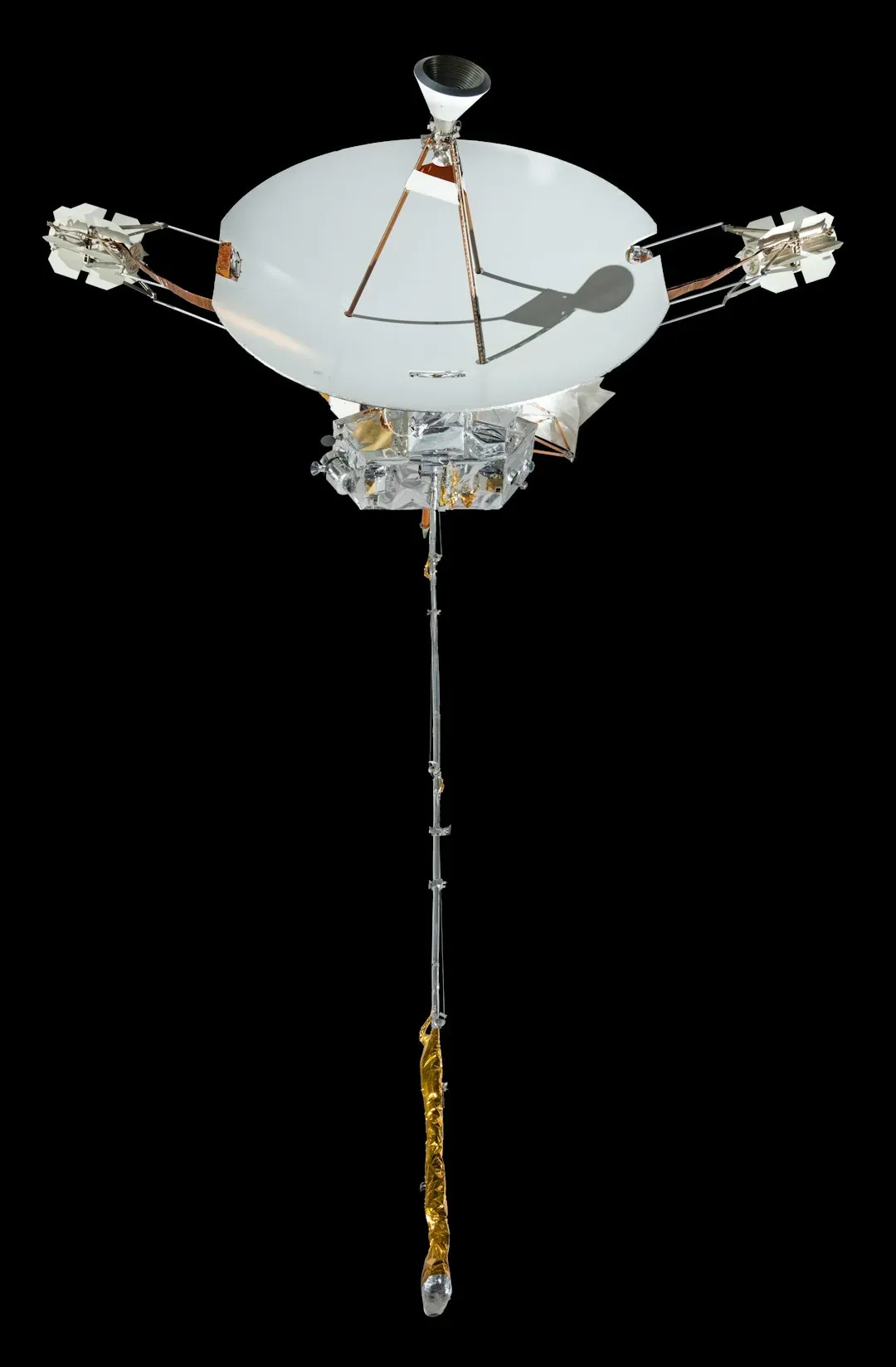
Launched in 1977, the twin Voyager probes were designed for a four year tour of Jupiter and Saturn. Nearly fifty years later, both spacecraft are still transmitting data from interstellar space, making them the most distant human made objects ever built. Voyager 1 crossed into interstellar space in 2012, followed by Voyager 2 in 2018, giving scientists their first direct measurements of the boundary between our solar system and the wider galaxy.
The probes captured iconic images of Jupiter’s storms, Saturn’s rings, and the moons of the outer planets long before any other spacecraft had gotten close. Each Voyager also carries a golden record containing sounds and images meant to represent life on Earth, a symbolic gesture aimed at any civilization that might one day intercept them. Power levels on both spacecraft continue to decline, and NASA engineers have had to selectively shut down instruments to stretch their remaining operational years into the early 2030s.
The Hubble Space Telescope: Rewriting Textbooks From Orbit
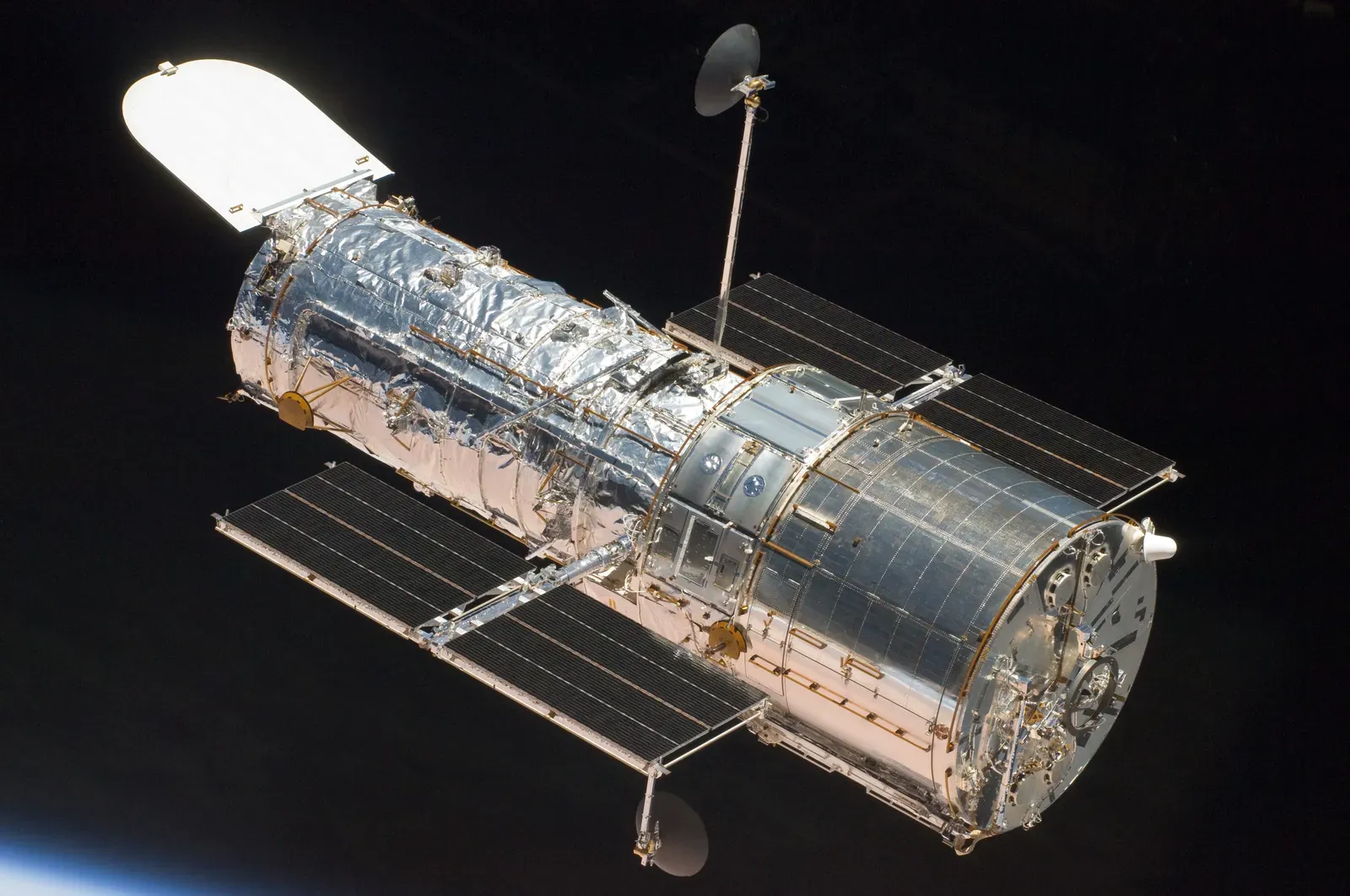
Launched in 1990 aboard the Space Shuttle Discovery, Hubble almost became a costly embarrassment after engineers discovered a flaw in its main mirror that blurred its early images. A dramatic 1993 servicing mission installed corrective optics, and from that point on, Hubble became one of the most productive scientific instruments ever built. It has captured images of galaxies billions of light years away and helped refine estimates of the universe’s age and expansion rate.
Hubble’s observations were central to confirming that the universe’s expansion is accelerating, a discovery that earned a Nobel Prize in Physics in 2011. More than three decades after launch, the telescope continues to operate, now working alongside newer instruments rather than being replaced outright. Its longevity is largely thanks to five separate Space Shuttle servicing missions, something that would be extremely difficult to replicate with today’s launch systems.
Mars Pathfinder and the Rovers That Followed
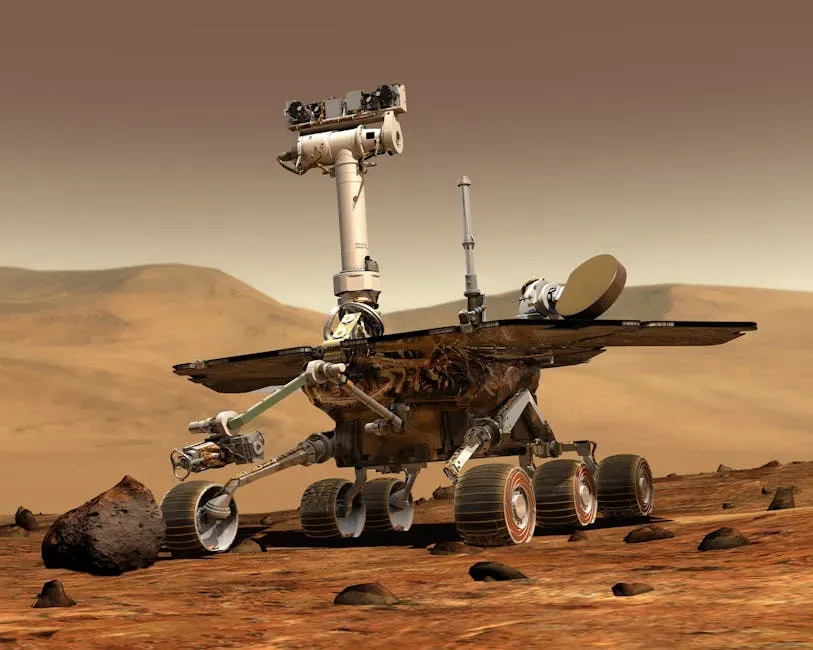
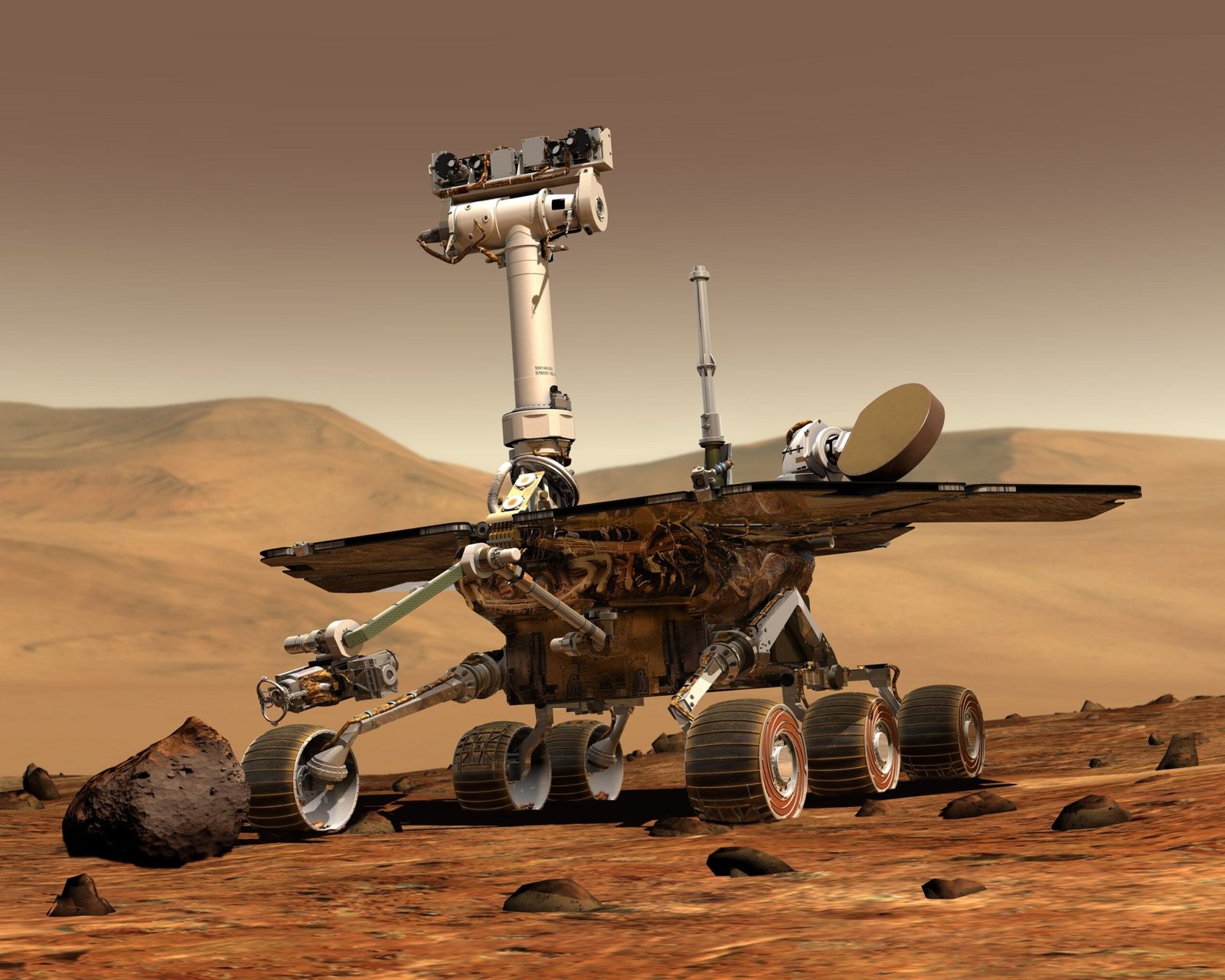
NASA’s Mars Pathfinder mission landed in 1997 using an unconventional airbag system, delivering the small Sojourner rover that became the first wheeled vehicle to operate on another planet. It was a modest six kilogram machine, but it proved that low cost, high risk landing techniques could work, paving the way for far more ambitious rovers. That lineage runs directly through Spirit, Opportunity, Curiosity, and Perseverance, each building on lessons from the last.
Perseverance, which landed in 2021 and remains active through 2026, has been collecting rock samples in Jezero Crater as part of a long term plan to eventually return them to Earth. These missions collectively have provided strong evidence that Mars once had flowing water and potentially habitable conditions billions of years ago. The rover program has become one of the most cost effective ways to study another planet’s geology in fine detail without sending humans.
The International Space Station: A Quarter Century of Cooperation
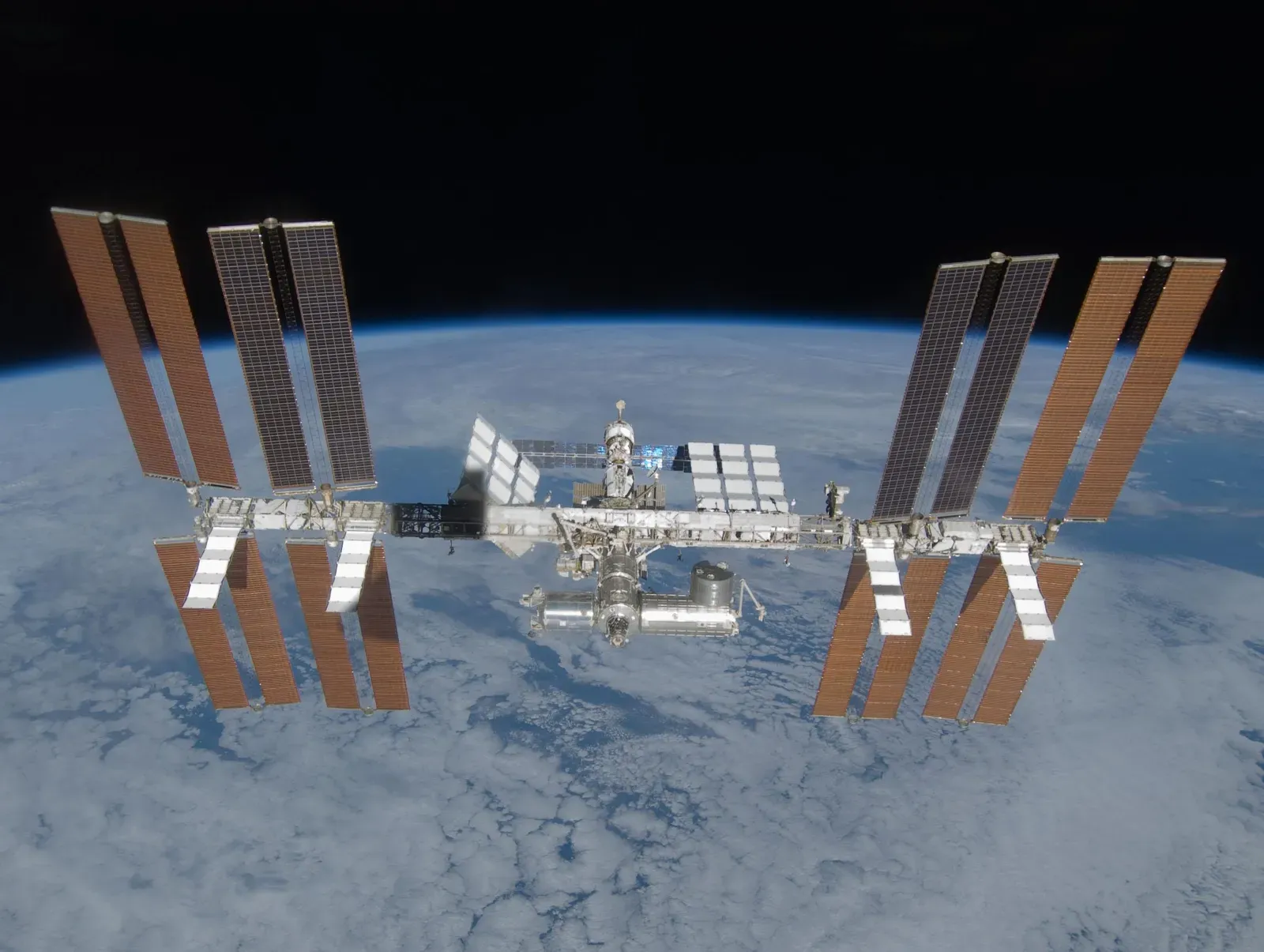
The first modules of the International Space Station launched in 1998, and the station has maintained a continuous human presence in orbit since November 2000. Built through a partnership involving NASA, Roscosmos, ESA, JAXA, and CSA, it stands as one of the largest cooperative engineering projects in history, orbiting roughly 400 kilometers above Earth. Despite geopolitical tensions on the ground, the partner agencies have largely kept station operations running smoothly for over two decades.
Thousands of experiments have been conducted aboard the ISS, covering fields from materials science to human physiology in microgravity. That research has directly informed planning for longer duration missions, including the extended lunar and eventual Mars missions NASA is now pursuing. With the station’s retirement now planned for the early 2030s, attention is shifting toward commercial successors that aim to keep a human outpost in low Earth orbit.
New Horizons: The First Close Look at Pluto
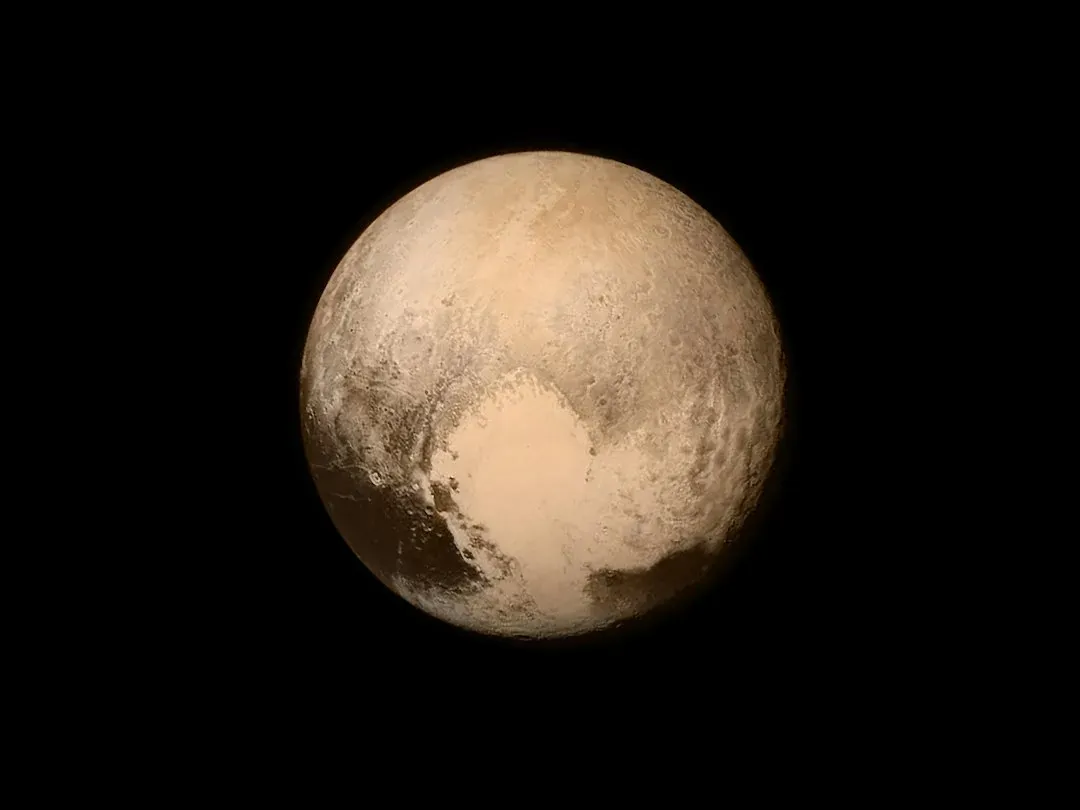
Launched in 2006, New Horizons spent nearly a decade crossing the solar system before its historic flyby of Pluto in July 2015. The mission revealed a surprisingly active world, complete with mountains of water ice, a heart shaped nitrogen glacier, and evidence of a possible subsurface ocean. Before New Horizons, Pluto was little more than a blurry dot even through the most powerful telescopes.
The spacecraft didn’t stop at Pluto. In January 2019, it flew past the distant Kuiper Belt object Arrokoth, delivering the closest ever images of a primitive building block from the early solar system. New Horizons remains operational and continues sending back data from the outer solar system, adding to a growing picture of how our cosmic neighborhood formed.
The James Webb Space Telescope: Peering Into Cosmic Dawn
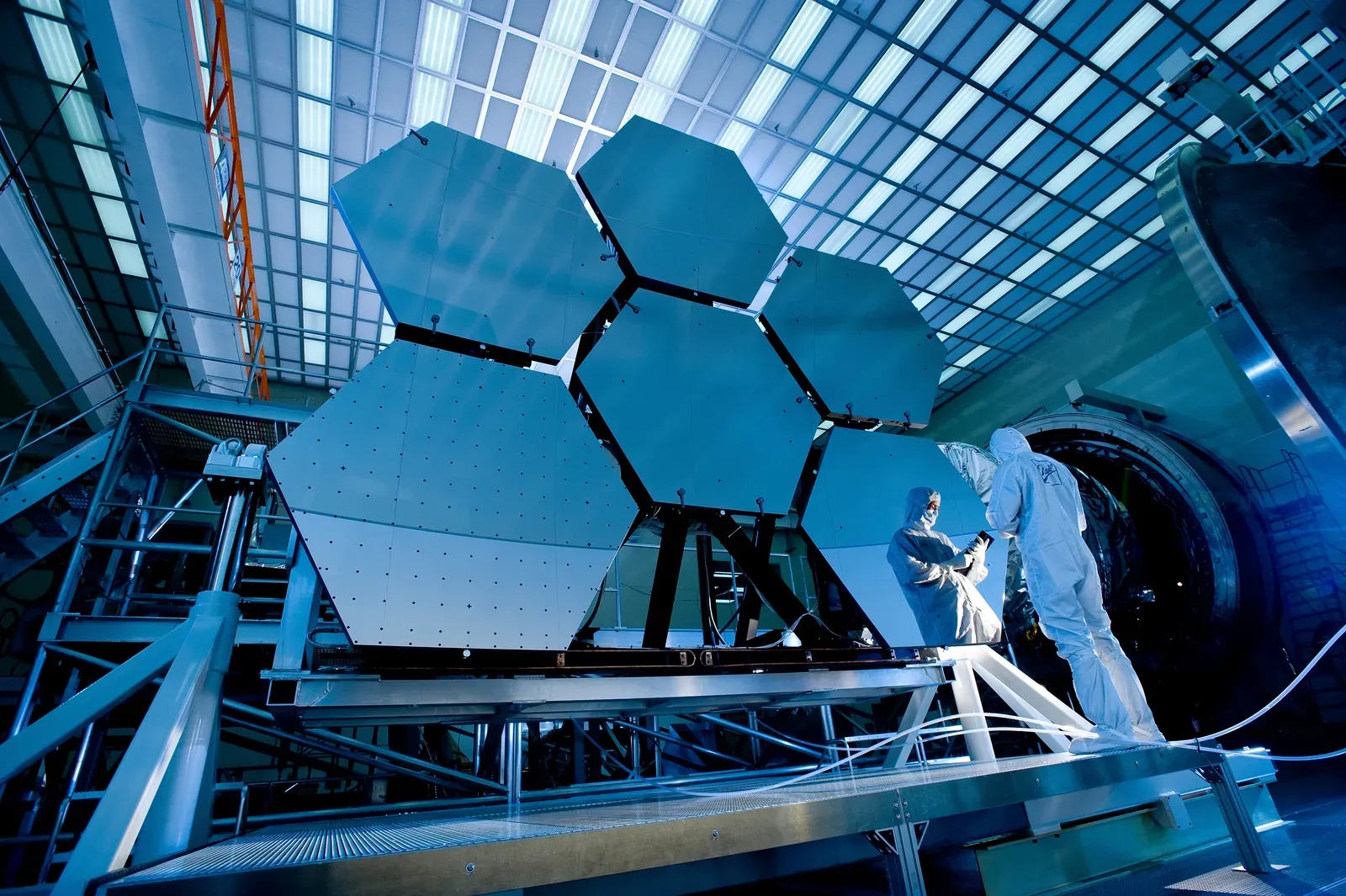
After years of delays and a budget that ballooned well past initial estimates, the James Webb Space Telescope finally launched on Christmas Day in 2021. Positioned roughly 1.5 million kilometers from Earth at the second Lagrange point, Webb uses infrared instruments to see through cosmic dust and observe galaxies as they existed shortly after the Big Bang. Its images have already pushed back the earliest confirmed galaxy sightings to within a few hundred million years of the universe’s birth.
Beyond deep field imaging, Webb has become a powerful tool for studying exoplanet atmospheres, detecting chemical signatures that hint at planetary composition and potential habitability. Scientific teams around the world continue to compete for observation time, and by 2026 the telescope has produced findings that are steadily reshaping models of early galaxy formation. Its fuel reserves suggest a working lifespan well beyond the original ten year estimate, meaning discoveries will likely keep coming for years.
Artemis II: Humanity’s Return to Lunar Space
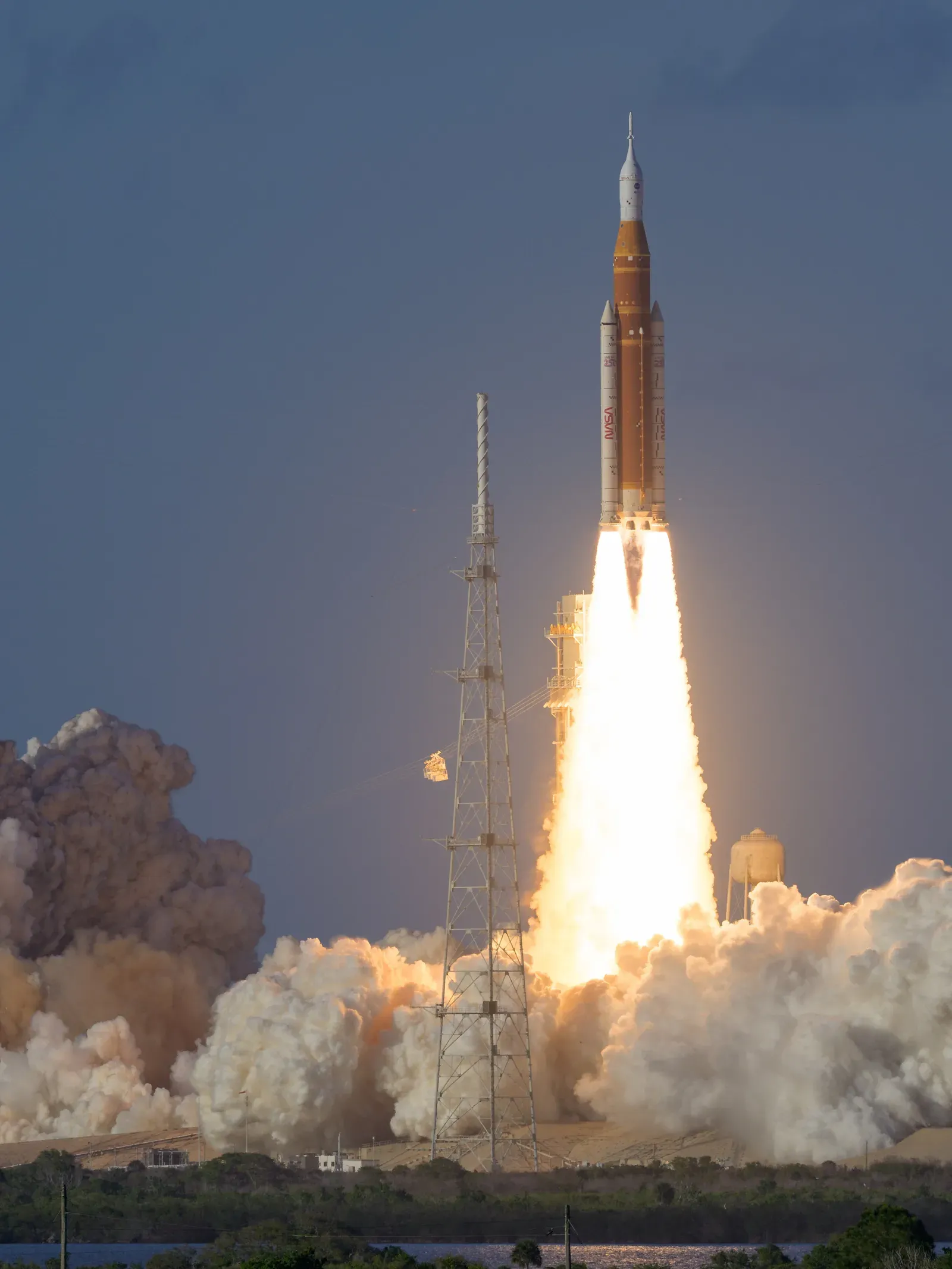
On April 1, 2026, Artemis II launched on a nearly 10-day voyage around the Moon, marking the first crewed flight of NASA’s Orion spacecraft. NASA astronauts Reid Wiseman, Victor Glover, and Christina Koch, along with CSA astronaut Jeremy Hansen, splashed down on April 10 in the Pacific Ocean off the coast of San Diego. This marked the first crewed flight around the Moon since Apollo 17 in 1972.
At their farthest point, the crew traveled 252,756 miles from Earth, setting a record for the greatest distance humans have traveled in space and observing the lunar surface like never before. The flight served as a critical proving ground for hardware and procedures, with NASA using data from the first crewed mission under the Artemis program to continue preparing hardware and teams to launch and fly the Artemis III mission in 2027 ahead of subsequent missions to the Moon’s surface beginning in 2028. After decades without a crewed mission venturing beyond low Earth orbit, Artemis II reopened a chapter of exploration that many assumed had closed for good.
Final Thoughts
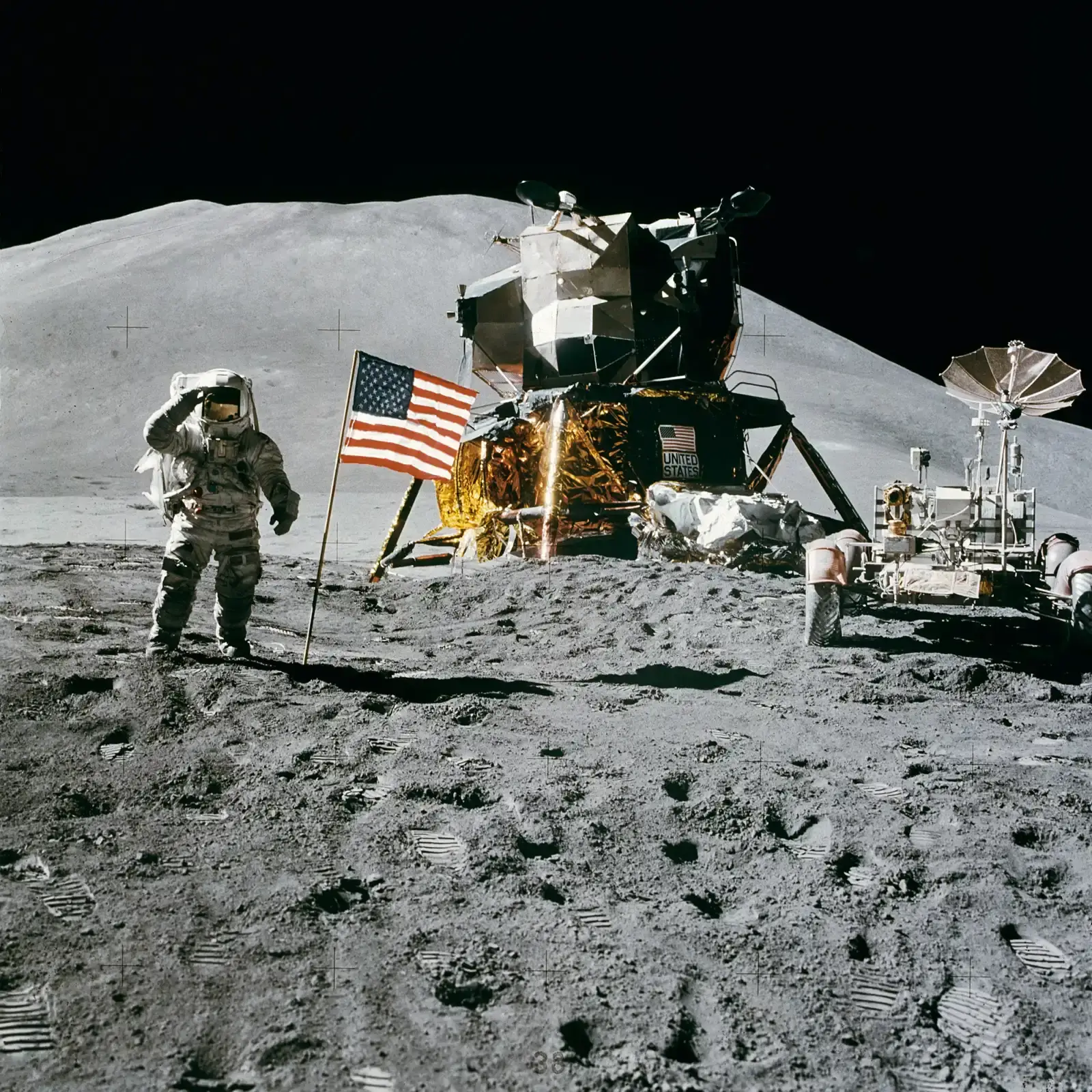
Looking across these nine missions, a pattern emerges that has little to do with rockets or budgets. Each one expanded what seemed possible at the time, whether that meant a beeping metal sphere in 1957 or astronauts glimpsing the Moon’s far side in 2026. The technology has changed enormously, yet the underlying motivation, simple curiosity about what’s out there, has stayed remarkably consistent.
With Artemis III targeting a lunar landing in 2027 and Mars sample return efforts moving forward, the next few years look likely to add new names to this list. For now, these nine missions remain the benchmarks against which future achievements will inevitably be measured.
