

Step one: liftoff and the vertical climb
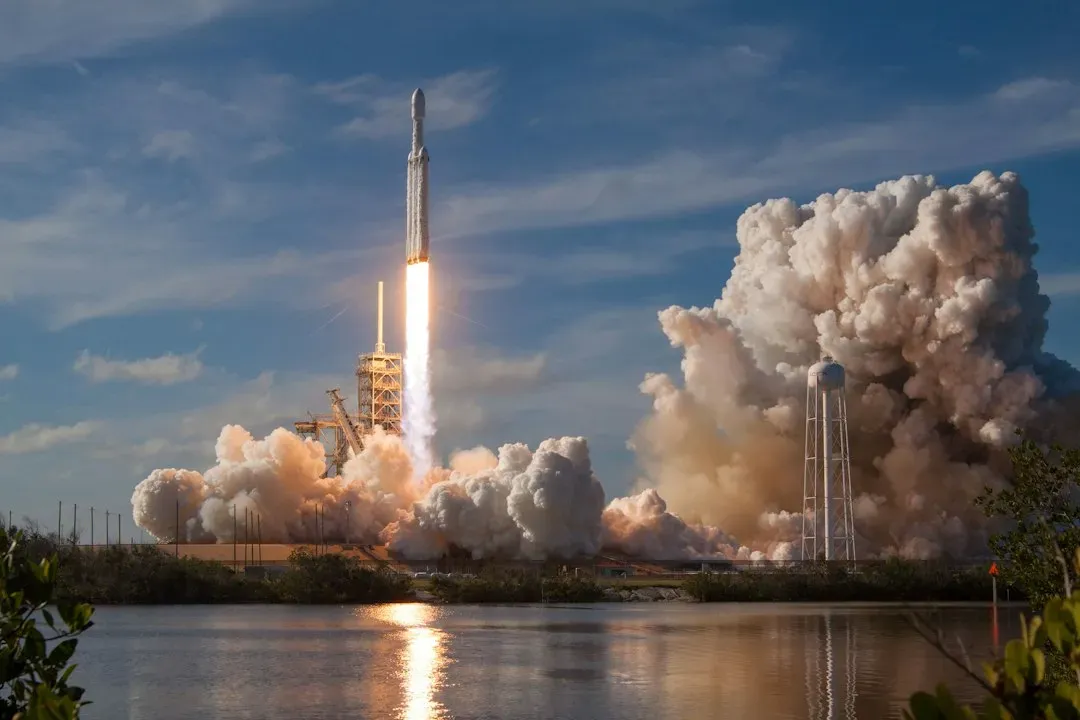
The first few seconds of any launch are all about getting away from the ground as fast and safely as possible. Engines throttle up to full power, and the rocket rises straight up for a short period before any tilting begins. This vertical phase matters because it lets the vehicle clear the launch tower and nearby structures without risking a collision if something goes slightly off course.
The atmosphere exerts a significant amount of drag on the rocket during its initial stages of flight, so a vertical ascension at first helps minimize the time spent in the densest layers of air, reducing fuel consumption and structural stress. Heavy vehicles like SLS or Starship’s Super Heavy booster need enormous thrust just to overcome their own weight during this phase, which is why the first moments of launch often look almost deceptively slow before the rocket picks up speed.
Step two: the gravity turn
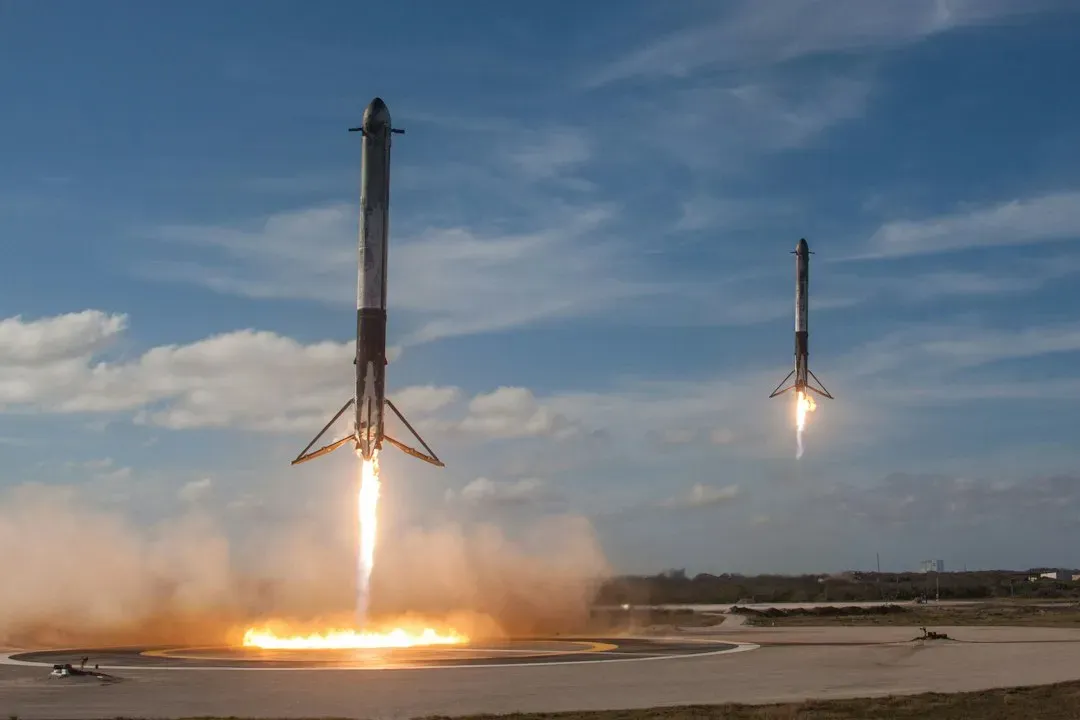
Once a rocket clears the immediate area around the pad, it starts to lean over in a maneuver known as the gravity turn. This isn’t a mistake or a wobble, it’s a deliberate and carefully calculated pitch toward the horizontal. The gravity turn is a critical phase of the launch in which the rocket will gradually tilt its nose downrange.
The reasoning comes down to what orbit actually requires. Soon after liftoff, rockets begin a gradual turn called a gravity turn, pitching sideways to build horizontal speed, because reaching orbit is mostly about going fast sideways, not straight up. A rocket that only went straight up would eventually fall right back down instead of settling into orbit.
Step three: staging and shedding dead weight
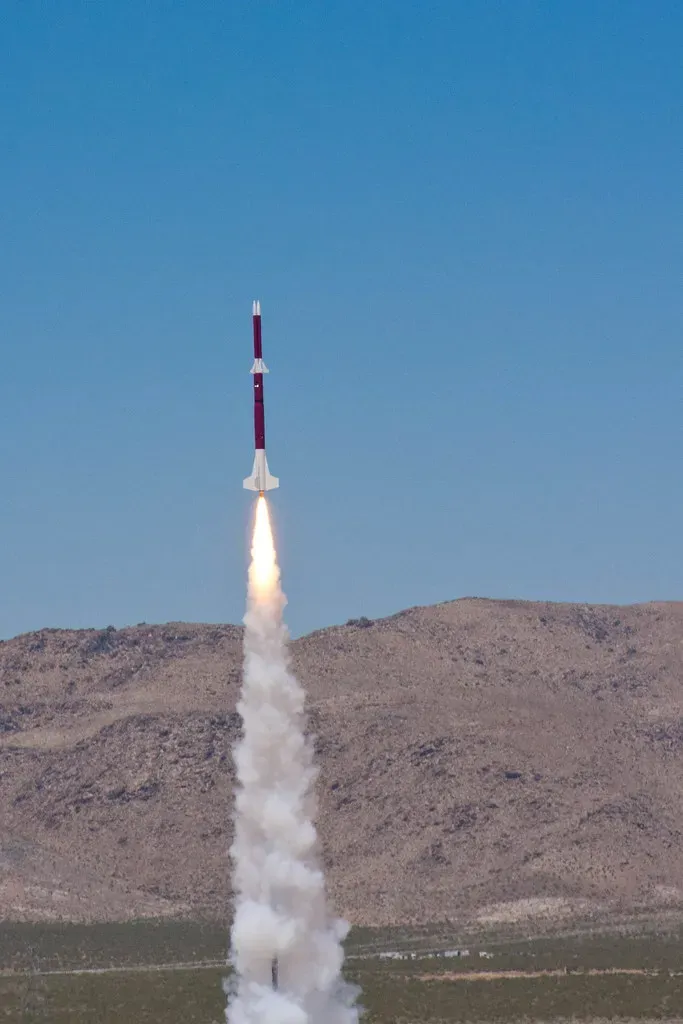
As propellant burns off, the rocket becomes lighter, but it’s still hauling around empty tanks and engines it no longer needs. This is where staging comes in. Rockets are built in stages because carrying empty tanks and dead engine hardware all the way to orbit would waste fuel, and a single-stage rocket must lift everything with it from start to finish, which is far harder than using multiple stages designed to separate as they run out of propellant.
Modern vehicles handle this in different ways. Some launch vehicles also use solid rocket boosters to provide additional thrust at liftoff, and ESA’s Ariane 6, for example, combines boosters with main and upper stages that perform different parts of the flight. SpaceX’s Starship system takes this even further, since the vehicle consists of two stages, the Super Heavy booster and the Starship spacecraft, both powered by Raptor engines burning liquid methane and liquid oxygen, with both stages designed to separate cleanly once their job is done.
Step four: building speed toward orbital velocity
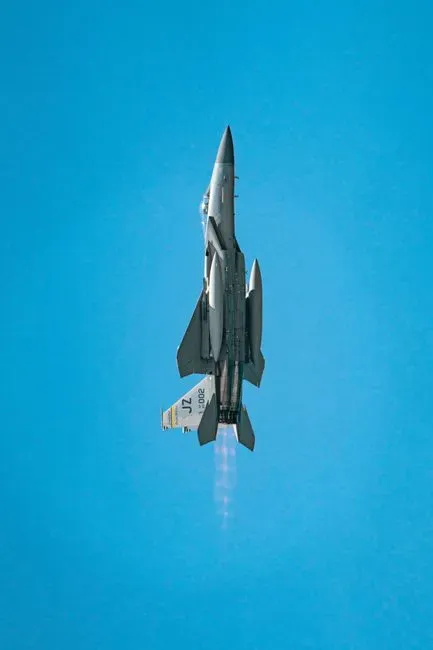
After staging, the upper portion of the rocket keeps firing to build up horizontal speed. This is a far bigger target than most people realize. For Low Earth Orbit specifically, orbital velocity is approximately 17,000 miles per hour or 7.8 kilometers per second.
Reaching that speed takes more fuel than the simple number suggests, because the rocket has to fight drag and gravity the entire way up. To reach low Earth orbit, a rocket needs roughly 9 to 10 km/s of total delta-v once losses from gravity and drag are included, which is much more than the simple orbital speed alone because the vehicle must push through air and fight gravity during ascent. That gap between theoretical and real-world speed is one of the main reasons rocket design is such an unforgiving balancing act.
Step five: reaching orbit, not escape
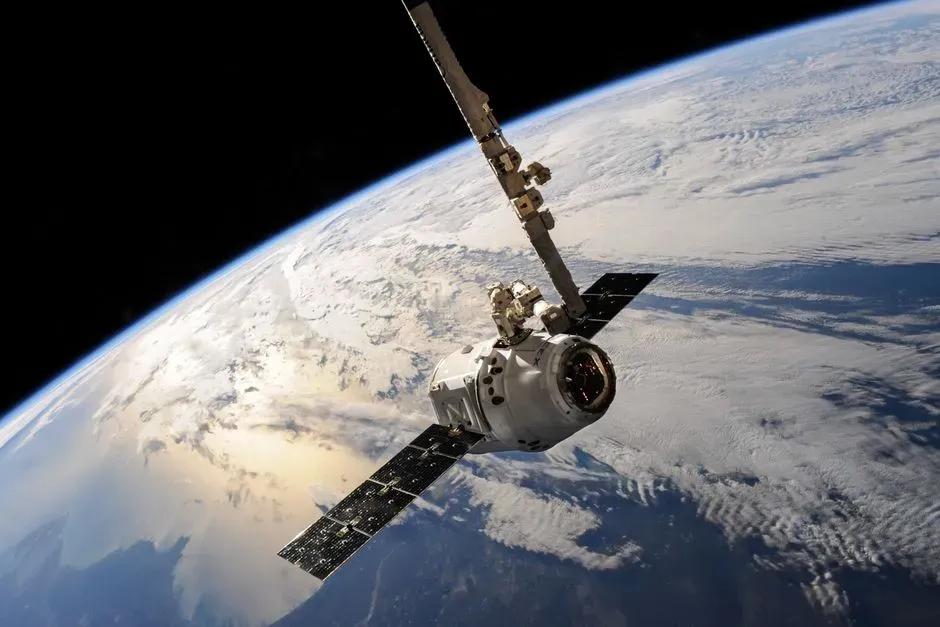
There’s a common misconception that getting to space means escaping Earth’s gravity. In reality, most missions never need to do that at all. Most satellites and spacecraft sent into space do not reach escape velocity.
Instead, they settle into orbit, which is a very different thing. Orbit does not mean escaping gravity, since a satellite remains under Earth’s pull but moves fast enough to continually fall around the planet. A rocket at this stage has usually completed its main ascent burn and shut down its engines, coasting in a stable path around the planet while ground teams check its systems before any further maneuvers.
Step six: the escape burn for deep space missions
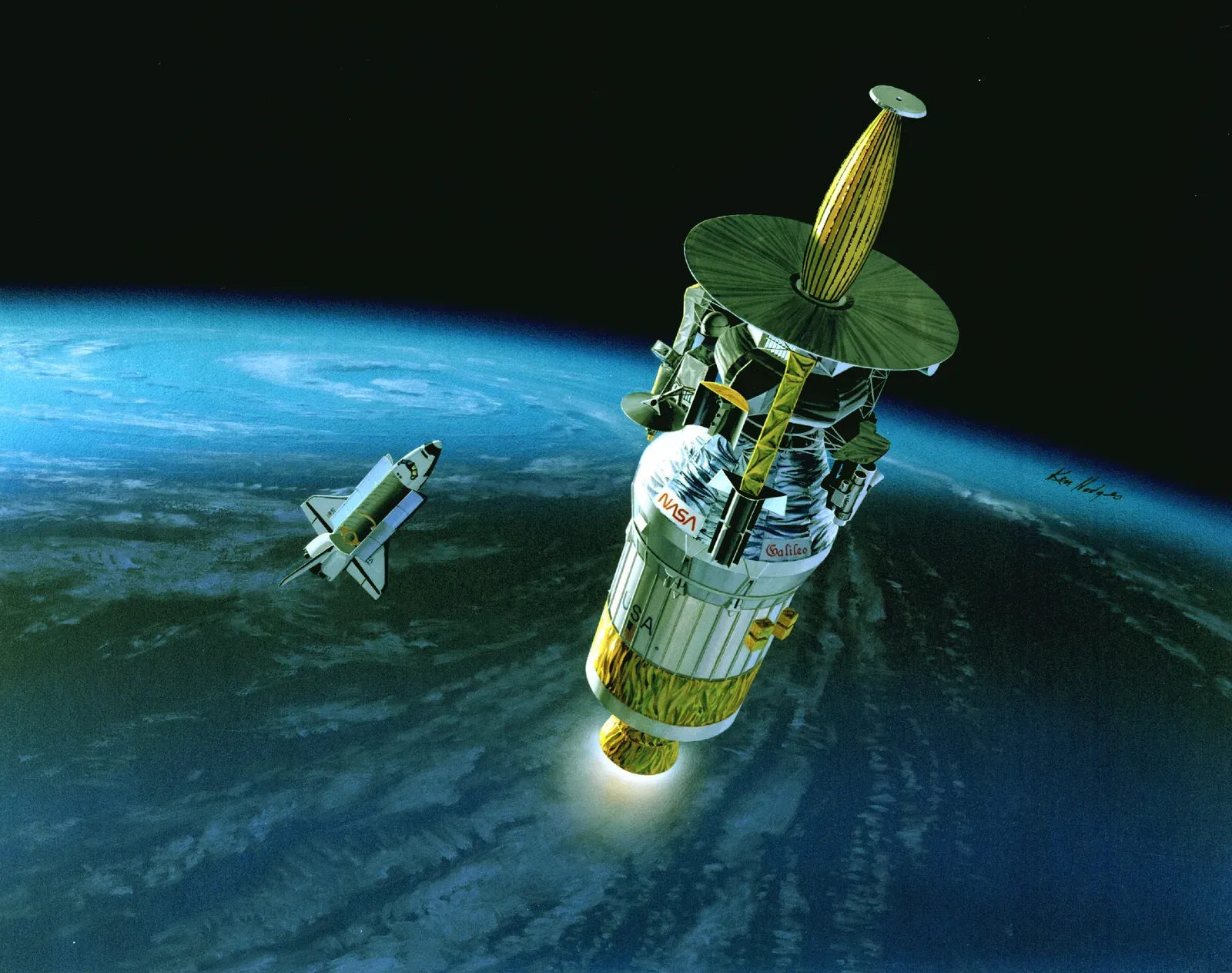
For the relatively small number of missions actually headed beyond Earth orbit, like lunar or interplanetary probes, there’s one more step. A spacecraft can first enter parking orbit and then fire an upper-stage engine to begin a journey toward the Moon, Mars, or another destination. This burn pushes the vehicle’s speed up to the true escape threshold.
To break free of Earth’s gravitational clutches and achieve escape velocity, a spacecraft must be propelled to more than 40,000km/h (25,000mph), or about 11km per second. Even after this burn succeeds, the spacecraft hasn’t left gravity’s influence entirely, since leaving Earth’s gravitational control does not mean leaving the Solar System, and after escaping Earth, the spacecraft still travels under the influence of the Sun’s gravity. Recent missions have shown just how varied this final step can look in practice. NASA’s Artemis II, which carried astronauts on a lunar flyby using the Space Launch System, marked only the second time in history a crewed vehicle has traveled beyond low Earth orbit, following the Apollo-era Saturn V decades earlier. Meanwhile, SpaceX continues refining Starship’s own path toward similar capability, with its Super Heavy booster and upper stage working through repeated test flights aimed at proving out orbital insertion, in-space maneuvering, and eventually the kind of deep-space burns needed for missions to the Moon and Mars.

- The Shoreline Sucked Dry in Seconds – 5 Tsunami Signals Beachgoers Mistake for Low Tide - November 14, 2026
- 9 Dark-Sky Destinations Around the World Where the Stars Look Unreal - November 14, 2026
- The Fault Line That Never Slips – 7 Locked Seismic Zones Overdue for a Massive Release - November 14, 2026
