

- Phantom Energy Sucking Power 24/7 – 7 Home Electronics Quietly Inflating Utility Bills - November 14, 2026
- A Million-Mile Storm Raging for Centuries – 6 Violent Weather Wonders in Our System - November 14, 2026
- Animals Flee Hours Before the Tremor – 7 Natural Warnings Before Disasters Strike - November 14, 2026
1. Beef prices climb years after the drought that caused them
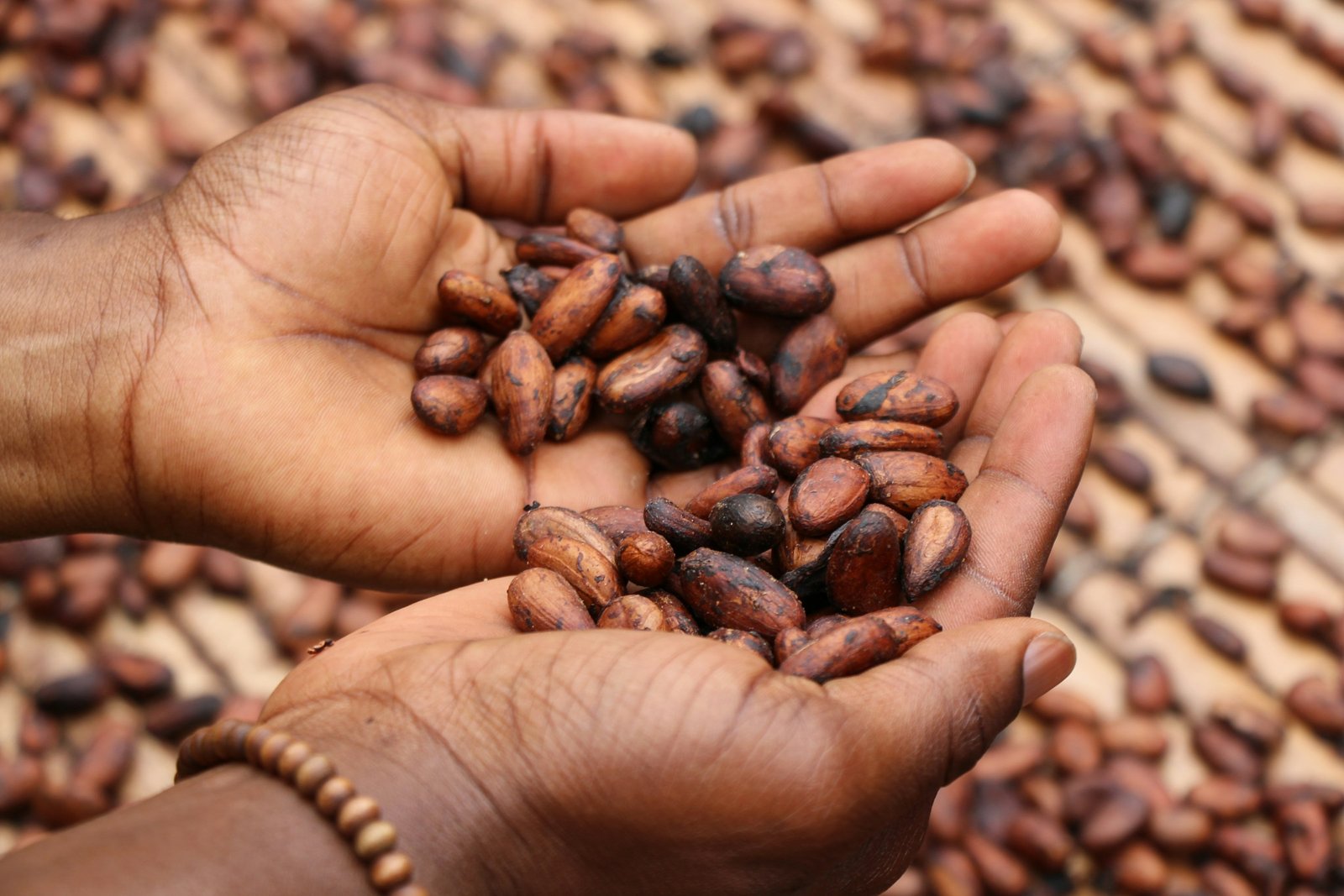
One of the strangest quirks of drought economics is the lag. When pastures dry up, ranchers do not just lose grass, they lose the ability to keep breeding animals alive cheaply, so many sell off cows early. The current market environment is the culmination of a multi-year contraction that began during the severe droughts of 2020 to 2025. That decision to sell now means fewer calves later, and fewer calves means tighter beef supply for years afterward.
By January 2026 the numbers were stark. the total U.S. herd has fallen to 86.2 million head, the smallest population recorded since 1951, and the beef cow herd has dropped to 27.6 million head, a level not seen since 1961. Feed costs made things worse in the short term too, since feed is the highest cost for ranchers, and due to drought in spots like Texas and Oklahoma, they have had to truck in supplies from elsewhere, making it hard to increase a herd. The lesson here is that a drought’s real bill often does not arrive until the crop, or in this case the cattle, that would have replaced today’s supply simply is not there.
2. Your morning coffee gets more expensive from a drought you never heard about
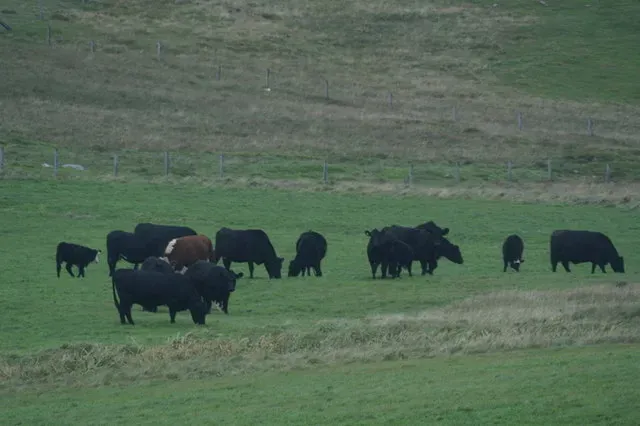
Coffee is grown in a surprisingly small number of places, which makes it unusually sensitive to weather in just a handful of countries. Prolonged dry weather cut Vietnam’s 2023/24 crop by about 20%, tightening the supply of Robusta at the same time as Arabica stayed short. That single regional drought pushed prices to levels nobody in the industry had seen before.
By February 2025 the ICO composite price stood at USD 7.8 per kilogram, the highest nominal figure the index has ever recorded, with Arabica and Robusta peaking at 9.05 and 5.81 USD per kilogram. Vietnam has since bounced back somewhat, with farmers investing in irrigation after the shock, but the episode is a reminder that most drinkers never connect a dry season in Southeast Asia with the price on their local coffee shop’s menu board.
3. Chocolate becomes a luxury item overnight
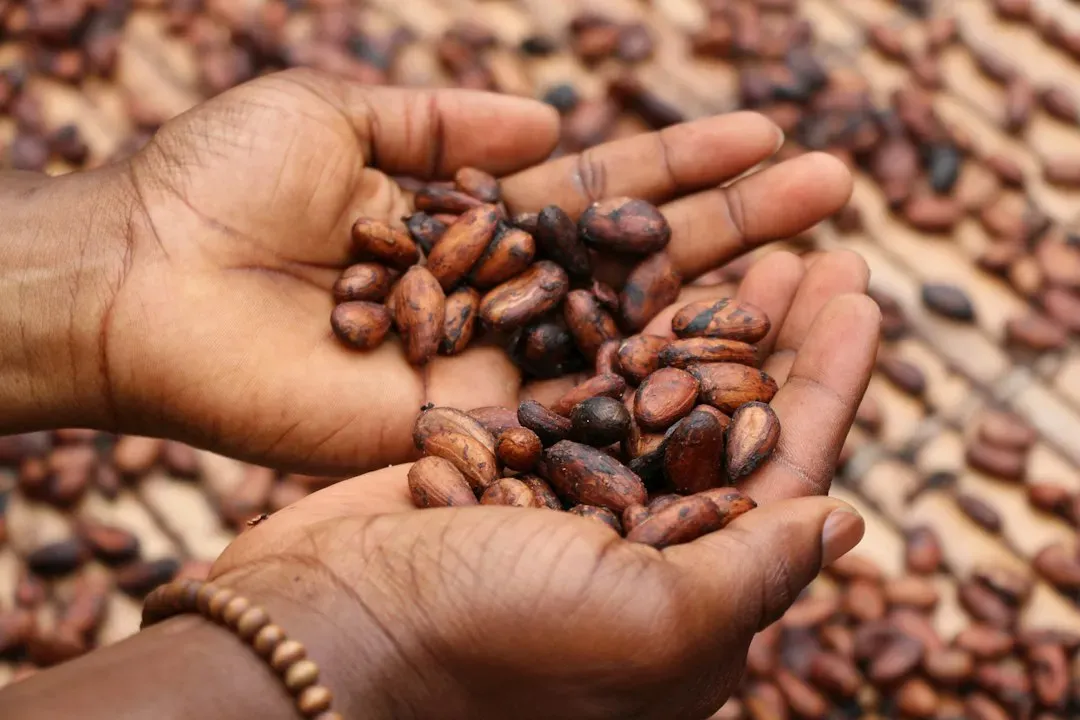
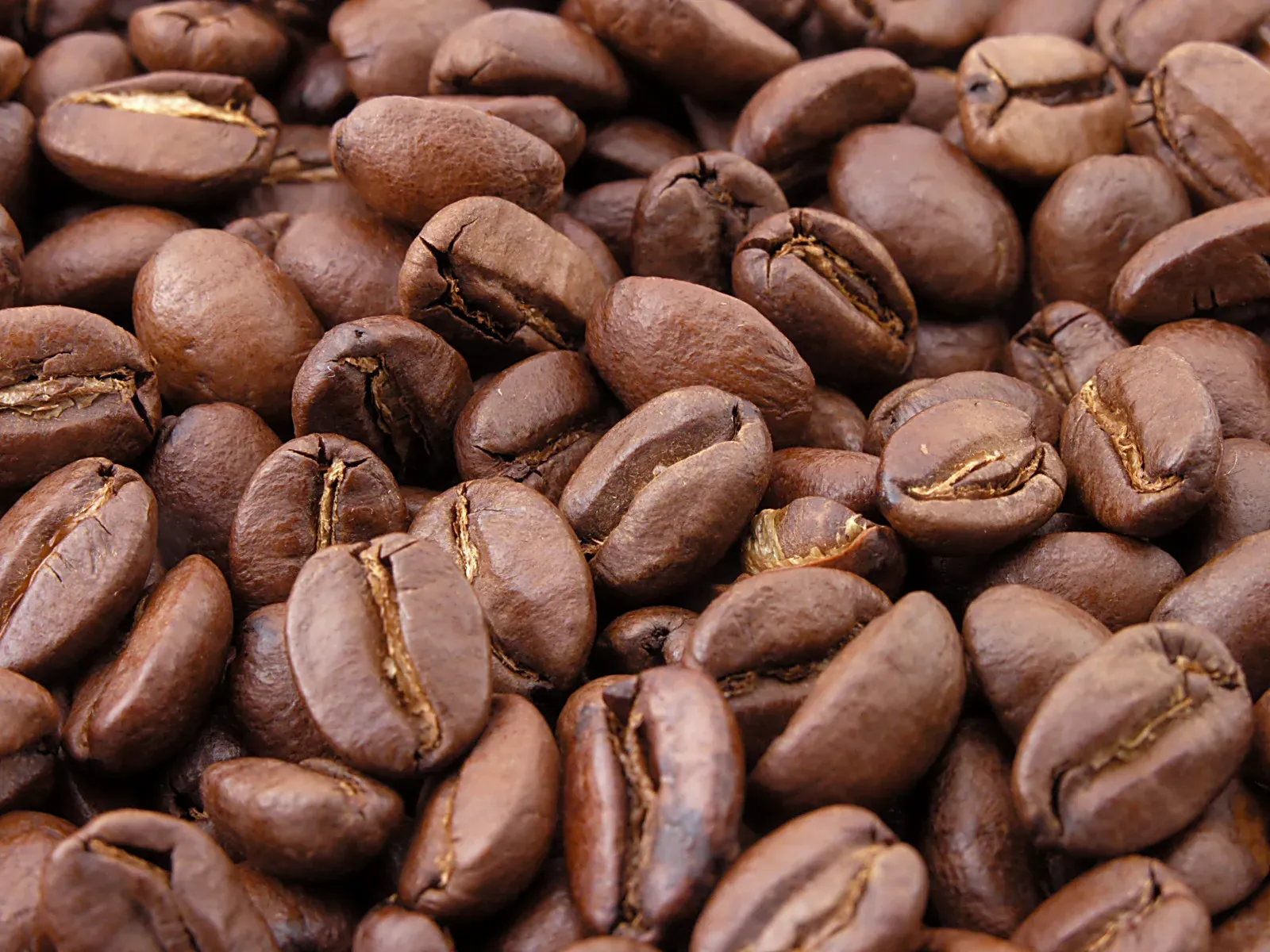
Cocoa’s price story over the past two years has been almost as dramatic as coffee’s, and drought played a starring role. What began in early 2024 as a series of isolated weather disruptions blossomed into a full-scale systemic failure, sending cocoa prices up by a staggering 300% and pushing coffee prices to historic highs. Because so much of the world’s cocoa comes from just two countries, a bad season there moves the entire global market.
Prices have eased considerably since the 2024 peak as West African harvests recovered, yet the underlying vulnerability has not gone away. Citigroup’s third-quarter commodities outlook reportedly warned that cocoa could reach $5,000 in the near term and as high as $6,000 within a year if El Niño damages the West African crop, and flagged a potential swing from a projected surplus to a deficit in the 2026/27 season. Chocolate makers have already responded by shrinking bar sizes and reformulating recipes, a quieter form of inflation that shows up on shelves rather than receipts.
4. Produce prices spike in places that seem to have plenty of water
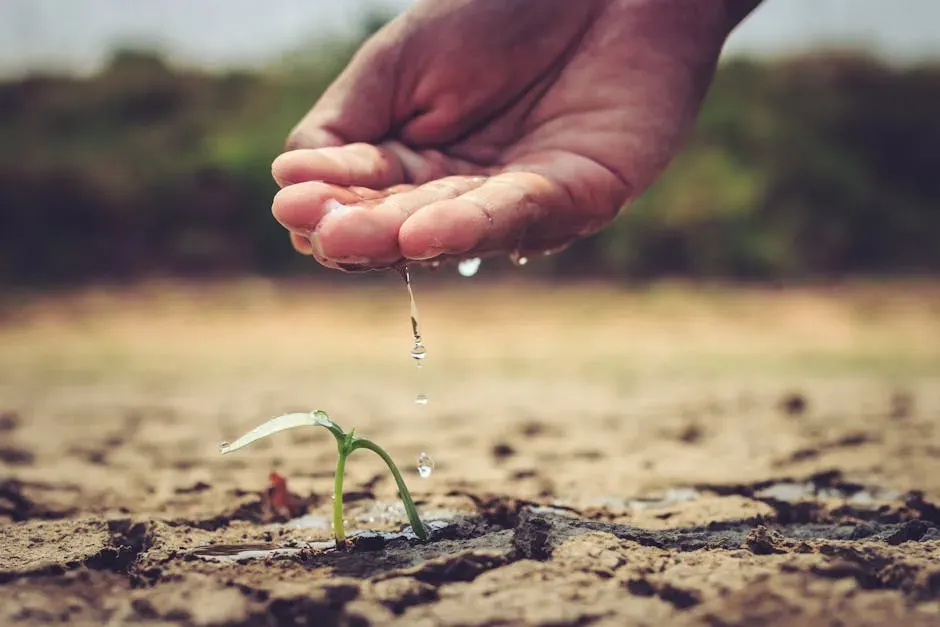
Drought does not need to hit an entire country to cause chaos, sometimes a single overstressed city is enough. In parts of Mexico, water shortages tied to low rainfall and aquifer overextraction pushed grocery costs sharply higher. Price hikes were eventually reflected in grocery stores, causing the costs of produce like cilantro to soar by 400 percent, alongside other climbing price tags for goods like onions, broccoli, and avocados.
The connection between scarce water and empty wallets is not abstract, it is direct and measurable. A severe lack of water has been found to be closely linked with food insecurity, as water scarcity impacts food access through reductions in agricultural production that can fuel food shortages and higher grocery prices. For shoppers used to thinking of herbs and vegetables as cheap staples, that kind of spike can be jarring.
5. Citrus and specialty crops disappear from shelves without warning
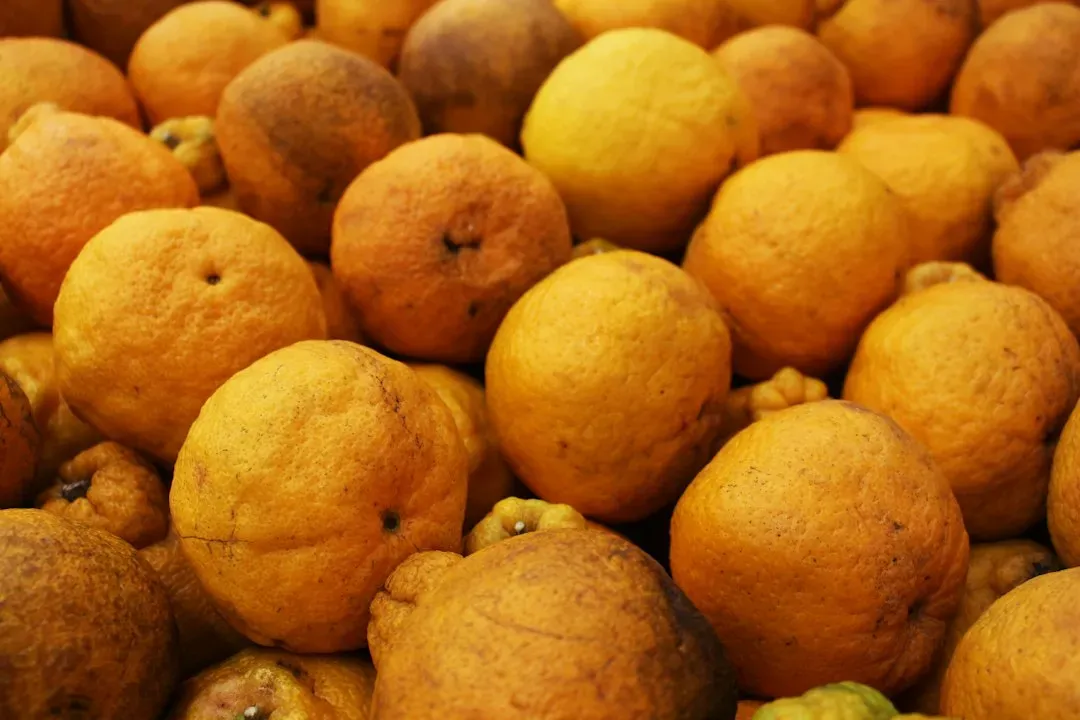
Some crops cannot simply be replanted somewhere else when drought hits, and citrus is a good example. Florida’s 2026 dry spell hit an industry already weakened by disease and cold snaps. Drought conditions in Florida are especially dire, with nearly 82 percent of the state in extreme or exceptional drought, and NASA satellite data show that this is already taking a severe toll on groundwater supplies, vital for drinking water and farming, with a negative impact on the state’s citrus crop.
What makes citrus and similar specialty crops tricky is that recovery is slow even after rain returns. Trees take years to mature, so a single bad season can constrain supply well beyond the drought itself. Shoppers often notice this as thinner selection or smaller portions rather than an obvious price tag jump, which makes the effect easy to overlook.
6. Fertilizer and energy costs quietly pile on top of drought
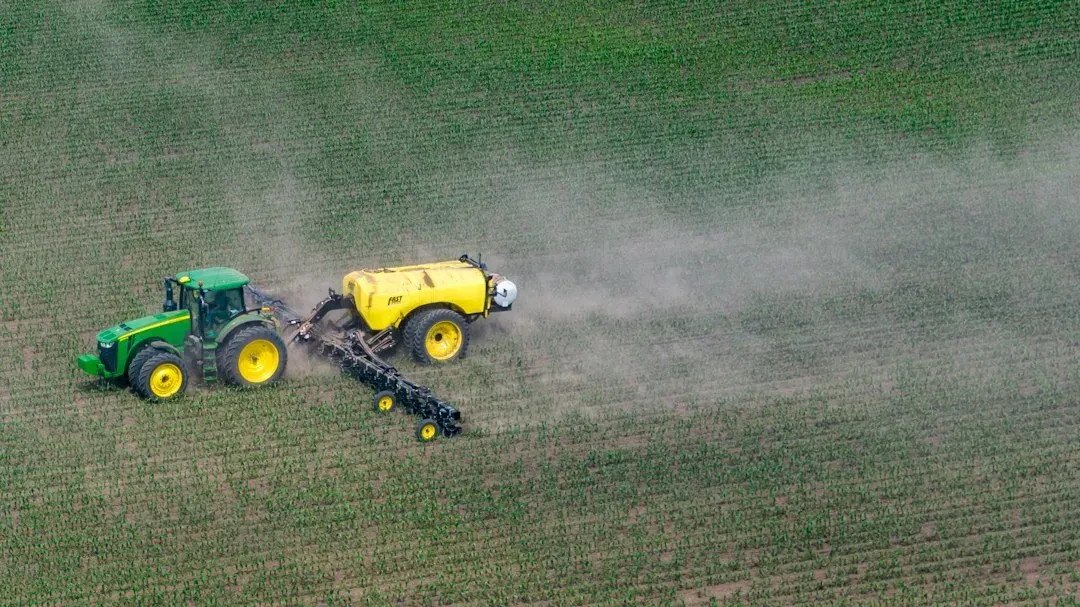
Drought rarely travels alone, and in 2026 it has been compounding with other cost pressures rather than acting in isolation. The 2026 drought threatens to collide with the ongoing impacts of tariffs and geopolitical tensions, which have driven up the costs of fertilizers and energy, further increasing food prices and hurting people’s livelihoods and pocketbooks. That layering effect means farmers face higher input costs at the exact moment their yields are shrinking.
The USDA has been revising its inflation forecasts upward as these pressures stack. The USDA’s latest price forecast, published in March, projected food prices will rise 3.6% in 2026, up from 3.1% predicted in February. It is a useful reminder that drought’s price impact is rarely a clean, isolated variable. It usually arrives bundled with other economic headaches that make the final grocery bill even harder to predict.
7. Whole regions face food insecurity long before prices show it in official data
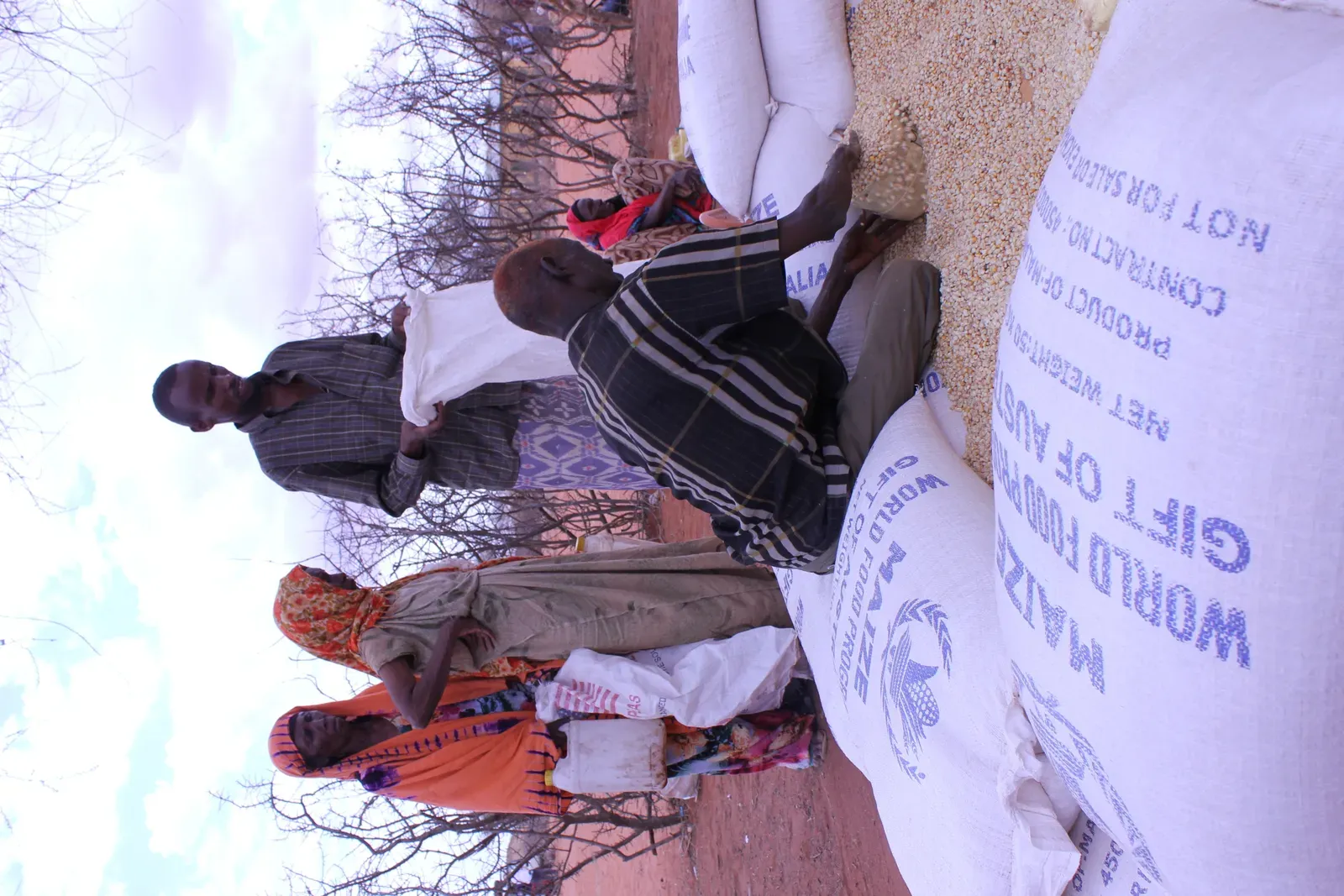
In wealthier countries, drought shows up as sticker shock. In vulnerable regions, it shows up as outright scarcity well before any price index catches up. Namibia’s 2024 to 2025 drought is a sobering case study. ACAPS estimated that the number of people in IPC phase 3+ rose from around 390,000 in 2022 to 2023, and up to 1.26 million in 2024 to 2025, highlighting the worsening crisis.
Similar patterns showed up in the Amazon region during the same period, where drought disrupted river transport that communities depend on for both food and trade. A 2025 report released by the nonprofit ACAPS found that many communities in the Amazon region were already believed to be suffering malnutrition, making them more vulnerable to the emerging health and food insecurity effects of the drought. These cases show that the human cost of drought often precedes, and can be far more severe than, whatever eventually registers on a consumer price index.
8. Livestock feed shortages ripple into meat and dairy for years, not months
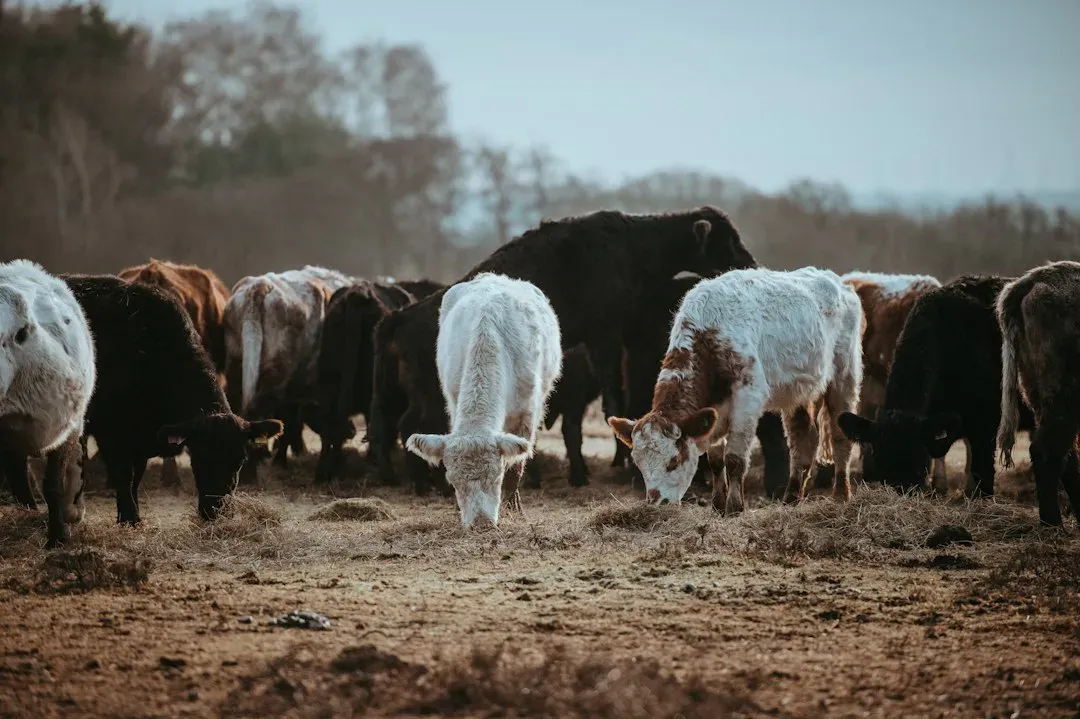
It is tempting to think of drought’s effect on animal agriculture as a one season problem, but the feed shortages it triggers tend to echo much longer. If drought conditions persist to the point that crops start failing, reduced yields could lead to higher prices for livestock feed, snowballing into more expensive meat and dairy products for years. Ranchers who cannot afford hay or grain either thin their herds or pay steep premiums to keep animals fed.
The current cattle cycle illustrates just how long this can drag on. Several years of drought, low cattle prices, and record-setting input and supply costs have led to a shrinking cattle herd, which, paired with strong consumer demand for beef, has pushed prices for beef and cattle to record levels. Analysts note that rebuilding a herd is not like restocking a warehouse. It takes years of careful breeding, which means the price effects of a single bad drought season can outlast the drought itself by half a decade or more.
Taken together, these eight patterns show that drought’s fingerprints on food prices are rarely where people expect to find them. A dry season in Vietnam lands on a coffee menu in another hemisphere. A ranching decision made under pressure in Texas echoes in grocery store meat cases years later. Prices, it turns out, have long memories, and so do the weather patterns that shape them.