

- The Compostable Cup Left Intact for Years – 5 Backyard Composting Failures - November 15, 2026
- Fast-Fashion “Conscious” Lines Under Scrutiny – 5 Red Flags in Eco-Clothing - November 15, 2026
- Space Engineers Explain 5 Quiet Changes Making Rocket Launches Safer Than Ever - November 15, 2026
Anyone who has driven out to a dark field expecting a dazzling sky, only to find a hazy, washed out mess overhead, knows that stargazing is never guaranteed. The night sky changes constantly, shaped by forces most people never think about until they’ve spent an hour shivering in the cold for nothing. Some of these factors are predictable and others show up almost at random, which is exactly why seasoned observers check several conditions before ever packing a telescope.
Understanding what actually separates a mediocre night from a spectacular one takes some of the guesswork out of planning. Below are the six biggest influences on how much of the universe you’ll actually get to see.
1. Moon phase and brightness
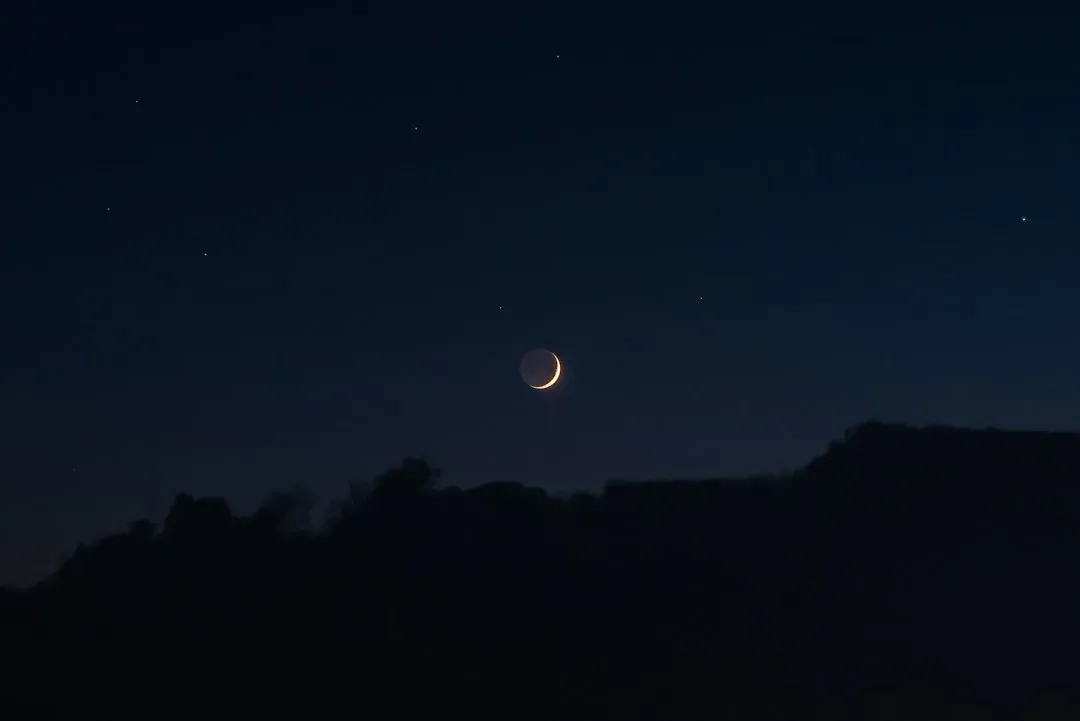
The moon is the single biggest variable most people overlook. A full moon floods the sky with reflected sunlight, and that glow can wash out faint stars, nebulae, and the Milky Way almost entirely, even from a reasonably dark location. Astronomers generally aim for the days around the new moon, when the sky stays darkest for the longest stretch of the night.
Even a half moon low on the horizon can brighten the sky enough to hide dimmer deep sky objects, so timing matters as much as location. Many stargazers now use moon phase calendars or apps to plan trips weeks in advance, since the moon’s cycle repeats roughly every twenty nine and a half days. Planning around a new moon window is one of the easiest, most reliable ways to guarantee darker skies without needing any special equipment.
2. Light pollution levels
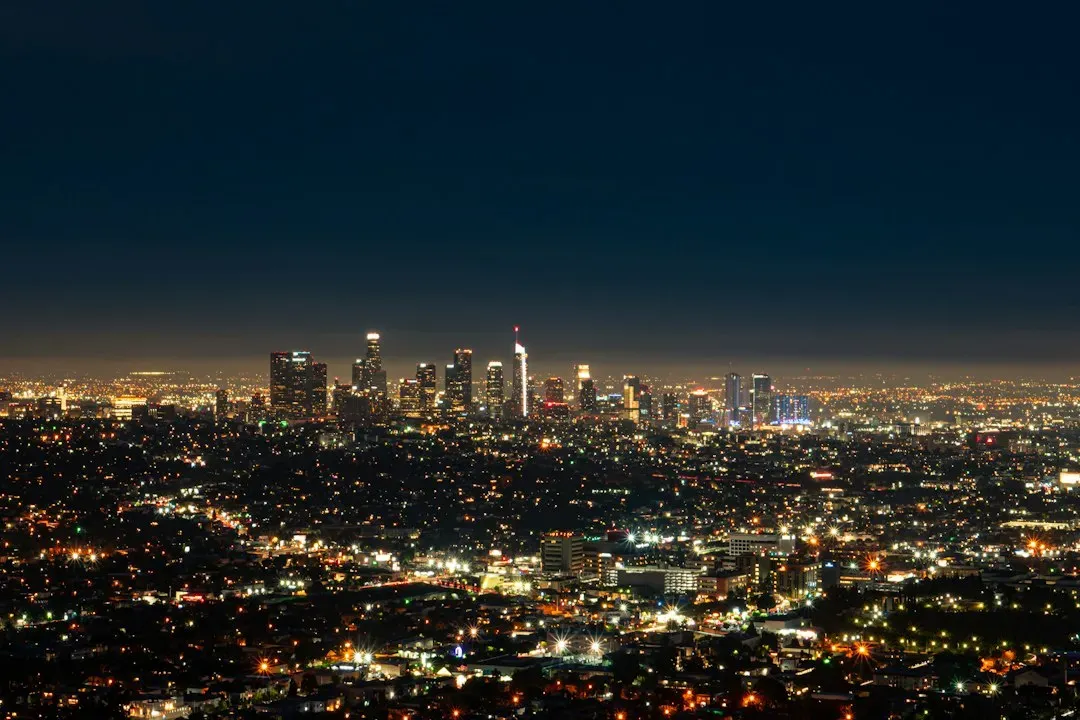
Artificial light from cities, highways, and even nearby homes scatters into the atmosphere and creates a persistent glow that can blot out all but the brightest stars. According to the Bortle scale, which rates sky darkness from one to nine, most people in developed countries now live under skies rated five or higher, meaning only a fraction of visible stars remain detectable. Organizations like the International Dark-Sky Association have spent years mapping these zones and certifying protected dark sky parks specifically because urban glow has become such a widespread problem.
Getting even twenty or thirty miles away from a major city can make a measurable difference in what becomes visible overhead. Many of the best stargazing destinations in North America, including spots in Utah, New Mexico, and parts of Canada’s rural interior, owe their reputation almost entirely to strict outdoor lighting ordinances. Choosing a genuinely dark location is often more important than any single piece of gear a person could buy.
3. Atmospheric transparency
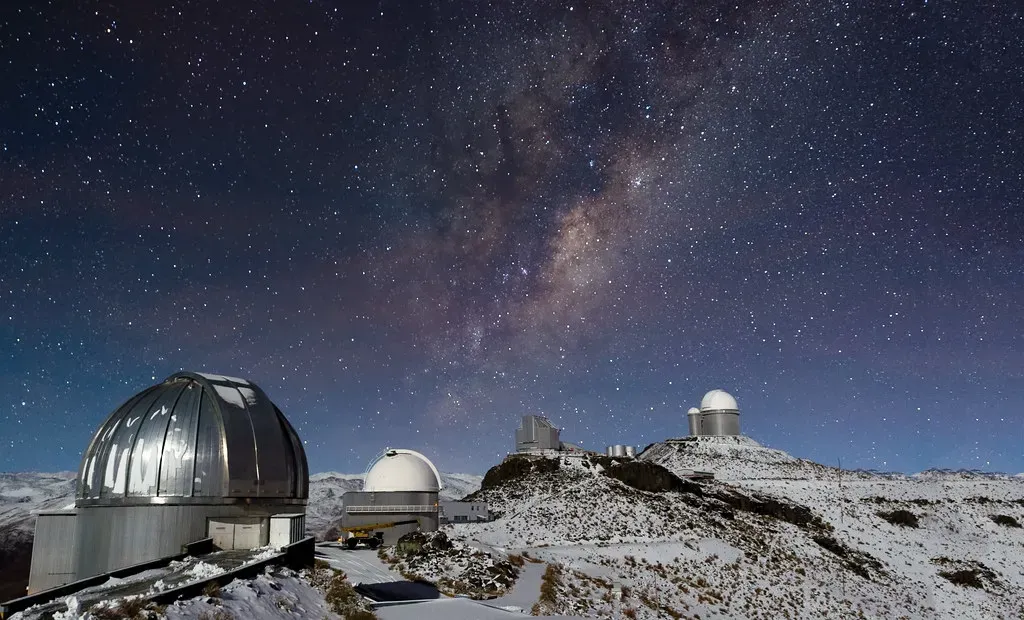
Transparency refers to how clear the air is, free of haze, humidity, smoke, or fine particulates that scatter light before it ever reaches the eye. Wildfire smoke, agricultural burning, and even high humidity on a summer night can quietly ruin visibility even under a perfectly clear, cloudless sky. This is part of why so many astronomers prefer high altitude locations, where thinner air holds less moisture and fewer suspended particles.
Weather services and specialized astronomy forecasting sites now track transparency separately from ordinary cloud cover forecasts, since the two don’t always align. A crisp autumn night after a cold front has passed through often delivers noticeably better transparency than a warm, humid evening, even when both nights look equally clear to the naked eye. Checking a transparency forecast before heading out has become a standard step for serious observers.
4. Atmospheric seeing conditions
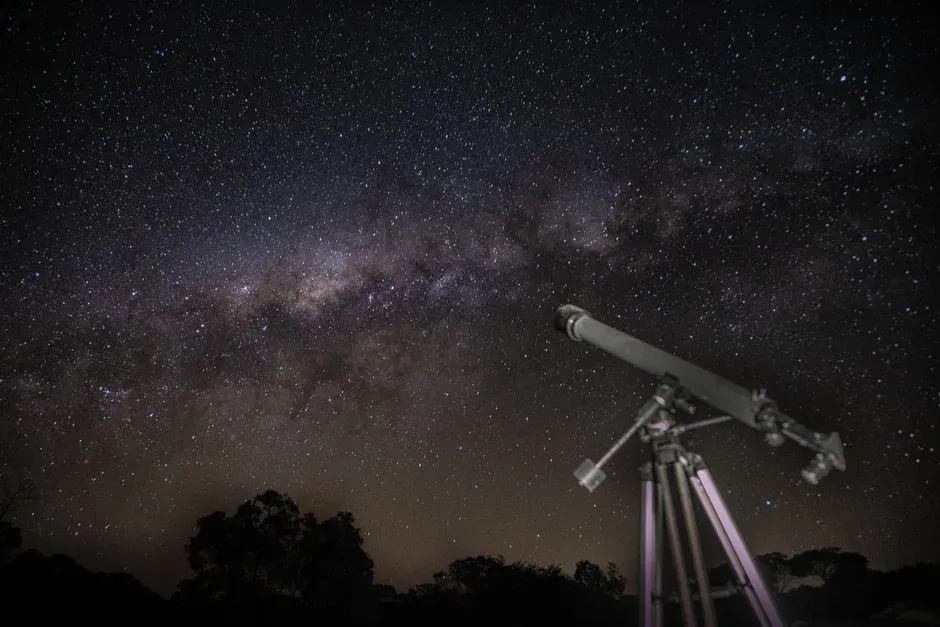
Seeing describes how stable the atmosphere is, and it has a much bigger effect on planetary and lunar detail than most casual stargazers realize. Turbulent air, caused by temperature differences between layers of atmosphere, makes stars twinkle more and blurs fine detail through a telescope, an effect that’s completely separate from transparency. Poor seeing can make a technically clear night nearly useless for viewing planetary features like Jupiter’s cloud bands or Saturn’s rings.
Professional observatories are often built on mountaintops specifically chosen for calm, stable air currents rather than just elevation alone. Amateur astronomers frequently judge seeing by how steadily bright stars shine near the horizon before a session even begins. A night with excellent transparency but poor seeing might still disappoint anyone hoping to study planetary detail up close.
5. Cloud cover and weather patterns
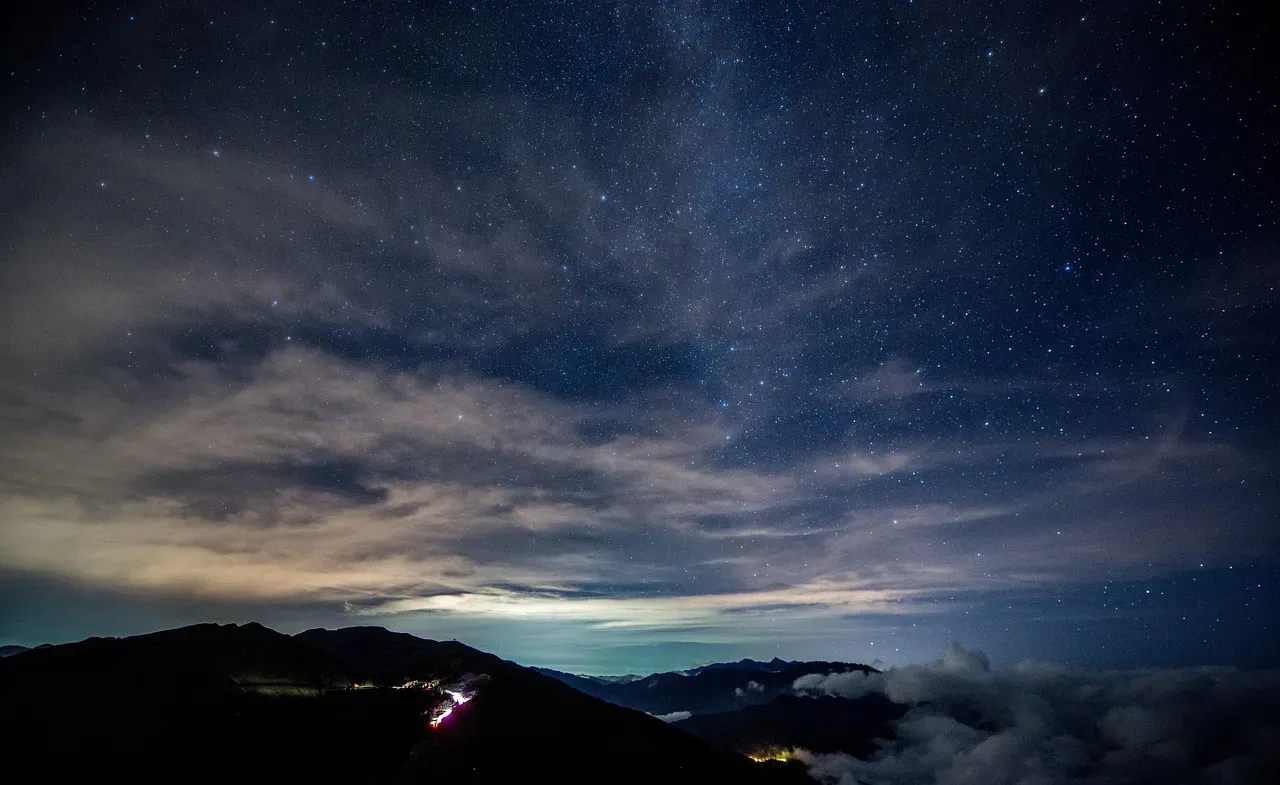
This one sounds obvious, but the details matter more than most people expect. Even scattered high altitude cirrus clouds, which can be nearly invisible to the naked eye at dusk, are often enough to blur or completely hide fainter objects throughout an entire session. Weather patterns tied to seasonal jet stream shifts also explain why certain regions see consistently clearer skies during specific months, such as the dry, stable autumn weather common across much of the American Southwest.
Modern stargazing apps increasingly pull data from multiple forecasting models rather than relying on a single source, since standard weather apps aren’t always built with astronomical clarity in mind. Sites like Clear Sky Charts have become popular among hobbyists precisely because they combine cloud cover, transparency, and seeing into a single, more useful overview. Checking several forecasts in the days leading up to a planned outing remains the most reliable way to avoid a wasted trip.
6. Time of year and Earth’s position
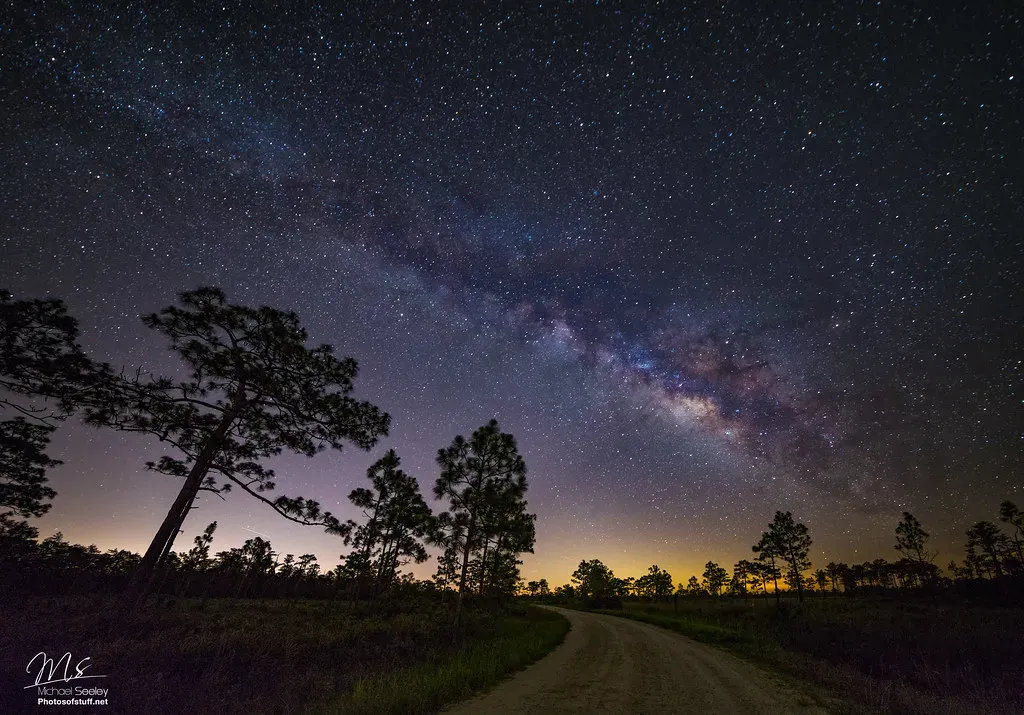
Seasonal changes affect visible constellations, the Milky Way’s position, and even how long true darkness lasts each night. During summer months in the Northern Hemisphere, the core of the Milky Way rises higher and stays visible for longer stretches, making it one of the best windows for wide field astrophotography. Winter, meanwhile, tends to offer longer nights overall along with crisper, drier air in many regions, which can improve both transparency and comfort for extended sessions.
Earth’s tilt and orbital position also determine which meteor showers, planets, and deep sky objects are visible at any given time, with events like the Perseids in August or the Geminids in December drawing dedicated crowds every single year. Solar activity adds another layer, since increased activity during solar maximum years has pushed auroras visible farther south than usual in recent seasons. Timing a trip around both the calendar and current solar conditions can meaningfully change what ends up visible overhead.
Put these six factors together and it becomes clear why two nights that look identical from a kitchen window can produce wildly different results once someone actually gets outside and looks up. A little planning around moon phase, location, and forecasted conditions consistently separates a forgettable evening from one worth remembering.
