


- The Planet Where It Rains Liquid Glass – 7 Alien Worlds Defying Known Physics - November 14, 2026
- Stars Consuming Entire Worlds – 6 Planetary Systems Swallowing Their Own Worlds - November 14, 2026
- The Ground Liquefies Like Water – 6 Silent Fault Lines Geologists Watch Closely - November 14, 2026
1. Latitude and distance from the equator
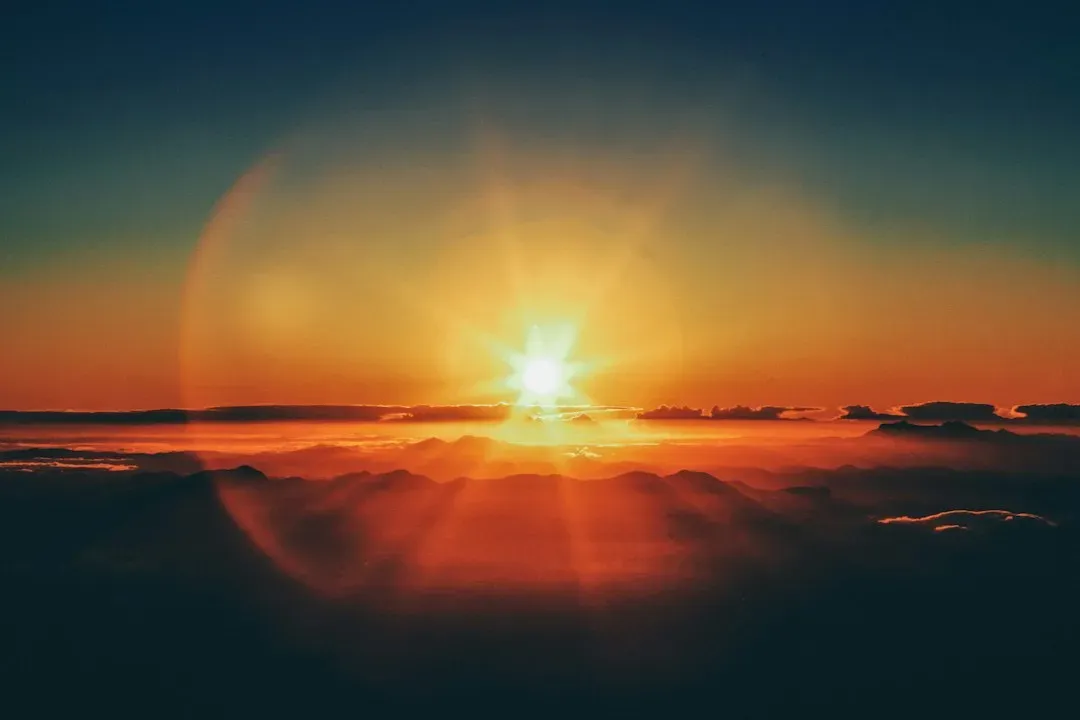
Latitude sets the baseline for almost everything else on this list. Regions closer to the equator receive more consistent sunlight and warmth year round, which means growing seasons there can stretch across the entire calendar. Move toward the poles and the angle of sunlight becomes shallower for much of the year, shrinking the window when temperatures stay warm enough for plants to thrive.
In the continental United States, this plays out clearly. Southern Florida and parts of southern Texas can support growing seasons of ten months or longer, while northern states like Minnesota or Maine often work with four to five months between frosts. That difference isn’t just about temperature extremes, it’s about how much total daylight and warmth accumulate over the year.
2. Elevation and local topography

Altitude cools things down fast. As elevation increases, air temperature typically drops, which means mountain valleys and high plateaus often see shorter growing seasons than nearby lowlands at the same latitude. A vineyard sitting at 3,000 feet can face a frost risk that a similar plot 1,000 feet lower simply doesn’t have.
Topography adds another layer of complexity. Cold air is denser than warm air, so it sinks and pools in valleys and low-lying areas, creating frost pockets that lag behind surrounding hillsides in warming up each spring. Farmers who understand this often plant more frost-sensitive crops on slopes rather than in the valley bottoms, precisely because those slightly higher spots avoid the coldest air settling at night.
3. Proximity to large bodies of water
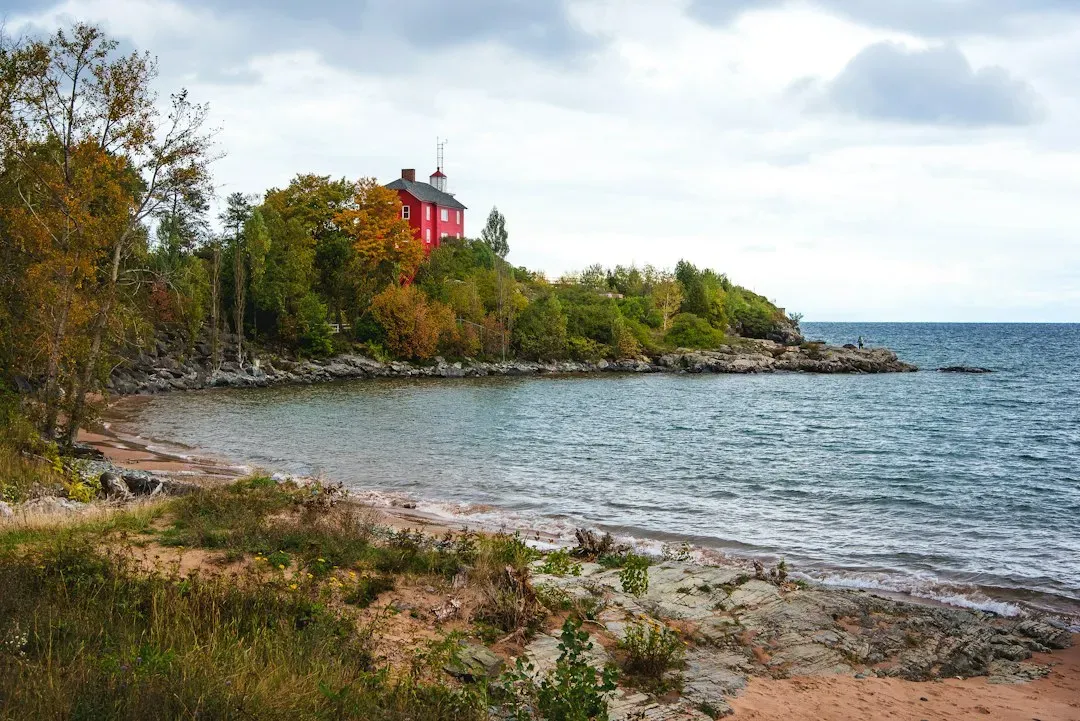
Oceans, lakes, and even large rivers act like thermal batteries, absorbing heat slowly and releasing it just as gradually. This moderating effect means coastal regions and areas near the Great Lakes tend to have milder, more stable temperatures than inland areas at the same latitude. The result is often a longer window between the last and first frost.
The Great Lakes region is a well documented example of this in North America. Areas downwind of the lakes, particularly in Michigan and parts of New York, benefit from a lake effect that delays fall frosts and softens spring cold snaps, which is part of why that region supports notable fruit growing industries despite its northern latitude. Coastal California and parts of the Pacific Northwest see similar benefits from the ocean’s moderating influence.
4. Prevailing weather patterns and climate shifts
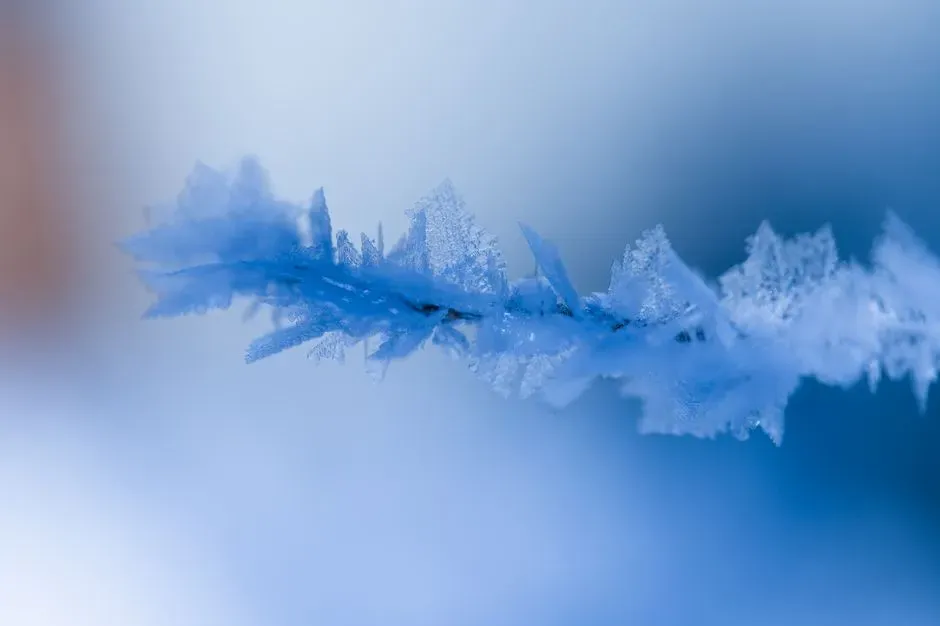
Growing seasons aren’t fixed numbers passed down through history, they shift as broader climate patterns change. Data from the National Oceanic and Atmospheric Administration and various university extension programs has shown that growing seasons across much of the United States have lengthened over recent decades, largely due to warmer average temperatures pushing back the timing of the first fall frost and moving up the last spring frost. This trend has continued into the mid 2020s, with many regions reporting frost free periods that run noticeably longer than the historical baselines used in older agricultural planning guides.
These shifts aren’t uniform, though. Some areas experience more erratic swings, with warmer averages but occasional late season cold snaps that still catch growers off guard. That inconsistency is part of why many farmers now rely on rolling averages and localized frost date tools rather than static almanac charts that were built on climate data from decades past.
5. Soil composition and drainage
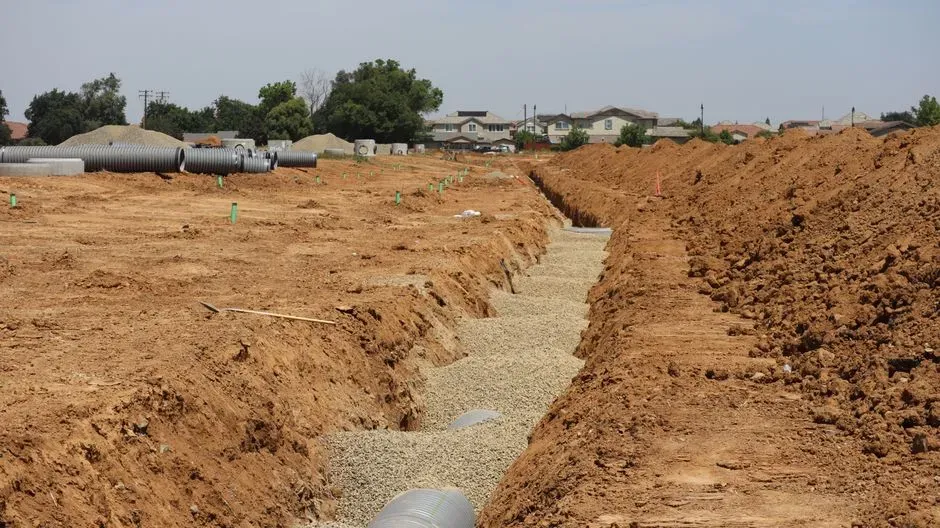
Soil doesn’t just feed plants, it influences how quickly the ground warms in spring and how well it retains that warmth. Sandy soils warm up faster because they drain well and hold less moisture, which can effectively extend the practical planting window in early spring. Heavy clay soils, by contrast, stay cold and wet longer, delaying when seeds can safely go into the ground even if air temperatures have already warmed.
Drainage matters just as much as texture. Waterlogged soil traps cold and can stunt root development even after the air warms, effectively shortening the usable portion of the growing season regardless of what the calendar says. This is why experienced growers often amend soil or install drainage systems specifically to gain extra weeks of productive planting time each year.
6. Local microclimates and human intervention
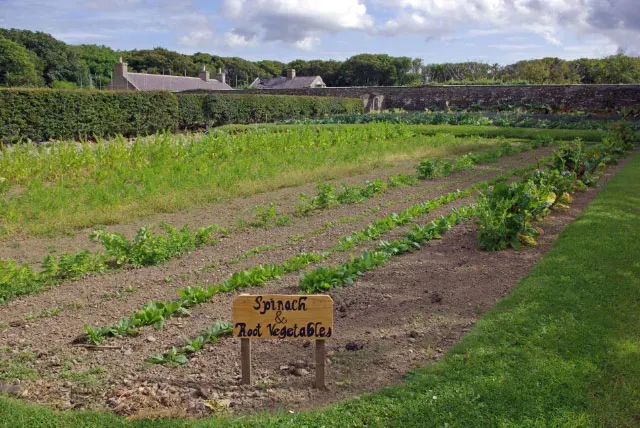
Every farm or garden sits inside its own microclimate, shaped by nearby structures, tree cover, wind exposure, and even the color of surrounding surfaces. A south facing wall can radiate stored heat and protect nearby plants from frost, effectively creating a pocket with a longer growing season than the open field just a few yards away. Urban areas experience this too, where concrete and asphalt store heat and create what’s often called an urban heat island, nudging frost dates later in fall and earlier in spring.
Human intervention can stretch a season further still. Row covers, cold frames, greenhouses, and high tunnels are widely used tools that allow growers to add weeks or even months to their effective growing window by shielding plants from frost and wind. Commercial operations increasingly use these techniques alongside climate data and soil monitoring to squeeze more reliable yields out of seasons that would otherwise be dictated entirely by geography and weather.
Every growing season is really a product of these overlapping forces working together, not any single variable acting alone. Latitude sets the broad framework, water and elevation adjust it locally, soil and microclimates fine tune it down to the individual field, and shifting weather patterns keep changing the numbers year over year. Growers who track these factors closely, rather than relying on outdated averages, tend to make better decisions about what to plant and when.