
1. Carbon footprint at the point of production

Paper bags look virtuous because they come from trees, but growing, harvesting, and pulping wood is energy intensive. The manufacturing process, where trees are turned into paper bags, produces 70 times more air pollution and 50 times more water pollution than plastic bag production. That energy burden carries a real carbon cost before the bag ever reaches a store shelf.
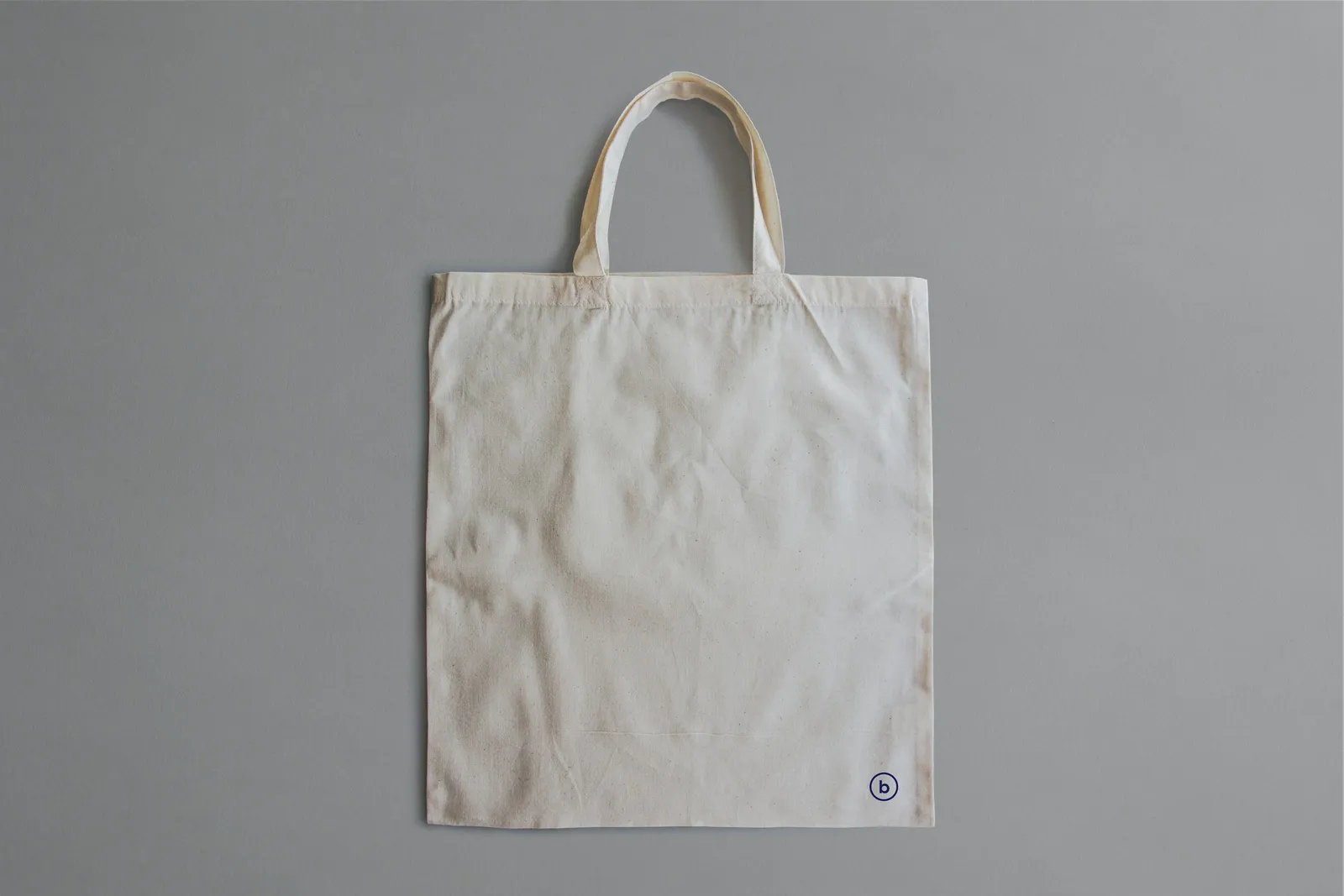
Reusable bags, especially cotton ones, carry an even steeper upfront climate price. According to the UNEP report, a cotton bag needs to be used 50 to 150 times to have less impact on the climate compared with one single-use plastic bag. Paper, by contrast, breaks even far sooner, since the average paper bag needs to be reused 3 times to neutralize its environmental impacts.
2. Water consumption during manufacturing
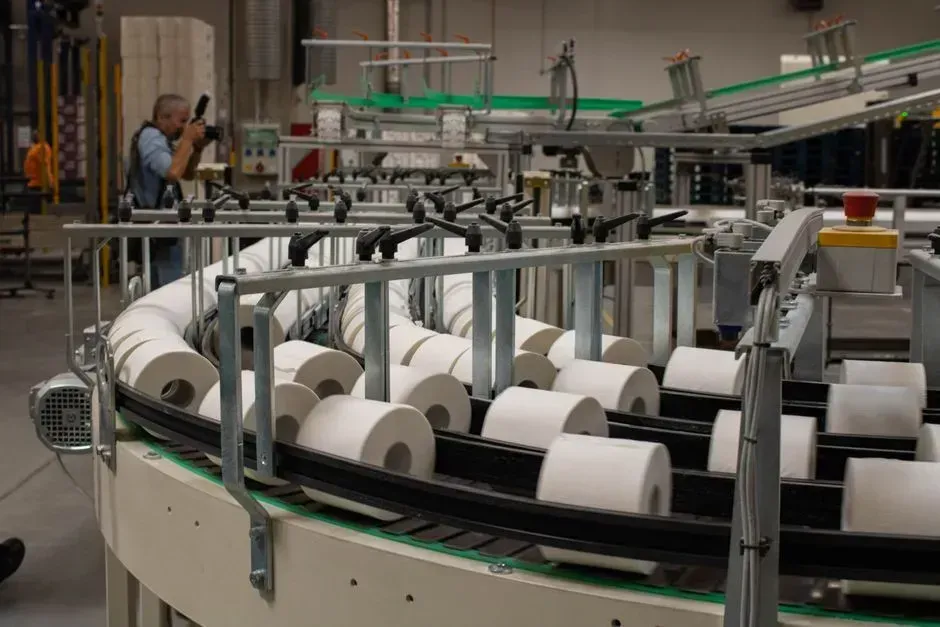
Paper production is thirsty work. The manufacturing process of a paper bag requires roughly four times as much water as a plastic bag according to a study done by the United Kingdom’s Environment Agency. Multiply that across billions of bags handed out annually and the water footprint becomes substantial.
Cotton reusable bags face a similar problem, only worse, particularly when the cotton is labeled organic. Because organic cotton yields are 30 percent less than conventional cotton, they need 30 percent more water and land to produce the same amount as conventional cotton. So the “greener” label on organic totes can actually mean a heavier water bill, not a lighter one.
3. How many uses it takes to break even
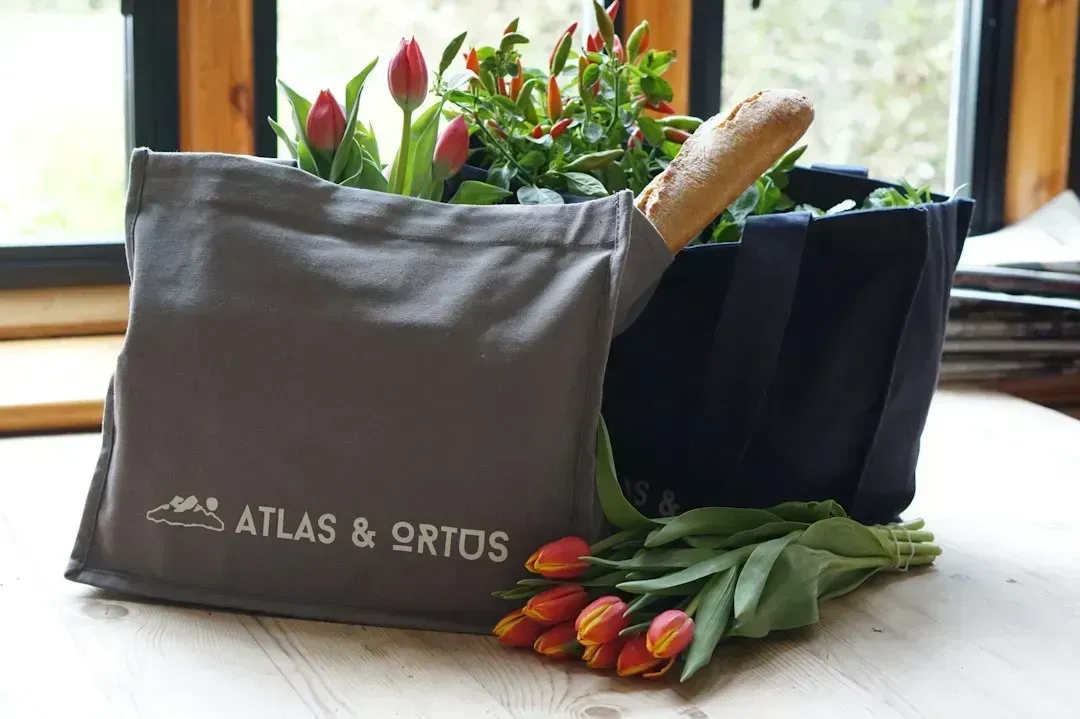
This is where the trade-off gets genuinely confusing for consumers, because the answer depends entirely on which environmental category you’re measuring. One study from the United Kingdom found that, regarding bag production, cotton bags have to be reused 131 times before they reduce their impact on climate change to the same extent as plastic bags. That number already sounds daunting, yet it only covers climate impact.
When researchers widen the lens to include every environmental indicator, not just carbon, the figures climb into territory that borders on absurd. A 2018 study by the Danish Environmental Protection Agency found that cotton bags would need to be used 52 times with regard to climate change, and up to 7,100 times considering all environmental indicators. Polypropylene reusable bags fare far better by comparison, needing 11 reuses to match, up to 26 when considering reuse as bin liners for plastic bags.
4. The organic cotton paradox
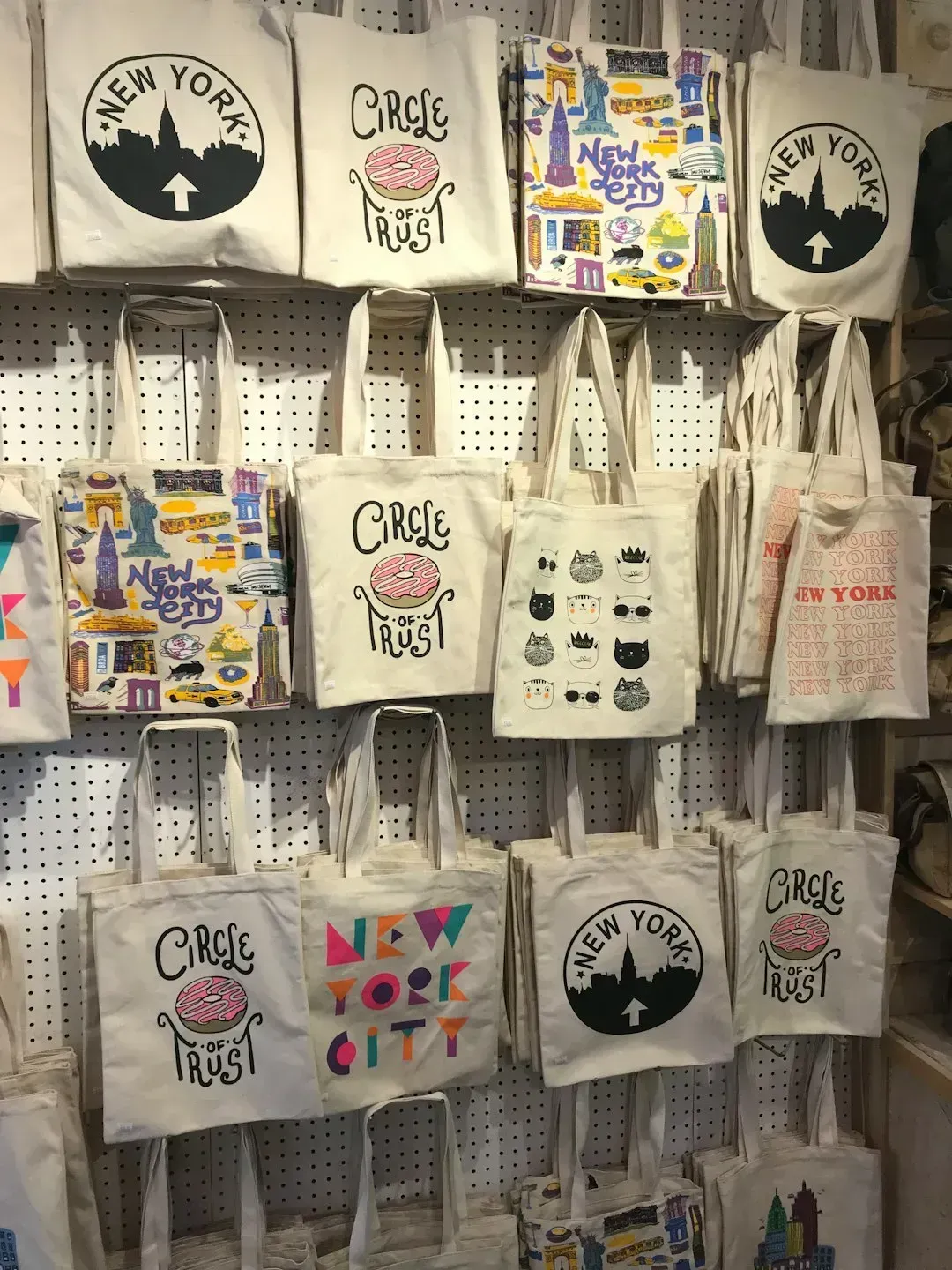
Shoppers who reach for organic cotton totes assuming they’re making the responsible choice may be surprised by what the data actually shows. Organic cotton bags need to be used 20,000 times to equal the environmental impact of plastic bags. That figure dwarfs even the already steep numbers for conventional cotton.
The math traces back to farming practices rather than the finished product itself. This is because organic cotton doesn’t use fertilizers and so production is around 20 to 40 percent lower yield than conventional cotton. Lower yields mean more land and water per bag, which quietly inflates the environmental cost of what feels like a wholesome purchase.
5. Solid waste and end of life disposal
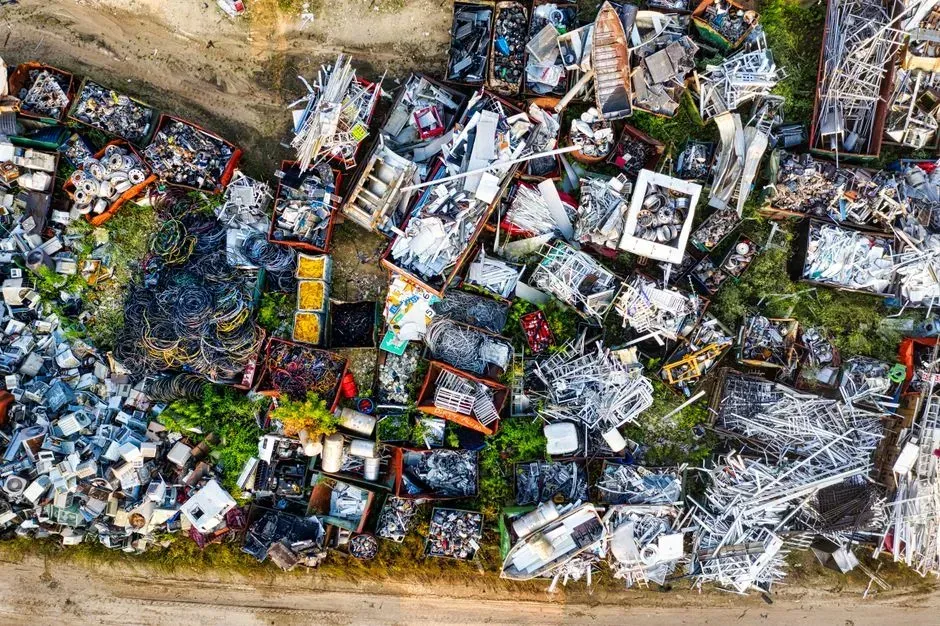
Paper’s biodegradability is often treated as its trump card, but volume tells a different story once bags are actually discarded. Using paper bags generates five times more solid waste than using plastic bags. Paper is bulkier, heavier, and takes up more landfill space per unit than its thin plastic counterpart, even though it eventually breaks down.
Reusable bags shift the waste problem rather than solving it outright, since they simply fail more slowly. A 2014 study of U.S. consumers found that the 28 percent of respondents who own reusable bags forgot them on approximately 40 percent of their grocery trips and used the bags only about 15 times each before discarding them. Fifteen uses falls well short of the breakeven point for almost any reusable material, which means many totes end up as waste before they’ve earned their environmental keep.
6. Unintended consequences of bag bans and behavior
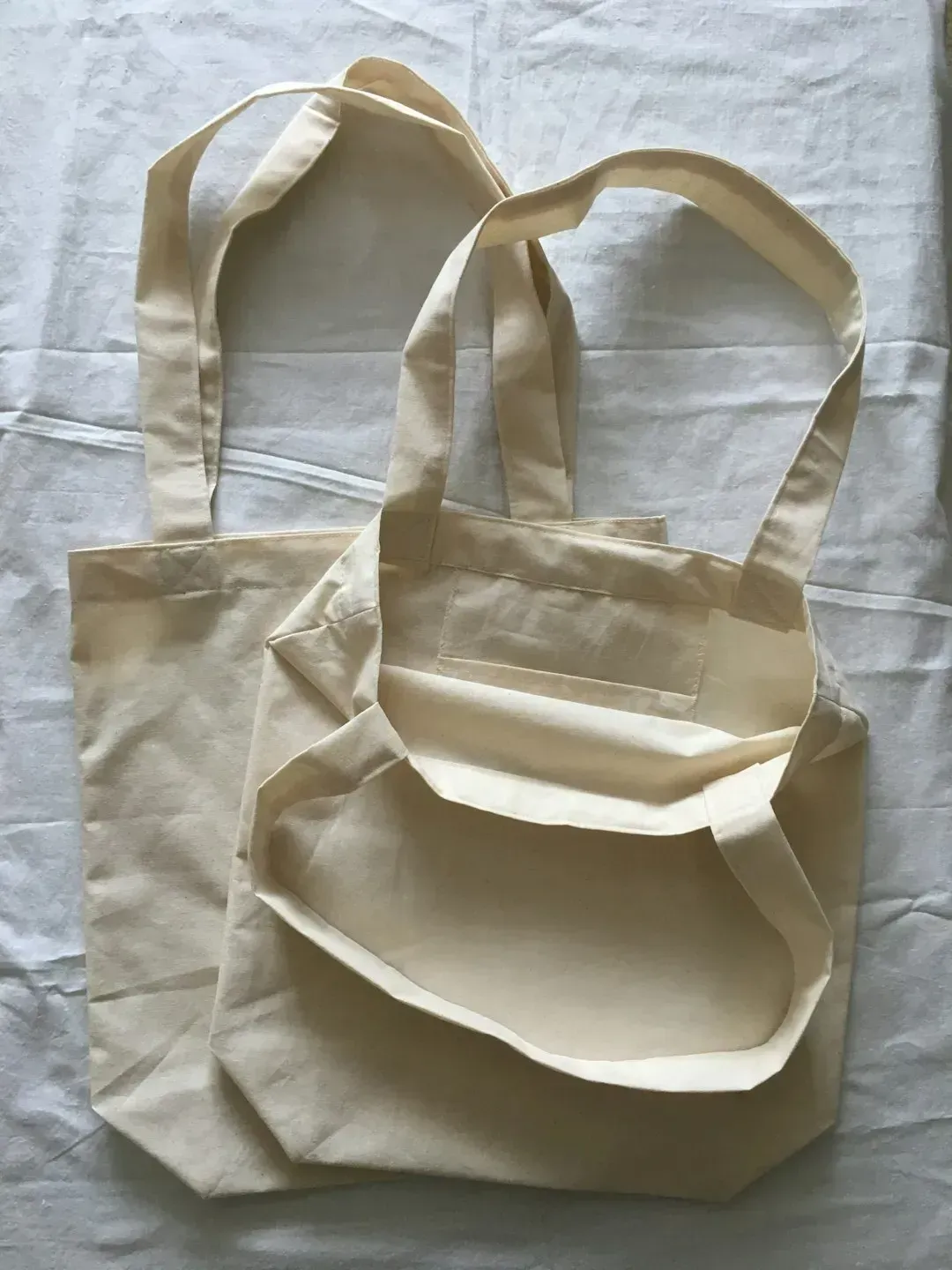
Policy aimed at reducing plastic bag use has, in several regions, produced side effects that undercut the original goal. In New Jersey, 2022’s ban on single-use plastic and paper bags has meant grocery delivery services have switched to heavy-duty bags. Customers on the receiving end now face a surplus of durable totes rather than a genuine reduction in material use.
The pattern shows up on household shelves too, where good intentions pile up as clutter rather than converting into consistent reuse. One writer covering this shift admitted to owning 15 cotton totes and 12 heavy-duty plastic bags stashed in a kitchen drawer, only a few of which see the light of day. When bags accumulate faster than they’re actually reused, the manufacturing impact from each one never gets amortized the way life cycle assessments assume it will.

- The Shoreline Sucked Dry in Seconds – 5 Tsunami Signals Beachgoers Mistake for Low Tide - November 14, 2026
- 9 Dark-Sky Destinations Around the World Where the Stars Look Unreal - November 14, 2026
- The Fault Line That Never Slips – 7 Locked Seismic Zones Overdue for a Massive Release - November 14, 2026
