
Long before satellites and computer models, a cold season could decide whether a family made it through until spring. Farmers stacked firewood, watched the sky, and paid close attention to the small living things around them. Some of what they noticed became rules of thumb, and some turned into stories that outlived the people who first told them.
A few of these methods sound charming, and a few sound downright odd. Reading a butchered pig’s spleen is not something most of us would put on a weather app. Still, each folk method tells us what people were worried about and how they tried to make an uncertain future feel a little more predictable.
The Woolly Bear and Its Rusty Band
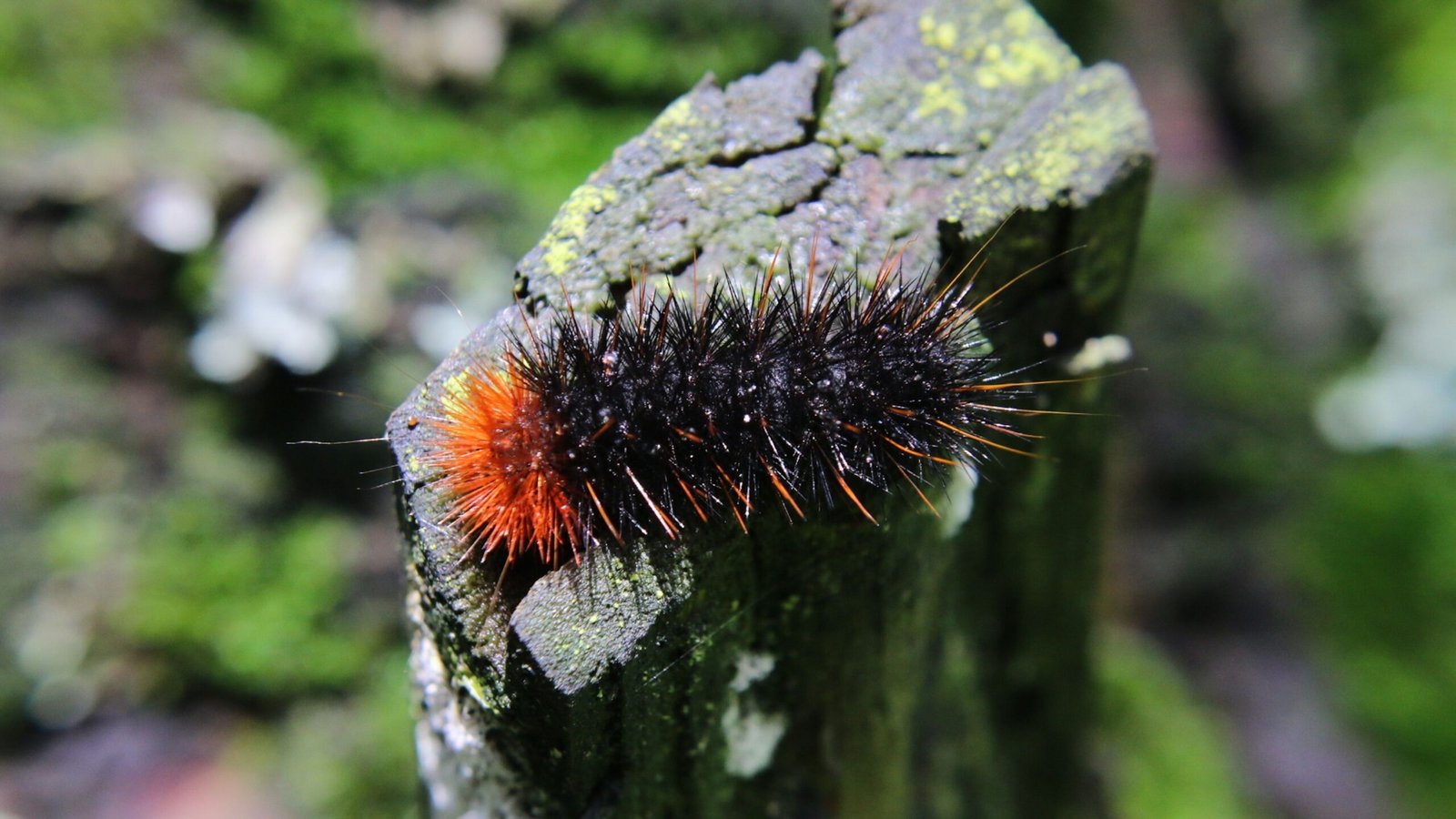
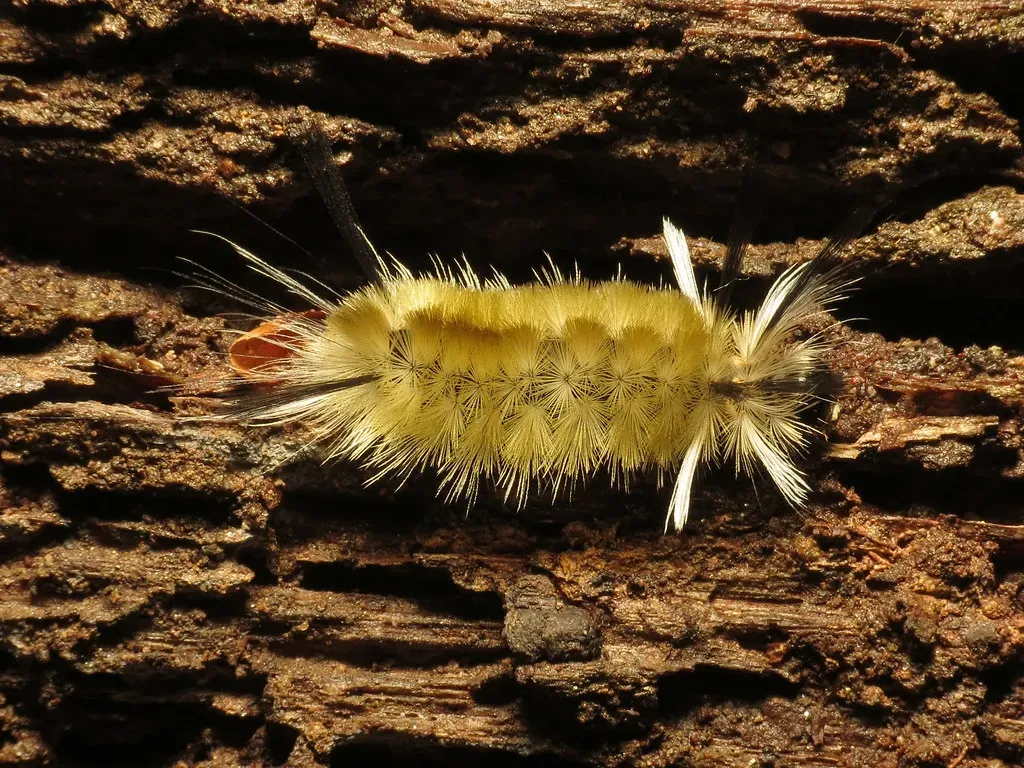
The woolly bear is the fuzzy black and rusty brown caterpillar that crosses roads and sidewalks in autumn. It’s the larva of the Isabella tiger moth, Pyrrharctia isabella. The best known rule says a wide rusty band around its middle means a mild winter, while a narrow band means a harsh one.
The legend has a real anchor in the twentieth century. In the late 1940s, Dr. C. H. Curran of the American Museum of Natural History took woolly bears from Bear Mountain, New York, and compared their bands with the winters that followed. His sample was small, and he treated the results as a fun exercise rather than a proven method. Even so, the story of a museum scientist testing the idea helped make it famous.
What Science Says About the Band
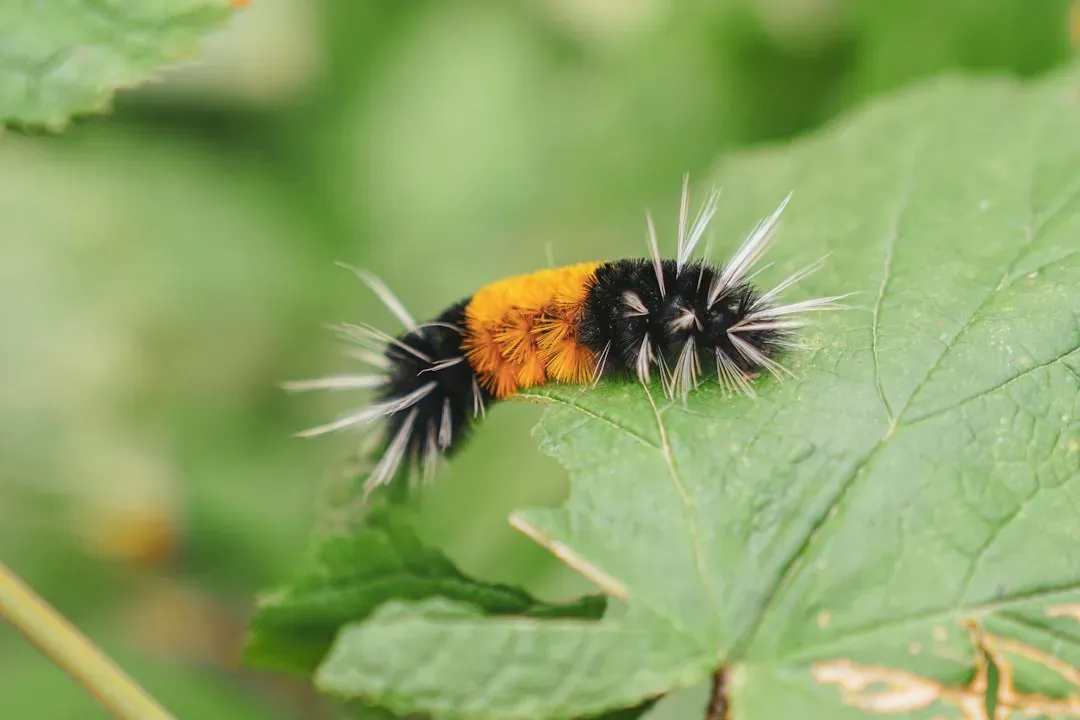
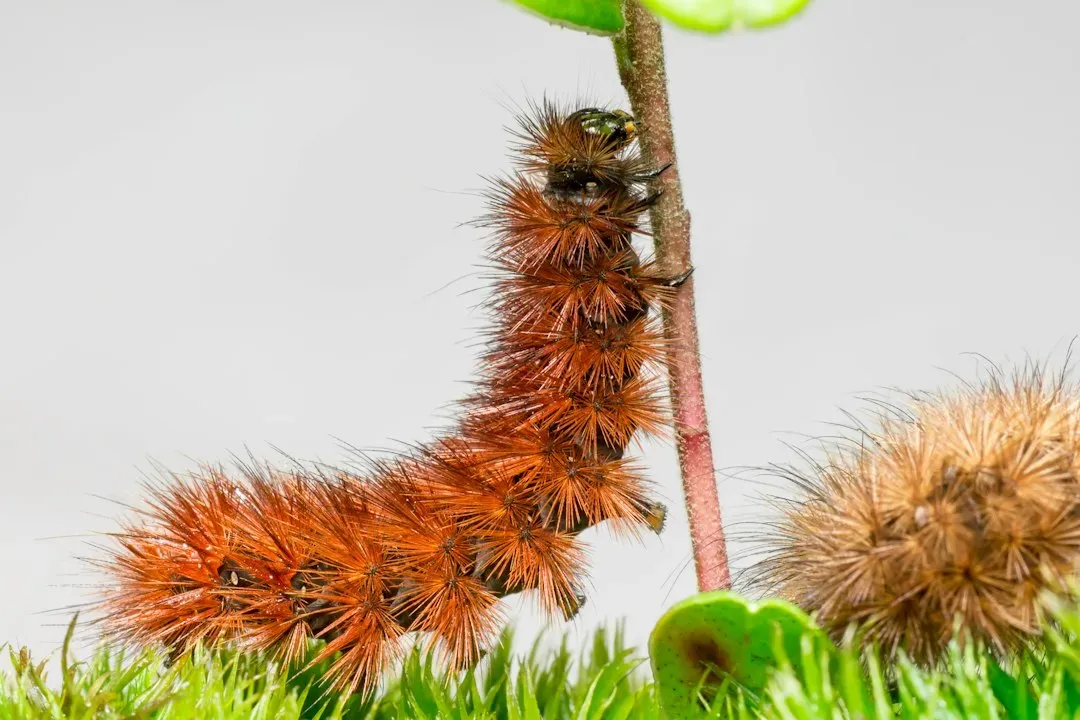
Entomologists explain the band in a much less mystical way. A woolly bear molts several times as it grows, and its rusty section tends to widen as it ages. Food quality, moisture, and the season’s temperatures during its growth also change how it looks.
So the caterpillar’s coat records the weather it has already lived through, not the weather ahead. Tests of the folklore have generally found no dependable link to the winter that follows. That’s a fair result, since a caterpillar has no known way to sense conditions months away.
Festivals That Keep the Caterpillar Famous
Belief may have faded, but the caterpillar’s celebrity hasn’t. The Woolly Bear Festival in Vermilion, Ohio, has been running since the 1970s and draws big autumn crowds with a parade and caterpillar races. In North Carolina, the Woolly Worm Festival in Banner Elk holds an official caterpillar race each October, and the winning worm’s stripes are read to produce the season’s forecast.
These events lean on tradition rather than proof, and organizers generally present them as fun. That’s honest enough, and it explains why the practice survives. A forecast you can hold in your hand is more memorable than a map full of pressure lines.
The Pig Spleen Method
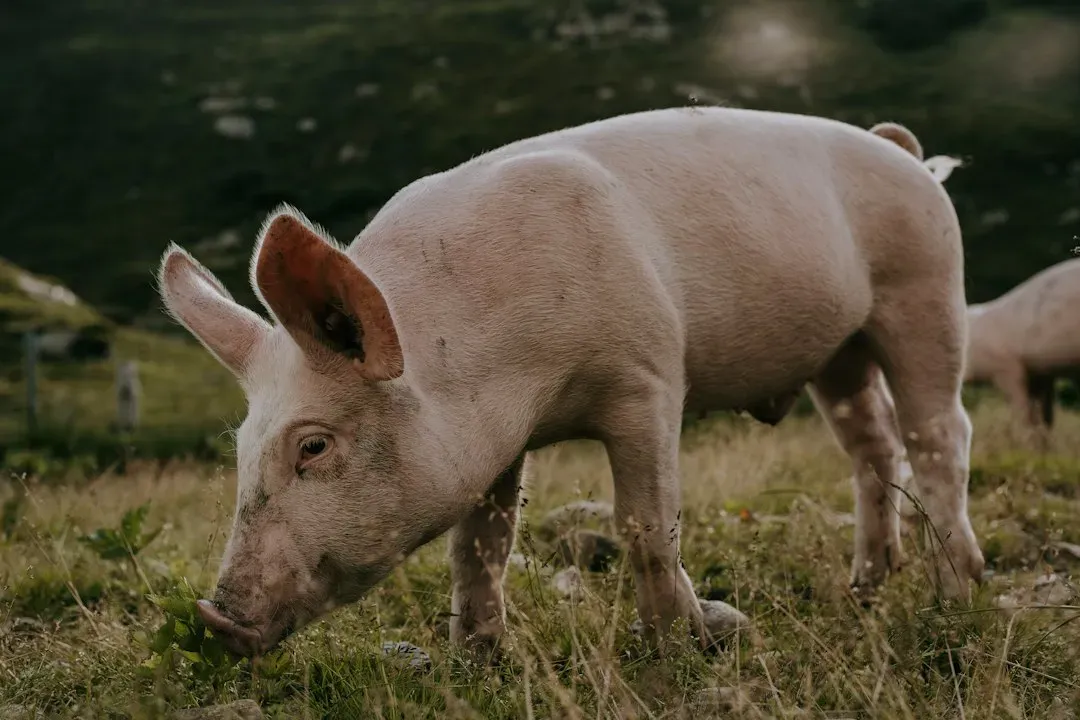
Among rural German American and Appalachian families, butchering time sometimes doubled as forecasting time. The tradition holds that the spleen of a hog, which is long and narrow, can be read like a calendar. Thick or dark sections were said to point to cold or stormy stretches, while thin sections suggested milder spells.
Accounts of the exact rules vary from region to region, which is usually a sign of a folk practice rather than a fixed system. There’s no scientific reason an internal organ would carry information about future weather. What it did offer was a ritual moment, right when the family was preparing food and supplies for the cold months.
Persimmon Seeds and the Winter Utensil
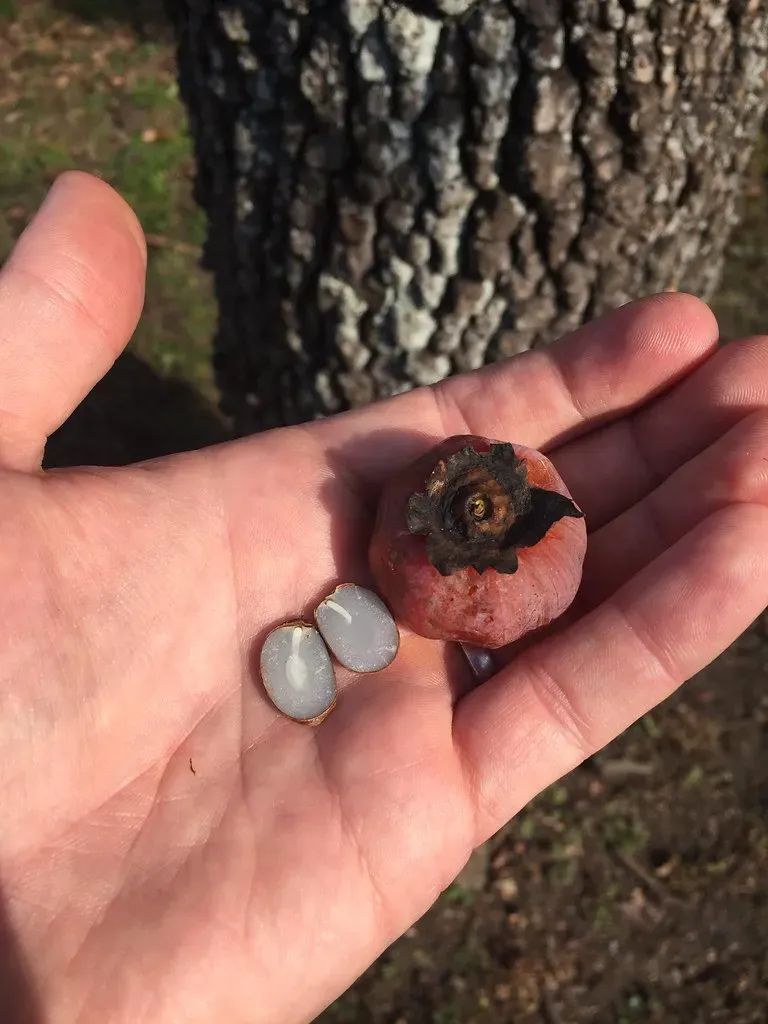
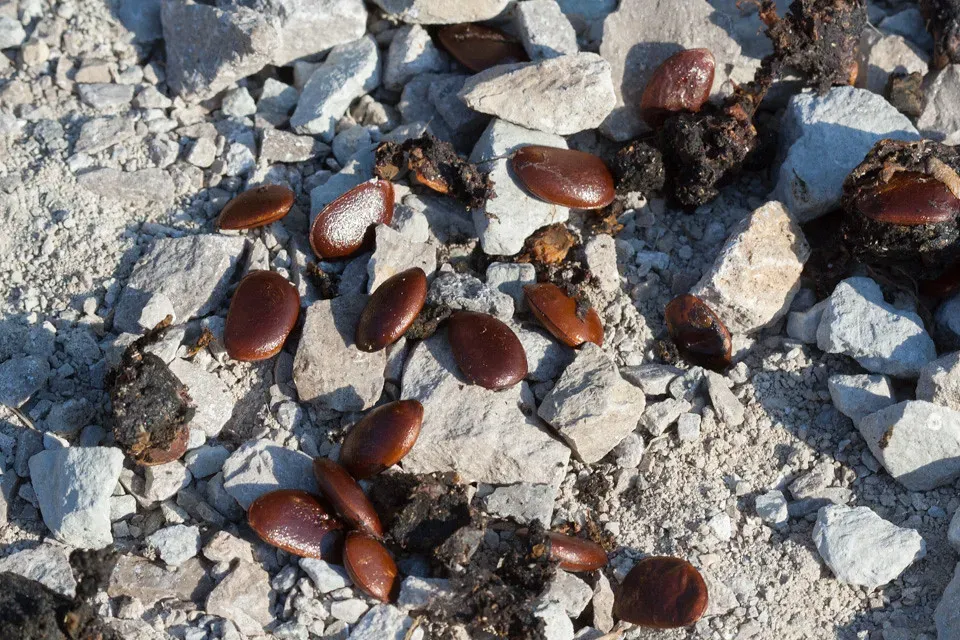
In parts of the American South and Midwest, people split open persimmon seeds in the fall and looked at the shape of the kernel inside. A spoon shape supposedly meant heavy, shovelable snow. A knife shape suggested cutting, icy winds, and a fork shape hinted at a milder winter.
The appeal is easy to see, since the seed gives you a clear symbol to interpret. Studies of the practice haven’t found reliable accuracy, and kernel shapes probably vary with growing conditions and seed development. It remains a popular seasonal curiosity in places like Indiana, where persimmon seed forecasts still turn up in local news each year.
Squirrels, Hornets, and Thick Corn Husks
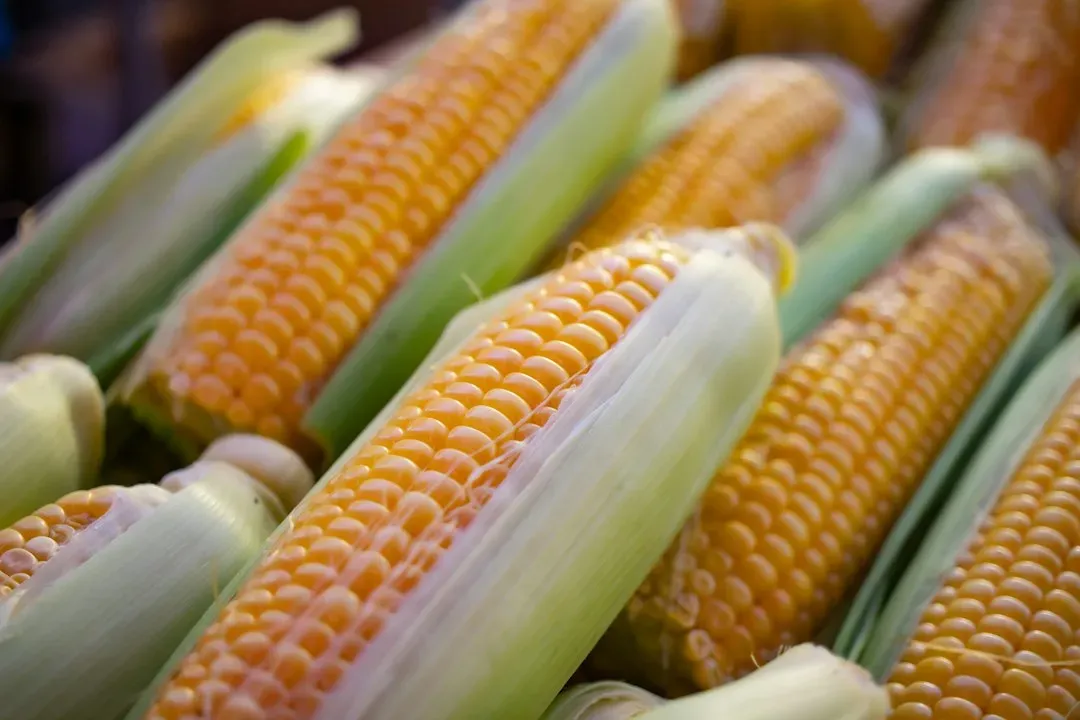
Plenty of other observations passed around kitchens and barns. Squirrels gathering nuts early, hornets building their nests high, and corn husks growing unusually thick were all read as hints of a tough winter. Thick fur on animals and heavy onion skins joined the list.
Most of these signs reflect the past rather than the future. Nut crops depend heavily on weather during the previous growing season, and animals gather food on schedules driven by daylight and supply. Hornet nests are also built fresh each year and abandoned before winter, so they can’t tell you anything about the cold to come.
Groundhog Day and Candlemas Weather Lore
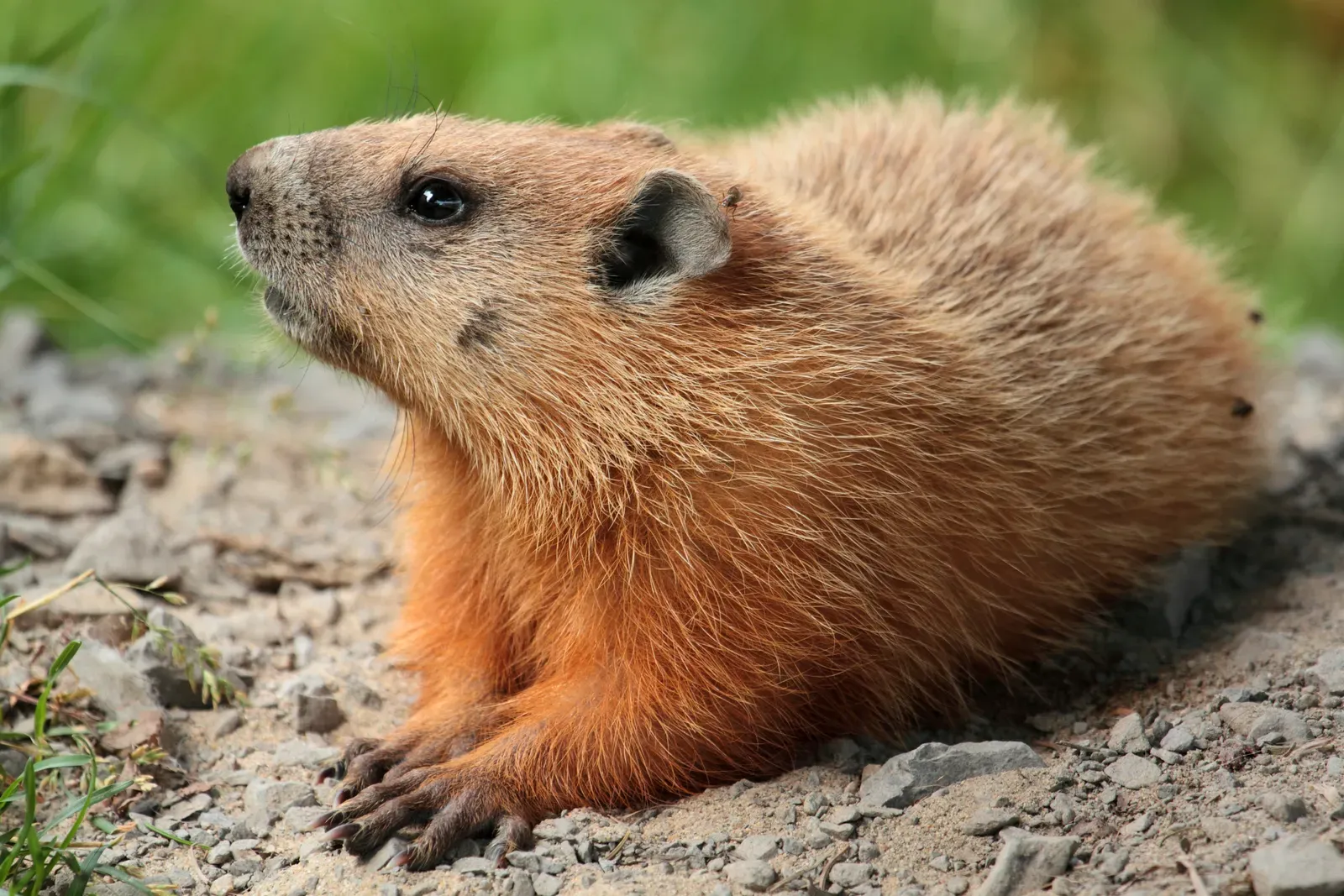
Groundhog Day is probably the most visible weather tradition in North America. Punxsutawney, Pennsylvania, has held its ceremony since 1887, with roots in older European Candlemas beliefs that connected clear weather on early February days with a longer winter. If Phil sees his shadow, the story goes, six more weeks of winter follow.
Climate records tell a modest story about the results. Analyses of past predictions, including those compiled by federal climate scientists, have put the groundhog’s success rate below what you’d expect from a coin flip. Yet the event keeps drawing thousands of visitors, which shows that people value the ritual more than the forecast itself.
How Winter Forecasts Actually Work Now
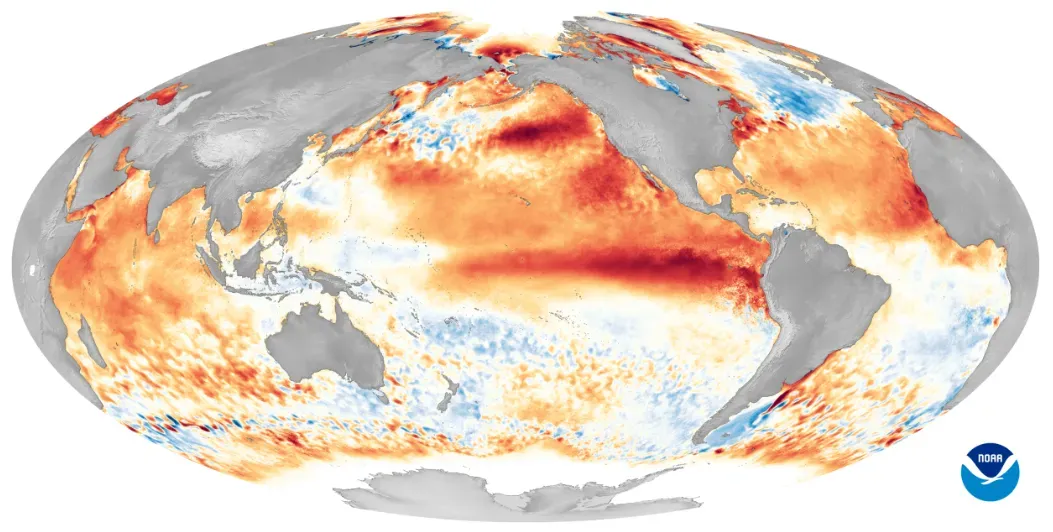
Modern seasonal outlooks rely on large scale patterns, not individual animals. The most important is the El Niño Southern Oscillation, the cycle of warmer or cooler surface water in the tropical Pacific that shifts storm tracks across North America. La Niña winters, for example, often lean cooler and snowier across the northern United States, though every winter can break the pattern.
In the United States, the National Oceanic and Atmospheric Administration’s Climate Prediction Center publishes seasonal outlooks that give probabilities, not certainties. They can say a region is more likely to run warmer or wetter than usual, but they can’t promise a particular snowstorm. That honesty about uncertainty is the biggest difference between a scientific forecast and a folk sign.
Why the Old Signs Still Appeal
Folk forecasts work partly because they’re easy to remember and easy to test in your own yard. If a winter turns out cold after a narrow caterpillar band, people recall the match and forget the misses. Psychologists call this confirmation bias, and it helps keep old rules alive.
They also connect people to the seasons in a way a phone alert doesn’t. Checking a caterpillar or a seed encourages you to look closely at the world outside. For most people today, that’s the real value, and a coat, a shovel, and the official forecast are still better preparation for winter.
Final Thoughts
The woolly bear, the pig spleen, and the persimmon seed have never held up as reliable forecasting tools. Their bands, shapes, and markings reflect biology and past conditions, not the months ahead.
What they preserve is a habit of paying attention. For an accurate picture of the coming winter, seasonal outlooks from agencies like NOAA are the sound choice, while the old signs remain a good excuse to step outside and look.

- The Shoreline Sucked Dry in Seconds – 5 Tsunami Signals Beachgoers Mistake for Low Tide - November 14, 2026
- 9 Dark-Sky Destinations Around the World Where the Stars Look Unreal - November 14, 2026
- The Fault Line That Never Slips – 7 Locked Seismic Zones Overdue for a Massive Release - November 14, 2026
