


- Phantom Energy Sucking Power 24/7 – 7 Home Electronics Quietly Inflating Utility Bills - November 14, 2026
- A Million-Mile Storm Raging for Centuries – 6 Violent Weather Wonders in Our System - November 14, 2026
- Animals Flee Hours Before the Tremor – 7 Natural Warnings Before Disasters Strike - November 14, 2026
Ask an astronomer what got them hooked on the sky and you’ll often hear about a night under dark skies. Sometimes it was a television series watched at just the right age. Space documentaries have a long track record of pulling people toward science, and that’s still true in 2026.
No single official poll of astronomers exists, so this list works differently. It leans on documentaries that are built around working scientists and get recommended again and again in reputable roundups from PBS NOVA, Common Sense Media and TelescopeGuides. Each pick below comes with the reason it earns a spot.
Cosmos: A Personal Voyage
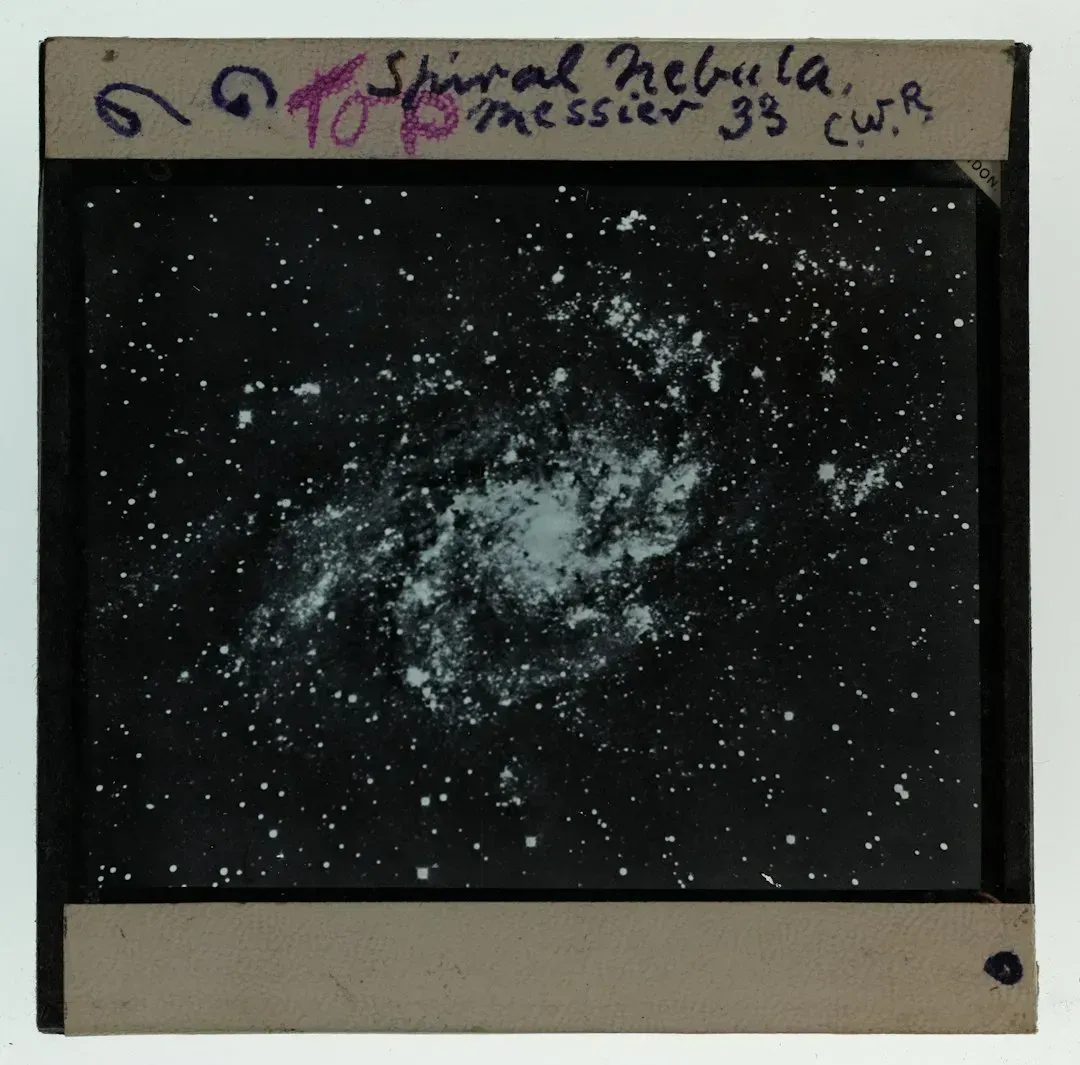
The original series was led by the astronomer Carl Sagan, who guides viewers through the universe’s elements and the theories of cosmology. IMDb’s description calls it an engaging guided tour of the universe. Sagan created it with Ann Druyan and Steven Soter, so the project had real scientific backing from the start.
It’s the older, slower style of science television, and that’s part of its charm. Sagan takes time to explain an idea before he moves on. Astronomers who grew up with it often point to that patience as what makes it hold up. TelescopeGuides even suggests pairing Cosmos with a recent planet or Apollo documentary if you only want one classic and one modern pick.
Cosmos: A Spacetime Odyssey
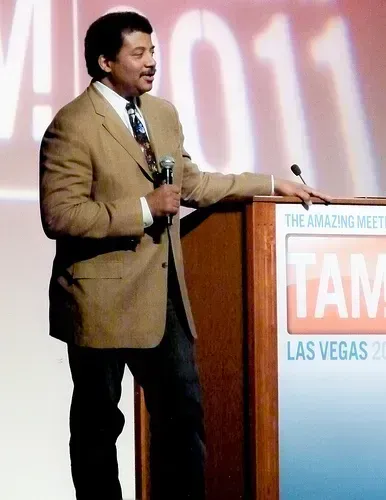
This is the modern successor, with Neil deGrasse Tyson as host. Tyson takes viewers through space and time, from the Big Bang to the evolution of life on Earth. He’s an astrophysicist, so the series carries the voice of a working scientist.
It’s the easiest entry point on this list for newcomers. The visuals are big and the episodes are built to be watched one at a time. If Sagan’s original feels dated, this version covers similar ground with far more modern computer graphics.
The Planets
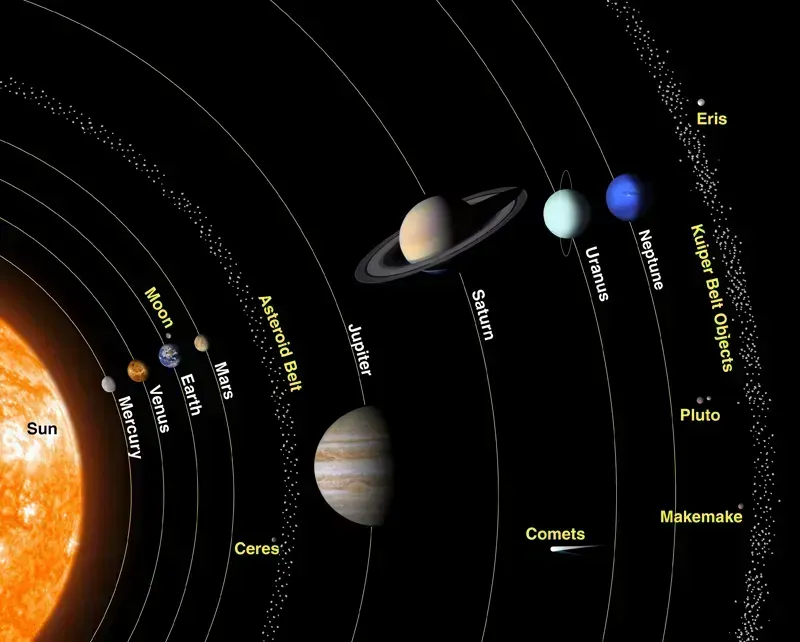
This BBC series is a tour of the solar system, one world at a time. TelescopeGuides describes it as a comprehensive look at our solar system’s bodies, mixing visual effects with real images from space missions. That blend gives it the feel of an interplanetary trip rather than a lecture.
What sets it apart is the cast of people who actually study these places. Brian Cox appears alongside planetary scientists Fran Bagenal and Alan Stern. Stern is best known for leading NASA’s New Horizons mission to Pluto, so his presence adds real credibility to the outer solar system episodes.
Stephen Hawking’s Universe Series

Hawking’s cosmology series takes on the biggest scale imaginable. It looks at the entire universe, from the Big Bang to the end of time. Few subjects are harder to explain, and the series works hard to keep the ideas approachable.
This one suits viewers who want to think rather than just look. It leans on concepts like time, gravity and the origin of everything. Watch it when you have room to pause and let a big idea sink in.
NOVA: Black Hole Apocalypse
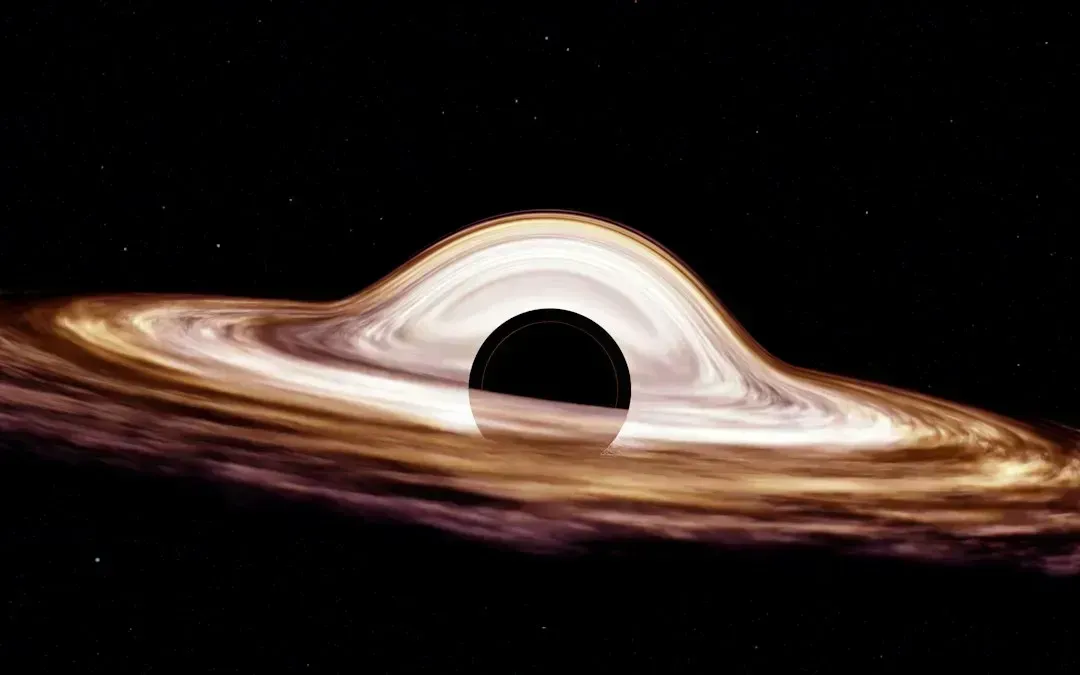
Black holes are a favorite topic among astronomers, and NOVA has a strong record of covering them. Blackhole Apocalypse looks at current research, including the event horizon, singularity and Hawking radiation. It treats the science seriously without assuming you already know the vocabulary.
PBS has been producing space programming for a long time. NOVA says it has explored the cosmos for almost 50 years, from our solar system to the edge of a black hole. That long experience shows in how clearly it explains difficult physics.
Ultimate Space Telescope
This 2022 documentary focuses on the James Webb Space Telescope, arguably the most important observatory of the current era. It covers the unfolding sunshield, near infrared sensors, launch delays and budget concerns. Those engineering hurdles are a big part of why Webb’s success feels earned.
The payoff came when Webb began sending images home. NASA released its first images in July 2022, looking further back in time than ever before. Since then astronomers have kept working through the data, so this documentary makes a good starting point for following the results.
