

- Phantom Energy Sucking Power 24/7 – 7 Home Electronics Quietly Inflating Utility Bills - November 14, 2026
- A Million-Mile Storm Raging for Centuries – 6 Violent Weather Wonders in Our System - November 14, 2026
- Animals Flee Hours Before the Tremor – 7 Natural Warnings Before Disasters Strike - November 14, 2026
Almost everyone has a book like this on a shelf. It’s the serious, well-reviewed title you bought with good intentions, and the bookmark is still stuck somewhere in the first third.
Science books are especially prone to this. They’re bought as much for what they say about the reader as for what’s inside, and they often ask for more patience than the cover suggests. The ten below are famous, widely owned, and often left unfinished. Being unfinished isn’t a mark against them. It’s a fair description of how ambitious nonfiction gets read.
A Brief History of Time by Stephen Hawking

Published in 1988, this is the standard example of the unfinished science book. It has sold in the tens of millions worldwide and turned a theoretical physicist into a household name. It also gave its name to the Hawking Index, an informal measure proposed by mathematician Jordan Ellenberg in 2014.
The index used the passages Kindle readers highlighted most often, then checked how far into each book the last popular highlight appeared. Hawking’s book landed very early, at only a small fraction of the way through. The method is rough, since highlights aren’t the same as reading, but it gave a name to something readers already suspected.
Thinking, Fast and Slow by Daniel Kahneman
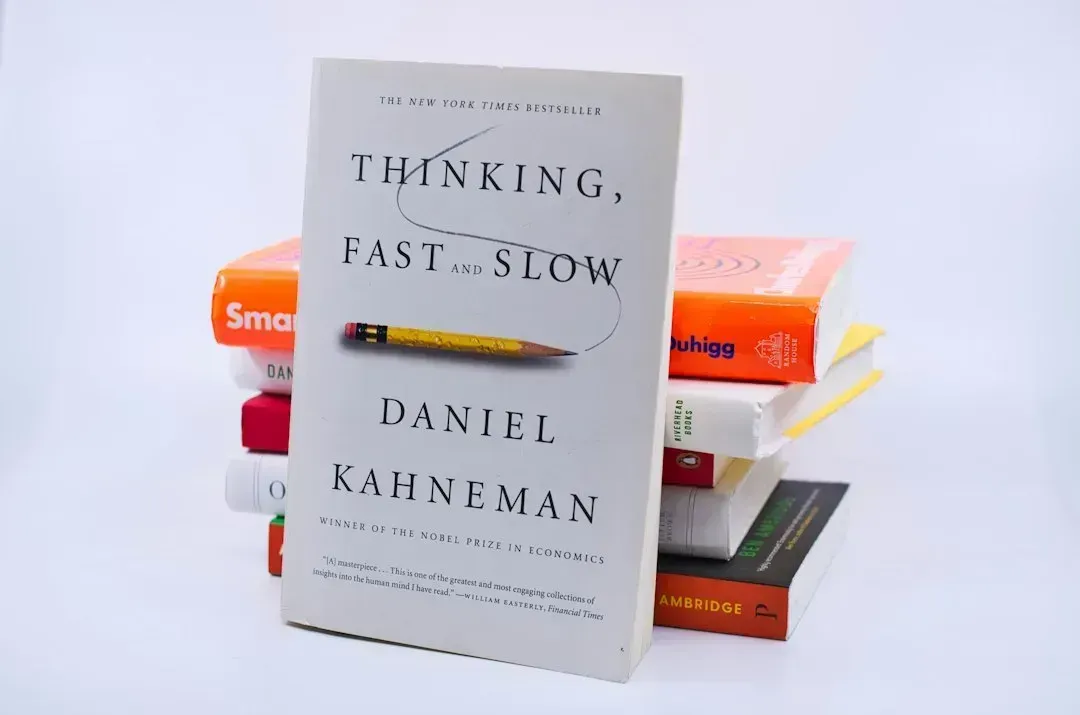
Kahneman’s 2011 book explains how the mind moves between quick intuition and slow deliberate reasoning. Kahneman won the Nobel Prize in economics in 2002, and he died in 2024, which brought fresh attention to his work. The ideas are vivid, and most readers can recall a few of them long after they stop reading.
The trouble is length and density. The book runs to hundreds of pages of experiments, and the examples start to blur in the middle. In Ellenberg’s Kindle analysis it scored much like Hawking’s book, so the pattern of readers drifting away early isn’t unique to physics.
Gödel, Escher, Bach by Douglas Hofstadter
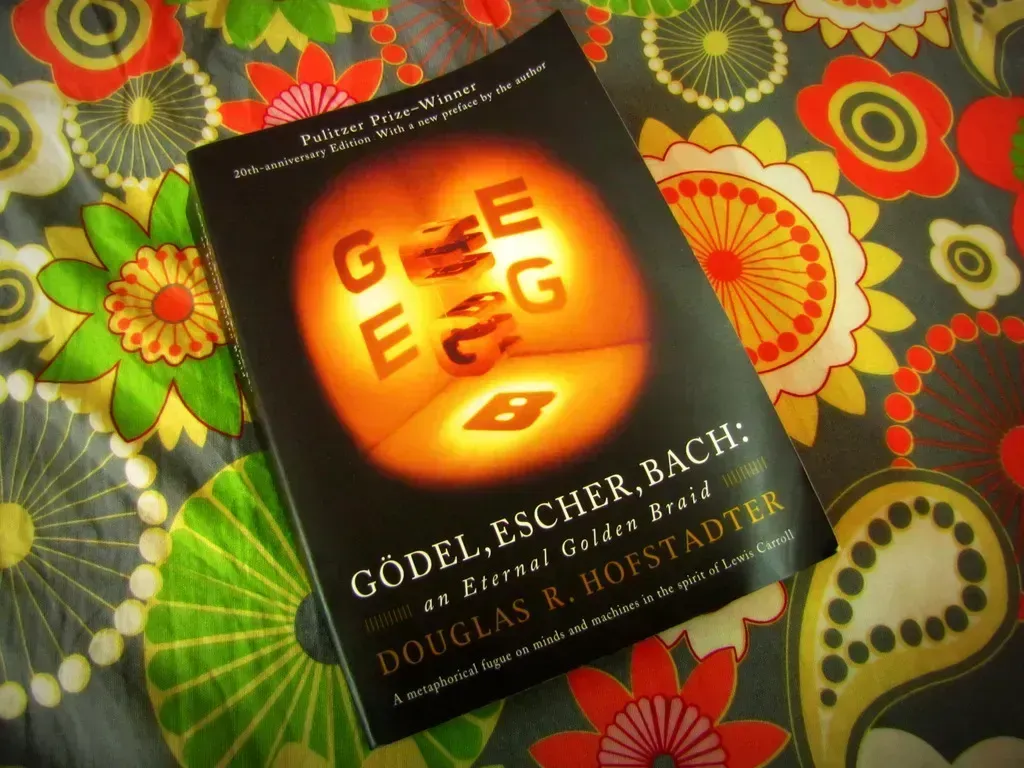
This 1979 book won the Pulitzer Prize for general nonfiction, and it has a cult following among programmers and mathematicians. It weaves together logic, music, art, and the nature of consciousness through dialogues and wordplay. Few books are as playful, and few are as demanding.
It’s also very long, and its central argument about self reference takes real effort to follow. Many readers buy it for the reputation and the striking cover. Those who finish it tend to describe it as an undertaking rather than a casual read.
The Selfish Gene by Richard Dawkins

Dawkins published this in 1976, and it popularized the view of evolution centered on genes rather than whole organisms. It’s also where the word meme first appeared, long before the internet borrowed it. A 40th anniversary edition came out in 2016, so the book has stayed in print and in conversation.
The opening chapters are lively and accessible. Later sections lean on game theory and detailed evolutionary reasoning, which can slow newcomers down. Plenty of people know the famous ideas secondhand and never reach the final chapters.
On the Origin of Species by Charles Darwin
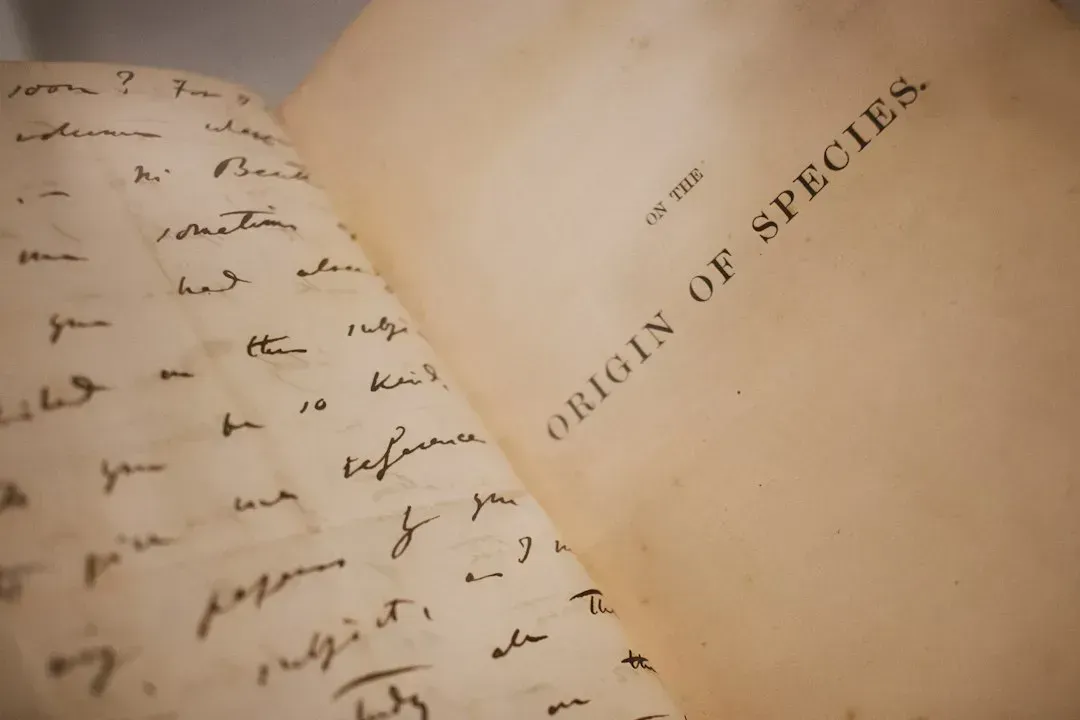
Darwin’s 1859 book is one of the most cited works in the history of science, and it’s often bought as a matter of principle. Its argument is laid out patiently with pigeons, barnacles, and geographic distribution. Freely available editions mean it’s easy to own without ever opening.
The prose reflects Victorian habits, with long sentences and a heavy accumulation of evidence. Darwin wrote it to persuade skeptical naturalists, not to entertain casual readers. Modern readers who stall often stop somewhere in the middle chapters on hybrids and instinct.
Cosmos by Carl Sagan

Sagan’s Cosmos appeared in 1980 alongside his television series of the same name. The series was later revived, with Neil deGrasse Tyson hosting a new version in 2014. Many people bought the book because of the shows, and they expected the same sense of wonder on the page.
The writing is warm and often beautiful, though it ranges widely across astronomy, history, and philosophy. Some chapters feel dated after decades of new discoveries. Readers tend to dip in for a favorite passage rather than read straight through.
Guns, Germs, and Steel by Jared Diamond

Diamond’s 1997 book won the Pulitzer Prize for general nonfiction. It asks why some societies developed powerful technology and disease resistance earlier than others. The scale is enormous, spanning thousands of years and several continents.
That scale is also the challenge. The argument builds through long stretches on crops, animals, and geography, and the payoff comes gradually. The book has drawn scholarly criticism over the years for oversimplifying, which makes it a good one to read critically, if you get that far.
The Emperor of All Maladies by Siddhartha Mukherjee

Mukherjee’s 2010 history of cancer won the Pulitzer Prize for general nonfiction in 2011. It follows the disease from ancient descriptions to modern treatments, mixing medical history with patient stories. It’s often recommended as one of the best works of medical writing.
It’s also long, and the subject is heavy. The emotional weight, combined with a dense timeline of researchers and trials, makes it a book many readers set down and mean to return to. Those who finish it often say the effort was worth it.
The Elegant Universe by Brian Greene
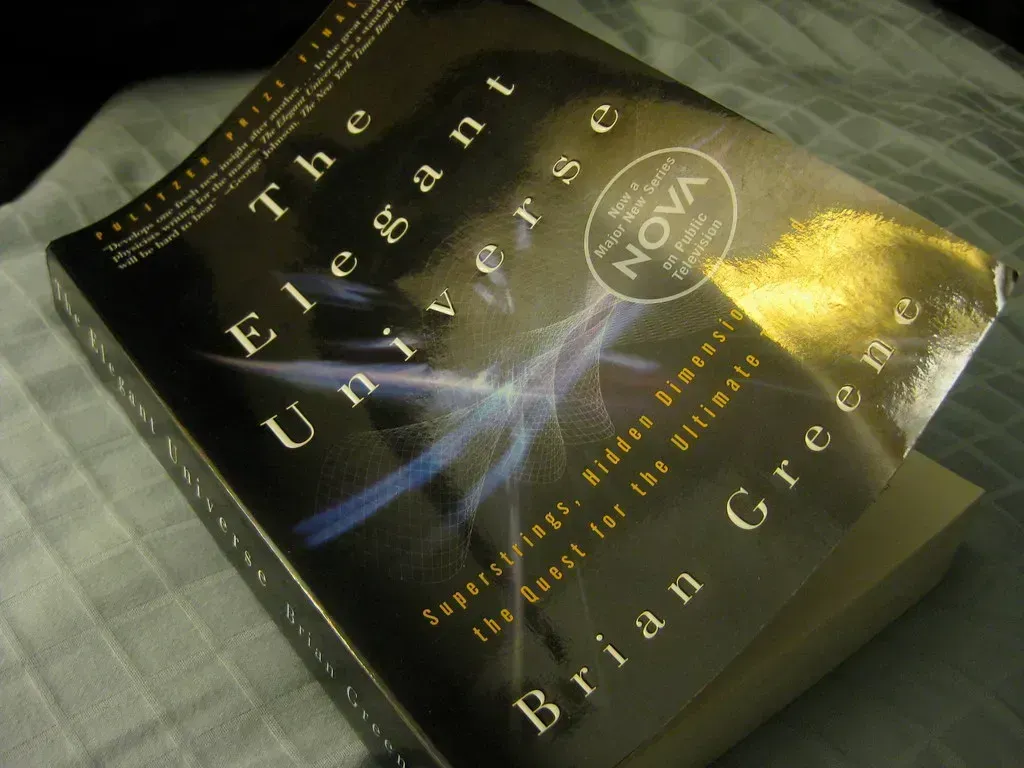
Greene’s 1999 book introduced a wide audience to string theory and the search for a unified description of physics. It was adapted into a television series, which helped it reach a broad audience. The early chapters on relativity and quantum mechanics are clear and full of helpful analogies.
The difficulty rises sharply once extra dimensions arrive. String theory remains unproven experimentally, so the later chapters describe ideas rather than settled results. Readers who like concrete answers may find it hard to stay with the material.
Sapiens by Yuval Noah Harari
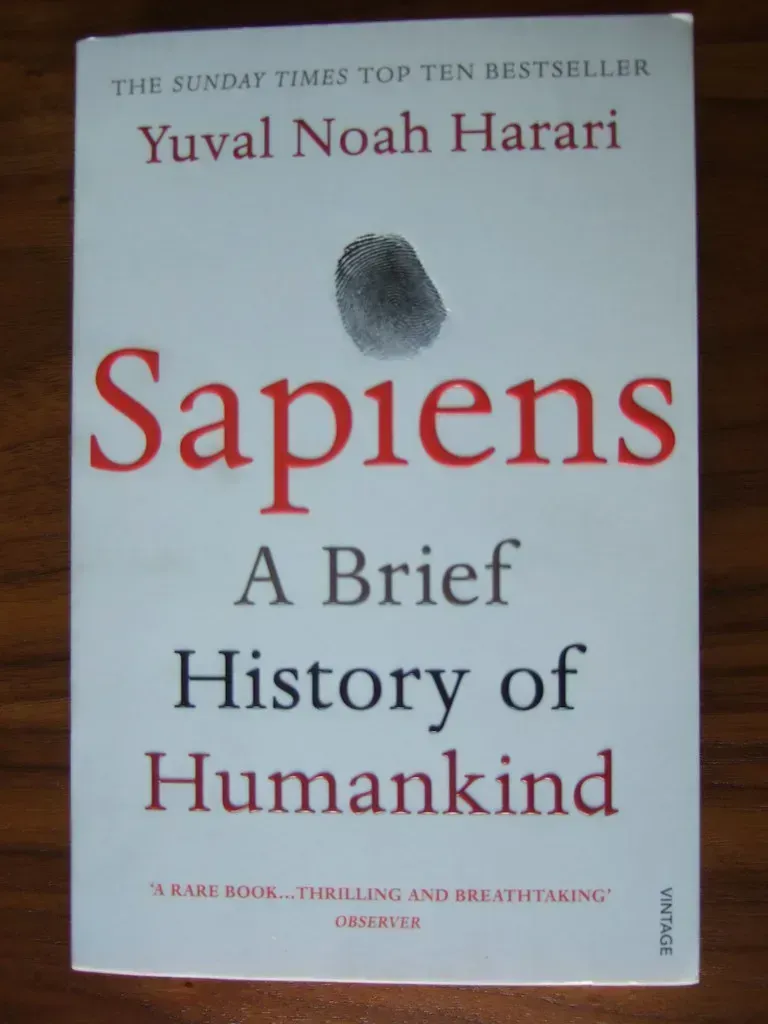
Sapiens was first published in Hebrew in 2011, and the English edition followed in 2014. It became a worldwide bestseller by offering a sweeping account of human history, from early humans to modern technology. Its confident storytelling made it a popular gift and a frequent bookshelf fixture.
The opening sections on the cognitive revolution grab most readers. The book covers so much ground that the second half can feel like a series of big claims rather than one narrative. Historians and scientists have also challenged some of its generalizations, so it rewards a careful reader more than a fast one.
