

- The Planet Where It Rains Liquid Glass – 7 Alien Worlds Defying Known Physics - November 14, 2026
- Stars Consuming Entire Worlds – 6 Planetary Systems Swallowing Their Own Worlds - November 14, 2026
- The Ground Liquefies Like Water – 6 Silent Fault Lines Geologists Watch Closely - November 14, 2026
Ask most people about space in the 1990s and you’ll hear about the Hubble repair, the Shuttle flights to Mir, or the early days of the International Space Station. The robotic explorers of that decade tend to slip out of the conversation. Many of them were built on tight budgets, and they quietly rewrote textbooks.
The ten missions below were chosen because their results still shape planetary science today. A few launched in the late 1980s but did their best work in the ’90s. Others finished their real job just after the decade closed.
Magellan Mapped Venus Through the Clouds
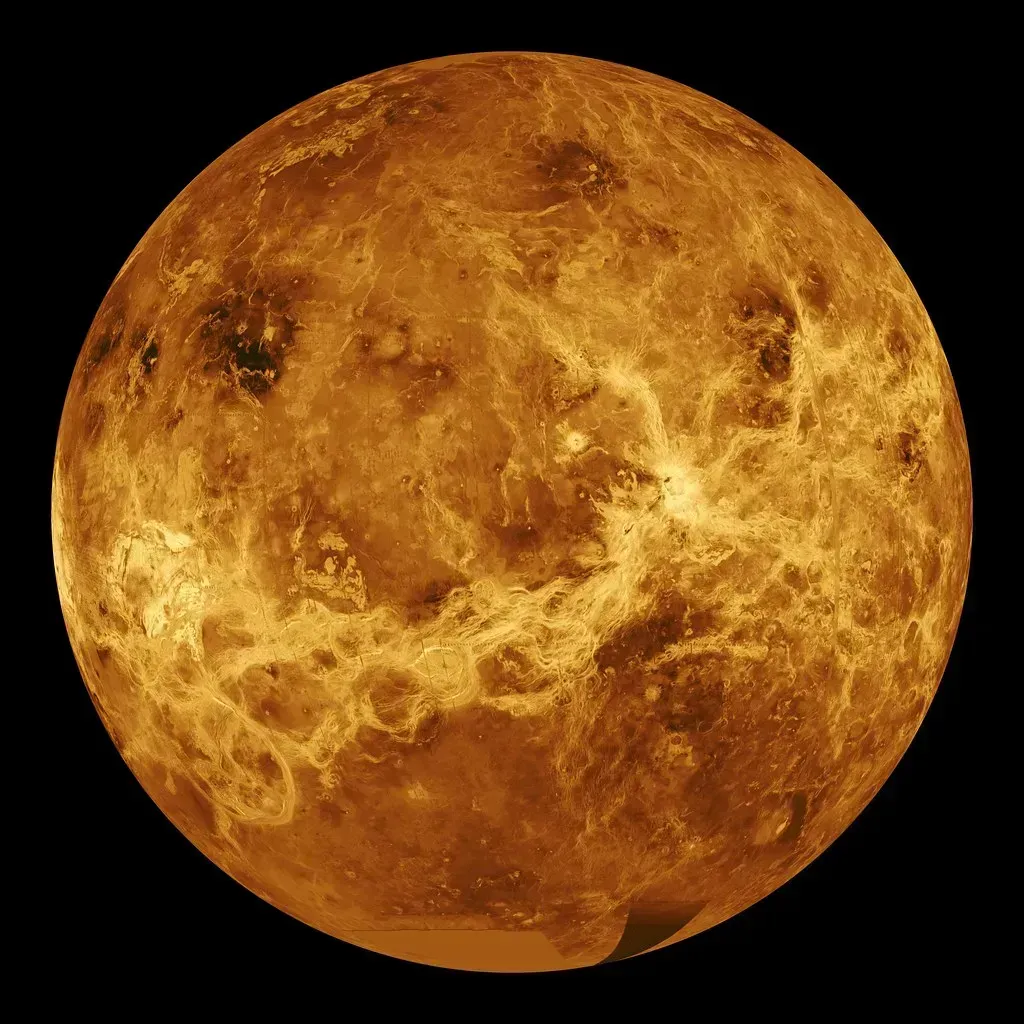
Magellan launched in 1989 and reached Venus in August 1990. Thick clouds hide the planet’s surface from ordinary cameras, so the spacecraft used radar to see through them. It ended up mapping nearly all of Venus, roughly ninety eight percent, in high resolution.
The maps revealed volcanoes, lava plains, and a surface that looks surprisingly young. Craters are scattered thinly, which points to a world resurfaced in geologic time. Magellan finished in October 1994 by diving into the atmosphere on purpose, which let engineers gather extra data about the air itself.
Ulysses Flew Over the Sun’s Poles
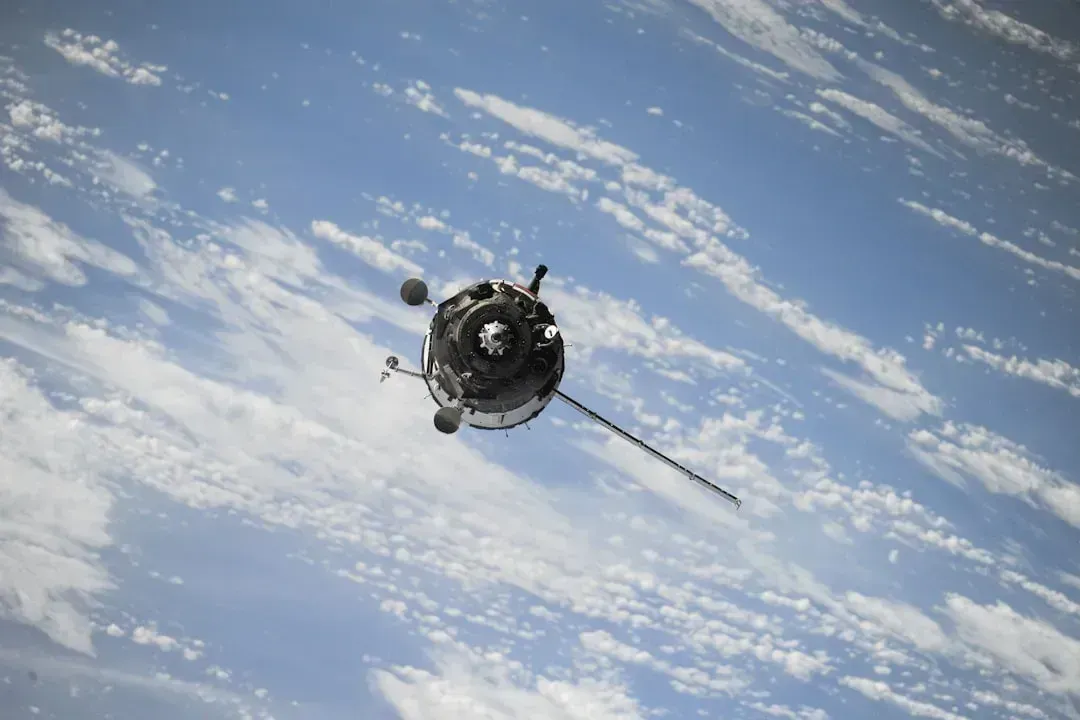
Ulysses launched in October 1990 as a joint ESA and NASA project. Every planet orbits near the same flat plane, so seeing the Sun from above required a trick. The probe swung past Jupiter in early 1992, and Jupiter’s gravity bent its path out of that plane.
It went on to pass over the Sun’s south pole in 1994 and the north pole in 1995. The data showed that the solar wind blows faster over the poles than near the equator. Ulysses kept working until 2009, which is far beyond what anyone planned for.
Mars Pathfinder Proved Cheap Could Work
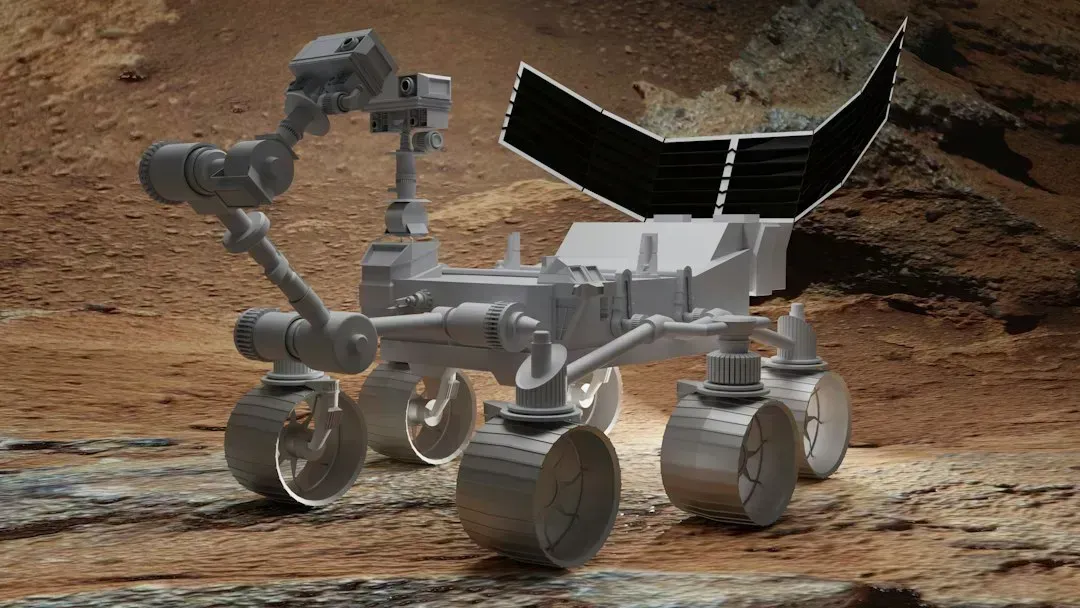
Pathfinder landed in Ares Vallis on July 4, 1997, bouncing to a stop inside a cluster of airbags. Out rolled Sojourner, a small rover that became the first wheeled vehicle to operate on Mars. Public interest was huge, and the mission’s website reportedly drew enormous traffic for its time.
The lander was designed to last about a month, and the rover was expected to work for about a week. Both kept going for roughly three months, until contact faded in September 1997. Its low cost and quick schedule helped make the case for the faster, cheaper approach NASA was trying then.
Mars Global Surveyor Rewrote the Red Planet
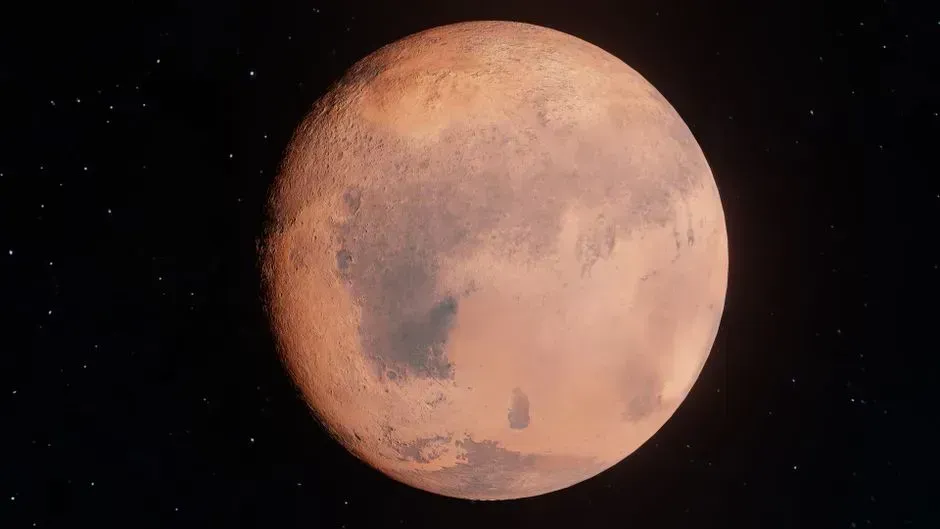
Mars Global Surveyor launched in November 1996 and arrived at Mars in September 1997. It spent months using aerobraking, dipping into the upper atmosphere to slow down and shape its orbit without extra fuel. After that it settled into a mapping orbit and stayed active until November 2006.
Its laser altimeter produced the first detailed global topography of Mars. Its camera spotted gullies that suggested liquid water may have flowed in relatively recent times. It also found bands of magnetized crust, a fossil hint that Mars once had a stronger magnetic field.
SOHO Became the Sun’s Long Term Watchdog
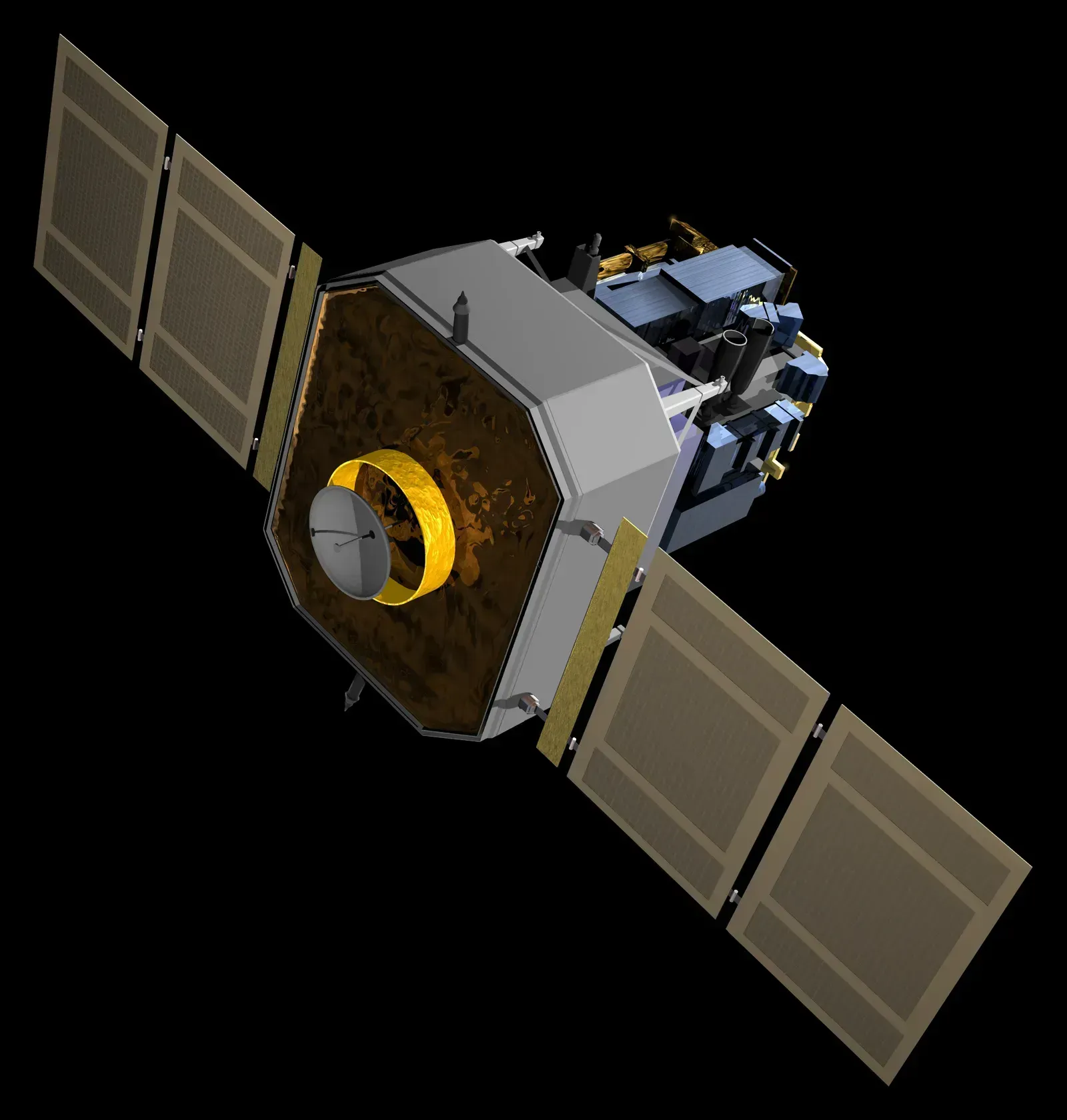
The Solar and Heliospheric Observatory launched in December 1995 and sits near the point between Earth and the Sun where their gravity balances. It watches the Sun around the clock. Its images have given forecasters early warning of solar storms for decades.
SOHO has also become the most prolific comet finder in history. Its coronagraph images have led to the discovery of more than five thousand comets, many of them spotted by amateur volunteers combing through the public data. Few people expected a solar observatory to hold that record.
NEAR Shoemaker Did More Than Asked
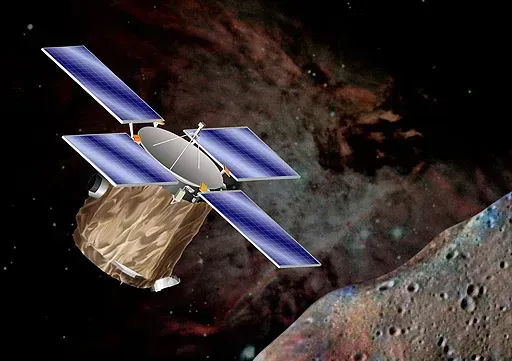
The Near Earth Asteroid Rendezvous mission launched in February 1996. It flew past the asteroid Mathilde in 1997, then in February 2000 it became the first spacecraft to orbit an asteroid, Eros. For a year it mapped the rock’s craters, boulders, and surface in detail.
The ending was the real surprise. In February 2001 controllers guided the probe down to the surface, even though it was never designed to land. It survived and kept sending signals for a couple of weeks.
Lunar Prospector Hinted at Polar Ice
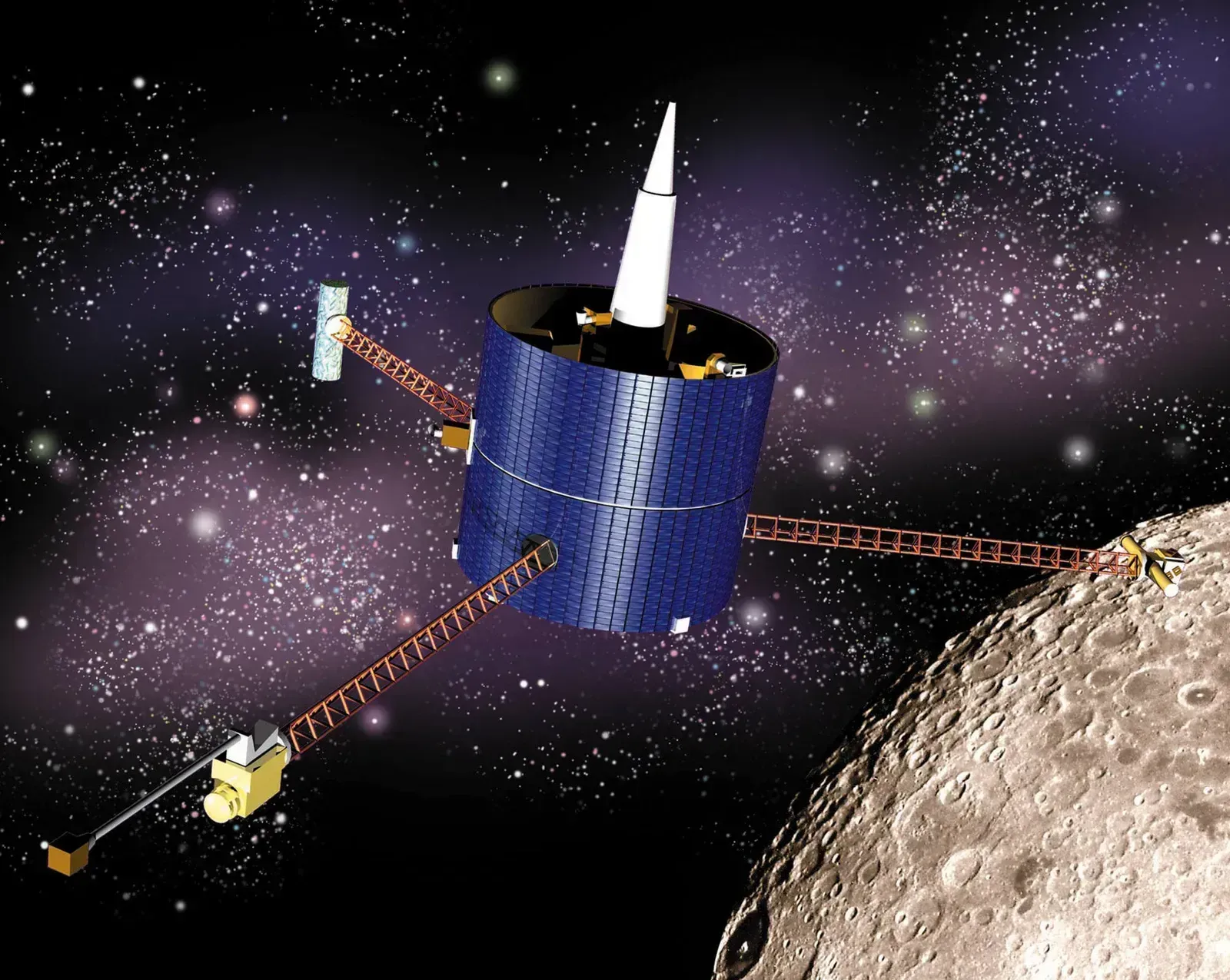
Lunar Prospector launched in January 1998 and orbited the Moon from pole to pole. It was a modest, low budget mission built around a small set of instruments. Its neutron spectrometer detected elevated hydrogen near both poles.
Scientists took that as a sign of water ice hiding in permanently shadowed craters. The result was debated for years, and later missions such as LCROSS and orbiters confirmed water there. The spacecraft itself was crashed into a south polar crater in July 1999, hoping to kick up a detectable plume. Nothing was seen, but the earlier data held up.
Deep Space 1 Tested the Future of Propulsion
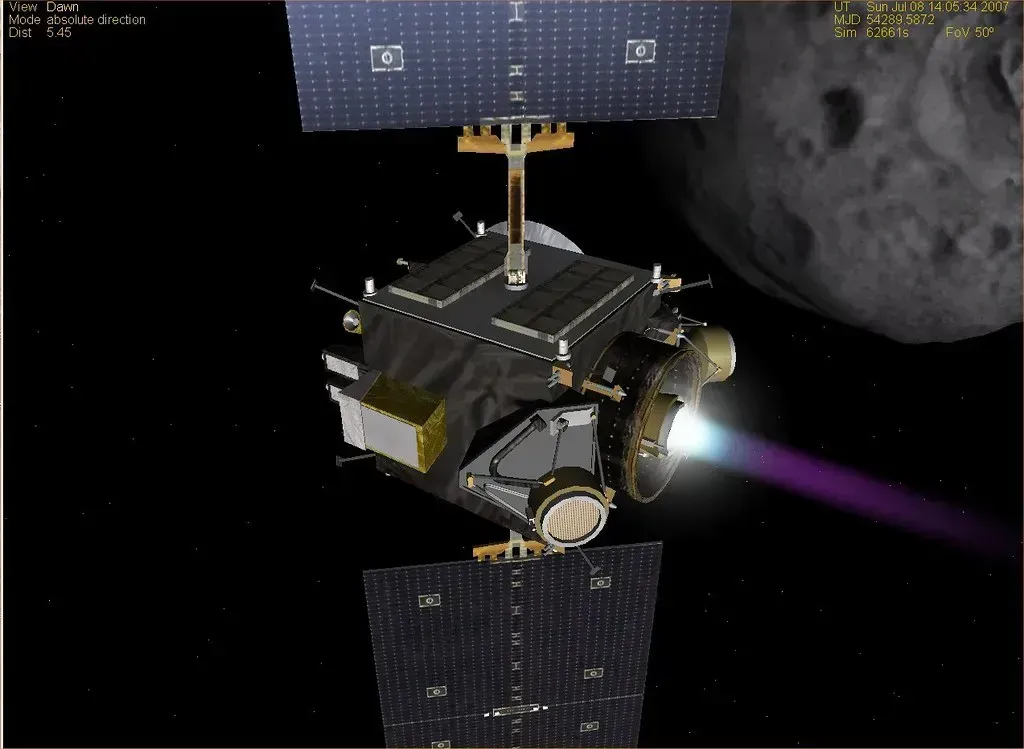
Deep Space 1 launched in October 1998 as a technology demonstration rather than a science flagship. Its main showpiece was an ion engine, which produces very gentle thrust but uses fuel extremely efficiently. It also tested autonomous navigation, letting the craft steer itself instead of waiting on Earth.
Along the way it flew past the asteroid Braille in 1999 and the comet Borrelly in 2001. Both flybys were bonus science on top of the engineering tests. The ion propulsion approach was later used on missions like Dawn, which orbited two different bodies in the asteroid belt.
Galileo Overcame a Broken Antenna
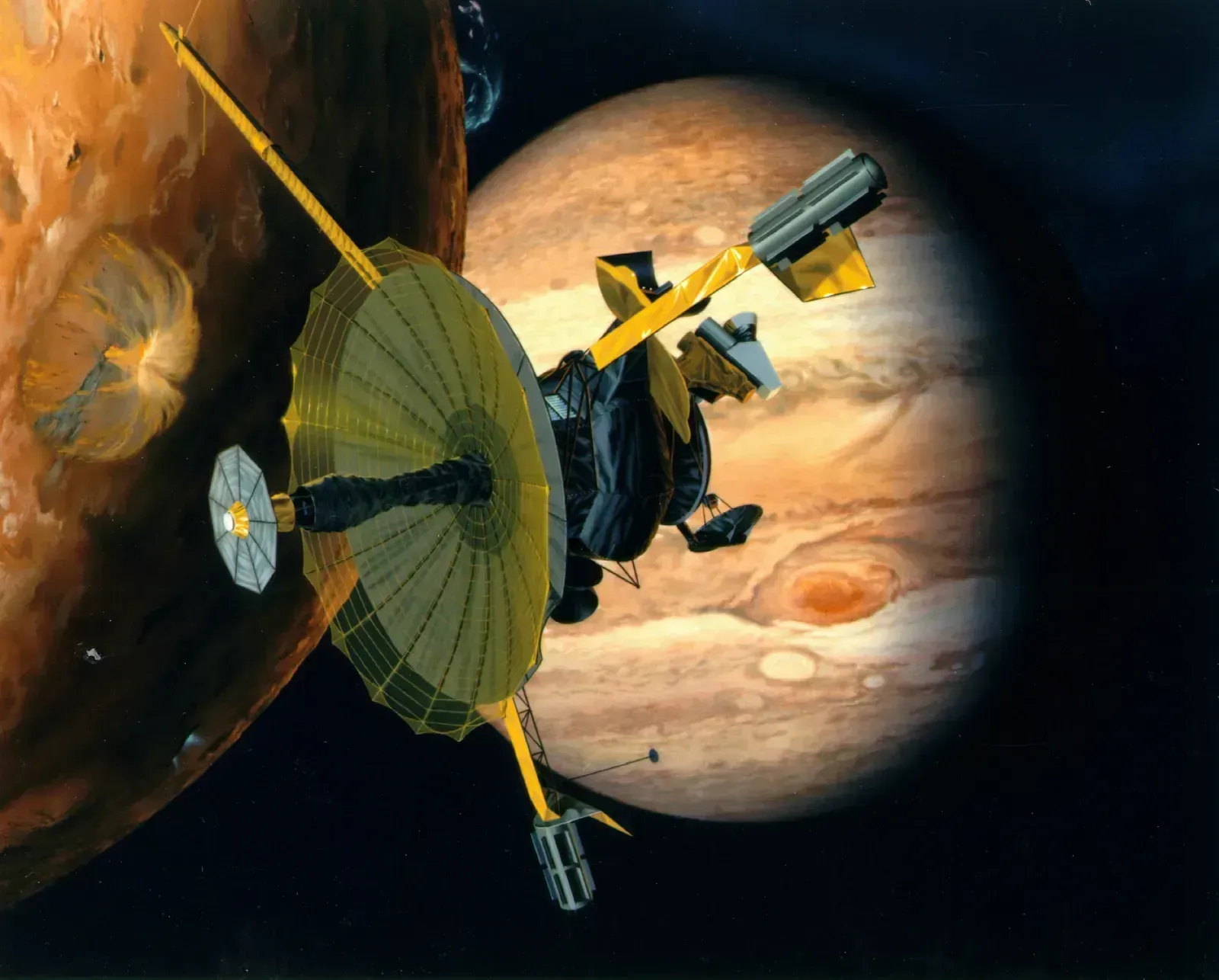
Galileo launched in 1989 and arrived at Jupiter in December 1995. Its main high gain antenna never fully opened, which threatened to cripple the mission. Engineers rebuilt the data plan around a much slower antenna and compression software, and the science mostly survived.
The results were remarkable. A small probe descended into Jupiter’s atmosphere, and the orbiter found strong signs of a salty ocean beneath the ice of Europa. That finding still drives the search for life in the outer solar system, including the Europa Clipper mission. Galileo was ended in September 2003 with a planned plunge into Jupiter.
Clementine Revisited the Moon After Two Decades
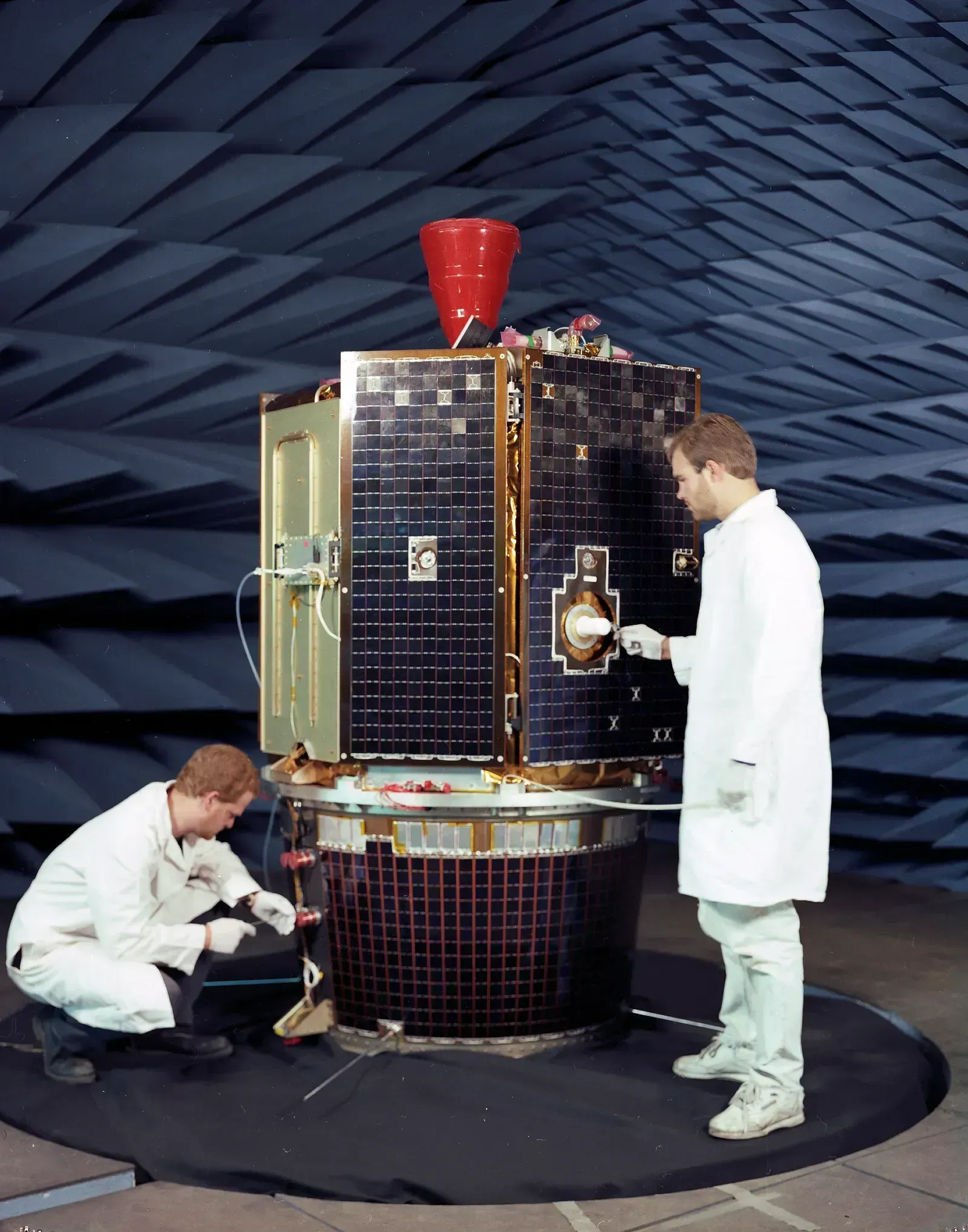
Clementine launched in January 1994 as a joint project of the US defense department and NASA. It was intended partly to test lightweight sensors and spacecraft technology. Over about two months in lunar orbit, it collected more than a million images of the Moon in multiple wavelengths.
Those images produced the first global maps of the Moon’s mineral makeup. A radar experiment also gave an early, disputed hint of ice near the south pole, which helped set up the Lunar Prospector mission. A malfunction later ruined the planned asteroid flyby, which is partly why Clementine is remembered less than it should be.
