
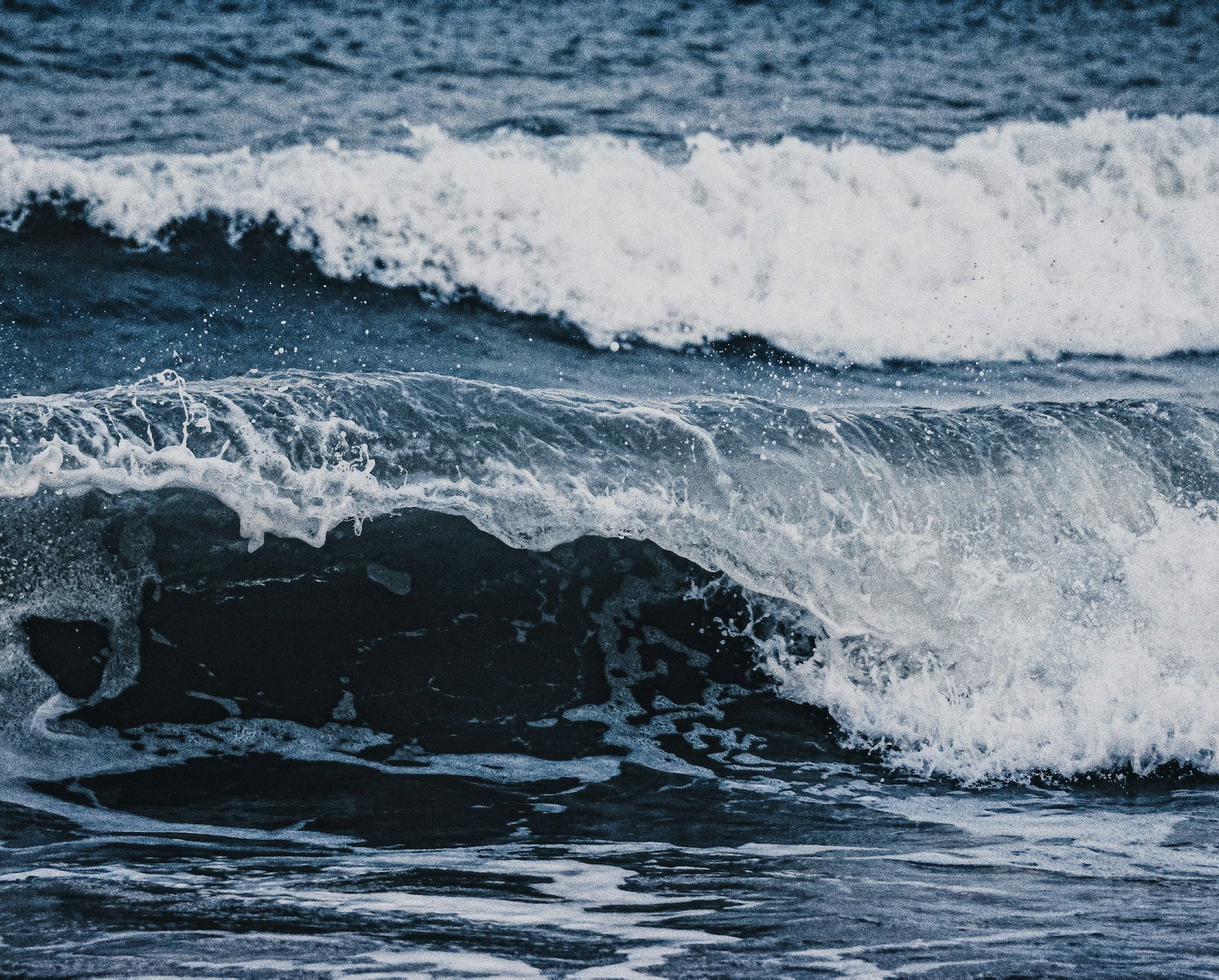
Most people picture a tsunami as one enormous wave, cresting like something from a film. In reality, the early moments are usually quieter and stranger than that. The ocean may behave in ways that don’t look dangerous until you know what you’re seeing.
Natural clues don’t always appear, and they shouldn’t replace official alerts. Still, knowing them can buy precious minutes for anyone who lives on or visits a coast. Here are eight signs worth recognizing.
1. Strong or Long Shaking Near the Coast
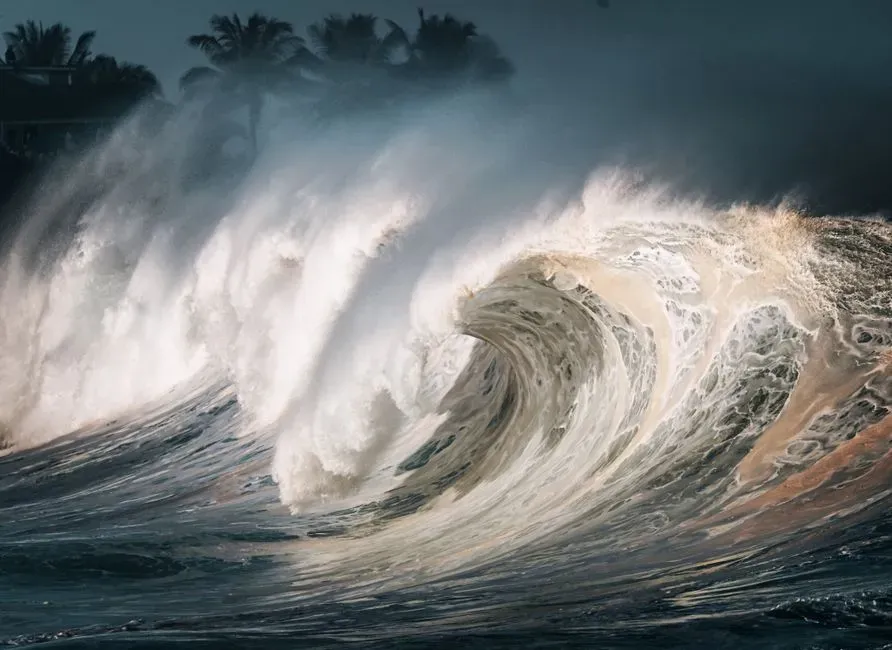
Many tsunamis start with an undersea earthquake, so the ground itself is often the first alarm. NOAA and the US Geological Survey advise that if you’re near the coast and feel shaking that is strong or lasts a long time, you should treat it as a warning. You don’t need to wait for a siren.
The 2004 Indian Ocean tsunami, which killed roughly 230,000 people across many countries, followed a massive earthquake off Sumatra. Near the source, waves can reach shore within minutes. If you can barely stand, move to higher ground right away.
2. The Sea Suddenly Pulling Back
This is the sign in the headline, and it’s one of the most recognized. Before a wave crest arrives, the trough can reach the shore first, so the water drains away and exposes seabed that is normally covered. Reefs, stranded fish, and wide stretches of wet sand may suddenly appear.
It looks fascinating, which is exactly the problem. Tsunami guidance from NOAA and UNESCO’s tsunami programs says this retreat means a wave could return soon and with force. Don’t walk out to look. Head inland and uphill.
3. A Loud Roar From the Ocean
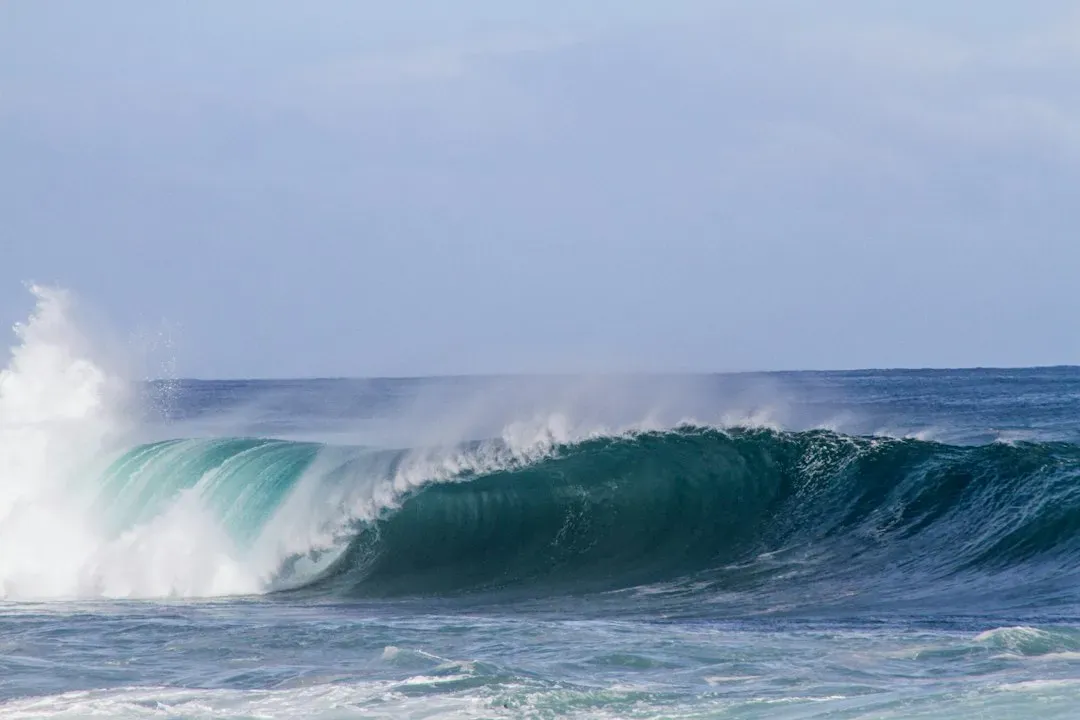
Some survivors and eyewitnesses describe a deep rumbling as a tsunami approaches. NOAA’s public safety guidance lists an unusual ocean roar among the natural warning signs, comparing it to a train or a jet engine. It can come from the moving water mass and the debris it carries.
The sound isn’t guaranteed, and wind or surf can mask it. If you hear something odd and powerful coming from the sea, don’t stop to work out what it is. Leave the area first.
4. Strange Behavior at the Water’s Surface
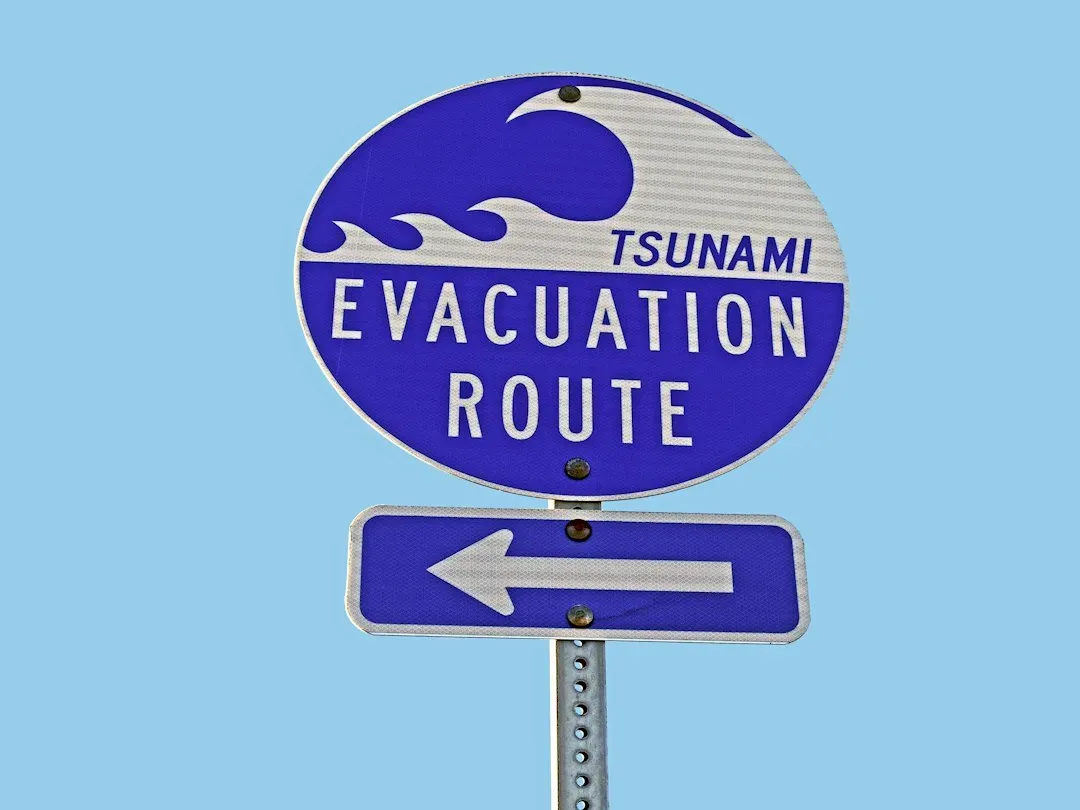
Before a tsunami, the water can look wrong in ways that are subtle. Harbors may see sudden swirling currents, boats pulled sharply against their moorings, or surfaces that bubble and foam. These changes come from the water starting to surge in and out as the disturbance reaches shallow areas.
Port workers and fishers sometimes notice these shifts first. Even a small oddity matters if it comes soon after an earthquake. When it’s paired with other signs on this list, take it seriously.
5. Water Rising Quickly and Without Waves
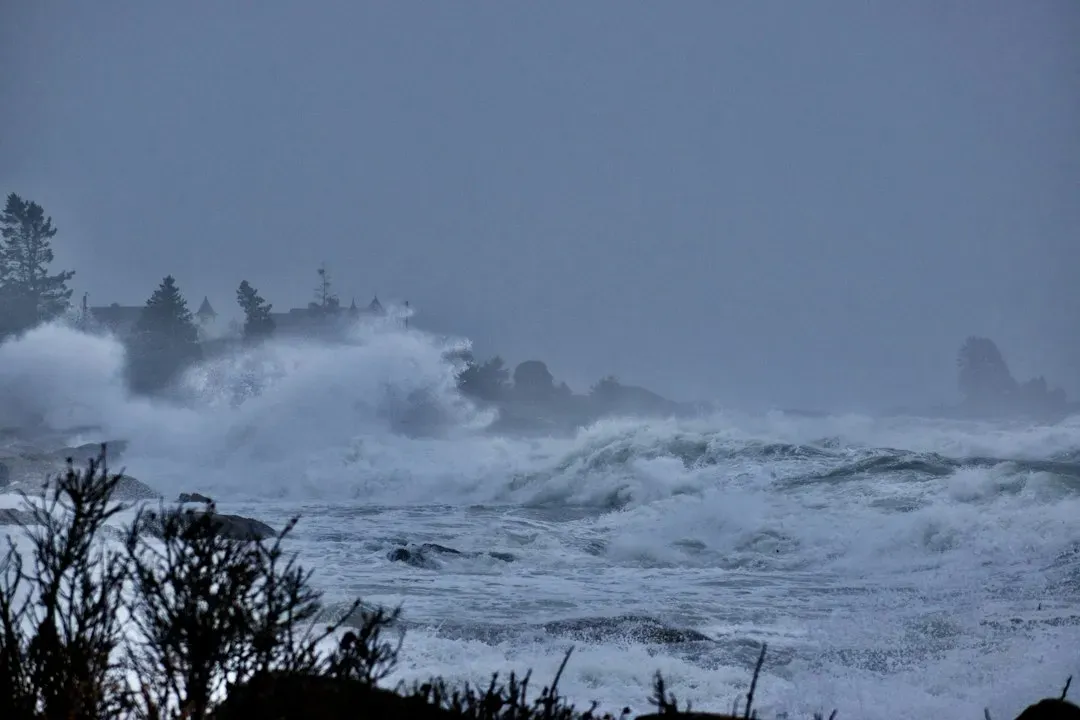
Not every tsunami arrives as a breaking wave. Often it shows up as a fast rise in water level, like a tide that’s coming in far too quickly, pushing through streets and harbors. This kind of flooding can look harmless in its first seconds.
The danger lies in its force and volume. A tsunami moves a huge amount of water, and even shallow, fast moving flooding can knock people off their feet and carry vehicles. If the sea is rising abnormally, don’t wait to see how high it goes.
6. A Wall of Water or Dark Line on the Horizon
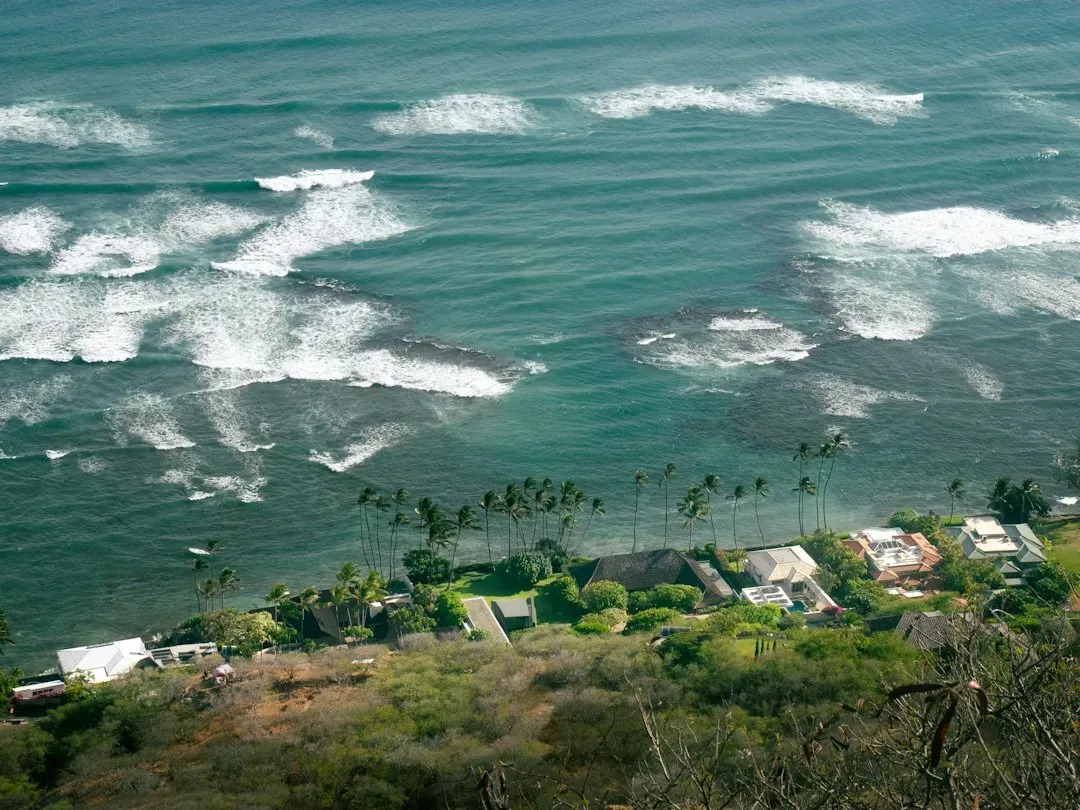
In some events, people see a dark band or a steep wall of water out at sea. Tsunamis travel across deep ocean at speeds comparable to a jet airliner, then slow and grow taller as they reach shallow coastal water. By the time the line is visible, little time may remain.
Visible waves can be mistaken for ordinary surf, particularly from a distance. If it looks bigger, darker, or more continuous than normal, that impression is enough to start moving. Distance from the water and height above it are what protect you.
7. Waves That Keep Coming for Hours
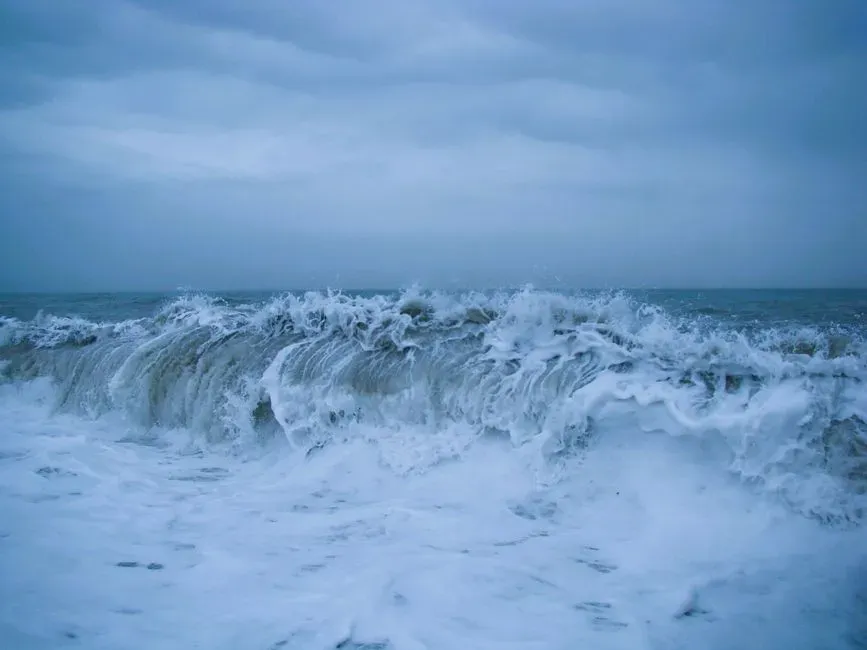
A tsunami is typically a series of surges, not a single event. NOAA stresses that the first wave isn’t always the largest, and the danger can continue for many hours. The gaps between waves can range from several minutes to over an hour.
That’s why returning too early is a common and risky mistake. A calm sea after the first surge doesn’t mean the threat has ended. Stay at higher ground until local authorities say it’s safe.
8. Official Alerts and Sirens
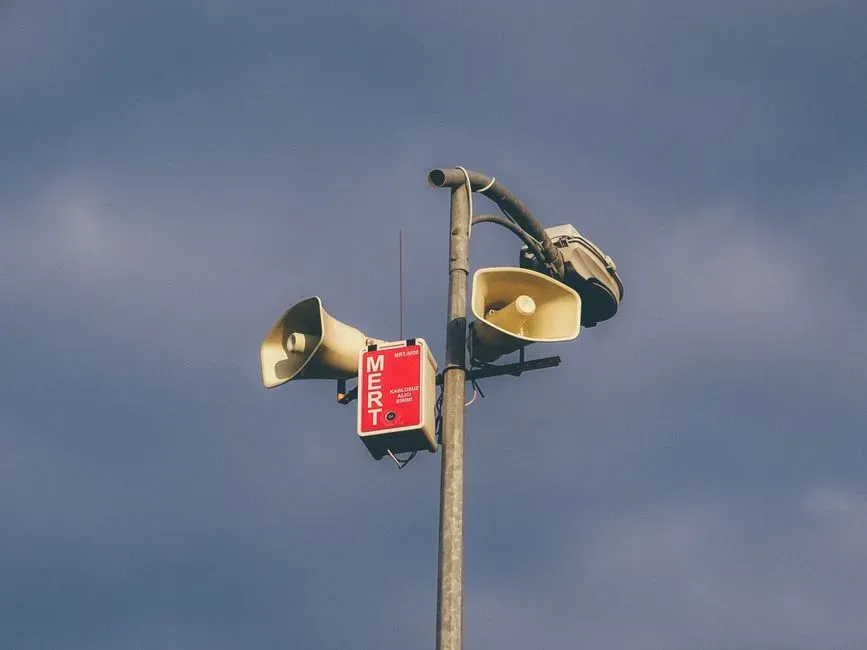
The most reliable warning sign is still an official one. Tsunami warning centers, such as those run by NOAA, monitor seismic activity and ocean sensors, then send alerts through sirens, phone messages, radio, and television. In July 2025, a powerful earthquake off Russia’s Kamchatka Peninsula led to tsunami alerts and evacuations across parts of the Pacific.
Distant tsunamis may give hours of notice, and in those cases the alerts matter far more than anything you can see on the shore. Know your local evacuation routes, and sign up for your area’s emergency alerts. When an official warning is issued, follow it without waiting to see natural signs as well.

- The Shoreline Sucked Dry in Seconds – 5 Tsunami Signals Beachgoers Mistake for Low Tide - November 14, 2026
- 9 Dark-Sky Destinations Around the World Where the Stars Look Unreal - November 14, 2026
- The Fault Line That Never Slips – 7 Locked Seismic Zones Overdue for a Massive Release - November 14, 2026
