


- Phantom Energy Sucking Power 24/7 – 7 Home Electronics Quietly Inflating Utility Bills - November 14, 2026
- A Million-Mile Storm Raging for Centuries – 6 Violent Weather Wonders in Our System - November 14, 2026
- Animals Flee Hours Before the Tremor – 7 Natural Warnings Before Disasters Strike - November 14, 2026
A fleece jacket that began life as a drink bottle sounds almost too tidy, but the basic idea is real. Many soft, lightweight fleeces are made from polyester, and polyester is chemically the same family of plastic, PET, used in many beverage bottles. That overlap is why recycled bottles became an early and popular source of fiber for outdoor brands.
The story is more complicated than the marketing suggests, though. Recycled polyester is common, yet it comes with trade-offs around microplastics, sourcing, and what happens to the garment at the end of its life. Here’s how the process works, and where it falls short.
Why Polyester and PET Are a Natural Match
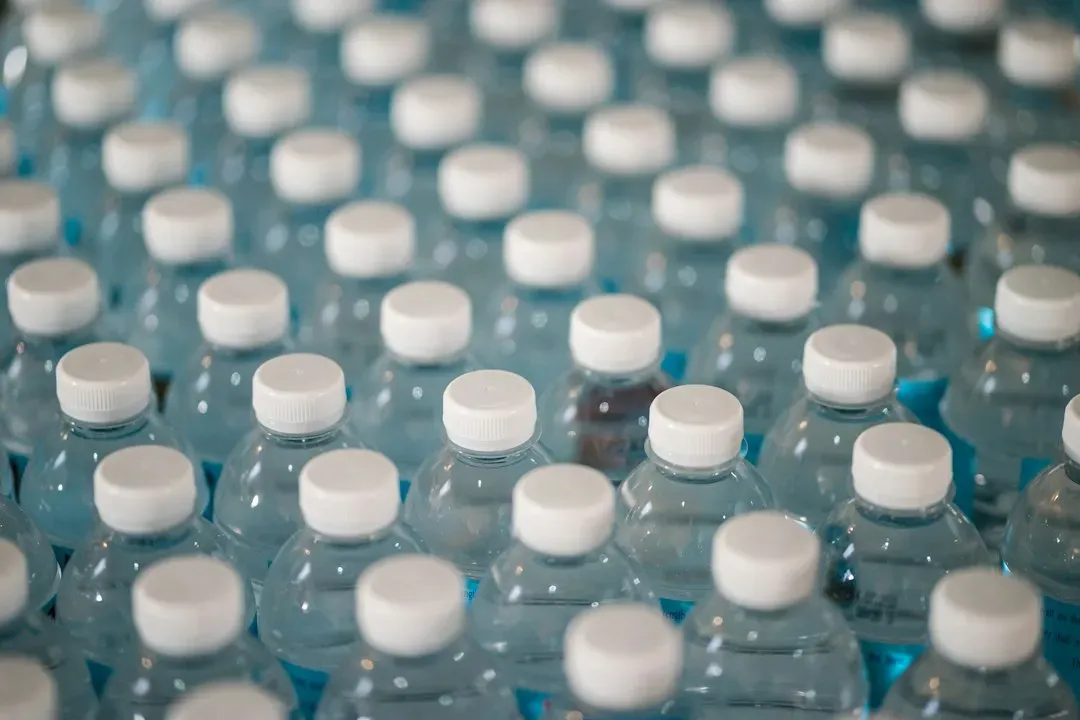
PET, or polyethylene terephthalate, is the plastic used in most clear drink bottles. Polyester fabric is made from the same polymer, spun into fibers rather than molded into containers. Because the chemistry is shared, used bottles can in principle be reprocessed into textile fibers.
This is why recycled polyester, often shortened to rPET, became the most widely used recycled fiber in clothing. Textile Exchange, a nonprofit that tracks fiber markets, has reported for years that polyester is the dominant fiber in global production and that recycled polyester makes up only a small share of it. Most of that recycled share has come from bottles.
How a Bottle Becomes a Fiber
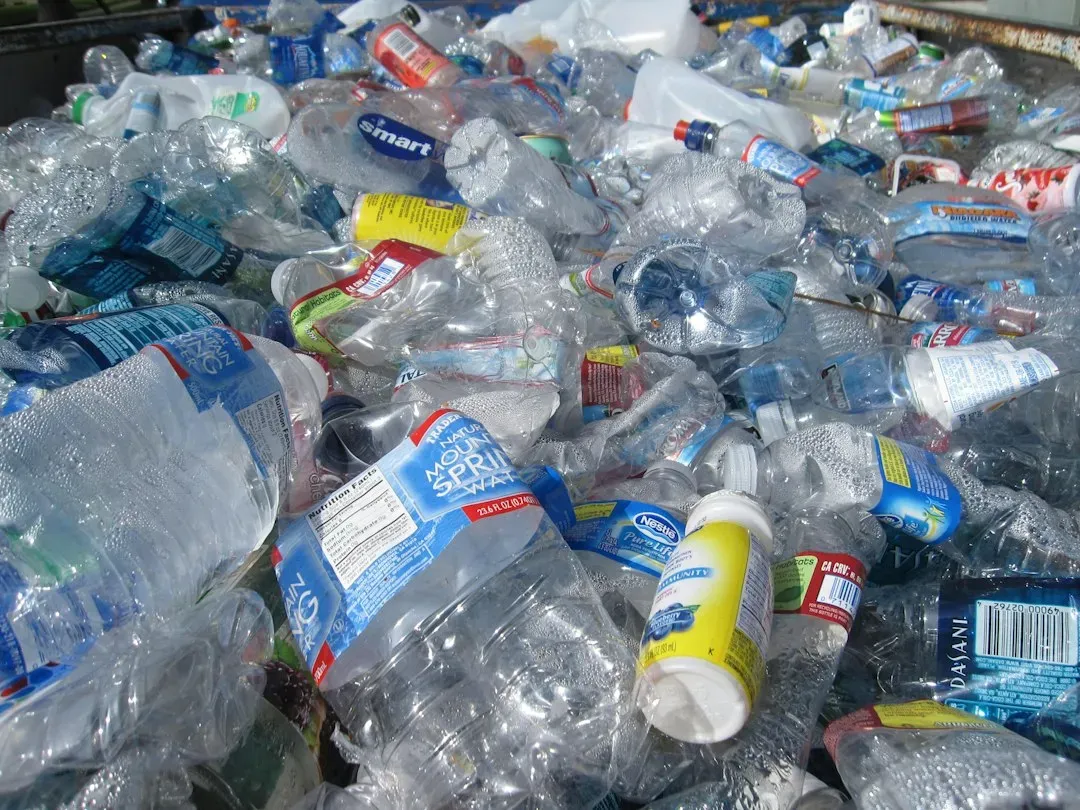
The mechanical route starts with collection and sorting. Bottles are baled, then cleaned, with labels and caps removed. They’re shredded into small flakes, washed again, and melted.
The melted plastic is then extruded into pellets or pushed straight through fine nozzles to form filaments. Those filaments can be cut into staple fiber, spun into yarn, and knitted into fabric. Fleece is made by brushing that knit to raise a soft, insulating pile.
Mechanical Versus Chemical Recycling
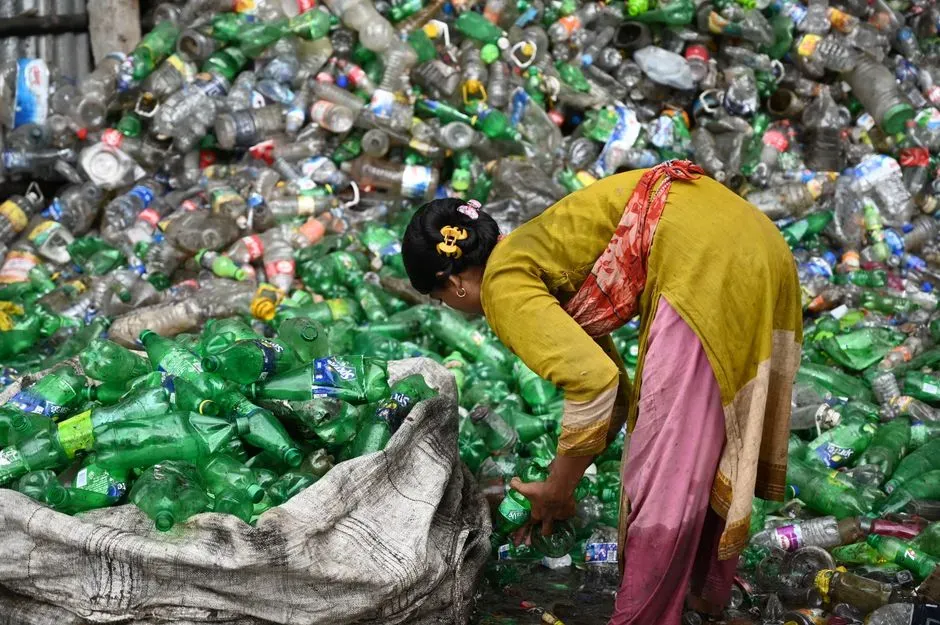
Mechanical recycling is the established method, but it has limits. Melting and reshaping plastic can slightly degrade its quality, and the process works best with clean, single-material input. Colored or contaminated material is harder to handle.
Chemical recycling aims to break polyester down into its building blocks and rebuild it as new polymer. Several companies are developing this for textiles, and it could in theory handle old garments as well as bottles. Still, these technologies are at an early commercial stage, so claims about their scale should be treated with caution.
The Bottle-to-Textile Problem
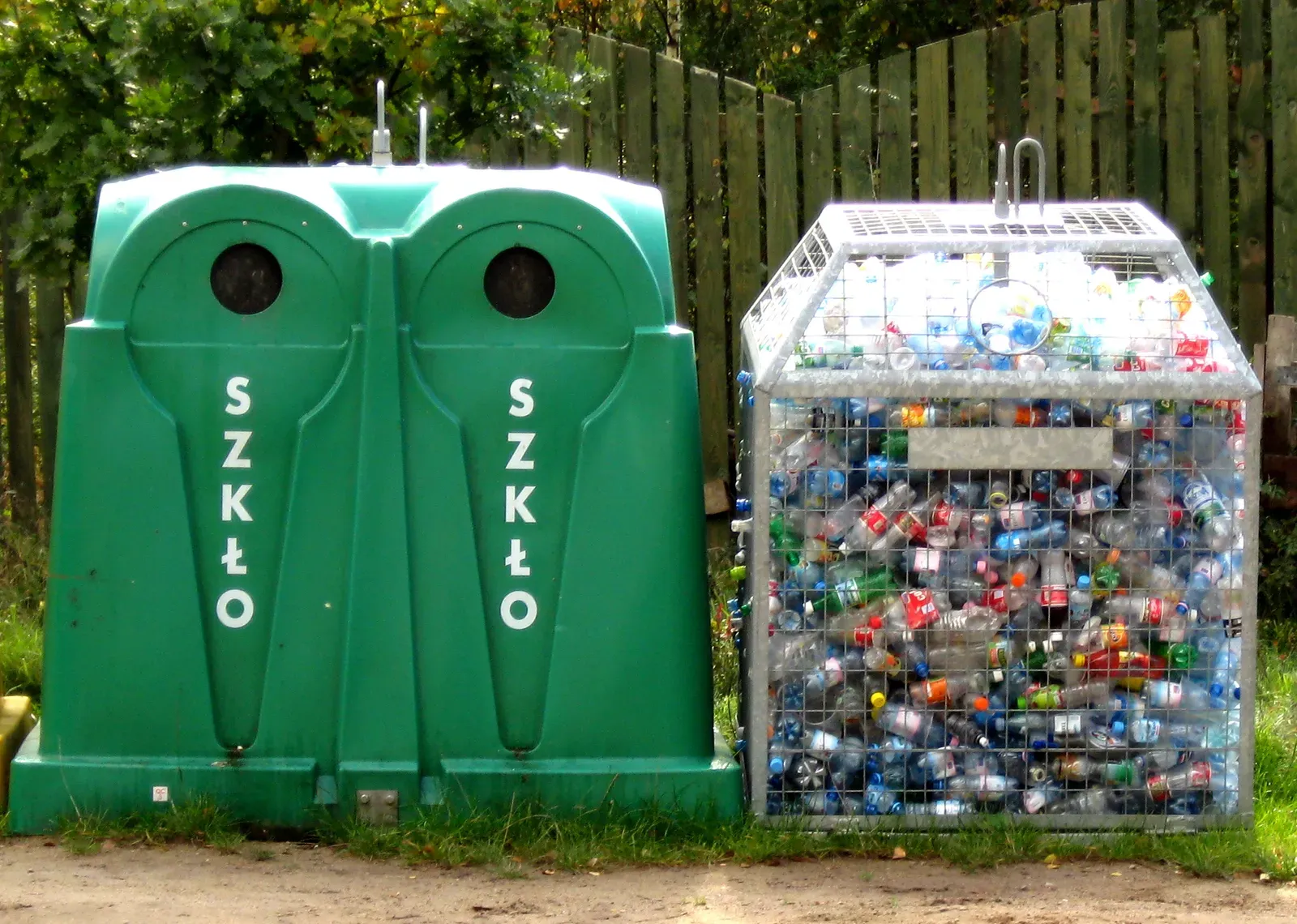
Using bottles for clothing sounds circular, but it often isn’t. Bottles are already part of a recycling system that can turn them back into new bottles. When they’re diverted into textiles, the fiber usually can’t return to the bottle loop, and most polyester clothing isn’t collected for recycling afterward.
Textile Exchange and the Ellen MacArthur Foundation have both pointed to this issue. Their work argues that the industry should develop true textile-to-textile recycling rather than depend on bottle supply. For readers, the takeaway is that “made from bottles” is a starting point, not proof of a closed loop.
Other Recycled Materials in Your Wardrobe
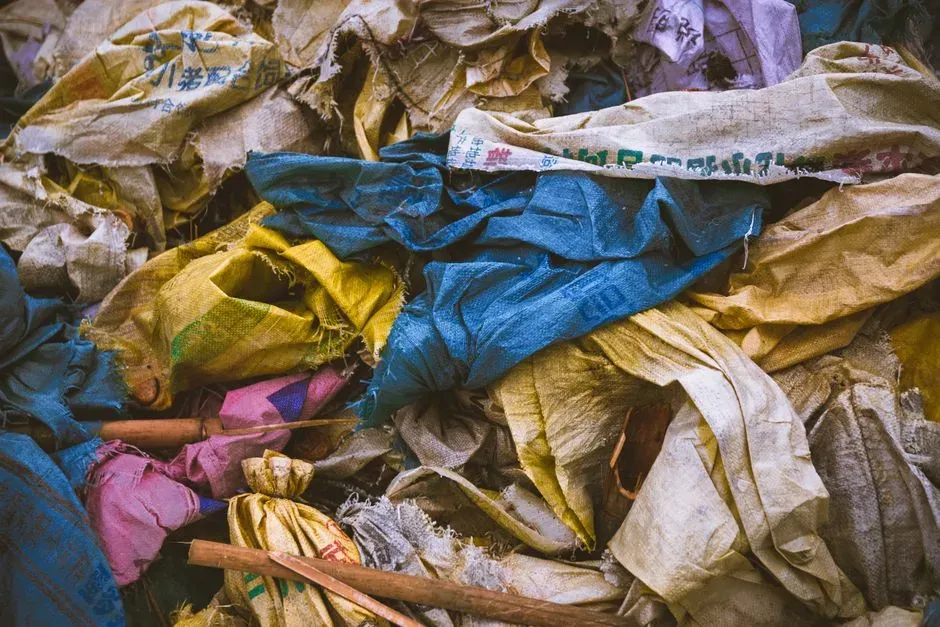
Bottles aren’t the only waste stream used. Recycled nylon is made from sources such as discarded fishing nets and industrial scraps, and brands use it in swimwear and outerwear. Recycled cotton is typically produced by shredding cotton fabric scraps and spinning the fibers again, often blended with other fibers because shredding shortens them.
Recycled wool has a long history too, especially in Prato, Italy, a region known for reprocessing wool garments into new yarn. Each material has its own limits on quality and blending. That’s why recycled content in a label often appears as a percentage rather than a promise of full recycling.
What the Environmental Benefits Really Are
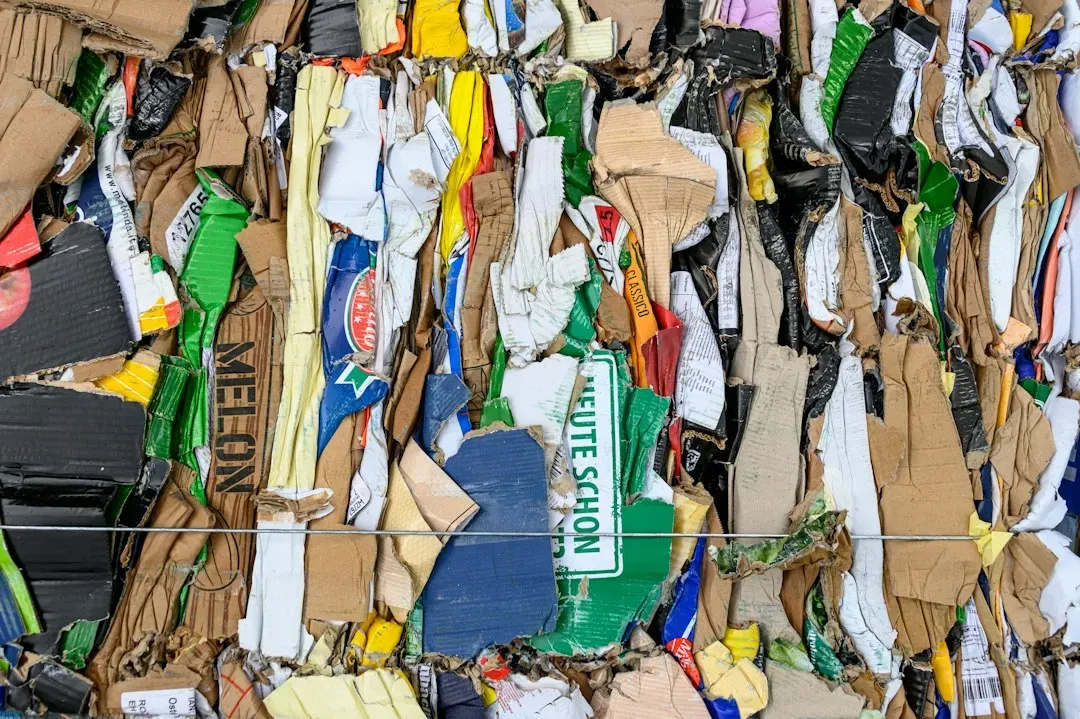
Recycled polyester generally requires less energy and fewer fossil resources than virgin polyester, and it keeps plastic out of landfills for a while. Lifecycle assessments generally find lower greenhouse gas emissions for recycled polyester, though exact savings depend on the method and the study.
However, it doesn’t fix every problem. Synthetic garments, recycled or not, shed microfibers when washed, and these end up in waterways. Research published in journals such as Environmental Science & Technology has documented this shedding, which is why filters and wash bags are being studied and, in some places, discussed in policy.
How to Read Labels and Claims
Start with the exact wording. A label that says the garment contains recycled polyester tells you something concrete, while vague phrases like “eco-friendly” tell you very little. Look for the recycled percentage and for certifications such as the Global Recycled Standard, which verifies recycled content and some social and environmental practices.
Regulators are paying attention to this area. The European Union has been developing rules on green claims and extended producer responsibility for textiles, aimed at reducing misleading statements and funding collection and recycling. Details are still evolving, so it’s worth checking current guidance rather than assuming a claim is verified.
Conclusion: A Useful Step, Not the Finish Line
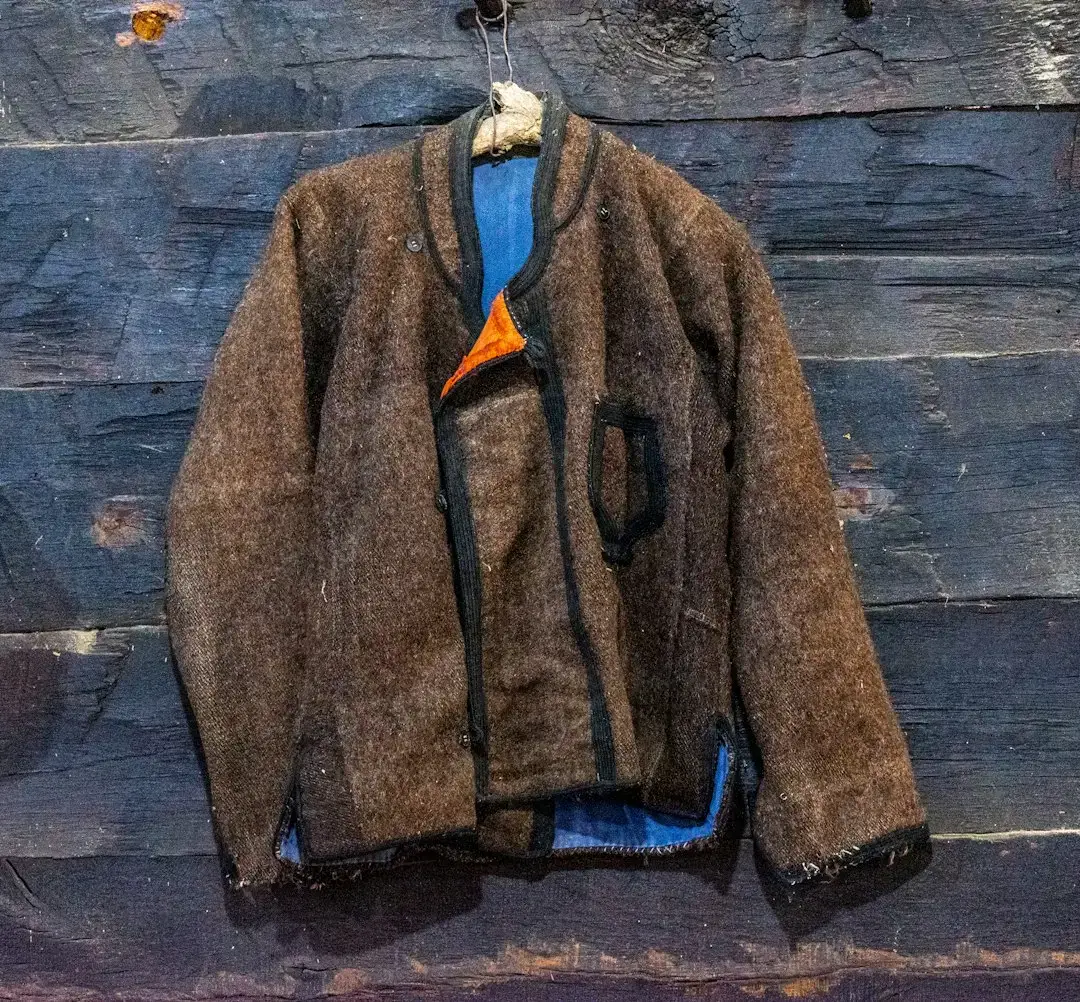
Turning bottles into fleece shows that waste can become a useful textile, and recycled fibers usually beat virgin ones on resource use. Yet the bigger challenge is making clothing that can be recycled again, which needs better collection, sorting, and technology.
Until then, the most reliable choice is also the simplest one. A jacket worn for many years does more good than any recycled label can promise.
